What Vinyl to Use for Outdoor Signs: A Complete Guide to Choosing Durable Materials
What vinyl to use for outdoor signs depends on how long it needs to last. Longer-lasting signs need tougher vinyl. PVC vinyl is a common choice because it resists wear and sticks well to smooth surfaces.
Calendered vinyl works for temporary signs. It lasts 1 to 5 years and costs less than more durable vinyl.
Permanent vinyl suits signs meant for 3 to 5 years outdoors. But climate and sun exposure affect this.
Wait at least 24 hours after installation before cleaning your vinyl sign. Cleaning too soon can weaken the adhesive. Smooth, flat surfaces hold vinyl better than rough or textured ones.
Consider how long your message should last and the sign surface. Picking the right vinyl prevents issues like shrinking or peeling before its time.
Key Takeaways
- PVC vinyl suits medium-term outdoor signs, lasting up to 3 years with sun exposure.
- Calendered vinyl is best for flat surfaces and signs needing 1, 5 years of durability.
- Permanent vinyl can remain outdoors for 3 to 5 years under average conditions.
- Wait 24 hours after applying vinyl before washing or exposing it to moisture.
- Choose vinyl finish and color that resist fading and wear in your climate.
- Smooth surfaces help vinyl stick better and prevent premature peeling.
Which Vinyl Types Work Best for Outdoor Signs?
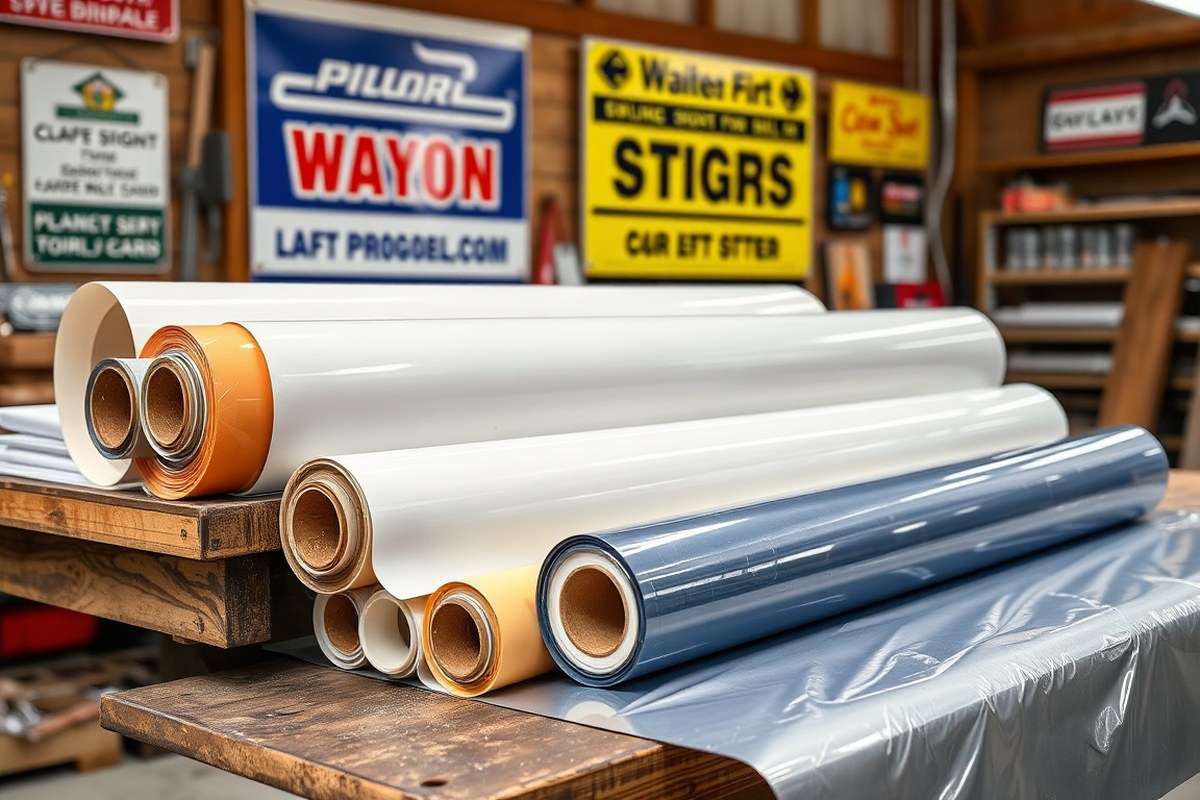
Outdoor vinyl mostly falls into cast, calendered, PVC, and specialty types. Each type suits different sign lifespans and surfaces. Knowing these helps you pick the best vinyl for your outdoor sign needs.
Cast Vinyl Advantages and Use Cases
Cast vinyl is made by casting liquid vinyl onto a web, creating thin, flexible sheets. It lasts over 10 years.
It holds up well in harsh weather. This makes it great for vehicle wraps and long-lasting architectural signs.
This vinyl adapts to curved or uneven surfaces without cracking or shrinking. It’s usually pricier.
But it’s worth it for durable outdoor graphics. These are great when you want to keep them for years.
Calendered Vinyl Characteristics and Limitations
Calendered vinyl goes through rollers to form sheets and typically lasts 1 to 5 years outdoors. It works best for flat signs.
Use it for seasonal or short campaigns. Cost matters more than lifespan here.
This type is thicker and less flexible. So it tends to shrink and crack if stretched. Calendered vinyl is a budget-friendly choice when you expect to update or replace signs frequently.
Specialty Outdoor Vinyl Types Explained
Specialty vinyls include reflective, translucent, and high-tack films. Reflective vinyl boosts nighttime visibility and suits safety signs. Translucent vinyl works in light boxes or backlit signs.
Durability ranges from six months to 10 years. This depends on the type.
Manufacturer specs also affect this. Use specialty vinyl carefully, matching its purpose to your outdoor sign’s unique needs.
| Vinyl Type | Typical Lifespan | Flexibility | Cost |
|---|---|---|---|
| Cast Vinyl | 10+ years | High | High |
| Calendered Vinyl | 1, 5 years | Medium | Low to Medium |
| PVC Vinyl | 3, 5 years | Low | Medium |
| Specialty Vinyls | 6 months, 10 years | Varies | Varies |
How Long Does Outdoor Vinyl Typically Last?
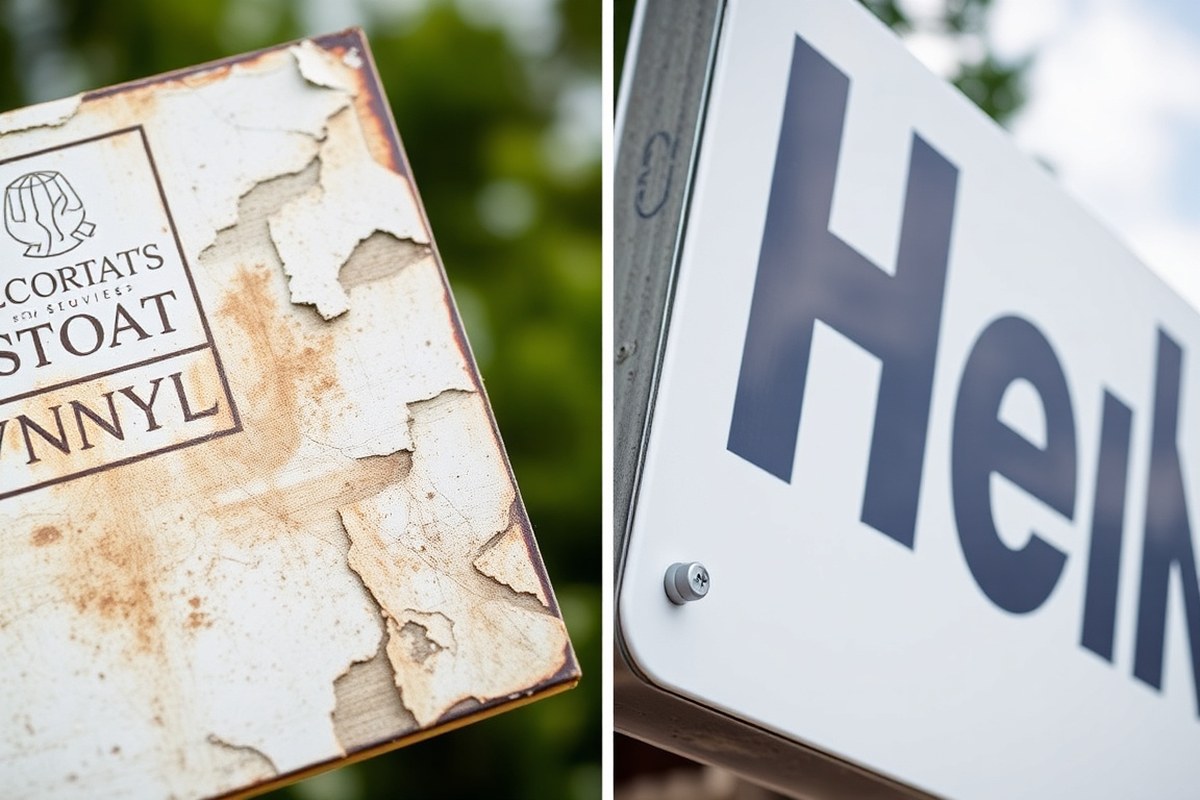
Outdoor vinyl lasts between 3 and 7 years, depending on type and conditions. Cast vinyl generally outperforms calendered vinyl, holding up longer in harsh sun and weather. Climate, UV exposure, and installation quality all affect exactly when fading or peeling begins.
Cast vs Calendered Vinyl Lifespan
Cast vinyl can last 5 to 7 years outdoors if properly applied. It’s flexible, heat-resistant, and resists fading and cracking well. This makes it the top choice for long-term vehicle or building signs.
Calendered vinyl usually lasts 3 to 5 years under average conditions. It’s thicker and less flexible, so it won’t conform as well but costs less. It’s best for short to medium use signs like event boards or temporary decals.
Effects of UV Exposure and Climate
Sunlight breaks down vinyl dyes and adhesives, causing fading and peeling. Signs in hot, sunny climates can lose their look earlier than in cooler, shaded spots. Humidity and rain also wear vinyl faster, especially if edges aren’t sealed.
For example, cast vinyl in dry, mild areas might last closer to 7 years. In contrast, calendered vinyl in full sun and high heat might show fading after 3 years. Proper installation and protective laminates can help stretch these timelines.
When Vinyl Fades or Peels Outdoors
Vinyl starts fading or peeling anytime between 3 and 5 years outdoors. Calendered vinyl may begin showing wear at about year 3 due to its lower durability. Cast vinyl resists peeling for a long time.
You may still need to replace it after 5 to 7 years. This happens because of wear or edges lifting.
Signs facing constant abrasive winds or poor surface prep are more likely to peel early. Peeling often begins at the corners or edges where moisture and dirt accumulate. You can avoid this by cleaning surfaces well and using primer or edge sealers.
Temperature and Weather Impact
Cast vinyl handles temperatures from, 40 °F to 200 °F, keeping it stable across seasons. Calendered vinyl’s temperature tolerance is narrower, making it prone to shrinking or bubbling with extreme heat. Cold winters cause both types to stiffen but cast vinyl fares better.
Rain, snow, and wind can shorten vinyl life. Signs need good installation and care to last longer. Without that, the vinyl won’t hold up well.
Laminates that block UV rays and moisture extend longevity. Protecting edges and corners is especially important in places with freeze-thaw cycles.
Keep edges sealed and use protective laminates to prevent early peeling and fading outside.
How Surface Type Influences Vinyl Choice and Adhesion
Vinyl sticks best to smooth, clean, and stable surfaces outdoors. Flat surfaces like aluminum, acrylic, and painted wood work best. They give the adhesive a strong place to stick.
This helps the vinyl last longer on your sign. Rough or porous surfaces like textured walls or untreated wood cause problems.
They make the vinyl stick weakly. This shortens how long your vinyl sign lasts.
Preparing the surface is key. Dirt, oil, and moisture reduce vinyl’s grip dramatically. You should clean non-porous surfaces with isopropyl alcohol, wiping with a lint-free cloth.
For porous materials, sanding lightly smooths roughness. Let everything dry fully before applying vinyl.
Wrapping vinyl around curves or bending it over rough spots requires care. Cast vinyl works better on curves due to its flexibility.
Calendered vinyl handles flat and slightly curved surfaces but may bubble on sharp bends. Using a heat gun softens vinyl, helping it conform smoothly.
- Aluminum and painted panels: Clean with alcohol, remove dust, dry fully
- Corrugated plastic: Wipe down, avoid dust and moisture
- Glass and acrylic: Use soap and water, then alcohol rinse
- Wood (painted or sealed): Sand lightly, clean dust, ensure dry
- Rough or porous surfaces: Sand to smooth, prime for vinyl if possible
- Curved surfaces: Use cast vinyl, warm gently with heat gun on application
Investing time in prepping your sign’s surface pays off in durability. Poor cleaning leads to bubbles and lifting in months, especially under moisture or heat. Match the vinyl type to your surface to avoid peeling.
Prep the surface carefully before applying vinyl. This helps keep your sign looking fresh longer.
Key Installation Steps to Maximize Vinyl Durability
Applying outdoor vinyl correctly helps it stick well and last longer. You want a clean, dry surface and the right temperature to avoid bubbling or early peeling. Let the vinyl sit before it meets rain or sun.
This helps it stick better to the sign. Give it enough time to set properly.
- Clean the surface thoroughly. Use soap and water or rubbing alcohol to remove dirt, oil, and dust. Let it dry completely to avoid trapping moisture under the vinyl.
- Check the surface temperature. Aim for 50°F to 90°F (10°C to 32°C). Vinyl won’t stick well outside this range. Avoid applying under direct sunlight or on very cold surfaces.
- Position and apply the vinyl slowly. Peel the backing and use a squeegee to smooth it from the center outward. This reduces air bubbles and helps edges stick tightly.
- Seal edges and seams carefully. Press firmly along all edges and seams to prevent water from getting underneath. You can use a heat gun on low to soften vinyl edges for better adhesion.
- Let the vinyl cure undisturbed.Keep the sign indoors or under shelter for 24 to 48 hours. Avoid rain or sun during this curing time. Curing time allows adhesives to fully bond.
- Avoid touching or repositioning the vinyl once applied. This can weaken the adhesive and cause peeling. Act fast if you need to reposition the vinyl. Do it carefully before it sets.
Cold or wet conditions during installation can cause bubbles or reduce adhesive strength. Humidity and extreme heat might also affect curing time. So plan to apply during mild, dry weather.
Clean surfaces and proper curing help signs resist peeling outdoors. This can last for months or even years.
Which Vinyl Finishes and Colors Hold Up Outdoors?
Matte vinyl finishes tend to hold up better outdoors than glossy ones. They don’t show fingerprints or scratches easily, which keeps signs looking cleaner longer. Glossy finishes can look nice at first.
They often show wear faster in bright sunlight. Signs fade or scratch more easily with gloss.
Colors also play a big role in how well your sign resists fading. Metallic and fluorescent vinyl may look vibrant but usually have shorter lifespans in direct sun. Special pigments in those colors break down faster under UV rays.
This causes dullness or color shifts within a few months. UV rays weaken colors quickly.
Choosing deeper, solid colors helps your signs stay sharp longer. Matte black, navy blue, or forest green work well. These colors resist fading and look good for years.
White matte vinyl is another good option, since it reflects UV rays and resists yellowing. Using vinyl designed with UV inhibitors also boosts color retention outdoors.
For the longest outdoor life, pick matte finishes in earth tones or standard blacks and whites. You can pay slightly more for premium vinyl with UV inhibitors.
But it often lasts several years longer. Avoid bright metallics and fluorescents for signs exposed to constant sun.
Replacing faded or damaged vinyl sections keeps your sign looking fresh without a full redo. This works well if you use brands known for consistent color matching. Glossy vinyl may need more cleaning.
Dirt and fingerprints can dull its shine. Frequent wiping keeps it looking good.
Avoid cheap metallic vinyl for outdoor signs. They fade within months in strong sun and hurt your sign’s look.
Which Outdoor Vinyl Brands and Series Are Most Reliable?
You can choose between two main vinyl types for outdoor signs: cast and calendered. Cast vinyl lasts longer. It holds up well in harsh weather.
Calendered vinyl fits short-term projects. Knowing which brand and series works best helps you balance cost with durability.
Cast vinyl is excellent for long-lasting signs. Brands like 3M Controltac offer cast vinyl. Avery Dennison MPI 1105 does too.
These last 7 to 10 years. They resist shrinking and keep colors vibrant. Calendered vinyl costs less but lasts about 1 to 5 years.
Popular calendered vinyl comes from brands like Oracal 651 and Arlon 3400 series. These fit less demanding jobs or budget projects.
| Brand & Series | Type | Outdoor Lifespan | Cost ($/yd²) | Key Features |
|---|---|---|---|---|
| 3M Controltac | Cast | 7, 10 years | 2.00, 3.00 | Excellent durability, minimal shrinkage |
| Avery Dennison MPI 1105 | Cast | 7, 9 years | 1.80, 2.80 | High conformability, colorfast |
| Oracal 651 | Calendered | 3, 5 years | 0.50, 1.00 | Good for short-term, wide color range |
| Arlon 3400 | Calendered | 1, 4 years | 0.55, 1.10 | Economical, suitable for flat surfaces |
| Siser EasyPSV | Specialty Cast | 5, 7 years | 1.70, 2.50 | Removable, good for vehicle graphics |
Pick cast vinyl for signs exposed for years. It keeps bright colors. It resists shrinking well.
Calendered vinyl fits short campaigns or budget limits well but fades faster. Some brands also make specialty vinyl, like removable or textured films. These fit unique needs like vehicle wraps or rough surfaces but may affect lifespan or price.
Prices depend on material quality and thickness. Cast vinyl runs about $1.80 to $3 per square yard. Calendered vinyl can cost half that, $0.50 to $1.10.
Specialty vinyl costs vary. Check manufacturer specs for temperature ratings between -20°F and 180°F before buying. Always match your project’s longevity goals and surface type to these options for best results.
Common Mistakes When Choosing Outdoor Vinyl and How to Avoid Them
Premature vinyl failure outdoors usually happens from poor prep, wrong product choice, or rushed installation. Dirt, moisture, and heat trapped under vinyl cause bubbling and peeling.
Weak adhesive vinyl or thin films won’t hold up well under sunlight and rain either. These problems shrink sign life to months instead of years.
A common error is ignoring surface cleaning. Dirt or oil stops vinyl from sticking tightly.
Use rubbing alcohol or a mild detergent with a clean cloth. Let the surface dry completely, which takes about 10 to 20 minutes in warm weather.
Skipping the recommended drying or “off-gassing” time for printed vinyl is another issue. Fresh prints release solvents that can interfere with glue. Lay the vinyl loosely rolled for at least 6 hours before applying, especially with full-bleed prints.
- Apply vinyl only between 50°F and 90°F to prevent bubbles and cracks.
- Use a squeegee with firm, even pressure to press vinyl down.
- Avoid repositioning vinyl multiple times to keep adhesive strong.
- Choose outdoor-rated vinyl for UV and moisture resistance.
- Remove air bubbles by pushing them toward edges immediately.
- Don’t install vinyl on rough or porous surfaces that block adhesion.
- Trim edges carefully to prevent peeling from wind or rain.
Bubble fix starts by pricking tiny holes with a pin and pressing air out. Peeling edges can be glued back with clear outdoor adhesive. But replacement usually works better.
Vinyl cracking often means overexposure to sun or cold. Using thicker cast vinyl and a UV laminate can reduce this damage.
Rushing installation or cutting corners on materials always shortens vinyl life. Take time to prep properly, apply in the right weather, and use quality products. These steps cost more effort but save you in replacements and fading signs.
How Climate and Weather Affect Vinyl Choice and Maintenance
Choosing the right vinyl depends on your local climate. It helps keep outdoor signs looking sharp. This also ensures they last long.
Vinyl that handles sun, water, or freezing temps performs better and needs less upkeep. You’ll care for signs differently depending on heat, moisture, or cold in your area.
Dry and Sunny Climates
In hot, sunny places, vinyl with strong UV protection works best. Look for cast vinyl designed to resist sun fading and cracking past 100°F (38°C). Matte finishes also reduce glare, making signs easier to read in bright light.
Apply signs on smooth surfaces in the shade whenever possible to lessen heat stress. Check your signs every three to six months for fading or peeling. Clean with mild soap and water to remove dust without scratching.
Too much sun can dry out adhesive, so avoid direct midday installation.
Humid and Rainy Environments
Waterproof vinyl films with strong adhesives stand up to humidity and rain. Calendared vinyl with a strong laminate layer prevents peeling from moisture and mildew. Choose vinyl marked “water-resistant” or “marine grade” for best results.
Inspect signs quarterly for bubbles or lifting edges caused by trapped moisture. Wipe off mold or dirt regularly with gentle cleaner to keep designs clear. Make sure edges and corners stay firmly stuck, especially after storms.
Don’t install vinyl if the surface is wet. Avoid it when humidity is above 85%. This stops the vinyl from failing to stick.
Cold and Snowy Regions
Cold temperatures demand vinyl that stays flexible in below-freezing weather. Cast vinyl with cold weather adhesive performs well down to -20°F (-29°C). Avoid rigid or thin vinyl that cracks from frost or ice build-up.
Remove snow and ice gently to prevent damage. Check signs twice yearly for tears or repairs.
Signs in cold zones may last longer but need care to avoid brittleness. Warming the vinyl surface just before applying can improve adhesion.
Never use ice scrapers or sharp tools on vinyl signs. It can cause permanent damage.
Step-by-Step Action Plan for Choosing and Using Outdoor Vinyl
Follow these steps to pick the right vinyl and get your outdoor sign lasting longer. Each step shows you what to do and how to check it went well.
- Before You Begin: Check your sign’s surface type and local weather. This helps pick vinyl with the best adhesion and weather resistance.
- Day 1: Choose a cast vinyl with UV protection and the right finish (matte or gloss). Make sure it fits your color and durability needs.
- Day 2: Clean your sign surface thoroughly using rubbing alcohol. No dust, grease, or oils should remain for strong vinyl grip.
- Day 3: Apply the vinyl at a temperature between 60°F and 80°F. Use a squeegee to press out air bubbles and improve adhesion.
- Week 1: Inspect the vinyl edges daily for lifting or peeling. Early fixes prevent bigger damage later on.
- Month 1: Wash your sign gently with mild soap and water. Avoid strong chemicals to keep colors bright and vinyl flexible.
- Every 6 Months: Check for fading, cracks, or peeling. Plan to replace vinyl after 5 to 7 years, depending on its condition.
- Before Harsh Weather: Add a clear overlaminate for extra protection. This helps if your area gets snow or heavy rain. It also protects from strong sun.
Frequently Asked Questions
Can I Use Vinyl Stickers on Textured Surfaces Outdoors?
Textured surfaces make vinyl stick poorly and peel fast. Use smoother surfaces or seal the texture before applying vinyl stickers for best outdoor durability.
How Should I Clean Outdoor Vinyl Signs to Keep Them Looking Good?
Gently wash outdoor vinyl signs with mild soap and water. Avoid harsh chemicals and pressure washers, as they can damage the vinyl and reduce lifespan.
Does Vinyl Thickness Affect the Durability of Outdoor Signs?
Thicker vinyl generally withstands weather better and lasts longer outdoors. Choose at least 3-4 mil thickness for durable outdoor signage.
Can I Reuse Outdoor Vinyl from Old Signs?
Outdoor vinyl loses adhesion after removal and usually can’t be reused. For a new project, use fresh vinyl to ensure proper sticking and longevity.
Are There Vinyl Options That Resist Graffiti on Outdoor Signs?
Some vinyl films have anti-graffiti coatings that help repel spray paint. These films make cleaning easier but cost more than standard vinyl.
Is Reflective Vinyl Good for Outdoor Safety Signs?
Reflective vinyl improves nighttime visibility, making it great for safety signs. It resists weather well, but choose high-quality versions for long-term outdoor use.
The Bottom Line
Choosing the right outdoor vinyl starts with knowing your project and environment. Careful prep and regular checks add years to your sign’s life. Start by cleaning your surface well before you apply any vinyl.