How Long Does Vinyl Last Outdoors? A Complete Guide to Durability and Care
How long does vinyl last outdoors depends on its type, quality, and exposure conditions. Premium cast vinyl typically endures 7 to 12 years under proper care, while calendered vinyl lasts 2 to 5 years. Choosing high-quality vinyl and ensuring correct installation are the first steps to maximize its outdoor lifespan.
Key Takeaways
- Premium cast vinyl is best for long-term outdoor use, lasting up to 12 years with proper installation and care.
- Calendered vinyl generally lasts 2 to 5 years outdoors but varies by quality and environmental exposure.
- UV exposure is the primary factor that shortens vinyl life, degrading materials faster under full sun.
- Laminating outdoor vinyl adds 2 to 3 years to its effective lifespan by protecting against UV and weather damage.
- Proper surface preparation before installation ensures better adhesion and reduces early vinyl failure.
- Maintenance like cleaning and avoiding abrasive materials helps extend the vinyl’s durability outdoors.
How Long Does Outdoor Vinyl Typically Last?
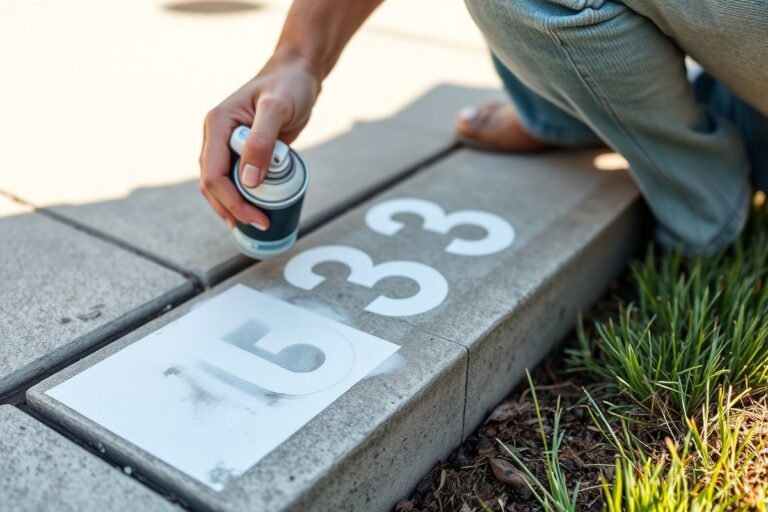
Outdoor vinyl longevity varies widely depending on the vinyl type and the application method used. Expect premium cast vinyl to last between 7 and 12 years outdoors. This material is crafted for durability, making it ideal for vehicle wraps, fleet graphics, and long-term signage. Vehicle wraps, for instance, benefit from cast vinyl’s ability to withstand weather, UV exposure, and cleaning processes without rapid degradation.
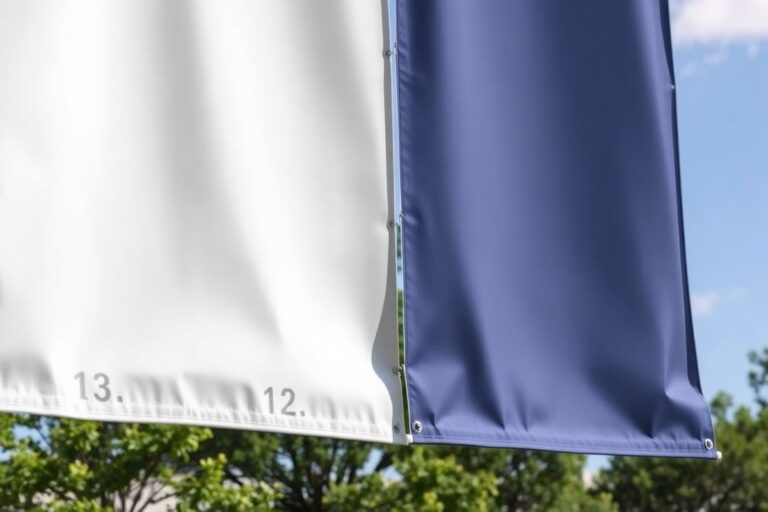
Vinyl banners typically have a shorter life span, averaging 2 to 5 years. Factors like banner quality, installation, local weather, and how well the banner is cared for influence this range. Temporary or short-term signage often relies on monomeric or calendared vinyl, whose average outdoor durability ranges from 1 to 5 years but costs less upfront.
It is possible for some outdoor vinyl installations to exceed 10 years, particularly when using top-tier cast vinyl combined with protective lamination. Laminating your vinyl graphics can add 2 to 3 years to their life by shielding against UV rays, abrasions, and moisture.
| Application Type | Vinyl Type | Typical Lifespan Outdoors | Notes |
|---|---|---|---|
| Vehicle Wraps | Premium Cast Vinyl | 7, 12 years | Preferred for long-term durability and UV resistance |
| Outdoor Signs | Polymeric or Calendared Vinyl | 3, 7 years | Depends on quality and weather conditions |
| Vinyl Banners | Monomeric or Low-Grade Vinyl | 2, 5 years | More susceptible to weather and wear |
| Short-Term Signs | Monomeric Vinyl | 1, 3 years | Budget-friendly, suitable for temporary use |
| High-Quality Decals/Stickers | Weather-Resistant Vinyl | 2, 5 years | Good for promotional and small-scale outdoor use |
The range of outdoor life speaks to how critical material choice is for your project. Even the best vinyl requires proper surface preparation and application to hit those high lifespan marks. Environmental conditions, such as extreme heat, frequent rain, and high UV exposure, also shorten effective life spans. Choosing cast vinyl for demanding applications like vehicle wraps ensures you avoid premature replacements and keep your branding intact for years. For cheaper or temporary signage, calendared or monomeric vinyl offers an economical balance between cost and durability.
How UV Exposure and Sunlight Shorten Vinyl Life
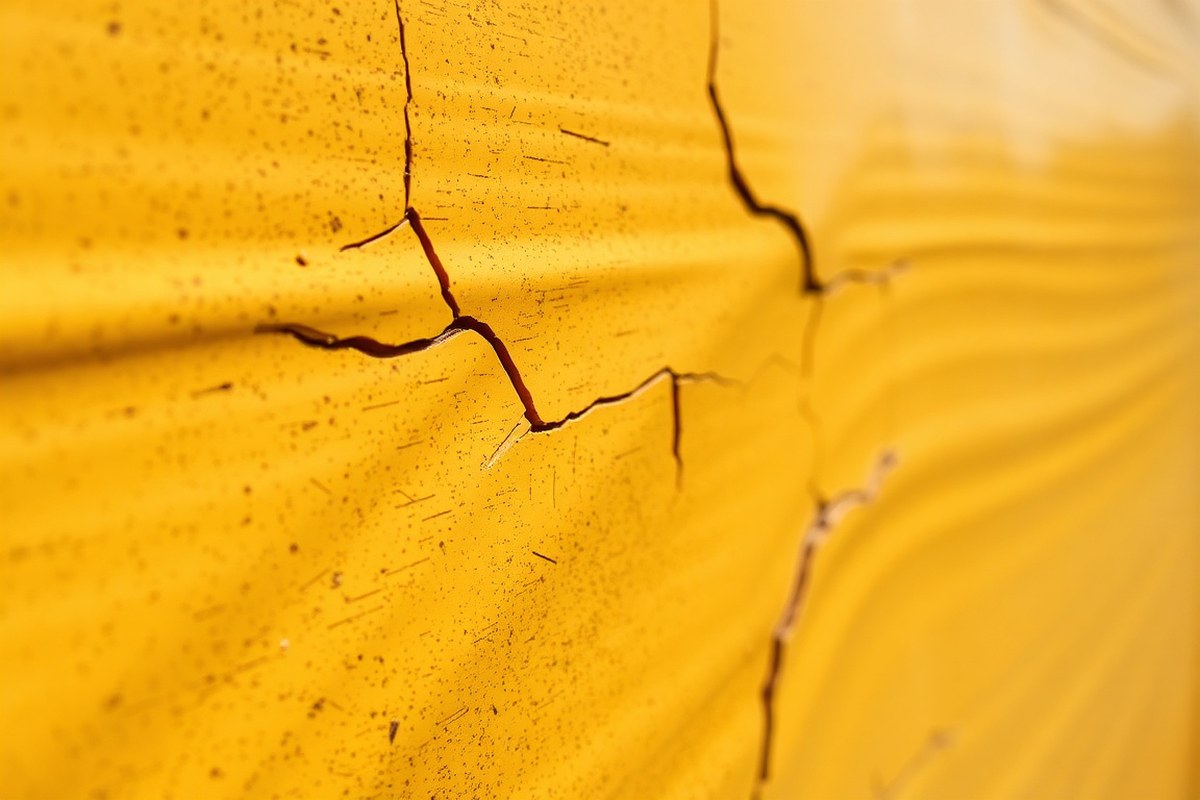
Ultraviolet (UV) radiation from the sun speeds up the deterioration of vinyl outdoors by breaking down its chemical structure. This leads to fading, cracking, and brittleness, especially where direct sunlight hits the vinyl for extended periods. Laminated vinyl can resist UV damage better than unprotected surfaces, significantly extending its outdoor lifespan.
How UV Radiation Damages Vinyl
UV rays cause photodegradation, a process where the vinyl’s molecular bonds weaken due to prolonged exposure to sunlight. This results in noticeable fading of printed colors because the pigments break down, reducing vibrancy. The vinyl surface dries out and cracks as the plasticizers evaporate or degrade, causing brittleness. Edges may shrink and lift, especially if they receive direct midday sun. For example, vinyl exposed fully to intense sun without UV protection typically shows visible breakdown within 1 to 2 years. The damage is worse on horizontal or south-facing surfaces that catch the noon sun directly, reducing the effective lifespan by up to half compared to vertical or shaded placements.
Benefits of Laminated Vinyl for UV Protection
Lamination adds a protective clear film over the vinyl graphic, acting as a shield against UV rays and environmental wear. This extra layer can double or even triple the vinyl’s outdoor life by preventing color fading and surface cracking. Some laminates include UV inhibitors or stabilizers designed specifically to absorb or reflect damaging rays.
Applying UV-resistant lamination is a precise step during installation. It generally adds to the initial cost but improves durability significantly, making it worth the investment for signs, decals, or wraps expected to last several years. The lamination process requires clean, dry vinyl and careful application to avoid bubbles and edges lifting prematurely. A well-laminated vinyl graphic under constant sun exposure can hold vibrant colors and tensile strength for 5 years or more, outperforming non-laminated vinyl by a wide margin.
Mitigating UV Damage Through Installation and Placement
Proper placement helps reduce UV impact. Installing vinyl on vertical surfaces shielded from direct midday sun can greatly extend lifespan. Avoid positioning graphics horizontally or on surfaces that receive extended sunlight facing south or west. When horizontal installation is unavoidable, investing in thicker vinyl (18 to 30 mil) with laminate protection is advisable to withstand harsher conditions.
Preparation before applying vinyl also matters. Thoroughly cleaning and drying the surface removes dirt and oils that accelerate edge lift under sun exposure. Selecting the right adhesive compatible with the surface ensures the film adheres long-term despite UV stress and heat cycles. These steps help maintain a strong bond and reduce premature failure.
UV-Resistance Technology in Vinyl Materials
Manufacturers often incorporate UV stabilizers or absorbers into the vinyl formulation to slow degradation. These additives absorb harmful UV rays or convert them to less damaging wavelengths. Premium cast vinyl products with these UV resistant technologies can last 10 years or more in moderate climates when installed and maintained properly.
Some treatments, like UVR-5000, improve durability by preserving tensile strength and color against intense sun exposure. Testing in high-UV regions like Southern California shows vinyl with such coatings retains over 80% of its strength after 5 years outdoors. Investing in vinyl with built-in UV resistance significantly extends life compared to standard films, especially in harsh sun or coastal environments.
Practical Tips to Extend Vinyl’s Outdoor Life
Routine maintenance also helps combat UV damage. Gently cleaning vinyl with low-suds detergent to remove dirt and pollutants prevents surface abrasion and chemical build-up that accelerates fading. Avoid harsh solvents or abrasive scrubbing that can weaken or scratch the protective layers. Applying UV protective sprays designed for vinyl can add a supplementary barrier against sun and moisture.
Expect vinyl applied without UV-resistant lamination or protective coatings and exposed to direct sunlight to last less than 2 years before noticeable fading and cracking appear.
Types of Outdoor Vinyl and Their Durability Profiles
Outdoor vinyl materials vary mainly between cast, calendared, and specialty films, each designed for different levels of durability and application. Cast vinyl generally offers the longest lifespan, lasting up to 10 years outdoors, while calendared vinyl suits short to medium terms, usually 3 to 7 years. Specialty vinyls provide specific features such as reflectivity or antimicrobial properties but come at a higher cost and are best for particular projects.
Cast Vinyl: Features and Lifespan
Cast vinyl is made by casting a liquid vinyl onto a casting sheet, resulting in a thinner, more conformable, and stable material. It handles curves and irregular surfaces better, making it ideal for vehicle wraps and long-term outdoor signage. Manufacturers typically rate cast vinyl for 5 to 10 years of outdoor use, depending on the color and exposure conditions.
For example, ORACAL 751C high-performance cast film can last between 3 to 8 years, with darker colors like black and white holding up longer than metallic tones like gold. Cast vinyl’s superior dimensional stability means it shrinks less and resists cracking over time, which reduces the need for frequent replacement and maintenance.
Calendared Vinyl: Uses and Durability
Calendared vinyl is made by extruding and rolling vinyl into sheets, resulting in a thicker, less flexible film compared to cast vinyl. It’s common in economy and intermediate-grade outdoor signage where budget constraints matter. Calendared vinyl usually lasts around 3 to 7 years outdoors, depending heavily on environmental exposure.
This type of vinyl works well for flat or gently curved surfaces like storefront signs, short-term promotions, and banners. Due to its tendency to shrink and crack more quickly in harsh weather, it’s not recommended for vehicle wraps or highly contoured applications. You can expect lower upfront costs but possibly higher replacement frequency with calendared vinyl.
Specialty Outdoor Vinyls and Coatings
Specialty outdoor vinyls include reflective films, antimicrobial coated vinyls, and cinema-grade or textured surfaces. These types are more expensive but designed for specific purposes, such as improve visibility at night, hygiene in damp environments, or decorative effects. Their lifespans vary widely; some reflective films last up to 5 years, while coatings like antimicrobial treatments extend material hygiene without directly influencing vinyl lifespan.
Applying laminate or protective coatings can increase vinyl durability by blocking moisture and UV rays, extending functional life by several years. Choosing specialty vinyl depends on project requirements and whether the extra cost is justified for factors like safety or branding impact.
| Vinyl Type | Typical Outdoor Lifespan | Best Applications | Key Characteristics |
|---|---|---|---|
| Cast Vinyl | 5 to 10 years | Vehicle wraps, complex curves, long-term signage | Thin, high conformability, stable, resists shrinking |
| Calendared Vinyl | 3 to 7 years | Flat or slightly curved signs, budget projects | Thicker, less flexible, prone to shrinkage and cracking |
| Reflective Specialty Film | Up to 5 years | Safety signage, vehicle marking | Improve visibility, higher cost, UV sensitive |
| Antimicrobial Coated Vinyl | Variable (extends hygiene) | Bathrooms, healthcare areas | Reduces bacterial growth, no direct durability change |
| High-Performance Laminates | Adds 2 to 5 years | All outdoor vinyl types | Blocks moisture and UV, prevents abrasion |
Select vinyl type based on how long you need the material to last and the surface it will cover. Cast vinyl offers better performance and longevity but may cost more upfront. Calendared vinyl saves money short term but often requires earlier replacement. Specialty films deliver unique benefits when their features match your application’s functional needs.
Surface Preparation and Installation for Maximum Longevity
Proper surface preparation and correct installation are critical for outdoor vinyl’s lifespan and performance. The type of surface you apply vinyl to can change how well the adhesive sticks. Smooth, non-porous surfaces like glass, metal, and properly primed aluminum provide the best adhesion. Textured, rough, or freshly painted surfaces can trap dust and moisture, blocking vinyl adhesive from forming a strong bond and leading to premature peeling.
Ideal temperature conditions for applying vinyl range between 50°F and 85°F (10°C to 29°C). Applying vinyl within this range allows the adhesive to tack and cure properly. Cold temperatures below 50°F can make the adhesive stiff and less sticky, increasing the chance of bubbles and poor contact. High temperatures over 85°F may cause the adhesive to soften too much, resulting in slippage or wrinkling during installation.
Poor installation practices have been shown to reduce vinyl lifespan by as much as 50%. Skipping surface cleaning, applying vinyl in unsuitable temperatures, or failing to eliminate air bubbles all degrade adhesion and shorten the graphic’s useful life. Taking the time to follow proper steps ensures your vinyl holds up through weather, cleaning, and sun exposure. Follow this step-by-step checklist to prepare surfaces and install vinyl correctly:
- Clean the surface thoroughly using isopropyl alcohol or a mild detergent solution. Remove all dust, grease, oils, dirt, and wax residues. Avoid household cleaners that leave residues, such as ammonia or silicone-based products.
- Dry the area completely to prevent moisture trapping under the vinyl, which can weaken adhesive strength and cause bubbling.
- Check the surface temperature with a handheld infrared thermometer if possible. Make sure the substrate is between 50°F and 85°F before installing.
- Match the vinyl’s adhesive type to the substrate. Permanent adhesive vinyl works best on glass, metal, and smooth plastics. Use removable vinyl only when planned for short-term use or delicate surfaces.
- Position and align the vinyl carefully. Use masking tape to hold the vinyl in place for precise placement before final application.
- Apply the vinyl with a squeegee starting from the center and moving outward. This method pushes out trapped air and ensures full contact with the surface. Use firm, even pressure but avoid stretching the vinyl.
- Remove the transfer tape slowly at a 45-degree angle once the vinyl is securely attached. Pulling too quickly or at a sharp angle can lift edges or cause tearing.
- Allow the adhesive to cure for at least 24 hours before exposing the vinyl to heavy cleaning, rain, or strong winds. Adhesion strengthens over this period for better durability.
The cost to prepare and install vinyl properly mainly involves time and effort, with cleaning products costing around $5 to $15 for supplies like isopropyl alcohol or dedicated surface cleaners. Investing these resources upfront avoids costly reapplications or early replacements, making it worthwhile for both DIY installers and professionals aiming for long-lasting outdoor signs.
Environmental Conditions That Affect Vinyl Durability
Vinyl designed for outdoor use generally handles exposure to rain and humidity well because it is waterproof. However, moisture trapped on or beneath vinyl surfaces can lead to problems like mold or bacterial growth, especially in high-humidity areas or where condensation forms. Vinyl installed in consistently damp environments without antimicrobial treatments may develop stains or weaken over time. Edges and seams are particularly vulnerable, as they can absorb moisture, causing the vinyl to curl or peel.
Temperature swings affect vinyl through expansion and contraction. While outdoor vinyl tolerates temperatures from about -22°F (-30°C) to 185°F (85°C), rapid fluctuations, known as thermal cycling, contribute to material fatigue. This fatigue can cause cracking or warping after months or years. Vinyl applied to metal or plastic surfaces that expand at different rates is especially at risk. Choosing vinyl formulated for your local climate helps minimize this risk.
Wind and dust also impact vinyl durability. Strong winds can physically damage signs, causing rips or loosening edges if the vinyl or its mounting isn’t secure. Dust and airborne particles abrade vinyl surfaces over time, dulling colors and degrading texture. Areas with frequent high winds or dusty conditions require reinforced installations and possibly heavier-weight vinyl material.
- Rain and humidity: Promotes mold unless antimicrobial coatings are used; edges absorb moisture leading to curling
- Temperature swings: Cause expansion/contraction; leads to cracking if rapid or frequent
- Wind: Can tear vinyl and loosen fasteners in extreme conditions
- Dust: Abrades vinyl surface, dulling colors and finish
- Salt spray (coastal areas): Corrodes mounting hardware, can degrade vinyl if not marine-grade
- Snow and freeze/thaw cycles: Can cause edges to crack or peel without flexible vinyl
Secure vinyl signs firmly in windy locations and check fasteners regularly to avoid damage from movement.
Matching vinyl specifications to the environment improves lifespan. For example, marine-grade vinyl with >4000 UV hours suits Florida coasts, antimicrobial and waterproof vinyl fits damp areas like Seattle, and flexible vinyl with low-temperature ratings works best for places with freeze/thaw cycles like Toronto. Installation quality also matters, sealed edges and proper backings prevent moisture intrusion. Protection against local elements not only preserves the vinyl but also keeps graphics legible and vibrant longer.
How Lamination and Protective Coatings Extend Outdoor Vinyl Life
Lamination and protective coatings significantly extend the service life of outdoor vinyl by shielding it from UV damage, abrasions, and moisture. Lamination adds a clear protective layer, often heat-sealed, that prevents fading caused by sunlight and reduces wear from physical contact. UV coatings specifically filter harmful ultraviolet rays, slowing the breakdown of the vinyl’s pigments and adhesives. Protective films also resist water penetration, reducing the risk of moisture-related failures like bubbling or peeling.
While lamination does not exactly double the lifespan in all cases, it can increase durability by 30% to 50% depending on the vinyl type and environment. For example, applying a high-quality laminate to a premium vinyl can move its outdoor life span from about 7 years to nearly 10 years under similar conditions. Protective UV coatings alone generally add 1 to 2 years of life extension for medium-grade vinyl. Protective films that offer abrasion resistance are particularly important for applications exposed to high traffic or cleaning, helping avoid scratches that compromise the graphic.
Lamination is not necessary for all outdoor vinyl projects. Temporary event signage or short-term promotions, which are meant to last less than 18 months, often do not require lamination because the cost and installation time may not justify the added protection. For long-term vehicle graphics, storefront signs, or outdoor advertising expected to last several years, lamination and coatings are strongly recommended to maintain appearance and integrity. The table below compares typical lifespan improvements from different protective treatments on vinyl outdoors:
| Vinyl Type | Without Protection | With UV Coating | With Lamination | With Abrasion-Resistant Film |
|---|---|---|---|---|
| Premium Cast Vinyl | 7-8 years | 8-9 years | 9-10 years | 9-10 years |
| Calendered Vinyl | 3-5 years | 4-6 years | 5-7 years | 5-7 years |
| Metalized Films | 3-5 years | 4-6 years | 5-6 years | 5-6 years |
| Removable Vinyl (Temporary) | 6-18 months | Up to 18 months | Not typically laminated | Not typically used |
To apply lamination correctly, clean the vinyl surface thoroughly to remove any dirt or oils that could trap bubbles. Use a lamination machine or heat press in a dust-free environment, following product-specific temperature and pressure guidelines. UV coatings can be sprayed or rolled on before lamination if desired. Protective films are usually self-adhesive and applied similarly to vinyl graphics, requiring careful alignment and smoothing to avoid air pockets.
Costs for lamination range from $1 to $3 per square foot depending on the film quality and application method, with protective coatings usually adding less than a dollar per square foot. These costs pay off by reducing the frequency of sign replacement and preserving vibrant graphics even in harsh outdoor environments. Choosing the right protective treatment depends on the expected lifespan, exposure conditions, and budget for each vinyl project.
Maintenance and Cleaning Best Practices for Outdoor Vinyl
Cleaning outdoor vinyl regularly helps maintain its appearance and extend its useful life. Proper maintenance deters buildup of dirt and contaminants that can degrade vinyl surfaces over time. Using suitable cleaning methods and avoiding harsh chemicals preserves vinyl’s protective coatings and adhesion.
Recommended Cleaning Frequency
Cleaning outdoor vinyl every 3 to 6 months is a good rule of thumb. This timeframe balances regular upkeep without causing unnecessary wear from over-cleaning. Sites exposed to heavy dust, pollution, or frequent rain may need cleaning closer to every 3 months, while sheltered or low-traffic areas may last up to 6 months. Seasonal checkups also help address any damage or fading early.
More frequent cleaning is necessary when stickers or wraps display visible dirt, smudges, or stains affecting legibility or brand image. Consistent upkeep reduces the risk of stubborn buildup that demands aggressive methods harmful to vinyl.
Safe Cleaning Techniques and Products
Stick to mild detergents and soft tools for cleaning outdoor vinyl. Use a mixture of mild dish soap and lukewarm water to break down dirt gently without stripping protective layers. Soft microfiber cloths or non-abrasive sponges work well to avoid scratching or scuffing vinyl surfaces. Here’s a step-by-step cleaning procedure that fits most outdoor vinyl signs, wraps, and stickers:
- Prepare a cleaning solution with 1 tablespoon of mild dish soap per 1 gallon of lukewarm water.
- Dry dust the vinyl with a soft microfiber cloth to remove loose dirt and debris.
- Dampen a clean cloth or sponge in the soap solution and wring it out to avoid dripping.
- Gently wipe the vinyl surface using horizontal strokes, maintaining a light touch.
- For stubborn spots, apply slightly more pressure but avoid scrubbing vigorously.
- Rinse the vinyl thoroughly with clean water to remove all soap residue.
- Dry the vinyl surface with a soft microfiber towel or allow it to air dry in a shaded area.
Avoid using bleach or acetone-based cleaners unless explicitly diluted and tested, as they can degrade UV inhibitors and clear coatings that protect vinyl. Alcohol and nail polish removers are too harsh and may cause cloudiness or cracking over time.
Mistakes That Damage Vinyl During Cleaning
Using abrasive tools like steel wool, stiff brushes, or rough sponges can scratch vinyl surfaces and damage its protective films. Avoid strong chemicals such as acetone, isopropyl alcohol, or undiluted bleach, as these can dissolve inks, adhesives, or lamination layers responsible for the vinyl’s durability.
Do not use high-pressure washers, especially close up, since the force can peel edges or loosen adhesive bonds. Also, scrubbing vinyl while it’s hot or in direct sunlight risks causing bubbles or warping. For best results, clean vinyl early in the day or late afternoon when temperatures are cooler.
Failing to rinse soap residues thoroughly may leave films that attract more dirt or cause streaking. Letting vinyl stay wet without drying can promote mold growth, especially in humid conditions, which degrades vinyl faster.
Recognizing Vinyl Failure and When to Replace It
Vinyl used outdoors shows its age through specific signs that signal when replacement becomes necessary. Common indicators include fading or noticeable shifts in color, cracking or brittleness of the film, edges lifting where the vinyl no longer adheres properly, and surface clouding that impairs the clarity of the design. Fading alone does not always require immediate replacement, as ink fading is generally considered normal wear by manufacturers like Orafol Americas. However, structural failures such as cracking and adhesive lifting are clear markers that the vinyl’s integrity is compromised.
Once you spot physical damage like shrinking, cracks, or raised edges that won’t lay flat if pressed, it’s best to plan for replacement rather than repair. Repair attempts rarely restore full adhesion or structural soundness, and can lead to further issues with flapping or water intrusion. Vinyl degradation speed depends on exposure conditions, but cracking and edge lifting can develop over weeks to months once the material begins failing. Following a simple checklist helps you decide whether to repair minor issues or replace vinyl entirely:
- Check if fading affects only color or also reduces readability or brand visibility.
- Press down on lifted edges; if they don’t stick back, replace the vinyl.
- Examine film flexibility; brittleness or cracks mean replacement is needed.
- Look for clouding or surface haze that obscures graphics.
- Inspect seams and corners monthly for early signs of peeling or damage.
- Consider replacement if adhesive residue or dirt buildup affects appearance or adhesion.
Deciding when to replace depends partly on the intended lifespan of the signage and budget. For professional quality that reflects well on your business or clients, replacing vinyl before it hits full failure keeps visuals crisp and reduces risks of sudden sign damage during use. Proactive replacement typically involves peeling off the old vinyl and applying new material, a process that takes from 30 minutes for small decals to several hours for large signs or vehicle wraps. Costs vary by vinyl type and size but plan on materials and labor ranging from $2 to $10 per square foot for standard quality outdoor vinyl installation.
Tackling fading while the vinyl is still intact and adhered can delay replacement but may not restore the original vibrancy, so balance repair efforts with appearance goals. Vinyl adhesive also loses strength over time, especially if exposed to extreme temperatures during installation (avoid below 50°F) or environmental stress. Signs insured for up to 12 years often see deterioration starting several years in, so plan inspection and possible replacement around that timeframe for best results.
Proactively replacing vinyl once you notice edge lifting or cracking prevents your signage from looking worn out and maintains a professional appearance.
Step-by-Step Action Plan for Long-Lasting Outdoor Vinyl
Follow these steps to ensure your outdoor vinyl performs well and lasts as long as possible.
- Before You Start: Choose a high-quality vinyl designed for outdoor use with UV resistance. Confirm the product specifications to match your location’s sun exposure.
- Day 1: Thoroughly clean and dry the surface where you’ll apply the vinyl. Effective surface preparation means the vinyl sticks well and resists peeling.
- Day 1: Apply the vinyl carefully, avoiding air bubbles and wrinkles. Smooth application ensures better adhesion and durability.
- Within 24 Hours: Add a compatible lamination or protective coating if possible. This extra step shields the vinyl from UV rays and environmental damage.
- Weekly: Gently clean the vinyl using a mild detergent and soft cloth or sponge. Regular cleaning prevents dirt buildup that can degrade the vinyl.
- Every 6 Months: Inspect the vinyl for signs of wear, such as fading, cracking, or lifting. Early detection lets you plan timely repairs or replacement.
- When Necessary: Replace or repair damaged sections promptly to avoid further deterioration and preserve the overall appearance.
Frequently Asked Questions
Can Vinyl Last Outdoors on Rough Surfaces Like Brick?
Vinyl won’t last as long on rough surfaces like brick because it doesn’t adhere well and is prone to damage. Smooth surfaces like glass or painted metal offer better adhesion and durability for outdoor vinyl applications.
Does Humidity Affect Outdoor Vinyl Lifespan?
High humidity can shorten vinyl’s lifespan by promoting adhesive failure and encouraging mildew growth. Using vinyl with moisture-resistant adhesives and maintaining proper cleaning routines helps extend life in humid climates.
Is Vinyl Better Than Other Materials for Long-Term Outdoor Signage?
Vinyl often outperforms materials like paper in outdoor conditions due to water resistance and flexibility. Premium vinyl, especially cast types, can last years with proper care, making it a cost-effective choice for outdoor signs.
Can Vinyl Be Reused After Removal from an Outdoor Surface?
Vinyl is usually not reusable once removed because the adhesive degrades and the film can stretch or tear. Removal often damages the material, so plan for single-use applications when installing outdoor vinyl.
How Do Extreme Temperatures Impact Vinyl Outdoors?
Extreme heat can cause vinyl to warp or lose adhesion, while cold can make it brittle and prone to cracking. Selecting vinyl rated for your local temperature range helps maintain durability year-round.
What Is the Typical Warranty Period for Outdoor Vinyl Products?
Many premium outdoor vinyl products come with warranties ranging from 3 to 7 years, reflecting expected durability. Check manufacturer’s details to understand coverage, which depends on product type and installation quality.
Wrapping Up
Outdoor vinyl can last anywhere from 3 to 10 years depending on material quality, installation, and environmental factors. Taking deliberate steps every time you use vinyl outdoors extends its lifespan and maintains appearance. Start by selecting the right product for your environment and follow proper installation techniques to get the most durable result.