Open Sign Ideas: Creative Designs and Smart Buying Tips for Your Business
Open sign ideas matter because they directly impact how well your business catches the eye of passing customers. Creative designs and the right materials, like LED or neon, make your sign stand out day and night. Start by focusing on clear visibility and a design that fits your store’s style to draw more attention effectively.
Key Takeaways
- Choose LED signs for long-lasting brightness and energy efficiency, often lasting up to 50,000 hours.
- Neon signs offer handcrafted styling and vibrant colors, ideal for a classic or artistic look.
- Vertical open signs work best in narrow spaces or window displays with limited area.
- Use letters about 4 inches tall for close-range legibility; increase size for street-facing signs.
- Look for waterproof, dustproof signs rated IP67 for reliable outdoor use and durability.
- Lightweight signs with included wall-mounting kits can be installed quickly, usually the same day.
Creative Open Sign Ideas That Attract Customers
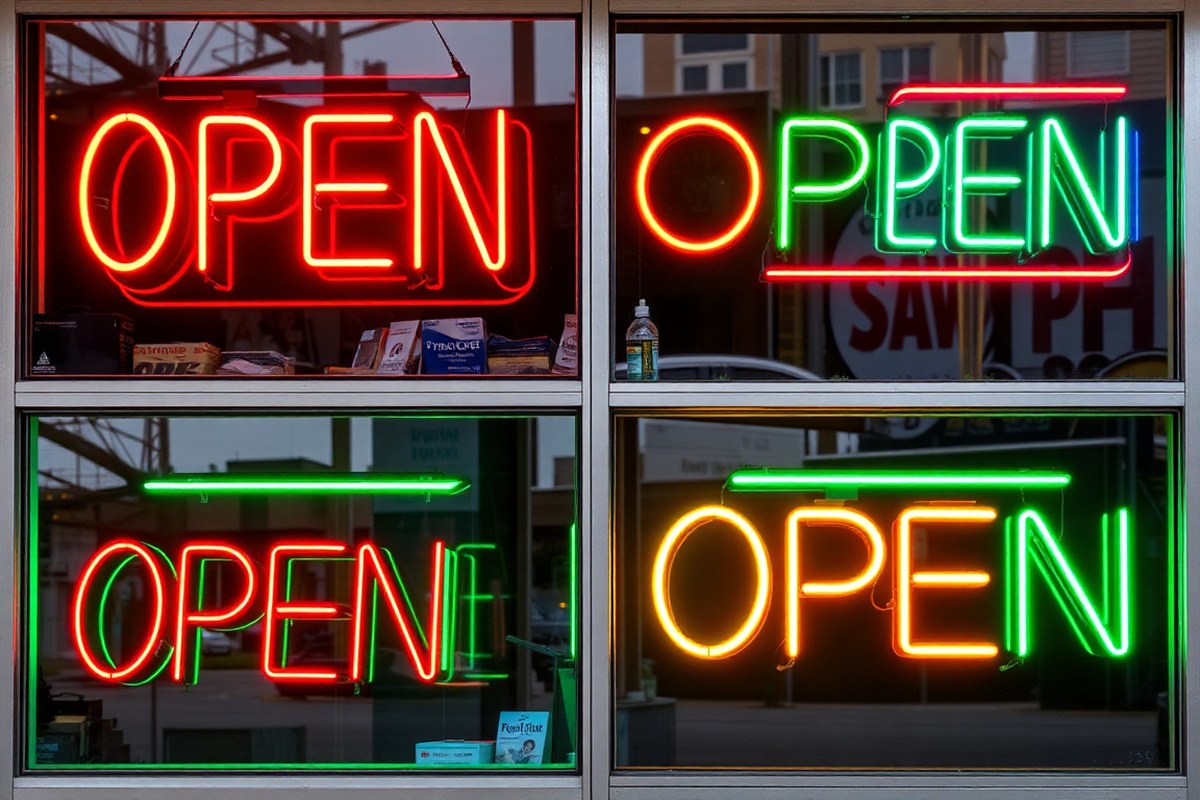
Choosing a creative open sign helps your business stand out and immediately grabs attention. For cafés, consider a coffee cup icon integrated with warm amber LED bulbs forming the word “open.” Restaurants can use animated signs with blinking utensils or plate motifs around the “open” text to catch evening diners. Bars benefit from neon signs featuring cocktail glass graphics with vibrant, flashing colors, highlighting nightlife appeal. Retail stores may incorporate their logo adjacent to the open sign in multicolor LED gradients, strengthening brand recognition. Salons should opt for sleek, elegant fonts paired with a subtle icon of scissors or hairbrushes, illuminated with soft pastel hues to convey style and calm.
Logos and icons on an open sign add personality and help reinforce your brand. Use vector images with clean lines to ensure visibility from a distance. Position the icon to the left or above the text for balance. Custom LED signs allow for full-color icon reproduction, letting you match your primary brand colors exactly. Keep icons simple and large enough to recognize easily under typical lighting conditions. For example, a retail clothing store might use a small shirt icon that viewers can identify within 3 seconds of passing the storefront.
- Static neon signs with your business logo illuminated alongside “open” create a classic and memorable look.
- Multi-color LED signs with gradual color shifts or gradients can attract attention without overwhelming viewers.
- Animated LED signs offering effects like scrolling text, flashing borders, or phase transitions boost visibility, especially at night.
- Combining animation and multi-colour LED for dynamic “open” messages can cost $150 to $400 depending on size and complexity.
- Bar and restaurant signs often use flashing neon cocktails or utensils to suggest a lively atmosphere attracting night crowds.
- Salon open signs use softer warm white or pastel LEDs with animated effects like a slow flash to imply elegance without noise.
- Custom open signs measuring around 15 x 32 inches strike a good balance between visibility and fitting standard window spaces.
Animated and multi-color signs increase engagement by capturing eye movements and curiosity, essential in busy urban or mall locations. Signs featuring several display modes, static, scroll, flash, and phase, allow you to experiment daily or weekly to identify which animation draws best foot traffic. Keep in mind that excessive flashing might deter some potential customers, so select animation styles that complement your business type. The upfront cost for high-quality LED animated signs is higher than basic models, but the increased exposure often translates directly into better revenue.
Types of Open Signs: LED, Neon, and Custom Options

Choosing between LED, neon, and custom open signs depends on your business style, budget, and desired effect. LED signs offer long lifespans, often up to 50,000 hours, use less energy, and come with a variety of colors and programmable display modes. Neon signs provide vibrant, classic brightness and a nostalgic appeal, especially popular in bars and retro-themed businesses, though they consume more power and typically have a shorter lifespan. Custom signs, often using LED neon technology, allow you to create personalized designs with multiple colors and smooth gradients, perfect for branding and making a unique statement. The following table compares LED, neon, and custom open signs across key features to help you decide:
| Feature | LED Open Signs | Neon Open Signs | Custom Open Signs |
|---|---|---|---|
| Typical Size | 15 x 16.5 inches | 20 x 22 inches | Varies (e.g., 20 x 9 inches) |
| Color Options | Thousands | 49 | Multiple colors with smooth gradients |
| Display Modes | 4 (Static, Scroll, Flash, Phase) | 6 | 6 |
| Programmable (Mobile App) | Yes | No | Yes (usually, depending on supplier) |
| Remote Control | Varies | Yes | Yes |
| Energy Efficiency | High | Lower than LED | High |
| Weather Resistance | Available with IP67 waterproof rating | Varies, usually less resistant | Often IP67 outdoor ready |
LED open signs serve businesses seeking low-energy, long-lasting options with multiple colors and presets that increase visibility. They fit well with modern shops or cafes wanting updated styles, including trendy lighting like smooth color gradients. Neon signs carry a retro flair suited for bars, diners, or vintage shops wanting a warm glow and nostalgic feel. Custom-made open signs let you tailor design elements such as font, icons, and color to match your brand or create unique roadside appeal. These often cost more but improve your store’s vibe and presence.
Ensure outdoor signs have the proper waterproof rating, like IP67, to avoid damage from weather and extend lifespan.
While neon offers classic brightness, higher power use and fragility may mean more maintenance costs. LED signs may have higher initial prices but save money with energy efficiency and longer life. Custom signs give maximum control over style and impact, often including smart features for dynamic messaging or branding updates. Evaluating your business needs, style, and budget helps determine which open sign type delivers the best visibility and customer draw for your storefront.
How to Choose the Right Open Sign for Your Business
Selecting the right open sign involves balancing your business’s branding style, physical location, size, and lighting needs. The size and colors must capture attention without overwhelming your storefront. For maximum visibility, an extra-large sign around 32 by 16 inches works well, especially if your storefront has a spacious window or façade.
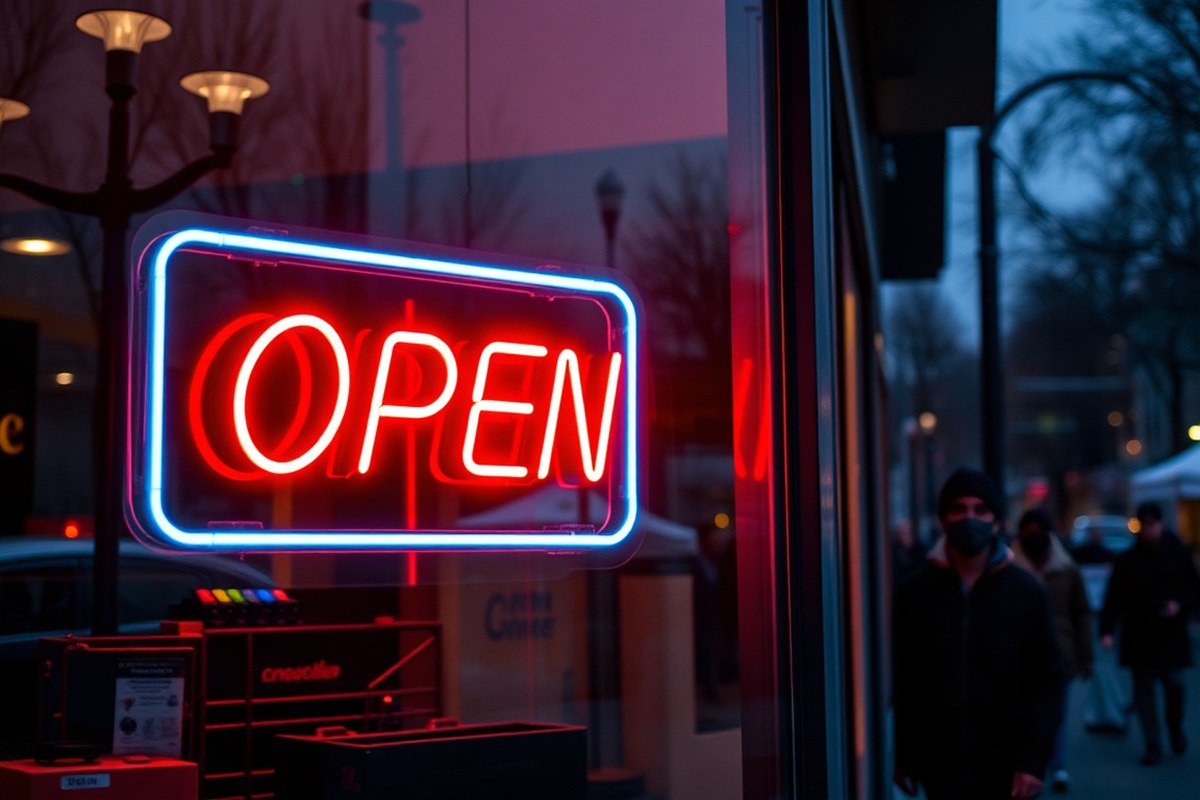
Color choice impacts visibility and brand alignment. Bright colors like red and blue are highly noticeable, as shown by the GreenCube Open Sign, which uses these shades improve by bright LED chips for clear visibility day and night. You should also consider colors that match your brand palette but maintain contrast against your background to stand out to passersby.
The style of your open sign should reflect your business type. Cafes and salons benefit from custom signs with softer fonts and warm colors that feel inviting. Bars thrive with neon signs that add an ambient glow and encourage social sharing. Retail stores and convenience shops often choose clear, dependable LED signs with big, legible fonts for quick recognition.
Mounting location depends on your storefront’s layout and how customers approach. Window-mounted signs draw immediate attention from pedestrians and are ideal if your window faces a busy street. Wall-mounted signs, meanwhile, work well for storefronts set back from the sidewalk or where the main entrance is not directly visible from the street. If space is limited, vertical signs fit narrow windows and still convey the message clearly.
- Choose sign size based on storefront dimensions and distance from street traffic
- Pick colors that stand out against your window or door background and align with your brand palette
- Select fonts that are clear and readable from a distance; avoid overly decorative fonts for visibility
- Match sign style to business type: neon for bars, softer fonts for salons/cafes, clear LED for retail
- Decide between window or wall mounting based on customer approach and visibility needs
- Use vertical signs for narrow or limited space windows
- Consider illuminated signs for night-time visibility if your hours extend past sunset
Following this checklist helps ensure the open sign captures attention and reinforces your brand, boosting foot traffic. Costs range from about $50 for basic LED signs to several hundred dollars for custom neon options with multiple colors and fonts. Investing in a sign sized and styled correctly limits the risk of poor visibility or a mismatched appearance, which can turn potential customers away.
Where to Install Open Signs for Maximum Visibility and Impact
Placing your open sign in the right spot on your storefront is key to catching the attention of walk-in customers and boosting brand exposure. The ideal location varies depending on your business type, customer flow, and storefront design. Generally, signs installed at eye level near entrances or on windows facing the street offer the best visibility. This placement helps shoppers and passersby quickly confirm your open status, especially in busy shopping districts or during evening hours when neon or LED signs stand out.
Indoor placement also helps in guiding customers through your space. Position an open sign near reception areas or checkout counters if your entrance leads into a lobby or waiting room. This can reassure visitors they are in the right place and encourages them to move further inside. For example, gyms with multiple rooms or large bars with complex layouts benefit from additional indoor signs to direct customers, boosting comfort and reducing confusion. Here are recommended installation locations tailored to common business types:
- Retail stores: Front window at eye level and side windows visible from the main sidewalk
- Restaurants and bars: Entrance door frame, above the host stand, and near outdoor seating areas
- Gyms and fitness centers: Near front desk, main entrance glass doors, and locker room waiting areas
- Salons and spas: Front window, inside near reception, and on interior walls close to waiting spaces
- Entertainment venues (gaming shops, nightclubs): Neon signs near entrance doors and inside lobbies or waiting areas
- Service businesses (auto shops, banks): Entrance doors and drive-thru windows, plus interior near payment or service counters
To maximize visibility, place signs where they can’t be easily blocked by displays, shelving, or parked cars. Use bright, contrasting colours or illumination suited to the time of day, LED signs can be dimmed during daylight and brightened at night. Securing signs safely is important to prevent theft or damage; mounting hardware should withstand weather conditions and avoid obstructing exits or safety signs.
Costs for mounting vary by method. Adhesive-based window signs are inexpensive, roughly $10 to $30 per sign, but may require frequent replacement if exposed to sun. Soffit or wall-mounted LED signs cost around $100 to $300 including installation but offer longer life and programmability. Regular maintenance ensures your sign remains bright and legible, essential for attracting customers after dark or in inclement weather.
Customizing Open Signs with Colors, Fonts, and Icons
You can improve open signs by incorporating your business’s logos, icons, and unique fonts to reflect your brand identity. Customized signs help customers quickly recognize your store and create a welcoming, memorable impression. Using tools that support multiple colors, fonts, and icons makes it easier to design signs that stand out both day and night.
Adding Logos and Custom Icons
Many modern open sign platforms allow you to upload your logo or use icons like coffee cups, scissors, cocktails, or shopping bags that fit your business type. Adding these graphical elements clarifies what your store offers while making the sign more expressive. Services offering switchable logo lamps or custom shapes give you flexibility to update your sign with seasonal or promotional icons as needed.
To add your logo, start by selecting a sign that supports image uploads or custom icon integration. You typically upload a high-resolution image file (like PNG or SVG) during the design phase. Some providers have online tools or apps where you can preview the sign with your logo and icons in place. Custom icons should be simple and easily recognizable, ideally matching your signage’s size and style so the design remains clear from a distance.
Choosing Colors to Match Your Brand
Selecting colors that align with your brand palette strengthens your business’s visual identity. Open signs with 64 super-bright color combinations allow you to fine-tune both the border and “Open” text colors to complement your logo or store decor. For example, if your brand uses blue and white, pick those colors for the sign’s core elements rather than generic red or green.
Some colors retain visibility even when the sign is off, which can provide a subtle brand presence 24/7. Note that 10 of 18 available colors remain visible when off, while the others appear white until lit on. Consider this if your sign faces areas with some ambient light during closed hours. Using contrasting colors between text and background improves readability, especially at night or in harsh sunlight.
Selecting Fonts for Readability and Style
Font choice impacts how easily customers read your sign and perceive your brand personality. Script fonts in pink and white often convey a friendly, boutique feel, but a unique font matching your branding sets you apart from competitors. Choose fonts that balance style with legibility from a distance, sans-serif fonts are usually easier to read than intricate scripts in signage.
Start by reviewing the font options on your sign provider’s platform. Test different sizes and weights to ensure the word “Open” remains clear through varying lighting conditions. Avoid overly decorative fonts for critical text; use them sparingly in your logo or secondary design elements. Consulting branding guidelines or a graphic designer can help maintain consistency across your sign and other marketing materials.
Choose high-contrast colors and simple fonts for your open sign to ensure readability under all lighting and weather conditions.
Energy Efficiency and Durability of LED vs Neon Signs
LED open signs use significantly less energy than neon signs, making them a cost-effective and environmentally friendly choice. LED technology can save up to 80% in power consumption compared to traditional neon. For example, a typical LED neon sign might consume around 40 watts, whereas a neon sign uses much more due to its glass tubes and gas components. This efficiency translates to lower electricity bills and reduced carbon footprints over time.
Lifespan and durability are key factors for small business owners who want a sign that lasts through various weather conditions. LED open signs generally last longer than neon signs because they use strong, flexible tubing, while neon signs rely on fragile glass tubes prone to breaking. LEDs can also handle outdoor exposure better since waterproof options are available, capable of withstanding rain and temperature fluctuations. Traditional neon signs tend to be more sensitive to weather, especially moisture and temperature changes, which can shorten their lifespan and require repairs.
Maintenance for LED signs is usually simpler and less frequent. Their solid-state design means fewer parts to replace, and the LEDs themselves can last tens of thousands of hours without dimming. Cleaning requires only gentle wiping with a soft cloth to remove dust. Neon signs require more upkeep due to their glass construction, needing careful handling, occasional gas refills, and electrical inspections to ensure there are no leaks or shorts.
| Feature | LED Open Signs | Neon Open Signs |
|---|---|---|
| Energy Consumption | About 40W; up to 80% less power than neon | Higher, varies with size; uses glass tubes with gas |
| Lifespan | Typically 50,000+ hours | 15,000 to 30,000 hours, can vary with use |
| Durability | Flexible tubing; waterproof outdoor models available | Fragile glass tubes; sensitive to weather and breakage |
| Maintenance | Low; occasional cleaning with soft cloth | Higher; glass repair, gas refilling, electrical checks |
| Outdoor Suitability | Excellent; designed for weather resistance | Good but requires protection from moisture and impact |
To maintain your LED open sign, focus on keeping it clean and dry. Use a soft, damp cloth to wipe away dust and debris every few weeks. Avoid harsh chemicals that can damage the tubing or electronics. For neon signs, inspect for cracks or gas leaks regularly and schedule professional maintenance for electrical safety. Avoid direct impacts and keep signs sheltered from heavy rain or extreme temperatures when possible.
Step-by-Step Installation Guide for Your Open Sign
Installing your open sign correctly ensures it stands out, attracts customers, and lasts longer. Use appropriate tools and mounting methods depending on where you hang the sign, whether on glass, a wall, or a door. Follow safe wiring practices and protect your sign from the elements when used outdoors.
Preparing Tools and Materials
Gather the tools, hardware, and electrical supplies suited for your specific sign and mounting surface. Most open signs come with a 10-foot power cord and basic mounting accessories, but you may need additional supplies depending on the installation site. Here’s what you typically need:
- Drill with appropriate bits (for walls or doors)
- Wall anchors or suction cups (for glass mounting)
- Screwdriver set
- Measuring tape and pencil for markings
- Level tool to ensure straight mounting
- Extension cord or power source access, if needed
- Weatherproof sealant or cover for outdoor installations
Mounting the Sign Safely
Different surfaces require different mounting techniques to avoid damage and ensure the sign stays secure. Mounting on glass is best done by pressing the sign flush against the surface using suction cups or a strong adhesive designed for glass. Avoid drilling holes into glass to prevent breakage. For solid walls or doors, use a drill to insert wall anchors before securing screws. Confirm that the sign’s weight is supported by the chosen mounting hardware. Follow these step-by-step instructions to mount your sign safely:
- Choose the location with maximum visibility and easy access to a power outlet.
- Measure and mark drill points or suction cup placements, ensuring the sign will be level and centered.
- For glass, clean the surface thoroughly with a mild detergent and dry completely for better adhesion.
- Install suction cups or apply adhesive pads on the rear of the sign.
- For walls or doors, drill pilot holes at marked points and insert wall anchors suitable for the surface material.
- Attach the sign using screws, checking that it sits flush and level.
- Inspect the mounting to confirm it is secure, with no wobble or looseness.
Signs made from acrylic or metal are generally lightweight but confirm weight limits of suction cups or anchors before final installation. Outdoor signs may require additional weatherproof mounting hardware costing about $15 to $17 extra.
Connecting Power and Testing
Proper power connection prevents electrical hazards and ensures your sign illuminates reliably. Most signs plug into standard 120V outlets, and the included 10-foot cord usually reaches nearby outlets in most shopfronts. Follow this checklist for wiring and safety:
- Confirm the voltage requirements on your sign’s label to avoid electrical overload.
- Plug the power cord into a grounded outlet; use a weatherproof outlet cover if the sign is outdoors.
- Use a certified outdoor-rated extension cord if the outlet is farther than 10 feet, avoiding running cords across walkways.
- Turn on the sign and inspect for full illumination and no flickering.
- Make sure electrical cords do not create tripping hazards or get pinched by doorways.
- Consider using a timer or smart plug to control operation hours and save energy.
Keep your sign away from direct water exposure or extreme temperatures below -4°F or above 122°F to maximize lifespan. Regularly check cords and plugs for wear and tear, especially if placed outside.
Maintaining and Troubleshooting Modern Open Signs
Proper care keeps your open sign vibrant and reliable, whether it’s LED or neon. Routine maintenance prevents dimming and flickering, while quick troubleshooting can avoid costly repairs. Taking these steps extends your sign’s lifespan and protects your business image.
Regular Cleaning and Inspection
Cleaning your open sign regularly ensures it stays bright and inviting. Dust, dirt, and grease buildup can reduce visibility and even damage components over time. Use a soft, dry cloth for LED signs and a cloth lightly dampened with water for neon signs, avoid harsh chemicals that can erode coatings or cause discoloration.
Inspect your sign weekly or at least monthly for any visible damage like cracks, loose wires, or water ingress. Check the plug and power source for secure connections. Doing this helps you spot early problems before they affect performance.
- Turn off and unplug the sign before cleaning
- Use microfiber or soft cloths to prevent scratches
- For stubborn grime, dampen cloth with mild soap solution, then dry immediately
- Inspect the sign housing and electrical cords for wear
- Check mounting hardware to ensure the sign is securely attached
- Keep the sign away from excess moisture and extreme temperatures
Regular cleaning combined with an inspection routine keeps the sign safe and readable, which attracts customers and avoids sudden outages.
Troubleshooting Flickering or Dim Lights
Flickering or dim open signs often result from loose wiring, poor electrical connections, or aging components. LED signs sometimes dim when the driver power supply starts to fail, while neon signs flicker due to failing transformers or broken gas tubes.
Start troubleshooting by unplugging the sign and checking for loose or corroded wires. Tighten connections and clean any corrosion using a contact cleaner suitable for electronics. Testing the power outlet with another device can eliminate power source issues.
- Check for visible cracks or damage in the sign’s glass or housing
- Reset circuit breakers or replace blown fuses if applicable
- Replace dim or flickering LED modules if accessible
- For neon signs, listen for buzzing sounds that indicate transformer problems
- Test with a multimeter if you have electrical experience to verify voltage consistency
Quick fixes may restore normal operation, but recurring flicker or dimming signals underlying issues that need professional attention.
Never attempt repairs on neon signs without proper training, as high-voltage components pose serious electric shock risks.
When to Call a Professional
Contact an experienced electrician or sign technician when problems involve internal electronics, transformers, or if the sign has water damage. Complex repairs often require specialty tools and knowledge of electrical systems and safety regulations. Attempting these fixes yourself can void warranties or cause injury.
Professional service may cost between $75 and $150 per hour depending on your location and the sign’s complexity. Scheduling regular professional maintenance every 1 to 2 years can prevent expensive failures and keep warranties valid.
- Internal circuit failures or damaged LED drivers
- Neon tube breaks or transformer replacements
- Water intrusion or electrical shorts
- Mounting hardware fails or unsafe sign installation
- Sign remains nonfunctional after basic troubleshooting
Hiring a licensed professional ensures repairs follow safety codes and the sign returns to full brightness, preserving your business’s open message clearly and reliably.
Your First Week: Getting Your Open Sign Ready and Effective
Follow these steps to choose, install, and maintain an open sign that draws customers to your business quickly and reliably.
- Day 1: Select your sign type and design based on your store’s style and location; confirm readability and color appeal by viewing mockups or prototypes.
- Day 2: Order your sign from a trusted supplier that offers customization options and energy-efficient models to save on running costs.
- Day 3: Prepare the installation site by clearing obstructions and measuring the placement area; ensure maximum visibility from common foot and vehicle traffic paths.
- Day 4: Install your sign following provided guidelines, using proper mounting tools and safety precautions; verify that it turns on and is clearly visible at night.
- Day 5: Test the sign’s functionality daily during business hours; adjust brightness or position if customers report difficulty seeing the sign.
- Day 6: Schedule a weekly cleaning to remove dust and debris to keep your sign bright and attractive.
- Day 7: Perform a basic check of electrical connections and LEDs or neon tubes; arrange professional servicing if you notice flickering or dimming.
Frequently Asked Questions
What Are Some Unique Themes for Open Signs in Different Business Types?
Use themes that fit your business style, like vintage for cafes or sleek script for salons. Tailor the design to match your brand personality to catch your customers’ eye effectively.
Can Open Signs Display Business Hours Along with “Open”?
Yes, some LED open signs can show business hours and are programmable via mobile apps for convenience. This adds extra info your customers appreciate without cluttering your display.
Is a Vertical Open Sign Practical for Small Storefronts?
Vertical open signs work well for narrow entrances or windows with limited space. Their slim shape helps maximize visibility without overwhelming the storefront.
How Does Color Choice Impact the Effectiveness of Open Signs?
Colors like red and blue attract attention due to high visibility and customer association with “open.” Picking bold colors improve readability and draws foot traffic effectively.
Are Illuminated Open Signs Beneficial for 24/7 Businesses?
Definitely; LED open signs designed for all-day use ensure visibility around the clock, making it clear your business is accessible. This can increase customer visits during off-peak hours.
Can Custom Neon Open Signs improve My Business Ambiance?
Custom neon signs add unique lighting that sets the mood for your space, appealing to your target audience. They work well indoors or outdoors to create a memorable brand presence.
Wrapping Up
Your open sign is more than just a fixture, it’s a important part of welcoming customers and boosting your business. Taking time to pick the right style, installing it properly, and maintaining it ensures it consistently draws attention. Start by evaluating your storefront today and plan your sign purchase with a clear focus on visibility and energy use.