How to Secure an A-Frame Sign in Wind: 8 Proven Ways That Work
Learning how to secure an A-frame sign in wind means adding weight and anchoring your sign properly to prevent tipping or blowing away. Filling the sign’s frame with sand or water significantly increases stability against gusts. Position your sign in a sheltered spot first to reduce direct wind exposure and improve overall steadiness.
Key Takeaways
- Fill the A-frame sign’s hollow sections with sand or water to boost weight and resist wind.
- Use heavy-duty anchors or weighted bases to firmly secure your sign on pavement surfaces.
- Select A-frame signs with aerodynamic shapes or built-in wind vents to allow airflow and reduce tipping.
- Place sandbags, sized about 15.7 by 11.8 inches, on your sign’s base for additional stability.
- Position signs near buildings or other wind barriers to minimize wind impact.
- Regularly inspect and maintain your sign to address any loose parts that may cause instability.
1. Effective Methods to Secure an A-Frame Sign in Wind

Securing your A-frame sign against wind involves adding enough weight to keep it stable without causing damage to surfaces or the sign itself. The easiest method is to use sandbags because they are affordable, effective, and simple to place. A weight of about 10 to 20 pounds on each side usually provides enough stability for moderate wind conditions.
Using Sandbags to Add Weight
Sandbags provide a practical and reusable way to stabilize A-frame signs. They are easy to fill, position, and remove as needed. Using sandbags specifically sized for signage, such as those measuring around 15.7 inches by 11.8 inches, gives you good coverage without overwhelming the sign. To secure your sign:
- Purchase sandbags designed for outdoor signage or heavy-duty use.
- Fill each sandbag with dry sand or fine gravel to about 75% capacity to allow some flexibility.
- Seal the bags tightly to prevent sand from leaking.
- Place a sandbag on the base or bottom edge of each side of the A-frame sign.
- Ensure the sandbags are centered so they don’t shift under pressure from the wind.
- Check the sandbags daily during windy conditions to reposition or add more weight if needed.
This method increases stability by adding downward force, preventing the sign from tipping over. Sandbags are favored because they resist wind and do not easily shift, unlike lighter materials. They also do not require any modification of the sign or pavement.
Filling the Frame with Water or Gel
Filling the interior cavity of an A-frame sign with water or gel is another common method to add weight. This liquid weight concentrates around the sign’s base and helps it resist wind forces. Water is easy to fill and drain, but gel offers added benefits like less spillage risk and longer-lasting weight due to its viscosity.
Water is usually readily available and costs little. However, it adds a lower weight compared to sand and can leak or freeze in cold temperatures, potentially damaging the sign. Gel fillers avoid freezing and reduce spilling hazards but cost more and require proper disposal.
Consider liquid weighting in moderate climates where temperatures stay above 32°F (0°C) and refilling daily is feasible. Avoid water fillings in freezing environments. Using these liquids typically adds 5 to 15 pounds of weight, which might be suitable for light to moderate winds.
Built-In Weighted Bases and Aftermarket Options
Some A-frame signs come equipped with built-in weighted bases designed to hold sand or water for wind resistance. These bases improve sturdiness without needing additional equipment. Aftermarket weighted bases are also available and can be fitted to existing signs.
Types of weighted bases include molded plastic containers that fit below the sign frame or heavy metal plates designed to anchor the sign to the ground. These options provide durability and can meet local restrictions on pavement usage if properly installed. To install an aftermarket base:
- Choose a weighted base compatible with your sign’s brand or size.
- Position the base firmly on a flat surface where the sign will stand.
- Attach the A-frame sign securely on the base according to manufacturer instructions.
- Fill the base’s compartments with sand or water as specified.
- Check connections regularly for tightness and signs of wear.
These bases are ideal for businesses that keep signage outdoors during operating hours and want permanent or semi-permanent stabilizing solutions. The cost varies but generally ranges from $30 to $80 depending on size and material.
2. Anchoring A-Frame Signs Legally and Safely
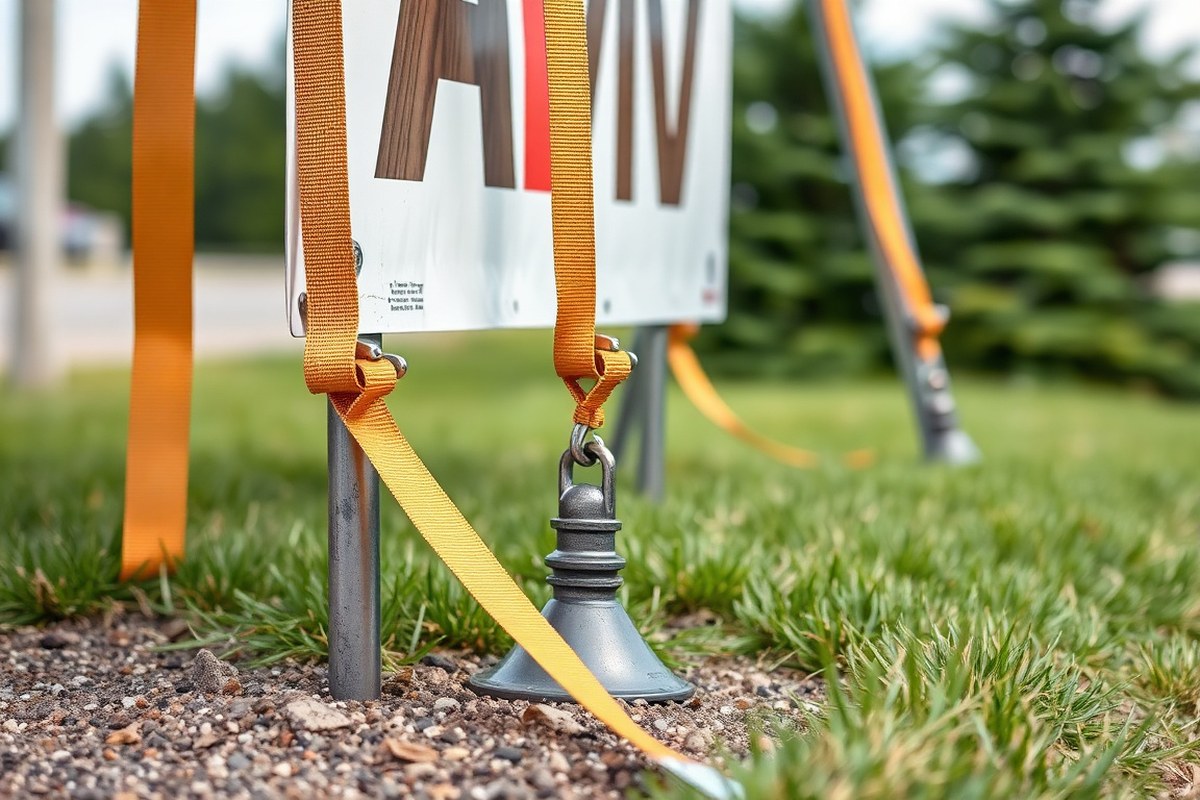
Anchoring an A-frame sign securely in outdoor pavement areas requires choosing the right type of anchor and following local regulations to ensure safety and legality. Using ground stakes or bolts adapted for the surface can keep your sign stable and prevent theft or wind damage. You must check with your local municipality before drilling or fixing anything in public areas to avoid fines or sign removal.
Types of Anchors for Pavement and Soft Ground
Anchoring solutions depend on the surface where the sign will rest. For soft ground like soil or grass, ground spikes or stakes driven at least 8 to 12 inches into the earth provide a strong hold. These stakes should be made of rust-resistant metal to withstand outdoor conditions. On hard pavement or concrete, anchoring requires bolts drilled into the surface using expansion anchors or sleeve anchors designed for outdoor use.
Weighted anchors are another option on solid pavement when drilling is not allowed or you want a non-permanent setup. These include heavy sandbags, water-filled bases, or concrete blocks that sit on top and hold the sign in place. While easier to move, weighted anchors must be heavy enough, at least 25 to 40 pounds, to resist gusts of wind common in your area.
Obtaining Permits and Understanding Local Rules
Installing a sign in a public space often requires permission from city or county authorities. The rules vary widely but generally include restrictions about sign size, placement location, and anchoring methods. In some cases, a permit must be secured before any bolts are drilled into sidewalks or other public property.
Contact your local public works or zoning office to find out specific requirements. Some municipalities provide online resources explaining permit procedures, while others require in-person applications. Failing to obtain required permissions may lead to fines, forced removal of your sign, or liability if the sign becomes a hazard.
Installation Best Practices for Maximum Hold
Proper installation is key to keep an A-frame sign stable and safe. Start by selecting a flat, level area free of pedestrian obstruction and away from areas prone to water pooling. When using bolts on pavement, drill pilot holes carefully to avoid cracking. Insert expansion anchors completely, then tighten bolts securely without over-torquing to prevent damage.
For ground stakes, push or hammer them in straight and deep to ensure resistance against pulling and lateral forces, especially wind. Weighted bases should sit flush with the sign frame to reduce any movement. Regularly check all fasteners for tightness and signs of corrosion or wear, replacing or adjusting them as needed.
- Choose an appropriate anchor type depending on your surface, stakes for soil, bolts for pavement, or weights for non-permanent setups.
- Contact your local authority to obtain necessary permits and clarify installation guidelines.
- Prepare the installation site by clearing debris and confirming the surface is stable and level.
- Drill holes or drive stakes following manufacturer instructions and safety precautions.
- Secure the sign frame firmly to the anchors, using corrosion-resistant hardware.
- Check the stability of the sign by gently pushing and pulling it after installation.
- Inspect anchors periodically, especially after strong winds or storms, and retighten or replace as needed.
- Keep documentation of permits and installation steps in case of disputes or inspections.
Warning: Installing anchors without required permits can lead to fines or immediate removal of your sign, so always check local regulations first.
3. Choosing Wind-Resistant Designs and Materials
Choosing the right materials and design features greatly affects how well your A-frame sign stands up to wind. Durable, wind-resistant materials and thoughtful design elements like vents help maintain stability and prevent tipping. Heavier frames generally improve resistance, but balancing weight with mobility matters for daily use.
Material Durability and Weight Comparison
Aluminium, plastic, and wood are common materials for A-frame signs, each offering different benefits for wind resistance. Aluminium frames are strong, lightweight, and resistant to rust, making them suitable for long-term outdoor use in windy areas. Plastic frames, often made with 3/16″ thickness and 4mm corrugated plastic inserts, offer durability but may flex more in strong wind. Wood is heavier but can warp or degrade with exposure, reducing stability.
| Material | Frame Thickness | Wind Resistance | Durability in Weather | Weight | Typical Cost Range |
|---|---|---|---|---|---|
| Aluminium | Varies, often 3/16″ | High | Very good (rust-resistant) | Light to Moderate | $100 – $250 |
| Plastic (High-quality) | 3/16″ | Moderate | Good (depends on grade) | Light | $50 – $150 |
| Wood | Varies | Moderate to Low (can warp) | Fair (subject to rot) | Heavy | $60 – $180 |
Selecting aluminium frames can be a better investment if wind resistance and long-term durability are priorities. Plastic frames serve well in moderate conditions and cost less, but you might need to replace them faster. Wood is heavier but not always reliable in wet or windy environments.
Design Elements to Reduce Wind Drag
Wind vents or perforations integrated into the sign surface reduce the air pressure building up behind the sign, lowering the risk of it tipping over. Designs that allow air to flow through the sign, such as strategically placed holes or mesh inserts, decrease wind drag by dispersing gusts rather than pushing the whole sign.
Aerodynamic shapes with angled or curved edges also help wind pass smoothly around the sign, lessening drag and uplift forces. Signs with flat, solid surfaces catch the wind like a sail and are more likely to be blown over. Choosing models with built-in wind vents or modifying inserts with perforations can improve performance outdoors.
Weight Distribution and Stability Factors
Heavier sign frames tend to resist tipping better in windy conditions, but evenly distributed weight is important. A 3/16″ thick aluminium frame provides enough rigidity to prevent flexing that can loosen joints or create instability. The insert material, usually 4mm corrugated plastic, should fit securely to add stiffness without shifting.
The design should position most weight low on the frame, close to the ground. This lowers the center of gravity, making the sign less likely to tip. Avoid frames with lightweight tops or those that loosen with inserted graphics. Also, ensure inserts slide down properly and rest behind the bottom of the viewing area to maintain structural integrity.
While heavier frames improve stability, that can reduce portability. For businesses needing to move signs daily, balance weight with ease of handling. If heavier frames aren’t practical, focus on signs with wind vents or design details that help reduce wind effect instead.
4. Implementing Anti-Theft Features on Your A-Frame Sign
Yes, you can use anti-theft devices specifically designed for A-frame signs to protect your investment. These devices physically secure the sign to a fixed object, preventing easy removal by passersby or opportunistic thieves. Incorporating visible deterrents also helps reduce theft by signaling that your sign is monitored.
Securing your A-frame sign with a lockable chain or cable is one common method. You loop the cable through a handle or frame part of the sign, then attach it to a permanent fixture like a lamp post or bench. Choose weather-resistant, cut-resistant steel cables to increase durability and security. Cable locks range from $15 to $40 depending on length and thickness, with thicker cables offering better protection.
Using quick-release locking mechanisms can also be effective. These allow you to secure your sign when unattended but remove it quickly for events or indoor storage, cutting down the chance of theft. For example, a padlock with a keyed quick-release clasp lets you lock the sign firmly, then unlock it in seconds without extra tools. These locks often cost between $20 and $50, depending on the brand and weatherproofing.
Visual deterrence matters too. Signs indicating the presence of security cameras or motion sensors can discourage potential thieves without costly equipment. Installing cameras may not always be possible, but putting up stickers that say “24/7 Video Surveillance” or “Protected by Alarm System” can still act as strong warnings. Actual cameras or sensors might run from a few hundred to several thousand dollars, but simple signage is free or low-cost.
- Lockable steel cable to secure A-frame to a fixed post
- Quick-release padlock for fast removal and setup
- Security camera installation near sign location
- Motion sensor lighting to expose nighttime tampering
- Anti-theft warning stickers as visual deterrents
Install cables by threading them through the sign’s handle or frame section, ensuring no slack reduces security, then locking the cables tightly around a fixed object. Regularly check for wear or loosening. Add warning labels near the locked area for added deterrence. High theft risk calls for combining several methods, such as using cable locks along with visible cameras, to boost security. Avoid unsecured signs, especially in busy commercial areas where theft chances increase.
5. Proper Positioning and Environmental Considerations
Placing your A-frame sign where it gets natural wind protection can reduce tipping and damage. Position it close to walls, fences, or other sturdy structures that block prevailing winds without obstructing walkways or entrances. For instance, if your location faces strong afternoon winds, set the sign on the side protected by your building or a neighboring business. Avoid open spots like corners exposed on multiple sides, where wind can hit the sign directly from various angles and push it over.
Cooperation with neighboring businesses can improve security against both wind and theft. Signs placed near busy storefronts benefit from natural surveillance, which deters vandals. When possible, place A-frame signs within sight of your neighbors’ windows or outdoor seating areas. You can even ask permission to overlap your sign placement with their outdoor fixtures for added protection, but always follow local regulations.
Store your sign indoors during severe storms or when sustained winds exceed 30 mph to prevent unnecessary damage and liability.
- Place signs near solid barriers facing prevailing winds for natural shelter.
- Keep signs within high-traffic, well-lit areas visible to neighbors and passersby.
- Avoid spots where pedestrians must step into traffic or snow piles to view the sign.
- Ask neighboring businesses about sharing outdoor space for improve security.
- Check daily weather reports; bring signs inside before forecasted high winds.
- Consider local regulations on sign placement to ensure compliance.
- Use easy-to-move signs in locations where daily positioning changes improve safety.
Signs left outside in open, windy areas without cover are prone to blowing over, which can cause damage to the sign and your property or harm people nearby. This creates liability concerns and could lead to costly replacements. Proper site selection avoids these risks with little to no expense. The cost is often just time spent observing wind patterns at different times and days. Adjust placement as seasons change since wind direction and intensity vary. For example, spring often brings stronger gusts in many regions, so relocating the sign during this period helps maintain stability.
When storing your A-frame sign indoors, pick dry, ventilated spaces to avoid moisture damage like warping or rusting of metal parts. A garage, shed, or designated backroom area works well. Bringing signs inside at night or on forecasted windy days prolongs their lifespan and preserves your investment. Poor storage environments or ignoring early weather warnings typically lead to faster wear and increased repair costs.
6. Seasonal Maintenance and Inspection Checklist
Inspect your A-frame sign at least once a week during peak outdoor use, and immediately after any storms or heavy winds. Regular checks spot loose hinges, weakened joints, and damage that can compromise stability. Taking action early prevents accidents and costly repairs down the line.
Maintenance tasks focus on tightening fasteners, cleaning debris, and ensuring weight or anchors remain effective. Rain and moisture can degrade wood frames or cause metal parts to rust, so prompt drying and protective treatments are essential. Using a water-resistant sealant on wooden signs once every 3 to 6 months helps repel moisture, extending the sign’s lifespan and performance.
- Check hinges and screws for rust or looseness; tighten or replace as needed
- Inspect the frame edges and panels for cracks, warping, or water damage
- Clean off dirt, leaves, and debris to prevent slippage or rot
- Verify that sandbags or weights are dry and heavy enough to hold position
- Apply or reapply waterproof sealant (for wood) every 3 to 6 months
- Look around the sign’s base for ground erosion or shifting surface
- Clear away any nearby obstacles that could knock the sign over in wind
Focus on hardware first: loose screws or rusty hinges can cause the frame to collapse during a gust. Vigorously shake the sign to test sturdiness after reinspections. If it wobbles or moves easily, retighten or add more weight. Expect to spend 10 to 20 minutes per inspection and under $50 every few months on sealants and basic hardware replacements.
Signs placed in shaded or damp areas need more frequent drying and sealing, especially after rainy days. Urban locations with heavy foot traffic risk accidental bumps or vandalism, requiring daily visual checks. In dryer, sunny spots, visual inspection weekly with monthly sealant applications typically suffice.
7. Common Mistakes and How to Fix Them
Many people make the mistake of relying on insufficient weight or improper anchoring methods to secure their A-frame signs. Using too little weight can cause the sign to tip or blow away in moderate winds, while excessive weight may damage the sign or the surface it sits on. Aim for a balance by applying 10 to 20 pounds of weight per leg, depending on wind conditions. Sandbags or water-filled bags that fit securely onto the base work well and don’t risk scratching floors.
Another frequent error is overlooking surface conditions. Uneven or grassy areas can allow legs to sink or shift, causing instability. Remove any debris, rocks, or weeds like small roots that might create wobble, but avoid harsh chemicals that could damage surrounding areas. Positioning the sign on a flat, hard surface like concrete or asphalt improves anchoring effectiveness.
Sometimes signs fall over because the securing method isn’t matched to the wind strength or local environment. For example, using just a tether on a windy street corner won’t hold against gusts over 20 mph. Adding a combination of methods, such as weighted bases plus screw-in ground anchors, increases stability. Check local regulations to avoid forbidden fixes.
- Use weights appropriate for the sign size: 10, 20 pounds per leg.
- Remove weeds and debris without harsh chemicals to stabilize the base.
- Avoid overloading to prevent damage to sign frames and surfaces.
- Combine weights with anchors when facing strong winds or busy areas.
- Inspect and adjust anchoring after severe weather or heavy foot traffic.
- Place the sign on flat, hard surfaces whenever possible.
Overloading your A-frame sign with too much weight can strain the frame and damage legs or hinges, shortening its lifespan. Stay within manufacturer recommendations and consider weather conditions instead of piling on extra weight indiscriminately. If your sign continues to tip despite proper weighting, try adding ground anchors or stabilizing brackets designed to fit your model.
Replacing or adding stabilizing accessories typically costs between $15 and $50. Sandbags or water weights range from $10 to $25 each and can be reused seasonally. Regularly inspect your securing setup after storms or high pedestrian traffic to catch loose fittings or shifted weights early. This proactive approach ensures your sign stays upright and visible, protecting your investment and message.
8. Cost and Tool Considerations for Securing Signs
Securing your A-frame sign effectively requires choosing the right tools and weighting methods while balancing cost and ease of use. Common accessories include sandbags, water weights, metal bases, and heavy-duty straps or bungee cords. Each tool varies in price and effectiveness depending on the environment, wind conditions, and your budget.
Sandbags offer a reliable and affordable solution. Typically, a standard sandbag weighs between 15 and 25 pounds, and effective wind protection usually means using two sets of sandbags, one for each side of the sign. This setup not only stabilizes the frame but also keeps the weight distribution balanced to prevent tipping. Smaller sandbags under 10 pounds won’t secure the sign well in stronger gusts.
Water weights are convenient for portability. They weigh less when empty but must be filled on-site. However, they tend to cost more upfront and require careful handling to avoid leaks. Metal bases or stands provide sturdiness but often come with a higher price and require specific mounting hardware. Straps or bungee cords help secure signs but should be used alongside a weighting system for best results.
| Weighting Method | Approximate Cost | Weight per Unit | Setup Requirements | Durability and Maintenance |
|---|---|---|---|---|
| Sandbags (Set of 2) | $15, $30 | 15-25 lbs each | Place on each leg of the sign | Durable; protect from moisture to extend life |
| Water Weights (Each) | $20, $50 | 20-30 lbs when filled | Fill with water on-site; attach via straps | Check for leaks regularly |
| Metal Bases | $50, $100+ | Varies, typically 30-50 lbs | Mount to frame with bolts or clamps | Very durable; weather-resistant |
| Heavy-Duty Straps/Bungee Cords | $5, $15 | None (used to secure) | Wrap around sign and anchor points | Replace if worn or stretched |
For most small-to-medium outdoor setups, two 20-pound sandbags provide a sturdy and cost-effective base. Place them evenly on either side of the A-frame legs to maintain balance in winds up to 25 mph. Avoid sandbags lighter than 10 pounds, which may shift or blow away. Water weights add convenience if you need to move the sign often but check for punctures before use. Heavy metal bases suit fixed locations but often require professional installation and higher upfront costs.
Practical tip: Always secure your sign with a combination of weight and straps to reduce movement and prevent theft, especially in windy locations.
Your Quick-Start Action Plan for Securing Your A-Frame Sign in Wind
Follow these steps to make sure your A-frame sign stays in place and safe on windy days.
- Before installation: Choose a wind-resistant A-frame sign with sturdy materials and an appropriate size for your location. Check that it feels solid when you handle it.
- Day 1: Position your sign away from direct wind channels, like narrow alleyways, and place it on a flat, stable surface. Confirm it stands steady without wobbling.
- Day 1: Anchor the sign using weighted sandbags or water weights attached to the frame’s legs. Test it by gently pushing the sign to ensure minimal movement.
- Day 1: Add anti-theft measures such as lockable fasteners or cable locks, especially if the area has high theft risk. Verify that locks secure the sign without restricting easy setup or removal.
- Weekly: Inspect your sign’s position, weights, and locks, especially after strong winds. Adjust or replace any loose parts immediately.
- Monthly: Maintain the sign’s surface and hinges, cleaning debris and lubricating moving parts to prevent wear and damage.
- After heavy weather: Check for damage or instability and reseat the sign or add extra weights as needed before resetting it.
Frequently Asked Questions
What Is the Best Way to Add Weight to an A-Frame Sign to Resist Wind?
Filling the A-frame sign with sand or water is the most effective way to add weight and make it more wind-resistant. Using sandbags at the base can also provide extra stability on particularly windy days.
Can I Use Stakes to Anchor My A-Frame Sign in Grassy Areas?
Yes, stakes can secure signs in soft ground like grass, but check local rules before installation. Use heavy-duty anchors designed for outdoor use to avoid damage or theft.
How Do Aerodynamic Features Help A-Frame Signs in Windy Conditions?
Aerodynamic shapes and wind vents reduce wind resistance by allowing air to pass through, reducing tip-over risk. Look for signs with these features to improve stability without extra weight.
Is It Safer to Place My A-Frame Sign Against a Wall in Windy Weather?
Placing the sign close to a sturdy wall decreases wind exposure from one side, reducing tipping risk. However, make sure the wall does not block visibility from key directions in your marketing area.
What Regular Maintenance Should I Do to Keep My A-Frame Sign Secure in Wind?
Check for loose bolts or fittings and refill weighted chambers as needed. Storing the sign dry when not in use also helps prevent damage that could lower wind resistance.
Are Theft Prevention Features Compatible with Wind Securing Solutions?
Yes, anti-theft devices like locking mechanisms work alongside weights or anchors to keep your sign stable and secure from theft. Combining both strategies protects your investment in all weather.
Key Points to Remember
Securing your A-frame sign against wind involves choosing the right materials, positioning it carefully, and anchoring it properly with weights and locks. Regular maintenance helps catch any issues before they lead to damage or theft. Start by inspecting your current sign today and adding weight or repositioning it to improve stability in wind.