Reception Sign Ideas That Impress: Essential Tips and Creative Designs
Reception sign ideas help set the tone and keep guests informed throughout your wedding celebration. Choose clear, visually appealing signs that match your wedding style to guide guests easy and improve the décor. Start with essential locations like the entrance, seating area, and bar for effective communication and flow.
Key Takeaways
- Include a welcome sign at the entrance that reflects your wedding theme for an inviting first impression.
- Create clear seating charts or escort cards to reduce confusion during guest arrival at the reception.
- Incorporate signs for the bar and menu to highlight drink options and cocktails available.
- Use durable, weather-appropriate materials such as wood or acrylic for outdoor receptions.
- Consider interactive or digital signs to engage guests and share real-time updates.
- Order your signs at least four weeks in advance to allow time for design, production, and delivery.
Essential Reception Signs Every Wedding Needs
Every wedding reception benefits from a handful of essential signs that help guests feel welcomed and informed. The key signs to include are a welcome sign at the entrance, a seating chart or assigned seating display, table numbers, a bar menu, and an order of events or order of service. These signs direct guests smoothly through the celebration, reduce confusion, and highlight important moments, which is why they are must-haves regardless of your wedding size or style.
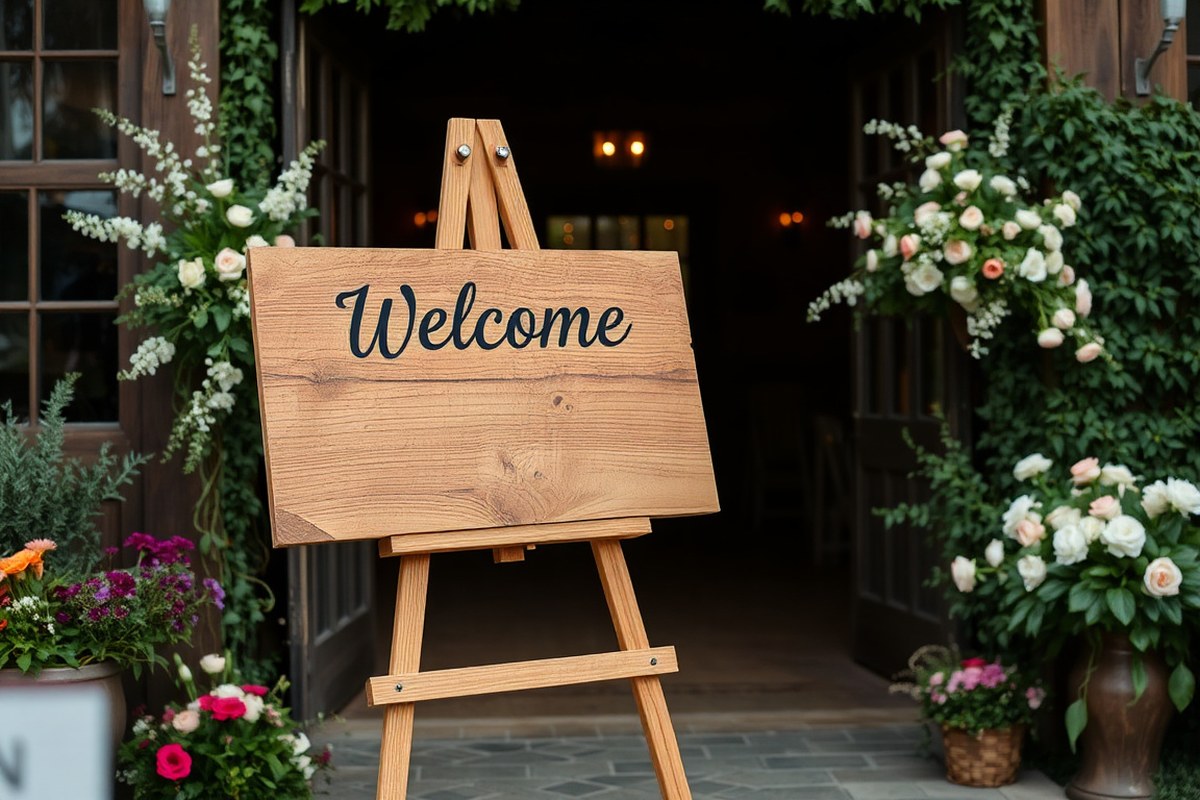
Start with a welcome sign that sets the tone and confirms guests are in the right place. This sign usually measures around 18 by 24 inches and can be placed on an easel near the entrance. Expect to spend between $50 and $150 if ordering a custom sign, though DIY versions with wood and decals can cost under $30. This sign matters because guests often arrive from different locations and need a clear greeting.
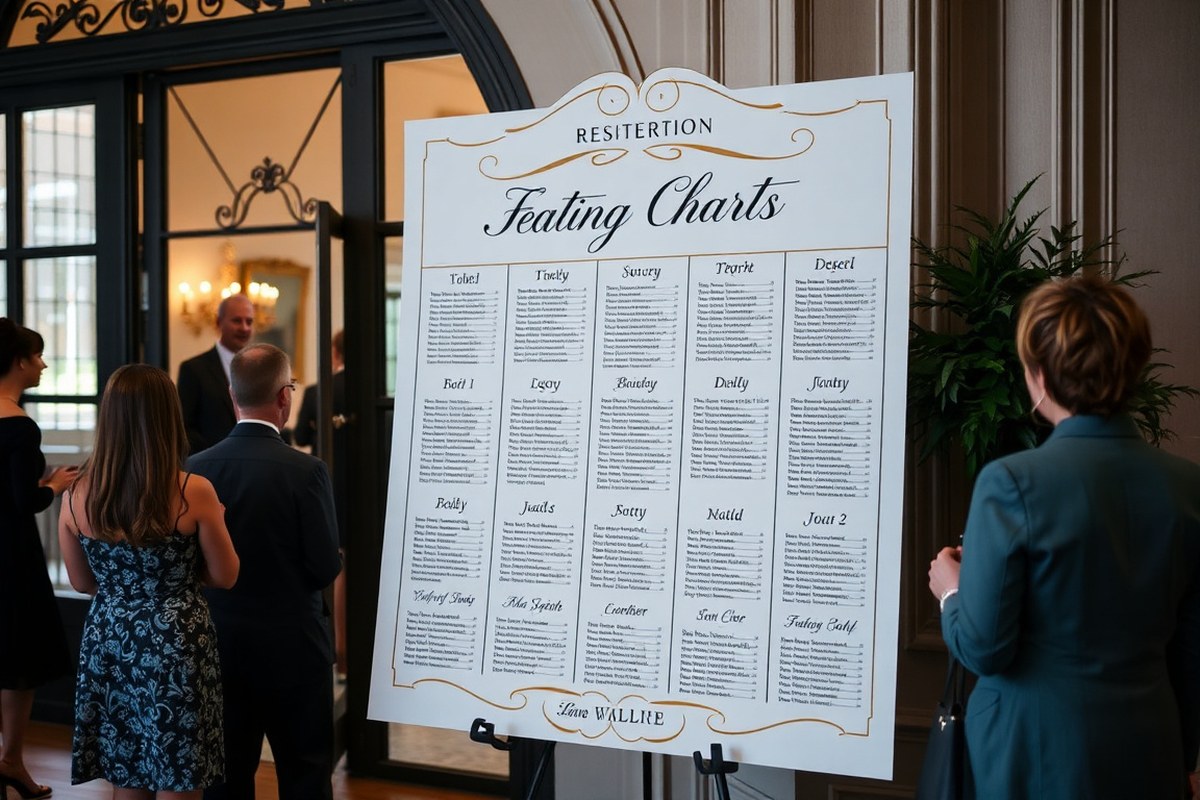
The seating chart or assigned seating display is critical for organized dining. This sign lists your guests’ names and table assignments and is typically placed where guests enter the reception area. Use a size that fits your guest list, small weddings may need only one display, while larger weddings might require multiple signs spread out to prevent crowding. Most couples need between one and three seating signs, depending on venue layout. Without this, guests might hesitate or sit out of order, slowing down service and causing frustration.
Table numbers are another essential. Each dinner table should feature a clearly visible number or name to guide guests to their seats. Signs about 4 by 6 inches work well on each table, using holders or stands that complement your décor. Accuracy matters here; missing or unclear table numbers can cause delays during food service and disrupt the flow of the evening.
A bar menu sign outlines available drinks and prices (if applicable). This keeps orders moving quickly and limits guest questions. A single bar menu display sized around 11 by 17 inches is usually sufficient for most receptions but add more if you have multiple bars or drink stations. This sign also serves as a fun design element, reflecting the theme or colour scheme.
Including an order of events or timeline sign helps guests know what to expect and when key moments like speeches, cake cutting, or dancing will occur. A sign about 16 by 20 inches near the reception entrance or dining area is effective. This sign is especially useful for longer receptions or when timing is tight to keep the day on track.
The number of signs needed depends largely on the wedding size and venue. Small weddings with fewer than 50 guests can often get by with these five essentials and might even skip the seating chart by using open seating. Medium to large weddings usually require one of each essential, with some additions for multiple bars or spacious venues. A good rule is to use the checklist of essential signs and add optional signs only if you expect them to reduce confusion or improve your theme.
More than 7 to 10 signs at a reception can overwhelm guests and clutter the space. To avoid this, prioritize the essentials and combine messages when possible, such as pairing the welcome sign with the order of events or placing the seating chart alongside the guestbook area. This approach keeps directions clear without feeling like a sign overload.
For example, a wedding with 100 guests should typically have one welcome sign, one seating chart display at the entrance, 10 to 12 table number signs for each table, one bar menu per bar, and one order of events sign. Skip extra signs like directional arrows if the venue is small and layouts are obvious.
Creative and Modern Reception Sign Designs
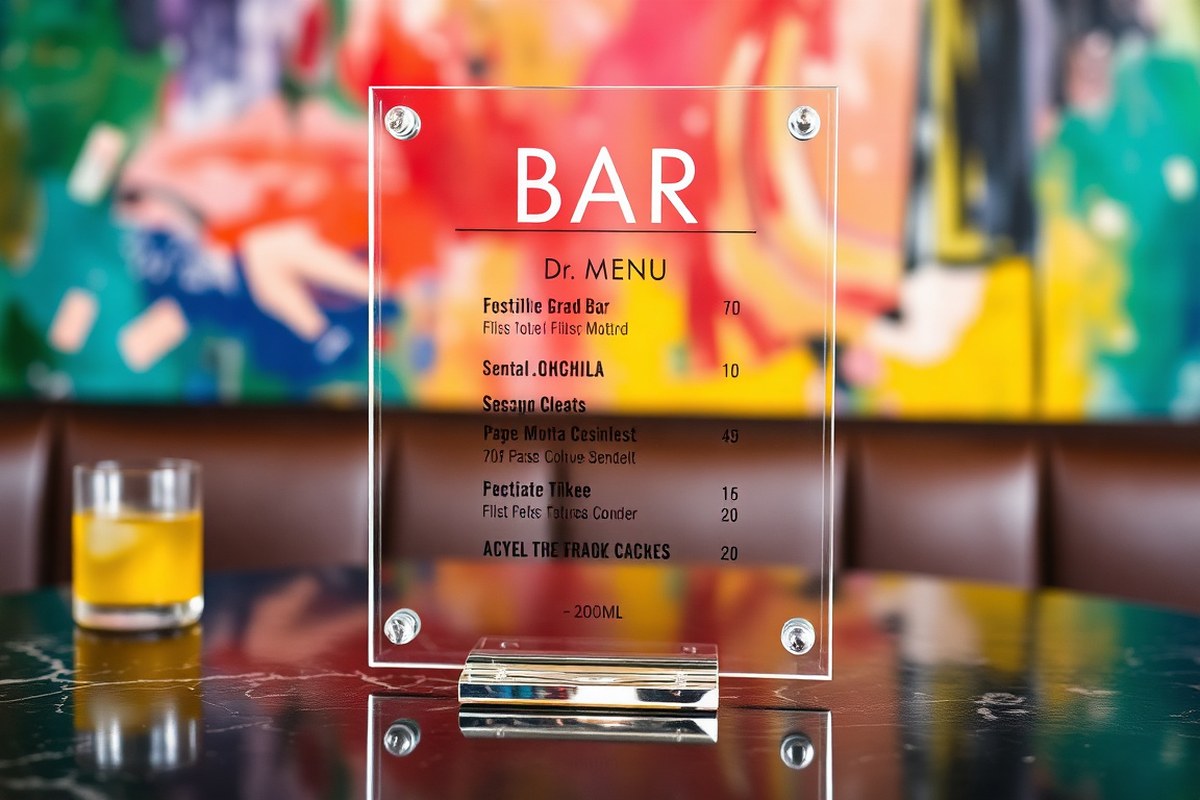
Creative and modern reception sign designs offer many ways to express your wedding theme and personality while guiding guests. A rustic woodgrain sign adds charm and warmth, especially when paired with calligraphy, stencil details, or vinyl lettering. These can be DIY projects or purchased from platforms like Etsy, typically costing $50 to $150 depending on size and customization. Acrylic signs provide a sleek, contemporary look with options for custom etching or white printing on clear or colored backgrounds. They often run between $80 and $200 and work well for minimalist, modern, or glamorous themes when combined with metallic finishes like gold or rose gold.
Boho-style reception signs embrace natural textures and artistic flair, often featuring macrame backing, floral accents, or hand-painted lettering on reclaimed wood or canvas. These signs highlight casual elegance and creativity. Vintage designs use chalkboards or antique mirrors as canvases for hand-lettered greetings or menus. Chalkboard signs, priced around $40 to $120, add a nostalgic feel and can be updated easily during the event to reflect menu changes or personalized messages.
Integrating personal touches into your signage can make a big impression. For example, include inside jokes, couple’s nicknames, or references to shared hobbies within the wording or graphics. You might incorporate custom illustrations or photo collages printed on acrylic or wood. Consider matching fonts and colors with your invitations or other decor items to maintain a cohesive look throughout your event. If you go for digital LED signs or interactive displays, these modern touches provide vibrant, high-resolution visuals and allow dynamic content like live social media feeds, though rentals or purchases can range from $300 to over $1,000 depending on size and duration.
Different materials suit different venues and weather conditions. Rustic wood works well for outdoor barn weddings but can warp in high humidity or rain, so sealing is essential. Acrylic withstands indoor receptions without issue but may glare under strong sunlight. For smaller guest counts, smaller signs, roughly 12 by 18 inches, work best in intimate spaces; larger weddings often benefit from signs 24 by 36 inches or bigger to ensure visibility. Whichever style or material you choose, aim for clear, legible lettering combined with design elements that reinforce your event’s mood and theme.
Choose materials appropriate for your venue’s environment to avoid damage or readability issues during your reception.
Choosing Materials and Finishes for Wedding Signs
Choosing the right material and finish for your wedding signs impacts their durability, style, and suitability for the venue. For indoor receptions, lightweight materials like acrylic or foam board offer elegant looks and easy placement. Outdoor events require weather-resistant options like wood or metal to withstand wind and moisture. Eco-friendly signs can be made from recycled paper, sustainably sourced wood, or biodegradable materials, offering a greener alternative without sacrificing style.
Costs vary widely based on material and customization. Acrylic signs typically cost $20 to $100 for standard sizes, while wood can range from $30 to $150 depending on the type and finish. Metal signs usually start around $50 and go up with custom engraving. Budget-friendly options lean towards simple, minimalist designs with less costly materials like foam or poster board. The material choice also affects how long your signs will last, wood and metal last longer outdoors, while paper or foam signs should be limited to indoor use or protected placement.
| Material | Pros | Cons | Typical Cost | Durability & Use |
|---|---|---|---|---|
| Acrylic | Clear, sleek, modern look; lightweight | Can scratch; less durable outdoors | $20, $100 | Best indoors; avoid direct weather exposure |
| Wood | Rustic charm; strong; weather-resistant when sealed | Heavier; higher cost for quality wood | $30, $150 | Great for outdoor or indoor; seal for outdoor use |
| Metal | Durable; modern industrial look; weatherproof | Heavier; costs more; may require professional finishing | $50+ | Excellent for outdoor; long-lasting |
| Foam Board | Very affordable; lightweight; easy to print | Not weather-friendly; dents easily | $10, $50 | Indoor use only; temporary signs |
| Recycled Paper/Cardstock | Eco-friendly; inexpensive; customizable | Not durable; sensitive to moisture | $5, $30 | Indoor use for short term only |
For outdoor receptions, opt for wood or metal signs with waterproof coatings or finishes to prevent damage. For indoor events, acrylic or foam board signs offer clean, polished looks with less risk of weather damage. Choosing eco-friendly materials depends on balancing budget and style preferences while ensuring the signs meet your reception environment’s demands. For example, a handcrafted wood name sign can serve as both decor and a keepsake, blending beauty and sustainability.
Where and How to Place Reception Signs Effectively
Placing reception signs strategically helps your guests move smoothly through the venue while improving the wedding atmosphere. A welcome sign works best near the entrance to greet guests as they arrive. Position it so it’s clearly visible without blocking the doorway. This not only signals the start of your celebration but also sets the tone for the decor style you’ve chosen. Seating charts or escort card signs should be placed where guests first enter the reception area to avoid confusion before they find their tables.
Directional signs can guide guests to key spots like the bar, restrooms, or photo booth. For example, a bar menu sign placed right at the drink station adds decor appeal while informing guests about their options, blending function with style. Thank you signs work well near exits or gift tables, reminding guests of your gratitude. Guestbook signs placed next to the guest book encourage participation, preventing this special moment from being missed.
Matching sign placement with your venue’s layout is important. Large spaces might require multiple directional signs to maintain flow. Smaller venues benefit from fewer signs with multi-use functions. Signs like backlit graphics or acrylic materials with crisp black and white designs boost visual impact, especially when placed at focal points. Consulting your wedding planner or event coordinator about flow and usable areas ensures signage doesn’t interfere with traffic or sightlines.
- Welcome sign near reception entrance for first impressions
- Seating chart at the main lobby or entrance for easy guest navigation
- Bar menu sign right at the drink station doubling as decor
- Guestbook sign placed beside the guest book to prompt signing
- Directional signs at hallway intersections or outdoor paths
- Thank you sign by exit or gift table for a final thoughtful touch
- Use multi-pane or digital displays at busy spots to combine info
Reception signs are more than simple directions; they contribute to the day’s aesthetic and create conversation starters. For example, a half-arch acrylic sign with minimalist fonts near the entrance looks chic and photographable. Using transparent OLED signs can add a futuristic feel but consider cost and power needs, they can run several hundred dollars and may require electrical outlets. Proper lighting and height matter, too; signs should be eye-level and illuminated enough to be read easily but not glare under natural or artificial light.
Signs placed haphazardly or in obscure corners risk being ignored, causing guest confusion and missed photo opportunities. Avoid blocking walkways or placing signs too close together. Space them about 3 to 5 feet apart in larger venues to let guests view them clearly one at a time. Ensuring your signage complements both the venue’s decor and event flow makes your reception feel organized and welcoming.
Interactive and Digital Reception Signage Options
Digital and interactive reception signs bring a dynamic touch to wedding receptions, making information delivery more engaging. These signs use LED screens or touchscreen interfaces to display customizable messages, animations, or photos. Their key advantage lies in real-time updates and the ability to showcase multiple types of content in one place, unlike traditional printed signs that remain static once displayed. For example, you can use a digital welcome screen that changes to show the schedule, directions, or personalized messages throughout the event.
Setting up digital or LED signs requires moderate to high technical support. They need access to reliable power sources and often a stable Wi-Fi connection for content management, which could mean planning with the venue well in advance. You’ll also have to prepare or hire someone to update the content on the device, and ensure the software controlling the display is easy to use or pre-configured. For couples on a budget, renting a digital sign for the day might be more cost-effective than purchasing one outright, which can run $200 to $600 or more depending on size and features.
Interactive signage such as touch screens or photo booth signs create memorable guest experiences. These encourage attendees to engage directly by contributing messages, photos, or playing games designed for the couple. This type of sign works best in receptions with enough space and technical support, and where guests are comfortable using technology. It’s less ideal for outdoor or rustic venues without stable power or internet access, as technical difficulties can disrupt guest enjoyment.
Compared with traditional signs, digital and interactive options stand out with their flexibility and appeal to tech-savvy crowds, but they come with risks like technical malfunctions and a steeper learning curve for setup. For smaller, intimate weddings, a few well-placed printed signs may feel more authentic and avoid the complexity of managing technology. On the other hand, larger or modern venues that offer in-house A/V support can benefit greatly from these options’ adaptability and visual impact.
When deciding on digital signage, test the equipment in the exact venue conditions at least a day before the event. Confirm power outlets, test Wi-Fi strength, and review the displayed content on the actual screen. Prepare a backup plan, like printed signs with key information, in case of tech failures. For interactive signs, provide simple instructions close to the display so guests know how to use it without needing additional help.
Make sure your digital or interactive signs have easy-to-navigate controls and backup content ready, so technical glitches don’t interrupt your reception flow.
In summary, digital and interactive signs can improve your wedding reception’s style and functionality when chosen and managed carefully. They require preparation, technical resources, and sometimes professional help, but offer a memorable way to share information and entertain guests beyond what static signs can do.
Timing and Ordering: When to Get Reception Signs Ready
Order and finalize your reception signs at least six to eight weeks before the wedding date to avoid last-minute stress. Customization and shipping often take multiple weeks, so starting early lets you review proofs and request adjustments. During peak wedding season, consider ordering even earlier to allow extra time for production delays.
Ideal Ordering Timeline Before the Wedding
Begin planning your signage once your guest list and seating arrangement are confirmed, usually about two to three months before the event. This timing helps finalize guest-dependent signs like place cards and directional signage. Vendors generally require 3 to 4 weeks for production plus shipping, especially for custom designs with personalized elements.
Reserve 6 to 8 weeks as your ordering window for most signs, including detailed items like “Love Story Timeline” or thematic wedding bar signs. For simple printed signs, the timeline may shorten to 3 to 4 weeks, but rushing increases the risk of errors or limited edits.
Steps to Customize and Approve Signage Designs
Customize your signs through a collaborative review process with your vendor. Most providers offer digital proofs to confirm text, font, colors, and layout. Use this stage to double-check spellings, dates, and design details to prevent costly corrections later. Follow these steps to ensure your signage is ready on time:
- Confirm final guest numbers and wedding details that affect signage content.
- Choose your sign styles, materials, and dimensions based on venue and wedding theme.
- Provide your vendor with all text, images, or logos early in the process.
- Review the first draft carefully, approving or requesting changes promptly.
- Approve the final proof, verifying all details for accuracy.
- Place your order within your planned timeline to secure production slot.
- Track your shipment and communicate with the vendor if delivery timing changes.
Managing Delays or Last-Minute Changes
Rush orders are possible but usually come with higher costs and limited customization options. Expect expedited production and shipping fees that can range from 25% to 50% above the normal price. To avoid extra charges, try to finalize designs well ahead of time.
If you face last-minute adjustments, prioritize essential signs like directional and guest welcome boards. Some vendors offer same-week turnaround on printed signage but may not support complex custom designs or materials like wood or acrylic in that timeframe. Communicate clearly with your vendor about deadlines and emergency needs to explore all possible solutions.
Wording and Tone Templates for Common Reception Signs
Clear and warm wording on your wedding reception signs helps guests feel welcome and informed while matching your celebration’s style. Choosing the right tone and concise scripts ensures your signs guide without confusion and add a polished touch. Crafting consistent wording across different signage types supports a smooth guest experience and strengthens your wedding’s overall look.
Welcome Sign Wording Examples
Start with a friendly greeting that reflects your wedding’s vibe, such as formal, casual, rustic, or elegant. Keep the message brief yet inviting, pairing it with your names and the date to personalize the sign. Including a phrase that sets the mood works well to engage guests right away. Here are some tested templates to consider:
- “Welcome to our beginning, [Name] & [Name], [Date]”
- “We’re so glad you’re here!, [Name] & [Name]”
- “Thanks for joining us on our special day! [Date]”
- “Welcome to the celebration of love, [Name] & [Name]”
- “Cheers to love, laughter, and happily ever after! [Name] & [Name]”
Match your font style and sign material to your theme for continuity, like elegant script on a mirror or casual lettering on handmade wood boards. Use wording that fits the formality and atmosphere you want to create without overwhelming the sign with too many details.
Seating Chart and Directional Sign Scripts
Seating charts need clear and easy-to-follow wording. Use simple headers like “Find Your Seat” or “Please Locate Your Name” followed by a guest list organized alphabetically or by table. Avoid long sentences, favoring straightforward labels to keep the flow smooth during guest arrival. Directional signs should use short, action-oriented phrases combined with arrows or icons. Examples include:
- “Ceremony This Way →”
- “Reception ←”
- “Restrooms →”
- “Bar & Dance Floor Straight Ahead”
- “Gift Table →”
Clarity here is critical to prevent confusion or bottlenecks in flow, especially in large venues or outdoor spaces. For more formal weddings, you might choose classic fonts and sober tones, while casual celebrations can use playful scripts and colors.
Fun and Personal Sign Phrases
Adding personality to signs with witty or sentimental lines improve guest enjoyment and makes details memorable. Signs at the bar, photo booth, or gift table offer an excellent chance for humor or heartfelt notes. Keep these phrases brief but expressive, matching the overall tone and style. Examples include:
- “Sip, Sip, Hooray! Find your favorite drink at the bar.”
- “Strike a pose, Photo booth fun starts here.”
- “Cards and gifts go here, Thank you for your love.”
- “Dance like no one’s watching; the DJ’s waiting.”
- “Take a seat, grab a treat, and celebrate with us.”
These scripts work best when they complement your theme and appear alongside relevant decor elements. Avoid overusing humor if it clashes with a formal tone, and test readability at the expected sign viewing distance (usually about 3 to 6 feet) to ensure guests can easily absorb the message.
Signage Strategies for Different Wedding Sizes and Venues
Small weddings usually require fewer signs, focusing on the essentials like a welcome sign at the entrance and a gift table sign to direct guests. Because guest counts are limited, extensive directional signage is often unnecessary, especially if the venue layout is straightforward. For example, in a home or small banquet room, guests can easily find their way without multiple signs, so keep your signage minimal and elegant to avoid clutter.
For larger weddings or venues with multiple rooms and outdoor areas, a clear signage system becomes more important. Directional signs that point guests toward the dining area, dance floor, restrooms, and lounge encourage smooth traffic flow and reduce confusion. On average, a large wedding might need 5 to 10 signs placed strategically around the venue. Factors like outdoor settings or split-level spaces increase the need for signs to guide guests, so plan accordingly with durable and weather-resistant materials that match your wedding’s style.
Choosing signage style depends heavily on the venue type. In venues with existing signage or strict rules, such as historic buildings, gardens, or hotels, coordinate your signs to complement rather than compete with fixed signs. Match font styles, colors, and materials to avoid visual clutter, and always check with venue management for restrictions on hanging or placing signs. Sometimes, removable adhesive signs or freestanding boards work better where permanent fixtures aren’t allowed.
Guest dynamics also influence your signage choices. If many guests travel from out of town, incorporating clear directional signs outdoors helps newcomers navigate from parking areas or shuttle drop-offs. Couples with mostly familiar guests might focus on personalized or decorative signs instead, using them as part of the decor rather than functional wayfinding.
Signage that ties into the wedding invitation theme can unify the event’s look while providing practical benefits. For instance, a floral design on your invitation could be echoed with small pots of matching flowers beneath each sign, which suits garden venues perfectly. This strategy improve the guest experience and helps your signs stand out without overwhelming the space.
Minimize signage at small, simple venues to keep the aesthetic clean; adding too many signs can make a venue feel cluttered and confuse guests more than help them.
Common Mistakes with Wedding Reception Signs and How to Fix Them
Choosing the right wedding reception signs can make your event smoother, but several common mistakes can confuse guests or clash with your decor. One big issue is sign overload. Too many signs or signs with conflicting messages make it hard for guests to know where to focus. Stick to a few essential signs with clear, concise wording to avoid overwhelming your guests. For example, instead of separate signs for “Seating,” “Find Your Seat,” and “Tables,” use just one that combines these directions simply.
Another frequent mistake involves poor placement. Signs hidden behind decor or too low to be seen can cause frustration. Place them at eye level and near the relevant areas, like the entrance or buffet line, so guests can easily spot them without searching.
DIY signs add personal charm but can run into issues if not executed carefully. Handwriting that’s hard to read or colors that blend into the background reduce clarity. Try a chalkboard sign on an easel for versatility and legibility. Use high-contrast chalk markers and practice the wording on paper before writing on the sign. Keep designs simple and large enough to be seen from a few feet away to ensure guests aren’t squinting or guessing.
- Limit signs to 3-5 key pieces to maintain focus and avoid mixed messaging.
- Position signs at eye level near the corresponding activity or area.
- Use concise wording: “Welcome,” “Bar This Way,” “Find Your Seat.”
- In DIY signs, use bold, clear fonts and contrasting colors for visibility.
- Test sign readability from 10-15 feet away during setup.
- Protect signs from weather or lighting glare by choosing durable materials or shaded spots.
- Ask a friend or vendor to proofread wording to prevent typos or confusing phrases.
Muddled phrasing or overly ornate fonts can cause misunderstandings or slow down the flow of your reception. Clear instructions with proper spacing help guests feel comfortable and keep the event running on time. Avoid using vague terms like “Refreshments” unless paired with an arrow or descriptor. Instead, say “Drinks and Snacks” or “Open Bar.”
Finally, considering lighting conditions where your signs will be displayed matters. Signs placed outdoors in direct sunlight may fade, while those in dim rooms need either reflective lettering or supplemental lighting. Planning ahead to accommodate these details costs little but pays off in guest satisfaction and smooth transitions throughout the celebration.
Fun and Unique Reception Sign Ideas for Memorable Moments
Adding fun and unique signs to your wedding reception can boost guest engagement and create lasting memories. Interactive or themed signs double as decor and photo props, inviting guests to take part in the celebration while showcasing your personality. Personalized touches on cocktail menus, guest books, and hashtag displays help your reception feel lively and customized just for you.
Interactive Photo Booth and Hashtag Signs
Photo booth signs invite guests to capture the moment and share their pictures, making the photo booth a focal point for fun and memories. Use a sign with playful wording like “Snap, Sign, Stick” to explain the activity and encourage participation. Make sure the sign complements your overall decor style by using frames, string lights, or rustic wood backgrounds. A large custom hashtag sign near the photo booth or at the reception entrance can encourage guests to tag their social media posts, making it easier to collect digital memories.
For example, a wooden easel holds a 24×36-inch sign reading: “Use #EmilyAndJake2024 to share your favorite moments!” Place it somewhere visible but not obstructing walkways. This interactive signage engages guests beyond the event and helps you gather photos without chasing them down.
Signature Cocktail and Bar Menu Signs
A well-designed cocktail menu sign featuring your signature drinks adds charm and keeps the bar organized during busy times. Illustrate your special cocktails with colorful sketches or simple icons to make the menu visually appealing. Include a brief description for each drink, highlighting unique ingredients or a story behind the choice. This not only guides guests’ choices but sparks conversations and adds personality to your reception. You can use a 16×20-inch sign on the bar listing two or three specialty drinks like “Blushing Bride: Rosé, cranberry, and elderflower” or “Groomsman’s Old Fashioned: Whiskey, bitters, orange peel.” Make sure the bartender has a copy to keep orders flowing smoothly, and place the sign where everyone can see it easily.
- Include fun or personalized cocktail names that reflect your story or interests
- Choose readable fonts with contrasting colors for easy viewing
- Use durable materials like acrylic or laminated cardstock for wet environments
- Add small illustrations or icons to highlight ingredients
- Place the sign at eye level or slightly angled for bar guests
- Update drink menus promptly if your offerings change
- Consider handheld signs for roaming servers offering signature cocktails
By combining practical information with creative design, signature cocktail signs can be both beautiful and functional. This helps guests feel invited to try something new while keeping service smooth.
Personalized Guest Book and Gift Table Signs
Guest book alternatives like a vintage typewriter sign or a wishing tree create interactive stations guests will enjoy. A sign with clear instructions like “Type a note of love, advice, or laughter” next to a charming vintage typewriter allows guests to leave unique keepsakes. Similarly, a wishing tree sign encourages guests to hang well-wishes on branches for a visually pleasing display.
Personalized gift table signs thank your guests and keep the area organized. Use messages such as “Thank you for your love and generosity” on a nicely framed 8×10-inch sign placed near the gift drop-off to gently direct guests. Adding a decorative element that matches your theme, such as floral accents or calligraphy, ties it all together. These signs not only improve decor but also guide guest interaction, making your reception feel warm and inviting:
- Wishing tree instructions: “Write your wishes on cards and hang on the branches”
- Photo guest book sign: “Snap a photo, sign your name, and stick it in the album”
- Gift table reminder: “Please leave gifts here to be safely collected”
- Vintage typewriter note: “Tap out a message for the happy couple”
- Thank you sign wording: “Our hearts are full; thank you for celebrating with us”
Step-by-Step Action Plan for Wedding Reception Signs
Organize your wedding reception signage smoothly with this step-by-step plan to make sure you have the right signs, designed well and placed effectively.
- 6-8 months before: Decide which essential and optional signs you want based on your venue and guest list size. Confirm the list so you avoid last-minute scrambling.
- 4-5 months before: Choose your sign materials and design style to match your wedding theme. Seeing samples or mockups means you’ve made a confident choice.
- 3 months before: Finalize exact wording and tone for each sign, using templates if needed to keep messages clear and friendly. Review everything for errors to ensure clarity.
- 2 months before: Place your order with your chosen vendor or start DIY production. A confirmed delivery or completion date shows you’re on track.
- 2-4 weeks before: Plan and test sign placements at the venue or with your wedding planner. Walk-throughs or photos with signs in place confirm practical positioning.
- 1 week before: Have all signs delivered or ready on-site. Check conditions like visibility and stability to avoid last-minute fixes.
- Day of event: Assign a trusted person or coordinator to check signs periodically and adjust if necessary. This keeps everything looking fresh during the reception.
Frequently Asked Questions
What Are Some Unique Ways to Incorporate a Memorial into Your Reception Signs?
Including a small sign with a photo and a heartfelt message can honor loved ones who can’t attend. This thoughtful touch makes your wedding feel more personal and inclusive.
How Can Reception Signs Double as Photo Opportunities?
Signs with witty sayings or eye-catching designs invite guests to pose for pictures. Choose styles and colors that match your wedding theme to create lasting memories.
What Materials Make Reception Signs Durable for Outdoor Weddings?
Weather-resistant materials like acrylic, metal, or sealed wood work best outside. These choices protect your signs from sun and moisture while keeping them stylish.
How Do You Coordinate Reception Signs with Different Wedding Themes?
Match the style, colors, and fonts of your signs to your theme, like rustic wood for country weddings or sleek metallics for modern events. This coordination helps unify the reception’s look.
Can You Use Banners as Reception Signs Instead of Traditional Boards?
Yes, banners with glitter or elegant lettering make chic alternatives to standard signs. They’re lightweight, easy to hang, and add a festive feel without taking up table space.
What Is a Cost-Effective Way to Make Direction Signs for a Reception?
DIY wooden arrows decorated with decals offer an affordable, customizable option. These signs guide guests clearly and can be designed to match your wedding’s aesthetic.
Final Thoughts
Reception signs help guide your guests and add personality to your wedding celebration. Choosing the right signs, designs, and placement can make your reception run smoothly and feel more welcoming. Start by selecting one key sign to customize now, whether it’s a welcome sign or seating chart, to set your wedding’s tone and style.