Real Estate Sign Ideas That Boost Listings and Attract Buyers
Real estate sign ideas that stand out combine clear messaging, eye-catching design, and strategic placement to attract buyers quickly. Using signs with optimal sizes, like 24 by 36 inches, ensures visibility without overwhelming the space. Start by choosing a sign size and type that suits your property’s location and style to make a strong first impression.
Key Takeaways
- Select sign sizes between 18×24 and 24×36 inches to balance visibility and space suitability for your property’s site.
- Incorporate QR codes or NFC tags on signs to provide instant digital access to property details and virtual tours.
- Use simple, bold fonts and contrasting colors for readability from 30 feet or more to capture attention effectively.
- Customize signs with consistent branding elements like logos and colors to build recognition and trust with buyers.
- Place signs 2, 3 feet inside the sidewalk edge on mid-block homes to increase visibility to foot and vehicle traffic.
- Keep sign height between 4 and 7 feet above ground to meet typical local regulations and ensure easy viewing.
Top Real Estate Sign Ideas That Capture Attention

Effective real estate signs combine clear messaging, high-quality visuals, and strong branding to capture attention and generate leads. Yard signs with bold, easy-to-read fonts and contrasting colors make an immediate impact on passing buyers. Incorporating a professional agent photo builds trust and helps viewers remember who to contact. Adding a custom vanity number simplifies phone inquiries by offering an easy-to-recall contact method, which can increase call volume.
Photos of the property or the agent increase engagement but should be balanced with concise wording to avoid clutter. Use images at about 25% to 30% of the sign’s area to keep the design clean while providing a visual anchor. When selecting fonts, choose no more than two types: one for headlines and one for secondary information. Fonts should be easily legible from at least 10 feet away, such as Arial, Helvetica, or Futura. Colors like dark blue or black on white backgrounds provide the best visibility in daylight.
- Open house directional signs with arrows and bright colors guide traffic to the event.
- “Just Listed” signs that feature a large photo of the home attract immediate interest.
- “Your Neighborhood Agent” signs highlight your local expertise and build community trust.
- Signs with QR codes link to virtual tours or listings, combining physical and digital marketing.
- Personalized signs featuring the agent’s headshot and a vanity phone number improve lead recall.
- Double-sided signs capture attention from multiple directions on busy streets.
- Property feature callouts (e.g., “New Roof,” “Great School District”) tell a quick story.
Using a consistent color scheme and logo across all sign types ties your branding together, making it easier for clients to identify your properties statewide. Investing around $50 to $100 per high-quality yard sign is common and worthwhile given the lead potential. Avoid overly small text or too many images, which dilute the message. Signs that combine a friendly agent photo with simple, bold information and a memorable phone number stand out and encourage direct contact. Including a call-to-action like “Call Now” or “Visit Today” also motivates immediate buyer engagement.
Choosing the Right Sign Size and Type for Your Property

Choosing the appropriate size and style of real estate signs depends largely on the property’s location, how fast traffic moves nearby, and how far the sign is set back from the road. Common horizontal dimensions include 24 by 36 inches, 24 by 30 inches, and 18 by 24 inches. Vertical signs usually measure 30 by 24 inches, 36 by 18 inches, and 24 by 18 inches. Use horizontal signs on wider lots with broad visibility, while vertical signs fit better in tight spaces or where views are limited.
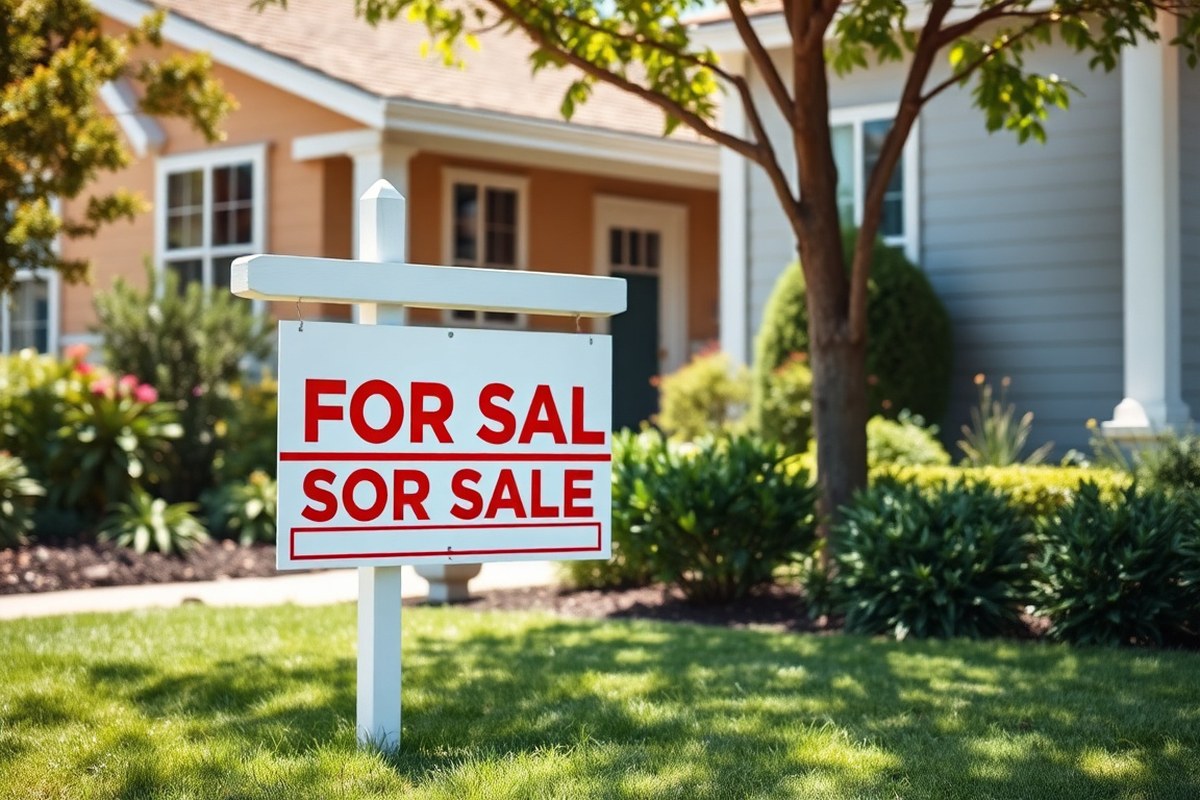
Different sign types serve various contexts effectively. Vinyl post signs with coroplast panels are classic and cost-efficient for single-family homes on residential streets. A-frame signs perform best near entries and high foot traffic locations, such as condo lobbies or open house entrances. Feather flags add motion and visibility on busy streets or commercial listings, though they cost more and need more setup.
The setback distance and street speed help determine the ideal sign size for visibility. Larger signs fit well where the sign sits farther from the road or traffic moves fast, ensuring potential buyers can read your message from a distance. Smaller signs suffice for close frontage and slower traffic, allowing a neat presentation without overwhelming the yard or violating local sign rules.
| Sign Type | Common Size (inches) | Approximate Cost | Best Usage |
|---|---|---|---|
| Horizontal Coroplast Yard Sign | 24 × 36, 24 × 30, 18 × 24 | $25, $50 | Residential front yards with moderate setback |
| Vertical Coroplast Yard Sign | 30 × 24, 36 × 18, 24 × 18 | $25, $50 | Narrow areas, corner lots, or tight frontage |
| A-frame Sidewalk Sign | 24 × 36 or custom | $70, $150 | Near entrances, open houses, high foot traffic zones |
| Feather Flag | 8, 12 feet tall | $80, $200 | Commercial properties, busy streets, large lots |
| Vinyl Rider | Varies (commonly 8 × 24 inches) | $15, $35 | Additional messaging on main signs, reusable |
To decide on the size, measure the setback from the road and consider traffic speed. For example, if the sign sits 25 feet or more back and traffic moves at 35 mph or faster, prioritize a 24 × 36 inch horizontal sign or larger to maintain readability. On streets with slower speeds and short setback distances under 15 feet, a 24 × 18 inch vertical sign typically provides enough visibility without overwhelming the yard space.
Check local regulations before ordering signs to avoid fines or forced removal due to size or placement restrictions.
Adapt your sign type and size to the property’s environment, for a suburban single-family home on a quiet street, standard horizontal coroplast yard signs with a vinyl post suffice. For a townhouse on a narrow corner lot, a vertical sign maximizes limited space. Your listing on a high-traffic street benefits from feather flags or larger A-frame signs, which catch the eye with movement and can be seen from greater distances. Combining these choices thoughtfully helps maximize your message reach without wasting budget on overly large or inappropriate signage.
Incorporating Technology: QR Codes, NFC, and Smart Signs
Adding technology like QR codes, NFC tags, and smart Bluetooth-enabled signs to your real estate signage instantly connects potential buyers to detailed property information and captures leads. These tools create an interactive experience without requiring people to type URLs or call directly, making it easier to engage buyers. Knowing how to integrate and choose the right tech depends on your budget, property type, and marketing goals.
Understanding QR Codes Benefits and Usage
QR codes are square barcodes that potential buyers scan using their smartphones’ camera apps. Scanning instantly opens a webpage with property details, virtual tours, videos, or a lead capture form. They work with any smartphone and require no special hardware on your end beyond generating and printing the code on your sign.
To add a QR code to a real estate sign, use an online QR code generator to link to your preferred URL. Download the code image and include it in your sign design file near a clear call-to-action like “Scan for Details” or “See Inside.” Make the code at least 1.5 inches square so it’s easy to scan from a few feet away.
Costs for QR codes are minimal to none if you create them yourself. Paid services offer tracking to see how many scans your sign gets, making it easier to measure leads. Avoid placing QR codes in direct sunlight glare or crowded with other visuals, as that can reduce scan rates.
How NFC Tags Work on Yard Signs
Near-field communication (NFC) tags are small chips embedded in or attached to yard signs that allow smartphones to instantly access digital content by tapping the phone near the tag. Unlike QR codes, customers don’t need to open an app, just a quick tap with an NFC-capable phone triggers the link.
Adding NFC tags usually costs between $1 and $3 each, making them an affordable upgrade. To use NFC, order waterproof NFC stickers or cards, then attach them discreetly on your sign’s frame or surface. Program the tags with a URL pointing to your property page or contact form. Ensure the call-to-action says something like “Tap Your Phone Here” for clarity.
Keep in mind NFC works best for viewers within a few inches from the sign. It works great in shaded or glare-prone environments where QR codes might struggle. Some older phones or those with NFC turned off won’t connect, so combining NFC with a QR code often covers all bases.
Smart Bluetooth Signs Explained
Smart signs with Bluetooth connectivity use low-energy Bluetooth beacons to interact with smartphones over a range of about 30 to 50 feet. They can deliver notifications, open apps, or share listings automatically when potential buyers are nearby.
Bluetooth signs offer advanced lead capture through push notifications and can gather visitor analytics, but they cost more upfront for the hardware and require some technical setup. Installation typically involves pairing a Bluetooth beacon with your device and configuring marketing messages through a platform or app.
These signs work best in busy neighborhoods or apartment complexes where many buyers walk by regularly. They should be part of an integrated marketing effort since they demand maintenance and technical knowledge. The table below compares QR codes, NFC tags, and Bluetooth-enabled signs for features, costs, and best uses.
| Tech Feature | How it Works | Cost Per Unit | Range | Best For | Lead Capture Method |
|---|---|---|---|---|---|
| QR Codes | Scan with smartphone camera | Free to low (DIY or paid tracking) | Close, up to a few feet | Any sign, low budget, DIY | Instant website or form access |
| NFC Tags | Tap smartphone near chip | $1 to $3 | Near touch (a few inches) | Affordable, smooth tap experience | Instant URL launch, contact forms |
| Bluetooth Signs | Auto detects phone nearby | $50 to $200+ for hardware | 30 to 50 feet | High foot traffic, tech-savvy agents | Push notifications, analytics |
Use QR codes for easy, affordable tech upgrades. Add NFC tags for hands-on interaction with a slight upgrade in cost. Bluetooth signs require more investment but can automate lead capture in busy areas.
Maximize lead capture from your tech-improve signs with these tips: include a clear call-to-action that tells viewers exactly what to do (“Scan here” or “Tap your phone”), place the tech element where it is easy to reach and visible, and link to mobile-friendly landing pages with concise property info and contact forms. Always test your QR codes or NFC tags on multiple phone models before printing signs to avoid errors that can lose leads.
Design Elements That Make Real Estate Signs More Effective
Choosing fonts that maintain readability from a distance is critical for making your real estate signs effective. Sans-serif fonts like Arial, Helvetica, and Futura work best because their clean lines prevent blurring, essential for quick glances from passing drivers or pedestrians. Use font sizes of at least 3 inches tall for main messages such as “For Sale” or your phone number to ensure visibility from 50 feet or more.
Colors should provide a high contrast balance, making key information stand out sharply against the background. For example, a white or yellow font on a navy blue or black background offers strong contrast and easy reading without straining the eyes. Incorporate your brand colors consistently to improve memorability; brand research shows a 23% lift in recall when your signage matches other marketing materials. For open house and sold signs, vibrant hues like red, orange, or bright green capture attention quickly and create a sense of urgency.
Your message must be concise and clear to avoid overwhelming viewers. Include only essential info such as the property’s status (“For Sale,” “Sold,” “Open House”), your agency name, contact number, and website if space permits. Avoid cluttering your sign with too many words or irrelevant details to prevent confusion and loss of impact.
- Use bold, sans-serif fonts with minimum 3-inch letter height for main text.
- Choose contrasting colors: light text on dark background or vice versa.
- Limit to 3-5 words per line to keep messages brief.
- Place your logo and brand colors consistently without overpowering text.
- Include a clear call to action, such as a phone number or website.
- Avoid cursive or overly decorative fonts that reduce legibility.
- Balance text and negative space to prevent a crowded appearance.
Bold designs with solid colors and simple typography work well for high-traffic areas where fast recognition matters. Minimalist designs that use selective color highlights and clean layouts suit luxury listings, emphasizing professionalism without excess distractions. Common mistakes include mixing too many fonts, low-contrast color combos (such as red on green), and overly detailed graphics that make the sign unreadable at a distance.
The right combination of font, color, and message layout makes your signage not only visible but also trusted. Investing in weather-resistant materials ensures your design stays crisp over time, reflecting your professionalism in every condition. Tailor your design approach to your property’s market segment and location for best results. For example, a busy urban street requires bold, easy-to-spot signs, while a high-end suburban sale may benefit from a minimalist, elegant style that matches the listing’s tone.
Customizing Signs to Reflect Your Brand and Market
Tailoring your real estate signs to reflect your brand and target audience helps build recognition and attracts the right buyers. Focus on clear, consistent branding without clutter, and choose styles that suit the market segment, whether bold for luxury or minimalist for starter homes. Using specific design elements like agent photos, vanity numbers, and logos can further customize signs for better recall and professionalism.
Balancing Brand and Information
Keep your real estate sign clear and focused by highlighting only the most essential branding elements. Use a simple logo placed prominently but not overpowering the message. Limit the number of fonts to two and avoid overcrowding the sign with too much text or multiple graphics. A good rule is dedicating about 30% of the sign’s space to your brand elements and the rest to the property information. This balance ensures your sign is easy to read while reinforcing brand identity.
Using color-block design templates, such as large rectangles of strategic colors like turquoise and beige for minimalist styles or black, white, and gold for bold statements, guides the viewer’s eye in a natural Z-pattern from the headline to the call to action. This approach helps your brand stand out without clutter or confusion.
Using Agent Photos and Vanity Numbers
Including an agent photo on your sign adds a personal touch and builds trust with potential buyers. Choose a professional, friendly headshot with a neutral or branded background to keep the look consistent. Position the photo in a corner or next to your contact info to avoid overwhelming the main property message. Keep the photo size around 6 by 8 inches for yard signs to maintain visibility without distraction.
Vanity phone numbers or memorable contact info are another branding tool. Display these numbers prominently using large, contrasting font colors to make it easy for interested buyers to call quickly. Pairing vanity numbers with reflective materials means your contact details remain visible even at night, improving your chances of timely inquiries.
Design Variations for Different Market Segments
Adjust sign designs depending on whether you’re marketing luxury properties or starter homes. For luxury listings like gated estates or celebrity homes, opt for bold, elegant designs using black, white, and gold colors. Minimalistic logos, high-quality materials like metal or thick acrylic, and larger formats around 30 by 24 inches reinforce an upscale image.
Starter homes and entry-level neighborhoods benefit more from minimalist, affordable sign styles. Simple color combinations such as orange and white or turquoise and beige create a modern, approachable feel. Budget-friendly corrugated plastic signs around 18 by 24 inches work well here, keeping costs low while maintaining a clean, clear presentation. Consider these factors when customizing your sign design:
- Neighborhood demographics and price range
- Local competitors’ sign styles to differentiate your brand
- Sign material durability based on climate and installation duration
- Visibility requirements like reflective surfaces for low-light areas
- Regional regulations on sign size and placement
- Brand color palette consistency with your agency’s marketing
Overloading your sign with logos, photos, and contact details can confuse viewers and lower response rates, simplify for clarity.
Where and How to Place Real Estate Signs for Maximum Visibility
Placing real estate signs with the right height and distance from the street can significantly boost your listing’s visibility. Signs should generally be 2 to 3 feet inside the sidewalk line, especially for mid-block properties, to catch the attention of pedestrians and drivers without blocking walkways. For corner lots, position signs so they face the main flow of traffic on both streets, typically near the corner but set back enough to avoid obstructing sightlines for safety.
Height matters too. Signs usually need to be mounted between 3 and 5 feet above the ground to ensure optimal visibility for passing cars and pedestrians. Check local municipal codes or homeowner association rules because many limit sign height or require a certain setback from property lines or streets, often around 10 to 15 feet. Failing to comply can lead to removal or fines, so securing approvals before installation is essential.
Keep in mind that if you have to place a sign farther than 50 feet from the street, such as on a deep lot, you’ll need a larger sign to maintain visibility. Larger signs are typically more expensive, but they pay off by attracting attention from greater distances. On narrow or busy streets, positioning is important, a sign too close to the street risks damage or vandalism, while one too far away becomes hard to spot.
- Check local municipal sign regulations and HOA restrictions before placing any sign.
- Set signs 2 to 3 feet inside the sidewalk line for mid-block homes to improve visibility.
- Place corner lot signs near the intersection facing the main traffic flows but away from sightline zones for safety.
- Mount signs 3 to 5 feet high for optimal driver and pedestrian sight.
- Increase sign size if required to place it more than 50 feet from the street.
- Avoid placing signs in grassy swales or bike lanes where they may be removed or cause hazards.
- Ensure signs are secured firmly to prevent tipping from wind or passing vehicles.
Good sign placement supports clear, quick reading by buyers and avoids costly removal by authorities. For example, a sign placed flush against a busy sidewalk may block pedestrian access and invite complaints, while a sign hidden behind bushes or too low can be missed entirely by drivers. Positioning signs with these height and setback guidelines balances visibility, legal compliance, and safety, ultimately improving your marketing reach without risking fines or losses.
Common Real Estate Sign Mistakes and How to Fix Them
Overloading real estate signs with too much text often confuses or overwhelms potential buyers. Keep messaging clear and concise, focusing on key details like your name, phone number, and a simple call to action such as “Call for Details.” Using large, easy-to-read fonts improves visibility from a distance and ensures your contact info doesn’t get lost in the design.
Ignoring durability in sign materials can lead to quicker wear, fading, or damage that hurts your professionalism. Choose weather-resistant materials like corrugated plastic or aluminum, and use UV-resistant ink for longer-lasting color. Expect to spend about $10 to $30 per sign on these materials, which pay off by reducing replacement frequency.
Vandalism, theft, and accidental damage are realistic risks in high-traffic locations. Protect your signs with sturdy metal frames and secure them with tamper-proof screws or lockable sign stakes. Placing signs in well-lit, open areas visible to neighbors or security cameras also reduces these risks.
Failing to follow local sign ordinances can result in fines or mandated removal. Most cities limit sign size, location, and permit requirements, especially near streets or public property. Check your city or county zoning rules, which are usually online, before ordering signs. When necessary, apply for permits early to avoid delays.
- Using too many words or small fonts that hamper readability
- Choosing inexpensive materials that fade or warp in sunlight and rain
- Placing signs where they are easily damaged or stolen without protection
- Ignoring local sign regulations, risking fines or forced removal
- Neglecting regular inspection and replacement to keep signs fresh and legible
Regularly inspect your signs, replacing any that show wear or have outdated information. Keep your contact info consistent across all signage to build trust. Avoid overly bright or clashing colors, which can deter viewers rather than attract them. Clear, simple, and durable signs placed legally will work best for your listings.
Creative Open House Sign Ideas That Draw Crowds
Driving traffic to your open house starts with clear, creative signage that guides potential buyers right to your property. Using a combination of well-placed open house signs, rider signs, and directional arrows boosts visibility and increases foot traffic by making the event easy to find. Strategic messaging and timing can create a sense of urgency and excitement, encouraging more buyers to stop by.
Selecting Sign Types for Open Houses
Open house signs typically range from $15 to $50 and are designed to promote the event on the day it happens. You need signs that stand out but also fit the local neighborhood’s character. Simple designs with readable fonts, contrast colors like green and white, and clear “Open House” messaging work best for local traffic. Include your contact info and property address directly on the sign when space allows. Rider signs, costing $10 to $30 each, serve as great additions when you want to emphasize real-time updates such as “Open Today” or “Just Listed.” They attach to your main signs and increase the information presented without clutter, making it easier for buyers to note important details at a glance.
Effective Directional and Rider Sign Strategies
Directional arrows are essential for guiding buyers from main roads to the property, especially if it’s tucked away or on a less busy street. Use durable plastic or metal signs with bright, large arrows that can be easily spotted from a distance. Combine arrows with balloons or flags for visual impact. Balloons add color and movement, which draws the eye and signals an open house event without obstructing the signs.
Rider signs work best when attached just below “For Sale” or “Open House” signs and clearly communicate status or urgency, phrases like “Open 1-4 PM” or “Free Snacks Inside” catch attention. They also increase the perceived value of your listing by showing it’s active and in demand.
- Scout the route from the nearest main roads or intersections to the property.
- Place open house signs at the property’s yard or driveway, ensuring they face the street.
- Add arrows at every critical turn leading to the property, around 100 to 200 feet apart on residential streets.
- Attach rider signs beneath each main sign, displaying day and time or status updates.
- Secure balloons or flags near signs to increase visibility but check local sign ordinances first.
- Remove all signs promptly after the event to maintain a professional image.
Test all your signs’ visibility both from a moving car and on foot during daylight hours prior to the event to ensure they can be seen clearly.
Timing and Messaging for Maximum Impact
Place open house signs early on the event day, ideally one to two hours before it starts, to catch both early and midday traffic. Avoid setting them out too far in advance, which can dilute urgency. Messaging should be direct and include time frames, such as “Open House Today 1-4 PM” or “This Sunday 12-3 PM,” and add catchy slogans like “Find Your Dream Home Here” or “See It Today, Love It Tomorrow.” Keep slogans short but memorable. Example templates include:
- Planning to Move Soon? Open House Today 2-5 PM
- Searching for Your Next Home? Stop In 1-4 PM
- Don’t Miss This! Open House Sunday 11-2
Combining these slogans with directional signs that reinforce the event timing guides buyers efficiently to the property. Timing and clarity build anticipation and turn casual onlookers into visitors.
Real Estate Sign Success: Your Quick-Start Action Plan
Follow these steps to design, select, and place real estate signs that attract buyers and generate leads efficiently.
- Day 1: Choose the right sign type and size for your listing, matching your property’s style and location. Check success by seeing if your sign fits the space and is readable from the street.
- Day 2: Add design elements that stand out, like bold colors and clear fonts. Confirm effectiveness by asking a few people if the sign’s message is easy to understand quickly.
- Day 3: Incorporate technology such as a QR code linking to your online listing. Measure success by tracking how many scan the code within a week.
- Day 4: Customize your signs to match your brand’s colors and logo. You’ll know it worked if your signs look consistent with your other marketing materials.
- Day 5: Place signs in the most visible spots, including property entrance, busy intersections nearby, and open house locations. Monitor foot or traffic flow changes at your signs.
- Week 1: Host an open house using creative directional signs to guide visitors. Count attendance or leads that mention the signs for feedback.
- After 2 weeks: Review sign performance by gathering seller feedback and lead sources. Adjust placement or design elements based on what works best.
Frequently Asked Questions
What Are Some Unique Ways to Personalize Real Estate Signs?
Using custom vanity phone numbers or featuring your headshot can make signs more memorable. Personalized signs boost professionalism and help potential clients remember you easily.
How Can Weather-Resistant Materials Improve Real Estate Signs?
Weather-resistant materials keep signs looking professional longer and prevent damage. This saves money on replacements and maintains a strong first impression in all conditions.
What Role Do Color Psychology and Contrast Play in Sign Design?
Colors and contrast impact readability and emotional response. Choosing high-contrast colors improves visibility and certain colors can elicit trust or urgency in buyers.
What Legal or Zoning Rules Should I Know About Real Estate Signage?
Local laws often regulate sign placement, size, and duration. Check with city or county authorities to avoid fines and sign removal.
Are There Affordable Sign Options for New Agents on a Budget?
Corrugated plastic yard signs offer cost-effective, durable choices for new agents. They are lightweight, easy to install, and customizable to fit any branding.
How Often Should I Update or Change My Real Estate Signs?
Update signs every 6 to 12 months or with new branding to stay current. Regular updates maintain interest and reflect market changes or agent developments.
Key Points to Remember
Effective real estate signs directly impact your ability to attract buyers and generate leads. Start by selecting the right sign and using clear, branded designs. Next, add technology like QR codes to engage prospects easily. Begin today by designing a sign that fits your current listing and test its visibility on site.