Led Neon vs Real Neon: Essential Differences & Best Uses Compared
The choice between LED neon and real neon hinges on key factors like lifespan, energy use, and design flexibility. LED neon lasts significantly longer, consumes about 80% less power, and operates cool and mercury-free. Real neon offers unmatched vintage appeal but requires higher maintenance and more energy. Start by evaluating your priority: long-term cost savings and safety favor LED neon, while authentic glow and traditional style point to real neon.
Key Takeaways
- LED neon signs can last up to 100,000 hours, vastly outlasting real neon’s 10,000 to 30,000 hours.
- Real neon tubes dim after 8,000, 15,000 hours and need periodic replacement to maintain brightness.
- LED neon uses around 80% less energy than traditional neon tubes, significantly reducing power bills.
- LED neon lights run cool and contain no mercury, making them safer than glass neon tubes.
- Real neon delivers a classic, vibrant glow that some consider more visually striking than LED neon.
- LED neon offers more design flexibility with varied colors, shapes, and customizable lighting effects.
Key Differences Between LED Neon and Real Glass Neon
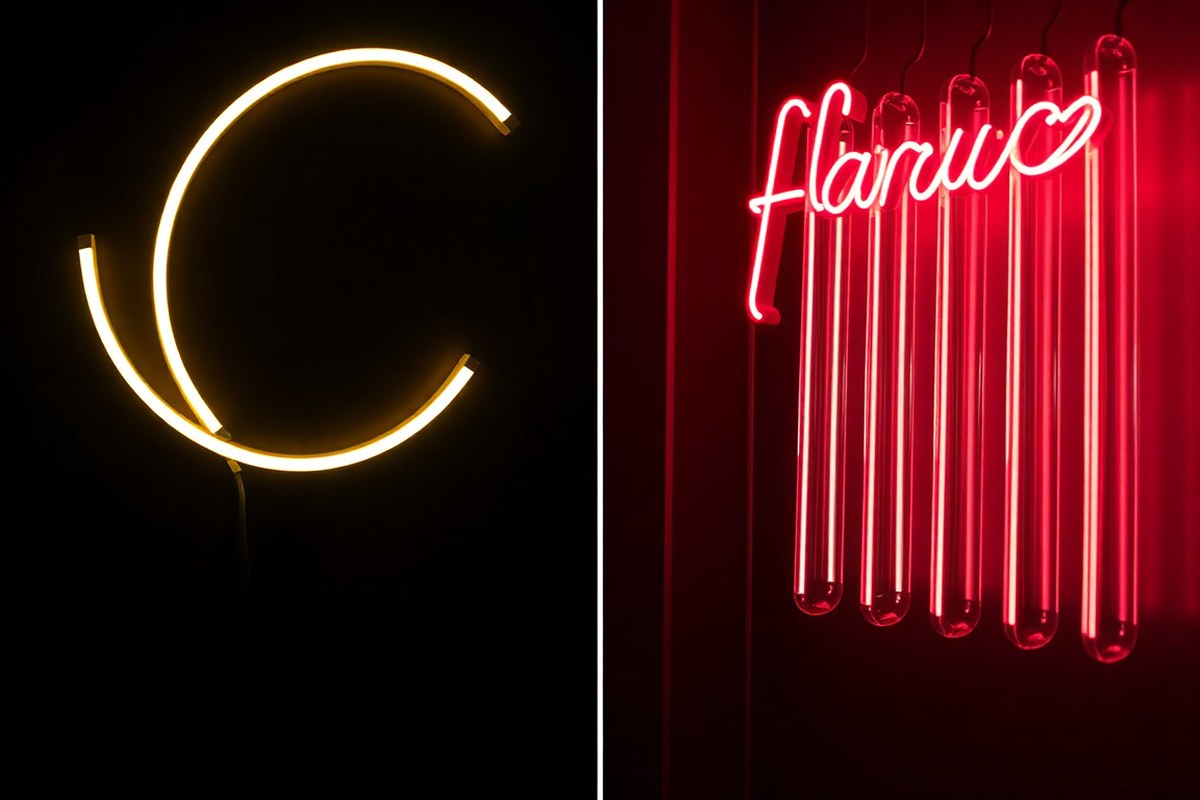
LED neon signs use rows of tiny light-emitting diodes (LEDs) housed within flexible silicone or acrylic tubing to create their glow. These semiconductors produce light electrically when current passes through, emitting bright, even colors. In contrast, real neon signs consist of glass tubes filled with neon or other inert gases. When a high-voltage electrical current excites the gas inside the sealed glass tube, it emits an organic, soft glow with subtle texture and sometimes a faint flicker.
The materials and technology differences between LED neon and real glass neon affect their function and design flexibility. Glass neon requires carefully shaped hollow tubes made from fragile glass, filled with low-pressure neon or argon gas. This design demands specialized skills to craft bends and letters, limiting how intricate or flexible the final sign can be without risking tube breakage. LED neon uses flexible, waterproof materials like silicone or acrylic that encase LED strips. This setup allows the tubing to bend freely, enabling complex shapes, curves, and long runs without structural risk.
Light production in real neon signs depends on high-voltage transformers that provide several thousand volts to energize the neon gas. This process produces a warm, deep glow uniquely linked to the physics of gas ionization inside glass tubes. LED neon operates on low voltage, typically 5 to 24 volts DC, making it safer and cooler during operation. It uses much less power, up to 80% more efficient, and stays cool to the touch. While real neon creates softer illumination best seen at night, LED neon often shines brighter and is visible even in daylight.
The weight and durability differences stem from these designs. Real glass neon signs are heavy and fragile. They require careful handling and mounting because glass can break on impact or from extreme temperature changes. LED neon signs are lighter, more resilient, and waterproof. This makes them suitable for outdoor use or installations with frequent handling. LED neon’s flexible tubing also adapts well to unusual shapes or tight spaces, which glass neon tubes cannot match without risking cracks.
Cost factors for each type also vary. Forming and filling glass neon tubes is labor-intensive and requires expensive, skilled craftsmanship. Maintenance usually involves repairing broken glass or refilling gas, which can be costly and time-consuming. LED neon signs have a simpler production process using widely available LED strips and plastic housing, making initial costs and repairs generally less expensive. LED systems also tend to last 30,000 to 50,000 hours, compared to about 8,000 to 15,000 hours for glass neon before gas dimming affects brightness.
Ultimately, the fundamental difference lies in how they make light and the materials they use. Real neon glows from electrified gas inside rigid, fragile glass tubes powered by high voltage, producing a classic look with warm light but limited design flexibility and higher maintenance. LED neon creates light with LEDs inside flexible, durable plastic tubing at low voltage, offering brighter colors, greater design versatility, superior energy efficiency, and safer handling at the cost of lacking some authentic neon qualities.
How Real Neon Signs Work and Their Characteristics
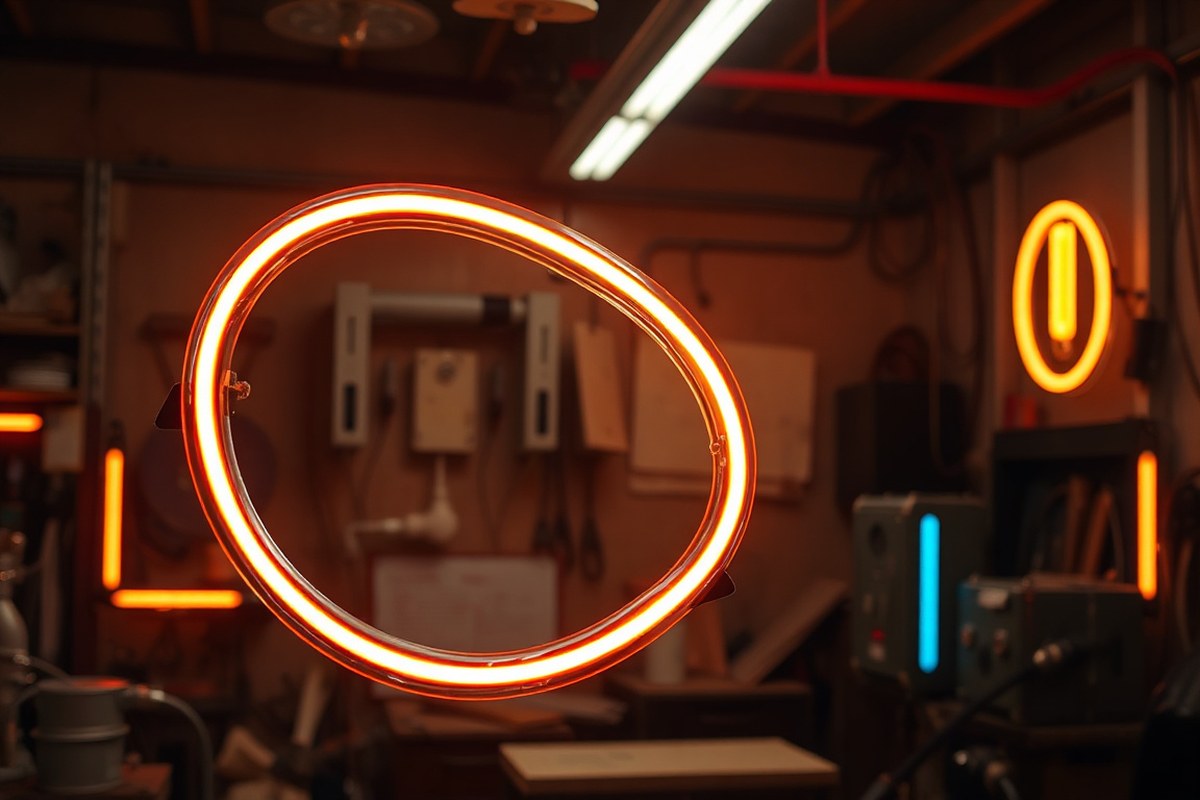
Real neon signs produce light by passing a high-voltage electrical current through glass tubes filled with special gases. The electricity excites the gas atoms inside the sealed tube, causing them to emit a bright and colorful glow. This classic technique depends on the precise combination of glass bending, gas filling, and electrical setup to produce neon’s signature light effect.
Manufacturing and Gas Filling Process
The process starts with heating and bending clear glass tubes by hand to match the desired sign shape or lettering. Skilled technicians use a gas torch to soften sections of the glass, carefully bending it without cracking. After shaping, the tube ends are fitted with electrodes that will conduct electricity through the gas.
Once the tube is formed, it is evacuated of air using a vacuum pump and filled with a low-pressure inert gas. The type of gas influences the light color: bright red-orange light comes from pure neon gas, while argon gas mixed with a small amount of mercury produces blue light. Other rare gases or coatings can create colors like green or purple. The tube is then sealed, trapping the gas inside for long-term use.
Electrical Requirements and Power Usage
Real neon signs require a high operating voltage ranging between 3,000 and 15,000 volts to ionize the gas and generate light. This voltage is supplied by a transformer that converts a standard electrical source into the needed high voltage, ready to feed the glass tube electrodes. Typically, neon tubes consume between 40 to 100 watts of power per meter, depending on size and gas type.
The high voltage causes the gas molecules to become excited, releasing photons and creating a continuous glowing discharge within the tube. The heat output can reach up to 140°F (60°C), making ventilation and proper installation important for safety and performance.
Typical Lifespan and Dimming Factors
Neon tubes generally last anywhere from 8,000 to 15,000 hours under normal operating conditions. Factors like frequent switching, voltage irregularities, and environmental exposure can shorten this lifespan. Specialized transformers are required for dimming real neon signs, as standard dimmers don’t work reliably with high-voltage gas discharge tubes.
Dimming can reduce power consumption slightly and extend tube life but requires careful calibration to avoid causing flicker or tube damage. Proper installation by a professional also helps ensure the glass tubes retain their original brightness and warm glow over time.
Common Maintenance Needs and Repairs
Real neon signs are fragile and need periodic attention to maintain optimal performance. The glass tubes can crack or break if struck or improperly handled, requiring replacement by a neon technician. Electrical components like transformers may fail or degrade, leading to uneven lighting or complete outages.
Routine maintenance typically includes checking the transformer and wiring for wear, ensuring mounting hardware is secure, and cleaning dust or grime that can accumulate on glass surfaces. This upkeep helps prevent downtime and preserves the vibrant color and glow characteristic of neon lighting.
- Inspect glass tubes weekly for cracks or discoloration
- Replace transformers every 5 to 10 years as needed
- Keep electrical wiring dry and secure from mechanical damage
- Clean glass gently with non-abrasive cloth and mild detergent
- Turn off sign during stormy weather to avoid voltage spikes
- Consult a licensed neon technician for any repairs or tube replacement
Handle neon tubes carefully and avoid DIY repairs to prevent electric shock and further damage.
How LED Neon Signs Function and Design Options
LED neon signs work by using flexible LED strips encased in durable PVC tubing that mimics the look of traditional glass neon. They produce light through low-voltage LEDs rather than gas-filled tubes, which enables safer, more energy-efficient operation and versatile design options. LED neon flex can be shaped into complex forms with different bending capabilities and a broad color spectrum, making it a popular choice for signage that requires customization and longevity.
LED Neon Flex Types: Top-Bend, Side-Bend, And 360°
LED neon flex tubing comes in several types based on the direction and degree of flexibility, affecting how you can shape and install the sign. Top-bend flex allows bending mainly upward or downward, useful for signs with vertical curves. Side-bend flex permits lateral bends side to side, suitable for wider, flowing designs. The 360° flex is the most versatile, allowing bending in all directions around the tubing axis, perfect for intricate and artistic shapes.
Choosing the right LED neon flex type depends on your design’s complexity and installation environment. The tubing is made of flame-retardant PVC, which is flexible enough to create smooth curves without breaking. This flexibility supports bending radii as tight as 10 millimeters, useful for detailed logos or text.
Energy Efficiency and Voltage Requirements
LED neon signs operate on low voltage, commonly 12V or 24V DC, making them safer and more energy-efficient than traditional glass neon that requires thousands of volts (typically 3,000 to 18,000 V). This low voltage reduces electricity use by approximately 80 percent compared to glass neon, significantly lowering operating costs.
LED neon flex typically consumes about 6 to 20 watts per meter depending on density and brightness settings. For a 3-foot by 5-foot sign, energy costs are considerably less than for a comparable glass neon sign. Alongside energy savings comes simpler power installation and reduced heat output, minimizing risks and requirements for ventilation or extra cooling.
Color Options and Effects Unique to LED
LED neon signs offer a broader range of colors than traditional neon. LEDs can produce countless hues by combining red, green, and blue diodes (RGB) or using single-color LEDs in various shades. This variety allows precise color matching for brand requirements or artistic expression.
Beyond static colors, LED neon can include dynamic effects such as pulsing, flashing, or color changing controlled via remote or programmed controllers. These effects increase visibility and grab attention while maintaining the low energy draw and durability of LED technology.
Durability and Life Expectancy Ratings
LED neon signs boast a lifespan of up to 100,000 hours, vastly outlasting traditional neon’s 10,000 to 30,000 hours under typical usage. This longevity is due to the solid-state LED components and resilient plastic tubing that resists breakage and weather damage.
Many LED neon flex products feature water and dust resistance ratings between IP65 and IP68. For permanent outdoor signage, selecting products with at least IP67 ensures protection against heavy rain and dust intrusion. This makes LED neon ideal for both indoor and outdoor applications without risk of glass breakage or mercury exposure.
- Flexible flame-retardant PVC tubing supports shaping into complex curves
- Multiple LED neon flex types: top-bend, side-bend, and 360° for design versatility
- Operates safely at 12V or 24V DC with low power consumption around 6-20 W/m
- Variety of color options including RGB dynamic effects
- Lifespan up to 100,000 hours with IP65-IP68 waterproof ratings for outdoor use
- Cool operation with minimal heat generation
- Lightweight and easy to transport or install
Designers benefit from the combination of long life, low energy use, and advanced flexibility when working with LED neon flex. This technology suits complex branding, creative lighting, and applications requiring easy maintenance and consistent appearance over years of use.
Comparing Lifespan, Durability, and Maintenance Needs
LED neon signs last significantly longer than real glass neon signs, making them a better long-term investment for most uses. With up to 100,000 hours of operation, LED neon can run for around 10 years under typical usage. Glass neon tubes offer roughly 10,000 to 30,000 hours, which usually translates to 3, 5 years before maintenance or replacement may be needed.
Durability is another major factor. The flexible plastic tubing of LED neon resists breakage, impact, and vibration better than the fragile glass of traditional neon tubes. Glass neon is prone to cracking or shattering from shocks, making installation and transport more sensitive. LED neon’s rugged build performs well both indoors and outdoors without much worry about damage.
Routine maintenance for glass neon includes checking the gas fill, repairing broken tubes, and replacing transformers or wiring when they fail. This upkeep requires professional servicing and can add ongoing costs for bar, restaurant, or business owners. LED neon, by contrast, rarely requires repairs or maintenance aside from cleaning dust or debris from the surface. It also runs cool and contains no mercury, reducing safety concerns during handling.
| Aspect | LED Neon | Glass Neon |
|---|---|---|
| Lifespan (hours) | Up to 100,000 | 10,000 to 30,000 |
| Typical lifespan (years) | Up to 10 | 3 to 5 (with maintenance) |
| Material durability | Flexible plastic tubing, impact resistant | Fragile glass tubes, break easily |
| Maintenance needs | Minimal; cleaning only | Regular maintenance, tube repairs, gas refill |
| Energy use | Up to 80% less power | Higher consumption |
| Repairability | Rarely needs repair, replace entire strip if damaged | Serviced tube-by-tube by specialized technicians |
While glass neon is serviceable on a tube level, repairs often require a licensed professional experienced with neon gas and glasswork. This can involve shutting down the sign and incurring labor costs. LED neon typically comes in segments or panels, so if a section is damaged, it is easier and cheaper to replace the whole part instead of repairing components.
The longer lifespan combined with fewer breakdowns means LED neon signs usually provide better reliability over time. You won’t need to schedule routine maintenance to keep them operational, which reduces downtime and labor expense. Their ruggedness also suits businesses with busy environments where bumps or knocks are more likely.
Energy Consumption and Cost Differences Explained
LED neon signs consume significantly less energy than real glass neon signs. A typical LED neon sign uses about 5 to 15 watts, which can be up to 10 times less energy than a comparable glass neon sign. This lower power demand directly reduces ongoing electricity costs, making LED neon a smarter choice if you want to keep your running energy bills low.
Installation costs also differ substantially. Real neon signs require professional glass bending and handling, which raises the upfront price and restricts where and how quickly the sign can be installed. In contrast, LED neon signs are made with flexible silicone tubing and typically run off a 12V power supply, simplifying installation. For example, a 100 cm custom neon sign might cost over €500 in materials and installation for real neon, while a similar LED neon sign costs between €200 and €350.
| Cost Aspect | Real Neon Sign | LED Neon Sign |
|---|---|---|
| Energy Consumption (Watts) | 50, 150 (approximate) | 5, 15 |
| Initial Cost (€ for 100 cm sign) | €500+ | €200, €350 |
| Installation Complexity | High (glass bending, professional skills) | Low (flexible silicone, simple power supply) |
| Maintenance & Repair | Requires specialist repairs; fragile glass | Minimal; some non-serviceable parts |
| Lifetime Operating Costs | High (energy + repairs) | Low (energy only, little upkeep) |
Over about 10 years, the energy savings alone allow LED neon signs to repay any higher upfront purchase cost compared to real neon. Real neon signs demand occasional professional repairs due to glass breakage or electrical issues, adding hidden expenses that many LED sign owners can avoid. However, LED neon’s lower upfront and ongoing costs come with a trade-off: some LED signs are less easily repaired and may not last as long as professionally serviced glass neon.
Planning your signage investment means comparing upfront costs against long-term bills. You can expect to save substantially on electricity with LED lighting and avoid expensive glass repairs. Choose real neon only if the specific aesthetic and durability justify the higher energy use and maintenance.
Tip: Verify if your LED neon sign can be repaired before purchase, as some cheaper models are not serviceable, leading to replacement costs instead of simple fixes.
Safety Considerations for LED Neon Versus Glass Neon
LED neon signs offer a significant safety advantage over real glass neon signs due to their lower voltage, reduced heat generation, and lack of hazardous gases. Real neon signs run at thousands of volts and use fragile glass tubes filled with neon or other gases, posing risks of electrical shock, burns, and potential gas exposure if the glass breaks. LED neon minimizes those risks by running on a 12-volt supply, staying cool to the touch, and using durable plastic tubing instead of glass.
Voltage and Electrical Safety Differences
Real neon signs require several thousand volts, sometimes as high as 15,000 volts, to excite the neon gas inside the glass tubes. This high voltage can cause severe electric shocks if wiring or insulation is damaged. Because of this, glass neon installations demand careful electrical work and regular inspections to prevent potential hazards. In contrast, LED neon operates on a low-voltage 12V DC power supply, similar to powering household electronics. This voltage level is considered safe for most environments, significantly lowering the risk of electric shock, especially in homes, shops, or public spaces accessible to children and pets.
Running neon signs on high voltage also means more stringent requirements for grounding, insulation, and wiring standards. When placing real neon signs outdoors or near water, these electrical safety measures add to installation complexity and cost. On the other hand, LED neon sign setups involve simpler wiring and less risk of electrical faults causing injury or fire. Your best practice with real neon includes having a licensed electrician handle installation and inspections. For LED neon, following the manufacturer’s low-voltage wiring instructions typically suffices for safe operation.
Heat Output and Fire Risk Comparison
Glass neon tubes warm up during operation but generally maintain surface temperatures below 140°F (60°C). While this temperature can cause mild burns on prolonged contact, the main fire risk comes from the sign’s transformer or wiring faults. Old or poorly maintained glass neon signs can develop hot spots or electrical shorts, increasing fire hazards. LED neon signs generate far less heat, typically staying close to ambient room temperatures. This low heat output reduces the risk of burns and fire, making LED neon safer for use near flammable materials or in confined spaces.
Installing glass neon indoors or in tight spaces calls for extra ventilation to dissipate heat and prevent insulation damage. LED neon’s cooler operation eliminates such concerns, allowing installation closer to walls or materials like wood and fabric without as much risk. However, ensure LED driver units and power supplies have adequate airflow and are installed according to manufacturer guidelines to avoid overheating electronic components.
Environmental and Health Considerations
Real neon signs contain inert gases such as neon or argon, which are safe in small amounts but can pose problems if glass tubes break and gases escape. More critically, some glass neon tubes use small amounts of mercury to improve brightness, a poisonous substance that requires special handling and disposal. Broken glass poses a physical hazard and can expose you to these gases or mercury vapor, which is harmful to health. LED neon signs contain no mercury or other toxic gases, and their plastic enclosures resist shattering, making them less of an environmental risk.
Disposing of real neon signs demands compliance with hazardous waste rules in many regions because of mercury content and glass. LED neon signs generally can be recycled as electronic waste without special procedures related to gas or heavy metals. For businesses concerned about sustainability and worker safety, LED neon provides a safer and less environmentally impactful alternative.
Safe Handling and Installation Recommendations
Handling and installing real glass neon signs requires careful precautions to avoid breakage and electric shock. Always use gloves and eye protection when moving or repairing glass neon, and keep the sign away from areas where children or pets can access it. Electrical work should be performed by qualified personnel with proper grounding. Check for cracks in tubes regularly, as leaks can release gases and reduce the sign’s efficiency.
LED neon signs are easier and safer to handle due to their flexible plastic tubing and low voltage operation. Avoid sharp bends or crushing the tubes to maintain longevity. Use mounting hardware recommended by manufacturers to keep the sign secure and prevent accidental falls. While they pose much less risk, you still need to install LED power supplies in dry, ventilated spaces away from water or extreme temperatures. Test all wiring connections before finalizing installation to ensure safety and reliable performance.
Which Neon Type Offers Better Design Flexibility and Aesthetics?
LED neon offers greater design flexibility and a broader color range compared to real glass neon. The silicone tubing used in LED neon can bend into much tighter, more complex shapes without risk of breakage. This flexibility allows designers to create intricate logos, fine lettering, or sharp angles that would be difficult or costly with fragile glass tubes. The wide spectrum of colors available in LED neon comes from RGB LEDs inside the silicone, enabling designers to choose from millions of shades and even program color changes or effects. This option suits modern and dynamic signage needs where eye-catching, customizable displays are desired.
Glass neon signs excel in delivering that authentic vintage glow that LED neon has yet to fully replicate. The warm, slightly uneven light from ionized gas in glass tubes creates a distinctive organic appearance prized by heritage venues, collectors, and businesses aiming for a retro or classic vibe. However, glass neon is limited to a narrower palette, mostly in common neon gas colors like red, blue, green, yellow, and white. The shaping process involves manually bending fragile glass tubes using heat, posing limits on how tight or complex the curves can be. This makes highly detailed or small-scale designs more difficult and expensive to produce.
Both neon types offer unique aesthetic characteristics that influence design choices. LED neon’s silicone tubing diffuses light evenly, producing a clean and consistent glow that works well for contemporary styles or bright signage. Glass neon produces a flickering effect sometimes described as “alive,” adding character but with less uniformity. When planning a sign, consider the atmosphere and message you want to convey. For example, a vintage bar or theater might benefit more from genuine glass neon’s nostalgic charm. A tech start-up or retail store wanting vibrant, changeable colors and sharp fonts will find LED neon better suited.
Creating complex shapes with glass neon often requires skilled craftsmanship and longer lead times, which raises costs. In contrast, LED neon’s resilient silicone can be machine-cut and bent quickly, lowering production expenses and allowing prototyping of numerous styles. Real glass neon is more vulnerable to damage during transport and installation, limiting some large-scale or intricate designs. On the other hand, LED neon withstands outdoor conditions better and can be made waterproof, expanding installation options.
Attempts to mimic glass neon’s look with new “LED-flex” products show promise but still fall short of the subtle color gradients and warmth produced by actual ionized gases. The vintage glow of glass neon comes from the light’s interaction within the tube’s phosphor coating and the gas’s ionization, a subtle depth that LED technology cannot yet duplicate perfectly. Yet, LED neon is continually improving and may close this gap over time, especially for users prioritizing safety, energy efficiency, or a wider creative palette over traditional aesthetics.
Practical Guidance: When to Choose LED Neon or Real Neon
Choosing between LED neon and real glass neon signs depends on your specific priorities such as location, budget, durability, usage, and desired aesthetic. LED neon signs usually fit better when you want cost efficiency, easy installation, and safety. Real neon glass signs shine when you seek authentic vintage character despite higher expenses and more complex handling.
For example, LED neon flex typically costs less upfront and consumes less energy, making it more affordable for home setups, small businesses, or event signage. It also ships and installs more easily since it’s lighter and does not require fragile glass handling or specialized electricians.
- Choose real glass neon if nostalgic or authentic vintage appeal is your main goal.
- Select LED neon for indoor or outdoor use where you need durable, low-maintenance lighting.
- Pick LED neon when budget constraints are tight or you want faster installation.
- Real neon is preferred in environments where you can control temperature and protect tubes from impact.
- Plan LED neon shipping without special packaging, but handle glass neon with care to avoid breakage during transit.
- Consider the size and shape complexity; LED neon offers more flexible designs at lower cost.
- Factor in electrical requirements: LED needs standard low-voltage power, while glass neon requires high-voltage transformers.
Keep in mind that glass neon signs need professional installation and careful shipping to prevent damage, while LED neon signs can often be installed by non-experts with minimal risk.
In locations with high risk of impact, vibrations, or where safety is critical, LED neon is the safer choice because it doesn’t shatter and contains no hazardous gases. If your project demands a truly authentic neon glow and you have the budget for installation and maintenance, real neon might justify its cost despite higher energy use and fragility. To plan installation, have glass neon set up by licensed professionals familiar with local electrical codes. For LED neon, you can usually install it yourself or with minimal help, and shipping is less expensive and less risky since no fragile glass tubes are involved.
Your First Week: A Clear Action Plan for Choosing Neon Signs
Follow these steps to decide between LED neon and real neon signs based on your business needs and budget.
- Day 1: Identify your main goal, whether it’s visual impact, budget limits, or longevity, and list these priorities to guide your choice.
- Day 2: Visit local or online sign suppliers to see samples of both LED and real neon signs. Confirm which style fits your aesthetic preferences.
- Day 3: Calculate your upfront costs and expected energy use for each option using the supplier’s specifications to compare ongoing expenses.
- Day 4: Evaluate your installation site’s requirements, checking for electrical setup, space constraints, and safety codes that might favor one type over the other.
- Day 5: Contact a licensed sign professional to discuss maintenance needs and confirm which option suits your location’s durability demands.
- Day 6: Consider design flexibility by requesting custom mock-ups using your branding to see how adaptable each option is for your signage needs.
- Day 7: Make an informed choice and place your order based on the gathered data, your budget, and your long-term business goals.
Frequently Asked Questions
Can LED Neon Signs Be Used Outdoors as Effectively as Real Neon Signs?
Yes, LED neon signs are suitable for outdoor use and more resistant to weather damage than fragile glass neon tubes, making them a durable option for exterior signage.
Do LED Neon Signs Require Professional Installation Like Real Neon Signs?
LED neon signs generally require less specialized installation than real neon because they operate at low voltage and are lighter and more flexible, though professional help can ensure the best results.
Are LED Neon Signs Easier to Customize or Repair Compared to Real Neon Signs?
LED neon signs are easier to customize and repair because damaged sections can be replaced individually, unlike real neon tubes that often require full tube replacement or complex repairs.
How Do LED Neon and Real Neon Signs Differ in Brightness and Visibility?
Real neon signs typically have a brighter, more vibrant glow due to their gas-filled tubes, while LED neon provides consistent, even lighting with slightly less intensity.
Is It Possible to Dim LED Neon Signs as Easily as Real Neon Signs?
LED neon signs can be dimmed using standard dimmers, unlike real neon signs which need special transformers, offering more flexible lighting control.
Can LED Neon Signs Be Safely Used in Homes with Children and Pets?
Yes, LED neon signs are safer for homes because they don’t use high voltage or glass, reducing risks of burns or breakage around children and pets.
Key Points to Remember
Understanding the core differences between LED neon and real neon signs lets you choose the best fit for your project’s budget, style, and durability. You can ensure your sign performs well visually and practically by starting with clear goals and consulting experts early. Take the first step today by exploring samples and getting precise cost details from trusted suppliers near you.