Why Do Signs Fade? Complete Guide to Causes and Prevention That Works
Why do signs fade? Exposure to sunlight, especially ultraviolet (UV) radiation, breaks down the pigments and materials, causing colors to dull and materials to deteriorate. Choosing UV-resistant materials and protective laminates slows fading and extends outdoor signage life. Proper placement away from direct sun and routine maintenance also help keep signs vibrant longer.
Key Takeaways
- UV radiation accelerates color fading by breaking down pigments at a molecular level.
- Vinyl signs generally last 5 to 10 years, outlasting digitally printed signs by several years.
- Laminating digitally printed signs can extend their lifespan by 2 to 3 years.
- Signs made with complex inorganic color pigments in powdered glass resist fading better.
- Shielding signs from direct sunlight reduces UV exposure, slowing the fading process.
- Regular cleaning and inspection prevent dirt buildup and damage that speed fading.
Why Do Signs Fade over Time?
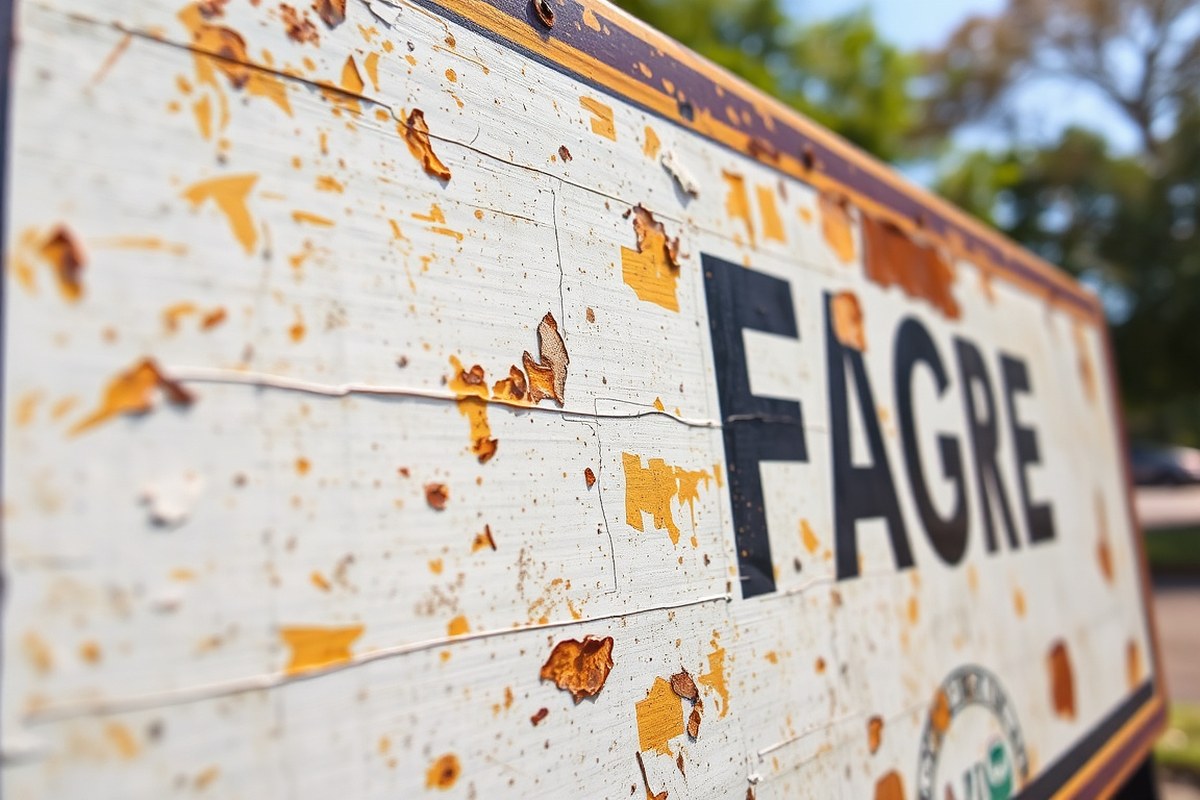
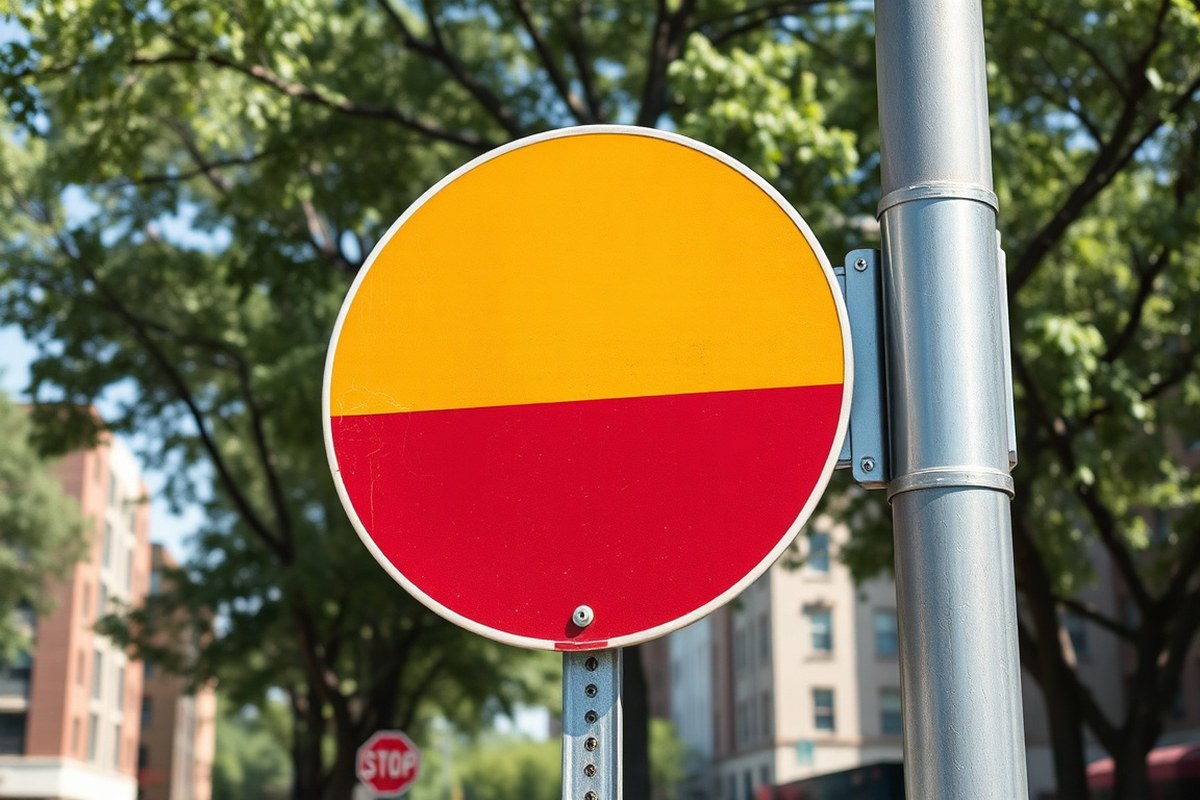
Signs fade over time because the color-producing molecules in paints, inks, vinyl, or digital prints gradually break down. This breakdown happens at the molecular level, where ultraviolet (UV) radiation from the sun and exposure to environmental elements cause chemical changes that weaken the pigments and cause colors to lose their intensity. The fading process alters the way the molecules absorb and reflect light, making colors appear duller or washed out.
In paints and inks, pigments are made of complex molecules that absorb certain wavelengths of light to create the colors you see. UV radiation has enough energy to disrupt the chemical bonds within these pigment molecules. As these bonds break, the pigments change chemically, reducing their ability to reflect their original color. For example, reds, oranges, and yellows tend to fade faster because their pigment molecules are more susceptible to this breakdown. In contrast, blues and greens have more UV-stable pigment structures, so they hold their color longer.
Physical changes also contribute to fading. Signs that are laminated with plastic layers may experience yellowing and loss of clarity in the protective coating, which dulls the overall appearance. The plastic layer can also separate or peel over time, exposing the printed surface to further damage. This lamination damage often accelerates fading rather than preventing it. Some sign materials, like aluminum, remain chemically stable but lose their visual impact when their painted or printed surfaces degrade.
The fading process affects all outdoor signs, but the speed depends largely on the materials used and their resistance to UV rays. For printed signs, UV-resistant inks that are waterproof and designed specifically for outdoor use offer better longevity. Signs exposed to harsh weather, high heat, or pollutants will degrade faster as heat and moisture can lead to cracking, peeling, and warping, especially in wood or poorly protected surfaces.
Over several years, you might notice colors shifting, such as black signs turning grayish or brownish as the pigment molecules lose stability. White surfaces can develop a yellow tint due to UV exposure and material aging. This changing appearance not only reduces a sign’s visibility but also affects how people view the quality of the business it represents. The typical lifespan of a well-made outdoor sign with proper UV protection ranges from 5 to 10 years, but fading signals when maintenance, repair, or replacement become necessary.
How Ultraviolet (UV) Radiation Accelerates Fading

Sunlight causes sign fading primarily through ultraviolet (UV) radiation, which breaks down the chemical bonds in pigments and sign materials. This process, known as photodegradation, leads to a gradual loss of color vibrancy. When UV rays reach the surface of a sign, they damage the molecular structure of inks, paints, and laminates. This results in dull, yellowed, or discolored areas appearing over months or years of exposure, making signs less visible and attractive.
UV radiation plays a key role because it has enough energy to disrupt the chemical makeup of pigments. Red, yellow, and orange pigments absorb more UV radiation, so they fade faster than blues and greens. No organic pigment is completely immune, but pigment-based inks with UV-resistant formulations, like eco-solvent inks, generally last longer outside. Signs printed with dye-based inks tend to fade more quickly in direct sunlight. For laminated signs, the UV rays not only break down pigments but also cause the laminate film itself to yellow, accelerating the visible fading beyond customer expectations.
The reason some parts of the same sign fade faster relates to how much UV exposure those areas receive and differences in materials or pigments used. Signs facing direct sunlight without shade or protection tend to show fading within weeks if laminated and exposed. Edges or corners might fade unevenly due to varying angles of sunlight or damage from wind and sand erosion. Protective coatings, sign orientation, and the type of pigments all influence how fast and evenly fading occurs.
For example, a vinyl sign positioned in full sun can maintain its appearance for 5 to 10 years, depending on pigment quality and protective finishes. Powder-coated metal signs with inorganic pigments offer better UV resistance, as their rare-earth metal oxide compounds and high-temperature firing processes create a more stable molecular structure. Such materials resist photodegradation much longer but also cost more upfront. Investing in UV-resistant pigments and materials can reduce replacements and maintain your sign’s readability and aesthetics over time.
Position signs under shade or install awnings to shield them from direct sunlight, dramatically reducing UV damage and slowing color fading.
Which Sign Materials Resist Fading Best?
The materials used to make outdoor signs vary widely in their resistance to fading, lifespan, and ability to withstand environmental stress. Porcelain enamel offers the longest lasting color with a 25-year warranty against fade, while vinyl and acrylic provide solid mid-range durability. Wood and HDU materials offer a traditional look but are less resistant to UV damage and moisture. Choosing the right material depends on your budget, expected lifespan, and environmental conditions.
Vinyl Signs: Durability and Longevity
Vinyl signs are popular for their affordability and moderate lifespan. Under typical UV exposure, they usually last between three to five years before edge lifting, adhesive failure, and fading appear. Vinyl is known for its longevity compared to some metallic signs, lasting up to 10 years more in some cases. It is not UV proof but does provide a good balance of durability and cost for short to medium-term outdoor signage.
Vinyl signs usually feature eco-solvent ink printing. Prints without lamination last around two to three years outdoors, but lamination extends their durability considerably. This extended life explains why lamination is common for vehicle wraps and long-lasting signs. You can maintain vinyl signs by cleaning them gently using soap and water.
Metal and Porcelain Enamel Signs
Metal signs, particularly those made from aluminum or stainless steel, offer excellent structural durability but vary in fade resistance depending on their finish. Porcelain enamel on steel stands out as the only exterior signage material with a 25-year written warranty against perceptible fading. This long-lasting option operates on different chemistry than vinyl or wood, making it ideal for installations where maintaining vivid color for decades is critical.
For severely rusted metal signs, replacement with aluminum or stainless steel is recommended due to better long-term durability. Most other metals do not carry warranties against fading comparable to porcelain enamel’s fade-free guarantee, although powder coat finishes and direct-embed aluminum may have some protection backed by manufacturer standards.
Wood and HDU: Advantages and Vulnerabilities
Wood signs provide a classic look but fade and degrade faster outdoors due to UV exposure, moisture, and temperature fluctuations. High-Density Urethane (HDU) is a synthetic alternative that mimics wood but resists moisture and UV rays better. HDU signs typically outlast natural wood by a clear margin though neither material matches the fade resistance of acrylic or metal options.
Choosing HDU over carved wooden signs can reduce the risk of weather-related damage such as warping and fading. Both materials require protective coatings and regular maintenance to maintain appearance. Their vulnerability to environmental conditions makes them more suitable for shaded or semi-protected locations.
Acrylic and Synthetic Papers
Acrylic signs offer natural UV resistance greater than wood or vinyl. Acrylic’s clarity and gloss make it well suited for long-term outdoor applications, giving a professional look that holds up to sun exposure better than many alternatives. Acrylic is also relatively easy to clean with soap and water without risking surface damage.
Synthetic papers like TerraSlate are made from military-grade polymers, providing consistent resistance to fading and weathering. Unlike laminated products, synthetic paper does not suffer surface delamination, making it reliable when exposed to moisture and UV. It is recyclable in some areas, helping reduce environmental impact compared to laminated prints.
Laminated vs. Unlaminated Options
Unlaminated eco-solvent prints last about two to three years outdoors but fade faster when exposed to harsh sun and moisture. Laminated signs use protective films to extend lifespan significantly, reducing fading and print degradation. This is why lamination is the industry standard for long-term signage, vehicle wraps, and signs not easily replaced.
Proper lamination greatly slows fading by shielding inks and surfaces from UV rays and abrasion. Costs increase modestly for lamination but are often offset by the extended lifespan and preserved appearance. Signs without lamination should only be used for temporary or highly budget-sensitive projects due to accelerated fading and damage risks. Below is a comparison table summarizing key fade resistance, lifespan, and durability features of common outdoor sign materials:
| Material | Fade Resistance | Lifespan (Years) | Environmental Durability | Warranty on Fading |
|---|---|---|---|---|
| Porcelain Enamel on Steel | Excellent (chemistry-based fade resistance) | 25+ | Very high; resistant to rust and UV | 25-year written warranty |
| Acrylic | Good (naturally UV-resistant) | 5, 10+ | Moderate to high; resists UV and moisture well | No manufacturer warranty noted |
| Vinyl (Laminated) | Moderate (lamination extends life) | 5+ (laminated), 2, 3 (unlaminated) | Moderate; susceptible to edge lift and fading | Some industry ratings 5, 8 on fade scale |
| High-Density Urethane (HDU) | Moderate | 5, 10 | Good moisture and UV resistance vs. Wood | No manufacturer warranty noted |
| Wood (Carved) | Low | 3, 5 | Low; sensitive to moisture, UV, warping | No manufacturer warranty noted |
| Synthetic Paper (e.g., TerraSlate) | Good | 5+ | High moisture and UV resistance; recyclable | No manufacturer warranty noted |
Choosing materials with fade warranties or high fade resistance standards improves predictability and return on investment for outdoor signage. Porcelain enamel remains unmatched for long-term fade resistance, while vinyl with lamination or acrylic are strong choices for less permanent installations. Wood signs require more maintenance and face a higher risk of fading and weather damage. Synthetic papers offer an innovative, consistent alternative for printed signs with moderate lifespans and eco-friendly disposal options.
How Color Choices and Pigments Affect Fading Speed
Color choices do influence how quickly outdoor signs fade. Reds and yellows fade faster than blues and greens due to their pigment chemistry and sensitivity to ultraviolet (UV) radiation. Selecting more UV-stable pigments and inks can significantly improve a sign’s color retention outdoors.
Pigment Chemistry and UV Sensitivity
Fading occurs as pigments break down when exposed to sunlight, especially UV rays. Pigment chemistry determines how well colors resist this breakdown. Fluorescent pigments generally have poor UV resistance, often lasting only two to three years outdoors before significant fading sets in. Darker, more muted pigments usually resist fading better than bright fluorescent ones because they absorb less UV radiation.
The Blue Wool lightfastness scale measures pigment durability outdoors from 1 (very poor) to 8 (excellent). Many reds and yellows fall near the lower end because their chemical structure absorbs more UV energy, promoting photodegradation. Blues and greens tend to rank higher on the scale, indicating stronger resistance to color change.
Why Red and Yellow Fade Quickly
Red and yellow pigments are chemically prone to absorb more UV radiation, accelerating their breakdown. This tendency leads to noticeable fading often within just one or two seasons for dye-based inks, or about two to three years for pigment-based prints when unlaminated. Designers frequently observe reds disappearing first on multi-color signs while other colors remain vibrant longer.
Because this is a known issue, it should be factored into color choices when designing signs intended for extended outdoor use. The bright reds, oranges, and fluorescent yellows are especially vulnerable and may require extra protection or acceptance of shorter outdoor lifespans.
More Stable Colors: Blues and Greens
Blues and greens generally last longer in outdoor environments because their pigments absorb less UV radiation and have inherently stronger chemical bonds. These colors tend to show minor fading only after several years when printed with high-quality, pigment-based inks and protected by laminates.
Using blues and greens for critical branding elements exposed to outdoor conditions can reduce the frequency of sign replacement. This advantage comes with the tradeoff of fewer flashy color options but often suits long-term visibility needs better.
Choosing Pigment-Based vs. Dye-Based Inks
Not all inks are created equal for outdoor use. Dye-based inks fade rapidly, usually within a single season outdoors. They are best avoided for signs meant to last beyond a few months. Pigment-based inks, especially when laminated or varnished, hold color much longer, typically 2 to 3 years on unprotected prints. When picking materials, choose pigment-based inks combined with protective coatings for maximum durability. Consider the following tips based on your situation:
- For long-term outdoor signs, opt for pigment-based inks to prevent rapid fading.
- Avoid bright fluorescent reds and yellows if extended outdoor life is a priority.
- Use laminates or UV-protective coatings to extend pigment life by reflecting UV rays.
- For short campaigns or seasonal signs, dye-based inks may be acceptable due to lower cost.
- Consider printing on more durable substrates like metal or stone for persistent color retention.
- Regularly inspect colorful signs and plan replacements ahead of noticeable fading.
Understanding pigment chemistry and surrounding protection can help you select colors and inks that last longer outdoors, reducing maintenance and replacement costs.
Environmental Factors That Speed Up Sign Fading
Environmental factors play a major role in accelerating the fading and deterioration of outdoor signs. Besides ultraviolet radiation, weather conditions such as rain, snow, wind, and temperature swings have significant effects on a sign’s longevity. Moisture from rain and humidity can cause rust and corrosion on metal signs, weakening their structure and reducing visibility. For wood signs, moisture penetrates the surface, causing paint to peel and colors to lose vibrancy if the wood is not properly sealed. Temperature fluctuations cause materials and coatings to expand and contract at different rates, which leads to cracking, warping, and faster breakdown of protective layers.
Air pollution adds another layer of damage by depositing dirt, dust, and corrosive particles onto sign surfaces. This buildup not only dulls colors but also promotes chemical reactions that eat away at protective coatings and graphics. Signs exposed to urban pollution, vehicle exhaust, or industrial emissions will generally fade and degrade faster than those in cleaner environments.
- Rain and humidity accelerate rust on metal and cause wood to swell and crack.
- Daily temperature swings stress sign materials, leading to cracking and delamination.
- Wind can cause physical wear or loosen mounting hardware, exposing edges to damage.
- Pollution deposits corrosive particles that dull colors and degrade coatings.
- Moisture trapped under laminate causes bubbling and peeling.
- Improper cleaning with harsh chemicals can strip protective layers, speeding fading.
- Signs mounted at low angles collect more dust and moisture, increasing wear.
Proper material selection and installation that address these environmental challenges can drastically improve sign durability. For example, waterproof signs made from military-grade polymers avoid moisture damage and physical wear without a laminate layer prone to failure. Reducing sun exposure through strategic mounting angles also helps. Signs must be cleaned gently a few times a year with non-abrasive methods to avoid accelerating degradation caused by chemical damage.
Avoid ammonia-based cleaners and bleach on outdoor signs to prevent stripping protective coatings and hastening fading.
Planning for local weather patterns and pollution levels before installation is the most cost-effective way to protect your sign. Knowing how temperature swings, moisture, and airborne pollutants affect your specific signage materials helps you choose solutions that maintain color and structural integrity for years.
How Proper Installation and Placement Reduce Fading
Positioning your signs to avoid direct sunlight significantly slows fading caused by UV exposure. Mounting signs in shaded areas or under awnings cuts down the intensity and duration of sunlight they receive. Even situating a sign near architectural recesses or behind overhangs can help protect it while keeping it visible to your audience.
Incorrect orientation often results in uneven fading, where parts of a sign exposed to sun soak up more UV radiation and lose vibrancy faster. Consider the sun’s path throughout the day and seasons for your geographic location. For instance, north-facing signs in the northern hemisphere generally see less direct sun, extending their life compared to those facing south or southwest. Adjust mounting angles to reduce direct exposure during peak daylight hours, roughly between 10 a.m. And 4 p.m.
Mounting your sign securely also prevents damage that accelerates fading. Loose brackets or hardware can allow movement, which causes abrasions or allows water intrusion. Both conditions degrade protective coatings and promote color breakdown. Checking fasteners every three months and tightening or replacing corroded parts drains down maintenance demands and keeps your signs’ surfaces intact.
- Install signs under natural or artificial shade where possible
- Avoid south- or southwest-facing placements that get extended direct sunlight
- Use awnings or architectural elements to block midday UV rays
- Check fasteners quarterly to prevent loosening that leads to wear
- Position signs to minimize glare and uneven sun exposure
- Mount signs at angles that limit sunlight between 10 a.m. And 4 p.m.
- Trim nearby trees regularly to maintain consistent shade
Such strategies may add some initial labor or modest material costs for mounting hardware or awnings but reduce the frequency of sign replacement and cleaning. Signs that receive less direct sunlight maintain sharper colors longer, improving legibility and brand impact. Avoid common mistakes like mounting signs flat on walls with full sun exposure without any shading or using cheap fasteners prone to rust. Investing time in strategic placement pays off with signs that remain attractive and effective for years.
Maintenance Practices to Prolong Sign Lifespan
Maintaining outdoor signs regularly prevents premature fading and keeps them visually appealing. Cleaning signs monthly with the right products, inspecting for damages, and reapplying protective UV coatings significantly extends their lifespan. Laminated signs resist fading better but still benefit from proper upkeep to avoid edge damage and dirt buildup.
Monthly Cleaning Best Practices
Cleaning your sign once a month removes dirt, grime, and pollutants that obscure colors and details. Use a mild detergent diluted in water, avoiding harsh chemicals like bleach or ammonia that break down protective coatings and speed up fading. Follow these steps for effective cleaning that preserves your sign’s appearance and coating:
- Rinse the sign gently with water to remove loose debris.
- Apply a pH-balanced, mild soap solution using a soft cloth or sponge.
- Gently wipe the surface without scrubbing to avoid scratching laminated layers.
- Rinse thoroughly with clean water to remove soap residue.
- Dry with a soft, lint-free cloth to prevent water spotting and streaks.
Cleaning at this frequency helps spot early signs of damage, such as fading or peeling, which can be addressed before worsening. Avoid abrasive brushes or scrapers as they can cause micro-abrasions that dull signs.
Regular Inspection and Repair
Check your signs at least every three months for edge separation, delamination, or cracks in the laminate. These issues allow moisture and UV rays to penetrate, accelerating color loss. Early detection allows timely repairs or touch-ups to maintain visual impact.
Repairs may include minor repainting, tightening fasteners, or applying adhesive vinyl overlays to protect exposed areas. Prioritize signs in harsh environments or highly visible locations for more frequent inspections.
Reapplying Protective UV Coatings
UV-resistant coatings slow fading by blocking harmful rays. Signs without factory-applied UV protection or those exposed to intense sunlight benefit from reapplication every 1 to 2 years. Follow the product instructions carefully to ensure a thin, even layer without bubbles. Here is a step-by-step method for reapplying a UV protective coating:
- Clean the sign thoroughly and allow it to dry completely.
- Check for any surface damage and repair before coating.
- Apply the UV coating using a soft brush or spray in a well-ventilated area.
- Let the coating dry fully according to manufacturer recommendations.
- Apply a second layer if specified for better protection.
- Inspect the surface after drying to ensure uniform coverage.
While UV coatings improve resistance, they do not fully prevent fading over time. Signs subjected to extreme conditions may require more frequent reapplication.
Handling and Storage Tips
Proper handling prevents physical damage that can expose sign surfaces to fading factors. Avoid dropping or dragging signs and use soft cloths when cleaning. When storing spare or seasonal signs, keep them indoors away from direct sunlight, moisture, and temperature extremes.
Laminated signs tend to resist fading but can suffer edge peeling if stored improperly. Keep them flat or hung without pressure on edges to maintain their protective layers. Regular rotation of signs, when possible, also balances exposure to sun and weather, reducing uneven fading.
When to Repair or Replace a Faded Sign
Deciding when to repair or replace a faded sign depends on the severity of the fading and the sign’s purpose. Signs with minor color dulling or slight surface wear can often be refreshed effectively, especially if the structure remains sound. Restoration methods include cleaning, re-coating with UV-protective laminates, or spot-touching faded areas. Laminating a digitally printed sign can add 2 to 3 years of life, making restoration a cost-effective option for signs expected to last a little longer.
Signs exhibiting severe fading where colors are washed out, graphics are no longer legible, or the substrate shows damage usually call for replacement. When the message becomes unclear, the sign fails its primary purpose, to communicate effectively. Replacement might also be necessary if the sign’s size, design, or branding needs updating. Costs for restoration generally run lower, as laminating or applying new seals costs a few hundred dollars, depending on size and material, while a full replacement could range from several hundred to thousands depending on complexity and installation needs.
Assess fading severity by comparing the sign’s current colors and graphics to the original design standards or brand guidelines. Signs with fading that reduces color contrast below 30% of the original brightness risk poor visibility. Restoration works best if fading does not affect the substrate or adhesives. For example, vinyl decals that peel or crack beyond repair require new decals rather than refacing.
How to restore a faded sign starts with a thorough cleaning to remove dirt and pollutants that can exaggerate fading. Apply a UV-protective laminate sheet tailored for outdoor use, which can slow new damage from sun exposure. Avoid sanding or repainting unless professionally done to prevent uneven color and surface damage. In some cases, a professional sign maker can reprint the vinyl overlay, preserving the existing frame, which costs considerably less than full replacement.
When considering cost and longevity, restoration is a practical interim solution for budget-conscious businesses or temporary signage needs. Signs likely in place for many more years with significant brand visibility deserve full replacement to ensure maximum visual impact and durability. Property managers and marketers should weigh the lifecycle cost, including potential returns on clearer messaging and customer engagement versus upfront expenses.
For best results, inspect signs annually and plan restoration before fading exceeds 50%, as earlier intervention keeps costs down and maintains sign effectiveness.
Your Quick-Start Action Plan to Prevent Sign Fading
Follow this plan to extend your sign’s visual impact and avoid premature fading.
- Before purchasing: Choose sign materials known for UV resistance like vinyl or acrylic with fade-resistant pigments. Check product specs or ask suppliers to confirm.
- At installation: Position signs where direct sunlight is limited, for example under eaves or using shading structures. Confirm location by observing sun exposure throughout the day.
- Within the first month: Apply a UV-protective coating approved for your sign material. Reapply as recommended, noting the product’s durability timeline.
- Monthly maintenance: Clean signs gently with mild soap and water to remove debris that accelerates wear. The sign should look brighter and free of dirt buildup.
- Every 6 months: Inspect signs for early signs of fading or weather damage. Fading will show as dull or washed-out colors; note any changes to time repairs.
- Yearly: Reassess the placement and condition of your signs. Consider repositioning or replacing coatings to maintain vibrancy if fading progresses.
- When fading is visible: Decide to repair with retouching or replace based on cost and sign importance. Signs that are hard to read or unattractive should be prioritized.
Frequently Asked Questions
Why Do Laminated Signs Fade Faster Than Other Types?
Laminated signs fade faster because laminates can trap UV rays causing quicker pigment breakdown. Choosing synthetic paper can improve durability immediately in these cases.
How Does Humidity Affect Outdoor Sign Fading?
High humidity can speed up fading by promoting mold growth and weakening ink adhesion on signs. Proper ventilation helps slow this process.
Do LED Sign Lights Reduce the Risk of Fading on Signs?
LED lights do not reduce fading on sign materials, but their plastic casings can degrade under UV exposure over time. Using UV-resistant casings extends their exterior life.
Can Rust Contribute to the Fading Appearance of Metal Signs?
Rust itself does not cause fading but creates discoloration and surface damage that can make signs appear faded. Rust-resistant materials prevent this.
Is Digital Print Fading Faster Than Traditional Painting?
Digital prints typically fade faster, lasting about 3 years outdoors compared to painted surfaces that often last longer. UV-resistant inks help extend print life.
How Do Water-Based Inks Compare to UV Inks on Outdoor Signs?
Water-based inks fade faster and aren’t waterproof, while UV inks resist fading and water damage better, ideal for long-term outdoor signs.
Wrapping Up
Fading happens because sunlight and the environment break down sign materials and colours, especially with prolonged UV exposure. Protecting your signs starts with smart choices in materials, colours, and location, along with consistent care. Start with reviewing your current signs and take one small step today by inspecting for early fading signs or applying protective treatments.