Lobby Sign Ideas: Best Materials, Designs & Placement for Lasting Impact
Lobby sign ideas should focus on materials, design, and placement to make a strong and memorable impact. Choosing 3D lettering or acrylic signs can create a clean, modern look while backlit options improve visibility in darker spaces. Start with a sign that reflects your brand’s personality and fits your lobby’s size for maximum effect.
Key Takeaways
- Use 3D signs for bold, dimensional impact in corporate and professional office environments.
- Acrylic signs offer versatile colors and finishes, perfect for modern business aesthetics.
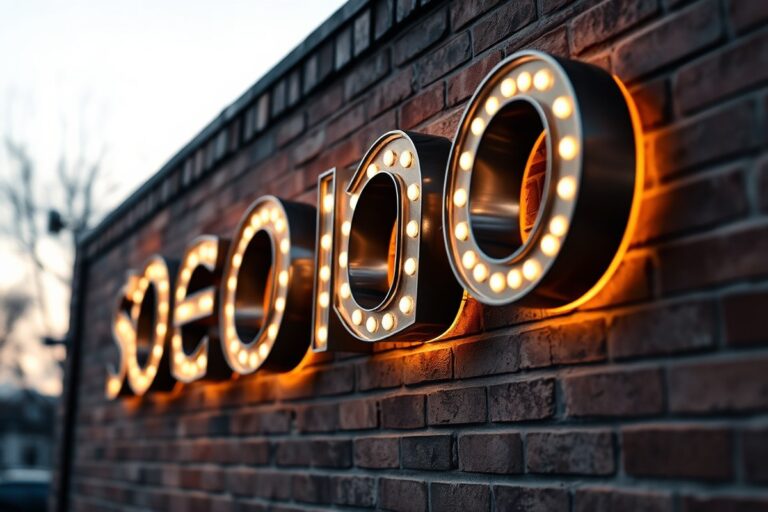
- Backlit or halo-lit signs increase visibility and add a premium glow in low-light lobbies.
- Metal signs communicate permanence and authority, ideal for established, prestige brands.
- Wood signs create warmth and a natural feel, supporting authentic and sustainable branding.
- Mount signs with standoffs to add subtle depth without overly bulky visuals.
Best Lobby Sign Ideas for Various Office Spaces

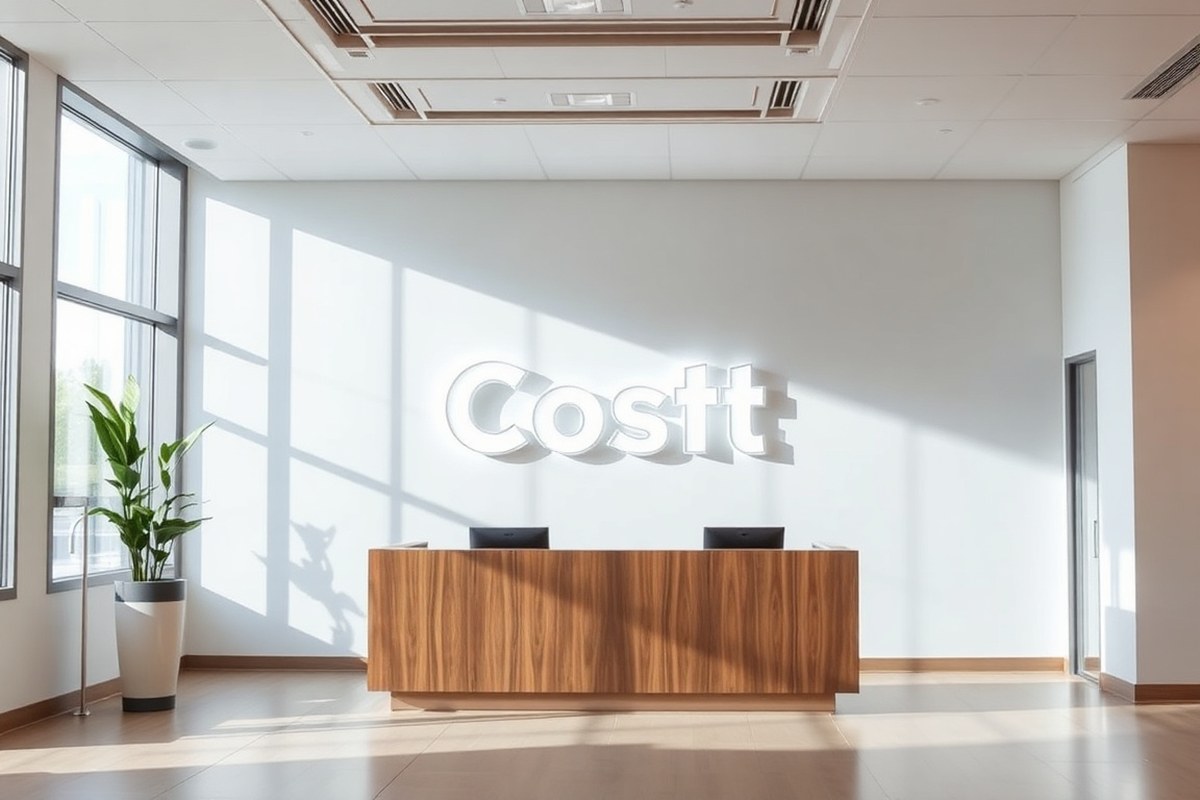
Small office lobbies benefit from signs that use minimal space while creating a clear brand presence. Acrylic signs fit well here due to their slim profile and vibrant colour options, making them cost-effective and visually flexible. Mounting an acrylic logo or business name directly behind the reception desk maximizes impact without crowding the area.
Large lobbies can accommodate bolder choices that become statement pieces. Three-dimensional signs featuring your logo or company initials add depth and prominence, especially in corporate settings. For offices with lower light, backlit or halo-lit signs make the branding glow, drawing attention and conveying a high-end feel.
Corporate environments usually favour durable and authoritative materials. Metal signs with brushed or polished finishes communicate stability and prestige. A metal nameplate or logo mounted on a dark wall projects professionalism and confidence, fitting industries like law firms, finance, or real estate.
Creative offices, such as design studios or tech startups, often embrace warm, inviting aesthetics that encourage collaboration. Wood signs with natural grains provide a handcrafted touch, while acrylic signs allow playful shapes and colors that match a more dynamic brand voice. Combining materials, like a wood background with an acrylic logo, also helps create a welcoming yet modern atmosphere.
Lobby signs contribute to brand storytelling by visually expressing company values, culture, and personality. Incorporate elements like your logo, tagline, or mission statement in a style consistent with your brand identity. A custom sign can highlight sustainability efforts with eco-friendly materials or emphasize innovation with sleek, modern fonts and lighting. Using clear, readable typography and appropriate colours ensures your message is immediately understood by visitors.
- Acrylic signs suit small spaces needing versatile, modern appeal
- 3D dimensional signs make a bold impact in large or corporate lobbies
- Metal signs establish authority and durability for established brands
- Wood signs add warmth and authenticity for creative or sustainable brands
- Backlit signs increase visibility in dark or open areas
- Combine materials to balance modern and inviting aesthetics
- Use logos, taglines, and brand colors to tell your company story
The investment for these signs ranges widely. Acrylic signs typically cost between $300 and $1,000 depending on size and complexity, while 3D metal signs could run $1,000 to $3,000 or more. Wood signs vary based on species and finish but generally fall within $500 to $2,000. Installing backlit features adds to this cost but delivers greater visibility and a premium look. Poorly chosen styles or materials can undermine your brand or feel out of place, so aligning your lobby sign design with your office size, industry, and brand personality is key to achieving a professional and welcoming environment.
Comparing Materials: Metal, Acrylic, Wood, and More
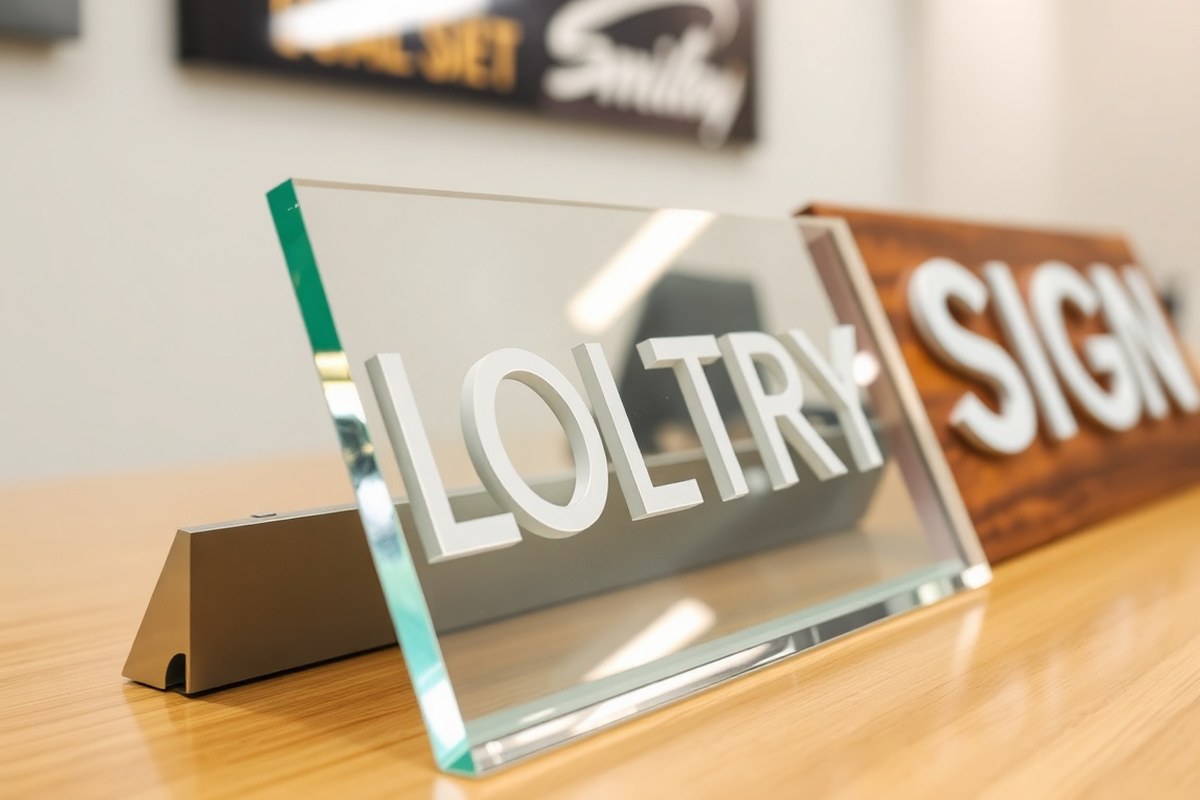
Choosing the best material for your lobby sign depends on factors like durability, visual appeal, cost, and how well it fits your brand personality. Metal signs often project stability and professionalism, making them great for law firms or manufacturing headquarters. Acrylic offers a contemporary look and works well for modern offices, while wood brings warmth and suits earthy, traditional decor. Combining these materials can produce a layered, sophisticated effect that touches on both modern and classic vibes.
Durability matters because lobby signs face daily exposure to light, dust, and sometimes physical contact. Metal offers longevity and resists wear but may show fingerprints if not properly finished. Acrylic is sturdy and easy to clean but can scratch more easily. Wood creates a natural, welcoming feel but requires occasional polishing or sealing to maintain its appearance.
The cost range varies widely. Acrylic signs typically cost less than premium metal options, while wood depends on the type and finish. Foam-core signs with metal or acrylic faces provide a cost-efficient solution with a stylish 3-D effect. Large-format wall graphics offer visual scale and brand presence but represent a different signage approach with different installation needs.
| Material | Durability | Visual Impact | Cost Considerations | Ideal Application | Maintenance |
|---|---|---|---|---|---|
| Metal (brushed aluminum, stainless steel) | High; resists damage and fading | Premium, sleek, stable presence | Higher upfront cost; long-term value | Professional firms, manufacturing HQ | Wipe regularly; polish to avoid fingerprints |
| Acrylic | Moderate; scratches easier than metal | Contemporary, clean, bright | Generally more affordable | Modern offices, tech companies, startups | Clean with non-abrasive cloth; avoid harsh chemicals |
| Wood | Moderate; sensitive to moisture | Warm, natural, inviting | Varies by wood type; can be mid-range | Eco-conscious brands, creative studios | Regular polishing or sealing needed |
| Foam core with metal/acrylic face | Moderate; lighter weight but less durable | 3-D effect; stylish and versatile | Lower cost; easy installation | Cost-effective modern signage | Surface cleaning; avoid moisture exposure |
| Large-format wall graphics | Moderate to high; material dependent | Bold brand statement; covers entire walls | Cost varies widely based on size | Brand-heavy spaces, creative environments | Careful cleaning; avoid sharp objects |
Combining brushed metal with wood or acrylic creates texture contrasts that add depth without losing a professional or modern feel. This fusion suits companies wanting to project both tradition and innovation. Metal signs emphasize reliability and strength, while acrylic reflects creativity and wood signals warmth and eco-friendliness.
Tip: Always match your lobby sign’s material with your company’s logo style and space ambiance to create a cohesive brand experience; mismatched materials can confuse visitors more than impress them.
How Backlit and Illuminated Signs improve Your Lobby
Illuminated lobby signs, especially those with backlit or halo-lit designs, offer several advantages for improving the visual impact of your reception area. These signs use LED lighting to create a soft glow around lettering or logos, increasing visibility in dimly lit environments and adding a modern, professional look to your space. LED backlighting not only improves brand recognition but also establishes a welcoming atmosphere that can impress clients during early or late hours when natural light is limited.
Backlit signs typically consist of dimensional letters mounted on a panel or directly on the wall with LED lights positioned behind them. This setup produces a halo effect, often called halo-lit signage, which highlights the edges of your branding elements. The glow generated helps your sign stand out without overwhelming brightness, making it ideal for lobbies with subtle ambient lighting. However, one downside is the initial cost, as backlit signs usually require a higher upfront investment, ranging from $500 to several thousand dollars depending on size and complexity. They also need proper installation to ensure electrical safety and lasting performance.
LED signs are generally cost-effective over time due to their energy efficiency, consuming up to 75% less power than incandescent or neon lighting. Also, LEDs have a long lifespan, often exceeding 50,000 hours, reducing the frequency of replacements and maintenance. From an environmental perspective, LED lighting contains no hazardous materials like mercury and produces less heat, contributing to lower cooling costs in the lobby area. In contrast, neon signs may consume more energy and require more upkeep, making LEDs the preferred choice for most businesses.
- Use backlit signs in lobbies with lower ambient light or during evening business hours for maximum visibility.
- Choose halo-lit signs when you want a subtle glow that improve logos without overpowering the overall décor.
- Select LED lighting for energy savings, longer life, and environmental benefits.
- Consider sign size and complexity in your budget planning, as more extensive backlit designs increase costs and installation time.
- Work with a licensed professional to install electrical components safely and to comply with local codes.
Lighting style should align with your lobby’s existing illumination and your brand’s tone. Brightly lit lobbies may benefit from halo-lit signs with softer glows to prevent glare, while darker reception areas can handle stronger backlit elements to attract attention. Combining materials such as acrylic or glass with LED backlighting can create a sleek, upscale effect that fits a progressive office environment. Planning a sign strategy that includes illuminated options can keep your business active and engaging regardless of the hour or lighting conditions.
Placement and Size: Maximizing Lobby Sign Visibility
Lobby sign placement and size play a important role in making a strong first impression and improving brand visibility. Positioning your sign where it naturally draws the eye ensures that visitors immediately recognize your business identity as they enter. The ideal location is typically above or behind the reception desk, centered on the main wall facing the entrance, where it has a clear line of sight.
Choosing the right size depends primarily on the dimensions of your lobby and the wall where the sign will be mounted. The sign should be large enough to be read easily from the lobby’s entrance but not so big that it overwhelms the space. For smaller lobbies, a more modest-sized sign maintains a clean and balanced look. In larger spaces, bigger or multi-dimensional signs can add visual interest and make the room feel more expansive.
Balancing prominence and subtlety means considering the sign’s height placement and depth. Signs mounted 60 to 72 inches from the floor generally align with the natural sightline of most adults. Adding depth or 3D elements can make the sign pop off the wall, catching attention without occupying extra floor space. Avoid crowding the sign with additional décor that might compete for attention. Follow these steps to optimize your lobby sign’s placement and size for maximum effect:
- Measure the wall space where the sign will be installed to understand the available area. Note the width and height and the distance from the entrance to determine optimal viewing range.
- Assess lobby dimensions including ceiling height and width to ensure the sign complements the space rather than dominates it.
- Choose sign size based on the smallest distance from the viewing point; a general rule is that lettering height should be at least 1 inch for every 10 feet of viewing distance for easy readability.
- Select mounting height placing the sign approximately 5 to 6 feet off the ground so it hits eye level for most visitors.
- Incorporate dimensional elements like raised logos or layered materials to add depth without enlarging the footprint, which can make the space feel bigger.
- Ensure adequate lighting around the sign to boost visibility while avoiding glare or shadows.
- Test sightlines by simulating visitor perspectives from multiple entry points and seating areas before final installation.
- Adjust based on feedback from staff and guests to confirm the sign’s visibility and impact while keeping the lobby welcoming and uncluttered.
Effective lobby sign placement and sizing improve your brand’s presence while respecting the overall design of your space. Oversized signs in small lobbies can feel overwhelming, while undersized signs in large spaces risk being overlooked. Using these steps can help you find the right balance that maximizes impact without compromising comfort or aesthetics.
Customizing Lobby Signs to Reflect Your Brand Identity
Customizing your lobby sign to mirror your brand identity involves carefully using your company’s logos, colors, typography, and textures. These elements create a consistent visual message that helps visitors instantly recognize and remember your business. Balancing creativity with professionalism means choosing design features that reflect your brand personality while maintaining a polished, office-appropriate appearance.
Incorporating Logos and Typography
Placing your company logo prominently on the lobby sign is a key way to reinforce brand identity. The logo should be crisp, clear, and sized to draw attention without overshadowing other elements. Using your brand’s official fonts ensures that the sign reflects your broader visual style consistently.
Choose typography that matches your existing brand guidelines. If your fonts have specific weights or styles (bold, italic, serif, sans serif), apply those exactly. Avoid substituting similar fonts, which can dilute brand recognition. During the design process, request proofs or samples to verify the fonts appear legible and stylish at the intended size and viewing distance.
Color Matching and Finishes
Using your company’s exact brand colors on the sign strengthens visual recognition. Most signs can be custom painted or printed to precise color standards using Pantone or CMYK codes from your brand guide. Matching colors also ties the sign to other branded materials around your office, like stationery or wall art.
Consider finishes as part of color presentation. Glossy coatings can brighten colors, while matte finishes provide a subdued, professional look that resists glare. Metallic paints or foils add a premium feel, especially for high-end brands. Custom colors and finishes may raise the cost by 10 to 25 percent depending on material and technique, but they often justify the investment by improving brand impact.
Adding Texture and Depth for Impact
Texture and three-dimensional elements give your sign a dynamic appearance that catches the eye and makes your brand memorable. Raised lettering, embossed logos, or layered acrylic elements add depth without cluttering your design. Textured backgrounds or metal finishes can subtly complement your company’s personality and lobby décor. Skills from experienced sign designers help maintain a clean balance between creativity and professionalism. Consider these ideas to enrich your lobby sign beyond flat printing:
- Dimensional acrylic letters with clear or frosted edges
- Metallic accents or brushed metal surfaces for a sleek look
- Raised logo panels with contrasting textures
- Matte vs. Gloss contrasts to highlight key design parts
- LED edge lighting to improve dimensional signs without overpowering the logo
- Use of natural materials like wood veneer for warmth in a corporate space
Test texture and depth features in sample signs to ensure they align with your brand’s tone and the lobby’s lighting conditions.
Customizing your lobby sign this way requires clear brand guidelines, collaboration with sign makers, and a budget that accounts for specialized materials and craftsmanship. Good results look like a sign that immediately connects visitors to your brand, feels integrated with your office space, and stands up to years of wear. Avoid overly intricate textures or colors that clash with other design elements, as they can confuse your message or reduce professionalism.
Industry-Specific Lobby Sign Concepts and Inspirations
Designing lobby signs tailored to your industry ensures the signage not only represents your brand accurately but also speaks to expectations common within your sector. Law firms need polished and traditional aesthetics, healthcare facilities require clear and compliant messaging, while tech and real estate companies benefit from modern and engaging designs. Co-working spaces, serving diverse users, thrive with flexible, creative signage styles.
Corporate and Legal Offices
Lobby signs in legal and corporate settings must convey professionalism and trust. Law firms often select signage with classic finishes such as brushed metal or etched glass, which communicate stability and integrity. The style usually includes serif fonts and neutral colors like navy, black, or deep green. This approach establishes a polished look that reassures clients upon entry.
Implementing an acrylic sign with subtle backlighting can add a modern touch while maintaining formality. The sign should be prominently positioned behind the reception desk or on the main entry wall at eye level, generally around 60 to 70 inches from the floor, ensuring visibility for visitors. Costs for high-quality materials and installation typically range from $750 to $2,500 depending on size and lighting choices.
Healthcare and Medical Facilities
Signage in healthcare environments must meet branding and regulatory considerations. Hospitals and clinics favor materials like acrylic or metal with smooth, easily cleanable surfaces to comply with hygiene standards. Colors lean towards calming blues, greens, or whites to promote a soothing atmosphere. Using non-reflective finishes reduces glare, which matters in bright, sterile areas.
Beyond aesthetics, these signs often include directional cues and additional safety messaging, requiring clear, legible fonts at a minimum height of 18 inches for readability. Incorporating Braille or tactile elements can address accessibility requirements. Installation should adhere to local ADA regulations, including mounting height around 48 to 60 inches from the ground.
Technology and Real Estate Companies
Tech firms benefit from innovative, tech-forward signage styles that reflect their modern brand identity. Acrylic signs with backlit LED illumination or vibrant colors make striking first impressions. Geometric shapes, sleek sans-serif fonts, and bold contrasts capture attention and suggest innovation.
Real estate offices may blend modern and professional elements, using wood-acrylic hybrids or brushed metal paired with clean, inviting fonts. Lobby signs here serve to build trust and present a dynamic image. Both tech and real estate companies must carefully manage sign scale. A sign width between 72 to 96 inches balances impact with professionalism, particularly in larger lobby spaces.
- Use bold, bright colors and lighting for tech lobby signs.
- Consider mixed materials like wood and metal in real estate signage.
- Choose dynamic, clean fonts that align with the company culture.
- Position signs for eye-level viewing near entry points.
- Incorporate digital elements if suitable for interactive displays.
- Ensure durability in high-traffic areas using scratch-resistant finishes.
Costs vary widely; an LED-backlit acrylic sign might start around $1,500, while wood-metal hybrids can exceed $3,000 installed. Planning for maintenance is key, especially with illuminated signs that require electrical upkeep.
Co-Working and Creative Spaces
Co-working environments require versatile signs that support a wide range of tenants and convey community. Mixed materials like painted wood, metal, or colorful acrylic are popular for their adaptability and vibrant appearance. Designers opt for bold, informal fonts and friendly color palettes to promote creativity and inclusiveness.
Signs that allow easy updates such as interchangeable letter panels or magnetic components add functional flexibility. Placement near central gathering areas or main entrances maximizes exposure to a diverse audience. Price points start from $700 for simple custom designs but can increase with size, materials, and interactive features.
Common Lobby Sign Mistakes and How to Avoid Them
Design choices that reduce visibility or readability often stem from poor contrast, cluttered fonts, or overly complex graphics. For clear visibility, ensure the text color sharply contrasts with the background. Choose simple, sans-serif fonts that are legible from at least 6 to 12 feet away, depending on your lobby size. Avoid intricate scripts or too many font styles. Using large enough letters, generally no smaller than 3 inches tall, also improves readability.
Clashing with existing decor happens when the sign’s color scheme, style, or materials don’t align with the lobby’s interior design. To prevent this, assess your lobby’s palette and style first. Select signage colors that complement or accent existing wall colors and furnishings. Materials like wood can create warmth in traditional spaces, while metal or acrylic suits modern, sleek interiors. Confirm your choices by testing samples or mockups in the actual lobby lighting before fabrication.
Longevity and maintenance issues frequently arise from choosing inappropriate materials or finishes for the environment. Signs exposed to humidity or temperature fluctuations require resistant materials and protective coatings. For example, acrylic is easier to clean and maintains vibrancy better than painted wood in moist areas. Regular cleaning with non-abrasive products avoids surface damage. Also, mounting hardware should be sturdy and corrosion-resistant to keep signs aligned and secure over time.
- Ensure high contrast between text and background for maximum readability.
- Use simple, large fonts sized according to lobby dimensions.
- Match sign colors and materials to existing decor for a cohesive look.
- Select durable, low-maintenance materials suited to environmental conditions.
- Test sign visibility and appearance under the lobby’s lighting before finalizing.
- Install with corrosion-resistant hardware to maintain alignment and safety.
- Plan for easy cleaning access to preserve appearance over time.
Following these guidelines helps create lobby signage that stands out, fits smooth into your space, and lasts with minimal upkeep. Poor contrast or small fonts could result in visitors missing your company name or messaging. On the other hand, overlooking decor coordination may make your sign feel out of place, diminishing brand impact. Finally, ignoring maintenance requirements can lead to faded colors, warped materials, or loose fittings that reduce professionalism. Investing time upfront for thoughtful design and material choice ultimately saves costs and contributes to your office’s polished first impression.
Installation, Maintenance, and Longevity Tips for Signs
Proper installation, regular maintenance, and timely repairs keep your lobby signs looking professional and functioning well. You can expect most sign installations to take a few hours to a full day, depending on size and complexity. Routine cleaning and inspection help detect issues early to extend the life of your signs and protect your brand image.
Professional Installation Best Practices
Installing a lobby sign usually requires precise measurements and surface preparation, which professionals handle efficiently. Typical installation times range from two to eight hours, depending on factors like sign size, mounting surface, and electrical wiring for illuminated signs. Hiring professional installers is advised for heavier or backlit signs to ensure safety and optimal positioning.
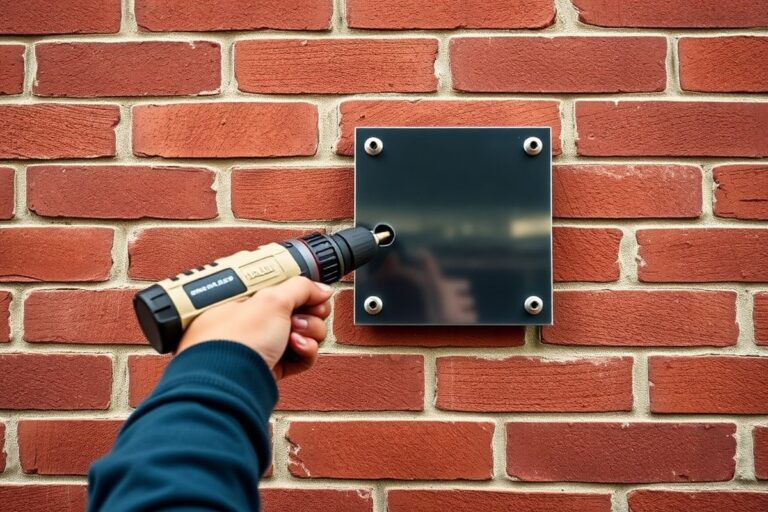
Installers start by verifying wall integrity and level, using anchors appropriate for drywall, concrete, or brick. They carefully align the sign according to your provided specifications to maximize visibility and maintain brand consistency. Proper installation minimizes future damage from loose fixtures or improper weight distribution.
- Confirm exact placement and height before installation
- Use wall anchors or studs rated for the sign’s weight
- Level the sign precisely with professional tools
- Check electrical connections for illuminated signs
- Protect surrounding surfaces during installation
Directly after mounting, a walkthrough to inspect attachment and alignment helps catch any issues early. Costs vary widely but expect professional installation to run from $200 to over $1,000 based on sign size and complexity.
Routine Cleaning and Inspection
Maintaining lobby signs involves scheduled cleaning and inspections every three to six months. Dust and grime dull materials like acrylic and metal, while decals may peel or fade without upkeep. Using a soft cloth or microfiber duster and a mild, non-abrasive cleaner prevents damage.
During routine checks, look for loose fasteners, fading colors, cracks, or electrical failures in illuminated signs. Minor problems caught early avoid costly repairs or replacements later. You may want to assign a staff member or facility technician to this regular task.
Do not use ammonia-based cleaners on acrylic signs, they cause clouding and surface degradation over time.
Signs Longevity and Repair Tips
Proper repair and upkeep can extend a lobby sign’s lifespan by years. For example, metal signs can be touched up with matching paint to cover scratches, and acrylic edges can sometimes be re-polished. Decals are generally the easiest to replace if they begin to peel or fade.
For electrical signs, replacing bulbs or LED modules is typically cost-effective compared to total replacement. Avoid DIY electrical repairs unless you’re qualified, always call a licensed electrician to handle lighting components. Also, protect signs from direct sunlight exposure to slow color fading and material aging.
Keep a maintenance log documenting inspections, cleanings, and repairs to track the sign’s condition and plan future updates. This practice supports budgeting and ensures the sign always represents your brand positively.
Your Lobby Sign Project: A Quick-Start Action Plan
Set your lobby sign project in motion with clear steps to keep your goals on track and see real progress.
- Day 1: Define your brand message clearly. Write down what your sign needs to communicate about your company.
- Week 1: Choose materials based on your lobby’s environment and style. Check samples and decide what fits best visually and practically.
- Week 2: Sketch sign placement options or mark spots in your lobby. Test visibility from different angles and distances to confirm the ideal size.
- Week 3: Contact a reputable sign fabricator and ask for design proofs. Confirm that the design and materials reflect your brand identity accurately.
- Week 4: Schedule the installation with your contractor. Make sure they follow safety standards and that the sign is securely mounted.
- Month 2: Perform routine maintenance checks. Clean the sign and inspect lighting to ensure the sign remains vibrant and functional.
Frequently Asked Questions
What Are Some Unique Materials for Lobby Signs Besides Metal and Acrylic?
Materials like glass, stone, and recycled wood offer unique textures and can highlight eco-friendly values. These materials add distinctiveness and align well with certain brand aesthetics when metal or acrylic feels too common.
How Can Seasonal Changes Influence Your Lobby Sign Design?
Seasonal decor can complement your lobby sign without altering it, like adding themed lighting or floral arrangements. This approach keeps your branding consistent while freshening your space throughout the year.
What Role Does Typography Play in Lobby Sign Effectiveness?
Typography impacts readability and brand tone; clean, bold fonts improve visibility and professionalism. Choose fonts that reflect your brand personality but ensure they are easy to read from a distance.
How Do Lobby Signs Affect Visitor Flow and Wayfinding?
Lobby signs guide visitors efficiently, reducing confusion and creating a welcoming atmosphere. Combining clear signage with directional cues helps move guests smoothly through your space.
Are Interactive or Digital Lobby Signs Worth the Investment?
Digital signs can engage visitors with dynamic content but require higher upfront costs and maintenance. They suit tech-forward brands wanting flexible messaging but might not fit every budget or style.
Can Lobby Signs Influence Employees’ Sense of Belonging?
Yes, well-designed signs promote pride and reinforce company values, improving workplace culture. Including elements like mission statements or team achievements can boost morale through thoughtful signage.
The Bottom Line
A well-chosen lobby sign speaks volumes about your brand and creates a strong first impression for visitors. Take the next step by mapping out your brand message and style preferences to guide your material and design choices. Move forward with a clear plan to create a lobby sign that stands out and welcomes effectively.