How Much Does Window Lettering Cost? A Complete Guide with Pricing Details
How much does window lettering cost depends mostly on the size, design complexity, and installation needs. Small, simple graphics start around $250 to $500, while large, full-window prints with images can exceed $1,000. Begin by measuring your window and deciding on your design, since size and detail directly affect pricing.
Key Takeaways
- Small vinyl lettering for doors typically costs between $250 and $500.
- Medium-sized graphics with logos and business info range from $500 to $1,000.
- Custom designs increase costs based on complexity and designer expertise.
- Installation fees add to the total, especially if professional service is required.
- Large window coverage with images usually costs over $1,000.
- Surface type affects durability and installation difficulty, influencing price.
How Much Does Window Lettering Typically Cost?
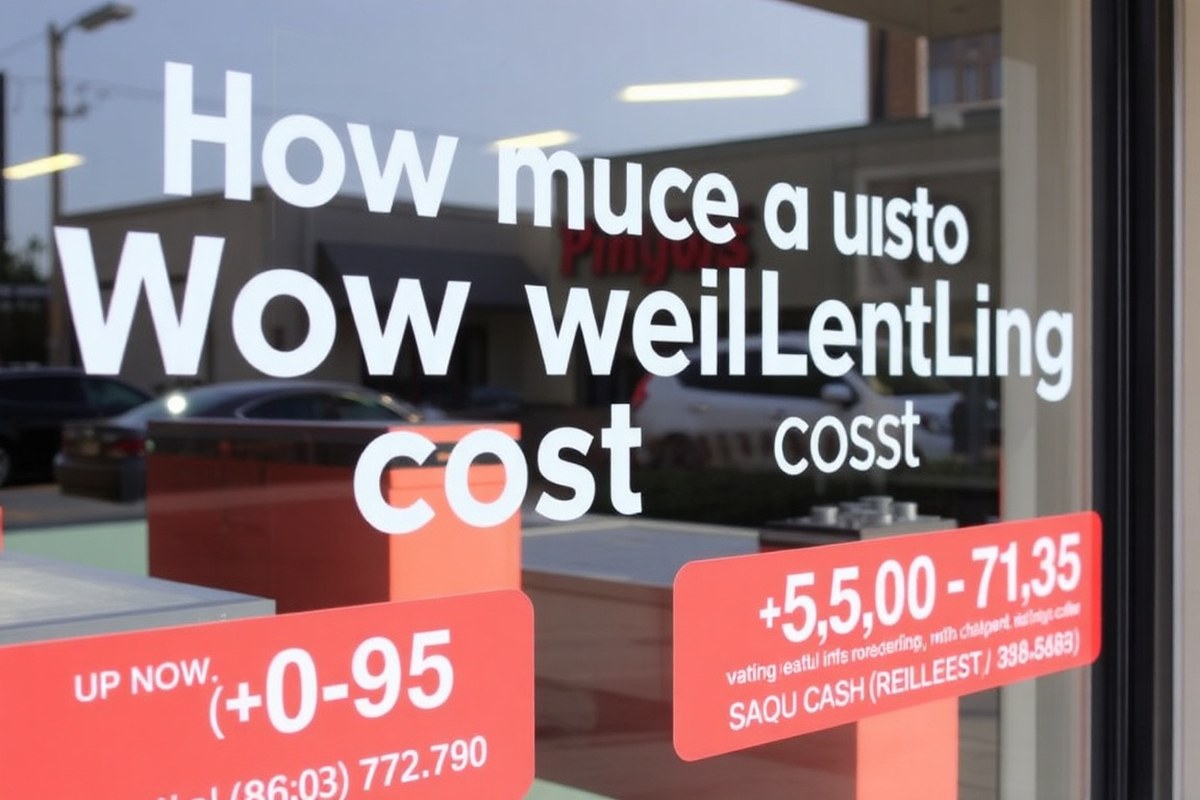
Window lettering costs vary widely depending on size and style. Small, basic text-only decals typically run from $250 to $500. Medium-sized graphics, such as a logo plus business hours on adjacent windows or doors, generally cost between $500 and $1,000. Large window wraps or full window coverage with printed images usually start at $1,000 and can go higher, especially for complex designs or premium materials.
Pricing is often based on a flat fee for smaller projects, like a single decal on a door, or calculated by square footage for larger installations. Some vendors price per letter for basic vinyl lettering, which suits small text, but large graphics rely on per-square-foot pricing. Weather resistance and material quality also affect the price.
| Window Lettering Type | Size / Style | Typical Price Range |
|---|---|---|
| Small Basic Decals | Business name, hours on-door or single window | $250, $500 |
| Medium Vinyl Graphics | Name, logo, and basic info on multiple windows or doors | $500, $1,000 |
| Large Full-Window Wraps | Full coverage with printed images or complex graphics | $1,000+ |
Here’s an example: You want vinyl lettering with your business name plus your hours on the front window and door, which qualifies as a medium vinyl graphic. Expect to pay between $500 and $1,000 based on size and complexity. If your business name has 15 letters and you’re charged $10 per letter (a typical example for simple vinyl lettering), that part alone costs $150. Adding the hours as a small decal for $300 brings the total to about $450, still within the medium range.
Understanding these price ranges helps you set a realistic budget and request accurate quotes from sign shops. Larger installations increase costs quickly due to printing, materials, and installation complexity. Smaller lettering jobs use simpler pricing models, sometimes with flat fees, making them easier to budget. This breakdown allows you to choose the right window lettering type for your business needs and avoid surprises in price.
What Factors Influence Window Lettering Pricing?
The price of window lettering depends heavily on the complexity of the design, the quality of materials used, and the installation challenge. Intricate artwork with fine details raises production costs because specialty die-cutting must precisely follow the shape of each letter or image. Simpler block fonts cost less since they require less cutting and material. When designing your lettering online, prices update dynamically as you change the design, making it easier to keep costs in check.
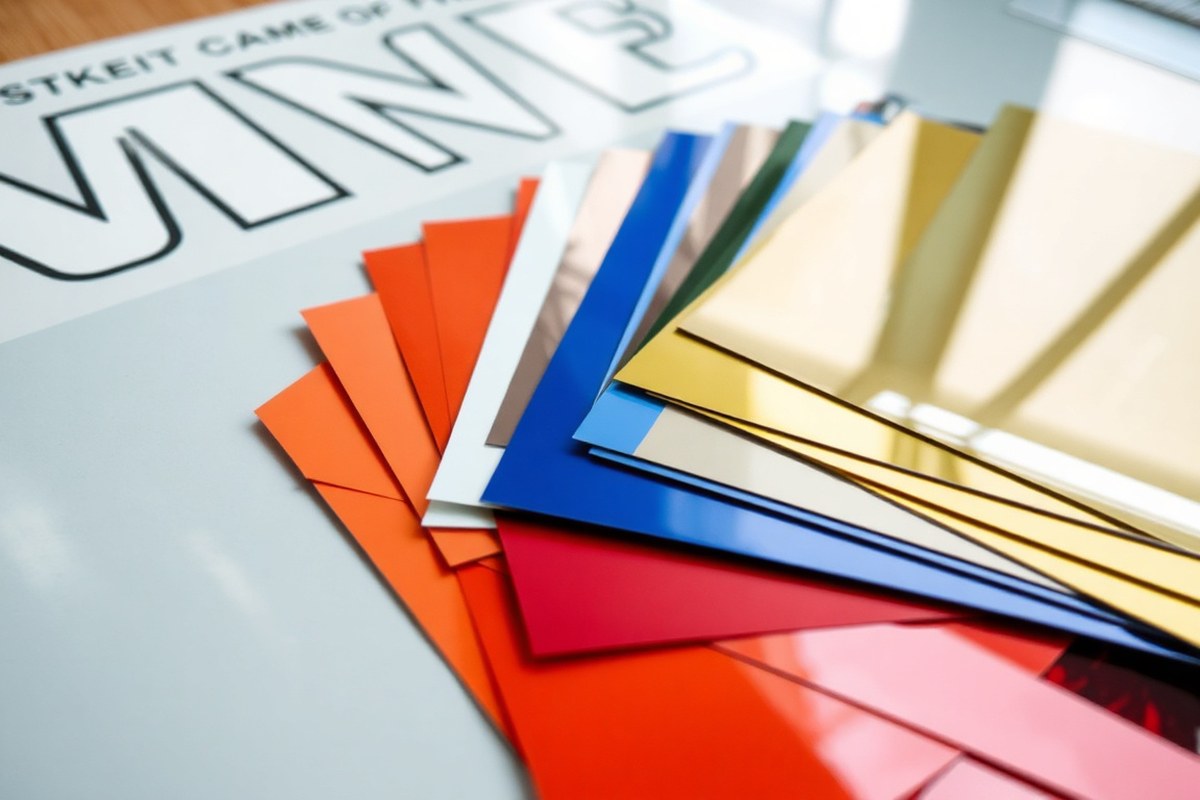
Material choice also affects price and durability. Vinyl window lettering is generally the most cost-effective signage option, but the quality of the vinyl varies. Higher-grade vinyl withstands sun exposure, temperature swings, and cleaning better than basic types, which means it stays vibrant longer and avoids peeling or fading. Investing in premium vinyl is wise for businesses wanting a lasting, professional appearance. If you want to cover the entire window surface, expect additional material charges that increase the final price.
Installation difficulty influences the total cost too. Easy-to-apply lettering on flat, clean glass typically requires minimal labor and tools. However, if your window is uneven, hard to access, or requires precise alignment, the installer may charge more to ensure perfect adherence. Professional installation, especially with high-quality materials, helps extend the life of the lettering and prevents costly mistakes like bubbles or peeling edges. Below is a comparison table summarizing how these factors influence cost and what you should consider when planning your window lettering:
| Factor | Impact on Cost | Tips for Choosing |
|---|---|---|
| Design Complexity | Higher for intricate, custom shapes | Use simple fonts for tight budgets; add details gradually |
| Material Quality | Premium vinyl costs more but lasts years longer | Pick high-grade vinyl for outdoors or sunny windows |
| Installation Difficulty | More for uneven or hard-to-reach windows | Choose professional installers for best results |
| Window Coverage | Full window covers cost more than just lettering | Start with key messages, expand as budget allows |
Always measure your window’s height and width precisely before ordering to get an accurate price estimate and avoid costly reorders.
Careful planning in these areas ensures you balance upfront costs with longevity and visual impact. High-quality materials combined with professional installation may increase initial expenses but reduce replacement frequency and keep your signage effective longer. Designing your lettering with an online tool that updates pricing in real time helps control unexpected costs as you customize the artwork. Following these steps results in attractive window lettering that fits your budget and business needs.
How Do Size and Surface Type Affect Window Lettering Cost?
Cost varies with window size and surface type because larger windows need more material and time, while curved or textured surfaces may require special handling. The glass type and window placement also influence the price and how you apply the lettering.
Measuring Your Window Correctly
Accurate measurements of the window ensure you order the right amount of lettering material. Too small estimates can lead to ordering insufficient vinyl, while oversized orders increase cost unnecessarily. Use the backing paper size as a guide to position your lettering later. Follow these steps to measure your window size properly:
- Clean the surface of the window and remove any objects blocking the edges.
- Use a measuring tape or a metal ruler for precision.
- Measure the width from one edge of the glass to the opposite edge at the top, middle, and bottom.
- Record the smallest width to avoid oversizing your lettering.
- Measure the height from the bottom edge to the top edge at the left, center, and right.
- Record the smallest height.
- Multiply the width and height to calculate the surface area in square feet.
- Note irregular shapes or sections separately to communicate with your vendor.
Identifying Window Surface Types
Knowing your window surface type can prevent application problems and unexpected fees. Smooth glass surfaces are easiest and cheapest to work with. Acrylic or plexiglass might require specialized adhesives or techniques.
Curved or textured glass windows need vinyl that can conform to shapes without wrinkling, often costing more. Architectural features like mullions or etched designs add complexity, sometimes requiring hand-cut lettering or a custom design approach.
Adjusting Cost Expectations by Window Features
Larger window sizes cost more due to additional vinyl and longer application time. For example, a 4-foot by 6-foot window requires 24 square feet of material, roughly twice the cost of a 3-foot by 4-foot window at 12 square feet.
Curved windows increase labor complexity because vinyl must stretch or be cut in sections to fit correctly. That complexity can add 15% to 30% more to installation fees. Textured or frosted glass often reduces adhesive effectiveness, which might call for specialized product options and a raised price.
The window’s orientation affects costs. Applying lettering on the inside is easier and cheaper than exterior applications, which face weather exposure. Exterior vinyl products typically cost more and need heavier-duty adhesives to last.
Tips for Windows with Tints or Blinds
Vinyl color choices depend on whether your window has tint or blinds behind it. Dark-colored lettering works best against light or tinted backgrounds for better contrast, improving visibility and aesthetic appeal. Light-colored lettering on tinted glass or behind dark blinds can be hard to read and waste your investment.
Blinds can cause shadows that distort the lettering’s appearance, so consider installing the vinyl on the interior where lighting is more consistent. Verify that the vinyl adhesive suits your window tint type, since some coatings can react with aggressive adhesives, limiting your placement options and increasing cost if special vinyl is needed.
Does Custom Design or Artwork Change the Price?
Yes, custom design and artwork do change the price of window lettering. Custom logos, branded fonts, and complex artwork require extra work and materials, which vendors often price higher. The complexity, file type, and how well-prepared your artwork is factors into the total cost.
Types of Custom Artwork Accepted
Most window lettering vendors request vector files for custom artwork because they scale without losing quality. Common accepted vector formats include PDF, AI, and EPS. Bitmap files like JPEG or PNG are sometimes accepted but usually need conversion, which may add fees or reduce final quality.
Custom artwork can be a logo, special font, or a detailed graphic. Designs with multiple colors, gradients, or fine details increase cutting time and vinyl use, raising the price.
Cost Differences Between Simple and Complex Designs
Simple designs, such as a single-color logo or standard font text, usually cost less because they require less preparation and cut time. Complex designs with multiple colors, intricate elements, or special effects need more setup and materials, increasing both the production time and cost.
For example, a single-color vinyl letter may cost $5 to $10 per square foot, while a full-color multi-layered or printed graphic can run from $15 to $30 per square foot or more. Vendors often charge setup fees of $25 to $75 if file cleanup or conversion is required.
How to Prepare and Submit Artwork Files
Preparing artwork properly can reduce extra fees and improve the final look. Follow these tips:
- Use vector file formats like PDF, AI, or EPS for the best quality and easy scaling.
- Make sure all fonts are converted to outlines or paths to avoid missing font issues.
- Keep colors separated by layers if your design is multi-colored or involves different vinyl layers.
- Avoid gradients and photographic elements unless the vendor offers printed vinyl options.
- Check resolution for bitmap images, a minimum of 300 DPI is recommended if vectors aren’t available.
- Include a clear description or notes detailing color matching, size, and placement instructions.
- Submit files using the vendor’s preferred submission channels, such as email or an online quote form.
This preparation helps vendors provide accurate quotes and minimizes delays.
Vendor Support and Design Service Options
Some window lettering providers offer design support services to help with file conversion, charging either a flat fee or hourly rate. Discuss your needs upfront to understand these costs. Vendors like StickerYou allow you to email custom vector files for a price quote and can sometimes help fix or improve artwork before production.
It’s smart to ask about design revisions, proofs, and turnaround times as these can affect your schedule and budget. Many vendors provide online design tools where you can upload logos or artwork yourself, often without extra cost if files meet their requirements.
How Does Installation Influence the Total Window Lettering Cost?
Installation costs for window lettering vary greatly depending on whether you choose to do it yourself or hire a professional. DIY installation can be done for free if you already have the right tools, but professional installation typically ranges from $50 to $200. Professional services add convenience and reduce the risk of mistakes, especially on larger or complex surfaces.
Pros and Cons of DIY Installation
Doing your own window lettering installation saves money and gives you full control over the process. It works best for smaller decals on smooth surfaces, especially if your lettering comes with clear instructions. However, DIY installation requires patience, precision, and some skill to avoid bubbles or misalignment.
Complex windows or large lettering that must align perfectly often need a professional to ensure a high-quality finish. Also, DIY may not be practical if you lack the necessary tools or space to work comfortably.
What Tools You Need for Installation
To install vinyl window lettering yourself, gather a few basic tools and prepare the surface well. Essential items include:
- Squeegee or plastic scraper to smooth out air bubbles
- Measuring tape or level for precise placement
- Masking tape to position the lettering before applying
- Spray bottle with soapy water to help reposition letters
- Lint-free cloth or paper towels for cleaning
- Utility knife or scissors for trimming edges if needed
Proper surface preparation means cleaning thoroughly with soap and water, then drying; avoid ammonia-based cleaners that can leave residue. The temperature should be between 50°F and 90°F for proper adhesion.
Hiring a Professional Installer: Cost and Benefits
Professional window lettering installers usually charge between $50 and $200 depending on the project size and complexity. Their experience helps reduce errors, complete the job quickly, and ensures the lettering lasts longer. Professionals also handle special surfaces like textured glass or large storefronts with multiple panels.
Hiring a pro may be the best choice if your signage requires perfect alignment, large graphics, or if you lack time and the right tools. Some shops include installation in the total price, but always ask for a separate quote. This protects you from surprise fees and lets you compare options.
Common Installation Errors to Avoid
Common mistakes during window lettering installation can ruin the appearance and durability of your signage. Avoid applying lettering on dirty or wet surfaces, which causes poor adhesion. Not measuring properly often leads to crooked or misaligned graphics.
Pressing too hard or too little during smoothing can trap air bubbles or cause tears. Also, removing transfer tape too quickly can lift the vinyl instead of settling it firmly in place.
Take time to position your design with masking tape and use a level before sticking it down permanently.
What Additional Fees Might Appear Besides the Lettering Price?
Shipping is often an additional cost on top of the window lettering price. Some sellers include standard shipping for free, but expedited delivery usually costs extra. The cost depends largely on the shipping carrier and speed you choose. Slower ground methods save money but take longer. For example, USPS Ground Advantage often ships free and takes about 3 to 8 business days, while FedEx Overnight delivery can cost over $37 and arrives by the end of the next day.
| Shipping Method/Speed | Price |
|---|---|
| USPS Ground Advantage (3-8 business days) | Free |
| USPS Priority Mail (2-3 business days) | $7.50 |
| UPS Ground | $9.00 |
| FedEx 2 Business Day | $14.50 |
| FedEx Overnight – By end of Day | $37.50 |
| FedEx Overnight – Morning Delivery | $45.00 |
| UPS Next Day – Morning Delivery | $48.00 |
Design consultations can add to your total cost, especially if you hire professionals to create custom artwork or color match your branding. Services like professional graphic design, custom finishing options such as matte or gloss, and revisions can increase your price. It’s a good idea to clarify what design support is included before placing your order to avoid surprises. Some suppliers offer free design help when you share your vision upfront.
Rush fees also add to the expense if you need same-day production or faster shipping than standard timelines. Most providers can produce lettering on the same day if you order before early afternoon, often around 1:30pm EST. Make sure to ask about cutoff times and extra charges, as these can double or triple your shipping costs.
Extra costs could come up for handling or special packaging. The prices you see do not cover import duties or taxes, which you’ll need to pay when ordering internationally.
To avoid surprise charges, ask for a detailed quote that breaks down all fees before committing to your purchase. Confirm what shipping methods are available with costs and estimated delivery times. Clarify what design work is part of the price and what requires extra payment. Consider the difference between rush fees and regular delivery times to decide if paying more for faster lettering meets your needs.
How Long Does Window Lettering Take from Order to Installation?
Your window lettering project timeline depends on production, shipping, and installation, each varying by order complexity and location. Most custom orders take several days from design approval to finished installation, but options exist to speed up parts of the process.
Production time usually ranges from 1 to 3 business days for standard text-based designs. More elaborate graphics or precise alignment needs can extend this time, as they require additional cutting, layering, or finishing attention. Placing your order before 1:00pm Eastern Time allows for same-day shipping using USPS Priority or select UPS/FedEx options, but not all shipping methods apply to all zip codes or countries. You can enter your zip code on the vendor’s site to see available shipping choices and delivery estimates specific to your location.
Installation time at your site generally takes 30 minutes to 2 hours, depending on the size of the window, complexity of the design, and surface preparation needs. Simple text on a flat, clean glass surface is fastest. Large or multilayered graphics, or textured surfaces, require more care and time, possibly calling for professional installers with tools and experience.
Planning helps avoid delays and extra fees. Coordinate your order date with your preferred installation day by allowing enough time for production and shipping. Relying on express shipping reduces wait but adds cost. Avoid last-minute orders if you need a complex design or installation in a busy season when vendors might face high demand. Follow this step-by-step process to schedule your window lettering efficiently:
- Finalize your design by selecting fonts, sizes, and styles to ensure it matches your branding.
- Place your order before 1:00pm Eastern Time to qualify for same-day shipping options when available.
- Enter your zip code on the seller’s website to view shipping options, times, and costs specific to your location.
- Choose an appropriate shipping method balancing speed and cost; USPS Priority often ships same day if ordered on time.
- Monitor your tracking info to know exactly when your lettering arrives and adjust installation appointment accordingly.
- Prepare the window surface by cleaning and ensuring it is dry to help the lettering adhere well.
- Schedule your installation allowing 30 minutes to 2 hours based on design complexity and surface type.
- Inspect the finished application to confirm proper placement and adhesion for the best long-term visibility and durability.
How to Avoid Expensive Mistakes with Window Lettering Orders
Ordering window lettering without double-checking details can lead to costly mistakes like reprints or damaged graphics during installation. Accurate measurements are essential. Measure the window space precisely using a tape measure, noting height and width in inches or centimeters. Measure at least twice to confirm. Specify whether the lettering will be applied on the inside or outside, since this affects material choice and visibility. Choose simple, highly readable fonts and colors with strong contrast against the background to avoid costly redesigns. Complex fonts can increase costs and reduce legibility in sunlight or from a distance.
Before submitting your design, carefully review the dimensions, spelling, and color codes. Check proofs on different devices or ask the supplier for a printed mockup. Look over the order summary to confirm quantity, size, font, colors, and application method. Confirm the supplier’s recommended installation instructions and materials. Missing any of these details often leads to delays or extra charges for corrections.
- Double-check window measurements and location for lettering application
- Select fonts that read well from your target distance
- Choose colors visible on the specific window and background
- Review spelling and design thoroughly before ordering
- Specify exact quantity needed to avoid overbuying or shortages
- Confirm if the lettering is for inside or outside application
- Follow supplier’s installation instructions closely
Installation errors like air bubbles and wrinkles can harm the design and require costly fixes. To avoid this, clean the window thoroughly but gently with mild soap and water. Avoid abrasive materials or strong chemicals that damage graphics or glass. When applying, use a squeegee or credit card to press the lettering from the center out toward edges, pushing out air pockets carefully. Avoid applying in direct sunlight or below 50°F, as temperature affects adhesive performance. If you notice bubbles after application, you can prick them with a pin and smooth out the area, but extensive bubbles usually mean a redo is needed.
Carefully measuring twice and verifying all design details before ordering prevents most reprint costs and installation headaches.
Your Step-by-Step Window Lettering Budget Plan
Follow these steps to estimate your costs accurately and avoid surprises with your window lettering project.
- Before you start: Measure the window space you want covered and note the surface type. Confirm these details to get accurate pricing quotes.
- Day 1: Research and request quotes from at least three local or online vendors, specifying size, design complexity, and installation needs. Compare their pricing and services.
- Day 3: Decide if you want a custom design or standard lettering. Choose custom only if your budget covers the additional design fees and turnaround time.
- Day 5: Ask vendors about installation costs and schedule. Confirm if you’ll handle installation or need professional help.
- Day 7: Clarify any extra fees like permits, delivery, or removal charges to factor into your total budget.
- Week 2: Place your order and request an estimated timeline from order to installation to plan your marketing or store appearance accordingly.
- After installation: Inspect the lettering for quality and adherence. Confirm everything matches your order before final payment.
Frequently Asked Questions
What Is the Typical Cost Range for Vinyl Window Lettering Decals?
Vinyl window lettering decals usually range from $50 to $500, depending on size and complexity. More intricate designs or larger lettering increases the price, but small, simple decals can be very affordable.
How Does the Skill Level of the Designer Affect Window Lettering Cost?
A highly experienced designer may charge more for complex artwork, impacting overall pricing. Less intricate designs often cost less, so clear communication about your needs can keep costs down.
Can I Order Just One Sheet of Custom Vinyl Window Lettering?
Yes, you can order a single sheet of masked vinyl lettering tailored to your design. This flexibility helps you buy only what you need without paying for excess material.
What Should I Consider When Choosing Lettering Color for Storefront Windows?
Lighter colors usually offer better visibility on windows and can increase effectiveness. Consider your background and lighting to ensure maximum readability.
How Easy Is It to Remove Vinyl Window Lettering Compared to Window Wraps?
Vinyl lettering and decals are generally easier to remove than full window wraps. This makes them a cost-effective option if you plan to change signage frequently.
Does Printing Full Window Coverage Significantly Increase the Price over Simple Lettering?
Yes, large printed window graphics can cost $1,000 or more compared to smaller lettering. Choose coverage size carefully to balance impact and budget.
Wrapping Up
Window lettering costs vary based on size, design complexity, surface type, and installation. Planning each step carefully helps you budget wisely and avoid unexpected fees. Start by measuring your space and comparing quotes today to move forward with confidence.