Types of Commercial Signs: A Complete Guide to Popular Options and Uses
Types of commercial signs vary widely, including monument, pylon, pole, channel letters, awning, window graphics, and digital displays. Selecting the right sign depends on your business location, visibility needs, and budget. Start by assessing where and when your sign will attract the most attention to choose the most effective style.
Key Takeaways
- Monument signs typically stand 5 feet or less, ideal for close-up visibility along sidewalks and entrances.
- Freestanding pylon and pole signs usually exceed 10 feet, maximizing exposure to drivers on busy roads.
- Channel letter signs create a 3D effect by mounting custom letters directly on a building façade.
- Digital signs provide dynamic content and are useful in high-traffic areas with long operating hours.
- Unlit signs can be a cost-effective choice for businesses that close early or see limited night traffic.
- Spreading sign investment costs over 7-15 years helps balance upfront expenses with long-term value.
Common Types of Commercial Signs and Their Uses
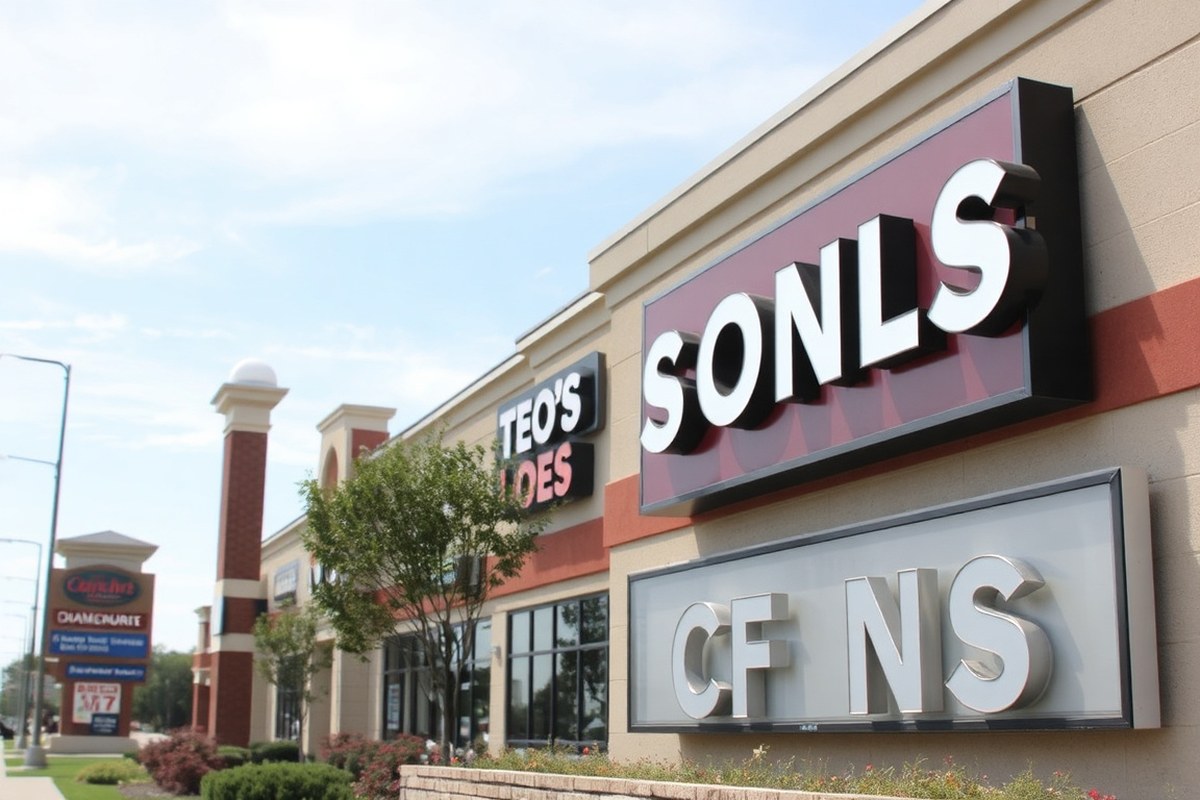
Among the most common commercial signs are channel letter signs, dimensional letters, cabinet signs, awning signs, monument signs, and freestanding pole signs. Each serves distinct purposes based on visibility needs, budget, and location. Channel letter signs are popular for building fronts because they offer maximum visibility and strong brand presence. These individual shaped letters can be illuminated with LEDs, costing roughly $3,000 to $15,000 depending on size and complexity. Businesses aiming for a professional and durable appearance often choose dimensional letters, which are not illuminated but create a modern look at costs between $1,500 and $7,000.
Cabinet signs feature illuminated boxes that display logos or text and work well for 24/7 visibility, especially in low-light areas. They typically cost between $2,000 and $10,000 and are ideal for businesses with nighttime traffic. Awning signs are fabric or metal coverings installed above store entrances, combining protection and advertising while adding style. Their affordability and dual use make them suitable for storefronts with foot traffic.
Monument signs are freestanding structures usually placed at ground level near entrances or along roadways. They create a strong visual anchor for businesses and are effective for brand recognition, especially in areas with slower traffic. Pylon or pole signs extend high above ground, designed for visibility over other buildings or roadside obstacles. These signs work well in crowded commercial zones where being seen from a distance is critical. Investing in either monument or pylon signs typically involves higher installation and permit costs but offers extended visibility.
Choosing the right sign involves considering location, traffic type (pedestrian or vehicle), and budget. For example, a retail store on a busy street may combine window graphics and channel letters to attract both sidewalk shoppers and passing drivers. A business in a commercial plaza might invest more in monument or pylon signs to stand out within clustered signage. Different sign types also have varying lifespans, from 7 to 15 years for quality exterior options, which affects long-term value. Mixing these sign types strategically helps capture broad customer attention and meets diverse marketing goals effectively.
Exterior Freestanding Signs: Monument, Pylon, and Pole Signs
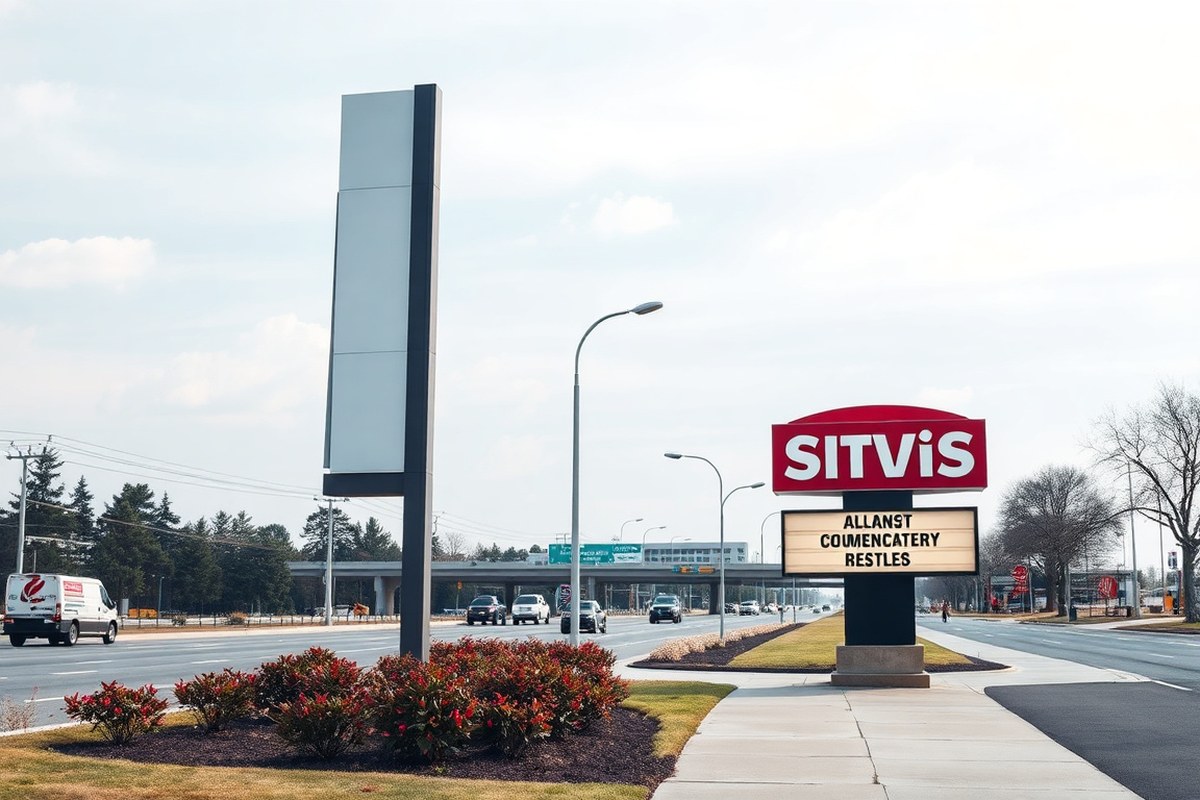
Freestanding exterior signs come in three main types: monument, pylon, and pole signs. Monument signs sit directly on the ground and usually stand around 5 feet tall, making them visible at eye level. Pole and pylon signs are mounted on poles and often rise above 10 feet, offering visibility from much farther away. The right choice depends on your business’s location, visibility needs, and the type of impression you want to create.
Monument signs work well near property entrances, especially for businesses set back from the road. Their lower height and solid base create a more traditional, elegant look. Pylon and pole signs are common where maximum visibility is essential, such as at gas stations, large retail complexes, or fast food restaurants near busy highways. These taller signs ensure your brand stands out amid other sights and signage.
| Feature | Monument Signs | Pylon Signs | Pole Signs |
|---|---|---|---|
| Height | About 5 feet or less | Typically over 10 feet | Typically over 10 feet (can be taller as high-rise pole signs) |
| Visibility | Eye-level, close-up viewing | High visibility from distance | High visibility from distance |
| Placement | Near property entrances | Along busy roads or highways | Along busy roads or highways |
| Design style | Traditional, elegant | Bold, attention-grabbing | Bold, attention-grabbing |
| Best for | Businesses set back from street wanting curb appeal | Multi-tenant centers, gas stations, fast food | Multi-tenant centers, large retail complexes |
Choosing between monument and taller freestanding signs requires balancing aesthetics and function. Monument signs offer durability with materials like HDU and moderate maintenance but can limit visibility to nearby pedestrians and drivers. Pylon and pole signs often incorporate LED lighting, increasing costs but greatly boosting visibility, especially after dark. Verify local zoning rules as some areas limit sign height or location.
Good results come from placing monument signs where people approach on foot or at slow speeds. Pylon and pole signs work best where vehicles need advance notice, such as on highways or wide arterials. Avoid overly tall pole signs in areas with restrictive rules or close neighbors.
Tip: Before finalizing your freestanding sign choice, check local regulations for height and placement limits to avoid costly redesigns or removal.
Building-Mounted Signs: Channel Letters, Awning, and Window Graphics
Building-mounted signs like channel letters, awnings, and window graphics define your storefront’s visual appeal and boost brand recognition. Each type serves specific design and functional roles that can attract pedestrians and drivers alike. Choosing the right materials and styles helps convey your brand identity clearly and withstand outdoor conditions.
Channel Letter Signs: Custom 3D Branding
Channel letter signs consist of individually crafted three-dimensional letters or shapes that mount directly to your building. Typically made from aluminum or plastic, these signs often feature illuminated faces or halo lighting to increase visibility, especially at night. Face-lit channel letters shine through colored acrylic faces with LED lights, making them common for storefront branding that demands attention after dark.
The advantages include high customization of size, font, color, and lighting style, allowing your signage to match your brand precisely. These signs tend to cost between $3,000 and $15,000, influenced by size, illumination choice, and installation complexity. Proper electrical planning and permits are part of the process. Good channel letter signage offers razor-sharp readability from a distance and reinforces your image as an established business.
Awning Signs: Functional and Attractive
Awning signs combine practicality with branding by extending over your entrance to offer shade and weather protection while promoting your business name or logo. They serve as both signage and canopy, improving customer comfort and storefront aesthetics. Common materials include aluminum frames with durable fabrics like acrylic or vinyl that resist fading, water, and mildew.
Awning signs work best in pedestrian-focused areas, improving curb appeal and increasing foot traffic. They are generally more budget-friendly than illuminated channel letters and easier to replace or refresh seasonally. Key design tips include choosing brand colors that complement your building façade and opting for bold, simple typography that remains legible from the sidewalk or across the street.
- Durable, weather-resistant fabric options like acrylic or vinyl
- Aluminum frames for lightweight, rust-resistant support
- Ability to display logos, business names, or promotional text
- Custom sizing to fit doorways and windows
- Typically less expensive and easier to install than illuminated lighting
- Provides shade and protects customers from rain or sun
- Effective branding tool for walk-in customer traffic
Consider awning signs that tie smooth into your overall brand style. Avoid overly intricate graphics that become hard to read from a distance. Solid colors with contrasting letters tend to work best.
Window Graphics: Dynamic and Cost-Effective
Window graphics are adhesive vinyl elements applied directly to storefront glass, available in full-color prints or cut vinyl lettering. These signs allow you to display seasonal promotions, hours of operation, or brand messages without the need for permanent structures. Window graphics are highly affordable and easily changed or updated, ideal for businesses needing flexible messaging options.
Popular materials include exterior-grade vinyl with UV protection to prevent fading from sunlight exposure. For best results, design window signage with high contrast and keep key information simple and minimal. Window graphics work well in high-pedestrian zones, catching the eye of passersby while allowing natural light inside.
To keep your branding consistent, match the colors and fonts of window graphics to your other building-mounted signs. Use large text for readability and consider partial opacity or perforated vinyl to maintain interior visibility. Installed properly, window signs can last several years with minimal maintenance but watch for peeling edges which indicate the need for replacement.
Digital and Electronic Signs: Dynamic Display Solutions
Digital and electronic signs use screen technology like LED and LCD to present changing messages, images, or videos. These signs offer flexibility to update content in real time, making them ideal for businesses needing dynamic communication. Choosing between static and digital signage depends on your goals, budget, and location restrictions.
LED Signs: Bright and Energy Efficient
LED signs use light-emitting diodes to produce bright, eye-catching displays visible from long distances, even in daylight. They are more energy-efficient compared to traditional neon or fluorescent signs, which helps reduce your electricity costs over time. LED technology supports both static images and limited dynamic content, such as simple animations or color changes, allowing you to attract attention without a high operating cost.
These signs come in various sizes, from small indoor panels to large outdoor billboards. Installation typically requires a power source and may cost several thousand dollars depending on size and complexity, but the energy savings and durability often justify the initial investment. LED signs work well for businesses looking for high visibility with minimal content changes.
Electronic Message Centers: Real-Time Updates
Electronic message centers (EMCs) use LED or LCD technology to display dynamic, changing messages such as text, images, or graphics. EMCs excel when your business needs to communicate frequently updated information like sales, events, or announcements. Because the content can be controlled remotely and changed instantly, these signs keep your messaging current and relevant.
Many EMCs offer software to schedule messages or update content on demand, making them suitable for retail stores, restaurants, and entertainment venues. The upfront cost includes hardware and software licenses, plus ongoing electricity and content management expenses. Local regulations often restrict brightness levels and message transitions to avoid distractions, so check zoning rules before installation. EMCs offer a strong return if you want to actively engage customers and highlight time-sensitive offers.
Full-Color Digital Displays: High Impact Visuals
Full-color digital displays use high-resolution LED or LCD panels to show videos, animations, and vibrant graphics. These signs create an immersive visual experience that captures attention and drives customer engagement beyond static images or simple text. Such displays are common in retail environments, sports arenas, and high-traffic public spaces where conveying complex or branded messages is important.
The cost of full-color digital signage varies significantly based on size and pixel density, typically ranging from a few thousand to tens of thousands of dollars. They often require professional installation and advanced content creation tools to maximize impact. While they offer unmatched flexibility and visual appeal, consider your budget and content strategy since frequent updates and maintenance support are necessary to fully use their capabilities.
Interior Signage: Lobby, Wayfinding, and ADA Signs
Interior signage plays a key role in helping customers navigate your space confidently, while meeting legal accessibility requirements and reinforcing your brand identity. Well-planned interior signs guide visitors smoothly from entrance to destination and ensure compliance with the Americans with Disabilities Act (ADA).
Wayfinding Signs: Clear Directional Help
Wayfinding signs are directional tools designed to reduce confusion and improve customer flow inside large or complex commercial spaces. They come in forms like arrows, maps, directories, and post-and-panel signs, making it easier for visitors to locate key areas such as restrooms, exits, offices, or departments.
Strategic planning of customer movement and consistent design across all signs maintain clarity and coherence. Consider material choices and lighting to improve visibility, especially in dim or crowded areas. Post and panel signs offer an affordable solution for directing traffic while blending into your interior design.
Consistency in fonts, colors, and symbols tied to your brand improves recognition and comfort for visitors. Integrate your logo and brand palette subtly on wayfinding signs to boost your overall interior aesthetic without overwhelming the messaging.
ADA Signs: Legal Requirements and Accessibility
ADA signage is mandatory for compliance with federal guidelines to make your business accessible to all customers, including those with disabilities. These signs use specific fonts, braille, tactile characters, mounting heights, and contrast standards defined by the Americans with Disabilities Act. Key elements of ADA-compliant signage include:
- Raised characters and Braille for tactile reading
- High contrast between text and background (light on dark or dark on light)
- Mounting height between 48 and 60 inches from the floor
- Simplified fonts that are easy to read
- Non-glare surfaces to aid visibility
- Clear placement near entrances, restrooms, elevators, and exits
- Consistent placement and design throughout the facility
Properly fabricated ADA signs often cost between $50 and $150 per sign, depending on size and customization. Failure to meet these standards can lead to legal penalties and alienate customers who require accessible navigation.
Ensure ADA signs are checked and measured during installation to meet all federal placement standards for compliance.
Lobby and Point of Sale Signs: Branding Inside
Lobbies set the first impression from inside your business. Signs here should harmonize with your overall interior design and marketing materials to create a cohesive brand experience. Large wall graphics, logo displays, or illuminated signs can welcome visitors and communicate brand values.
Point of sale signage supports branding while offering critical customer information such as promotions, service details, or product highlights. Keep these signs clear, on-brand, and located where customers will naturally look, like checkout counters. Tips for aligning wayfinding and lobby signs with branding include:
- Use your brand’s color palette consistently across all interior signs
- Incorporate your logo subtly on directional and informational signs
- Choose signage materials and finishes that echo your brand personality (e.g., sleek metal for modern brands, wood textures for rustic feels)
- Maintain font styles that match your marketing typography
- Balance visibility with aesthetics, signs must be readable but not overpowering
Materials, Durability, and Maintenance of Commercial Signs
Choosing the right materials for your commercial signs affects durability, appearance, and cost. Outdoor signs demand weather-resistant materials to withstand sun, wind, and rain for over 10 years. Higher quality materials may cost more upfront but reduce replacement and repair expenses while maintaining a professional look. Indoor materials can focus more on visual impact rather than heavy-duty durability.
| Material | Durability | Typical Lifespan | Relative Cost | Best Use Case |
|---|---|---|---|---|
| Aluminum | High resistance to rust and corrosion | 10+ years | Moderate | Outdoor signs like poles and monument signs |
| Vinyl (on substrates) | Moderate; depends on backing material | 5-7 years | Low to moderate | Window graphics, banners, and temporary signs |
| Acrylic | Good weather resistance and visual clarity | 7-10 years | Moderate to high | Building signs, channel letters |
| Wood | Variable; susceptible to rot and fading if untreated | 3-5 years outdoors | Low to moderate | Indoor signs, rustic outdoor signs with sealant |
| LED/Electronic Components | Sensitive to moisture and impact; good enclosure needed | 7-12 years | High | Digital and illuminated signs |
Long-term durability depends on proper installation and maintenance. To keep signs in their best condition, clean the surfaces regularly with mild soap and water to remove dirt and prevent buildup. For illuminated signs, inspect wiring and light fixtures yearly to avoid electrical issues that can shorten lifespan. Vinyl graphics may need replacing every 5 or 6 years as colors fade or edges peel. Acrylic and aluminum signs resist fading better but also benefit from periodic cleaning.
Wood signs demand more attention: sealing annually with a waterproof finish prevents rot and warping. Avoid harsh cleaners that strip protective coatings. For electronic signs, keep the enclosure sealed against moisture and schedule professional maintenance every 1 to 2 years to check components. Regular inspections help spot early damage or fading, avoiding costly replacements.
How Local Regulations and Zoning Affect Your Sign Choices
Local regulations often restrict the size and placement of commercial signs to maintain community aesthetics, ensure public safety, and control light pollution. Common rules limit the maximum height and overall dimensions, particularly for freestanding signs like pylon or pole types, which can dominate a landscape if unrestricted. Municipalities may also regulate how close a sign can be to streets, sidewalks, or property lines. Electronic signs face tighter controls regarding brightness, animation, and how frequently their content can change to avoid distracting drivers or disturbing nearby residents. Building-mounted signs must respect architectural guidelines, which may limit their footprint to preserve historic or design standards.
Ensuring your signs comply with zoning and permit requirements starts with thorough research. Begin by reviewing local zoning ordinances, which are often available on city or county websites. Focus on sections covering signage, such as allowable sign types, size limits, lighting restrictions, and setback requirements. Once you grasp these rules, contact the permitting office to verify current interpretations and updates that might not yet be online. An effective approach is to prepare a checklist that includes: confirming the sign dimension limits, identifying required permits, understanding application fees which typically range from $50 to $200 depending on your locality, and knowing processing times that can take from two weeks to over a month. Seeking pre-application meetings with permit officials can clarify misunderstandings early and reduce delays.
Some signs face more regulations than others. For example, ADA-compliant signs require specific features like tactile lettering and Braille in precise sizes and locations, usually indoors, to meet legal standards. Regulatory signs, which convey rules such as parking restrictions or safety instructions, must conform to local and national standards to be legally effective. Directional and emergency signs are essential for smooth traffic flow and safety compliance but also follow strict guidelines on symbol usage and placement. Monument signs often require review because of their permanent nature and size, while digital displays need careful adherence to electronic signage rules, including brightness and update frequency limits.
Working with permit offices involves clear, consistent communication. Submit detailed drawings that include dimensions, materials, mounting methods, and illumination plans. Highlight compliance with ADA or safety requirements if relevant. Stay responsive to feedback, provide any additional information promptly, and follow up regularly until approval is secured. Keep in mind that unauthorized signs or failure to meet conditions can result in fines, removal orders, or costly modifications. Good results show as smooth permit acquisition, no post-installation compliance issues, and signage that supports both brand visibility and community standards.
Choosing the Right Sign Types to Maximize Business Impact
Choosing the right types of commercial signs hinges on clearly defining your business goals, understanding your location, and balancing your budget. This decision shapes how customers perceive your brand and can significantly influence foot traffic and sales. Start by identifying what you want your signs to accomplish, whether it’s driving immediate sales, increasing brand awareness, or guiding customers inside your building.
Next, evaluate your business location. Signs for high-traffic roads or busy shopping centers should prioritize high visibility and readability, favoring larger or illuminated signs. Conversely, if your business sits in a quieter area or inside a mall, interior signage or window graphics may be key to catching attention. Consider both daytime and nighttime visibility; even businesses that close early might benefit from lighted signs for brand presence after hours.
Budget will naturally influence your choices but can be managed by combining different sign types effectively rather than relying on a single expensive sign. For instance, a moderately priced awning sign paired with vibrant window graphics and a small illuminated monument sign can collectively increase your visibility without overspending. Quality matters, cheap materials often wear out faster, leading to higher maintenance costs and a poor impression.
- Align sign style and colors with your brand identity to create a cohesive look
- Choose popular sign types for your industry, awnings suit retail, monument signs fit larger locations
- Match signs to traffic patterns: large road-facing signs for vehicle traffic, clear wayfinding signs inside buildings
- Prioritize illuminated signs in areas with low light or evening customers
- Review local zoning and sign regulations before investing to avoid costly redesigns
- Consider maintenance and durability in your specific climate and environment
- Use a combination of signs to target both immediate storefront appeal and distant visibility
Start your selection by ranking your business priorities and mapping the customer journey, where and how potential customers will see your signs. Avoid the mistake of picking signs solely on looks or low price without assessing if they meet these needs. Overloading a location with several competing signs can confuse customers and dilute your message. Keep signage clear and consistent with your branding.
Checking in with a reputable signage company can provide a tailored recommendation that matches your criteria. They can help estimate costs, including installation and upkeep. Signs vary widely, from $1,000 for simple window graphics to $10,000 or more for custom illuminated monument signs, so understand the trade-offs. Good results are signs that increase brand visibility and customer foot traffic without frequent repairs or relocations.
Plan your signage strategy to include both visibility from afar and impact at the point of sale, balancing investment across multiple sign types for the best overall impression.
Your First Steps to Choosing Effective Commercial Signs
Selecting the right commercial signs involves strategic planning and testing to ensure they meet your business goals for branding and visibility.
- Before you start: Review local sign regulations and zoning requirements to avoid compliance issues; confirm by obtaining a preliminary approval or checklist from your local permit office.
- Day 1: Define your primary sign objectives, such as increasing foot traffic or improving brand recognition, and set measurable goals like a 10% increase in walk-in customers.
- Week 1: Inspect your business location’s visibility and foot traffic patterns during different times to identify the best sign placement; validate by tracking customer impressions or inquiries linked to sign visibility.
- Week 2: Choose one type of exterior and one interior sign that align with your branding and space; confirm by creating mockups or visual simulations and gathering employee or customer feedback.
- Week 3: Source vendors or sign makers who specialize in the materials and technologies suited for your selected signs; ensure reliability by requesting samples and references.
- Week 4: Install your signs with professional help, paying attention to durability and compliance; check effectiveness by monitoring any increase in customers or inquiries linked to the new signage.
- After 2 months: Evaluate your signs’ impact on business performance and maintenance needs; decide on adjustments or additional signs based on observed results and customer response.
Frequently Asked Questions
What Are the Different Types of Commercial Signs?
Commercial signs include monument signs, channel letters, awning signs, digital displays, and interior wayfinding signs. Each type serves specific marketing and directional needs for businesses.
How Do You Choose the Best Sign Type for Different Business Locations?
Choose large, simple signs for highway visibility and detailed designs for pedestrian areas to match the location’s audience and traffic flow.
Can Commercial Signs Be Customized with LED Lighting Options?
Yes, many commercial signs can use LED lighting, including RGB LED neon-style signs, for vivid, energy-efficient illumination and better visibility at night.
What Maintenance Do Digital Commercial Signs Require?
Digital signs need regular software updates and cleaning to ensure clear display and long-term reliability in outdoor environments.
How Do Sign Materials Impact the Longevity of Commercial Signs?
Materials like aluminum or acrylic can withstand weather conditions better, helping signs maintain appearance and function longer without frequent repairs.
Are There Common Size Limits for Freestanding Commercial Signs?
Monument signs are typically shorter than 5 feet, but size limits vary by local regulations, so check with your local zoning office first.
Final Thoughts
Picking the right commercial signs can significantly boost your brand’s presence and attract more customers. Start by aligning your sign choices with your business goals and local rules, then test their impact on your visibility. Take the first action today by checking the sign regulations for your location to ensure your plans move forward smoothly and legally.