Brass vs Stainless Steel House Numbers: A Complete Guide to Choosing Right
Brass vs stainless steel house numbers comes down to style, durability, and maintenance needs. Stainless steel offers long-lasting corrosion resistance and low upkeep, ideal for harsh weather. Brass brings warm tones and classic charm but requires regular polishing to prevent tarnish. Start by considering your local climate and how much maintenance you want to handle.
Key Takeaways
- Stainless steel numbers resist rust and stains better, especially Type 316 for coastal areas.
- Brass numbers need polishing to maintain their shininess and prevent black tarnish.
- For homes near the street (under 30 feet), choose 5″, 6″ numbers for best readability.
- Stainless steel house numbers come in sizes from 3 to 24 inches, offering versatile design options.
- Dark bronze and matte brass finishes suit current trends and warm, earthy home palettes.
- Use a passivation solution for restoring stainless steel’s brushed look after staining.
Key Differences Between Brass and Stainless Steel House Numbers
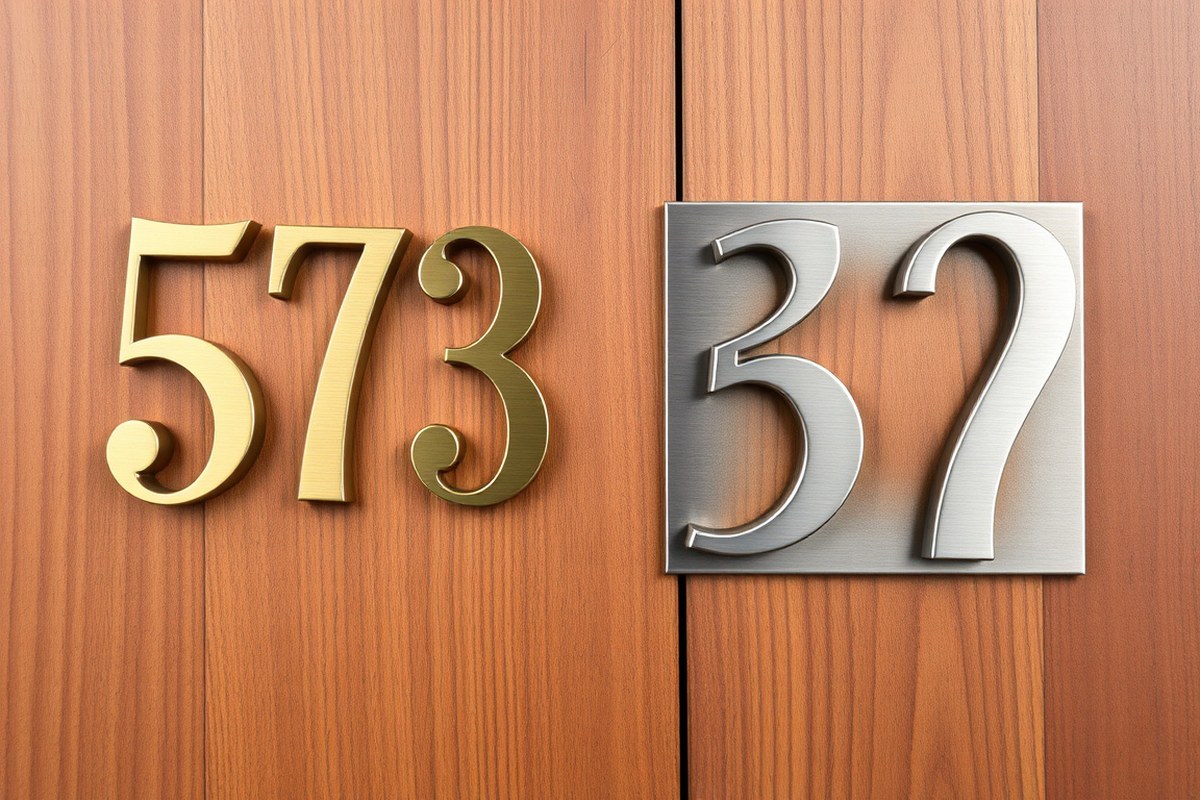
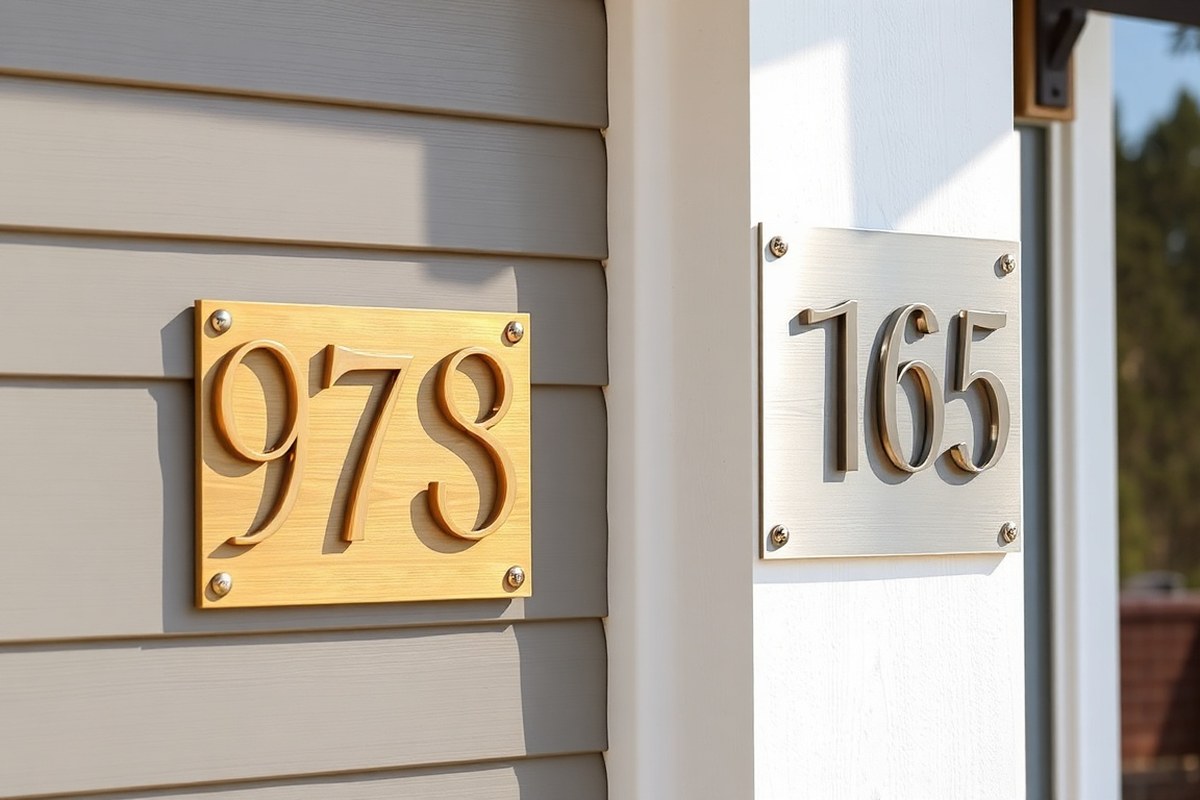
Feature | Brass | Stainless Steel Composition | An alloy primarily of copper and zinc | An alloy mainly of iron, chromium (typically 10-20%), and nickel Appearance | Warm golden-yellow tone; can develop a brownish patina or tarnish | Silvery, cool-toned finish; maintains brightness and resists tarnishing Weathering | Oxidizes and darkens over time unless lacquered | Highly resistant to rust, corrosion, and staining, especially marine-grade 316 Typical home styles | Traditional, colonial, heritage settings | Modern, contemporary, industrial styles Weight | Heavier than stainless steel | Medium to heavy, generally lighter than brass Maintenance | Requires periodic polishing or clear coating to prevent oxidation | Low maintenance, occasional cleaning suffices Brass and stainless steel house numbers differ fundamentally in their material composition and appearance. Brass is made from copper and zinc, offering a warm golden-yellow color that suits traditional and colonial-style homes. Over time, brass oxidizes and darkens to a brownish shade, which some homeowners appreciate for the aged, classic look. To maintain its original shine, brass numbers need regular polishing or a lacquer coating that slows tarnishing. Without this, weather exposure, especially in humid or salty air, can accelerate oxidation within 15 to 20 years of outdoor use.
In contrast, stainless steel primarily contains iron mixed with chromium and sometimes nickel, giving it a cool, silvery finish that stays bright with minimal upkeep. Marine-grade 316 stainless steel numbers resist rust and corrosion even near coastal environments, maintaining their polished or brushed look for 20 to 30 years or more. This metal pairs well with modern, contemporary, or industrial home designs due to its sleek, minimal aesthetic. It also offers versatility in size and style while requiring only occasional cleaning to remove fingerprints or dust.
Visually, the choice between brass and stainless steel often comes down to the long-term change in appearance. Brass naturally develops a patina that darkens its color, reflecting the character of aging metal. Some homeowners like to polish brass numbers weekly or monthly to keep them shiny, which involves using a metal polish and a soft cloth. Stainless steel’s surface is more stable and durable; minor weathering does not significantly affect its look unless neglected for years or exposed to harsh chemicals. Proper cleaning of stainless steel uses gentle soap and water or a 20 percent citric acid solution applied softly along the grain to restore a brushed finish if needed.
When deciding which metal fits your home, consider your architectural style and willingness to maintain the finish. Brass improve traditional and historic homes where a touch of warmth and heritage suits the façade. Stainless steel is ideal for modern or transitional houses demanding clean lines and longevity in outdoor conditions. If you prefer a metal that requires less fuss but looks fresh longer, stainless steel is a practical choice. Brass appeals if you desire a classic look with natural aging effects and enjoy maintaining its luster.
Durability and Weather Resistance Comparison
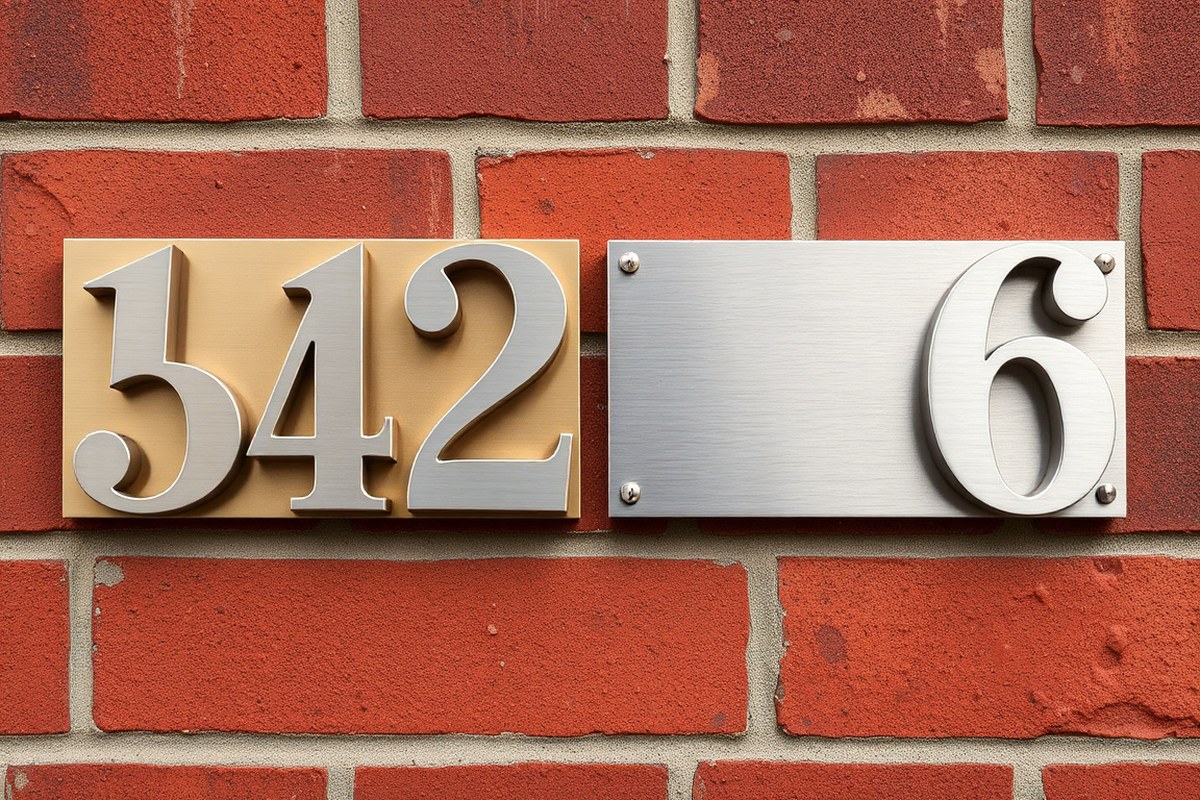
Both brass and stainless steel house numbers can last decades outdoors, but they differ in how they handle corrosion and climate exposure. Stainless steel, especially marine grade 316, offers superior resistance to rust and corrosion, making it ideal for harsh, humid, or coastal environments. Brass can tarnish and corrode faster without protective coatings, but it remains attractive with proper maintenance or allowed to develop a natural patina.
Corrosion Resistance in Different Environments
Stainless steel ranks highly for corrosion resistance, particularly grades like 316 with added molybdenum that fend off salt damage in coastal or high-chloride areas. It doesn’t require additional coatings and shows no red rust after 500 hours in salt spray tests. Brass, on the other hand, needs lacquer or clear coatings to maintain its finish and prevent corrosion, especially near salt air or in humid climates. Over time, lacquer on brass requires renewal every 5 to 10 years, or else tarnishing and oxidation occur more rapidly. This means stainless steel remains more durable and low-maintenance in challenging environments.
Brass offers a more traditional look but has fair inherent resistance to salt air and humidity compared to stainless steel’s excellent performance. Both metals resist UV damage well if brass is lacquered, but the extra protective layers on brass can be a downside if you want a maintenance-free option.
Expected Longevity and Wear over Time
Metal house numbers often last 50 years or more when properly selected and cared for, with stainless steel numbers sustaining their finish for 20 to 30 years or longer without needing recoating. Brass numbers, while appealing, depend heavily on the condition of their lacquers and how often they are refreshed to avoid corrosion and tarnish. Without protective coatings or regular upkeep, brass can pit and lose its smooth surface, shortening its lifespan outdoors.
Stainless steel also stands up better to physical wear, like scratching and fingerprints, especially with brushed finishes, compared to brass’s softer surface. Brass’s heavier weight can be a factor in very large numbers affecting installation, but this does not impact longevity. Well-maintained brass numbers cast a warm, elegant aesthetic, but expect slightly more attention over the years to preserve their look.
Climate-Specific Considerations
Coastal homes benefit the most from stainless steel house numbers made of grade 316 stainless or better, which resist salt spray and humidity without rusting. Using brass in these locations requires regular lacquer renewals and acceptance that natural patina and corrosion are likely without maintenance. For homes in arid or dry climates, both metals perform well, but brass may develop its patina more slowly, allowing more flexibility in finish style over time.
In humid tropical climates, stainless steel remains preferable because it resists moisture-related corrosion more reliably. Brass can suffer accelerated tarnish here, especially if untreated. Regarding extreme temperature swings and UV exposure, stainless steel maintains its surface quality with minimal changes, while brass lacquer coatings might degrade faster, requiring more upkeep.
Choose stainless steel for direct exposure to salt air or high humidity to avoid frequent lacquer maintenance and ensure long-lasting curb appeal.
Maintenance and Cleaning Requirements for Both Metals
Both brass and stainless steel house numbers require regular cleaning to keep their appeal, but their upkeep differs in frequency and method. Stainless steel typically needs cleaning about twice a year, or more often in salty or highly polluted environments. Brass numbers demand more frequent attention, roughly every three months, to manage tarnish and maintain their warm glow.
For stainless steel, use a mild detergent mixed with warm water and a soft cloth or sponge to remove dirt and grime. Avoid abrasive cleaners or steel wool that can scratch the surface or introduce iron contamination, which leads to rust spots or discoloration known as tea staining. Rinse with clean water and dry thoroughly to prevent water spots. In coastal areas, rinse after rainstorms or salt spray exposure to minimize corrosive effects. When discoloration appears, a specialist cleaning solution made for stainless steel can help, but always test it in a small area first.
Brass numbers tarnish naturally as they oxidize, creating a patina that some homeowners like for its character. To clean brass without stripping the patina, gently wash with a mixture of mild soap and water using a soft cloth. For restoration of tarnished brass, a paste made from equal parts lemon juice and baking soda applied gently with a soft cloth works well; rinse and dry thoroughly afterward. Deep cleaning may require commercial brass cleaners, but using them often will speed up the wear on the finish. Applying a clear lacquer or wax sealant after cleaning can protect the surface and reduce tarnishing speed.
A maintenance checklist for brass includes rinsing dirt off monthly, deep cleaning with lemon juice and baking soda or a commercial brass cleaner quarterly, and applying a protective finish twice a year. Stainless steel requires the mild soap wash twice yearly, more often in harsh conditions, and careful drying after cleaning. Both metals benefit from inspection of fasteners to ensure they are stainless steel or brass, avoiding corrosion caused by incompatible metals such as carbon steel or zinc-plated screws.
Restoring severely tarnished or stained numbers may require professional polishing, especially for stainless steel subjected to tea staining or iron contamination. A quick at-home test for iron contamination uses a Ferroxyl solution, which reacts visibly when iron is present; however, addressing such contamination typically involves professional refinishing or replacement.
Maintenance investments include simple household supplies like mild soap, baking soda, lemon juice, soft cloths, and occasional specialized cleaners, typically costing under $20 for initial purchase and largely lasting through the lifespan of the numbers. Consistent care preserves the crisp appearance of stainless steel and the warm, evolving character of brass while preventing costly replacements and preserving curb appeal.
Style, Finish, and Customization Options
Brass house numbers typically feature a warm, golden finish that adds a classic and elegant touch to your home’s exterior. Polished brass shines brightly, while antique brass offers a muted, aged look that works well with traditional or vintage styles. These finishes develop a natural patina over time if left untreated, which some homeowners appreciate for its character. Stainless steel numbers come in a cooler, silver tone with options ranging from a high-gloss mirror finish to a satin or brushed look for a more modern and subtle appearance. For lasting brightness, stainless steel can maintain its shine longer without discoloration or corrosion.
Both brass and stainless steel house numbers are available in a wide range of fonts, from simple sans-serif styles for contemporary homes to more decorative script fonts that suit classic or ornate architecture. The size options typically range from 3 to 8 inches tall, allowing you to choose numbers that remain visible yet proportionate to your house’s facade. Larger numbers, around 6 to 8 inches, work well for homes set back from the street or with long driveways, while smaller sizes suit close-up entryways.
Powder-coating is more commonly applied to aluminum house numbers but can be done on stainless steel to add color and extra protection. Brass is less likely to be powder-coated because the coating can mask its natural appeal and its surface is less receptive to paint adhesion without special preparation. For illumination, both metals can be used with backlit or front-lit LED fixtures. Stainless steel’s reflective surface often complements lighting effects well, improving visibility at night. Brass numbers can be illuminated, but the warm tone may reduce contrast depending on the lighting color and intensity.
Practical tips for selecting finishes and customizations include matching the metal finish to your home’s hardware and exterior palette. For example, choose polished brass to coordinate with gold or brass door handles and light fixtures. Choose brushed stainless steel for homes with chrome or nickel accents. If you want low maintenance and modern style, stainless steel with a satin finish is a solid choice. For unique personalization, many manufacturers offer custom fonts and sizes, which usually add $20 to $50 to the overall cost, depending on complexity and size. Many suppliers also provide templates or online design tools that let you preview fonts and finishes on a photo of your home to help you make decisions.
Consider your home’s architectural style and visibility needs. A large, illuminated stainless steel number might be ideal for a modern suburban home, while smaller antique brass numbers suit a historic or Craftsman-style property. Avoid powder-coating brass unless you want a non-traditional color, and be sure to check if your chosen installer can wire the numbers safely for illumination, which typically costs an additional $100 to $300 depending on electrical work involved.
Installation Differences and Best Practices
Mounting brass and stainless steel house numbers involves similar core steps but requires attention to each metal’s specific traits to avoid damage and ensure longevity. Choosing the right fasteners and placement height improve visibility and prevents corrosion. Knowing the process for each type of metal helps you install numbers that remain attractive and functional for years.
Tools and Fasteners Suitable by Material
Brass is softer and more prone to scratching or denting than stainless steel, so use finishing washers and soft pads when working with brass numbers. Stainless steel, known for its hardness and corrosion resistance, can tolerate tougher installation methods and more strong fasteners. For both metals, choose stainless steel screws or brass screws with corrosion-resistant coatings like zinc or chrome plating to prevent rust and staining over time. Avoid regular steel fasteners, which can rust and compromise both the numbers and the mounting surface.
Drill bits should be appropriate for the mounting surface, masonry bits for brick or concrete, wood bits for siding or wooden surfaces. A level, measuring tape, and pencil or masking tape help ensure accurate placement and alignment. Sealant around the screw heads can add a moisture barrier, especially for outdoor environments exposed to rain or snow.
Installation Steps for Brass Numbers
Begin by holding the brass numbers or number plate against the mounting surface to mark screw hole locations accurately. Drill pilot holes slightly smaller than your chosen screws to avoid splitting wood or cracking masonry. Use soft washers between the screw heads and brass to protect the metal finish. Attach the numbers carefully, tightening screws enough to secure but not so tight that they warp or dent the brass.
When mounting on wood, applying a weather-resistant sealant or paint around the holes helps prevent water damage and wood rot. Brass can tarnish with exposure, so avoiding over-tightening removes the risk of creating stress points that lead to finish flaws. Clean fingerprints or smudges with a soft cloth before finalizing installation.
Installation Steps for Stainless Steel Numbers
Mark the screw holes precisely on the mounting surface as with brass. Because stainless steel is harder, ensure the pilot holes are drilled with appropriate drill bits to prevent the metal from bending during fastening. Use stainless steel screws and consider nylon or rubber washers to minimize vibrations and prevent scratching on the stainless steel face. Tighten screws firmly but do not overtighten, which can warp thin-profile numbers.
For masonry or concrete mounting, use anchors rated for metal fixtures to hold the screws securely. For numbers with illumination wiring, run cables through drilled holes or built-in channels according to the manufacturer’s instructions, making sure not to pinch the wires.
Mounting Height and Placement Guidelines
The standard height for house numbers is between 4 and 6 feet from the ground to the middle of the numbers. This range offers optimal visibility from a driver’s eye level on the street and for pedestrians approaching the door. Placing numbers too low can make them hard to see from the curb, while too high may require awkward angles for visibility.
Mount numbers where they contrast visually with the background, such as dark numbers on light siding or vice versa. Use centered placement above or beside the main entrance or on a mailbox. Local codes may specify mounting height or location, so follow those rules to ensure emergency services can quickly identify your home. Consistent spacing between digits, typically about 1 inch, also aids legibility.
Always test your chosen fasteners and mounting method on a small, hidden area of your surface and house numbers before full installation to prevent damage or corrosion over time.
Cost Considerations and Value over Time
Brass house numbers typically cost more upfront than stainless steel, sometimes by 20% to 50%, depending on size, finish, and customization. This higher price reflects brass’s rich appearance and the effort required to craft it, especially for custom fonts or intricate designs. Stainless steel offers a more budget-friendly entry point, often priced lower due to easier mass production and widespread availability.
The longer lifespan of brass can justify the premium if you value minimal upkeep and a classic look that maintains its character. Brass naturally develops a patina over time, adding to its charm but requiring occasional polishing to retain a shiny finish. Stainless steel withstands corrosion without much change to its appearance, making it ideal for climates with heavy rain or salt exposure. Both materials provide years of service, but brass may offer a more striking long-term appeal, while stainless steel favors durability with less hands-on maintenance.
| Factor | Brass | Stainless Steel |
|---|---|---|
| Upfront Cost | 20-50% higher than stainless steel | Lower, generally more affordable |
| Longevity | 20+ years with occasional polishing | 20+ years with minimal upkeep |
| Maintenance | Periodic polishing to manage patina | Wipe clean to remove dirt; no polishing needed |
| Customization Cost | Higher for specific fonts/sizes | Moderate, easier to produce custom shapes |
| Return on Investment (ROI) | High curb appeal; increases home value | High curb appeal; long-lasting and low maintenance |
Return on investment for house numbers is measured not just by the material cost but by how they improve curb appeal and home value. Both brass and stainless steel signal that the homeowner pays attention to detail, which can positively influence buyers or visitors. High-quality metal numbers represent one of the simplest improvements you can make that offer noticeable visual impact and long-term durability.
You can expect to pay more initially for brass, but the eye-catching finish and lasting appeal may add value exceeding its price difference over time. Stainless steel suits homeowners looking for the best balance of price, weather resistance, and low maintenance. Choosing either option depends on your budget, preferred style, and how much upkeep you’re willing to invest.
Common Mistakes and How to Avoid Them
One common error when installing brass or stainless steel house numbers is using incompatible fasteners. For instance, carbon steel or zinc-plated screws combined with 316 marine-grade stainless steel numbers cause galvanic corrosion at each anchor point. This leads to rust stains and can weaken both the fastener and the number over time. You should use stainless steel fasteners rated for exterior use, ideally the same grade as the numbers, to avoid this problem. These fasteners may cost a few cents more per piece but will extend the life of your installation and keep it looking clean.
Improper cleaning products also harm the finish of your house numbers. Brass requires mild soap and water, avoiding harsh acids or abrasive cleaners that can dull the shine or damage protective coatings. Stainless steel numbers resist staining but respond poorly to cleaners containing bleach or chlorides, which cause white rust or surface pitting. Always check the label of a cleaning product or stick to specialized metal polishes designed for brass or stainless steel. Cleaning gently with a soft cloth two to three times a year typically keeps numbers attractive without extra effort.
Installation errors that reduce the longevity of house numbers often involve poor preparation and mounting techniques. Failing to seal the back of the numbers or the screw holes lets moisture seep behind the metal, accelerating corrosion, especially in humid or coastal climates. Applying a clear exterior-grade sealant on the backside of the numbers and around screw holes prevents water intrusion. Also, countersinking screws flush to the surface or using sleeve anchors can avoid stress points where metal might crack or become loose. These steps usually require basic tools and add less than 30 minutes to the installation process but make a noticeable difference.
Another slip is mounting house numbers too close to sprinklers or areas prone to constant water spray. Even stainless steel numbers, though corrosion-resistant, may show spotting or require more frequent cleaning in persistently wet spots. Position your numbers above typical spray lines and away from areas with frequent splashing. If this is impossible, plan for quarterly cleaning and inspection to catch early signs of wear.
Finally, not considering climate specifics leads to premature failure. Numbers made from 304 stainless steel in a salty coastal zone last around 5 years before needing replacement, unlike 316-grade stainless, which lasts 20 to 30 years with minimal upkeep. Choosing the correct metal grade, along with proper fasteners and installation precautions, delivers results that can exceed two decades.
Choosing Brass or Stainless Steel for Your Climate and Home
Choosing between brass and stainless steel house numbers depends largely on your local climate, the siding on your home, your home’s architectural style, and what balance of look and upkeep you prefer. Both metals offer strong durability but perform differently in certain conditions, so tailoring your choice to these factors will help you get the best results.
Climate Zones and Metal Suitability
In coastal or humid environments, stainless steel is generally the stronger choice due to its resistance to corrosion and rust. Specifically, 316 marine grade stainless steel with a brushed finish is ideal for such areas since it handles salt air and moisture better than brass. Brass can tarnish and require more frequent polishing in these climates. Farther inland, 304-grade stainless steel works well, offering good durability without the premium of marine grade. Brass is a suitable option in inland zones with lower humidity, where it ages gracefully and adds warmth to the home’s exterior.
Direct mounting is acceptable for mid-budget coastal installations using 316 stainless steel, but floating standoff mounting adds modern style and minimizes water exposure. In hotter zones or areas with large temperature swings, stainless steel’s thermal stability helps maintain its shape and finish better than brass, which may expand or discolor.
Compatibility with Siding Materials
The siding type you have influences how well brass or stainless steel numbers will look and last. On light gray or silver cladding, stainless steel numbers can blend in too much, so add a contrasting backer panel or consider a matte black finish to boost visibility. For darker materials like industrial concrete facades, both metals create a strong contrast, but stainless steel in a brushed or satin finish complements the sleek look often preferred for these homes.
Wood and vinyl siding easily pair with brass numbers, as the warm golden tones can add charm and traditional appeal. Meanwhile, stainless steel’s clean, modern feel fits well on metal, composite panels, and glass siding. Consider the mounting method too; floating mounts can prevent staining on wood siding by keeping the metal off the surface.
Matching Metal to Home Architectural Style
Traditional or classic homes lend themselves well to brass numbers thanks to their rich color and ability to patinate over time, which can improve the vintage look. This metal adds a touch of elegance without looking out of place. For modern or minimalist architecture, stainless steel with a brushed or satin finish aligns better with clean lines and contemporary materials, especially when paired with floating standoffs that create depth and shadow.
Brass may also suit craftsman, colonial, or Victorian styles where detailing and warmth are key. Stainless steel works for mid-century modern, industrial, or new-build homes where sleek and subtle aesthetics are prioritized. Your personal style preference matters too: if you prefer low maintenance and sharp looks, stainless steel generally fits better, while brass offers a bit more character but requires upkeep.
Balancing Aesthetics and Practicality
Practicality involves not just durability but maintenance and visibility. Stainless steel is easier to clean and won’t tarnish quickly, saving time and effort, valuable if you want a no-fuss option. Though brass can develop a desirable patina, it demands regular polishing to keep its shine, especially in challenging climates. Both metals are costly upfront compared to plastic or wood, but have higher long-term value running from 7 to 20 years or more depending on conditions and care.
Size and finish also affect the aesthetic and function. A brushed stainless finish reduces glare and marks, while polished brass stands out with a bright golden glow. Contrast with the wall behind increases visibility and curb appeal. The right choice blends your home’s look with straightforward upkeep that fits your schedule.
In coastal areas, avoid inexpensive stainless steel grades; choosing 316 marine grade can prevent premature rust and costly replacements.
Step-by-Step Action Plan for Choosing Your House Numbers
Follow this plan to select and install house numbers that fit your style, climate, and maintenance preferences.
- Day 1: Assess your climate, Determine if you face harsh weather like heavy rain, snow, or salty air. This will guide you toward brass for style or stainless steel for durability.
- Day 2: Pick your style and finish, Browse brass and stainless steel options to see which matches your home design and personal taste.
- Day 3: Estimate your budget, Compare prices of brass and stainless steel numbers, considering installation and future maintenance costs.
- Week 1: Choose installation method, Decide between surface mounting or flush mounting and get the right tools for either metal type.
- Week 2: Order your numbers, Buy from a reputable supplier that offers customization and durable finishes.
- Week 3: Prepare your installation site, Clean the surface and measure precisely to ensure proper fit and alignment.
- Week 4: Install your house numbers, Follow manufacturer instructions, double-check secure attachment, and confirm visibility from the street.
- After 1 month: Maintain regularly, Clean brass with mild soap and polish if needed; wipe stainless steel with a damp cloth to keep it looking good.
Frequently Asked Questions
Are Brass House Numbers Likely to Tarnish Faster Than Stainless Steel?
Yes, brass tends to tarnish over time due to oxidation, while stainless steel resists corrosion better, keeping its finish longer with less maintenance. Polishing can slow brass tarnishing but it’s inevitable outdoors.
Can Brass House Numbers Be Illuminated Like Stainless Steel Ones?
Brass numbers can be illuminated, but stainless steel is preferred for backlit designs because it conducts light cleanly and resists heat well. Choose stainless steel for sharp, long-lasting illumination.
What Grade of Stainless Steel Is Best for Outdoor House Numbers?
Grade 316 stainless steel is the best choice for outdoor use as it offers superior corrosion resistance, especially in coastal or humid climates. It’s more durable than lower grades like 304.
Do Stainless Steel House Numbers Require Sealing or Protective Coatings?
No, stainless steel generally doesn’t need sealing or coatings if it’s a high-grade type like 316. Performing periodic cleaning removes contaminants and maintains appearance without extra treatments.
Are There Size Limitations with Brass or Stainless Steel House Numbers?
Both metals come in a wide size range, from small 3-inch numbers to large 24-inch signs, so your choice depends more on style and home size than metal constraints.
Which Metal Is Better for Homes Near Saltwater Environments?
Stainless steel, particularly 316 grade, is better near saltwater as it resists rust and corrosion much more effectively than brass. Brass can corrode faster with salt exposure.
Before You Go
Selecting brass or stainless steel house numbers comes down to balancing durability, appearance, and upkeep based on your home’s environment. By focusing on your climate and style preferences, you can pick numbers that last and look great for years. Start by identifying your home’s weather and then choose the metal that fits your lifestyle best.