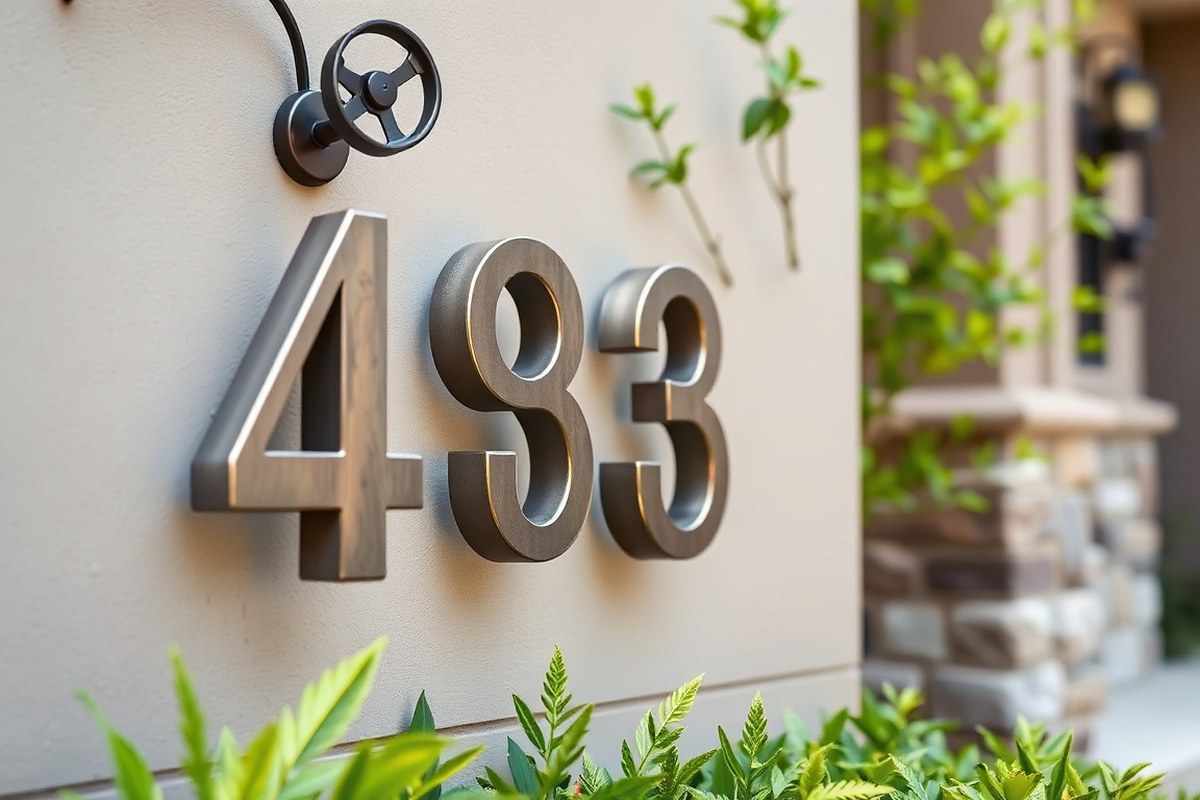
Best Material for House Numbers: Durable Choices That Boost Curb Appeal
The best material for house numbers depends on balancing durability, visibility, and style. Metals like brass, aluminum, and stainless steel offer long-lasting performance and low maintenance, making them top choices for most climates. Starting with metal numbers in a matte or dark bronze finish can maximize curb appeal while minimizing wear from weather.
Key Takeaways
- Choose metal house numbers for 50+ years of durability and minimal upkeep.
- Matte brass and dark bronze finishes align with 2026 design trends and resist fading.
- Select number sizes at least 4 inches tall to meet International Fire Code standards.
- Stone and ceramic are excellent for longevity but may require professional installation.
- Avoid wood and acrylic in wet climates to prevent warping and brittleness.
- Match number style and material with your home’s architectural style for improve aesthetics.
Which Material Offers the Best Durability for House Numbers?
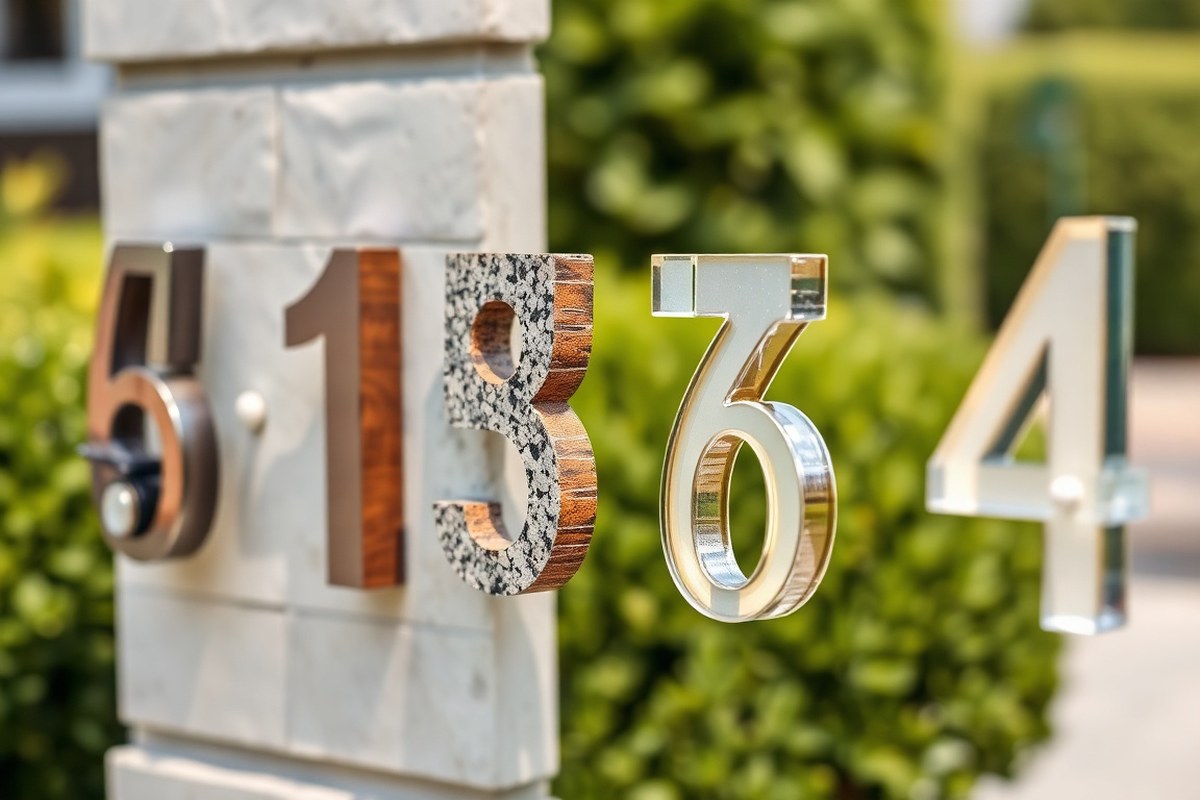
| Material | Outdoor Durability | Common Issues | Typical Lifespan |
|---|---|---|---|
| Metal (Aluminum, Brass, Stainless Steel, Bronze, Copper) | Very High | Possible minor surface corrosion if untreated, fading if paint wears | 50+ years (Delta Metals) |
| Engraved Stone | Very High | Rarely any, no fading, no warping, no peeling | 50+ years |
| Painted Wood | Low | Peeling, warping, cracking, moisture damage | 3-5 years |
| Vinyl and Printed Plastics | Very Low | Peeling, faded print, brittle edges | 1-3 years |
Metal house numbers generally offer the best durability outdoors, lasting more than 50 years according to Delta Metals. Metals like aluminum, stainless steel, brass, bronze, and copper resist environmental effects such as sun exposure, rain, snow, and temperature swings better than wood or plastic options. Powder-coated or anodized finishes further protect metal from corrosion and fading. This makes metal ideal for harsh climates including coastal and high UV regions.
Engraved stone numbers also stand out for exceptional longevity and weather resistance. Stone won’t warp, peel, or fade and works well in all seasons. These numbers require minimal maintenance but tend to cost more upfront and limit design flexibility compared to metal. They fit well on masonry surfaces or concrete paths but may not complement all home styles.
Painted wood numbers have limited outdoor durability because they absorb moisture, leading to warping, peeling paint, and cracking within a few years. Without frequent refinishing, they deteriorate quickly. Vinyl or printed plastic house numbers fade quickly under sun exposure and are prone to edges becoming brittle, usually needing replacement every 1 to 3 years.
Choosing metal, especially with a protective finish like powder-coating, balances longevity with style versatility and relatively low maintenance. In salty or humid environments, stainless steel and bronze perform best for resisting rust. Homeowners should also consider installation methods that allow for ventilation to prevent moisture buildup behind mounted numbers, which can impact durability.
When considering cost, wood and plastics are cheaper initially but often require replacement or upkeep more often, which adds expense over time. Metal and stone materials have higher upfront costs but save money with decades of reliable performance. Checking local building codes is important since some areas require specific materials or visibility standards that affect which durable option will work best for your home.
Comparing Metal Types Used for House Numbers
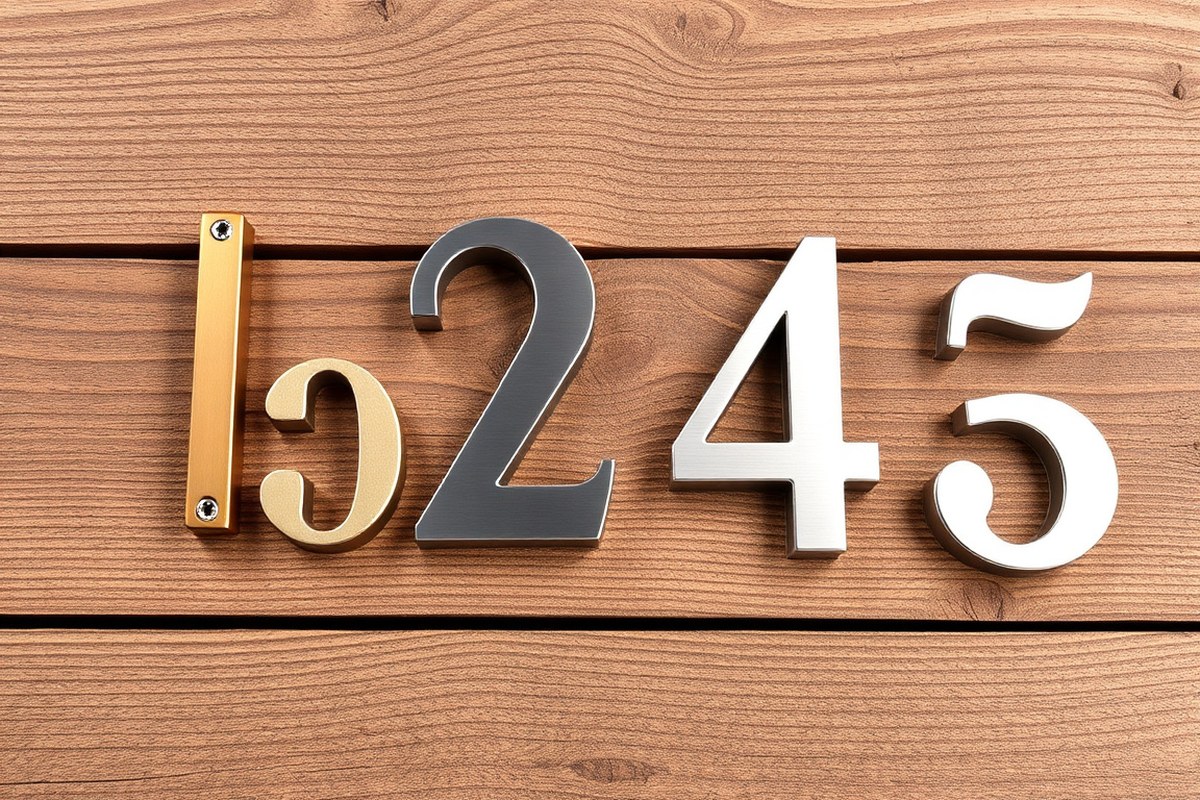
Metal house numbers often provide excellent longevity and aesthetic appeal, especially when you select metal types suited to your climate. Their durability and weather resistance surpass most non-metal alternatives, making them a smart long-term investment. Different metals, aluminum, stainless steel, brass, bronze, and copper, offer unique benefits and costs depending on environment and style preferences.
Brass, Bronze, and Copper Properties
Brass, bronze, and copper house numbers stand out for their warm, rich tones and ability to develop a unique patina over time. While initially bright and polished, these metals age with a living surface character that many homeowners value. They resist warping or cracking under extreme weather conditions but require periodic maintenance to prevent excessive tarnish or oxidation. Typically, brass and bronze are favored for classic, upscale home styles due to their elegant appearance and lasting quality.
These metals tend to be more expensive upfront compared to aluminum and stainless steel. Maintenance involves occasional cleaning and applying a protective coating if you want to preserve their original shine. Costs can vary widely depending on thickness and finish, but brass and bronze usually fall in the mid-to-high price range for house numbers. Their longevity can easily exceed 50 years when cared for properly, making them a good investment if you prefer traditional aesthetics.
Aluminum and Powder-Coated Metals
Aluminum is lightweight, corrosion-resistant, and cost-effective, especially when treated with anodizing or powder-coated finishes. These coatings act like an automotive-grade paint layer, significantly improving durability and fade resistance. Powder coating also expands aluminum’s suitability for harsh coastal or humid climates by preventing surface rust and corrosion. These numbers require minimal maintenance beyond periodic washing with mild soap and water.
Compared to stainless steel, aluminum usually costs less and weighs significantly less, which eases installation. The powder-coating process can add about $10 to $30 per set of numbers depending on the finish quality and complexity. This metal is ideal for homeowners seeking contemporary or sleek appearances without sacrificing longevity. In dry, arid climates, untreated aluminum can last many decades, but powder coating is highly recommended near salt air or frequent rain.
Opt for powder-coated aluminum numbers in coastal areas to prevent rust and maintain a vibrant finish for decades.
Stainless Steel Grades and Coastal Suitability
Stainless steel is often considered the best metal choice for coastal and high-chloride environments due to its self-healing chromium oxide surface layer. Type 304 stainless steel, containing about 18% chromium and 8% nickel, performs reliably in most inland settings. For coastal homes, higher-grade Type 316 stainless steel includes 2-3% molybdenum, improving resistance against saltwater corrosion and rust formation.
Although stainless steel numbers are heavier and usually pricier than aluminum, their maintenance is minimal. They resist dents, scratches, and color fading better than most alternatives. The clean and modern appearance suits contemporary homes well, and the price range generally falls into the mid-to-high category. With proper selection of grade and finish, stainless steel house numbers can last 50 or more years even in harsh seaside conditions.
| Metal Type | Corrosion Resistance | Maintenance Needs | Approximate Cost (per set) |
|---|---|---|---|
| Aluminum (powder-coated) | High (especially powder-coated) | Low; occasional cleaning | $20 – $50 |
| Stainless Steel (Type 304) | High (inland) / Moderate (coastal) | Low; occasional wipe-down | $40 – $80 |
| Stainless Steel (Type 316) | Very High (coastal) | Low; occasional wipe-down | $60 – $100 |
| Brass | Moderate; develops patina | Moderate; polish to maintain shine | $50 – $90 |
| Bronze | Moderate; patinas naturally | Moderate; polish and seal as needed | $60 – $100 |
| Copper | Moderate; patinas to green | Moderate; polish or allow natural patina | $50 – $90 |
Choosing the right metal heavily depends on your home’s environment. For coastal areas, prioritize stainless steel Type 316 or powder-coated aluminum to prevent corrosion. Inland or arid climates allow greater flexibility, where brass or bronze offers distinctive style with tolerable maintenance. Lower humidity and salt exposure mean untreated aluminum or Type 304 stainless steel perform well for decades.
How Stone and Ceramic House Numbers Compare to Other Materials
Stone and ceramic house numbers provide a different set of advantages compared to metal and wood, particularly in terms of aesthetic appeal and unique textures. Stone typically offers high durability but may require attention to prevent cracking in certain climates. Ceramic numbers excel in decorative versatility but can be more fragile and prone to chipping. Both materials demand careful installation and some maintenance to keep them looking their best over time.
Engraved Stone Types and Longevity
Granite and slate are the most common types of stone used for house numbers due to their hardness and resistance to weathering. Granite is extremely durable, resistant to fading, and can withstand temperatures from below freezing up to 120 degrees Fahrenheit without cracking. Slate, while slightly softer, offers a flat, smooth surface ideal for engraving numbers and holds up well in moderate climates. Engraved stone house numbers can last for decades, often 30 years or more, without significant deterioration, especially when sealed properly to prevent water infiltration.
Marble is occasionally used for its elegant look but fares worse than granite and slate in terms of weather resistance, being prone to surface erosion in acidic rain or freeze-thaw cycles. Choosing a dense, non-porous stone like granite reduces the risk of cracking or surface wear. For stone signs, a depth of engraving around 1/8 to 1/4 inch ensures clarity and longevity of the numbers against wear and fading.
Ceramic and Porcelain Numbers: Benefits and Drawbacks
Ceramic and porcelain house numbers offer bright colors and finely detailed designs that metal or stone often cannot replicate. They are fired at high temperatures, making them harder and more resistant to fading when glazed. Porcelain is especially known for its glossy finish and durability against moisture. However, ceramic numbers are more brittle than stone or metal, so they can chip or crack if struck or exposed to rapid temperature changes. In climates with frequent freeze-thaw cycles, they may require additional protection, such as mounting in sheltered areas.
The glazing process in ceramics also allows for customization of colors and patterns, adding to curb appeal for homes that benefit from artistic or traditional styles. Prices for ceramic numbers can range from $30 to $75, depending on size and complexity, making them a mid-range option between wood and metal in many cases. Proper installation with a secure backing and using weather-resistant adhesives or screws helps minimize the risk of damage over time.
Maintenance and Weather Resistance of Stone Signs
Stone house numbers generally require less maintenance than ceramic or wood but more than metals like aluminum. Regular cleaning with mild soap and water removes dirt, moss, or lichens that can obscure the numbers. Applying a sealant every few years improve water resistance and prevents staining, particularly in wet or coastal environments. Stone can fade slightly if exposed to direct sunlight for many years, especially softer stones like sandstone or limestone, but granite and slate are less vulnerable.
Cracking usually results from water freezing inside the stone’s pores in climates with large temperature swings. Selecting denser stones with fewer pores greatly reduces this risk. Avoiding chemical cleaners or high-pressure washing preserves the stone’s surface. Small chips or surface abrasions can sometimes be minimized with gentle sanding, but deep cracks often require professional repair. Stone numbers perform best when mounted on a flat, stable surface with proper support to prevent shifting or impact damage, which are the leading causes of physical wear over time.
Understanding the Limitations of Wood and Acrylic House Numbers
Wood and acrylic house numbers often face challenges that reduce their lifespan and visual appeal outdoors. Wood can warp, crack, or rot when exposed to moisture and extreme temperatures. Acrylic tends to fade, yellow, or become brittle under prolonged sun and weather exposure. These materials typically perform best in short-term or decorative roles rather than as enduring outdoor fixtures.
Common Problems with Wooden House Numbers
Wood is susceptible to moisture damage, which can cause swelling, warping, and eventually rot if untreated. Fluctuations in temperature and humidity cause wood to expand and contract, leading to cracks or splits over time. Without consistent sealing or painting, wood also absorbs sunlight, making it prone to fading and discoloration within a year or two. Insects and fungal growth can accelerate deterioration in untreated wood.
Using hardwoods like cedar or teak can improve durability somewhat because they resist moisture and insects better. However, even these woods need regular maintenance to last outdoors.
Acrylic’s Performance Under Sun and Moisture
Acrylic numbers are popular due to their clean look and ease of cutting and shaping. Yet, extended exposure to UV rays often causes acrylic to yellow, crack, or become brittle in as little as 2 to 3 years. Moisture buildup beneath the acrylic, especially if mounting surfaces trap water, can accelerate damage.
Clear or colored acrylic can lose brightness and clarity over time, especially in direct sunlight or high humidity environments. Protective UV coatings or placing acrylic numbers in shaded or protected spots can slow degradation but not prevent it entirely.
Short-Term and Decorative Use Recommendations
Wood and acrylic are often better suited for temporary or decorative uses such as seasonal displays, indoor numbers, or on covered porches. For example, painted wooden numbers can be refreshed with new coats of paint every 1 to 2 years to maintain their appearance. Acrylic numbers can be swapped out seasonally to avoid prolonged weather damage. Because these materials require ongoing care, they generally cost less upfront but may incur higher maintenance costs and labor over their usable lifespan outdoors.
Maintenance Tips to Extend Lifespan
Choosing wood or acrylic means regular upkeep to boost their durability outdoors. Protect wood by applying multiple coats of exterior-grade paint, varnish, or sealant with UV blockers. Inspect numbers annually for paint peeling, cracks, or fungal growth and address issues promptly. Use stainless steel screws or rust-resistant fasteners to prevent corrosion.
For acrylic, clean with mild soap and water, avoiding harsh chemicals or abrasive scrubbers. Apply a UV-resistant spray designed for plastics every 6 to 12 months to slow fading. Reposition or replace numbers every few years to maintain visual appeal.
- Apply at least two coats of exterior sealant or paint to wood
- Use UV-resistant spray on acrylic numbers biannually
- Check for damage or peeling yearly and repaint or reseal wood as needed
- Mount on well-drained, shaded surfaces when possible
- Use rust-resistant hardware to avoid staining or corrosion
- Replace acrylic numbers every 2 to 3 years for best appearance
Situations to Avoid Using Wood or Acrylic
In climates with high humidity, heavy rain, or extreme temperatures, wood and acrylic degrade significantly faster. Coastal areas with salty air accelerate wood rot and acrylic brittleness. Locations with full sun exposure year-round cause rapid fading and yellowing of acrylic.
Prioritize low maintenance and a long lifespan by selecting metal or other durable materials. Wood and acrylic suit less exposed surfaces or indoor areas where weather damage is minimal.
How Climate Influences the Best House Number Material Choice
Coastal and salty air environments pose a significant challenge to house number materials due to accelerated corrosion. Metals like aluminum and stainless steel resist rust better than iron or untreated steel, but even powder-coated finishes degrade faster near saltwater because ultraviolet light, salt, and fog combine to break down protective coatings. Opt for powder-coated aluminum with a thick, durable finish or real stone numbers if your home is within a few miles of the coast. Stone withstands salt, sun, rain, and freeze cycles without corroding or warping, making it the best low-maintenance choice in these conditions.
Extreme sun exposure and intense ultraviolet radiation can fade colours and weaken coatings on metals and some plastics over time. For hot, sunny climates with minimal rain, materials that resist UV damage such as natural stone or stainless steel with UV-resistant powder coating work well. Avoid painted metals in these zones unless the paint includes a UV stabilizer, as colors typically fade within 1-3 years. In regions with frequent rain, snow, or freeze-thaw cycles, moisture repeatedly expands and contracts certain materials, cracking paints and weakening wood. Stone endures repeated moisture and freezing better than wood or acrylic without cracking or warping.
Humidity encourages corrosion more than dry climates because moisture allows oxidation processes to progress. Metal numbers can corrode rapidly in humid and rainy areas unless properly coated or made from inherently rust-resistant alloys like brass or bronze. Powder coatings perform well under consistent moisture but need regular inspection for chips or wear. Wood is less suitable in humid or wet climates since it absorbs water and develops rot or mold unless heavily treated and maintained. In arid, dry climates where moisture is rare, most metals last longer with minimal corrosion, allowing broader material choices with reduced maintenance concerns.
Maintenance intensity depends on your material choice and environment. In coastal or humid zones, rinse metal house numbers every few months with fresh water to remove salt deposits and prevent buildup. Inspect powder-coated finishes yearly, touching up any scratches. Natural stone numbers require little more than occasional cleaning with mild detergent and rinsing. Avoid harsh chemicals that might etch stone surfaces. In extreme freeze-thaw climates, securely affix numbers with appropriate fasteners designed for temperature fluctuations, ensuring expansion does not cause loosening.
Use this decision guide: for coastal or salty fog areas, choose stone or marine-grade aluminum with UV-stable powder coating and maintain with periodic rinsing. For hot, dry desert environments, stainless steel or stone with UV-resistant finishes provide durability and colorfastness. In cold, snowy regions, stone or powder-coated metals designed to resist freeze damage are best. Humid, rainy areas call for metals resistant to oxidation such as brass or bronze, combined with routine inspection and cleaning. Avoid untreated wood in any damp environment due to rot risk. Investing more upfront in corrosion-resistant materials reduces maintenance costs and prolongs legibility for your house numbers.
Regularly check metal house numbers for chipped paint or corrosion in coastal and humid climates to avoid permanent damage; prompt touch-ups extend lifespan.
Maximizing Visibility and Style with Material and Finish Choices
Choosing the right finishes and colors for house numbers affects both visibility and how well they blend with your home’s exterior. For best readability, numbers should be at least 4 to 6 inches tall, depending on the distance from the street. Larger sizes improve visibility for drivers and emergency responders. High contrast between the number color and background is important. For example, white or light-colored numbers on a dark background, or black numbers on a light-colored surface, stand out clearly.
To minimize glare on metal house numbers, opt for matte or satin finishes instead of glossy ones. Shiny surfaces reflect sunlight directly, which can make the numbers harder to read. Powder-coated finishes provide durable, weather-resistant protection with a matte texture that reduces glare effectively. These finishes last for years without fading or peeling, although they may slightly increase the cost compared to bare metal numbers.
Popular exterior finishes combine practicality and style. Brushed nickel and aged bronze offer a modern yet timeless look that pairs well with many home styles. Black powder-coated numbers remain popular for their versatile contrast and low maintenance. Copper and brass that develop a natural patina add character but require more upkeep to maintain a polished appearance.
- Choose number size based on viewing distance: 4 inches minimum for close-up, up to 6 inches for street visibility
- High contrast colors, like black on white or white on dark gray, improve readability significantly
- Matte or satin finishes reduce glare on metal numbers, ensuring clear visibility throughout the day
- Use powder-coat finishes for longer-lasting color and weather resistance
- Select colors and materials that complement the home’s exterior palette for a cohesive look
- Consider texture, brushed or hammered metal finishes hide fingerprints and weathering signs
Painted numbers offer flexible color options. Using exterior spray paint designed for metal, you can repaint numbers to refresh color or match a seasonal scheme. Attach them securely with staples for durability. This approach also allows introducing a burst of unexpected color, such as bright red or navy blue, which can highlight your home’s personality while remaining functional.
Overall, balancing size, color contrast, and finish type helps you maximize both visibility and aesthetic appeal. Proper selection allows your house numbers to serve their essential purpose while improving your home’s curb appeal for years to come.
Installation and Maintenance Best Practices for House Numbers
Mounting house numbers correctly ensures they stay secure and visible for years. Different surfaces call for specific tools and fasteners to prevent loosening or damage. Regular maintenance keeps numbers clean and readable without requiring frequent repainting or sealing. Replacing house numbers typically becomes necessary if they show signs of fading, corrosion, or physical damage that impairs visibility.
Begin by choosing the right mounting method based on your surface type, wood, brick, stucco, metal, or plexiglass. Use screws with anchors for masonry or hollow walls, and appropriate wood screws for wooden siding. Adhesive-backed numbers can offer easy installation on smooth surfaces like plexiglass but may not hold well on rough or uneven materials. Concealed hardware creates a cleaner look and protects mounting points from weather exposure. Here is a step-by-step installation checklist to follow:
- Measure and mark: Use a level and tape measure to choose the ideal height (around 5 feet above ground) and spacing so numbers are straight and evenly spaced.
- Pre-drill holes: For surface-mounted numbers, drill pilot holes matching the screw size to avoid wood or brick splitting.
- Insert anchors: For drywall or masonry, insert plastic or metal anchors into holes before screwing in numbers to ensure firm attachment.
- Mount numbers: Screw numbers securely in place, using concealed hardware if provided.
- Check alignment: Confirm numbers are level and flush with the surface to avoid water pooling behind them.
- Seal edges: Apply a thin bead of clear exterior caulk around numbers on porous surfaces to block moisture penetration.
For routine upkeep, clean house numbers 2 to 4 times per year with mild soap and water plus a soft cloth or sponge. Avoid abrasive cleaners or brushes that can scratch finishes. Inspect for signs of rust, cracking, or fading; touch up scratches with matching paint if applicable. Replace numbers when corrosion is severe, paint peels off, or visibility diminishes due to dirt buildup you cannot remove.
| Maintenance Schedule | Action |
|---|---|
| Spring | Clean numbers with soap and water, check fasteners, touch up paint if needed |
| Summer | Inspect for sun damage or fading, clean dirt or pollen buildup |
| Fall | Remove leaves or debris around numbers, verify anchors and replace loose screws |
| Winter | Check for signs of ice damage; avoid harsh scraping near numbers |
Common installation errors include skipping pilot holes, using oversized screws for anchors, or placing numbers too close to ground level where they get obscured. Taking time to align numbers properly and sealing edges helps protect your investment. Maintenance costs are minimal, usually under $20 annually for cleaning supplies and occasional touch-up materials. Well-maintained numbers will remain clear and sturdy for up to 10 years or more depending on material and climate.
Environmental Impact and Sustainability of Common House Number Materials
Choosing eco-friendly house numbers involves considering the environmental impact of the materials and how they’re made. Metals, especially aluminum, offer a sustainable option when sourced as recycled. Producing recycled aluminum can cut carbon emissions by 92% to 95% compared to making it from raw ore. This drastic reduction occurs because recycling aluminum uses less energy and avoids mining, which has major environmental costs like habitat destruction and greenhouse gas emissions.
Besides metals, look for suppliers who prioritize green manufacturing methods. This includes using renewable energy like solar or wind in their production processes and minimizing toxic chemicals. Some manufacturers also implement closed-loop systems to reuse water and reduce waste, lowering the overall carbon footprint of their house numbers. Choosing these suppliers often involves paying a slightly higher price, but the environmental benefits justify the investment for those focused on sustainability.
Comparing sustainability factors across materials helps you decide. Metals generally have a higher upfront environmental cost, but recycled options improve that significantly. Natural stone and ceramic may have lower emissions in production, but transporting heavy materials can add to their carbon footprint. Wood can be sustainable if it’s reclaimed or certified by the Forest Stewardship Council (FSC), but untreated wood may not last as long, which means replacing it more often. Acrylic and plastics have high environmental costs due to petrochemical origins and limited recyclability.
| Material | Recyclability | Carbon Emissions (production) | Durability | Eco Tips |
|---|---|---|---|---|
| Recycled Aluminum | High | 92-95% less than primary aluminum | High | Choose certified recycled metal |
| Natural Stone | High | Moderate (transport adds impact) | High | Buy local to reduce transport emissions |
| Wood (FSC-Certified) | Moderate | Low to moderate | Moderate (needs maintenance) | Use reclaimed or certified wood |
| Acrylic/Plastic | Low | High | Low to moderate | Avoid or recycle responsibly |
Lowering your house numbers’ carbon footprint starts with choosing recycled or reclaimed materials. For metal, verify if the supplier provides certificates or labeling that confirm recycled content. Ask questions about energy sources used in manufacturing and the company’s waste management practices. Prefer local manufacturers when possible to cut transportation emissions. Also, look for products designed to last a long time, since replacing house numbers frequently increases environmental costs.
Environmental benefits come with some tradeoffs. Sustainable materials might cost more upfront and have limited styles or finishes. Some options like natural stone are heavier, requiring sturdier mounting. Wood needs proper sealing to prevent weather damage, which could require eco-friendly maintenance products to keep the overall impact low. Knowing these factors helps balance eco goals with your budget and design preferences.
Check for third-party certifications on recycled content and ask suppliers about their manufacturing energy sources to ensure truly eco-conscious house numbers.
Step-by-Step Action Plan for Choosing and Installing Durable House Numbers
Follow these steps to select the best house number material that suits your home’s style, climate, and maintenance preferences.
- Before You Start: Assess your climate and exposure to weather. Note if your area has harsh winters, intense sun, or high humidity to narrow down material options.
- Day 1: List your aesthetic preferences and budget. Decide if you want classic metal, natural stone, or a modern finish like acrylic based on style and cost.
- Day 2: Research materials known for durability in your climate. Metals like aluminum and stainless steel resist corrosion, while stone performs well in extreme weather.
- Day 3: Visit local suppliers or check online for available house number designs and finishes. Verify the maintenance requirements for each material.
- Week 1: Purchase your chosen house numbers and installation hardware suitable for your wall type (wood, brick, stucco).
- Week 2: Install the house numbers, following manufacturer instructions for best adhesion and durability. Test visibility from the street during different lighting conditions.
- After 1 Month: Inspect the numbers for weather effects or looseness. Clean the surfaces as recommended to maintain appearance and function.
- Ongoing: Schedule semi-annual maintenance checks, adjusting or refinishing as needed based on wear, especially if you live in extreme climates.
Frequently Asked Questions
What Is the Most Eco-Friendly Option for House Numbers?
Choosing recycled metal house numbers made to order reduces environmental impact by minimizing waste and energy use during production. This supports sustainable sourcing while maintaining durability and style for your home’s exterior.
Can I Mix Materials for My House Numbers and Backing?
Yes, pairing metal house numbers with a contrasting background can improve visibility and improve curb appeal. Consider materials that complement each other in both durability and style for a balanced look.
Do Dark Bronze and Matte Brass Finishes Require Special Care?
These finishes might need occasional cleaning to retain their appearance but generally resist weathering well. Use gentle cleaning methods to preserve their warm, earthy tones favored in modern design trends.
How Does Local Building Code Affect House Number Material Choice?
Local codes may specify size, reflectivity, or material for emergency visibility and compliance. Check requirements before buying to ensure your numbers meet legal standards and avoid costly replacements.
Are Rigid Foam House Numbers Durable Enough for Long-Term Outdoor Use?
House numbers made from 1-inch rigid foam insulation are lightweight and easy to customize but less durable than metal options. Suitable for temporary use or sheltered locations, they are not recommended for harsh climates.
What Are the Cost Implications of Different House Number Materials?
Metal numbers generally have higher upfront costs but last over 50 years, providing better long-term value. Wood and acrylic options may be cheaper initially but often require more frequent replacement and maintenance.
Final Thoughts
Choosing the right material for your house numbers means considering durability, style, climate, and care together. Start by matching your local weather conditions with materials known for longevity and low upkeep. Next, prioritize clear visibility and simple installation to ensure your house numbers are both attractive and functional for years to come.