
What Is an A-Frame Sign? Complete Guide to Sizes, Uses, and Benefits
What is an A-frame sign? It’s a portable, freestanding sign made of two panels hinged at the top, forming an “A” shape when opened. These signs stand firmly on the ground and display your message on both sides, making them visible from different directions. Their reusable frame and changeable graphics offer flexible advertising right outside your business. Start with the right size and material to ensure your message stands out and lasts in your specific environment.
Key Takeaways
- A-frame signs have two hinged panels that form an “A” shape to stand independently on flat surfaces.
- You can display different designs on each side for multiple marketing messages or promotions.
- The most common standard sizes range from compact 16″ x 24″ to large 27″ x 47″ to fit diverse spaces.
- Choosing durable materials depends on indoor versus outdoor use to withstand weather or foot traffic.
- Adding 5 pounds of sand or water per side stabilizes the sign without sacrificing portability.
- Basic A-frame signs start around $42, with custom designs available for fast shipping within 24 hours.
What Is an A-Frame Sign and Why Is It Called That?

An A-frame sign is a portable, double-sided display typically used for street-level advertising outside small businesses, retail stores, and restaurants. The structure folds open into a shape resembling the letter “A,” which is why it’s called an A-frame. This design holds two sign panels that face opposite directions, allowing passersby to see your message from both sides. These signs are also referred to as sandwich boards, sidewalk signs, A-boards, or pavement signs, all names reflecting the same basic folding frame concept.
The frame consists of two panels connected by a hinge at the top. When opened, it forms a stable, self-supporting unit that stands on its own, easily placed on sidewalks or near store entrances. Because the design folds flat for storage, you can quickly move or store the sign when not in use. Many A-frame signs use interchangeable graphic inserts or panels, making it simple to update your promotions or messages without buying a new sign every time. This flexibility helps keep costs low, with entry-level signs starting around $42.
The sizes vary but the most common A-frame signs feature panels measuring roughly 16 by 24 inches up to 27 by 47 inches. Smaller signs fit tighter storefronts or locations with less foot traffic, while larger signs boost visibility on busier streets. Choosing a size depends on available space and your marketing goals.
These signs effectively attract attention because they sit at eye level for pedestrians. Their portability and relatively low cost make them ideal for small business owners who want to promote daily specials, sales, or events without committing to permanent exterior signage. You can order A-frame signs customized with your design, and many suppliers offer quick shipping within 24 hours to meet urgent needs.
Understanding the structure and naming conventions lets you pick the right device for your business. Not all cities treat A-frame signs the same; permits may be required, sometimes costing around $150 or more annually, such as in Toronto for 2026. Always check local laws before placing your sign to avoid fines or removal. Using the A-frame design means you have a practical and distinctive way to boost your business’s street presence and adapt messaging frequently without large expenses.
How Does an A-Frame Sign Work for Displaying Messages?
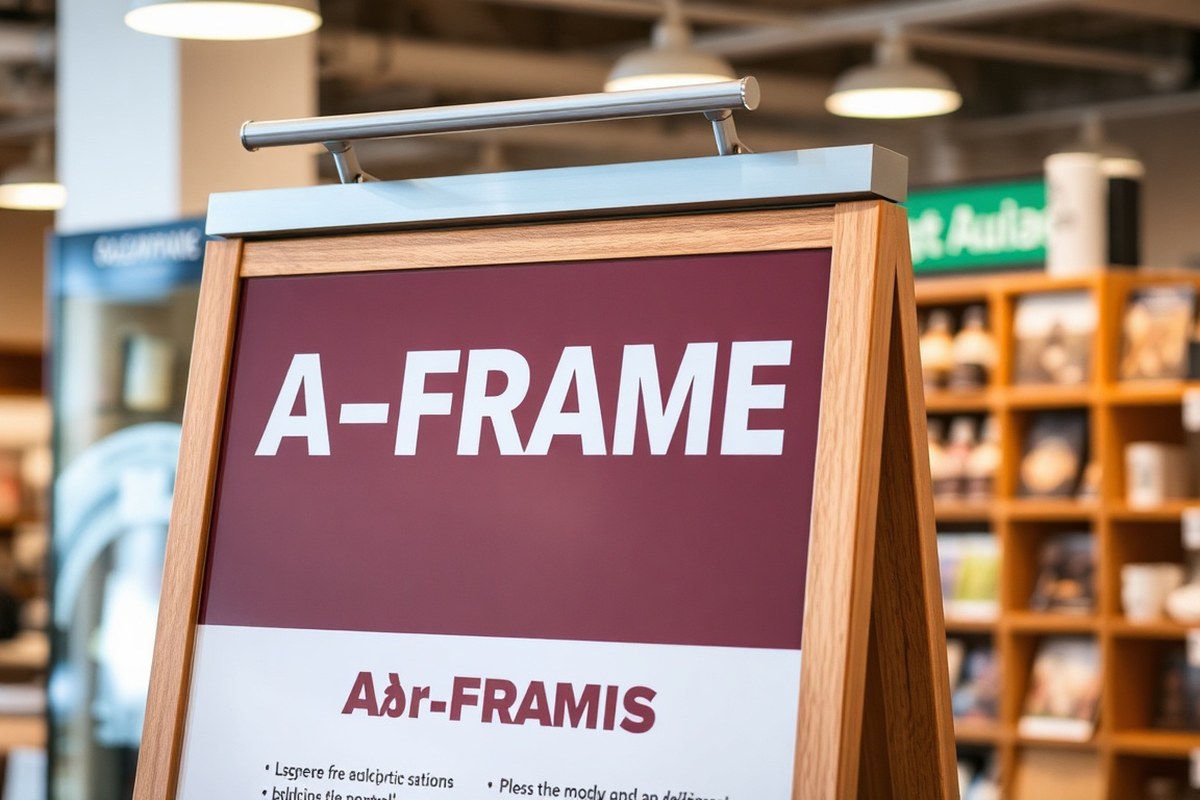
An A-frame sign works by folding open into a stable, two-sided display shaped like the letter A. Its two panels hinge at the top, allowing the sign to stand freely on sidewalks, entrances, or any flat surface without extra support. This design holds the sign upright while showing graphics on both sides, making it visible from multiple angles. Businesses rely on this portability to quickly set up or store the sign as needed, improving visibility with minimal effort.
The graphics are typically printed on replaceable inserts or panels that slide or clip into the frame. Changing messages involves swapping these panels, which keeps costs down and allows flexible promotions. Some signs use chalkboard or dry-erase surfaces for more frequent updates, ideal for daily specials or event details. The materials used for inserts should match outdoor exposure if used outside to maintain sharpness and durability.
Stability comes from the angled panels and the hinge mechanism connecting them. The standard sizes, such as 25 inches wide by 45 inches tall, provide a low center of gravity that helps resist wind. Some A-frame signs include features like weighted bases or anti-slip feet to improve steadiness on crowded sidewalks or in breezy conditions. Despite this sturdiness, the entire sign remains lightweight enough for one person to carry and reposition easily. To set up your A-frame sign and display new messages correctly, follow these steps:
- Unlock or unclip the hinge at the top to open the two panels fully, forming the A-shape so the sign stands on its own.
- Remove the existing graphic inserts by sliding or unclipping them from the frame.
- Insert the new graphic panels or written message boards into the frame slots, ensuring they fit snugly without bending or warping.
- Secure any clamps or fasteners to hold the graphics in place against the frame to prevent shifting in wind.
- Place the sign on a flat surface where it catches pedestrian or vehicle traffic effectively, avoiding obstructing walkways or compliance with local regulations.
- Use weights or sandbags at the base if your location is prone to strong winds or if your sign is on an uneven surface.
- Fold the sign closed at the end of the day or when moving it indoors for storage, protecting graphics from weather and vandalism.
- Carry or roll the sign by its handle or frame edge to reposition it with minimal effort.
Tip: Always check local ordinances about sign placement and permits to avoid fines; a $50 permit fee is often less costly than penalties for unauthorized signs.
What Materials Are A-Frame Signs Made of and How to Choose?
A-frame signs use durable frames paired with weather-resistant panels to suit various indoor and outdoor needs. Frame materials like plastic, aluminum, and steel offer different strengths and weights, while panel options such as corflute and PVC balance visibility and longevity. Matching materials to your environment preserves your sign’s look and function for as long as possible.
Frame Materials: Plastic, Aluminum, Steel
Frames typically come in plastic, aluminum, or steel, each suited to specific conditions and budgets. Plastic frames are lightweight and cost-effective but best suited for indoor or occasional outdoor use. Aluminum frames offer a strong balance of lightness and durability, ideal for longer outdoor placements. Steel frames are the heaviest and most durable, designed for high-traffic outdoor environments needing maximum strength.
Powder-coated metal frames, including aluminum and steel, resist rust and corrosion, helping your sign handle rain, wind, and sun exposure better than uncoated metal or plastic frames. These coatings extend the frame’s lifespan significantly, especially when left outdoors for more than six months.
Panel Materials: Corflute, PVC, Chalkboard, Metal Inserts
Panels or inserts carry your message and come in materials like corflute (corrugated plastic), PVC, chalkboard surfaces, or metal. Corflute panels, typically 4mm or 5mm thick, are popular for outdoor use because they resist water, sun, and wind reasonably well while being lightweight. PVC panels offer a sturdier option but are often heavier and costlier.
Custom inserts with full-color printing on corflute or corrugated plastic deliver sharp graphics but may fade over time under constant sun exposure, so applying a UV-protective coating annually can slow this process. Chalkboard panels are better suited indoors where messages change frequently. Metal inserts add durability but tend to be used more for their crisp appearance than outdoor resilience.
Choosing Materials Based on Usage Environment
Select frame and panel materials according to how long the sign will stay outdoors and the local weather conditions. For signs regularly exposed to sun, wind, and rain over six months, powder-coated aluminum or steel frames combined with 5mm corflute panels are recommended. These materials resist wear and keep your graphics looking sharp longer. For indoor or short-term outdoor signs, lighter plastic frames with simpler panel materials reduce cost and weight.
Besides the material choice, consider maintenance routines such as weekly cleaning to maintain visibility, monthly hardware checks to prevent collapses, and seasonal replacement of faded panels. Outdoor signs might also need weighted or stabilized bases to withstand windy conditions safely.
| Material | Typical Thickness | Durability | Best Use | Cost Consideration |
|---|---|---|---|---|
| Plastic Frame | N/A | Low to Medium | Indoor, light outdoor use | Most economical |
| Aluminum Frame (Powder-coated) | N/A | High | Outdoor, medium to long term | Moderate |
| Steel Frame (Powder-coated) | N/A | Very high | Outdoor, heavy-duty use | Highest |
| Corflute Panel | 4mm to 5mm | Medium to High | Outdoor and indoor, changeable graphics | Affordable |
| PVC Panel | Varies | High | Indoor or limited outdoor | Higher than corflute |
| Chalkboard Panel | N/A | Low | Indoor, frequent message changing | Moderate |
| Metal Panel | Varies | Very high | Indoor or outdoor premium look | Higher |
Use this table to match your sign materials with your budget and expected use conditions. For example, a restaurant placing an A-frame sign outdoors year-round should invest in powder-coated aluminum or steel frames with 5mm corflute panels. A boutique relying on indoor sidewalk promotions can choose plastic frames with PVC or chalkboard panels to save cost and weight.
What Are the Standard Sizes of A-Frame Signs and When to Use Each?
Choosing the right size of an A-frame sign depends on your available space, the complexity of your message, and the typical foot traffic in your area. Common A-frame signs range from 16″ x 24″ to about 27″ x 47″. Smaller sizes fit neatly on crowded sidewalks maintaining necessary clearances like the 36-inch ADA requirement, while larger ones gain more visibility on wider storefronts or open areas. Your choice affects readability, portability, and local regulations like Toronto’s 0.6 meters by 1-meter width and height cap for these signs.
| Size | Dimensions (Width × Height) | Best Uses | Pros | Cons |
|---|---|---|---|---|
| Small | 16″ × 24″ | Crowded sidewalks, narrow entrances | Compact footprint, easy to move | Limited message space, less visible at distance |
| Medium | 22″ × 28″ | Sidewalks, store entrances | Balances visibility and portability | May be tight for complex messages |
| Popular Standard | 24″ × 36″ | Most storefronts, restaurants, breweries | Good visibility, versatile size, fits most sidewalks | Heavier to carry for frequent moves |
| Large | 25″ × 45″ | Wide sidewalks, parking lots, events | High impact, suitable for detailed messages | Requires more space, less portable |
| Extra Large | 27″ × 47″ | Wide storefronts, outdoor event promotion | Maximum visibility | Bulky, may need permits, limited placement options |
Your decision begins by measuring available sidewalk or entryway width. Ensure your sign’s base does not block pedestrian traffic or violate local clearance rules like the 36-inch minimum walking path. Smaller signs suit tight, busy walkways, particularly when you need mobility for daily changes. Larger signs pack more detail and attract attention from further away but require careful placement to avoid blocking access or cluttering the scene.
For example, a 24″ × 36″ sign works well for a small restaurant promoting daily specials right outside entrance doors or on moderately busy sidewalks, balancing message size and space. Larger 25″ × 45″ or 27″ × 47″ signs fit larger retail storefronts or brewery patios where more room and visibility help capture customers’ attention. Avoid oversized signs in narrow, crowded areas where they can restrict movement or violate regulations, which may lead to fines or complaints.
How to Design an Effective A-Frame Sign for Maximum Attention
Designing an effective A-frame sign requires clear, bold visuals and simple messaging. Focus on large fonts, high color contrast, and brief text to catch the attention of passersby quickly. Strategic placement of graphics improve your message without overcrowding the sign.
Font Size Recommendations and Visibility Guidelines
Your main message should use a font size that covers at least 40% of the sign’s panel height to ensure readability from a distance. For a common 24″ x 36″ sign, this means letters should be approximately 10 to 14 inches tall for primary wording. Secondary information like dates or contact details can be smaller but no less than 2 inches high.
Choosing the right font style also matters. Stick to clean, sans-serif fonts like Arial or Helvetica to improve legibility. Avoid script or heavily stylized fonts that can confuse viewers at a glance. Remember, size impacts visibility, so don’t cram too much text into the space.
Color Contrast and Graphic Best Practices
High contrast between text and background colors draws the eye and improves comprehension. Black or dark text on a white or light background is one of the easiest combinations to read. Conversely, white or yellow text works well on dark backgrounds like navy or black.
Use vibrant colors sparingly to highlight important words or graphics but avoid a cluttered or garish appearance. Place graphics either above or below the text, never in the middle unless it directly supports the message. Graphics should be simple, bold icons rather than detailed images, to keep focus on the message.
- Use black text on white or light backgrounds for maximum clarity
- Highlight key words with a contrasting color, like red or orange
- Limit the number of colors to two or three to avoid distractions
- Position logos or icons at top or bottom of the sign panel
- Ensure graphics do not reduce the space needed for readable text
- Test your sign outdoors in daylight to verify visibility
Test your color choices in the actual environment to ensure legibility in different lighting conditions.
Message Length and Layout Tips
People typically glance at A-frame signs for only 3 to 5 seconds, so keep your message short and focused. Use no more than 7 words for your main statement to maintain quick readability. Supporting details like offers or directions should be kept minimal and secondary to the headline.
Organize text in large, centered blocks or aligned left for easy scanning. Break text into two to three lines at most, avoiding long sentences or complex descriptions. Use bullet points or numbers only if they add clarity without overwhelming the reader. Here’s a practical script example for a restaurant A-frame sign:
- Line 1 (Main Offer): “Fresh Seafood Specials”
- Line 2 (Secondary Offer): “All You Can Eat – $19.99”
- Line 3 (Call to Action): “Just Inside – Open 11am, 9pm”
This keeps the message clear, large, and actionable without overcrowding the sign.
What Are Indoor vs Outdoor A-Frame Signs and Key Differences?
Indoor and outdoor A-frame signs differ mainly in construction, materials, durability, weight, and weather resistance. Outdoor signs need to resist rain, wind, sun, and temperature changes, so they are built with sturdier, weatherproof materials. Indoor signs don’t require the same level of toughness and can be lighter and easier to move around, focusing more on style and portability.
Outdoor A-frame signs often use heavy-duty plastic, metal, or treated wood designed to withstand exposure to sun and moisture for months or seasons. They typically have features like rust-resistant hinges and waterproof coatings. Indoor signs can be made from lighter materials, such as thin plastic or lightweight metals, since they are protected from the elements. Portability also applies differently: indoor signs are lighter and easier to handle, while outdoor signs may prioritize stability to avoid tipping over in wind or uneven surfaces.
Situations that matter include if your sign will need to be moved daily or stay in one spot. Frequent moves favor lightweight indoor-grade materials, even outdoors temporarily, but areas with lots of wind and weather require heavier, more durable options. Leaving an outdoor A-frame sign outside overnight is possible with proper weatherproof design, but signs made for indoor use should be stored to prevent damage.
| Feature | Indoor A-frame Signs | Outdoor A-frame Signs |
|---|---|---|
| Materials | Lightweight plastic, thin metal | Heavy-duty plastic, metal, treated wood |
| Durability | Designed for dry, controlled environments | Weatherproof; resists rain, wind, and sun |
| Weight | Lighter, easier to move frequently | Heavier, designed for stability |
| Weather Resistance | No protection from moisture or UV | Waterproof coatings; rust-resistant hardware |
| Portability | Highly portable, ideal for frequent repositioning | Portable but prioritized to resist wind tipping |
| Typical Use Duration Outdoors | Not recommended | Multiple seasons with maintenance |
Choosing the correct A-frame sign depends on the environment and how you use the sign. Opt for indoor models if you need something light and easy to move inside your store or restaurant. Select outdoor models if your sign will be exposed to weather for extended periods and needs to stay stable in gusty conditions.
The decision rule is to match your sign’s construction to the environment and expected use. Avoid outdoor use of non-weatherproof signs, which can warp, fade, or break quickly. Budget options may seem cheaper but check material specs carefully to avoid replacing signs after short outdoor exposure, which can cost more over time than a properly designed outdoor model.
What Are the Costs and Permit Requirements for A-Frame Signs?
The cost of an A-frame sign typically ranges from $50 for a basic plastic model to more than $400 for premium signs with custom printing, weatherproof materials, or metal frames. The price you pay depends on factors like size, material quality, and printing complexity. Expect to pay more for a durable outdoor sign that handles weather compared to a lightweight indoor model.
Before placing an A-frame sign outdoors, you need to check whether your city or county requires a permit. Most municipalities classify these signs as temporary structures. Many require permits, especially if you set the sign on public sidewalks or other public property. These rules vary widely by location, and failure to comply may lead to fines or confiscation of your sign.
Typical permit fees can range from $25 to over $100 and may include restrictions such as size limits, time of day the sign may be displayed, or location constraints. Some cities are very strict, like Portland, which enforces fines strictly for non-compliant sidewalk signs. Other places, such as Toronto, have detailed regulations including exact size, location, and display duration rules. Use this table to compare common costs and permit rules in different municipalities. Replace the city name with your local jurisdiction’s details by searching for “[your city] temporary sign permit” or “[your city] sidewalk sign ordinance.”
| City | Permit Required | Permit Fee | Typical Restrictions |
|---|---|---|---|
| Portland, OR | Yes | $75 | Size limits, placement off travel lanes, permit display |
| Toronto, ON | Yes | $50 | Maximum size, time and location restrictions, design standards |
| Generic US City | Often yes | $25 to $100 | Varies by zoning district, may forbid signs on busy sidewalks |
| Unincorporated County Areas | Sometimes no permit | N/A or low fee | Fewer restrictions but check local codes |
To follow the correct procedure, first search your city’s website or call the local licensing or planning department to understand the exact permitting requirements. Submit an application for a permit, which usually requires details like sign dimensions, materials, and proposed location. Permit approval times vary but can take several days to a few weeks.
Display your permit visibly as required and keep track of renewal dates if permits are time-limited. Avoid placing signs without permits in regulated areas to prevent fines, often ranging from $100 to $250 per incident. Securing proper permits ensures your sign stays up and supports your business without legal interruptions.
How to Maintain, Secure, and Extend the Life of Your A-Frame Sign
Keeping your A-frame sign in good shape involves regular cleaning, securing it against wind, protecting it from weather effects, and updating its graphics efficiently. A practical maintenance routine can extend its life for years and keep your messages clear and attractive. Following specific care tips will save you money and help avoid costly replacements.
Routine Cleaning and Hardware Inspection
Clean your A-frame sign at least once a week to remove dirt, dust, and smudges that reduce visibility. Use a mild soap solution and a soft cloth to avoid scratching the surface or damaging any graphics. After cleaning, dry it thoroughly to prevent corrosion or water damage, especially on metal frames and hinges.
Check the hardware regularly, especially hinges and screws, to ensure the sign opens and closes smoothly. Tighten loose screws and lubricate moving parts with light oil to avoid rust or binding. Inspect the frame for cracks or dents that may weaken its structure, especially after storms or heavy use. Damaged parts should be repaired or replaced promptly to maintain stability and safety.
Stability Options: Sandbags and Weighted Bases
Strong wind can knock over your A-frame sign, risking harm and damage. Adding roughly 5 pounds of sand or water on each side helps keep it steady, while still allowing easy movement. Placing the sign so it’s parallel to where people walk lowers the area hitting the wind, cutting the risk of it toppling. For high-traffic or breezy locations, consider these tips:
- Add sandbags or water weights, about 5 pounds per side, to the base.
- Use a weighted base designed for A-frame signs for extra hold.
- Place the sign parallel to pedestrian or vehicle flow to reduce wind resistance.
- Move the sign inside overnight or during severe weather to prevent theft or damage.
- Choose frames with locking mechanisms to prevent accidental folding or tipping.
Don’t leave your sign out during strong winds or storms, even if weighted, it can still get damaged or become a hazard.
Protecting Graphics from Sun and Weather Damage
Sunlight, rain, and hail can fade or wear out the graphics on your A-frame sign. Applying a laminate layer over printed inserts can shield prints from UV rays, making colors last longer and surfaces easier to clean. This is particularly important in sunny regions or during summer months when sun exposure peaks.
Waterproofing inserts by using weather-resistant materials such as vinyl or digitally printed waterproof paper helps prevent warping or tearing from moisture. Remove signs from harsh weather or store them indoors at night to limit exposure and extend their useful life.
Refreshing Graphics and Inserts Seasonally
Many A-frame signs use changeable inserts or snap frames, which make it simple and affordable to update messages without buying a new sign. Replace posters or writable panels with fresh designs every few months to keep your advertising relevant and eye-catching. Use this checklist to refresh your sign setup effectively:
- Remove old inserts carefully to avoid bending or tearing.
- Print new graphics on durable, weather-resistant materials.
- Laminate inserts if possible for extra sun protection and easy cleaning.
- Check that new inserts fit snugly into the frame and clip securely.
- Store unused inserts flat and dry to prevent damage.
Refreshing graphics regularly helps maintain professional appearance and attracts more customers without the cost of a full sign replacement.
Your First Week with an A-Frame Sign: Quick-Start Plan
Use this straightforward plan to get your A-frame sign up and working for your business quickly.
- Day 1: Choose a location with high foot traffic that matches your target customers. You’ll know it’s effective if you spot increased glances toward your sign.
- Day 2: Design a bold, clear message using contrasting colors and minimal text. Test legibility by asking someone to read it from 10 feet away.
- Day 3: Decide between indoor or outdoor materials based on your chosen location to ensure durability and visibility.
- Day 4: Check local permit requirements for sidewalk advertising to avoid fines or removal of your sign.
- Day 5: Set up your sign securely to withstand weather and passersby without tipping over, verifying stability by a light push test.
- Day 6: Observe customer reactions and foot traffic changes to assess if the sign attracts attention.
- Day 7: Clean and inspect your sign; replace or update graphics if they have faded or are damaged to keep it looking fresh.
Frequently Asked Questions
What Makes an A-Frame Sign Portable Compared to Other Signs?
An A-frame sign folds easily due to its hinged panels, making it simple to move and store. This portability allows you to change its location quickly based on foot traffic or weather conditions.
Can You Use Chalk or Markers on A-Frame Signs?
Some A-frame signs have chalkboard surfaces that work with chalk or liquid chalk markers, allowing easy message updates. Ensure you confirm the surface type before buying to match your intended use.
Are A-Frame Signs Effective for Restaurants to Display Daily Specials?
Yes, A-frame signs are ideal for restaurants to showcase daily specials, attracting passing customers with visible, changeable messages. Their mobility lets you place them strategically near entrances or busy sidewalks.
How Soon Can I Get a Custom A-Frame Sign After Ordering?
Custom A-frame signs can often be shipped within 24 hours of ordering, allowing quick turnaround for urgent marketing needs. Check with your vendor for exact production and shipping times.
Do A-Frame Signs Require Special Storage During Winter Months?
It’s best to store A-frame signs indoors during harsh winter weather to extend their lifespan. Moisture and freezing temperatures can damage materials or cause fading if left outside.
What Should Be Avoided When Placing an A-Frame Sign Outside a Business?
Avoid placing A-frame signs where they block sidewalks or entrances, as this can violate local regulations and reduce effectiveness. Position them for visibility while keeping paths clear for pedestrians.
Before You Go
An A-frame sign is a versatile tool that can boost your business visibility with the right location, design, and care. Your next step is to pick a spot and put your new sign in place today, then watch for how it draws customers inside.