How Much Does an A-Frame Sign Cost? A Complete Guide to Prices & Options
How much does an A-frame sign cost depends primarily on frame material, printing on one or both sides, and the graphic insert used. Entry-level signs start around $13 in bulk, while premium SEG fabric frames can reach $158 each. Planning for replacement inserts lowers long-term costs by letting you update graphics without buying a new frame.
Key Takeaways
- Aluminum frames typically increase upfront costs but offer better durability for outdoor use.
- Double-sided printing usually costs more but doubles your advertising space and visibility.
- Signflute inserts provide an affordable option with bulk prices near $13 each.
- Higher-quality materials like 10 oz vinyl or poly improve appearance and longevity but add to price.
- Investing in professional prints and strong frames yields consistent street-level marketing results.
- Bulk ordering reduces per-unit costs significantly, ideal for multiple locations or events.
How Much Does an A-Frame Sign Typically Cost?
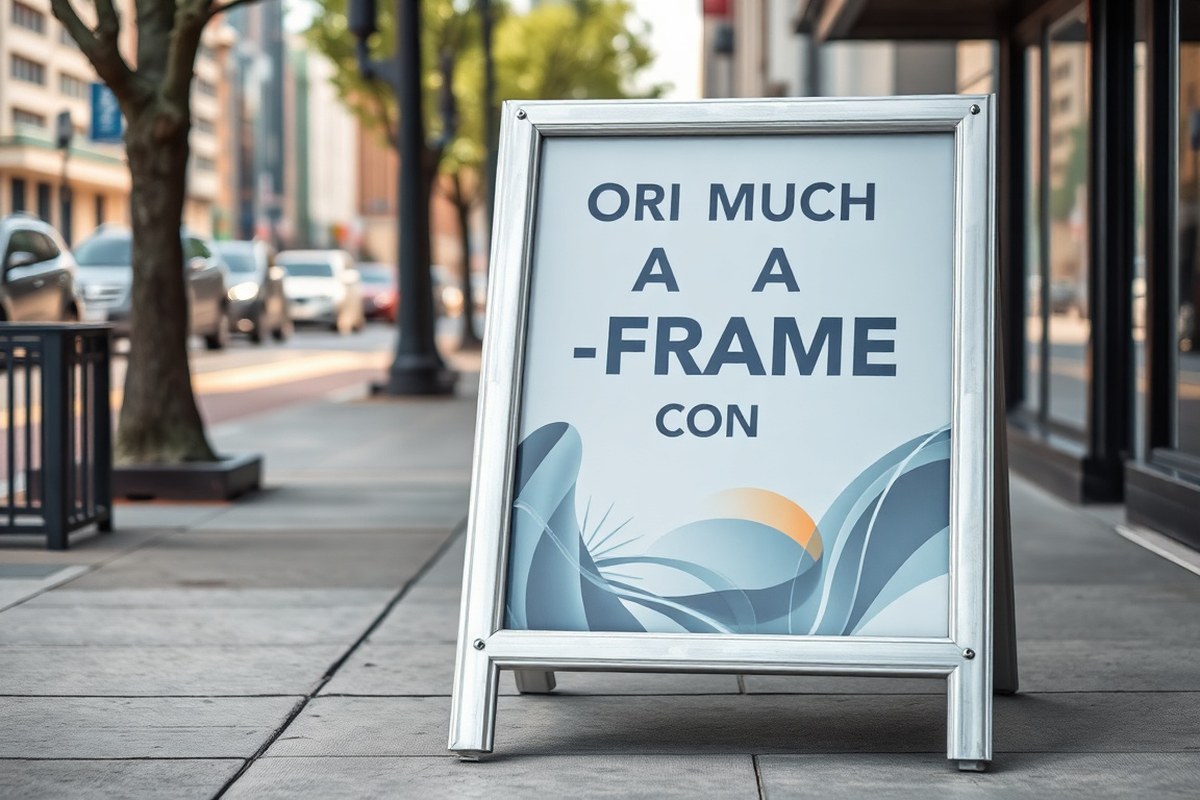
A-frame signs typically start at around $90 each for basic models made with economical materials like Signflute™ inserts. These are popular for businesses on a budget needing flexible, easy-to-update signage. Premium models constructed from metals like stainless steel or acrylic, with durable printed inserts and professional finishes, can cost $150 to $200 or more each. The price increases with larger sizes, weather-resistant materials, and double-sided printing. For bulk purchases, prices can drop significantly, as low as $88 per sign for simple models and around $158 per sign for more durable SEG expandable frames when ordering large quantities. The following table shows average price ranges for common A-frame signs based on frame material and size, illustrating typical costs you can expect regardless of vendor or customization choices.
| Frame Material | Size (inches) | Average Cost Per Sign | Bulk Price (per sign) |
|---|---|---|---|
| Signflute™ Insertable | 19.6 x 27.5 | $90 – $110 | $88.47 |
| Vinyl (10 oz) | 19.6 x 27.5 | $115 – $130 | N/A |
| Poly (9 mil) | 23.5 x 35.5 | $120 – $140 | N/A |
| Poster Paper | 27.5 x 39.3 | $100 – $125 | N/A |
| Expandable SEG Frame | Varied | $160 – $200 | $158.06 |
| Stainless Steel / Acrylic | Varied | $180 – $250+ | N/A |
A-frame signs with simple materials and smaller sizes meet the needs of most small businesses and retail locations while keeping costs low. Investing in premium materials or larger dimensions suits higher-traffic areas or businesses wanting a longer-lasting presence. Buying in bulk lowers the unit price, making it cost-effective for event marketers or franchise owners placing multiple signs.
To get the best prices, specify your preferred frame material, sign size, and quantity upfront. Planning for ongoing costs like replacement inserts allows you to keep messages fresh without replacing the entire sign. Prices vary by vendor and print options, so requesting detailed quotes based on your specific needs ensures you stay within budget and get signs that fit your marketing goals.
Which Frame Materials Affect A-Frame Sign Pricing?
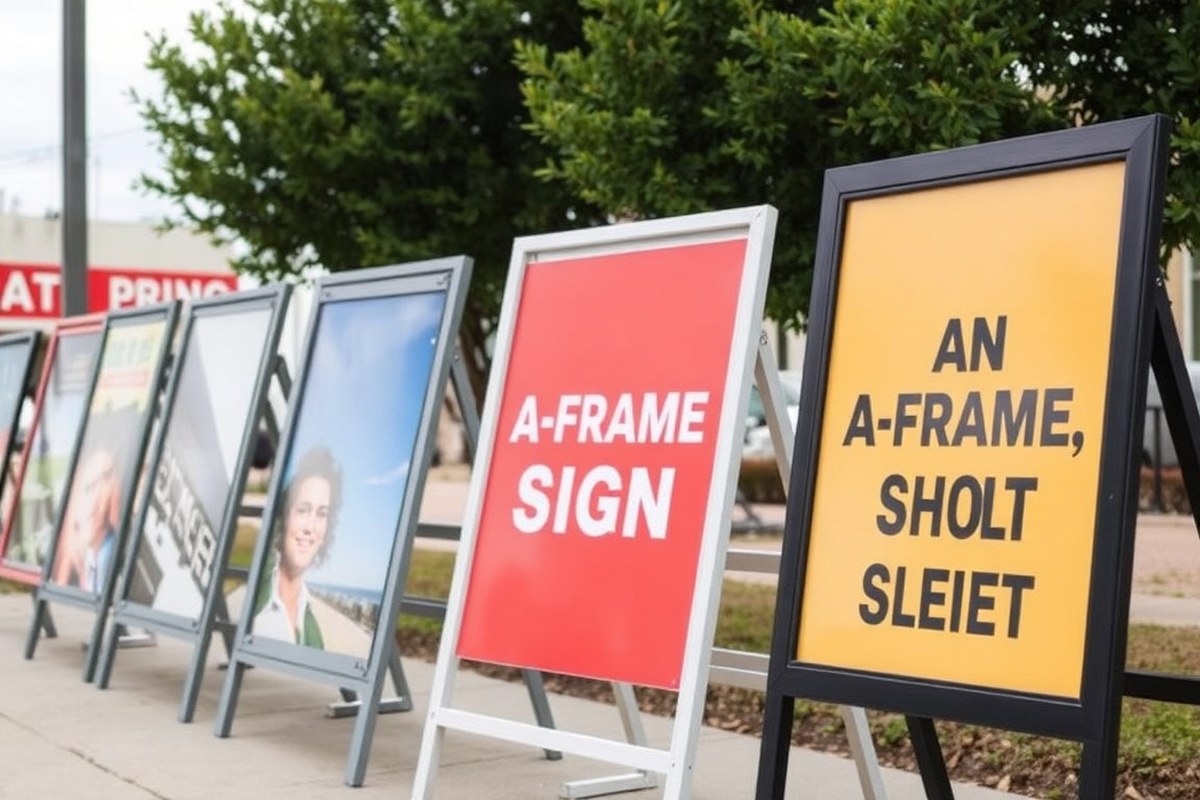
A-frame signs come with frames made from steel, aluminum, or plastic. Steel and aluminum frames usually cost more but are built to handle outdoor conditions like wind and daily use better than plastic. Plastic frames are lighter and less expensive, making them a good choice for indoor or occasional outdoor use. Choosing the right frame material depends on where you plan to place your sign and how long it will stay outside. Below is a comparison table that summarizes the different frame materials based on price, weight, durability, and typical applications:
| Material | Price Range | Weight | Durability | Typical Use Cases |
|---|---|---|---|---|
| Steel | Higher | Heavy | Very durable, resists wind and daily handling | Outdoor locations with high foot traffic or windy conditions |
| Aluminum | High to moderate | Light to moderate | Durable, rust-resistant, good for outdoor use | Outdoor use near storefronts, restaurants, and events |
| Plastic (Molded Poly) | Lowest | Light | Less durable, best for indoor or light outdoor use | Indoor promotions, short-term outdoor use in calm weather |
Steel frames offer the best toughness but add weight and cost, so they work well where the sign will face rough conditions. Aluminum provides a middle ground with good durability and easier handling due to lighter weight. Plastic frames keep upfront costs low and are easy to move, but they don’t hold up well in strong wind or heavy rain. For outdoor use, aluminum tends to offer the best balance of value and longevity.
Since the frame is what you’ll reuse while changing the inserts, investing in a durable material for your main sign structure can save money over time. Choosing a plastic frame might lower your initial expense but expect to replace or repair it more often if left outdoors. Ask your sign provider to match frame material to the exact location so you get a sign built to last without overpaying.
Tip: Always consider the expected weather and foot traffic when selecting your frame; heavier materials like steel or aluminum reduce the risk of damage and falls in windy conditions.
How Do Single-Sided and Double-Sided A-Frame Signs Differ in Cost and Use?
Double-sided A-frame signs generally cost 25% to 50% more than single-sided versions because they require printing on both faces. The extra cost often pays off by increasing visibility from multiple directions, especially in high-traffic areas. Choosing between single- and double-sided signs depends on your location, budget, and desired reach.
Cost Differences Between Single- and Double-Sided Signs
Single-sided A-frame signs feature a printed graphic on only one side, which reduces printing costs and material use. Typical price for a basic single-sided A-frame sign starts around $100 to $150. Double-sided signs include graphics on both faces, which roughly doubles the printing cost, bringing the price to about $150 to $225 or more depending on size and materials. This additional expense comes mainly from the extra print panel and potentially more durable inserts to handle outdoor exposure on both sides.
Visibility and Use Cases for Single vs. Double Sides
Single-sided signs work well when your foot traffic primarily approaches from one direction, such as an entrance walkway or a store facing a single sidewalk. Double-sided signs improve your message’s reach by catching pedestrians coming and going or from both lanes of a busy street corner. This setup maximizes your advertising exposure with a single unit on a crowded sidewalk. Businesses near intersections or those wanting to capture attention in multiple directions usually benefit most from double-sided signs.
Maintenance and Durability Considerations
Both single- and double-sided A-frame signs require similar maintenance since they are placed on the ground and exposed to weather. Double-sided signs sometimes have slightly higher upkeep due to exposure on both faces, which can lead to quicker fading or damage. Protecting your signs with weather resistant materials and prints can extend lifespan regardless of the format. Rotating graphic inserts or ordering replacements may become necessary more often for double-sided models if traffic is heavy and signs are outdoors year-round.
Choosing the Right Option for Your Location and Budget
To decide between single- and double-sided A-frame signs, start by assessing your foot traffic patterns. If most visitors approach from one direction, a single-sided sign is a budget-friendly choice. For businesses on corners, busy sidewalks, or along two-way pedestrian paths, spending extra on a double-sided sign increases visibility and likely returns more customers. When budget is limited, prioritize essential messaging on a single side and consider upgrading later when demand or sales justify the investment.
Exact Steps to Optimize Cost and Impact
First, map the primary foot traffic direction and count pedestrian flow if possible. Next, estimate your budget including printing costs, which typically add $50 to $75 for double sides. Consult a signage provider to review material and print durability options tailored for your environment. Finally, place your sign strategically to maximize visibility, double-sided signs placed in central, multi-directional spots yield the highest returns. Monitor customer response and be ready to swap out graphics seasonally or for special promotions.
What Insert Materials and Sizes Impact Overall Sign Cost?
Graphic inserts for A-frame signs come in several materials, each affecting price and replacement options. Vinyl, polycarbonate (poly), and paper are common choices. Vinyl offers weather resistance and durability, making it well-suited for outdoor use. Polycarbonate inserts are rigid, sturdy, and reusable but cost more upfront. Paper inserts are the cheapest but less durable and mainly for short-term, indoor use.
Sizes typically range from 18 x 24 inches to 24 x 36 inches, with options outside these dimensions available. Larger inserts naturally raise costs because they require more material and printing time. Standard sizes keep pricing predictable, especially when ordering replacement inserts.
Rigid inserts, such as polycarbonate panels, are ideal if you plan to keep the same graphic for an extended period. They offer a polished look and resist bending or tearing. However, they cost more initially and can be harder to change quickly. Changeable inserts, like vinyl on a frame or paper behind a clear panel, lower lifetime costs if you update messaging regularly. Attaching graphics with clips or sleeves allows fast swaps without tools, saving labor costs over time. Use the table below to compare size and material options with typical price ranges. Prices vary by print quality, vendor, and quantity, but these figures help estimate your investment:
| Insert Material | Common Sizes (inches) | Price Range per Insert | Replacement Ease | Best For |
|---|---|---|---|---|
| Vinyl (Flexible) | 18×24, 24×36 | $10 – $25 | Moderate; requires removal/reapplication | Outdoor use with moderate updates |
| Polycarbonate (Rigid) | 18×24, 24×36 | $40 – $90 | Low; durable but slower to change | Long-term displays, premium look |
| Paper (Laminated) | 18×24, Custom | $2 – $10 | High; easy slide-in/clip options | Short-term, indoor events or promotions |
Select your insert material based on how often you’ll change your sign, where it will be located, and your budget. For example, frequently updated promotions benefit from changeable paper or vinyl inserts attached with sleeves or clips to reduce replacement hassle. Permanent branding looks better on rigid polycarbonate but costs more upfront and is less flexible.
Check if your A-frame’s design supports your chosen graphic attachment method. Some frames tightly sandwich inserts, while others use clear pockets or clip systems. These details affect your long-term costs and ease of swapping graphics. Matching your insert choice to both environmental exposure and update frequency helps balance initial costs with overall value.
What Ongoing Costs Should You Expect with A-Frame Signs?
After purchasing an A-frame sign, you’ll want to plan for ongoing expenses like maintenance, replacement inserts, and shipping. These costs vary based on the materials you choose and how often you update your messaging. Inserts tend to wear out faster outdoors because of weather exposure, which means you might need to replace them more frequently if your sign lives on a busy sidewalk or in areas with harsh sun, rain, or wind.
Typically, inserts last anywhere from 6 months to 2 years, depending on the quality of the material and laminate finish. For example, printed vinyl or laminated paper inserts can cost between $20 and $50 each, while heavy-duty coroplast inserts might be closer to $40 to $75. You may want to keep extra inserts on hand so replacing them doesn’t slow down your marketing.
Frame material impacts maintenance costs as well. Plastic frames are more affordable upfront but can crack or fade in direct sun, leading to replacements every 1 to 3 years. Aluminum frames resist weather better and generally require only occasional cleaning, although they may need minor repairs if bent. Wooden frames look attractive but usually require sealing or repainting annually to avoid weather damage, which adds to your upkeep budget.
- Replacement inserts range from $20 to $75 each depending on material and size
- Shipping costs for inserts typically run $5 to $15 per order, more for express options
- Plastic frame replacement every 1 to 3 years, costing $40 to $100
- Aluminum frame maintenance mostly involves cleaning, minimal replacement costs
- Wood frames need yearly sealing or repainting, costing $30 to $60 for materials
- Regular cleaning costs vary but can be done yourself with mild soap and water
- Storage during off-seasons protects inserts and frames, extending their life
Keep an eye on how your inserts and frames weather over time. Scuffed inserts or faded graphics reduce sign effectiveness and might cost you customers. Set a schedule to inspect your signs every 3 to 6 months and replace inserts or do maintenance as needed.
Budget at least 20% of your initial sign purchase price annually for maintenance and replacement parts to avoid unexpected costs.
For budgeting, estimate how often you change your message. Special promotions or seasonal offers usually require new inserts multiple times a year. In locations with heavy foot traffic or exposure, plan on more frequent replacements. Adding shipping fees means ordering in bulk could save money per insert. Finally, factor in storage space and labor time for changing inserts when calculating total ongoing costs.
How Do Bulk Orders and Print Finishes Affect A-Frame Sign Prices?
Ordering A-frame signs in bulk usually lowers the unit price significantly, and adding lamination or special finishes can increase durability but also costs. You can get discounted rates by asking for quantity breaks, while lamination and coatings protect your signs from weather and fading, which matters if you place them outdoors. Faster shipping is often available for an extra fee, so plan ahead if you need signs quickly.
Bulk Order Pricing Benefits
Buying A-frame signs in larger quantities reduces the cost per unit by spreading fixed production costs across more items. For example, Signflute A-frames can cost as little as $13.30 each in bulk, compared to higher single-unit prices. Specialized models like Full Color Digital Print & Lamination A-frames drop to about $152.25 each when ordered in bulk. This pricing makes bulk buying a smart option for businesses needing multiple signs for several locations or events. Here’s how to get bulk pricing quotes efficiently:
- Determine the exact quantity of signs you need, including backups or variations.
- Select the A-frame type and size that suits your business needs.
- Request quotes from multiple suppliers, specifying bulk quantity to see tiered pricing.
- Ask about included printing options and if discounts improve with higher volumes.
- Compare shipping costs and delivery times as they impact overall price.
- Confirm any setup fees or minimum orders that might affect small bulk runs.
Popular Finishing Options and Their Costs
Lamination protects signs from water, UV rays, abrasions, and general wear. Standard lamination usually adds about 10% to 20% to the base sign cost but can double the sign’s lifespan outdoors. Commercial-grade finishes include matte, gloss, and anti-graffiti coatings.
Choose lamination if your signs face sun exposure or rain. Avoid it for purely indoor signs where durability matters less. Premium finishes like anti-graffiti coatings cost more but reduce cleaning efforts in urban or high-traffic areas.
Expedited Shipping and Associated Fees
Most sign companies offer express or rush shipping options that reduce delivery times from a typical two-week window to as fast as 3 to 5 business days. Expect to pay an extra 15% to 30% on top of your order total for expedited service. Weekend or overnight deliveries cost even more.
Plan your order well before events to save on rush fees. If timing is tight, request a firm production timeline and shipping estimate to avoid surprises. Bulk orders may take longer to produce but can sometimes be shipped in stages if arranged properly.
How to Get an Accurate, Customized Quote for Your A-Frame Sign?
Getting an accurate quote for an A-frame sign requires clear communication and detailed information. You’ll need to tell suppliers exactly what you need and ask questions that cover costs, timelines, and production. Being thorough helps prevent surprises and ensures your quote matches your project’s scope.
Essential Details to Provide
Suppliers base their quotes on your specific requirements, so share as many relevant details as possible. Include the size and dimensions of the sign, whether you want single-sided or double-sided display, and the type of frame material you prefer. Specify the insert material, graphic design needs, and the quantity you plan to order, especially if ordering for multiple locations or events.
Also, if you have any preferences on print finishes, colors, or weather resistance, mention these upfront. Providing your shipping address lets suppliers calculate delivery costs and timing accurately. The more precise you are in your initial description, the more accurate your quote will be.
- Sign size and dimensions
- Single-sided or double-sided display
- Frame material (metal, wood, plastic, etc.)
- Insert or graphic material and design details
- Quantity needed, including for multiple locations
- Preferred print finishes or weatherproofing
- Shipping address and delivery timeline
When you include these points, suppliers can tailor the quote precisely to your project. Avoid vague requests to prevent general pricing that may not apply to your order’s specifics.
Clarifying Price Inclusions
Quotes can vary widely based on what costs are included. Ask whether the price covers design setup, printing, frame materials, and assembly. Clarify if the quote includes shipping fees and any taxes or additional handling charges. Some suppliers might apply extra fees for rush orders, custom sizes, or special finishes, so confirm these details before agreeing.
Production lead times differ among vendors and product types; find out the estimated turnaround from order placement to delivery. Ask how the item is made, whether digitally printed or screen printed, and if proofing is included in the price. Knowing these specifics helps you compare quotes accurately and avoid hidden costs.
Sample Quote Request Template
Use this template for your first contact with A-frame sign suppliers. It covers necessary info and questions to get a thorough quote:
Subject: Request for Quote on Custom A-frame Sign Hello [Supplier Name], I’m interested in ordering a custom A-frame sign for my business located at [Your Address]. Please provide a quote based on the following specifications: Sign size: [e.g., 24″ x 36″] Double-sided display Frame material: [e.g., metal or plastic] Insert graphic material: [e.g., weatherproof vinyl] Quantity: [e.g., 3 signs for different locations] Print finish: [e.g., matte or gloss] Could you also confirm whether this quote includes: Design and setup fees Shipping and handling costs Estimated production and delivery time Options for proofing and file submission guidelines Thank you for your assistance. I look forward to your detailed quote. Best regards, [Your Name] [Your Contact Information]
Direct, detailed requests like this reduce back-and-forth and make it easier to compare offers from different suppliers. Knowing what questions to ask keeps you informed and can save money by avoiding unexpected fees.
Which A-Frame Sign Types Suit Different Business Needs and Locations?
Restaurants and cafes benefit most from A-frame signs that are highly visible and easy to update, such as those with a chalkboard or dry-erase insert. These allow you to change daily specials or promotions with minimal cost and effort. Choose a lightweight, portable frame for easy relocation along sidewalks or at entrances, especially in high foot-traffic urban areas.
Outdoor events and trade shows require more rugged A-frame signs designed to withstand the elements. Frames made of heavy-duty aluminum or weather-resistant plastic provide durability against wind, rain, and sun. For visibility in open spaces, use double-sided signs with high-contrast, UV-resistant printed inserts that maintain vivid colors despite exposure. Stability is key; consider models with weighted bases or options for securing with sandbags to prevent tipping.
Weather exposure is a critical factor in sign selection. Persistent rain or high humidity demands waterproof inserts and rust-resistant frame materials, while intense sun exposure calls for UV-protected surfaces to prevent fading. Winter conditions might require extra sturdiness, especially if signs remain outdoors for long periods. Indoor signs can use lighter and less weather-resistant materials, focusing more on design and portability rather than durability.
- Choose chalkboard or dry-erase inserts for frequent updates, ideal for restaurants and cafes.
- Pick aluminum or weather-resistant plastic frames for outdoor, all-weather durability.
- Select double-sided signs for higher visibility in open, busy outdoor venues.
- Ensure inserts have UV protection if exposed to direct sunlight for prolonged hours.
- Use weighted or secure bases to maintain sign stability in windy locations.
- Opt for lightweight frames indoors to increase portability within retail or event spaces.
- Match sign size to foot traffic volume: larger sizes attract attention but may reduce mobility.
Check the manufacturer’s weather resistance ratings and always secure your outdoor A-frame sign to avoid damage or injury from wind gusts.
Choosing the right combination of frame and insert types directly impacts how well your sign performs based on the location and business needs. A portable, easy-to-update sign increases engagement at cafes or retail storefronts, while a strong, weatherproof model ensures lasting impact at outdoor events or trade shows. Assessing traffic patterns, weather conditions, and how often you’ll update your messaging will guide your selection process effectively.
Your First Week: Getting Your A-Frame Sign Ready
Follow these steps to choose and prepare the right A-frame sign for your business location and budget.
- Day 1: Measure the space where you’ll place the sign to determine the ideal size. Success means you have exact dimensions to share with suppliers.
- Day 2: Decide on single-sided or double-sided based on visibility needs and traffic directions. Check that your choice aligns with your foot or vehicle traffic patterns.
- Day 3: Pick the frame material by balancing durability with cost, aluminum for outdoor longevity or plastic for budget-friendly indoor use. Confirm it suits your environment.
- Day 4: Choose the insert material and finish, such as laminated print for weather resistance or chalkboard for frequent updates. Verify it meets your display frequency.
- Day 5: Request customized quotes from at least three suppliers, including bulk pricing if ordering multiple signs. Ensure you receive clear cost breakdowns.
- Day 6: Review ongoing costs such as replacement inserts or maintenance for your chosen sign type. Confirm you understand the total ownership expense.
- Day 7: Place your order and plan your sign’s placement and messaging. Success means you’re ready to start using your sign effectively.
Frequently Asked Questions
Can I Use My Own Design on an A-Frame Sign?
Yes, you can submit custom designs for your A-frame sign, giving you control over branding and message. Make sure your artwork meets the printer’s size and resolution requirements to ensure clear, professional results.
How Long Does an A-Frame Sign Last Outdoors?
Typically, an A-frame sign lasts 1 to 3 years outdoors, depending on materials and weather. Using durable frame materials and UV-resistant graphics can extend their lifespan significantly.
Are A-Frame Signs Waterproof?
Most A-frame signs with vinyl or poly inserts resist water well, but paper inserts are not waterproof. Choosing weatherproof materials helps maintain visibility during rain or snow.
Can I Change the Graphic on My A-Frame Sign?
Yes, many A-frame signs have replaceable inserts so you can update graphics without buying a new frame. This reduces ongoing costs and keeps your sign content fresh.
Do A-Frame Signs Require Permits in Public Spaces?
Some cities require permits to place A-frame signs on sidewalks or public property. Check local regulations to avoid fines or removal of your sign.
Are A-Frame Signs Heavy to Move Around?
Most A-frame signs weigh between 10 to 30 pounds, making them portable but stable. Lightweight frames offer easier mobility but may be less durable in windy conditions.
The Bottom Line
Knowing the variables that affect A-frame sign costs lets you make informed choices that fit your budget and business needs. Start by measuring your space and deciding the right material and type to avoid surprises. Reach out to local or online suppliers today with your specifications to get the tailored quote you need to move forward confidently.