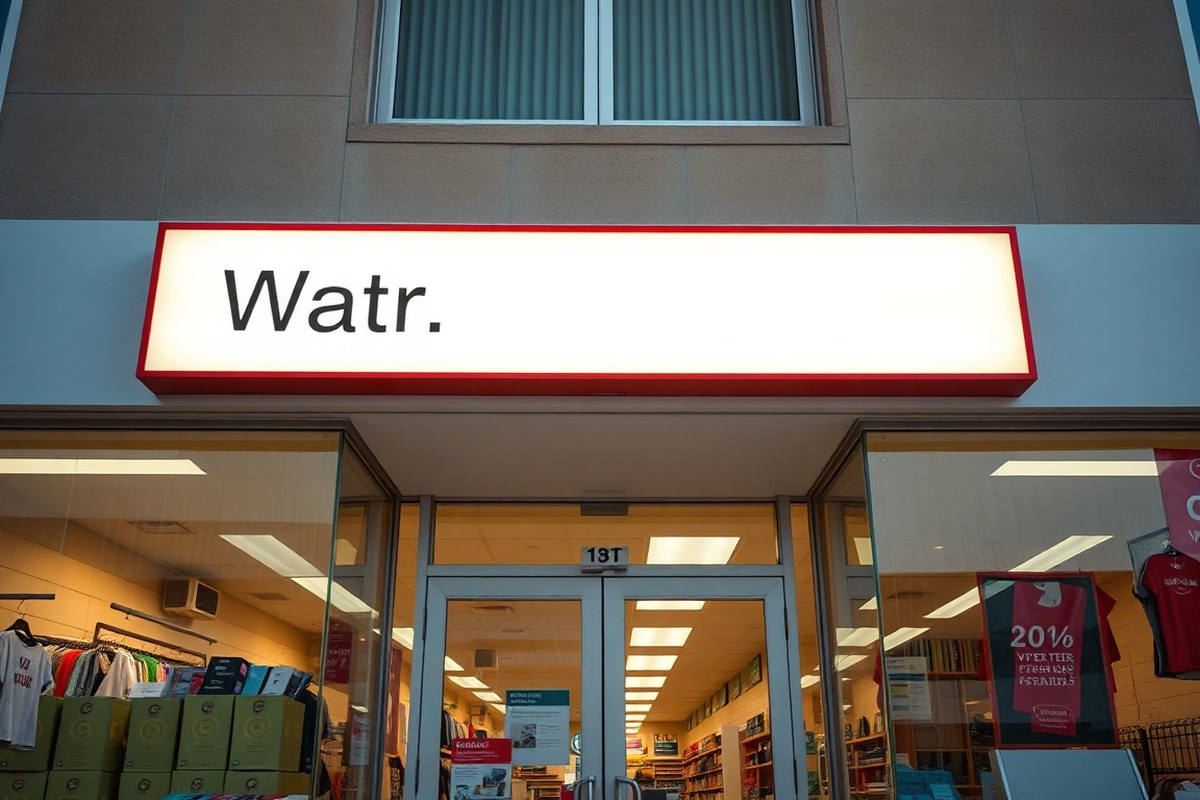
What Is a Storefront Sign? A Complete Guide to Choosing the Right One
What is a storefront sign? It’s the primary visual display mounted on your building’s exterior that identifies your business and grabs attention. Serving as a constant marketing tool, it conveys your brand message and encourages potential customers to stop in. Start by choosing a sign that clearly reflects your business identity and fits your building’s size for maximum impact.
Key Takeaways
- Ensure your storefront sign features 60% readable copy and 40% negative space for clear communication.
- Place your sign within a “cone of visibility” to catch drivers’ attention with no more than 20 degrees of head movement.
- Limit sign size to 10% of your building façade’s total square footage to meet typical local rules.
- Match letter height to viewing distance using the rule: 1 inch of letter height equals 10 feet of readability.
- Design your sign’s main message to be understood in under two seconds from a distance of 30 feet or more.
- Reserve 5, 10% clearance space on each side of your sign for better visibility and aesthetic balance.
What Is a Storefront Sign and Why It Matters
A storefront sign is an exterior display mounted on or near the entrance or facade of a business. It typically shows the business name, logo, or other identifying information that helps customers find and recognize the business. For example, a restaurant might have its name and logo printed on a wall-mounted metal sign above the door, while a boutique might use vinyl decals on its window to display its brand and hours. These signs are not just decorative; they are practical tools designed to catch the attention of pedestrians and drivers, direct traffic to your door, and set your business apart from neighboring properties.
Your storefront sign plays a direct role in how visible and attractive your business appears to potential customers. It acts as a form of continuous advertising available 24 hours a day without the ongoing costs associated with other marketing channels. A well-designed sign provides clear identification, making it easier for people passing by to quickly understand what you offer. This instant recognition can influence decisions in seconds, drawing customers inside who might otherwise keep walking or choose a competitor.
Beyond identifying your business, a storefront sign also serves as a brand ambassador. It visually communicates your style, values, and professionalism. For example, a sleek, modern sign on a tech store communicates innovation, while a handcrafted wooden sign may project a rustic, artisanal appeal for a cafe. Choosing signage that reflects your brand helps attract the right audience and builds trust from the first glance.
The effectiveness of a storefront sign depends on factors such as size, placement, and readability. The business name should be legible from the viewing distance common to your location, whether from a busy street or a pedestrian walkway. Signs that include logos or brief descriptions of the business category help clarify what you do, saving potential customers time and making your offering more appealing. When a sign fails to stand out or quickly convey the right message, it risks losing customers to nearby competitors.
A storefront sign often serves as a small business’s most visible marketing tool, grabbing the attention of anyone passing by. This type of signage reaches a wide audience beyond other advertising channels you might use. Costs usually vary from a few hundred to several thousand dollars based on size, materials, and design details, yet the boost in customers and sales often justifies the expense.
While storefront signs fit specific locations, the term “business sign” covers a broader range of signage types, including vehicle graphics, interior signs, and directional markers. Nonetheless, the storefront sign remains the critical frontline identifier visible to new and repeat customers alike, helping your business carve out a recognizable spot in the local market.
Types of Storefront Signs and When to Use Them
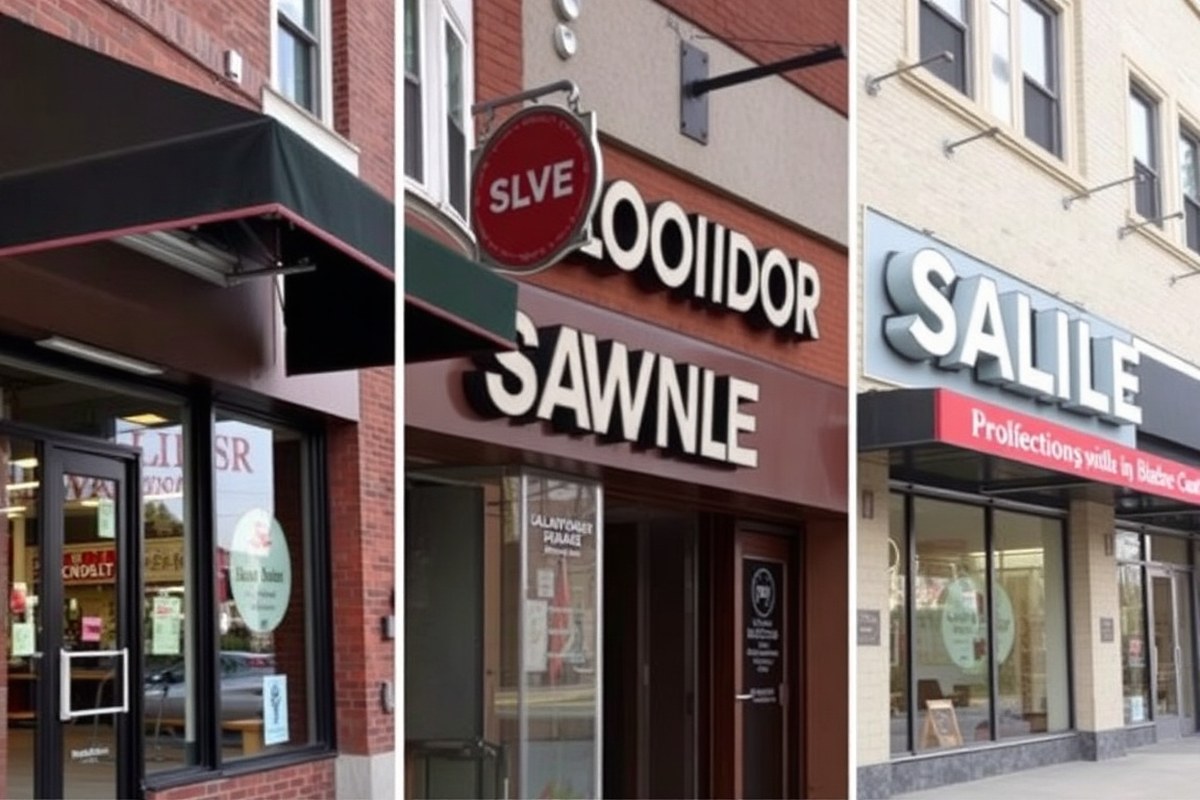
Storefront signs come in several main types, each designed to meet different visibility needs and business settings. Choosing the right sign depends on your storefront’s location, the type of traffic you expect, and whether you need illumination. Understanding these options helps you invest wisely and attract more customers.
Awning Signs for Branding & Weather Protection
Awning signs combine branding with practical use by integrating your message into fabric or metal awnings over your entrance. These signs protect customers from sun or rain while making your business name visible at street level. They work well for cafes, boutiques, and service businesses where pedestrian visibility matters and outdoor seating or doorways benefit from extra shade.
Awning signs blend into the building’s architecture and offer a unique style that supports your brand identity. They are usually more durable in bad weather if made from materials like canvas with waterproof coatings or metal. Installation can be more involved and costly than simple wall signs, but they often last 5 to 10 years or longer with proper maintenance.
Channel Letter Signs for High Visibility
Channel letter signs are individual letters or logos made from materials like aluminum with acrylic faces, often illuminated by LEDs. These signs mount directly on the building facade and are ideal for businesses that want high visibility from a distance or vehicular traffic. LED illumination means energy use is low, and maintenance is minimal compared to older lighting methods.
They come in front-lit, back-lit, or front and back-lit styles, adding dimension and removing visual clutter from your storefront. Installing channel letters usually requires a raceway to house electrical wiring, with costs typically ranging from $1,000 to several thousand dollars depending on size and complexity. These signs suit most commercial buildings and work well for retailers, restaurants, and service providers open after dark.
Projecting and Blade Signs for Sidewalk Traffic
Blade signs stick out perpendicular from your building, capturing the attention of pedestrians walking along the sidewalk rather than drivers. They’re perfect for busy urban streets or shopping districts where foot traffic dominates. These signs help your business stand out in a long row of storefronts and can be mounted at various heights depending on local regulations.
They are often smaller than channel letter signs and can be made illuminated or non-illuminated. Because they extend outward, blade signs are useful on narrow streets or places where your building’s facade is not easily visible from a distance. Installation is relatively straightforward and lower in cost than large illuminated signs, often starting around a few hundred dollars. However, local sign rules might limit size and projection length. Below is a comparison of these common storefront sign types, highlighting typical materials, costs, and ideal usage:
| Sign Type | Materials | Typical Cost Range | Visibility Focus | Best For |
|---|---|---|---|---|
| Awning Signs | Canvas, Metal Frames | $1,000, $3,000+ | Pedestrian, Street Level | Cafes, Boutiques, Service Businesses |
| Channel Letter Signs | Aluminum, Acrylic, LEDs | $1,000, $5,000+ | Long Distance, Vehicular Traffic | Retail, Restaurants, 24+ Hour Businesses |
| Projecting/Blade Signs | Metal, Sometimes Illuminated | $300, $2,000 | Sidewalk, Pedestrian | Urban Streets, Shopping Districts |
Matching your sign type to your customer’s likely approach path is key. The right sign is the one people will notice first, whether they arrive by car, foot, or public transit. This focused approach ensures you spend effectively and reinforce your brand presence clearly.
Make sure to check local sign ordinances before finalizing your sign choice; size and illumination rules vary and can affect your design and installation.
Choosing the Right Materials for Durability and Style
Choosing the right material for your storefront sign impacts both how long it lasts and how it looks to customers. Durable materials like metal and acrylic tend to hold up well outdoors and support a professional image, while options like vinyl or wood might suit styles or budgets that need more flexibility. Knowing the strengths and costs of each option helps you pick the material that matches your brand’s style and weather conditions.
Acrylic and Plastic Options
Acrylic signs offer versatility and a modern look with smooth surfaces and vibrant colors. These signs resist moisture and fading better than some plastics, making them good for areas exposed to rain and sun. Acrylic can be cut into different shapes and combined with lighting, such as backlit letters, to boost visibility after dark.
Plastics other than acrylic tend to be less expensive but may not last as long in harsh weather. They might discolor or warp over time. You’ll want to ask your sign maker about the thickness and UV protection on plastic options if choosing them for outdoor storefront use.
Metal Signs for Longevity
Metal signs, including stainless steel and aluminium, rank high for durability. These materials resist rust, fading, and warping across many years, often outlasting acrylic or plastic signs. The clean and professional look of metal matches many business brands and can be finished to appear brushed, polished, or painted in any color.
Costs vary with metal type and thickness, but metal signs generally involve higher upfront investment than plastics or vinyl. They require proper mounting for safety and may need to follow specific local regulations, especially if illuminated or large. Backlit or halo-lit metal signs combine durability with strong visual impact.
Vinyl and Fabric for Flexible Applications
Vinyl and fabric signs typically cover window wraps or banners rather than permanent storefront signs. They cost less and are easy to replace or update for promotions or seasonal changes. While vinyl is water-resistant and UV-protected, it does not offer the same longevity as metal or acrylic and may last only a few years outdoors before fading or peeling.
These materials are great for temporary applications where budget or frequent changes take priority over durability. Businesses can use vinyl to advertise sales without committing to permanent signage or to complement a storefront sign with extra branding.
Wood Signs for Rustic Appeal
Wood signs offer a traditional and warm look that suits some retail brands well. However, wood requires regular maintenance like sealing or repainting to protect it from moisture, insect damage, and weathering. Without care, wood signs may warp, crack, or fade within a few years.
The cost of wood signs depends on the type of wood and finish. Cedar and redwood resist rot better but cost more. Wood can be custom carved or painted, which adds to its charm but also to the price and upkeep needed for outdoor storefront use.
| Material | Durability | Average Cost Range | Aesthetic Impact |
|---|---|---|---|
| Acrylic | Good resistance to weather, fades in 5-10 years | Moderate, often $300 to $1,000 for standard sizes | Modern, glossy, vibrant colors |
| Plastic (general) | Lower durability, may warp or discolor in 3-5 years | Low to moderate, $100 to $600 | Varies, less premium look |
| Metal (stainless steel, aluminium) | Excellent, 10+ years with proper care | High, $500 to $2,000+ | Professional, sleek, durable finishes |
| Vinyl | Short-term (1-3 years) outdoor use | Low, $50 to $300 | Flexible, good for promotions |
| Fabric | Short-term, fades and tears easily | Low, $50 to $200 | Soft appearance, used for banners |
| Wood | Variable, 3-10 years with maintenance | Moderate to high, $300 to $1,500 | Rustic, natural warmth |
Choosing materials also depends on your storefront location and budget. High-traffic areas with exposure to sun and rain benefit from metals or acrylic with UV resistance. Temporary or seasonal businesses may prefer vinyl or fabric for affordability and changeability. Keep in mind that proper installation and upkeep extend a sign’s lifespan regardless of material.
Size, Placement, and Lettering for Maximum Visibility
The size of your storefront sign depends mainly on how far away your customers will be when they see it. Use the rule that every inch of letter height reads from about 10 feet away. For example, letters that are 6 inches tall will be legible from around 60 feet, while 10-inch letters can be seen clearly from roughly 100 feet. This letter height calculation ensures your sign remains readable whether your audience is walking by or driving past.
To figure out the right letter size, measure the distance from your business to the typical viewer’s line of sight. For instance, if most customers approach from 50 feet away, aim for letters about 5 inches tall. For drivers, who usually see signs from 100 to 200 feet, letter heights of 10 inches or more are necessary to maintain visibility. These measurements inform not only the letter height but also the overall sign size and layout, making sure your message is clear and draws attention.
Placement is just as important as size to catch the eye of potential customers. Place your sign within the “cone of visibility,” which means a driver should only have to look 20 degrees to either side of the road to spot your sign easily. Position signs so they face oncoming traffic or the main footpath to maximize exposure. Avoid locations that could block public spaces or obstruct views, as this reduces the sign’s effectiveness and might violate local regulations.
- Measure the average distance your customers will view the sign from to set letter height.
- Use 1 inch of letter height per 10 feet of viewing distance for clear readability.
- Place signs within a 20-degree viewing cone for drivers to minimize the need to look away from the road.
- Install signs at eye level or slightly above for pedestrians and higher visibility for drivers.
- Avoid positions that block sidewalks, entrances, or traffic signals.
- Ensure your sign size is proportional to the storefront to balance visibility and aesthetics.
- Consider illumination options to boost visibility during evening or low-light conditions.
Matching your storefront sign’s size with proper letter height and smart placement maximizes its impact. Signs that are too small or too high risk being overlooked, while oversized signs can overwhelm your storefront and confuse potential customers. Carefully balancing these elements helps increase brand recognition and draw people inside. The cost varies widely depending on size, materials, and installation complexity, so getting a detailed quote based on your building and sign type is wise before ordering.
Designing an Effective Storefront Sign That Reflects Your Brand
Designing an effective storefront sign means creating a clear, attractive display that reflects your brand and draws in customers. Focus on color, typography, and balanced design to make your sign easily readable and visually appealing. Keeping things simple ensures your message stands out and leaves a strong first impression.
Selecting Brand-Consistent Colors
Colors play a major role in connecting your sign to your brand identity. Choose colors that match your logo and overall branding palette. This consistency builds recognition and trust among customers. Bright, high-contrast colors improve visibility from a distance, especially in busy retail areas with lots of competing signs.
Limit your palette to two or three main colors to avoid overwhelming viewers. Use a darker background with lighter-colored lettering or vice versa for the best legibility. For example, white text on a dark blue background can stand out well. Consider the lighting conditions: matte finishes reduce glare in sunlight, while illuminated signs may require colors that remain vibrant when lit up at night.
Choosing Readable Typography
Typography should be chosen to ensure the sign’s text is easy to read quickly. Stick with clean, bold fonts that don’t have complex flourishes or thin lines. Sans-serif fonts like Helvetica or Arial are commonly used for readability. Size matters greatly, letters on a storefront sign should generally be at least 6 inches tall for viewing distance of about 20 feet.
Avoid using more than two typefaces. Mixing too many fonts can create visual clutter and weaken brand identity. Make sure text spacing and alignment contribute to a balanced look. All-caps can work for short phrases but may be harder to read for longer text.
Balancing Text and Negative Space
Keep the sign uncluttered by balancing the amount of text with empty space. A good rule is a 60/40 ratio of copy to negative space. This balance guides the eye naturally and strengthens message impact. Overcrowding with too many words or graphics makes the sign confusing and easy to ignore.
Limit your message to essential information like your business name, a tagline, or hours if needed. Use simple layouts to separate elements like text and logos. Negative space also helps the sign stand out against busy backgrounds.
Too much text on a storefront sign reduces its effectiveness, keep messages short and focused for maximum attention.
Including Logos and Graphics Appropriately
Logos reinforce your brand and should be included but not dominate the sign. Place logos where they complement the text, such as on the left side or above the business name. Ensure graphics are high-resolution and scaled properly so they don’t become pixelated or blurry.
Avoid overusing decorative images or complex illustrations that distract from the core message. Icons or simple shapes that relate to your industry can improve your sign’s professional appearance without causing visual noise. Follow this checklist to design your storefront sign:
- Identify your brand colors and select 2-3 that work well for high contrast and visibility.
- Choose one or two clean, bold fonts optimized for readability from a distance.
- Limit text to essential information and maintain a 60/40 ratio of text to negative space.
- Position your logo so it supports the text, not overwhelms it.
- Select colors and finishes appropriate for your lighting environment (day, night, or both).
- Review all design elements together to ensure harmony and clear messaging without clutter.
- Check local sign regulations to confirm your design complies with size, placement, and material rules.
- Test visibility by viewing the design mockup from typical customer distances before final production.
Illuminated Storefront Signs: Benefits and Options
Illuminated storefront signs can be a worthwhile investment for businesses open during evening hours or located in areas with significant nighttime traffic. Their main advantage is improved visibility after dark, which helps attract customers when natural light fades and competitors’ signs may be difficult to see. This boost in exposure can directly impact foot traffic, especially in busy retail districts or shopping centers that stay open late. However, the decision depends on your store hours, location, and budget since illuminated signs tend to be more expensive upfront and require ongoing maintenance.
The most common types of lighting used in storefront signs are LED, neon, and fluorescent. LED lighting has become the preferred option for many small businesses because it offers high brightness with low energy consumption. LEDs can last between 50,000 and 100,000 hours, reducing the need for frequent replacements. Neon signs create a distinctive, vibrant glow and can be custom-shaped, but they are generally less energy efficient and require more maintenance. Fluorescent lighting is less common today due to shorter lifespans and higher energy use, but some older signs still use this technology.
Cabinet signs rank among the common choices for illuminated storefront signs. These signs have a box structure lit from behind, with a face that may be printed or cut to allow light to shine through evenly. This setup creates a sharp and professional appearance that effectively showcases your business name or logo around the clock. LED-lit cabinet signs generally offer a good compromise between price and quality. Expect to pay between $1,000 and $4,500 or more initially, depending on the size, design details, and installation needs. The price usually covers the sign box, lighting parts, electrical wiring, and labor costs.
Visibility is key for an illuminated sign. Place the sign where it faces common pedestrian and vehicle routes for maximum impact. Consider the surrounding lighting conditions too: signs near bright streetlights or competing illuminated signs may require brighter LEDs or higher contrast designs to stand out. Dimming features or timers can help control lighting during low-traffic hours, saving energy and prolonging the sign’s lifespan.
Operating illuminated signs means planning for regular cleaning of the sign face to prevent grime build-up, and scheduled inspections of electrical elements to ensure safe functioning. Poor maintenance can lead to dim or flickering lights, which undermine your store’s professionalism. Repair costs can add up, especially for neon signs, so a maintenance budget of 10% to 15% of the initial sign cost annually is reasonable to help keep the sign bright and reliable.
In locations where local regulations or landlord agreements allow, illuminated signs can give your store a visible edge, especially after sunset. Weigh the upfront investment against your store’s operating hours and target customers. Choose LED-lit cabinet signs for a balance of visibility, energy efficiency, and maintenance ease. This approach delivers a sign that continues to attract customers day and night while managing ongoing costs effectively.
Navigating Legal Requirements and Landlord Restrictions
Your storefront sign must follow both city regulations and any rules your landlord sets. Local governments often regulate signage to keep the streetscape safe and attractive. This means you need permits, and your sign must meet size, placement, and material standards. Without approval, you could face fines or be forced to remove your sign.
Most cities require businesses to apply for permission before putting up a sign. The application usually asks for information about the size of the sign, type of lighting, and its exact placement. Kansas City, for example, limits signs to about 10% of the building’s façade area. Rules vary, so contact your local building or zoning office early to avoid hold-ups.
Landlord restrictions can differ from city rules. Your landlord might limit sign size, lighting options, colors, or how the sign attaches to the building. A sign that complies with city codes might still violate your lease terms. Renters should talk to their landlord about their sign plans prior to filing for permits. This prevents costly changes after installation. To keep things on track, follow this checklist for compliance:
- Research local city regulations for storefront signs, including size, materials, lighting, and placement rules.
- Apply for city permits; expect approval timelines from a few days up to several weeks.
- Review your lease agreement for landlord signage requirements or restrictions.
- Obtain landlord written permission to install or modify a sign on their property.
- Work with a sign designer experienced in local codes to prepare compliant plans.
- Coordinate permit submissions and landlord approvals before starting installation.
- Schedule an inspection, if required, once the sign is installed to ensure code compliance.
Costs vary by location and sign size. Permit fees typically range from $50 to $300, depending on your city and the complexity of the sign. Landlord approval usually doesn’t have a fee but can affect timing if negotiations or revisions are needed. Working with professionals who understand local laws saves you time and avoids fines or forced removals, which can be costly. Proper permitting and landlord approval help your sign attract customers without legal headaches or interruptions to your business.
Maintaining Your Storefront Sign to Ensure Longevity
Proper maintenance of your storefront sign protects your investment and ensures it continues attracting customers. Dirt, grime, sun exposure, and weather can dull colors, damage materials, or cause electrical issues in illuminated signs. Keeping your sign clean and promptly fixing any damage prevents long-term deterioration and costly replacements.
Start with a routine maintenance checklist that covers cleaning, visual inspections, and minor repairs every 3 to 6 months. Use a soft cloth or sponge with mild soap and water to gently wash the sign, avoiding harsh chemicals that can erode paint or veneers. Check for fading, discoloration, or peeling paint, especially if your sign faces direct sunlight for much of the day.
- Clean the sign surface using mild soap, water, and a soft cloth every 3 months
- Inspect for cracks, loose components, or fading during each cleaning
- Check illumination elements monthly and replace bulbs or LED panels as needed
- Ensure mounting brackets and fasteners are secure and rust-free annually
- Touch up paint and replace damaged parts within 30 days to prevent worsening
- Remove bird droppings or insect nests promptly to prevent staining or corrosion
Weather damage and wear are common issues, particularly in areas with heavy rain, snow, or strong winds. Water infiltration can cause swelling or warping of wooden signs, while rust may affect metal frames. For illuminated signs, moisture inside lighting components can create shorts or dimming. Address leaks or cracks quickly and consult a licensed electrician for any electrical repairs to reduce fire risk.
Do not ignore fading or peeling paint, restoring your sign’s colors improve visibility and protects the substrate from further damage.
Costs for upkeep vary by sign type, with simple cleaning costing under $50 per session if done yourself, and minor repairs such as repainting or replacing letters typically ranging from $100 to $300 if hired out. Illuminated signs may require additional expenses for bulb or transformer replacements, often $75 to $200 depending on parts. Timely maintenance reduces these costs by preventing extensive damage.
In some cases, weatherproofing treatments can extend the life of certain materials like wood or metal. Applying a UV-resistant sealant or waterproof coating every few years preserves the finish and appearance. Signs facing harsh climates benefit most from such treatments, though choose products compatible with your sign’s material to avoid discoloration or degradation.
Your First Steps: Setting Up Your Storefront Sign
Follow this plan to choose and install a storefront sign that attracts customers and supports your brand effectively.
- Before you start: Research local sign regulations and landlord rules to avoid violations; confirm approval before design.
- Day 1: Assess your storefront area for sign size and placement, ensuring visibility from key customer angles.
- Day 2: Choose sign type and material based on your business style, durability needs, and lighting preferences.
- Week 1: Work with a designer or sign company to create a design that clearly reflects your brand and stands out.
- Week 2: Order your sign and schedule installation, verifying your design meets legal and landlord requirements.
- Week 3: Oversee installation and test lighting and readability at different times of day and weather conditions.
- Month 1: Monitor customer feedback and foot traffic changes to measure your sign’s impact and plan future maintenance.
Frequently Asked Questions
What Is the Primary Purpose of a Storefront Sign?
A storefront sign identifies your business and attracts customers. It acts as a 24/7 marketing tool to increase visibility and brand recognition.
How Does a Storefront Sign Differ from Other Business Signs?
Storefront signs are placed on or near the business entrance, unlike other signs that may be freestanding or directional. They specifically aim to identify and draw in walk-in traffic.
Can a Storefront Sign Affect My Business’s Success?
Yes, a well-designed storefront sign can increase customer engagement and outshine competitors nearby. It often influences first impressions and foot traffic.
What Are Common Mistakes to Avoid When Designing a Storefront Sign?
One common error is including too much information, which overwhelms and confuses potential customers. Simple, clear messaging works best.
How Can I Balance Brand Expression with Local Sign Rules?
Successful signs combine your unique brand identity with compliance to local codes and surroundings. This balance prevents legal issues and fits community aesthetics.
Why Should I Consider Illuminated Signs for My Storefront?
Illuminated signs increase visibility during evening hours, attracting more customers after dark. They offer options like front-lit, backlit, or combination lighting styles.
The Bottom Line
Your storefront sign is the first impression customers get of your business. Choosing the right style, materials, and placement helps your brand stand out and draws people inside. Take the step today to evaluate your current signage or plan a new one that fits your goals and local rules. A well-designed sign can give your business lasting visibility and attract steady customers.


