What Is an Aluminum Sign: Complete Guide to Types, Uses & Care
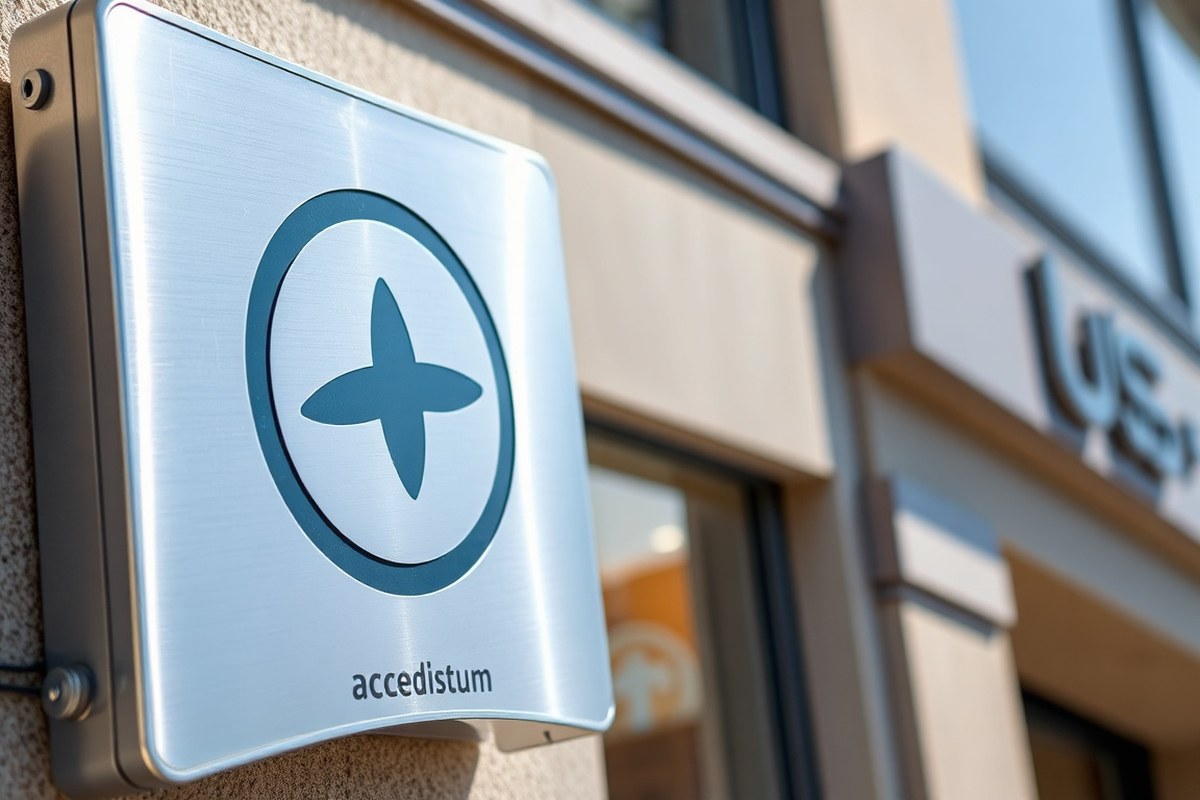
What is an aluminum sign? It’s a durable sign made primarily from aluminum, known for its lightweight strength and resistance to weather and corrosion. These signs use either solid aluminum sheets or aluminum composite panels to deliver a long-lasting display solution for both indoor and outdoor use. Starting with aluminum signs is smart for reliable, recyclable signage that stands up to the elements.
Key Takeaways
- Aluminum signs typically last 5, 7 years outdoors when printed with UV-resistant inks and cared for properly.
- Aluminum composite panels consist of two thin aluminum sheets sandwiching a solid polyethylene core for rigidity and light weight.
- Thickness ranges from 0.040 to 0.125 inches influence durability and allow options like two-sided printing.
- Recycling aluminum signs uses just 5% of the energy required to make new aluminum, promoting eco-friendly methods.
- Proper placement away from harsh environmental exposure improve aluminum sign lifespan significantly.
- Brushed aluminum finishes can last beyond 5 years if maintained with regular cleaning and protective care.
What Is an Aluminum Sign and How Does It Work?

An aluminum sign is a durable, lightweight panel primarily composed of aluminum metal used for a wide range of signage applications. Such signs are especially popular for outdoor use due to aluminum’s resistance to rust, corrosion, and harsh weather conditions. In construction, the most common aluminum signs consist of a core sandwich, known as aluminum composite material (ACM) or branded as “e-panel” or “dibond.” This structure includes two thin aluminum sheets, each about 0.008 inches thick, bonded tightly to a polyethylene core. The result is a rigid, flat board that retains lightweight properties, making it easier to install and handle compared to solid metal signs.
The polyethylene core in aluminum composite signs plays a significant role in their functionality. It adds structural strength while reducing weight, ensuring that the signs can withstand bending and impacts without permanent damage. This combination also minimizes thermal expansion problems, allowing the sign to hold its shape through temperature changes, which is essential for long-lasting outdoor signage. The aluminum sheets themselves protect the core from moisture and UV damage, which helps maintain color vibrancy and prevents water infiltration that can cause delamination.
To produce these signs, manufacturers start by bonding the two aluminum sheets to the polyethylene core using high-heat and pressure lamination. The flat panels then undergo finishing processes where they are printed on using UV-resistant inks. These inks can endure direct sunlight without fading quickly, extending the effective display life of the sign outdoors, typically 5 to 7 years or longer with proper care. After printing, a protective clear coat may be applied to improve scratch resistance and weather protection.
The versatility of aluminum signs comes from their ability to be cut into various shapes and sizes, drilled for mounting, or coated with a range of finishes, from high gloss to brushed metal. This makes them suitable for many business purposes, such as safety signs, parking lot markers, directional wayfinding, and commercial branding displays. The lightweight nature also reduces the cost and complexity of installation and transportation, especially for larger signs like pylon or monument signage.
Cost-wise, aluminum signs represent a reasonable investment given their durability and ease of customization. While prices vary depending on size and print complexity, the long lifespan and recyclability of aluminum add value by limiting replacement frequency and environmental impact. However, it is important to ensure signs are installed with appropriate hardware and positioned to avoid unnecessary wear from physical damage or extreme environmental exposure. Poor installation or insufficient maintenance can shorten their effective lifespan, leading to fading, warping, or peeling issues despite the sturdy materials involved.
Types and Finishes of Aluminum Signs Compared
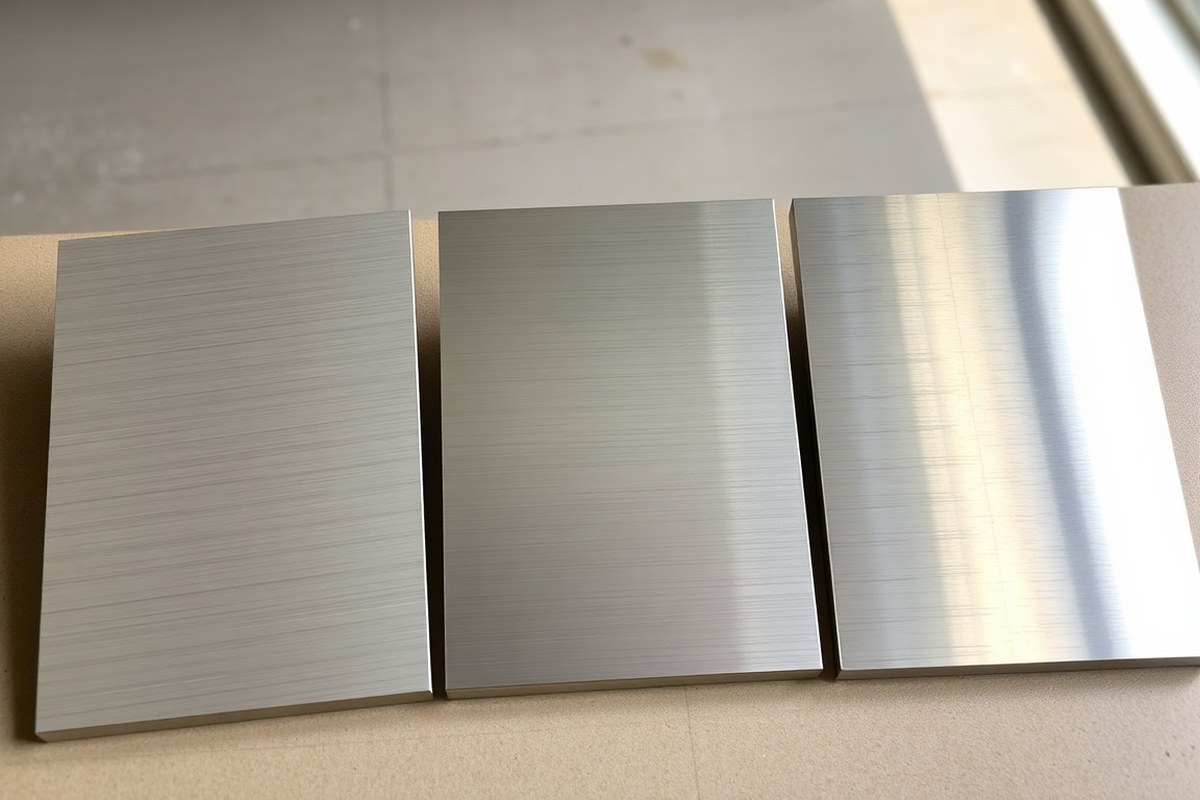
Aluminum signs come in three main types: standard, brushed, and reflective. Each type offers unique finishes and print options tailored to different needs, such as general use, premium indoor displays, or safety applications at night. Choosing the right finish impacts durability, appearance, and functionality.
Standard Aluminum
Standard aluminum signs feature a white matte finish created by coil-coated white paint on both sides, providing a smooth, low-gloss surface ideal for full-color printing. This finish supports double-sided printing, making it versatile for situations where visibility is needed from multiple angles. The signs are roughly 2 millimeters thick and deliver high durability outdoors and indoors at a cost-efficient price point.
This type suits building signage, general business identification, and informational displays. Thanks to white ink support, vibrant colors reproduce well, improving branding and readability. Standard aluminum signs resist weather well, making them durable for at least several years depending on exposure.
Brushed Aluminum
Brushed aluminum signs have a metallic matte finish giving them a stylish, premium look. The surface is naturally metallic with a unidirectional satin appearance, about 3 millimeters thick, and does not support white ink, meaning printing is usually limited to one side. This finish reduces glare and adds sophistication, making it perfect for corporate lobbies or upscale retail environments.
Though the brushed surface is scratch-prone compared to standard aluminum, it maintains high durability outdoors and indoor use where a more refined aesthetic is desired. The metallic texture highlights brand prestige but often comes with a higher cost, typically 50% or more than standard aluminum per square foot.
Reflective Aluminum
Reflective aluminum signs combine a roughly 2 millimeter thick aluminum panel with a reflective vinyl overlay for improve visibility, especially in low-light or nighttime conditions. This type supports two-sided printing with white ink, maintaining color clarity on both faces. Commonly used for safety signage such as speed limits or pedestrian warnings, it improves compliance with industry visibility standards.
Best suited outdoors, reflective aluminum signs boost safety by making navigation easy for drivers and pedestrians at night. Costs can reach $15 to $20 per square foot depending on size and complexity, reflecting their specialized function. Though reflective signs remain clear during the day, the vinyl overlay can reduce vibrancy compared to standard aluminum finishes.
| Characteristic | Standard Aluminum | Brushed Aluminum | Reflective Aluminum |
|---|---|---|---|
| Finish | White matte | Metallic matte | Reflective overlay |
| Thickness | ~2 mm | ~3 mm | ~2 mm + film |
| Print Sides | Two-sided | One-sided | Two-sided |
| White Ink Support | Yes | No | Yes |
| Durability | High | High (scratch-prone) | High |
| Outdoor Use | Yes | Yes | Best for night visibility |
| Indoor Use | Yes | Ideal | Functional only |
Choosing between these finishes depends on your intended use and budget. Standard aluminum offers a reliable all-around option, brushed aluminum serves premium indoor settings, and reflective aluminum ensures compliance and safety outdoors. Prices vary accordingly, with standard aluminum being the most affordable choice.
Tip: For safety signage requiring visibility after dark, always select reflective aluminum, as standard and brushed finishes won’t meet night-time visibility needs.
Aluminum Composite Panels: Structure and Benefits
Aluminum composite panels (ACM) combine two thin aluminum sheets bonded to a solid plastic core, producing lightweight yet strong signs ideal for many commercial uses. Their unique structure increases rigidity without adding significant weight, making them durable and versatile for both indoor and outdoor signage. This design also supports vibrant printing and customization, which helps businesses stand out.
Composition of ACM Panels
ACM panels consist of two outer layers of aluminum, each about 0.020 inches thick, with a solid polyethylene plastic core sandwiched between them. The aluminum skins provide surface durability and protect against weather damage, while the plastic core delivers rigidity and reduces overall weight compared to solid aluminum. Printing on ACM uses UV-resistant inks to ensure clear, long-lasting graphics suitable for outdoor exposure. This layered construction balances strength and flexibility, allowing for easy cutting and shaping of the panels.
Manufacturing starts by bonding the painted or coated aluminum sheets to the core through heat and adhesive layers, creating a stable, flat panel ready for customization. Recycled aluminum is frequently used, making ACM panels more environmentally friendly by saving up to 95% of the energy required for producing new aluminum. Because ACM maintains a consistent thickness and flat surface, it offers a reliable base for professional-quality signage.
Advantages over Solid Aluminum
The composite structure makes ACM signs significantly lighter than solid aluminum panels of the same size, which simplifies installation on various structures like fences, buildings, or freestanding frames. Despite the reduced weight, ACM panels maintain high rigidity and resist bending and warping better than thin solid aluminum sheets. Thicker aluminum or heavier gauge panels can increase durability but add weight and make installation more labor-intensive. ACM panels, usually ranging from 0.040 to 0.125 inches in total thickness, strike an effective balance.
Compared to solid aluminum signs, ACM panels offer greater impact resistance and better weather performance because the polyethylene core provides shock absorption. These panels do not corrode like some metals might, improving longevity in outdoor environments exposed to rain, sun, or wind. Using ACM can reduce production and shipping costs due to the lighter weight while also supporting greater design flexibility thanks to easier cutting and shaping compared to solid metal.
Common Applications of ACM Signs
Business owners often select ACM signs for storefronts, wayfinding, and promotional signage where high durability and visual appeal matter. The panels’ ability to hold vibrant, weather-resistant graphics makes them well suited for both short- and long-term exterior advertising. Larger display signs, such as pylon or monument signs, benefit from ACM’s structural integrity and lower wind resistance. For example, retailers use brushed aluminum ACM to create upscale appearances that reinforce brand identity.
ACM is also popular for custom-shaped signs, allowing precise cuts for logos, letters, or intricate shapes that would be difficult or heavier with solid aluminum. Signage for trade shows, interior branding, and directional signs in parking lots or campuses commonly use ACM due to its balance of affordability and performance. The panels install easily with standard tools, meaning you can mount them securely on various surfaces without specialized equipment or extra support structures.
How Long Do Aluminum Signs Last and What Affects Durability?
Aluminum signs typically last between 5 and 7 years outdoors when installed and maintained properly. This lifespan can vary based on several environmental factors such as weather conditions, UV exposure, and the quality of finishes applied to the sign. Harsh weather like heavy rain, snow, or extreme temperatures may speed up wear and tear, but aluminum’s natural resistance to rust and corrosion helps maintain its strength and appearance longer than many other materials.
Prolonged exposure to sunlight can cause colors on aluminum signs to fade over time due to ultraviolet (UV) rays. Using a UV-resistant coating is one of the most effective ways to protect signs from fading and sun damage. These coatings block or absorb UV rays, preserving the vibrancy of the printed graphics and preventing the aluminum itself from degrading. Adding a protective laminate over the sign’s surface can also guard it against scratches and graffiti, further extending its useful life.
The finish applied to the aluminum plays a important role in durability. Anodized finishes provide a hard, wear-resistant surface that resists corrosion and scratches, making them ideal for outdoor signs that face frequent contact or abrasion. Powder coating offers strong color retention and protects by sealing the metal beneath, making it a good choice for signs exposed to both UV rays and moisture. For long-lasting outdoor use, pairing anodizing or powder coating with a UV-resistant overlay can deliver the best protection against environmental damage.
To maximize the lifespan of your aluminum sign, place it carefully to reduce direct exposure to harsh elements when possible. Installing signs under light shelters or away from prevailing weather can reduce accelerated wear. Regular cleaning with mild soap and water removes dirt and contaminants that might degrade finishes or obscure messaging. Avoid abrasive cleaners that can scratch protective coatings. Should your sign reach the end of its functional life, recycling it contributes to sustainable business practices since aluminum is highly recyclable without loss of quality.
Your choice of sign location, finish, and protective treatments will all shape how long your aluminum sign looks good and stays functional. Balancing upfront material and coating costs against expected outdoor conditions helps you select the best solution for both durability and visual impact over time.
Ideal Uses and Practical Applications of Aluminum Signs
Aluminum signs are well suited for a wide range of business and safety applications due to their durability and adaptability. Their corrosion resistance makes them ideal for coastal and humid environments, where moisture and salt can damage other materials. Aluminum signs maintain their appearance and structural integrity even when exposed to harsh weather conditions, which is why businesses in such areas often choose them for outdoor branding and wayfinding.
Reflective aluminum signs provide improve visibility in low-light or nighttime conditions. This makes them the preferred option for safety signage, especially on roadways, parking lots, and facility sites where clear, readable signs can prevent accidents. They tend to be thicker than standard aluminum signs, usually around 0.080 inches or more, to accommodate the reflective sheeting and improve durability without compromising flexibility.
Businesses often use aluminum signs to combine safety and branding. Aluminum’s smooth surface supports high-quality printing or vinyl application, ensuring sharp logos, text, and colors that promote a professional look. Plus, aluminum’s lightweight nature allows for easy installation. Here is a list of common practical uses for aluminum signs:
- Outdoor directional and wayfinding signs in parking lots or campuses
- Safety signs with reflective surfaces for night visibility
- Branding signs on storefronts, building exteriors, and trade shows
- Informational signs in coastal and high-humidity areas
- Regulatory and compliance signs required by law for workplaces
- Real estate signs with vibrant printed graphics
- Permanent or semi-permanent facility identification markers
Installing aluminum signs involves choosing screws, bolts, or brackets compatible with the sign’s thickness and mounting surface. For coastal areas, use stainless steel hardware to prevent rust. The upfront cost for a basic aluminum sign typically starts around $50 for small sizes and can rise with size, thickness, and reflective features. Despite this, their long lifespan, often exceeding 10 years outdoors, offers excellent value over cheaper materials that need frequent replacement.
Check local regulations about reflective signage if using aluminum signs for official road or safety purposes to ensure compliance and avoid fines.
Proper placement is key to the effectiveness of aluminum signs. In safety applications, position reflective aluminum signs where headlights or ambient light will hit them directly to maximize visibility. For branding, locate signs at eye level near entrances or high-traffic areas to catch attention. Labels and messages should use clear, simple fonts and colors with high contrast to improve readability and impact.
How to Install Aluminum Signs Correctly
Installing aluminum signs correctly ensures they stay secure and look professional for years, especially in outdoor or high-traffic areas. Choosing the right mounting method depends on the sign’s size, location, and surface type. Proper surface preparation and knowing when to call a professional can prevent damage and costly repairs.
Preparing the Mounting Surface
Start by cleaning the area where you will mount your aluminum sign. Dirt, dust, grease, or moisture can reduce adhesion or affect the stability of screws and anchors. For outdoor applications, check the surface for rust or deterioration and repair as needed before installation.
Surfaces like brick, concrete, or metal require different preparation steps. Use a wire brush or sandpaper to smooth rough or corroded spots. For smooth walls, a wipe with isopropyl alcohol removes residues that interfere with adhesives or sealant.
Common Mounting Techniques
The best mounting method depends on your sign’s size and the mounting surface. Aluminum signs are lightweight yet strong, making them versatile for various attachments. Here are common ways to install them with step-by-step instructions for wall mounting using screws and for adhesive mounting on smooth indoor surfaces:
- Measure the location: Use a level and measuring tape to position the sign precisely where you want it.
- Mark drilling points: Hold the sign in place and mark spots for screws or anchors using a pencil or marker.
- Drill holes: Choose drill bits appropriate to the wall material (masonry bit for concrete, standard bit for wood) and drill at marked points.
- Install anchors: For hollow walls or masonry, insert wall anchors sized for the bolts to ensure secure fastening.
- Align the sign: Position the sign holes over anchors or drilled holes carefully.
- Fasten with screws or bolts: Use corrosion-resistant stainless steel screws or bolts to secure the sign tightly without over-tightening, which can warp the aluminum.
For adhesive mounting on smooth surfaces, clean thoroughly, then apply a strong double-sided outdoor tape or construction adhesive rated for aluminum. Press firmly and hold for several minutes to ensure bonding. This method suits indoor or low-exposure environments.
When to Hire a Professional
Complex installations, such as very large aluminum signs, mounting on uneven or fragile surfaces, or signage requiring electrical connections, are best handled by professionals. They have the tools and expertise to ensure safe, level, and weatherproof installation. Professionals also help comply with local codes and regulations that may apply, especially for regulatory or parking signs made from aluminum.
For mounting high up on walls or poles, professionals have the proper equipment to avoid safety risks. You should also consider professional help if you notice that improper mounting could damage walls or the sign itself. Professional installation costs vary but expect to pay between $100 and $500 depending on the complexity and location.
Caring for Aluminum Signs to Maximize Lifespan
Aluminum signs generally need cleaning every three to six months, depending on their exposure to dirt, weather, and pollutants. Regular cleaning prevents buildup that can dull the finish or obscure graphics. Use mild soap mixed with water and a soft cloth or sponge to gently clean the surface. Avoid abrasive materials or harsh chemicals like ammonia or bleach, which can damage protective coatings and cause discoloration.
For signs placed outdoors in harsher environments, such as near industrial areas or busy roads, increase cleaning frequency to every two to three months. Indoor aluminum signs usually require less frequent cleaning, about every six months to a year. After cleaning, rinse thoroughly with clean water and dry with a soft towel to prevent water spotting.
- Use mild soap and water for routine cleaning
- Soft cloth or sponge recommended to avoid scratches
- Rinse with clean water after washing to remove soap residue
- Avoid abrasive cleaners and harsh chemicals like bleach or ammonia
- Dry with a soft, lint-free cloth to prevent water spots
- Clean more often in polluted or dusty environments
- Inspect signs during cleaning for any damage or wear
Minor scratches or scuffs on aluminum signs can often be repaired with fine-grade (around 2000 grit) automotive sandpaper or a scratch-removal compound designed for metal surfaces. Lightly rub the damaged area in a circular motion, then clean and dry before applying a protective wax or clear coat, if appropriate, to restore shine and protection. Avoid sanding too aggressively, as this may remove graphics or protective layers.
Common mistakes include using power washers too close or on high pressure, which can peel coatings or force water into mounting hardware, leading to corrosion. Also, using rough brushes or steel wool can scratch the surface severely. When signs show signs of fading or damage beyond minor scratches, professional refinishing or replacement may be necessary to maintain appearance and durability.
Customizing Aluminum Signs: Options and Design Considerations
Aluminum signs offer a wide range of customization options tailored to meet your specific design and functional needs. You can select from various shapes and sizes, including standard rectangles or custom contours, to fit your location and aesthetic preferences. The thickness of the aluminum is a key factor, generally ranging from 1/16 inch to 1/8 inch. Thicker signs, such as 1/8 inch, provide a more durable and weather-resistant product that supports two-sided printing, ideal for outdoor placements where visibility from multiple angles is important.
Printing your design on aluminum typically requires a matte finish for optimal ink adhesion and image clarity, while natural aluminum offers a glossy look. You can print any custom design you provide, with options for full-color graphics, text, or logos. Brushed aluminum finishes add a stylish, textured appearance, often chosen for high-end branding or interior signage. For signs that demand a professional and strong look, formed aluminum with bent edges can add substantial visual impact and improve structural strength, although it limits design shapes compared to flat sheets.
Another important customization factor is whether the aluminum can be bent or shaped. Flat aluminum signs are generally not bent after printing to avoid damaging the graphics, but formed aluminum begins as a flat sheet that is bent into shape before production, leading to a stiffer final product with dimensional edges. Choosing between these depends on your aesthetic goals and the sign’s functional context.
Determining the best thickness and printing method depends on your sign’s location, intended lifespan, and design complexity. Thinner sheets work well for short-term, indoor use, while thicker materials resist warping and weathering outdoors. Digital printing suits detailed, multicolor designs, while screen printing is cost-effective for simpler color schemes and higher volumes.
| Characteristic | Options | Best Use |
|---|---|---|
| Thickness | 1/16 inch, 1/8 inch | 1/8 inch for outdoor & durability; 1/16 inch for indoor & lightweight |
| Shape | Flat, Custom Cut, Formed with Bent Edges | Flat for general use; Formed for a substantial, design-focused sign |
| Finish | Glossy, Matte, Brushed | Matte for printing clarity; Brushed for premium look; Glossy for vibrant colors |
| Printing Method | Digital, Screen | Digital for detailed, full-color; Screen for bold, limited-color runs |
| Double-Sided Printing | Available | Requires 1/8 inch thickness for weather resistance |
Choosing the right combination involves balancing durability against cost and design complexity. For example, a 1/8 inch matte-finished aluminum sign with digital printing fits most outdoor business signage needs. If you want an upscale look inside a store, a brushed aluminum with custom cut shapes could improve your brand presence without compromising readability.
Practical tip: Avoid bending flat aluminum signs after printing to prevent cracking or damaging the graphics, opt instead for formed aluminum if you want dimensional edges.
Step-by-Step Action Plan for Choosing and Using Aluminum Signs
Follow these steps to select, install, and maintain aluminum signs effectively, ensuring they meet your business needs and last as long as possible.
- Before you start: Identify the sign’s purpose and location to determine the best type and finish of aluminum sign. Success means your choice fits the environment and visibility needs.
- Day 1: Select the aluminum composite panel or solid aluminum based on durability and weight requirements. Confirm that your choice balances strength with installation ease.
- Day 2: Customize your sign with colors, graphics, and protective coatings suited to your branding. Check proofs carefully before production to avoid errors.
- Day 3 to Day 5: Prepare the installation site by cleaning and ensuring the mounting surface is level. A clean, stable surface means a secure sign mount.
- Day 6: Install the sign using proper hardware or mounting methods recommended for aluminum signs. Test stability and adjust as needed for safety.
- Week 2: Inspect the installed sign for any damage or misalignment. A correct installation will show no movement or defects after initial use.
- Monthly: Clean the sign with mild soap and water; avoid abrasive cleaners. Confirm the sign maintains its appearance without damage after cleaning.
- Annually: Review sign condition for corrosion, fading, or loosening. Plan repairs or reapplication of protective coatings if needed to extend lifespan.
Frequently Asked Questions
What Type of Aluminum Is Used for Signs?
Signs typically use aluminum composite material (ACM), which has two thin sheets of aluminum with a polyethylene core for strength and light weight. This makes the signs durable and ideal for outdoor use.
Where Does Aluminum Come From?
Aluminum is extracted from bauxite ore, mined mainly in countries like Australia and Brazil. It’s then processed to produce the aluminum sheets used in signs.
Is PVC Good for Outdoor Signs?
PVC can be used outdoors but isn’t as durable as aluminum, which resists weather and corrosion better. Aluminum signs last longer and maintain their appearance in tough conditions.
Will Magnetic Signs Stick to Aluminum?
Magnetic signs won’t stick because aluminum is not magnetic. You’ll need a ferrous metal surface or a separate magnetic backing to use magnetic signs.
How Thick Are Aluminum Signs Typically?
Aluminum signs usually range from 0.040 to 0.125 inches thick, with thicker sheets better for larger, more exposed signs that need extra durability.
Can Aluminum Signs Be Recycled After Use?
Yes, aluminum is 100% recyclable, so old signs can be melted down and reused, reducing waste and environmental impact.
The Bottom Line
Aluminum signs offer a durable, versatile option tailored to a wide range of business uses. Choosing the right type and finish leads to lasting impact and visibility. Starting by matching your sign to its environment is the best next step in making an informed, cost-effective decision.