What Is an Open Sign? A Complete Guide to Types, Uses, and Costs
What is an open sign? It is a visible display used by businesses to indicate they are currently open and welcoming customers. Open signs catch attention quickly, helping to drive foot traffic and notify passersby of your store’s status. Start with a bright, clear sign placed near your main entrance to make sure people know you’re ready for business.
Key Takeaways
- Red and blue “OPEN” signs became widely popular only in the past decade but remain highly effective.
- Neon open signs can be seen from over 100 yards away, boosting visibility for passing traffic.
- LED neon signs are ultra bright, attracting customers on foot or in vehicles, especially at night.
- Animated or flashing open signs increase customer interest and can become a memorable visual asset.
- Closed signs are less essential and their use depends on your business location and customer expectations.
- Customizing open signs with branding elements strengthens your business identity and invites recognition.
What Is an Open Sign and Why It Matters

An open sign is a visual indicator displayed by businesses, typically placed in windows or on doors, to show that the establishment is currently ready to serve customers. These signs often feature the word “OPEN” illuminated in bright colors, such as red and blue, and are designed to catch the attention of pedestrians and drivers. Their primary purpose is to communicate clearly and instantly that the store or service is operational and welcoming visitors.
Businesses use open signs to increase foot traffic and sales by making it obvious when they are available. An illuminated open sign remains visible from distances of 100 yards or more, helping customers decide quickly whether to stop in. This visibility can be important on busy streets or in shopping centers where many businesses compete for attention. The sign’s purpose extends beyond mere hours of operation; it reduces uncertainty and can encourage spontaneous visits, especially for walk-in-focused retailers, restaurants, or service providers.
The benefits of using an open sign include immediate customer recognition, increased presence in competitive environments, and the convenience of communicating availability without staff needing to answer calls or interact from behind the counter. A simple, bright LED or neon sign can attract both pedestrian and vehicle traffic, while animated or flashing signs further improve visibility and memorability. Many businesses invest in colorful or uniquely designed open signs because these catch eyes more effectively, sometimes becoming landmarks themselves.
For practical use, place the sign in a well-lit window facing a busy street or entrance where passersby will see it easily. Consistent use during business hours helps customers build expectations for when they can visit. The investment can range from around $30 for basic LED signs to several hundred dollars for custom neon or animated options. Although closed signs are not always necessary, the open sign acts as a key visual cue to confirm your store is open, often making it one of the most important investments in exterior retail signage.
Common Types of Open Signs and How They Work

Open signs come in several types, each offering unique features suited to different business needs. Traditional neon signs provide a classic look but require careful handling. Modern LED and animated signs offer energy efficiency, customization, and durability. Printable and temporary signs provide flexible, cost-effective solutions for short-term use or seasonal campaigns.
Traditional Neon Open Signs
Traditional neon open signs use glass tubes filled with neon gas to create bright, eye-catching colors. These signs have a timeless appeal that can attract attention with their warm, vivid glow. However, they tend to be fragile, heavier, and often require professional installation and maintenance. The upfront cost for glass neon signs usually runs higher, and any damage to the tubes means costly repairs.
Despite these drawbacks, many businesses still opt for traditional neon signs because of their classic style and visibility at night. They work best for stores with a vintage or retro branding style, or businesses in neighborhoods where neon signs are common and expected.
Modern LED and Animated Signs
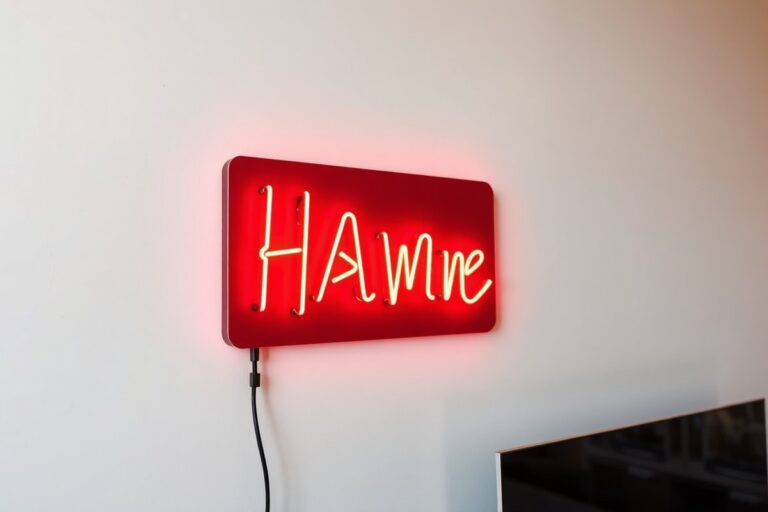
Modern LED open signs use LED flex, a flexible, lightweight plastic that mimics the neon glow without the fragility of glass. These signs are easier to install, requiring no specialist team, and offer increased durability. LED signs consume less energy and typically cost less to maintain than traditional neon signs.
Animated LED signs can flash or simulate motion, such as a door opening, to attract more attention. Some LED signs are customizable with logos, mascots, taglines, or even images that relate to the business type, providing branding opportunities beyond just “OPEN.” For example, a fast-food chain might feature a hamburger in their sign. LED animated or flashing signs can also switch between “OPEN” and “CLOSED,” offering dual functionality.
The flexibility of LED neon allows creative designs to fit any business theme. They come ready for wall or window mounting using high-quality acrylic backing, simplifying installation. Prices tend to be lower than traditional neon, making LED signs a cost-efficient, eye-catching option for a variety of retail settings.
Printable and Temporary Sign Options
Printable open signs offer a cost-effective, temporary solution that works well for seasonal businesses, pop-up shops, or events. These signs can be downloaded and printed on materials like paper, vinyl, or cardstock. They are easily mounted with tape or adhesives and swapped out as needed.
Temporary signs are less durable but allow quick updates to display changes in hours, promotions, or other messages. They lack the illumination of neon or LED but are highly flexible for short-term marketing. Being free or low-cost, printable signs can complement illuminated signs, providing a layered marketing approach.
| Feature | Traditional Neon | LED Neon | Printable Signs |
|---|---|---|---|
| Material | Glass tubes filled with neon gas | Flexible LED flex plastic with acrylic backing | Paper, vinyl, cardstock |
| Installation | Professional installation recommended | Ready for wall/window mounting, DIY-friendly | Simple tape or adhesive mounting |
| Durability | Fragile, breakable | Durable, lightweight | Short-term use, vulnerable to weather |
| Energy Use | Higher (due to transformer and gas) | Low energy consumption | None (non-illuminated) |
| Cost Range | Higher upfront, costly repairs | Lower upfront, minimal maintenance | Minimal (mostly printing cost) |
| Customization | Limited to neon tube shapes and colors | Fully customizable shapes, colors, logos | Fully customizable print design |
| Animation/Effects | None or limited (static glow) | Animated, flashing, dual “OPEN/CLOSED” | None |
This comparison highlights why many retail businesses prefer LED neon signs for their versatility, cost, and ease of installation. Traditional neon remains a solid choice for those seeking a vintage aesthetic. Printable signs provide a flexible, temporary option but do not offer illumination.
Tip: Choose LED neon signs if you want vibrant illumination with low energy use and the ability to display your brand’s logo while avoiding the fragility of glass neon tubes.
Where and How to Place Open Signs for Maximum Impact
Place your open sign where customers can easily see it, typically on or near the main entrance. Hanging or mounting it on a door or window works best for visibility and convenience. Safe installation requires following simple mounting steps and using materials suited to your surface.
Choosing Optimal Height and Location
Position the open sign at eye level, usually between 4 and 6 feet from the ground, so people walking by can quickly notice it. For storefront doors, center the sign on the glass or door panel to maximize exposure. Your store fronts a busy street, so placing the sign on the window nearest to pedestrian traffic increases its chances of catching attention.
Consider lighting and reflections when choosing location. Avoid placing the sign behind tinted or heavily reflective glass, which can reduce visibility. Also, place the sign where it won’t be blocked by door handles, decoration, or other stickers. A clear, unobstructed view improve customer attraction.
Installation Methods and Materials
Mount open signs with materials that suit the surface type and avoid damage. For glass doors or windows, suction cups with hooks offer a non-invasive hanging method. Double-sided tape or removable adhesive strips provide a clean, secure hold without drilling.
For wooden or metal surfaces, screws and anchors provide stronger, longer-lasting mounting. Use a drill with the correct bit size for pilot holes to prevent splits or dents. Renting your space means you should confirm with your landlord before drilling to avoid penalties. Follow this checklist for safe, effective installation:
- Clean the surface thoroughly with isopropyl alcohol to remove grease and dust.
- Measure and mark the desired height and center point for the sign placement.
- Select mounting hardware suitable for your surface (e.g., suction cups for glass, screws for wood).
- Using adhesives requires you to apply strips or tape evenly on the back of the sign and press firmly for at least 30 seconds.
- Drilling calls for pilot holes at the marked points carefully to avoid splintering.
- Attach screws securely, ensuring the sign hangs flush and does not wobble.
- Test stability by gently shaking the sign; reinforce if it feels loose.
Ensuring Visibility from Distance
Choose bright, contrasting colors and illumination to make your open sign stand out from afar. LED-lit or neon signs maintain visibility in dusk and dark conditions. Position the sign so that it can be seen from at least 50 feet for foot traffic and 100 feet for vehicles on nearby roads.
Reduce glare by angling window signs slightly inward or installing anti-reflective films on glass. Complement your open sign with sidewalk signs or banners to capture attention from multiple directions. Regularly clean the sign face to prevent dirt buildup that diminishes brightness.
Costs and Lifespan of Different Open Sign Types
Open signs usually cost between $80 and $200, depending on the type, size, and features. Basic LED signs often fall near the lower end of that range, while custom or neon-style signs typically reach the higher end. For example, a standard LED open sign might be priced around $87.95 after discounts, down from about $170.92 originally. The price varies with brightness, frame material, animation effects, and energy efficiency. Choosing a sign with more durable materials or advanced lighting increases upfront costs but may save money over time.
The lifespan of open signs depends largely on the technology used. Traditional neon signs generally last about 8 to 15 years if maintained properly. Neon tubes can break or degrade, which requires occasional repairs or replacement parts. LED open signs, by contrast, last significantly longer, usually between 50,000 to 100,000 hours of use. This could mean 6 to 10 years of daily operation before the light output begins to fade. LEDs also use less power, generating less heat, so they tend to have fewer issues with burnouts or overheating.
Price factors include size, lighting type, and customization options. Larger signs with brighter, multi-color LEDs or animated patterns cost more. Signs with weatherproofing and durable enclosures suitable for outdoor use are priced higher but will last longer without damage from sun, rain, or temperature changes. Custom logos, fonts, or branding on the sign add design and production expenses. Power consumption and the inclusion of remote controls or timers also influence the cost.
When you select an open sign, consider how long you expect to use it daily and where it will be placed. For example, an indoor LED sign in a controlled environment may last longer than one exposed to direct sunlight or harsh weather outdoors. Neon signs have a vintage appeal but higher potential maintenance costs, while LED options typically deliver a lower total cost of ownership due to their energy efficiency and durability. Pay attention to warranties and return policies, which vary by brand, to protect your investment.
Customizing Open Signs for Branding and Unique Appeal
You can customize an open sign to reinforce your brand and create a distinct look that draws customers in. Adding branding elements like your logo, specific fonts, or signature colors helps make the sign part of your overall marketing strategy. For example, a clothing boutique might use a neon open sign in the brand’s primary color combined with its logo shape, while a café could include a custom script font that echoes its menu design.
Custom signs go beyond standard “Open” text by incorporating graphic elements or personalized messages. You can choose the materials, acrylic, metal, or LED, and shapes that suit your storefront style. Many sign makers allow for digital proofs so you can see the design before approval, ensuring your sign fits the aesthetic you want to convey. Since customization can range from simple color changes to full graphic additions, costs vary widely, often starting around $50 for minor tweaks and reaching several hundred dollars for bespoke designs with special lighting effects.
Adding your branding to an open sign influences how customers perceive your business. Consistency in visual identity builds trust and professionalism, which can increase foot traffic. A sign that looks carefully crafted signals you care about quality. On the other hand, poorly executed customization, such as using clashing colors or illegible fonts, can confuse or deter potential customers. Good signage balances creativity with clarity to communicate “We’re open” quickly.
To customize effectively, start with your brand colors and fonts, and pair them with simple, readable typography. Avoid overcrowding the sign with too much detail or small text that won’t be visible from a distance. For example, a restaurant could have a glowing “Open” with a small chef hat icon in one corner and the restaurant’s name subtly integrated underneath. If you want to highlight deals or opening hours, choose a changeable message board or digital display that fits your custom sign’s style.
Another tip is to match the open sign’s brightness and style with your business’s operating hours and location. High-traffic areas benefit from brighter, animated signs to catch attention, while a boutique in a quiet neighborhood might opt for a low-glow LED sign that fits the ambient setting. Thinking about these factors keeps your custom open sign an asset rather than a distraction or expense.
Test your custom open sign design at different times of the day and from various distances to ensure visibility and brand impact before finalizing the order.
Should You Use a Closed Sign Alongside an Open Sign?
You do not always need a closed sign alongside your open sign. A closed sign becomes necessary when your business hours change frequently or are irregular. It clearly tells customers when you have shut down, avoiding confusion and frustration. In places with high foot traffic or fast turnover, such as cafes or small retail stores, having both signs helps manage customer expectations and smooth operating hours.
Open and closed signs work best when used in a simple, complementary way. Display your open sign only during business hours and switch to a closed sign exactly at closing time. Ideally, use signs that are easy to flip or light up and turn off quickly to save time and reduce errors. Some stores opt for double-sided LED signs that show “OPEN” on one side and “CLOSED” on the other, saving space and decision-making. This method ensures no overlap or confusion about your status.
If you prefer not to use a separate closed sign, alternatives exist. Many businesses rely on a single illuminated open sign that is only turned on during hours of operation. When the sign is off, customers infer you are closed. Although this tactic can reduce costs, LED open signs range from around $20 to $100 depending on size and features, it may cause uncertainty if your store is visible but dimly lit or looks open. Another approach is to post business hours prominently on the door while leaving the open sign lit only during open hours. This helps communicate your schedule clearly without additional signs.
Using both open and closed signs together demands consistent staff action or reliable automation. Your team should be trained to turn signs on and off at the exact times your store opens and closes. Automated timers can reduce human error but cost extra. A basic digital timer for an LED sign runs about $15 to $30 and can be programmed to match your business hours, creating a professional look without manual effort.
Consider your local environment and customer habits. In neighborhoods with plenty of foot traffic during typical hours, a closed sign quickly signals if you’re not available and helps avoid wasted trips. For stores near busy streets or in malls where lighting and visibility change often, a visible closed sign can prevent confusion. On the other hand, if your location is mostly by appointment or during known hours, a closed sign might be redundant and confusing.
Correctly using open and closed signs together means balancing clarity and cost. Signs with LED technology are durable and affordable, so investing in two signs or a double-sided sign can be worthwhile. Bad results come from neglecting to update signs promptly, leaving customers unsure if the store is open or closed, which can lead to lost sales and negative impressions. Set a clear guideline: turn on the open sign right before opening and switch to the closed sign immediately after business hours end, or use a reliable timer to automate it.
Benefits of Animated and Flashing Open Signs
Animated and flashing open signs can boost your store’s visibility and attract more customers, especially in busy or dimly lit areas. These signs catch the eye more effectively than static signs but require careful use to avoid drawing negative attention or violating local rules.
Advantages of Animation for Visibility
Moving lights or flashing elements create visual interest that stands out to passersby, increasing the likelihood they will notice your business. You can attract more foot traffic during busy hours or events by making your sign dynamic. Animation also works well in locations with many competing signs or where natural light is low.
Improve visibility from animated signs can translate into increased sales, especially if your business depends on impulse visits or walk-ins. For example, flashing red and green lights or a scrolling “Open” message can catch someone’s eye from 50 feet away or more, depending on sign size and brightness. However, overly bright or fast flashing can irritate viewers, so balancing visibility and comfort is key.
Features Like Remote Control and Timers
Modern animated signs offer convenient features that save you time and help regulate when your sign is active. Remote control capability lets you turn the sign on or off from inside your business, which is useful during busy openings or unexpected schedule changes. Timers enable automatic activation and deactivation at preset times, ensuring your sign only flashes when appropriate.
- Remote control operation for easy on/off switching
- Programmable timers for automatic scheduling
- Variable flashing speeds and patterns to customize appearance
- Brightness adjustment to reduce glare or light pollution
- Energy-efficient LED animation for lower electricity costs
- Weather-resistant construction for outdoor use
Using features like dimming or timers can help tailor the sign’s appearance to different times of day or specific marketing campaigns. For example, dimming the lights after dark avoids disturbing nearby residents, while flashing speed can be slowed during regular hours and sped up during special sales.
Regulatory and Neighborhood Considerations
Many cities regulate flashing or animated business signs because they can distract drivers or annoy neighbors. Before installing an animated sign, check your local signage rules and zoning laws. Some areas restrict blinking lights to no more than three flashes per second or require signs to be off late at night.
Even in places without strict laws, consider your neighborhood context. If your store is in a residential area or next to other businesses with quiet signage, a constantly flashing sign could cause complaints or damage your reputation. In these cases, use timers to limit flashing hours or choose more subtle animation styles.
Finally, weigh the maintenance costs. Animated signs with many electronic components may need occasional repairs or programming updates, contributing to higher ongoing expenses compared to static signs.
Common Mistakes When Choosing Open Signs and How to Avoid Them
Choosing the right open sign often goes beyond just picking a visible glow. Many business owners make mistakes that reduce their sign’s effectiveness or even drive away potential customers. A frequent error is selecting a sign that does not suit the store’s location or size. For example, a small plastic sign may barely catch the eye in a busy shopping district. Instead, match your sign’s brightness and size to the surrounding environment and foot traffic.
Poor placement also undermines visibility. Positioning an open sign behind reflective glass or in shadowed areas can make it difficult to see during peak hours. Mount your sign in a well-lit spot with direct sight lines from the street or entrance. To fix this, consider adjustable brackets or window mounts that allow you to tilt the sign for maximum exposure.
Inadequate contrast or colors that blend with the background can make your sign hard to read. Choose bright, complementary colors that stand out and maintain legibility. Also, avoid overly complex designs or small fonts that customers can’t read from a distance.
- Failing to maintain the sign: Clean and inspect monthly for dust, dirt, or electrical issues.
- Using signs that don’t comply with local regulations or store policies.
- Ignoring power requirements: Low voltage signs may flicker or dim, hurting visibility.
- Choosing signs without considering daylight visibility, leading to hard-to-see messages outdoors.
- Relying solely on static signs when lighted or animated signs might better attract attention in busy areas.
- Neglecting seasonal adjustments, such as increasing brightness during shorter daylight months.
Maintenance plays a key role in keeping your sign effective. Regularly clean the surface with a soft cloth and mild detergent to prevent grime buildup that dulls lighting. Replace burnt-out bulbs or fix flickering LEDs promptly. Check power cords for wear or damage, especially in outdoor installations exposed to weather changes. For battery-powered signs, swap batteries every 6 to 12 months to avoid unexpected shutdowns.
Check local laws before installing any lighted open sign since some cities limit brightness or operational hours for illuminated signs.
Replacing a damaged or outdated sign may cost anywhere from $50 for a basic LED model to several hundred dollars for custom or animated signs. Investing in quality upfront and proper upkeep prevents repeated expenses and ensures your sign consistently welcomes customers. Clear visibility, correct sizing, and routine maintenance create a reliable signal that your business is ready to serve.
Your First Week: Quick-Start Action Plan for Using Open Signs Effectively
Use this simple timeline to pick, place, and test your open sign to increase foot traffic right away.
- Day 1: Choose the best open sign type for your store’s location and budget. A well-lit LED sign often works best for visibility.
- Day 2: Customize your open sign with colors and fonts that match your brand so it stands out and builds recognition.
- Day 3: Install the sign at eye level near the main entrance where customers can see it easily from the street.
- Day 4: Test lighting or animation effects in different lighting conditions to ensure the sign is clear both day and night.
- Day 5: Check if your open sign can be seen from various nearby points, like parking or sidewalks; adjust placement as needed.
- Day 6: Train staff to update or turn off the sign accurately during open and close times to avoid confusion.
- Day 7: Monitor customer feedback or store traffic changes to confirm the sign is attracting attention as planned.
Frequently Asked Questions
How Did the Red and Blue Open Signs Become so Popular?
Red and blue open signs gained popularity around 10 years ago, becoming a common choice for all types of businesses, whether upscale or everyday stores, because their bright colors easily catch attention and signal that the store is ready for customers.
Can an Open Sign Really Be Seen from 100 Yards Away?
Yes, a neon light open sign can be visible from more than 100 yards, making it effective for attracting foot traffic and passing drivers well before they reach your store.
What Are Some Creative Ways to Use an Open Sign Beyond Storefronts?
You can use open signs for various purposes, like marking when a door or window is open, or even for unique events, adding interest and signaling availability in unusual ways.
Do All Businesses Need Both Open and Closed Signs?
Not all businesses require closed signs; the necessity depends on your location and customer expectations, but the open sign is generally more essential for drawing customers in.
How Can Animated or Flashing Open Signs Benefit a Business?
Animated or flashing open signs often grab more attention, encouraging people to notice your store, talk about it, and even take photos, providing good exposure for a small cost.
Why Do so Many Businesses Choose LED Neon Open Signs?
LED neon open signs are ultra bright and energy-efficient, making them a popular choice for attracting pedestrians and drivers day or night.
Key Points to Remember
Choosing the right open sign and placing it strategically helps invite more customers in and supports your store’s branding. Make your next move by selecting a sign that fits both your budget and design vision, then install it where it can shine. That first clear, easy-to-see open sign will start turning heads and boosting sales right away.