What Is HDU Sign Foam? A Complete Guide to Benefits and Costs
What is HDU sign foam? It is a high-density urethane material used to create durable, three-dimensional signs often replacing traditional wood. This rigid foam withstands extreme temperatures and harsh weather, making it ideal for long-lasting outdoor signage. Start by choosing HDU if you want a versatile, weatherproof sign substrate that can be intricately carved and finished.
Key Takeaways
- HDU sign foam offers excellent durability, resisting temperatures from -30°F to 200°F without degrading.
- It can be carved into detailed 3D designs, allowing for custom, eye-catching business signs.
- HDU lasts 10 to 20 years outdoors without needing frequent repainting or maintenance.
- Price ranges from under $500 for small, simple signs to over $10,000 for large, complex designs.
- Unlike flexible foams or Styrofoam, HDU is rigid and strong, ideal for structural signage.
- The finished HDU signs can mimic wood, sandblasted textures, or crisp dimensional looks.
What Is HDU Sign Foam and Why Is It Used?
High-density urethane (HDU) sign foam is a rigid, closed-cell foam widely used in the sign making industry as an alternative to traditional wooden signs. Unlike Styrofoam or flexible upholstery foam, HDU is solid and durable, making it suitable for both indoor and outdoor signage. The material gets the nickname “sign foam” because of its foam structure combined with high density, which allows it to be carved or shaped easily while maintaining strong physical properties.
HDU is made from post-consumer recycled materials, formed through a chemical reaction that creates a dense polyurethane foam. This process yields a substrate that is lightweight yet sturdy, waterproof, and able to resist temperature extremes, from as low as -30 degrees Fahrenheit up to 200 degrees Fahrenheit without degradation. Such features are essential when signs must endure weather and changing environmental conditions without warping or rotting like wood.
Sign makers prefer HDU because it combines workability with resilience. It accepts primers, exterior coatings, and paint well, allowing for a variety of finishes that mimic natural wood textures or smooth dimensional lettering. Unlike wood, HDU does not splinter or crack, making it easier to carve detailed designs and maintain sharp edges. Its dimensional quality lends itself well to raised letter signs and monument signage, delivering a visually appealing depth that flat signs lack.
Using HDU also aligns with eco-friendly practices since it commonly incorporates recycled content and helps reduce the demand for virgin wood materials. For a sign owner, this means obtaining durable signs that not only look good but also offer environmental benefits and longer service life. Carving or cutting HDU requires standard woodworking tools adapted for foam, with the key to good results being clean, controlled cuts to avoid chipping foam edges.
Costs for HDU signs usually range from around $500 to $10,000 depending on size, complexity, and whether the sign is single or double-sided. The initial investment tends to be reasonable considering HDU’s long-term durability and minimal maintenance needs. HDU signs often look indistinguishable from carved wood yet avoid wood’s susceptibility to moisture and insects, making HDU a practical material choice in many sign applications.
Because HDU can be combined with other materials such as aluminum composite panels for dimensional lettering, you have flexibility in design and installation. This versatility allows you to customize your signs extensively, with finishes that suit branding or aesthetic goals, while ensuring your sign stands up to environmental exposure and remains structurally sound for years.
How HDU Signs Are Manufactured and Carved
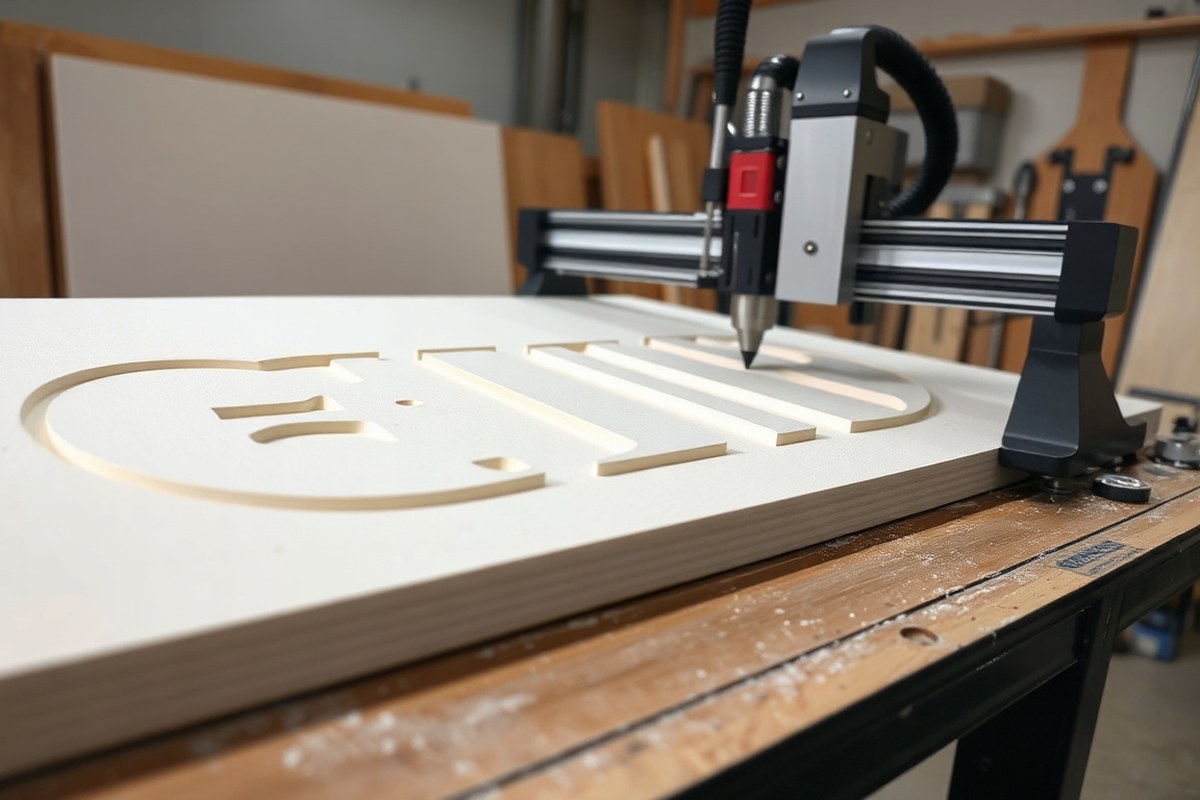
HDU signs are made by shaping solid HDU foam boards through carving and routing, then applying finishing techniques to create durable, attractive signage. The process involves selecting the right density and thickness of the foam, cutting or sculpting the design with specialized tools, and sealing plus painting the surface to protect against weather and wear. Proper execution of these steps ensures a high-quality sign that holds detail and color well.
Types of HDU Boards by Density and Thickness
HDU boards come in various densities, commonly ranging from around 15 to 20 pounds per cubic foot. The density affects how well the foam holds detail during carving and its resistance to damage. Thickness options typically range from 1 inch to several inches, with 1-inch and 2-inch boards being standard for many signs. The thicker the board, the more depth your design can have, allowing for dimensional elements like raised letters or deep relief carving.
For example, a 15-pound per cubic foot, 1-inch thick panel is easier to carve but offers less structural strength than a 2-inch thick panel of the same density, which provides more bulk and durability but requires more powerful routing machines. Choosing the right board depends on the sign’s intended use: outdoor monument signs often need thicker, denser panels, while smaller indoor plaques can use thinner foam.
Carving and Routing Techniques Used on HDU
Carving HDU foam is usually done using CNC routers that follow digital files to precisely cut letters, logos, and designs. Hand carving is also possible for custom or artistic touches but is less common in commercial sign shops due to time and consistency factors. Routing is popular for creating smooth incisions and bevels along edges or for layering foam pieces.
The tools used include CNC routers equipped with bits designed for foam, such as downcut or compression bits, along with traditional handheld routers for detail work. The process starts with securing the HDU board to the router table, programming the design into the machine, then cutting the foam layer by layer. The basic steps for producing a carved HDU sign are:
- Select and prepare your HDU board, ensuring the size and thickness matches your design requirements.
- Create or obtain a digital vector file of the sign design compatible with the CNC router software.
- Mount the HDU board on the CNC router table, fix it securely to avoid shifting while cutting.
- Load the routing bits appropriate for the depth and detail level of carving.
- Run the CNC routing program to carve the design out of the HDU foam, monitoring for any issues.
- Remove the piece and perform any hand carving or sanding to smooth edges as needed.
Always test your router bit on a scrap HDU piece before carving the final sign to adjust speed and depth settings and avoid damaging the foam.
Finishing and Painting Processes for HDU Signs
After carving, HDU signs require finishing to protect them from weather and provide the desired look. Begin by sanding the carved surfaces gently to remove tool marks and create a smooth base. A primer designed for foam or an acrylic-based sealer is then applied to close pores and promote paint adhesion.
Painting typically uses outdoor-grade acrylic or urethane paints that resist UV fading and moisture. Multiple coats are often necessary, with light sanding between layers to maintain evenness. To further improve durability, many sign makers add a clear protective topcoat or varnish, especially for signs subjected to harsh conditions like sun, rain, or impact.
Effective finishing results in vibrant, long-lasting colors with sharp definition in all carved details. Insufficient sealing or use of inappropriate paints can lead to paint peeling, foam degradation, or faded colors within months of installation.
Benefits and Durability of HDU Signs
HDU sign foam offers significant physical benefits that make it a preferred choice in the sign-making industry. Its dense, rigid structure provides excellent resistance to impacts and deformation, which stands up well to the knocks and bumps typical in outdoor environments. Unlike wood, HDU does not warp, crack, or split over time, maintaining its shape and detail precision for years. This physical durability allows HDU signs to retain sharp edges and intricate designs carved by CNC routers, ensuring long-lasting visual appeal.
Weather resistance is one of the main advantages of HDU signs. They can endure a wide range of temperatures, from freezing cold to hot summer heat, without deteriorating. HDU material itself is not affected by moisture, so it won’t absorb water or swell, greatly reducing risks of rot or mold that often affect wood signs. When combined with quality primers, paints, and sealants, HDU signs maintain their colour and finish for 10 to 20 years under typical outdoor conditions. This long lifespan reduces the need for regular repainting or refinishing, saving time and maintenance costs.
Expect minimal upkeep with HDU signs if you use high-quality coatings during finishing. Applying the right adhesive, primer, and paint designed for outdoor use ensures the protective layers bond well and remain intact against sun exposure and rain. Although HDU itself is weatherproof, neglecting the protective paint can shorten the sign’s lifespan. A fresh coat of paint every 10 to 20 years is usually sufficient to keep the sign looking fresh and protected. In contrast, wood signs require more frequent maintenance such as sanding, sealing, and multiple repainting cycles to prevent decay and fading.
The overall cost of maintaining an HDU sign is typically lower than wood or other materials that demand more frequent upkeep. While metal and acrylic signs may last longer without maintenance, HDU’s combination of physical toughness and weather resistance offers a balanced solution, especially when paired with metal or acrylic elements on multi-material signs. Using HDU allows you to create durable, attractive, and detailed signs that serve well in diverse environments without sacrificing longevity or appearance.
Common Applications and Design Possibilities for HDU Signs
High-density urethane (HDU) is a preferred material for a wide range of sign types due to its versatility and ability to hold detailed textures while remaining lighter than wood or metal. Typical applications include storefront signs, directional and wayfinding signs, monument signs, and decorative plaques. HDU is especially valuable when you want the depth and texture of carved materials without the weight and maintenance challenges that come with solid wood or masonry.
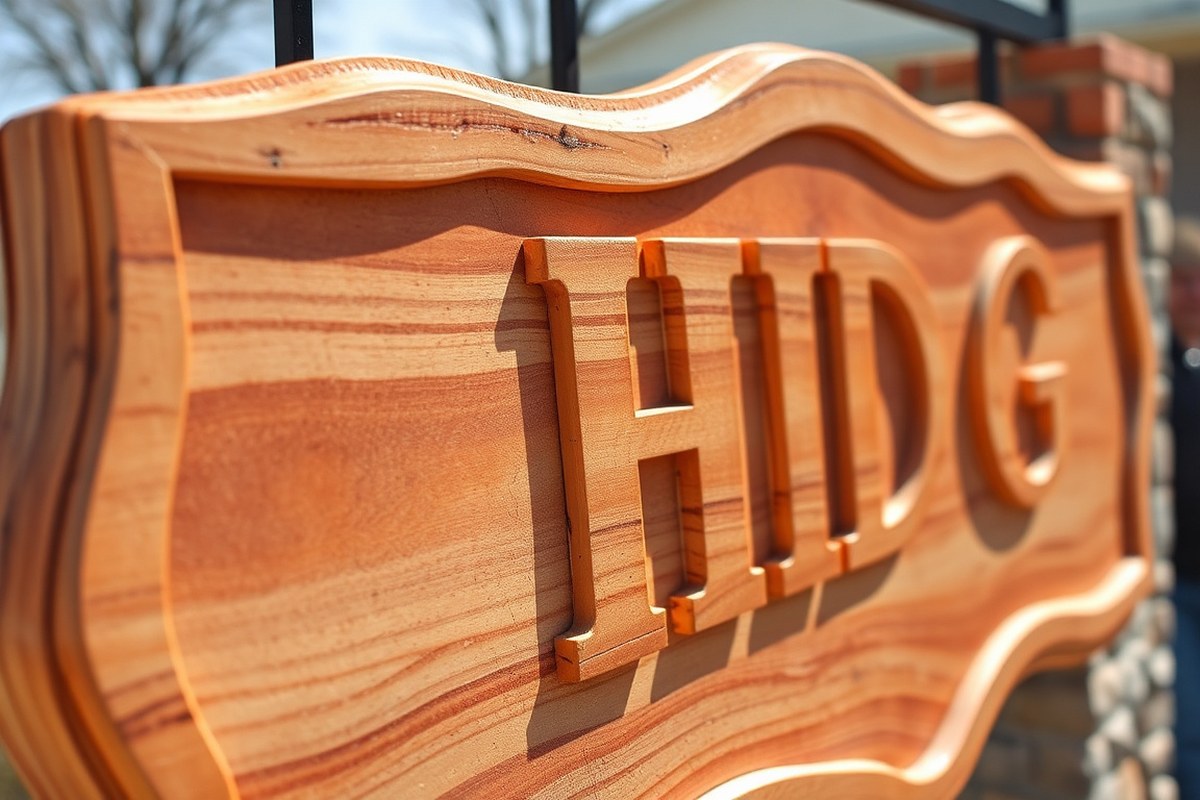
HDU signs can convincingly mimic the appearance of real wood, offering classic woodgrain textures or the look of sandblasted wood. The closed-cell structure prevents water absorption, so the material won’t rot or crack like natural wood. This resistance makes it ideal for outdoor use in varied climates, provided you properly seal and paint the surface. You can also achieve smooth, modern panel styles or combine both traditional and contemporary design elements within one sign.
Popular design styles for HDU signs include raised lettering, intricate 3D carvings, routed borders, scalloped edges, and layered components that create multi-dimensional effects. You can add specialized finishes, such as hand-painting or faux wood grains, to improve visual appeal. The material’s uniform density allows for fine detail work that shows clearly after carving or routing.
Combining HDU with other materials provides even more design flexibility. Many sign makers add metal elements such as aluminum or brass for accents, lettering, or mounting hardware to create contrast and durability. Acrylic inserts or appliqués can also be incorporated to add color depth or translucent effects. These combinations typically require drilling or mounting posts embedded before or after carving the HDU panel, with attention to sealing interfaces to prevent moisture intrusion.
- Storefront and commercial signs featuring raised, detailed carving
- Directional and wayfinding signs with smooth or textured finishes
- Monument signs combining HDU panels with metal frames or bases
- Decorative plaques and address signs with hand-painted details
- Layered designs using multiple HDU boards for depth
- Hybrid signs combining HDU with metal letters or acrylic inserts
To achieve the best results, carve HDU with CNC routers or hand tools designed for dense foams. After carving, apply suitable primers and high-quality exterior paints to protect the sign from ultraviolet light and moisture. Hardware and mounting systems should allow for expansion and drainage to avoid trapped water that could degrade the paint rather than the base material. Avoid thin edges or overly delicate projections that can chip or break. Well-designed HDU signs balance artistic detail with practical durability and maintenance considerations.
How to Write an Effective HDU Material Specification
Specifying HDU sign foam clearly and precisely ensures consistent quality and performance across orders. You need to detail the material’s density, thickness, finish, and any engineering or installation requirements. Keeping detailed records of these specifications supports repeatability and reliable results.
Key Density and Thickness Values
Density and thickness are the foundation of an HDU specification. Specify the HDU as exterior-grade high-density urethane, listing the density in pounds per cubic foot (pcf). Common densities range from 22 to 45 pcf; higher densities generally offer better durability but increase cost. Thickness should be listed separately, as it influences structural strength and suitability for carving.
For standard signs, thickness between 1 and 4 inches suits most designs. Use consistent thickness and density across repeat orders to maintain dimensional accuracy and uniform material behavior. Closed-cell HDU limits water absorption, which preserves the sign’s integrity and reduces warping.
Required Coatings and Primers
The finish you specify impacts the sign’s appearance and lifespan. State whether the HDU arrives raw, primed, or fully painted. Priming is essential for protecting HDU from UV damage and preparing the surface for paint. Specify exact paint colors, textures, or additional surface treatments like clear coats or anti-graffiti films.
For longevity and ease of maintenance, a high-quality exterior primer followed by a paint system suited for polyurethane substrate is recommended. This also supports color consistency across multiple production runs.
Installation and Hardware Recommendations
Include detailed engineering considerations to promote durable installation. Specify mounting methods, load ratings of hardware, and backing materials if used. Sign-grade HDU is rigid but requires secure attachment to prevent movement that could damage the sign or surrounding structure. Recommendations should include:
- Using corrosion-resistant hardware like stainless steel screws or bolts
- Backing boards or frames designed to support the HDU panel
- Allowing expansion gaps to accommodate temperature changes
- Proper sealing of mounting holes to prevent water intrusion
- Surface preparation instructions before installation
These details limit stress on the foam and maintain sign alignment over time, which preserves the carved details and painted finish.
Always verify hardware compatibility with HDU to avoid corrosion and ensure a stable installation environment.
Quality Control Points
For repeatability, retain exact specifications and production data including density, thickness, finish, backing, and the CNC routing file. This creates a standard for comparing new material batches and final products. Check finished dimensions precisely; slight variation can affect installation and visual consistency.
Inspect surfaces for uniform finish and absence of bubbles or voids in the foam. Document the entire process from material receipt through finishing to catch potential deviations early. A checklist ensures nothing is overlooked during production and installation:
- Confirm material matches specified density and thickness
- Verify finish type and color to specification
- Inspect all edges and carved details for accuracy
- Ensure hardware and backing match engineering guidelines
- Record measurement of finished sign dimensions
- Document paint adhesion and surface condition
Costs and Pricing Factors for HDU Signs
Typical costs for HDU signs vary widely depending on size, design complexity, and finishing options. Small, simple signs often run under $500. Larger signs with detailed carvings, multi-layered designs, or intricate finishes can reach $10,000 or more. Pricing considers materials, labour, and any post-production processes like painting or protective coatings.
Size directly affects costs as larger foam blocks require more raw material and additional work hours to carve. Complex carvings with deep relief or multiple layers increase machining time and artistic effort. A single-sided sign usually costs less because only one face requires carving and finishing, cutting labour and material costs approximately in half compared to double-sided signs.
Material quality and finishing also influence the price. Higher density foam blocks are more expensive but provide better durability and carving detail. Paints, sealants, and other coatings add to costs but are essential for weather resistance and longevity. Extended warranties or specialty paints for high UV exposure can add 10-30% to the overall price. The table below shows approximate price ranges based on size and complexity to give a clearer idea of typical costs in the HDU signage market.
| Sign Size | Design Complexity | Typical Price Range |
|---|---|---|
| 12″ x 12″ (small) | Simple (single color, basic shape) | $200 – $500 |
| 24″ x 18″ (medium) | Moderate detail (multiple layers, moderate carving) | $800 – $2,000 |
| 36″ x 24″ (large) | High complexity (deep carving, double-sided) | $3,000 – $6,000 |
| 48″ x 36″ (extra large) | Highly detailed (custom designs, multi-layer, specialty paints) | $6,000 – $10,000+ |
Be aware that exact prices depend on the fabricator’s rates and location. Signs requiring special effects, complex mounting solutions, or accelerated production will increase costs. Ordering multiple signs at once may reduce per-unit costs through bulk discounts. Reviewing proofs and design files carefully before production helps avoid expensive revisions.
Comparing HDU to Wood, PVC, Acrylic, and Metal Signs
| Material | Strengths | Weaknesses | Best Uses | Cost Range (per sq ft) |
|---|---|---|---|---|
| HDU (High-Density Urethane) Foam | Lightweight, easy to carve and shape, weather-resistant, paint-friendly | Less impact-resistant, prone to surface damage without coating | Detailed 3D signs, outdoor decorative signs | $10-$20 |
| Wood | Natural look, sturdy, traditional appearance | Prone to rot, warping, insect damage, requires sealing and maintenance | Rustic or natural-themed signage, indoor or covered areas | $8-$15 |
| PVC (Polyvinyl Chloride) | Waterproof, easy to cut, lightweight, less expensive than HDU | Less rigid, can warp in high heat, less detail in carving | Flat or lightly carved signs, indoor or short-term outdoor use | $5-$12 |
| Acrylic | High gloss finish, excellent color options, durable and UV-resistant | Brittle, can crack under impact, limited thickness for 3D carvings | Flat, smooth-faced signs, illuminated signs | $15-$30 |
| Metal (Aluminum, Steel) | Extremely durable, impact-resistant, professional look | Heavy, hard to carve in detail, higher cost, prone to scratches | Industrial or high-traffic signage, durable outdoor signs | $20-$50+ |
HDU differs from wood and composite panels mainly by offering ease of carving combined with weather resistance. Unlike wood, HDU won’t warp or attract insects, reducing long-term maintenance. Compared to composite panels, HDU has a more consistent density that allows for precise 3D detailing, which wood or composites may not hold well without extensive finishing. You should choose wood if you want a traditional look and can commit to regular sealing to prevent rot. PVC is often a cheaper alternative and works well for flat or lightly carved signs, especially indoors or for short-term outdoor use. It’s less expensive and easier to cut than HDU but does not hold intricate 3D details as sharply and can warp under high temperatures above 140°F (60°C). Use PVC when budget constraints matter most and when the sign will face milder environmental conditions. Acrylic shines with its glossy finish and color options but isn’t suitable for 3D carving due to its brittleness and thickness limits. It’s better for flat-faced signs or illuminated signage where smooth surfaces matter. HDU cannot match acrylic’s glass-like finish but is more versatile for textured, dimensional designs. Metal signs are the most durable but significantly heavier and more expensive. Metals resist impact and weather like no foam or plastic substrate but require heavy-duty mounting systems and lack HDU’s carving versatility, offering mostly routed or screen-printed graphics. Substitute metal where longevity and industrial appearance outweigh cost and design detail. One limitation of HDU compared to these materials is its surface vulnerability without protective coatings. It can dent or scratch if struck, unlike metal or acrylic that resist impact differently. Also, HDU usually costs more than PVC or wood and involves more carving labor. Using HDU makes sense when you want a balance between detailed shaping, outdoor durability, and manageable weight.
Engineering and Installation Considerations for HDU Signs
HDU sign foam requires careful engineering and installation to maintain its shape and longevity. It isn’t designed to bear heavy structural loads and must be fastened properly to avoid damage. Following best practices ensures your signs look sharp and last through weather changes and everyday wear.
Fastening Methods for HDU Panels
HDU panels need fastening that supports their weight without compressing or cracking the foam. Use structural frames or backing materials like aluminum or wood to hold the HDU securely. Fasteners should go through the frame and into the panel without causing point loads directly on the foam. Avoid using nails or screws that are too short or lack washers, as this can deform the surface over time.
When mounting HDU letters or panels, use stainless steel or coated screws that resist corrosion. Pre-drill holes slightly larger than the fastener diameter to accommodate expansion. Adhesive may supplement mechanical fastening but should not replace it.
- Use structural framing behind HDU panels for support
- Fasten with stainless steel or weatherproof screws and washers
- Pre-drill holes larger than screw diameter for movement
- Avoid nailing directly into HDU without backing
- Consider adhesives only as supplementary bonding
Avoiding Water Traps and Damage
Trapped moisture is a common cause of HDU deterioration. Ensure all mounting surfaces allow water drainage and air circulation. Seal exposed edges with a compatible waterproof sealant to reduce water penetration but avoid sealing joints that must flex. Install panels with a slight gap above the mounting frame to prevent sitting water from pooling underneath.
Paint and finish coatings add another layer of protection. Use primers and paints specifically made for HDU to prevent swelling or delamination. Inspect the sign periodically for cracks or gaps where water or dirt could gather.
Never install HDU panels directly on flat, porous surfaces without a drainage gap to prevent moisture damage.
Handling Thermal Expansion and Contraction
HDU expands and contracts with temperature swings, sometimes up to 1/8 inch over a few feet. Over-tight fastening or rigid frames that don’t allow some movement can cause warping or cracking. Leave clearance in mounting holes and around sign edges to accommodate this thermal movement.
Use flexible sealants in joint areas and avoid continuous rigid adhesives that can bond the foam too tightly. In climates with extreme temperature changes, consider framing solutions that include rubber gaskets or padding to absorb expansion forces.
Recommended Professional Installation Scenarios
Call in professionals if your HDU sign installation involves large panels, complex mounting locations, or if it must meet specific local building codes. Complex electrical or lighting integrations also justify expert handling. Precision is critical, especially on custom carved HDU, to avoid damage during installation.
Professional installers have the tools to pre-drill accurately, use industrial-grade fasteners, and create secure drainage solutions. They also understand when engineering reinforcements like metal brackets are necessary. For simple small signs, experienced DIYers can handle fastening carefully, but any sign exposed to harsh weather is safer in the hands of a pro.
Your First Steps to Using HDU Sign Foam Successfully
Start your HDU sign project with a clear plan that ensures the material meets your design and durability needs. Follow these steps to get your sign up quickly and efficiently.
- Before You Begin: Select the appropriate density and thickness of HDU foam for your sign’s size and intended outdoor exposure; confirm it matches your design requirements.
- Day 1: Create or finalize your sign design in vector format, focusing on depth and detail suitable for CNC carving; review the file for accuracy to avoid errors during production.
- Day 2: Arrange the HDU foam cutting and shaping using a CNC router or carve by hand if preferred; inspect the initial cuts for clean edges and correct dimensions.
- Day 3: Apply a primer and paint system compatible with HDU to protect the foam and improve appearance; verify coverage is even and adheres well to the surface.
- Day 4: Attach mounting hardware that suits the weight and installation location of your HDU sign; test for secure fit and stability before final installation.
- Day 5: Install your sign, accounting for local weather and mounting surface conditions; confirm it is level and firmly mounted to prevent future damage.
- Week 1: Monitor the sign for any issues such as paint peeling or mounting loosening; address problems early to extend the life of your investment.
Frequently Asked Questions
What Makes HDU Sign Foam Different from Typical Foam Products?
HDU sign foam is a rigid, high-density material unlike flexible upholstery or Styrofoam. Its structure supports detailed carving and outdoor durability, making it suitable for lasting signage.
Can HDU Foam Be Painted or Finished Like Wood Signs?
Yes, HDU foam can be painted or textured to resemble wood or other materials. This makes it versatile for different design styles and improve its appearance and weather resistance.
How Does the Density of HDU Foam Affect Sign Quality?
Higher density in HDU foam results in a stronger product that resists dents and moisture better, ensuring the sign maintains its look over time in various environments.
Is HDU Sign Foam Environmentally Friendly?
HDU foam is considered eco-friendly compared to wood because it saves trees and has a long lifespan, reducing replacement frequency and material waste.
What Are the Limitations of HDU Sign Foam in Sign Making?
HDU foam isn’t flexible and can’t replace all sign materials like metals or acrylics in certain applications, especially where extreme structural strength or transparency is required.
Do HDU Signs Require Special Maintenance Compared to Wood or Metal Signs?
HDU signs need less maintenance than wood because they don’t rot or warp but benefit from periodic cleaning and repainting to keep colors vibrant.
Key Points to Remember
HDU sign foam delivers a versatile, durable alternative to traditional materials, particularly for outdoor signage requiring intricate design and weather resistance. Start by selecting the right density and finishing techniques to maximize your sign’s lifespan. Check product compatibility with your painting and mounting choices to ensure a professional final result.