What Is MDO Plywood for Signs? A Complete Guide with Pro Tips
What is MDO plywood for signs? MDO plywood is a type of plywood coated with a waterproof resin-impregnated fiber overlay, making it ideal for exterior signage. Its smooth, weather-resistant surface holds paint well, ensuring a long-lasting, durable sign. Start with a properly primed and sealed board to maximize its outdoor lifespan.
Key Takeaways
- Use ½-inch MDO plywood for wall-mounted signs up to about 2×3 feet in size.
- Choose ¾-inch thickness for larger or freestanding signs to prevent flex over spans longer than 3 feet.
- MDO plywood’s resin-treated overlay makes it 100% waterproof, perfect for all-weather outdoor use.
- Select Good 1 side grade for single-sided signs or Good 2 sides for double-sided displays.
- Purchase sheets mainly in 4×8 or 4×10 feet sizes for common sign projects.
- Seal all edges and apply a primer-paint-UV topcoat system to protect and extend sign life up to 10 years.
What Is MDO Plywood and Why Is It Used for Signs?
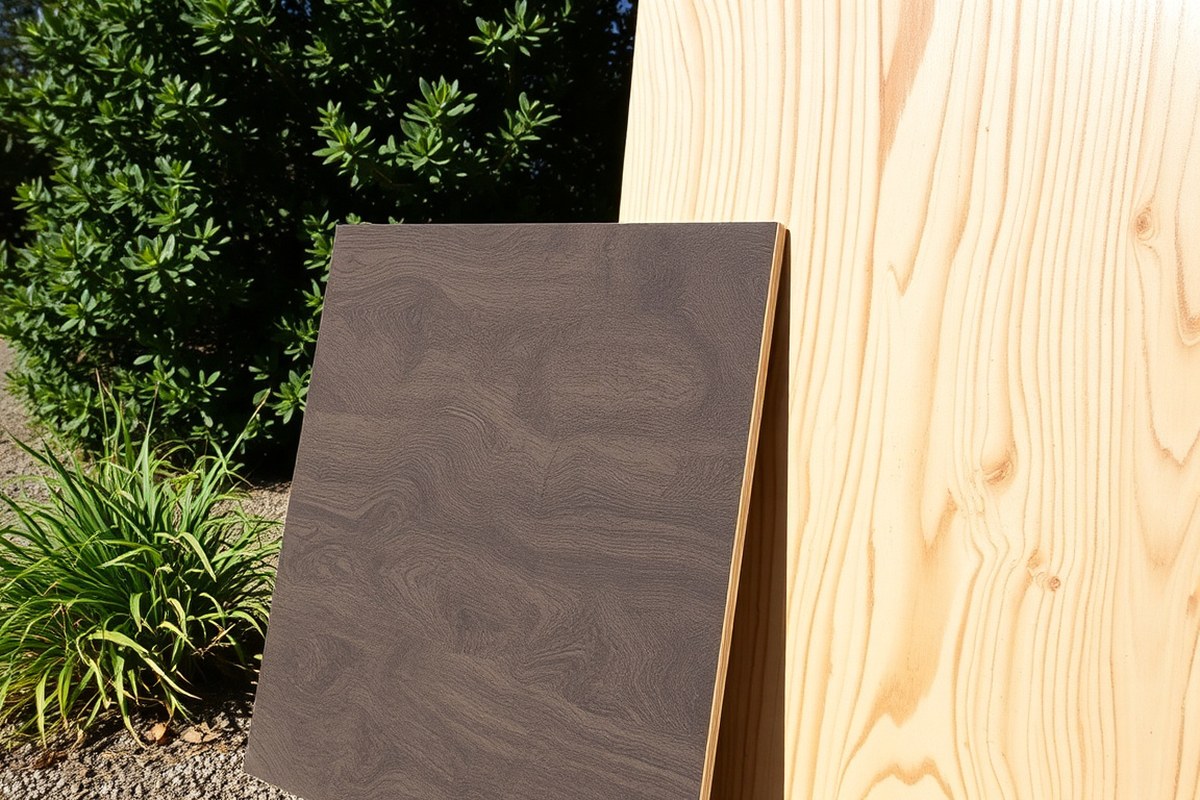
MDO plywood stands for Medium Density Overlay plywood, a type of exterior-grade plywood coated with a resin-impregnated fiber overlay. This overlay, bonded to the plywood surface with heat and pressure during manufacturing, creates a smooth, durable, and weather-resistant panel. The resin-treated fiber layer sets MDO apart from regular plywood by providing a superior surface for paint adhesion and protecting the plywood core from moisture and environmental damage.
Unlike standard plywood, which is made by gluing together wood veneers without any special surface treatment, MDO plywood includes this resin overlay that makes it 100% waterproof. This quality ensures that water cannot penetrate the wood, preventing warping, delamination, and surface degradation that commonly occur with untreated plywood exposed to outdoor conditions. This waterproof property is especially important for signs that remain outside year-round, exposed to rain, humidity, and temperature changes.
The medium density overlay refers specifically to the thickness and density of the resin fiber layer applied. It falls between regular, untreated plywood and HDO (High Density Overlay) plywood, which uses an even heavier resin coating designed primarily for concrete forms but typically offers poorer paint adhesion. MDO’s balanced overlay density achieves strong water resistance and a smooth, paint-friendly surface without the added cost or weight of HDO panels.
MDO plywood is the preferred material for painted outdoor signs because it provides excellent paint adhesion and durability. The resin overlay creates a stable, smooth substrate that holds primer and paint better than plain plywood, which may absorb paint unevenly or flake as moisture causes substrate failure. When you seal MDO plywood properly by applying a full edge-seal with penetrating epoxy or a suitable waterproof sealer before priming, you maximize its lifespan. After that, using a high-quality exterior primer and 2 to 3 thin coats of exterior paint topped with a UV-resistant clear coat can deliver 5 to 10 years of service life, depending on local climate and maintenance frequency.
The cost of MDO plywood is moderate compared to other specialty plywood types but is justified by its durability and finish quality for signs. Common thicknesses for sign applications are 1/2 inch and 3/4 inch, with 3/4 inch recommended for signs spanning over three feet to ensure proper stability during installation. When preparing an MDO sign panel, avoid sanding through the resin overlay as this reduces the water resistance and smooth surface quality. The overlay’s presence means you should use a light touch with sanding or only sand edges, then reseal before painting.
Using MDO plywood significantly reduces the risk of sign deterioration caused by moisture, paint failure, and structural issues. When properly sealed and painted, MDO plywood signs maintain their appearance and structural integrity far longer than signs made from untreated plywood or less suitable materials. This combination of waterproof performance, excellent paint surface, and moderate cost explains why MDO plywood remains the go-to choice for durable, attractive outdoor painted signage.
How Is MDO Plywood Made and What Gives It Weather Resistance?
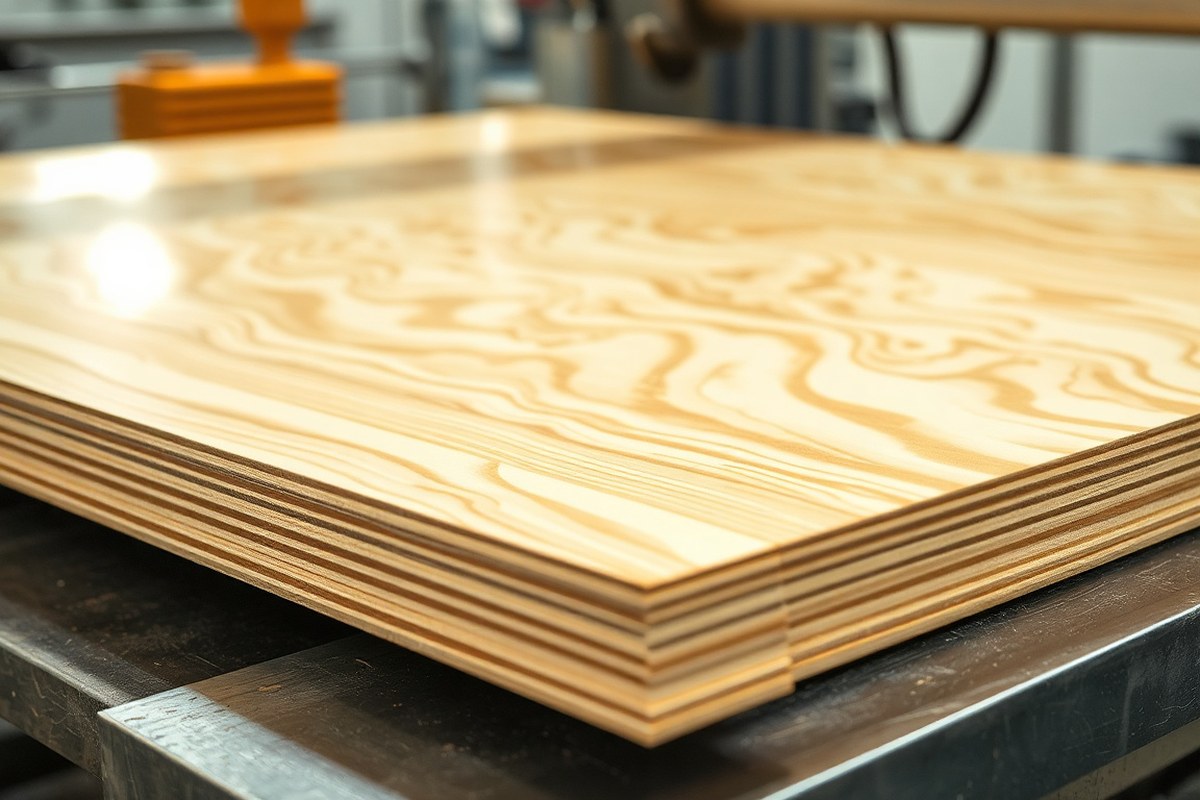
MDO plywood consists of a core made from multiple layers of wood veneer glued together, with a resin-impregnated fiber overlay bonded on one or both faces. The use of waterproof phenolic resin glue and a durable fiber overlay gives these panels their weather resistance and waterproof characteristics, making them ideal for outdoor signs.
Plywood Core Construction
The core of MDO plywood is built from layers of wood veneer, usually softwood species, arranged with their grains alternating for improve strength and stability. These veneer layers are bonded together using an exterior-grade phenolic resin glue, which is formulated to resist moisture and temperature changes. The plywood core forms a strong, dimensionally stable foundation that supports the overlay and maintains structural integrity even when exposed to harsh outdoor conditions.
Unlike decorative plywood, MDO does not rely on high-grade or visually perfect veneers. Instead, its construction focuses on performance, using veneers that balance cost and durability. The thickness of the core typically ranges from 3/8 inch to 3/4 inch, depending on the intended use and sign size, providing enough rigidity and resistance to warping or splitting when properly installed.
Resin-Impregnated Fiber Overlay Process
The defining characteristic of MDO plywood is the resin-impregnated fiber overlay, bonded to the plywood core during manufacturing. This overlay is made from medium-density fibers that are saturated with waterproof resin, usually phenolic, which creates a smooth, uniform, and non-porous surface. The medium density ensures the overlay is solid enough to resist surface wear and weather damage, yet still light enough to handle easily during fabrication and installation.
The manufacturing process involves layering a resin-treated fiber mat onto one or both faces of the plywood core. This overlay creates a smooth, even surface that bonds well with primers and paints, reducing problems such as peeling and bubbling. Sign makers benefit from this by getting a painted finish that lasts longer and looks better than untreated exterior plywood, which tends to absorb moisture and deteriorate faster outside.
Waterproof Glue and Bonding Under Heat
The overlay bonds firmly to the plywood core using waterproof phenolic resin adhesive. Once the core and overlays are assembled, the entire panel is subjected to high heat and pressure in a press. This process cures the adhesives and fuses the resin-impregnated fiber sheeting to the wood veneer layers, resulting in a strong, waterproof, and dimensionally stable panel.
This exterior bond meets recognized industry standards for plywood intended for outdoor use. The curing under heat ensures that the glue does not break down in humid or wet environments, and the resin impregnation in the overlay makes the surface 100 percent waterproof. As a result, MDO panels can withstand rain, freezing and thawing cycles, and high humidity better than standard plywood, which may delaminate or swell under similar conditions.
Always handle MDO panels with care during cutting to avoid damaging the resin overlay, as deep scratches can reduce the panel’s weather resistance.
Common Sizes, Thicknesses, and Grades of MDO for Signs
MDO plywood sheets most commonly come in 4-by-8-foot and 4-by-10-foot sizes, which fits well for typical outdoor sign projects. The choice between these sizes mainly depends on the sign’s dimensions and the framing available. Thickness options typically range from 3/8 inch up to 1 inch, but 1/2 inch and 3/4 inch are the most popular. Thicker sheets add durability and reduce flex, critical for larger signs or those exposed to wind and handling.
MDO plywood has a special overlay on its surface made of a resin-impregnated fiber layer that can be on one or both sides. Signs meant to be seen from just one side usually use MDO with overlay on one side (termed “Good 1 side”), which is a more affordable option. For double-sided signs or billboards, MDO with overlay on both sides (“Good 2 sides”) provides weather resistance and a smooth painting surface on both faces.
| Sheet Size | Thickness Options | Overlay Type | Recommended Use |
|---|---|---|---|
| 4 ft × 8 ft | 1/2″, 3/4″ | Good 1 side or Good 2 sides | Small to medium signs; single or double sided |
| 4 ft × 10 ft | 3/4″ | Good 1 side or Good 2 sides | Large signs or billboards with framing support |
| Variable lengths (8’ to 12’), 4’ or 5’ widths | 3/8″ to 1″ | Typically Good 1 side | Specialty applications or custom sizes |
For smaller signs, such as ones up to about 2 feet by 3 feet, 1/2-inch thickness performs well and is easier to handle. Larger signs, particularly those 4 feet by 8 feet or bigger, benefit from 3/4-inch thickness paired with a back frame or cross battens. This prevents warping and flexing under outdoor conditions. Always match thickness to the sign’s span and mounting method to avoid damage.
MDO plywood is classified only as an exterior-grade plywood, designed for outdoor use. Unlike other plywood types, you won’t find multiple grading options for MDO; the focus is on a durable, weather-resistant overlay. When choosing MDO, selecting a primed overlay ensures better paint adhesion and longer-lasting graphics. The primed faces are acrylic-coated paper; bare MDO can be painted but will require extra surface preparation. Consider the overlay and priming to reduce maintenance and extend your sign’s life outdoors.
How to Properly Prepare and Paint MDO Plywood Signs
Preparing MDO plywood properly before painting ensures a smooth finish and maximizes outdoor durability. Light sanding followed by priming seals the surface, while quality acrylic latex paint resists weather damage. A clear topcoat or sealant protects paint and extends the sign’s life for 5 to 10 years.
Cleaning and Light Sanding
Start by removing dirt, dust, and oils with a damp cloth or mild detergent solution, then let the panel dry completely. MDO’s resin-treated overlay creates a smooth, sealed surface, so heavy sanding is unnecessary. A light scuff with 120-grit sandpaper improve primer adhesion without damaging the face.
Buff the surface gently with 120-grit or finer sandpaper in even strokes. Avoid rough sanding that exposes the plywood core. If the panel edges are raw wood, lightly sand them with 180-220 grit to support edge sealing later.
Recommended Primers and Paints
Use a water-based acrylic latex primer formulated for exterior wood surfaces. This type bonds well with the slightly absorbent MDO face and prevents peeling. Skip oil-based primers or adhesion primers designed for phenolic surfaces, as they aren’t necessary here.
For the topcoat, apply high-quality exterior acrylic latex paint. It offers excellent UV resistance, flexibility, and water repellency. Flat, satin, or semi-gloss finishes work depending on your design preferences, but flat finishes may show dirt more easily. Applying two coats is standard to get even coverage and durability.
Applying Protective Topcoats
After painting, protect your sign with a clear outdoor sealant to block moisture and UV rays. Spar urethane, marine varnish, or acrylic clear coats designed for exterior use provide solid protection. Polyurethane-based finishes must be compatible with latex paint and applied in thin, even layers.
Lightly sand between coats with 220-grit sandpaper once the previous layer is dry. Applying at least two coats of clear topcoat is recommended for long-lasting resistance. Seal edges and back of the panel to prevent moisture infiltration and potential warping.
- Clean the MDO plywood surface with a damp cloth and mild detergent; allow to dry.
- Lightly sand the face with 120-grit sandpaper to scuff the surface for better primer grip.
- Apply a water-based acrylic latex primer evenly over the entire sign surface.
- Allow the primer to dry according to manufacturer instructions (usually 2, 4 hours).
- Paint with high-quality exterior acrylic latex paint in two even coats, letting each dry fully.
- Apply a clear outdoor sealant or spar urethane finish in two coats, sanding lightly between coats.
- Seal raw panel edges on all sides with paint or a compatible waterproof sealant.
Best Practices for Cutting, Drilling, and Installing MDO Signs
Use a fine-toothed carbide-tipped blade designed for plywood when cutting MDO plywood to achieve clean, precise edges. Avoid blades with large, widely spaced teeth, which can cause chipping or splintering of the treated surface. Circular saws with 60 to 80 teeth blades work well, especially when paired with a zero-clearance insert. To prevent surface damage, cut with the coated face down, supporting the panel fully along the cut line to reduce vibration and tear-out.
When drilling holes, select high-speed steel drill bits with a brad point or a sharp tip to minimize tear-out on the surface. Drill at slow to medium speed, and consider backing the panel with scrap wood to keep the exit hole clean. Always seal the edges of drilled holes promptly with a wood hardener or waterproof edge sealer to protect the exposed plywood core from moisture infiltration.
- Support MDO panels on a stable, flat surface before cutting and drilling
- Use clamps or temporary battens to prevent panel movement during cuts
- Seal all cut and drilled edges before painting or installation
- Attach 1×3 or 1×4 wood battens across the back, spaced 16 to 24 inches apart, to reduce flex
- Install large panels on solid frames that prevent sagging and protect from wind damage
- If mounting directly on posts or studs, provide a gap or weather-resistant barrier to allow for expansion
- Handle panels gently to avoid dents or surface abrasion
For installation, securing MDO plywood properly prevents bending and cracking over time. On large signs, use battens made from pine or cedar across the back of the panel. Space these supports every 16 to 24 inches to evenly distribute weight and minimize panel flexing during wind or handling. Avoid fastening through unprotected edges; seal and prime edges first to maintain long-term weather resistance.
Always seal the edges of cut or drilled MDO plywood immediately to prevent moisture from compromising the panel core and reducing sign lifespan.
How Long Does an MDO Plywood Sign Last Outdoors?
MDO plywood signs typically last between 5 and 10 years outdoors when properly painted and maintained. The surface of MDO is designed to resist moisture and insects, which delays the wood’s natural decay. However, the exact lifespan depends heavily on environmental conditions, the quality of the paint or sealer used, and how well the sign is maintained over time.
To extend the life of your painted MDO plywood sign, regular maintenance is essential. This includes cleaning the surface with mild soap and water to remove dirt and debris every year or after severe weather. Inspecting the paint or sealant for cracks or peeling and touching up damaged areas prevents moisture from penetrating the wood. Repainting or resealing every 3 to 5 years helps maintain a strong barrier against UV rays, rain, and temperature changes, which are the main causes of wear on MDO.
Environmental factors that influence how long your MDO sign lasts include sun exposure, humidity levels, and temperature fluctuations. Signs placed in areas with intense sunlight may fade and suffer surface damage more quickly, so using a UV-resistant topcoat can reduce this effect. High humidity and frequent rain increase moisture exposure, which can cause swelling or warping if the sealant is compromised. In colder climates where freezing and thawing cycles occur, proper sealing is important to prevent cracks in the wood and paint.
Choosing the right thickness and support for your MDO sign affects durability as well. For example, ½-inch MDO is commonly used for signs up to 2 by 3 feet, while ¾-inch thickness is better for larger signs or those with longer spans. Thinner plywood may bow or break faster under environmental stress. Installing the sign with proper backing and spacing to allow airflow behind helps reduce moisture buildup and prolongs life.
The upfront cost of MDO plywood is higher than standard plywood but lower than some alternative materials with near-zero maintenance costs. For signs that are difficult to reach or need to last beyond 10 years without much upkeep, investing more in materials like aluminum composite panels could be worthwhile. Yet for short- to medium-term projects where you can commit to yearly cleaning and repainting, MDO offers a good balance of durability and price.
Comparing MDO Plywood with Other Materials for Signage
| Material | Durability | Cost | Painting Suitability | Typical Use for Signs |
|---|---|---|---|---|
| MDO Plywood | High – with weather-resistant overlay | Moderate to High ($40-$70 per 4×8 sheet) | Excellent – smooth, sealed surface suitable for paints | Standard for outdoor signs |
| HDO Plywood | Very High – densified overlay offers extra weather protection | High ($60-$90 per 4×8 sheet) | Superior – very smooth, ideal for detailed graphics and long-lasting paints | Premium outdoor signs and concrete forming |
| MDF (Medium-Density Fiberboard) | Low – not suitable for outdoor use | Low ($20-$40 per 4×8 sheet) | Poor for outdoor signs – absorbs moisture, causing swelling and paint failure | Indoor signs or crafts only |
| Marine Plywood | High – meets marine-grade specs for water resistance | Moderate to High ($50-$80 per 4×8 sheet) | Good – but less smooth than MDO/HDO; requires more prep for painting | Signs requiring extreme moisture resistance |
| Standard Plywood | Moderate – varies by grade and veneer quality | Low to Moderate ($25-$50 per 4×8 sheet) | Fair – rougher surface needs thorough priming; not ideal for detailed painting | Temporary or interior signs |
MDO plywood stands out for outdoor signage mainly due to its weather-resistant phenolic resin overlay, which keeps it durable against moisture and sunlight. This makes it a better choice than MDF, which readily absorbs water and warps, causing paint to blister or peel. MDF is far cheaper but simply does not hold up outdoors.
HDO plywood offers even greater durability than MDO because of its high-density overlay. The very smooth surface on HDO panels allows paint and screen-printed graphics to last longer with less maintenance, making it worth the higher cost for premium signs. However, HDO’s price can be 30% to 50% more than MDO, which may not justify the investment for all projects.
Marine plywood excels in water resistance thanks to strict manufacturing standards, but it lacks the sealed, ultra-smooth surface that MDO and HDO provide. This often means additional sanding and priming before painting to achieve a clean finish. Marine plywood suits signs exposed to extreme moisture, such as those near water bodies, where rot resistance is critical.
Standard plywood is less expensive but less durable outdoors unless properly sealed and maintained. Its rougher surface demands extra preparation for smooth paint application, and painted signs using standard plywood tend to have a shorter lifespan outdoors compared to MDO or HDO.
For an effective outdoor painted sign, choose MDO plywood if you want a balance of durability, cost, and a surface tailored for paint adherence. Opt for HDO when premium appearance and longevity justify the extra expense. Use marine plywood only when exposure to water or humidity is intense. Avoid MDF outdoors, and reserve standard plywood for indoor or short-term signs.
Common Mistakes When Using MDO Plywood and How to Avoid Them
Failing to seal cut edges properly, neglecting surface preparation before painting, and not providing enough support are common mistakes that shorten the life of MDO plywood signs. These errors lead to water absorption, paint peeling, and warping, which compromise the sign’s durability. Correcting these problems requires paying attention to sealing, painting, and installation details.
Not Sealing Cut Edges Properly
MDO plywood edges often absorb water, leading to swelling, layers separating, and rotting. A frequent mistake is to protect only the flat surfaces while leaving the edges unsealed. Although the faces resist weather well, untreated raw edges require a strong exterior wood sealer or primer to prevent damage.
To protect cut edges, immediately apply at least two coats of an oil-based or exterior-grade acrylic primer after cutting. Wait for each coat to dry fully, typically 4 to 6 hours depending on temperature and humidity. Use a brush for better control and coverage along the end grain. Follow with at least two coats of exterior paint matching the sign’s face.
- Seal cut edges within 24 hours of cutting
- Use oil-based or exterior-grade primers designed for wood
- Apply a minimum of two primer coats to edges
- Allow full drying between coats (4 to 6 hours typical)
- Follow primer with two or more coats of exterior paint
- Inspect and reseal edges periodically (every 1 to 2 years recommended)
More extensive edge protection can include edge banding or trim, especially for signs exposed to frequent rain or standing water. This extra step adds cost but greatly extends service life.
Ignoring Surface Prep Before Painting
Paint failing to stick or peeling often results from inadequate surface cleaning or skipping primer. Smooth, clean surfaces without dust, oils, or old loose paint are essential. Dirt and residues create weak adhesion points, allowing moisture under the paint film.
Begin by sanding the MDO face lightly with 150- to 180-grit sandpaper to remove any gloss or debris. Wipe the surface clean with a damp cloth and let it dry completely. Apply a high-quality exterior primer compatible with your paint type before painting. Multiple primer coats reduce the risk of bubbling or peeling.
Do not paint directly onto MDO’s factory surface without sanding and priming first; paint adhesion problems will follow.
Proper paint systems involve at least two coats of exterior acrylic latex paint or oil-based enamel following primer. Use UV-resistant paint formulated for outdoor wood. Repainting every 3 to 5 years helps maintain protection against sun and weather.
Insufficient Structural Support on Large Panels
Large MDO panels used for signs can warp or sag without adequate backing or framing. MDO plywood is strong, but panels over 4 feet by 8 feet require a sturdy support framework. Lack of support leads to flexing that cracks paint and stresses the panel.
Install a rigid frame of treated lumber or metal behind the sign, with supports spaced 16 to 24 inches apart. Thicker MDO (3/4 inch or more) resists bending better but still benefits from bracing. Use corrosion-resistant screws every 6 to 8 inches along edges and supports to keep the panel flat.
- Frame large MDO signs with treated wood or metal supports
- Space cross supports 16 to 24 inches on center
- Use 3/4-inch or thicker panels for better stiffness
- Fasten with corrosion-resistant screws every 6 to 8 inches
- Check for flatness before painting
Proper structural support prevents warping that leads to paint stress and water intrusion at panel edges.
Using Wrong Tools or Techniques When Cutting
Cutting MDO plywood with dull or inappropriate blades causes rough edges and splintering, increasing moisture entry points. Using circular saw blades with at least 60 teeth designed for plywood or laminated panels results in cleaner cuts. Overspeed or feeding too fast creates tear-out and damage.
Secure the panel firmly to prevent vibration. Support cut sections immediately to avoid sagging that can crack the panel or painted surface. After cutting, sand edges lightly and clean off sawdust before sealing. Proper tool choice and technique reduces labor and material waste.
Do not use a blade with fewer than 60 teeth for cutting MDO plywood; rough edges compromise the sign’s longevity.
Finishing edges quickly with primer minimizes damage risk. Take time during cutting to protect the panel’s integrity and your paint job.
Step-by-Step Action Plan for Using MDO Plywood in Your Sign Projects
Follow these steps to get your MDO plywood sign ready, durable, and attractive for outdoor display.
- Before you start: Choose the right grade and thickness of MDO plywood based on sign size and expected exposure. Confirm it has a smooth surface free of defects.
- Day 1: Cut and drill the plywood cleanly using sharp carbide tools. Check edges are smooth and free of splinters.
- Day 2: Sand the surface lightly to help paint adhesion, then clean dust off completely. Ensure no oils or residues remain.
- Day 3: Apply a quality exterior primer designed for wood. Wait for it to dry as per product instructions, look for a uniform finish.
- Day 4: Paint the sign with at least two coats of high-quality exterior paint. Each coat should dry fully and show no streaks or bubbles.
- After 1 week: Inspect the painted sign for any cracks or peeling. Touch up areas as needed before installation.
- Before installation: Use corrosion-resistant fasteners and hardware to mount the sign securely. Check for level and stability.
- After 6 months: Perform a maintenance check. Look for peeling paint, water damage, or warping and address any issues promptly.
Frequently Asked Questions
What Thickness of MDO Plywood Is Best for Large Outdoor Signs?
Use 3/4″ thickness for large signs over 3 feet wide, supported by a frame or cross-battens to prevent warping and ensure durability. Thinner sheets may need extra backing to stay flat outdoors.
Can MDO Plywood Be Used for Curved or Bent Signs?
MDO plywood is not ideal for bending as it is rigid and can crack. For curved signs, flexible substrates or thinner materials designed to bend work better.
Is MDO Plywood Environmentally Friendly for Signs?
MDO plywood is made from wood and resin overlays, but the resin involves chemicals. It’s recyclable but not considered fully eco-friendly compared to some composites.
How Should MDO Plywood Signs Be Stored Before Installation?
Store flat in a dry, shaded area to prevent warping and moisture damage. Avoid leaning them against walls or exposing them to rain.
Can I Use Spray Paint on MDO Plywood Signs?
Spray paint can work but use an acrylic primer first for better adhesion and durability. Otherwise, spray paint may peel faster outdoors.
What Maintenance Does an MDO Plywood Sign Need to Last 10 Years?
Annual cleaning and touch-up with UV-resistant paint or clear coat extend life. Maintain edge seals to keep moisture out.
The Bottom Line
MDO plywood offers a reliable combination of smooth surface and weather resistance, making it one of the best choices for exterior signs. Using the right preparation, painting, and maintenance steps will extend the life and appearance of your sign well beyond a few seasons. Start your next sign project by selecting certified MDO plywood to ensure you get a product designed specifically for this purpose.