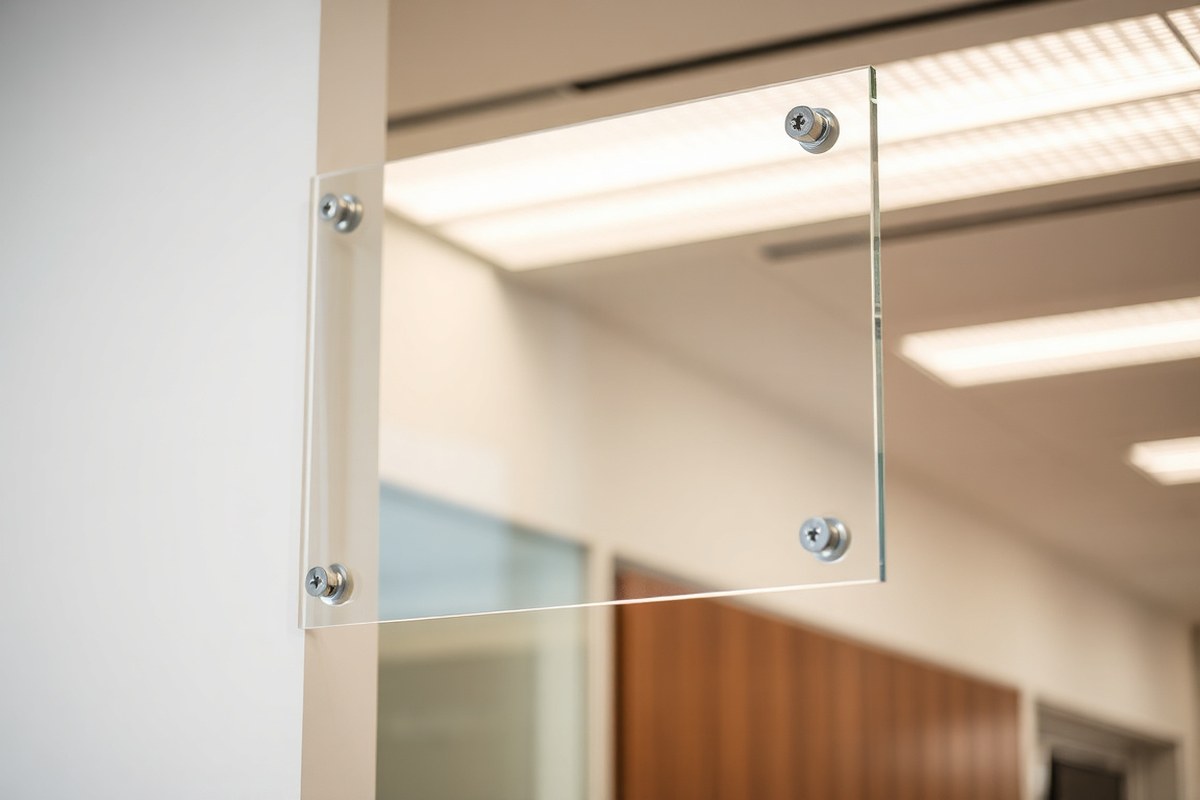
What Is an Acrylic Sign? A Complete Guide to Types, Uses, and Care
What is an acrylic sign? An acrylic sign is a durable, clear plastic sign made from acrylic sheets known for their high light transmission of about 92%, surpassing even glass. These signs work by combining a rigid, smooth surface with vibrant printed graphics, offering professional and eye-catching displays for indoor and limited outdoor use. Start by choosing between clear or frosted acrylic, depending on your design needs and where the sign will be installed, since frosted options cost about 10-15% more but provide a unique visual finish.
Key Takeaways
- Acrylic signs are made from rigid sheets of transparent or frosted plastic that allow vibrant, high-contrast visuals.
- Clear acrylic offers superior light transmission, making colors and details stand out sharply behind the surface.
- Frosted acrylic costs roughly 10-15% more and is ideal for a subtle, textured appearance without sacrificing translucency.
- Acrylic can be thermoformed into curved or 3D shapes, providing creative flexibility in signage design.
- Cost for acrylic signs typically ranges from $200 to over $2,000, influenced by size, colors, and design complexity.
- Aluminum signs offer better weather resistance and longer lifespan outdoors than acrylic, which lasts 3, 5 years in such conditions.
What Is an Acrylic Sign Made of and How Does It Work?
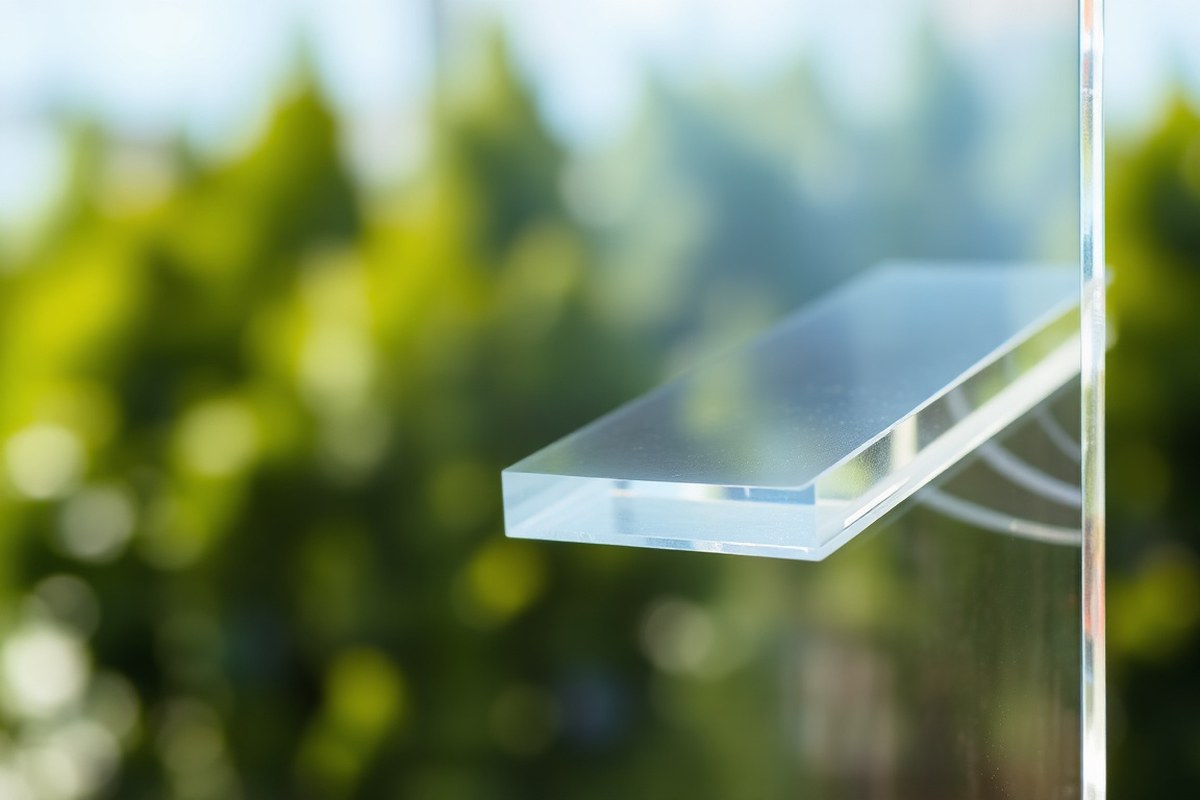
Acrylic signs are made from a type of plastic known as polymethyl methacrylate (PMMA), which gives them a unique combination of clarity, strength, and durability. This synthetic material is designed to mimic many properties of glass but with distinct advantages that make it suitable for signage. The base material is a clear acrylic sheet that transmits about 92% of visible light, offering superior optical clarity compared to standard glass, which typically transmits around 90% or less depending on thickness and coating.
One main reason acrylic performs well as a sign material is its excellent impact resistance. Acrylic is up to 10 to 24 times more impact-resistant than glass, which reduces the risk of cracking or shattering. This resilience makes acrylic signs safer to handle and better suited for environments where bumps or accidental contact happen frequently. For example, a lobby directory or an office door sign made from acrylic will stand up to everyday wear much better than glass without losing its polished look.
Physically, acrylic is lightweight and rigid, weighing approximately half as much as glass of the same thickness. This lower weight makes acrylic signs easier and less expensive to ship and install. It also improve durability because acrylic flexes slightly under stress rather than breaking, helping the sign maintain its form over time. Acrylic is weather resistant to a degree, especially when treated with UV-resistant coatings that slow color fading and material degradation. These coatings allow outdoor acrylic signs to last around 3 to 5 years well, provided they are not exposed to direct, harsh weather continuously.
Acrylic’s versatility extends to shaping and finishing options. It can be cut into various sizes and custom shapes using CNC machining or laser cutting. This adaptability, along with high light transmission, makes acrylic a preferred choice whenever a clean, professional look is necessary. Although aluminum signs offer longer outdoor life spans of 8 to 12 years, typically at higher costs, acrylic balances visual appeal and cost-effectiveness, especially for indoor use or semi-protected outdoor locations.
Compared to other plastics like foam board or expanded PVC, acrylic provides superior scratch resistance and optical quality, which makes it ideal for long-lasting displays that require precise color and image clarity. The built-in UV protection in acrylic sheets is another practical feature, as it limits surface yellowing and brittleness that lower-quality plastics often suffer from over time. This ensures that your signage remains clear and vibrant without frequent replacement.
In summary, acrylic signs use a durable, clear plastic base that delivers bright, sharp visibility and strong physical properties. Light transmission at 92%, combined with impact resistance up to 24 times better than glass, creates signs that look great and last. Their lightweight and rigidity allow easy installation and handling, while UV-resistant treatments help acrylic maintain its appearance outdoors for several years. These qualities make acrylic a reliable and economical choice when you want signage with high optical clarity, durability, and ease of customization.
What Types of Acrylic Signs Are Available and How Do They Differ?
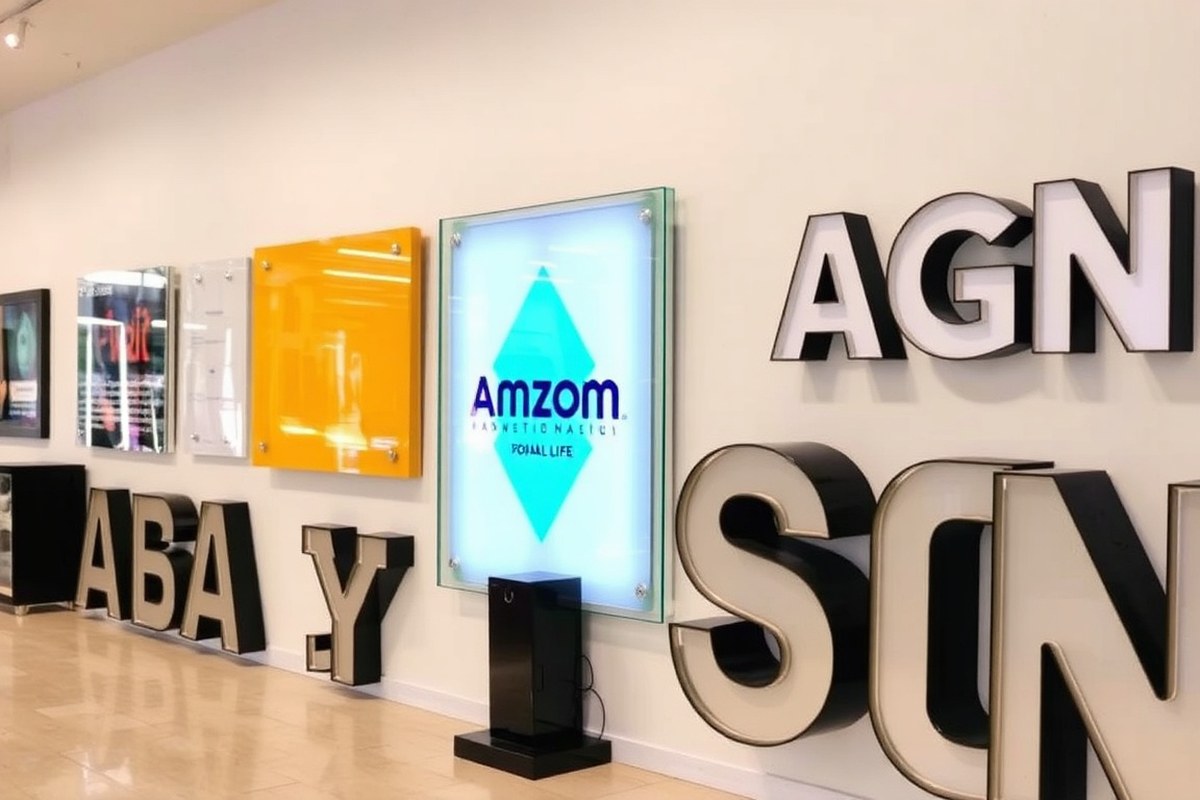
Acrylic signs come in several common types, each with unique shapes and applications. Popular styles include wall-mounted panels, A-frame sidewalk signs, and dimensional letters or logos. These varieties differ in thickness, finish, and mounting to suit indoor and commercial environments effectively.
Wall-Mounted Acrylic Panels
Wall-mounted acrylic panels are usually flat signs attached directly to the wall or floated on standoffs that lift them about 0.5 to 1 inch from the surface, creating a modern “floating panel” effect. These panels often serve as lobby signs, informational boards, or decorative nameplates in offices and retail stores. Clear acrylic panels offer a sleek, transparent look, while frosted or colored finishes add privacy or stylistic elements.
Using standoffs and layered acrylic panels can add a subtle three-dimensional depth without 3D machining, making these signs visually engaging but still easy to maintain. Such signs typically range from ¼ to ½ inch thick, balancing durability with lightweight installation.
A-Frame and Free-Standing Signs
A-frame signs are portable, double-sided free-standing signs often used outdoors or in lobby entrances to display promotions, directions, or temporary notices. Acrylic A-frames come in solid opaque colors with high-gloss finishes or mirrored acrylic for eye-catching reflections on both sides. These signs range from budget-friendly options for seasonal marketing to more durable designs suited for frequent repositioning.
Typical thicknesses vary from 3/16 to ¼ inch depending on stability needs. Opaque acrylic A-frames provide clear graphics with less light interference, while mirrored acrylic creates a dynamic effect but may show fingerprints more easily. Common uses include:
- Retail sidewalk promotions
- Event signage indoors or outdoors
- Directional signs in large facilities
- Temporary notices in lobbies
- Restaurant menu displays
Choose mirrored acrylic signs carefully for outdoor use because scratches and smudges are more visible on reflective surfaces.
Cut-Out Acrylic Letters and Logos
Dimensional cut-out letters and logos are precision laser- or CNC-cut shapes that mount individually on walls, creating three-dimensional branding or decorative elements. These are ideal for front desk branding, retail environments, or gallery walls where a clean, modern look is important. Thickness can range from ¼ inch up to 1 inch or more for bold visual impact.
Mounting these elements with spacers creates depth and shadow, improving legibility and adding sophistication. Mirrored acrylic letters amplify ambient light and reflect surrounding design elements, improving visual interest. Layered or stacked acrylic letters are an option to build more complex designs without costly 3D machining.
Finish Options: Clear, Frosted, Mirrored
Clear acrylic offers full transparency, best for signs where background visibility or bright, colorful graphics matter. Frosted acrylic features a translucent, matte surface that diffuses light, providing a softer look and improved privacy. It typically costs 10-15% more than clear acrylic and is standard for backlit displays or more subtle branding elements.
Mirrored acrylic reflects the environment like glass mirrors but weighs less and resists shattering. Common in decorative and high-impact branding signs, mirrored acrylic can show fingerprints and scratches easier than other finishes, so regular cleaning matters. Selecting a finish depends on the desired atmosphere and light conditions of the installation space.
| Finish | Appearance | Typical Use | Cost Impact |
|---|---|---|---|
| Clear | Transparent, bright colors pop | Lobby signs, info panels, overlays | Base price |
| Frosted | Opaque matte, diffuses light | Backlit signs, privacy panels | +10-15% |
| Mirrored | Reflective, high gloss | Decorative letters, feature walls | Varies, generally higher |
Thickness Variations and Effects
Thickness of acrylic signs ranges from about 1/8 inch for lightweight, thin panels up to 1 inch or more for dimensional letters and multi-layered signs. Thicker acrylic provides durability and a stronger 3D effect but increases weight, material cost, and mounting complexity. Thin panels suit graphics-focused wall signs or short-term use where cost and ease of installation matter most.
The sign’s thickness influences the shadow effect in dimensional letters and layered designs, providing depth and texture. Using at least ½ inch thick acrylic for cut-out logos ensures they look substantial without risk of cracking during installation. Layering thinner panels spaced apart creates a similar depth effect for signs where premium thickness would be too heavy or expensive.
How Are Acrylic Signs Printed, Customized, and Finished?
Printing on acrylic signs can happen on either the front or back surface, each affecting the sign’s appearance and durability in different ways. Color choices, print quality, and finishing techniques also play key roles in customizing acrylic signs to fit your brand and ensure they last in various environments. Selecting the right method depends on where the sign will be displayed and how you want it to look over time.
Front Surface Printing Explained
Front surface printing delivers vibrant colors and sharp details by applying inks directly onto the acrylic face. This method offers a glossy and polished look, improving the acrylic’s natural clarity and making images pop. It’s ideal when maximum color intensity and precise logo reproduction are priorities.
Acrylic signs printed on the front surface may be more exposed to scratches, dirt, or wear, especially outdoors or in high-traffic areas. Protective coatings or laminates can boost durability but add cost. Front surface printing also allows for layering effects, where different colors or graphics can be stacked for complex designs.
Back Surface Printing Benefits
Back surface printing means the design is printed on the reverse side of the acrylic sheet, viewed through the clear plastic. This setup protects the ink from external damage like scraping or fading, which often makes it more durable for outdoor or busy settings. The glossy acrylic acts as a natural shield for the image.
The downside is that colors sometimes appear slightly muted or softer due to the layer of acrylic in front. Fine details might lose sharpness, but for large logos or simple designs, this tradeoff usually isn’t noticeable. Back surface printing also prevents the sign from wearing down quickly, helping it last closer to acrylic’s typical 3 to 5 year outdoor lifespan.
Choosing the Right Print for Your Sign
Deciding between front or back surface printing depends on your sign’s use, location, and desired appearance. Front printing is best for indoor or protected signage requiring high impact visuals and those willing to invest in extra protective coatings. Back printing suits outdoor or public areas where protection against weather and abrasion matters. Use this step-by-step template to choose and prepare your acrylic sign printing:
- Assess the sign’s environment: indoor, outdoor, protected, or high-traffic.
- Determine color vibrancy needs: bright and sharp (front) or durable with slight softening (back).
- Choose print resolution of at least 300 dpi to maintain crisp logos and text.
- Decide on single-sided or double-sided printing based on visibility and placement.
- Review color profiles to ensure consistency with brand standards during production.
- Select finishing options like UV coating or laminates for added protection.
- Confirm sign size and shape for appropriate artwork scaling and layout.
- Order proofs or samples to check color accuracy and sharpness before full production.
High-resolution images with clear outlines and bold colors provide the best final results on acrylic. Avoid overly complex gradients or very fine details that may blur in back printing. Proper template use and final file checks can minimize costly revisions and delays.
Where and Why Are Acrylic Signs Commonly Used?
Acrylic signs are common in environments where clear communication, branding, and attractive presentation matter. These include corporate offices, retail stores, hospitals, educational institutions, museums, and galleries. In such spaces, acrylic signs often serve as wayfinding tools, door plaques, room identifiers, or decorative branding elements. The material’s clean, glossy look fits well with modern, professional settings where you want signage that commands attention without overwhelming the space.
Acrylic signs perform well outdoors if installed where they won’t face extreme weather or rough handling. They are well-suited for uses such as building identifiers, address plaques, parking notifications, and construction site markers due to their ability to withstand rain, UV rays, and minor impacts. The sign’s thickness influences how tough it is, with 0.25-inch (6 mm) and 0.375-inch (9.5 mm) acrylic being common thicknesses for these applications. Using premium acrylic with built-in UV resistance helps prevent discoloration and deformation over time. For signs that need to endure beyond a decade, aluminum generally lasts longer, as noted by the International Sign Association.
Acrylic signage improve branding by offering a sleek surface for vivid graphics, logos, or dimensional lettering. It works well indoors to reinforce brand identity through entrance signs or promotional displays. Retail environments use acrylic signs to highlight product areas or sales, capturing customer attention with sharp colors and finishes. Wayfinding in public spaces like hospitals or universities relies on acrylic signs that are easy to read and maintain, improving navigation and safety. Especially indoors, gloss or matte acrylic panels provide durable, scratch-resistant surfaces that preserve visual clarity in high-traffic areas.
To maximize impact, match the acrylic sign type to the location. For example, lightweight, clear acrylic panels work well as interior room signs or menu boards. Thicker, coated panels with UV-resistant inks suit semi-exposed outdoor wall mounts. Matte finishes reduce glare in brightly lit interiors or near windows, making information easier to see. Besides branding and wayfinding, acrylic signs fulfill legal or operational needs, like safety instructions or parking rules, where visibility and longevity matter.
Environments particularly suited for acrylic signs include indoor office settings, retail storefronts, educational halls, healthcare facilities, museums, and covered outdoor areas like building entries or sheltered parking lots. Acrylic’s resistance to rain and sun allows it to hold up in many semi-outdoor scenarios where temporary or medium-term signage is needed. To keep acrylic signs looking their best outdoors, install them away from direct ground impact, ensure good mounting support, and consider protective coatings. That avoids premature damage and extends the sign’s lifespan beyond three to five years, typical for standard acrylic installations.
What Are the Advantages and Limitations of Acrylic Signs?
Acrylic signs are known for their clear appearance and strong durability, suitable for signs inside or outside. They offer glass-like transparency but resist breaking better, lowering damage risks in busy spots. Acrylic is a strong substitute for glass if you want a clean, professional look without the weakness. Acrylic also displays images more sharply and offers brighter colors than metal signs, helping your brand catch attention.
However, acrylic signs have practical limitations you need to consider, especially for outdoor use. Acrylic tends to scratch more easily than metal or glass, so signs exposed to rough conditions or frequent contact may show wear sooner. UV exposure can also affect acrylic by causing some fading or yellowing over time, which can reduce the clarity and vibrancy of your signage. Despite this, acrylic offers good weather resistance and won’t shatter like glass, making it suitable for many outdoor environments if the exposure is moderate.
| Material | Durability | Scratch Resistance | UV Resistance | Cost | Visual Clarity | Shatter Resistance |
|---|---|---|---|---|---|---|
| Acrylic | High (weather-resistant) | Moderate (scratches moderately) | Moderate (some fading over years) | Moderate | Very high (glass-like clarity) | Excellent (resists shattering) |
| Glass | Moderate (can break/shatter) | High (more scratch-resistant) | High (UV stable) | High | Excellent (clear) | Poor (fragile) |
| Metal | Very high (weather and impact-resistant) | Very high (hard to scratch) | High (UV stable, depending on coating) | Varies (can be higher) | Low (no transparency) | Excellent (does not shatter) |
When deciding whether to select acrylic for your sign, consider the environment and expected lifespan. Acrylic works best in places where its clarity and shatter resistance outweigh moderate scratch or UV concerns. For indoor or semi-protected outdoor use, acrylic makes a strong visual statement with lasting durability. In harsh outdoor environments with heavy abrasion or intense sun exposure, metal signs may outperform acrylic over time. For the highest clarity and glass-like appearance without fragility, acrylic remains a top option.
- Pros: Excellent clarity, vibrant colors, shatter-resistant, weather-resistant, versatile design options.
- Cons: Prone to scratches, moderate UV fading over several years, moderate cost.
Apply a protective coating or place acrylic signs in shaded or semi-protected areas outdoors to reduce UV yellowing and scratching over time.
How Much Do Acrylic Signs Cost and What Affects Pricing?
The cost of acrylic signs typically ranges from $150 to $600, largely depending on the sign’s size, thickness, and design complexity. Larger signs require more material and labor, pushing the price higher. For example, a small 1-foot by 2-foot sign with simple printing might cost near the low end, while a 4-foot by 6-foot sign with multiple colors and a routed, dimensional finish approaches the upper range.
Design complexity also plays a significant role in pricing. Signs with intricate graphics, multiple colors, or special finishing like frosting or gloss require more time and materials. Basic single-color, flat prints are less expensive but may not offer the same visual impact as layered or dimensional acrylic designs. Also, opting for double-sided printing or illumination features increases costs because of the extra printing and hardware involved.
Investing in thicker or UV-resistant acrylic can add to your upfront expenses but may be worthwhile. Thicker acrylic offers greater rigidity and durability, which benefits signs exposed to wind or physical contact. UV-resistant acrylic retains color vibrancy and gloss on exterior signs, preventing yellowing and sun damage over several years. For example, a UV-protected acrylic face combined with an aluminum frame can last 10 years or more, providing lower cost per year compared to vinyl banners that often need replacement every 1 to 2 years.
Calculating cost per year helps with budget planning. A $500 acrylic sign lasting 8 years averages about $62.50 per year. Meanwhile, a $200 vinyl sign replaced every 2 years equates to $100 annually. This comparison shows that spending more initially on a durable acrylic sign can save money over time, especially for long-term branding.
When budgeting, consider the sign’s purpose and lifespan. Permanent outdoor signage benefits from premium acrylic with UV protection and thicker panels, while temporary indoor signs might be fine with thinner, simple designs. Include costs for any frames, mounting hardware, or lighting in your estimate.
To get a better handle on expenses, request quotes that break down costs by size, printing options, finish, and installation. This approach lets you tailor your investment to your brand’s visibility needs and budget limits while understanding the tradeoffs in durability and appearance. Always plan your signage spend based on how long each sign needs to perform visually and structurally in your specific environment.
What Is the Best Way to Install and Mount Acrylic Signs?
Mounting acrylic signs professionally requires selecting the right hardware and positioning the sign to balance aesthetic appeal with stability. Standoff mounts and wall clamps work best for clean, modern displays, spacing the sign 1/2″ to 3/4″ from the wall. Outdoor installations demand additional care, such as weather-resistant hardware and protection for edges, to ensure longevity and avoid damage.
Using Standoffs and Wall Clamps
Standoff mounts are the most popular option for acrylic signs because they create a floating effect and secure the sign safely. Wall clamps, often sold in packs of two, should be placed near the top and bottom edges for even support. These mounts space the sign roughly 1/2″ to 3/4″ off the wall, providing depth and preventing damage from surface contact.
Adhesive mounting can be used indoors on smooth, clean surfaces for lighter signs but is less durable and not recommended outdoors or for heavier acrylic panels. Stud mounts involve drilling through the sign and using metal or plastic hardware that threads into the wall, offering a stable installation especially for larger signs.
Hole Placement Guidelines
For a balanced and professional look, the mounting holes should be positioned 5/8″ from each edge of the sign, with the hole diameter at 3/8″. This allows standard standoffs or wall clamps to fit securely without risking cracks near the edges. Design elements should avoid these margins to prevent interference with mounting hardware.
Grooves for wall clamps are set 0.44″ from the edge, so keeping any text or graphics farther than this distance is important to maintain visibility and structural integrity. Ensuring symmetrical hole placement maintains visual balance and distributes weight evenly, reducing stress on mounting points.
Mounting Signs Outdoors Safely
Outdoor acrylic signs need hardware that withstands weather exposure. Choose stainless steel or heavy-duty coated standoffs to resist corrosion. Using rustproof screws suitable for your wall material protects the mounting over time. A spacing of about 3/4″ from the wall helps air circulation, reducing moisture buildup behind the sign.
Protect edges by rounding or beveling them and consider applying clear sealant to prevent water infiltration, which can cause clouding or delamination. For signs exposed to significant wind or tension, heavier gauge vinyl graphics layered on acrylic or switching to aluminum signs may extend the display’s lifespan beyond 2 years.
- Measure and mark desired sign location on the wall, ensuring spacing for standoffs (usually 1/2″ to 3/4″).
- Mark hole positions on the wall, matching the sign’s 5/8″ margin from edges for hole placement.
- Drill holes in the wall using the correct drill bit for your wall type (masonry, drywall, etc.).
- Insert wall anchors if mounting on drywall or hollow surfaces to ensure stability.
- Attach standoff hardware to the wall securely, tightening the base mounts.
- Place the acrylic sign aligning holes with standoffs, then secure the caps or clamps on the front side carefully to avoid cracking.
- Check that the sign is level and spaced evenly from the wall, then tighten all hardware fully without over-tightening.
- Inspect edges and corners for any damage or gaps and apply protective sealant outdoors as needed.
How Should Acrylic Signs Be Maintained for Durability?
Acrylic signs last much longer when cleaned and stored properly. Use a soft microfiber cloth with a mild soap solution or a cleaner made specifically for acrylic surfaces. Avoid ammonia-based products, window cleaners, or abrasive pads, as these can cause cloudiness or scratches. Clean gently in circular motions to prevent damage and rinse with clean water to remove soap residue. Allow the sign to air dry or wipe dry with a soft cloth.
When not in use, store acrylic signs flat in a cool, dry place away from direct sunlight and extreme temperatures. Indoor signs can remain in storage indefinitely if kept dust-free and cushioned to protect edges. For outdoor signs, store them indoors during harsh weather or winter months to extend their life beyond the usual 3 to 6 months exposure period. Wrap signs in plastic or use dust covers to prevent debris buildup and scratches during storage.
- Use a soft microfiber cloth and mild soap or acrylic-specific cleaners
- Avoid ammonia or alcohol-based products and abrasive materials
- Store signs flat in a dry, cool place out of direct sunlight
- Cushion with foam or cloth to protect edges when stored
- Keep outdoor signs indoors during storms or winter for longer use
- Wrap stored signs in plastic or dust covers to prevent scratches
- Inspect signs regularly for cracks or fading, especially after outdoor use
Signs made from acrylic can be reused and repurposed due to their durable nature. For damaged or outdated signs, consider converting them into smaller indoor signs, award plaques, or decorative panels. Cutting or sanding down worn edges and applying new vinyl lettering or paint can give old signs a refreshed appearance. Reusing your acrylic signs may save some replacement costs and reduce waste, especially for temporary or seasonal messaging.
Never use scrapers, sharp tools, or solvents on acrylic signs, as these cause permanent scratches and discoloration that reduce visibility and lifespan.
Your First Steps to Effective Acrylic Signage
Get your acrylic sign working for your business with this straightforward plan to choose, install, and care for it properly.
- Before you start: Decide on the type of acrylic sign that suits your location and purpose, such as a wall-mounted office sign or a freestanding outdoor board. Check for visibility and brand consistency to confirm it fits your needs.
- Day 1: Work with a trusted sign maker to select printing and finishing options, like UV printing or edge polishing, that improve your design and durability. Ask for samples or proofs to see the result before production.
- Week 1: Plan and prepare the installation site by cleaning the mounting area and gathering the right hardware like standoffs or brackets. Ensure the wall or mounting surface is strong and level.
- Week 2: Install the acrylic sign using recommended mounting methods to avoid damage or misalignment. Confirm the sign is secure and straight by checking level and firmness.
- Month 1: Establish a cleaning routine using mild soap and a soft cloth, avoiding abrasive materials or harsh chemicals. Monitor your sign monthly for scratches or fading and address minor issues early.
- Quarterly: Inspect the mounting hardware for loosening or corrosion, tightening or replacing parts as needed to keep your sign safe and looking professional.
- Annually: Consider refreshing the sign’s finish or replacing it if durability limits are reached, to keep your branding sharp and effective.
Frequently Asked Questions
Can Acrylic Signs Be Used Outdoors Long-Term?
Acrylic signs can be used outdoors but typically last 3, 5 years due to weather exposure, especially if not UV-resistant. For longer outdoor durability, aluminum signs are a better choice.
How Does Acrylic Compare to Glass for Signage?
Acrylic offers 92% light transmission, which is higher than glass, and is lighter and less fragile, making it a safer option for signs. It also allows for easier customization in shapes and thicknesses.
Are Acrylic Signs Recyclable?
Yes, acrylic is recyclable, but recycling availability depends on local facilities, so check with your local recycling program before disposal.
Can Acrylic Signs Be Illuminated?
Acrylic signs can be backlit or edge-lit using LED lighting to create eye-catching effects indoors or in sheltered outdoor settings.
Do Acrylic Signs Fade over Time?
Acrylic signs, especially UV-resistant types, can resist fading indoors or in covered outdoor areas for up to 3, 5 years, but direct sunlight may cause color fading sooner.
Is Acrylic Prone to Scratching?
Acrylic is more scratch-resistant than some plastics but can scratch if handled roughly; using protective coatings or careful cleaning helps maintain a smooth surface.
The Bottom Line
Acrylic signs present a versatile and visually appealing choice for many business needs. Choosing the right type, printing method, and installation approach can maximize their impact while proper maintenance ensures long-term durability. Take action by consulting with a professional sign provider to tailor an acrylic solution that fits your goals and workspace today.


