How Much Do Yard Signs Cost? A Complete Guide to Pricing and Savings
How much do yard signs cost depends largely on size, material, and order quantity. Basic corrugated plastic yard signs generally range from $5 to $20 each, but ordering larger quantities can reduce the unit price to as low as $2.50. Starting with clear size and quantity needs helps you estimate the right budget and avoid surprises.
Key Takeaways
- Standard 18×24 inch signs cost about $3 to $6 each in small orders and under $2 each for 1,000 or more.
- Mid-range yard signs, with more durable materials or print options, usually cost between $20 and $50 per sign.
- Adding stakes typically adds around $1 per sign to the total cost, but some bundles include them free.
- Shipping can add $15 to $40 to your order, significantly increasing the total price for small purchases.
- Larger orders bring the price per sign down due to volume discounts and spread shipping costs.
- Double-sided printing and larger sizes like 24×36 inches increase costs compared to standard single-sided 18×24 inch signs.
How Much Does a Typical Yard Sign Cost?
Basic yard signs made from corrugated plastic typically cost between $5 and $20 each when ordered in small quantities. The most common size, 18×24 inches, usually falls toward the lower end of this range, around $3 to $6 per sign for orders of a few dozen to a hundred. Larger sizes, such as 24×36 inches, will cost more due to the extra material, often pushing prices closer to $15 to $20 per sign in small runs. These prices reflect single-sided printing on durable 4 mm corrugated plastic, which resists rain and snow for about a year when displayed outdoors.
Ordering larger quantities significantly lowers the price per sign. For example, ordering 1,000 or more of the standard 18×24 inch political yard signs can bring the unit cost below $2 each. Bulk orders spread out setup and printing costs, making the signs much more affordable for campaigns or large events. However, many suppliers impose a 10-sign minimum and price the signs with flat rates over certain quantity tiers, so ordering 10 and 50 signs might cost the same per piece, usually around $5 to $6 per sign. This pricing structure encourages orders that match the campaign’s scale without unexpected price jumps.
Double-sided printing doubles visibility for signs that stand perpendicular to roadways, but typically adds about $2.20 per sign for 18×24 inch sizes. Choosing two-sided printing makes sense when you want drivers or passersby from both directions to see your message. There’s also a slight price variation depending on the thickness of the plastic; thicker options last longer but cost more upfront. Expect to pay closer to the $11-$21 range per sign when stakes are included and signs are printed double-sided with UV-resistant inks.
Beyond size and quantity, customization choices like adding grommets, selecting unusual shapes, or year-long weatherproof finishes raise costs. The common sizes, 18×24 or 24×36 inches, reflect the balance between enough space for a clear message and manageable shipping and handling expenses. Signs that are too large become impractical and expensive, while smaller signs may not attract enough attention. Prices vary by vendor, but these numbers provide a realistic expectation when budgeting for events, campaigns, or promotions requiring yard signs.
Which Factors Most Affect Yard Sign Prices?
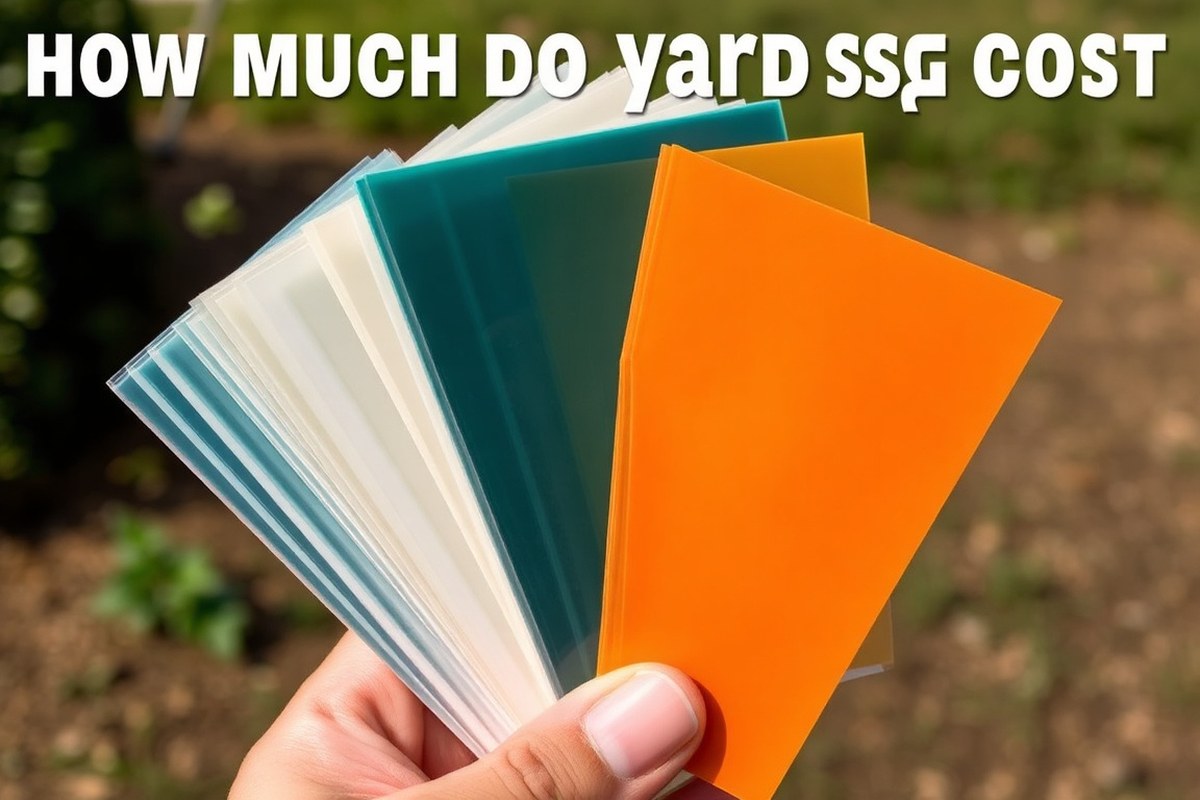
The most significant factors affecting yard sign prices include the type of material, sign size, whether you print on one or both sides, the inclusion of stakes, and the quantity ordered. Material choice ranges from affordable corrugated plastic to more expensive options like weatherproof aluminum or vinyl, with price differences reflecting durability and appearance. Corrugated plastic often costs about $2 to $6 per sign for basic 18×24 inch sizes, while more durable materials can push prices above $20.
Sign thickness and durability influence costs because thicker materials (like 10mm corrugated plastic) provide better weather resistance but increase the price. For example, a 4mm double-sided sign costs about $13.50 per sign including stakes, whereas a 10mm double-sided sign can be $20.50 each with stakes. This is important for outdoor use, especially if signs must withstand wind, rain, or sun over several weeks.
Printing on both sides nearly doubles the print cost compared to single-sided signs, but it increases visibility significantly, which matters for campaign or event signs. Basic single-sided printing might cost around $3 to $8 per sign, while double-sided prints can push the printing cost closer to the higher end. Use double-sided printing when signs face multiple directions or if you expect heavy foot or vehicle traffic around the placement area.
Stake inclusion and quality also impact total cost. Basic plastic or metal stakes usually add $0.50 to $3 per sign. Heavier-duty stake upgrades can increase this by $2 or more per piece. Many sign packages include stakes, but confirming this before ordering helps avoid unexpected extra charges, especially if you need sturdy mounting for windy locations.
Quantity plays the largest role in reducing your per-sign cost. Printing involves setup costs, so ordering more signs lowers the average price. For example, 50 double-sided 4mm signs with stakes might cost $675 total, equaling $13.50 each, but smaller orders cost more per unit. Ordering 100 or more signs typically drops the price further because fixed setup and shipping costs get divided across more units.
- Material choice: Corrugated plastic ($2-$6), aluminum or vinyl ($10-$20+)
- Size: Larger signs use more material and cost more
- Print sides: Double-sided printing roughly doubles print cost
- Sign thickness: 4mm vs. 10mm impacts durability and price
- Stakes: Included or additional $0.50-$3, plus heavy-duty upgrades
- Quantity: Larger orders reduce per-sign price significantly
Confirm exactly which materials and accessories are included before placing your order to avoid unexpected fees or receiving signs unsuitable for your outdoor conditions.
Understanding these factors allows you to better plan and control yard sign costs. Select materials based on weather exposure and desired sign life span. Choose double-sided printing when visibility from multiple angles matters. Include stakes to save on separate shipping and installation costs, and order as many signs as your budget and needs allow to lock in volume discounts.
Comparing Yard Sign Sizes, Materials, and Printing Options
Yard sign costs vary mainly by size, material, and printing method, with specialty shapes or finishes adding to the price. Knowing how these factors impact cost helps you pick the best option and avoid unnecessary expenses. The table below breaks down typical price ranges based on these key features.
Most Popular Sizes and When to Use Them
The 18 x 24-inch size is the standard for yard signs, balancing visibility and cost. It’s a top choice for political campaigns, sales, and events because it fits well in most yards and grabs attention without being overpowering. Smaller signs like 12 x 18 inches cost less but offer less prominence, while larger signs such as 24 x 36 inches stand out more but cost noticeably more.
Choose a size based on your viewing distance and budget. For close-range visibility, a smaller sign might work. For roadside or high-traffic areas, larger sizes ensure your message gets seen but increase price.
Material Types and Their Typical Costs
The most common yard signs use 4mm corrugated plastic, often called coroplast. It offers a lightweight, weather-resistant option suitable for short-term use like elections or sales. Corrugated plastic signs generally cost the least and handle outdoor conditions well.
Aluminum signs are significantly more durable, often weatherproof for years, but cost two to three times more than corrugated plastic. Vinyl banners are versatile and reusable but usually priced higher due to material and finishing requirements. Wooden signs are less common and typically the most expensive, used for decorative or long-term applications.
| Material | Typical Price per 18×24″ Sign | Durability | Weight |
|---|---|---|---|
| Corrugated Plastic (4mm) | $5 to $10 | Short-term, 4-6 months outdoors | Lightweight |
| Aluminum | $15 to $25 | Long-term, 2+ years outdoors | Heavier |
| Vinyl Banner | $20 to $35 | Reusable, months to years | Medium weight |
| Wood | $30+ | Long-term, durable | Heavy |
The coroplast option tends to fit most short-term needs at a reasonable price, while aluminum and vinyl meet demands for durability but come with higher costs. Choose based on how long you plan to use the signage and the environment it will face.
Printing Methods: Digital vs. Screen Printing
Digital printing leads in cost-effectiveness for small to medium runs. It allows full-color, high-resolution images with fade-resistant inks on corrugated plastic. Prices vary slightly but typically fall around $5 to $10 per sign. Digital printing offers quick turnaround and works well for complex designs or photos.
Screen printing requires setup, making it more economical for very large orders. It usually costs more up front due to setup fees but reduces per-unit price as quantity increases. Screen printing features solid colors with excellent durability but limits the number of colors and images you can print economically.
For short campaigns or single events, digital printing’s flexibility and lower setup make it the usual choice. Screen printing suits bulk orders seeking simpler color schemes over many signs.
Specialty Features and Finishes Pricing
Specialty shapes or custom die-cuts can add $5 to $15 per sign due to tooling and production complexity. Finishes like lamination for extra UV and weather protection also increase costs by about $2 to $5 per unit.
Adding reflective coatings to improve nighttime visibility raises prices but can be essential for safety-related signage. Rounded corners, special mounting holes, or reinforced edges usually add minor fees but improve durability and usability.
Consider these extras only when your sign needs to withstand tougher conditions or present a premium look. For simple temporary signs, sticking to standard shapes and finishes keeps costs lower.
How Quantity and Order Size Reduce Yard Sign Cost
Bulk pricing can significantly lower the cost per yard sign, especially when ordering larger quantities. Many suppliers set minimum order quantities, usually around 10 signs, to qualify for bulk discounts. Ordering more signs reduces the price per unit, but the savings vary depending on the volume and whether you mix multiple designs in the same order.
Small Runs: Under 50 Signs
For orders under 50 signs, the price per sign tends to be higher, typically ranging from $3 to $6 each. Most suppliers require a minimum order of at least 10 signs, which might cost around $11.30 each if stakes are included. Small runs suit personal events or campaigns with limited budgets, but they do not benefit much from bulk pricing.
Ordering 10 signs with stakes may cost about $113 in total. You can mix designs within this quantity, such as different names or photos, without significant price changes. While the price per sign is higher, small runs allow for more customized displays focused on one event or person.
Medium Runs: 50 to 500 Signs
Medium runs of 50 to 500 signs reduce the cost per sign to about $2 to $3.50. This quantity typically fits medium-sized marketing campaigns or local events. Buying in this range gives you some bulk discount benefits while keeping the order manageable in terms of storage and distribution.
Planning ahead and including a small replacement buffer can help avoid needing another order and keep your costs stable. Confirm the stake size and quantity upfront, especially if signs are for different volunteers or locations. Suppliers generally allow mixing designs in this quantity without extra fees, as long as the total volume meets the minimum.
Large Runs: Over 1000 Signs
Ordering over 1,000 yard signs can lower the price per sign to below $2. Large runs fit major campaigns or promotions requiring wide visibility over a broad area. Bulk pricing at this scale maximizes cost efficiency and helps stretch marketing budgets.
Keep in mind that large orders need careful planning for storage and distribution logistics. Ordering the entire season or campaign’s worth of signs at once might save money compared to multiple smaller orders. Always check with the supplier about volume discounts and possible regional pricing differences, which can affect the final cost.
| Quantity Ordered | Price Range Per Sign | Typical Use |
|---|---|---|
| 10 Signs (Minimum Order) | $11.30 each with stake | Small personal events or localized campaigns |
| 50 to 100 Signs | $3 to $6 | Small to medium campaigns, community events |
| 250 to 500 Signs | $2 to $3.50 | Medium campaigns, larger promotions |
| 1,000+ Signs | Under $2 | Large campaigns, major events |
These pricing tiers illustrate how much you can expect to pay per sign at different volumes. Bulk orders reduce the price, but you must balance cost savings with storage and distribution needs. Confirm all details with your supplier before ordering to ensure the best price and service.
Mixing Multiple Designs in One Order
Many suppliers allow mixing multiple designs or customized text within a single order without extra fees, as long as the total order meets the minimum quantity. This feature is helpful for personalized campaigns, such as yard signs for different candidates, sales promotions, or volunteers.
Mixing designs usually won’t raise the cost per sign, but producing more unique designs might affect turnaround times. Confirm the supplier’s policies on digital proofs and design approvals early to avoid delays. Maintaining the same sign size and material across designs helps keep pricing consistent.
Additional Costs: Stakes, Design, Shipping, and Labor
Mounting hardware such as stakes or frames often costs extra when purchasing yard signs. Some vendors include these in the base price, but many charge between $2 and $5 per sign for stakes or metal H-frames. Confirm with the supplier whether hardware is part of the package to avoid surprises. These components matter because they secure the sign firmly in the ground and affect how long your sign lasts outdoors.
Professional graphic design can significantly impact your yard sign’s effectiveness and costs. Design fees usually range from $35 to $100 per sign or project, depending on the complexity and whether you need custom artwork, formatting, or multiple revisions. Digital proofs are sometimes included, but some providers count those toward the design fee. If you have a ready-made design or can use simple text and templates, you might avoid this cost entirely.
Shipping fees depend on your order size, destination, and chosen delivery speed. Expect to pay anywhere from $10 for local standard ground shipping, to $50 or more for express or long-distance shipments. Ordering in bulk usually lowers the per-sign shipping cost. Ask about packaging, signs shipped flat versus rolled may affect both shipping price and the sign’s condition on arrival.
Labor or installation services are optional but add convenience and sometimes safety. Hiring a professional to install signs typically costs between $15 and $40 per sign, varying by site complexity and local labor rates. Self-installation saves money but requires tools like a rubber mallet and care to avoid damage or improper placement. Some vendors or political campaigns provide volunteers or free guidelines for straightforward installations.
- Confirm if mounting hardware (stakes/frames) is included or charged extra
- Budget $35, $100 for professional custom design per project or sign
- Plan $10, $50+ in shipping fees, influenced by quantity and speed
- Installation labor costs $15, $40 per sign if hiring help
- Self-installation requires basic tools and site assessment
- Design complexity may increase both design fees and production time
- Check if digital proofs are part of design services or extra
Always verify what’s included in the price and confirm extra charges upfront to prevent unexpected costs.
Knowing these additional charges helps create an accurate overall budget. For example, a $25 yard sign without stakes or design work may only cover the printed product. Adding stakes at $3, design help at $50, and shipping at $20 increases the total to around $98. Deciding which services you need can balance quality, convenience, and cost efficiently.
Regional, Local, and Online Price Differences for Yard Signs
Yard sign prices can vary significantly based on your location, mainly due to differences in labor costs, local competition, and regional taxes. Urban areas often have higher labor rates, which might add 20 to 40 percent to the base price of each sign. For example, if a standard yard sign costs $10 in a rural area, you could expect it to be $12 to $14 in a city. This difference arises because urban print shops and installers face higher rent and wage expenses, which they pass on to customers.
Ordering locally provides the advantage of faster turnaround and easier communication. Local print shops can offer personalized support, quicker proofs, and sometimes waive shipping fees if you pick up the signs yourself. However, local prices may be higher than online vendors if competition is limited or your order is small. Online suppliers often offer lower base prices due to economies of scale but will charge shipping costs that depend on the distance and package size. Shipping a batch of 100 standard 18×24-inch yard signs from a central warehouse might add $50 to $100, affecting your total cost. Compare these shipping fees against the local convenience to find the best option.
State and municipal permit fees can add to your overall expense if you plan to place signs in public spaces. These fees vary widely, some cities require permits that cost $10 to $50 per location or charge flat fees for campaign signs. Confirm permit requirements with the local authorities where you place signs, especially in urban areas with strict signage rules. Avoid fines and removal by budgeting for these permits upfront.
Local taxes are another pricing factor. Sales tax rates can differ by state and sometimes by city, adding 5 to 10 percent or more. When you order online, the vendor may add your local sales tax according to your shipping address. Ordering from a local printer often means paying sales or use tax according to locality laws. Check local regulations to calculate the exact tax impact on your budget.
Discount thresholds make a difference in how much you pay per sign. For example, you might see a price drop when ordering 500 signs instead of 450. Even if you only need slightly fewer, buying the larger quantity can lower the unit price enough to justify the extra cost. Balancing your total order size with these breaks can save money whether you order online or locally.
Urban locations usually have higher yard sign prices because of labor and permit costs, while rural areas tend to have lower rates. Online vendors might offer cheaper base prices but include shipping fees and taxes that depend on your address. Local print shops excel in faster service and direct support but may cost more. Verifying any local permit requirements and tax obligations ahead of time ensures your project stays within budget. Comparing quotes from both local and online sources, considering shipping fees and order quantity discounts, helps you get the best deal for your yard signs.
How Long Do Yard Signs Last and How Does That Affect Cost?
Corrugated plastic signs used outdoors generally last between six months and a year, depending largely on weather exposure and placement. Signs made from 4mm corrugated plastic printed with UV-resistant, weatherproof ink tend to hold up for several months, but direct sunlight can cause fading sooner. For example, placing a sign in a shaded area or under a porch can extend its life closer to the 12-month mark, while signs left in full sun or exposed to rain and wind may start to show wear after just a few months.
Higher-priced materials like metal offer greater durability, often lasting multiple years without significant damage. However, these come at a much higher upfront cost, sometimes two to three times that of typical corrugated plastic signs. Spending more on premium signs becomes cost-effective if you plan to reuse them for several events over time or if the display environment is harsh, such as windy roadsides or areas with heavy precipitation.
Weather conditions impact how long your yard signs will look sharp and remain structurally sound. Heat causes some plastics to warp, while constant exposure to rain can weaken corrugated materials. To protect your investment, position signs where they are less vulnerable to direct sun and severe weather. For instance, placing a political campaign sign on a fence or inside a covered porch can prevent early deterioration, making a budget-friendly sign last longer and reducing the need for replacement.
Choosing between premium and budget yard signs depends on your event’s duration and location. Budget signs, typically priced from $5 to $20, work well for short-term events lasting a few weeks or less in mild weather. They are lightweight, affordable, and quick to install but may not endure more than a few months outdoors. Premium signs that cost $50 or more offer stronger materials and higher-quality printing, making them better for longer campaigns, real estate signs, or sales promotions expected to run several months or face frequent handling.
Getting the best value from your yard signs starts with matching your choice to how long they’ll stay outside and the conditions they’ll face. When a sign lasts the full length of your campaign without needing replacement, you avoid extra costs and wasted time. Investing in more durable signs pays off over multiple uses or extended displays, while an economical option suits one-time or brief applications where cost savings trump longevity.
Tips to Save Money Without Sacrificing Quality on Yard Signs
Saving money on yard signs while maintaining quality requires careful decisions about order size, print options, design details, and where you buy them. Smart ordering can lower per-sign costs, and choosing the right printing features avoids paying for extras you don’t need.
Ordering in Bulk to Maximize Discounts
Ordering yard signs in larger quantities usually results in lower costs per sign because fixed setup fees get spread out. Many suppliers offer discounts starting around 25 to 50 signs, with bigger price breaks at 100 or more. Planning your event or campaign to use consistent designs allows you to place a single large order rather than multiple small ones, cutting overall expenses.
Before ordering, estimate your total sign needs to avoid costly rush orders or multiple batches. Bulk ordering may also simplify shipping fees.
- Calculate total signs needed for all locations or events in advance
- Request a quote comparing 50, 100, and 200 sign orders to see price breaks
- Confirm lead times to avoid rush fees if ordering in bulk
- Choose a consistent design theme to reuse across all signs
- Consider storing extras securely for future use
Ordering too few signs may trigger higher setup fees per unit, negating discounts.
Taking time to plan order size helps you qualify for bulk pricing tiers, where costs can fall by 20% or more compared to small orders.
Choosing Single vs Double-Sided Printing Strategically
Single-sided yard signs cost less and work well when the viewing angle is limited or signs are against walls or fences. Double-sided printing roughly doubles the print cost but can be worth it when signs will face traffic from multiple directions, like at busy intersections.
Weigh the benefit of wider visibility against the extra charge, usually 50% to 100% more per sign. For signs meant to be closer to the ground or on one side of a path, single-sided print is sufficient and more budget-friendly.
Think about your audience’s location and traffic flow. Use double-sided printing selectively for high-visibility spots.
Requesting Samples to Avoid Costly Mistakes
Ordering one or two sample signs, especially if you’re trying a new supplier or design, can save money in the long run by spotting issues early. Samples let you check material quality, colors, text readability, and hardware compatibility before committing to a large order.
Sample signs usually cost $10 to $30 each, depending on size and complexity. This small investment helps ensure the final batch meets your expectations and avoids costly reprints or returns. Request samples if your design or print supplier is unverified or if you plan intricate artwork that might lose clarity at yard sign sizes.
Simplifying Design to Lower Printing Fees
Complex designs with many colors, gradients, or fine details increase printing costs. Simplifying artwork reduces setup time and ink use, lowering the price.
- Limit colors to 2 or 3 solid shades rather than full-color gradients
- Use large, bold fonts for text readability and lower complexity
- Avoid small or detailed images that may blur when printed
- Keep graphics and text inside safe margins to avoid cut-off
- Choose a background color that doesn’t require complex printing layers
Uploading a print-ready file that meets the supplier’s specifications also prevents rework fees.
Using standard fonts and simple layouts reduces the risk of delays and extra charges.
Simplified design cuts down production difficulty, letting you spend less while getting clear, professional signs.
Comparing Local Shop vs Online Pricing and Deals
Local print shops sometimes charge more per sign but can save on shipping and allow faster turnaround. They also make it easier to review proofs in person and pick up your order quickly. In contrast, online vendors often offer better bulk discounts and wider customization but charge shipping fees that add to cost, especially for large orders or rush delivery.
Check if your local print shop matches or beats online prices when factoring in convenience and shipping. Some online companies waive shipping on orders over a certain amount, which can tip the balance for large bulk orders. Request quotes from both and consider order size, timing, and preferred interaction style before deciding.
Step-by-Step Action Plan to Estimate and Control Your Yard Sign Costs
Use this plan to confidently decide on the right yard signs for your needs while keeping costs manageable and quality high.
- Before you order: Determine the exact number of signs needed and measure the display area to choose the best size. You’ll know it’s right when the signs fit the space without looking crowded or sparse.
- Day 1: Pick a common material like coroplast to balance durability and price, and decide if full-color printing is necessary based on your design. If colors are vibrant and readable, your choice aligns with your message impact.
- Week 1: Request quotes from multiple local and online printers to compare prices including stakes, shipping, and design fees. A range of estimates shows you’ve explored your options.
- Week 2: Place a sample order of 5 to 10 signs to check printing quality and material. Clear images without fading or warping confirm quality before a large purchase.
- After sample approval: Bulk order your yard signs to get volume discounts and secure better deals on shipping and install stakes. Confirm the final price per sign is lower than the sample cost.
- Week 3: Plan your sign placement quickly after delivery, considering how long the campaign lasts to optimize sign lifespan. Signs still looking good after exposure confirm your material and location choices.
- Ongoing: Store unused signs flat in a dry place to preserve their condition for future use. Check periodic condition to decide when replacement is necessary.
Frequently Asked Questions
How Much Do Yard Signs Typically Cost per Sign in a Standard Order?
Yard signs usually cost a few dollars each with a 10-sign minimum; the price per sign remains the same from 10 to 50 signs, making larger orders economical without changing the unit cost.
Do Custom Yard Signs Cost More with Added Features Like Grommets?
Yes, adding grommets increases the price by a few dollars but improves durability and reuse options, which might save money over multiple uses.
Can I Expect a Lower Price per Yard Sign If I Order in Bulk?
Bulk orders reduce the per-sign cost since many printers offer volume discounts, making large campaigns more affordable without sacrificing quality.
Why Do Yard Sign Costs Vary Depending on Location or Supplier?
Local printing and shipping fees vary by region and supplier, which can affect your total cost, so comparing local and online options helps find the best deal.
How Does Yard Sign Size Influence Its Price?
Larger signs use more material and printing ink, so they cost more; for example, 24×36-inch signs are pricier than the common 18×24-inch size.
What Materials Impact the Price of Yard Signs the Most?
Yard signs made of UV-resistant, 4 mm corrugated plastic cost more upfront but last longer outdoors, offering better value for seasonal use.
Wrapping Up
Yard sign costs vary based on size, material, quantity, and additional services, but with careful planning, you can control your budget without compromising quality. Start by identifying your exact needs and gathering quotes so you feel confident in your purchase. Next, place a sample order to verify the quality before investing in a larger quantity, ensuring your yard signs make the right impact at the best price.