Bakery Sign Ideas to Attract Customers: A Complete Practical Guide
Bakery sign ideas that grab attention can make your bakery stand out and draw in more customers. Use clear, bright signage that highlights your brand and specials to catch eyes quickly. Starting with well-lit, easy-to-read signs near your entrance can immediately boost your bakery’s visibility and appeal.
Key Takeaways
- Choose illuminated bakery signs to ensure visibility both day and night for continuous customer attraction.
- Highlight specials and seasonal promotions on signs placed near counters and entrances to boost sales.
- Use custom materials like metal, wood, or plastic to match your bakery’s style and durability needs.
- Design signs that reflect your brand’s colors and fonts for a consistent and memorable customer experience.
- Position signs in high-traffic areas outside and inside your bakery to maximize foot traffic and customer engagement.
- Avoid cluttered or hard-to-read signs by keeping text concise and graphics clear and bold.
Top Bakery Sign Ideas to Boost Customer Attraction

Bakery signs that boost customer attraction come in several effective types, each suited to different business sizes and locations. Channel letter signs, featuring individual lit letters mounted to the building facade, are among the most visible options. They work well day and night and create strong brand recognition because customers see them repeatedly. These signs typically cost between $300 to $800 per letter, depending on size and lighting, but their long lifespan, often 10 years or more, makes them a solid investment.
Cloud signs, a one-piece illuminated sign shaped around a logo or bakery name, provide a unique look that stands out from standard lettering. They are ideal for smaller storefronts or locations where design impact is key. These signs are easy to install and can be customized in size and lighting style, generally running from $1,000 to $3,000 depending on complexity.
Yard signs offer a low-cost way to attract foot traffic, especially for promotional events or special offers. Priced around $20 to $100 per sign, they are portable and easy to change out regularly, making them perfect for seasonal promotions or open houses. You can place them in high-visibility spots near your bakery or around the neighborhood to direct customers to your door.
- Channel letter signs: durable, highly visible, ideal for strong brand presence
- Cloud signs: custom shaped, illuminated for smaller or stylish storefronts
- Yard signs: affordable, mobile, great for promotions and events
- Entrance signs: encourage customers to come inside, placed near doors
- Sign holders and poster stands: flexible for changing deals, placed on counters or near displays
- Lit letter signs: work 24/7, good for night visibility
The choice of sign depends on your bakery’s size, location, and goals. Larger, urban bakeries benefit from channel letter or cloud signs that draw attention from pedestrians and drivers. Smaller bakeries or kiosks can use yard and poster signs to highlight current specials and seasonal products, which helps convert casual traffic into customers. Entrance signs placed strategically make a noticeable impact by encouraging passersby to step inside.
To attract more customers, install illuminated signs at eye level or above storefronts for maximum visibility both day and night. Regularly update smaller signs to feature new menu items or promotions. Ensure sign readability by choosing clean fonts and high-contrast colors. Avoid clutter, so the message is clear and inviting. Combining multiple sign types tailored to your specific location can increase foot traffic reliably and turn first-time visitors into repeat buyers.
Choosing Materials and Lighting for Bakery Signs
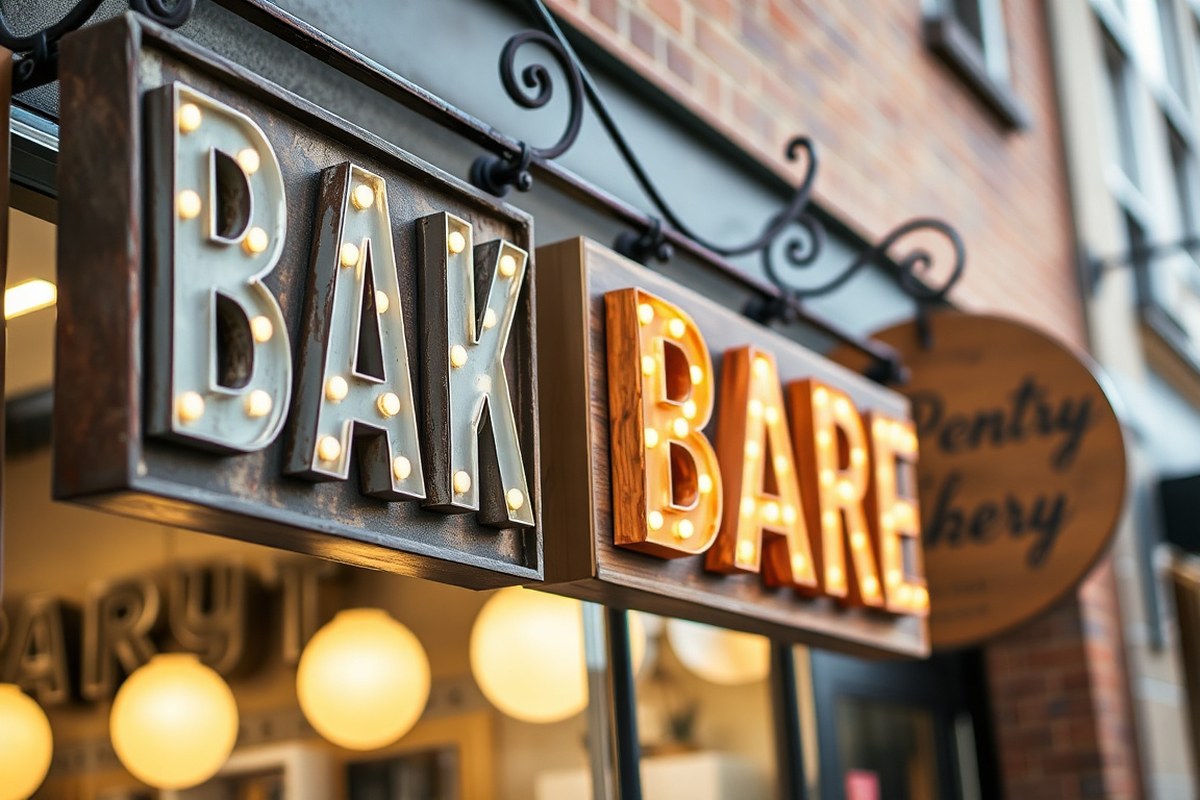
Choosing the right materials and lighting for bakery signs depends on where you’ll place them and how durable they need to be. Indoor signs get more design freedom since they aren’t exposed to harsh elements. Wood, plastic, and foam board work well indoors, offering polished looks that complement your bakery’s style. For outdoor signs, durability matters most. Materials like metal, treated wood, and weather-resistant plastics stand up to rain, sun, and temperature swings without fading or warping.
Lighting options add visibility and appeal, especially during early mornings or evenings. LEDs are the most popular for bakery signs due to energy efficiency, brightness, and long lifespan, often running 50,000 hours or more. You can choose backlit channel letters, where each letter is illuminated individually, or use external spotlights or neon tubes. LEDs generate less heat and require less maintenance than traditional neon. Use lit signs outdoors to catch attention from a distance, while indoor signs can use softer ambient lighting to highlight displays.
Consider your bakery’s location and weather patterns carefully before committing. High humidity and heavy rainfall demand rustproof metals or treated materials for outdoor signs. Intense sun exposure requires UV-resistant coatings to avoid fading. Urban settings might need signs that can withstand dust and pollution, while rural areas may focus on natural aesthetics with wood or rustic metal. Even the mounting position impacts material choice; signs mounted higher must resist stronger winds. Below is a comparison table highlighting common sign materials and lighting types used in bakeries, along with their pros, cons, and typical costs.
| Material / Lighting Type | Best For | Advantages | Drawbacks | Cost Range |
|---|---|---|---|---|
| Wood (Treated or Painted) | Indoor & covered outdoor | Warm, natural look; customizable shapes and finishes | Can warp or crack outdoors if untreated; regular maintenance needed | $100 – $400 |
| Metal (Aluminum, Steel) | Outdoor storefronts and channel letters | Durable, weather-resistant; sharp, professional appearance | Can dent; may require rustproof coating; heavier installation | $200 – $600 |
| Plastic / Acrylic | Indoor signs, illuminated letters | Lightweight; easy to clean; good for vibrant colors | Can fade under UV; less sturdy outdoors | $50 – $300 |
| LED Backlit Channel Letters | Outdoor and indoor storefront signs | Bright, energy-efficient, long lasting; highly visible day and night | Higher upfront cost; electrical installation required | $300 – $1,200 per sign |
| Spotlights (LED) | Highlighting outdoor signs or displays | Affordable; flexible placement; good for temporary use | Less uniform lighting; may require weatherproof fixtures | $50 – $150 per fixture |
| Neon Tubes | Vintage-style indoor and outdoor signs | Distinctive glow; customizable colors and shapes | More fragile; higher energy use; expensive repairs | $200 – $800 |
Place outdoor signs where they get some shade or protection from direct sun to extend their lifespan and keep colors vibrant longer.
To install your sign, first check local sign ordinances. Mount heavier materials like metal securely with appropriate anchors, especially in windy areas. For lighting, ensure electricians handle the wiring to meet safety codes. Plan lighting placement to avoid glare at customer eye level while maximizing visibility from the street. Regular cleaning and timely repairs maintain your sign’s attractive look and effectiveness at drawing in customers.
How to Design Bakery Signs That Reflect Your Brand
Creating bakery signs that reflect your brand means matching your bakery’s style while making signs easy to read and eye-catching. Use your logo, select the right fonts and colors, balance images and text, and consider visibility in different lighting. These steps help produce signs that attract customers and reinforce your bakery’s identity.
Incorporating Your Bakery Logo
A bakery logo is the anchor of your brand identity and should appear prominently on your signs. It makes your bakery instantly recognizable and helps build trust with customers. Place your logo at the top or near the center of the sign where people’s eyes naturally focus.
Keep your logo clear and crisp by using high-resolution images. Avoid resizing your logo to extreme proportions that distort or blur it. You can also use a simplified version of your logo if space is tight but keep the core elements intact for brand consistency.
Choosing Readable Fonts and Colors
Select fonts that match your bakery’s personality but remain legible from a distance. Simple, clean fonts like sans-serif styles (e.g., Helvetica, Arial) generally work best for storefront signs. Script fonts or decorative fonts can be used sparingly for headers or smaller signs but avoid using them for essential information like prices or product names.
Contrast colors between text and background to ensure readability. Dark text on a light background or light text on a dark background usually provides the best legibility. Think about typical outdoor lighting and how colors will appear in different weather and times of the day.
Balancing Text and Imagery on Signs
Balancing text and images keeps your signs attractive and informative without overwhelming customers. Use images of your baked goods to entice customers, but don’t let them crowd the text. Allow enough white space so the text stands out clearly.
Keep written information concise. Customers tend to glance quickly, so prioritize the bakery name, logo, product highlights, and price tags. Visuals can show what you offer, while clear pricing and menu details remove hesitation when browsing.
Designing Signs for Day and Night Visibility
Consider how your bakery signs will appear under natural daylight and after dark. Choose materials and colors that remain visible in bright sunlight and low light. Signs with high contrast and reflective or illuminated elements perform well in various lighting conditions.
For night visibility, add backlighting or spotlights to your signs. LED lights are energy-efficient options that can highlight your bakery’s name and logo effectively. Avoid overly complex designs that lose clarity when lit artificially or when seen from a distance.
- Define Your Brand Style: Clarify your bakery’s personality (modern, rustic, classic) to guide design choices that feel consistent.
- Integrate Your Logo: Place a high-resolution logo prominently on your sign, ensuring it remains clear and undistorted.
- Select Fonts for Clarity: Use sans-serif fonts for main text and limited decorative fonts for accents; prioritize readability 15 to 20 feet away.
- Pick Contrasting Colors: Choose text and background colors with strong contrast to improve visibility in daylight and shade.
- Balance Images and Text: Use appetizing photos but keep text minimal and legible; leave enough blank space to avoid clutter.
- Test Visibility at All Times: View your designs in different lighting conditions and sizes; add lighting features if needed for night display.
- Proof and Collect Feedback: Share mockups with staff or regular customers for input on readability and brand alignment before final printing.
- Finalize and Produce: Use professional sign makers or high-quality printing to ensure color accuracy and durability against weather.
Using Signs to Highlight Specials and Seasonal Promotions
Using signs to highlight specials and seasonal promotions helps you catch customers’ eyes and boost sales for limited-time offerings. Effective signage inside and outside your bakery should clearly announce deals and new items while fitting the vibe of your brand. Refreshing signs regularly with attention-grabbing holders and strategic placement increases customer interest and makes promotions feel fresh.
Choosing Attention-Grabbers for Specials and New Items
Bold colors and simple, direct messages work best for signs promoting specials and new items. High-contrast color schemes, such as white text on black or bright red backgrounds, draw attention quickly. Use large fonts so customers can read signs from a distance, particularly outside the store where passersby have only a few seconds to notice your message. Phrases like “Special Today,” “Try Our New,” or “Limited Time Offer” signal urgency and exclusivity.
Dynamic elements like chalkboard signs allow quick updates and add a handcrafted feel that fits a bakery’s warmth. For indoors, digital menu boards or small LED signs near the register help upsell specials without overwhelming counter space. Avoid cluttered designs with too many words or images, which can confuse customers and reduce effectiveness.
Refreshing Signs for Seasonal Promotions
Seasonal promotions should have fresh signs that align with the time of year and current trends. Plan to update your promotions every 6 to 8 weeks depending on the season’s length and bakery calendar. For example, winter holiday items like peppermint pastries or gingerbread are best promoted starting late November through December. Early spring promotions might highlight lemon or floral-flavored baked goods from late February through April.
Use reusable sign holders and surfaces, like chalkboards, acrylic frames, or slides in menu racks, to swap out seasonal messaging without replacing the whole sign. Keeping the signage materials consistent but changing colors, fonts, and graphics minimizes costs and staff time. Add seasonal decorations nearby to reinforce the theme without crowding the display.
Effective Sign Holders and Display Methods
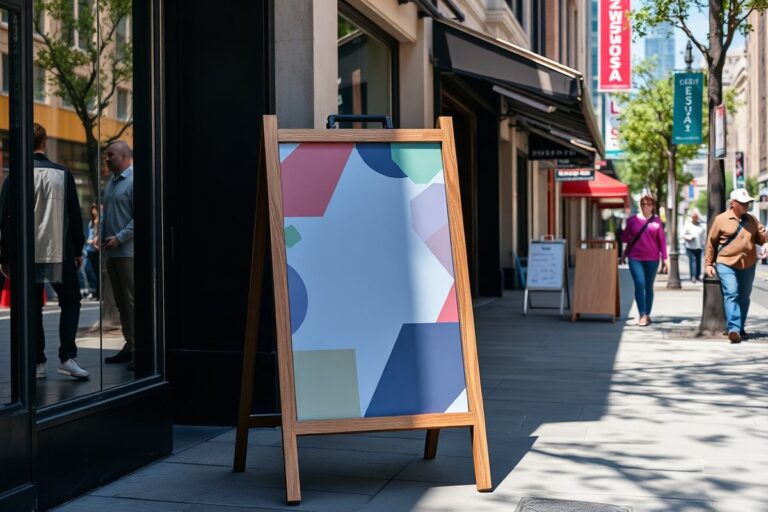
Your choice of sign holders and display setups affects visibility and ease of updates. Small countertop sign holders with clear acrylic or metal frames work well for highlighting daily specials next to baked goods or the cash register. These signs cost between $10 and $30 each and last for years. Outdoor sandwich boards or A-frames with weather-resistant panels provide a large surface for multiple promotions and can cost from $100 to $300 depending on materials.
Consider window clings or decals for outdoor promotions that customers notice while walking or driving by. Use removable, static-cling signs for seasonal campaigns to prevent residue and ease removal. Inside, tiered risers or display stands that combine signage with product placement focus attention on featured items. Mount signs at eye level for the average adult, between 48 and 60 inches from the floor, to maximize impact both indoors and outdoors.
Strategic Placement Tips for Maximum Impact
Place signs at natural stopping points where customers pause, such as near the entrance, at the register, or beside product displays. Outdoor signage should be visible from multiple angles and at least 10 feet from the entrance to catch foot traffic early. Avoid blocking doorways or congesting aisles, as poor placement reduces readability and customer flow.
Inside, place promotional signs next to the relevant products or sections, not randomly around the bakery. For seasonal specials, situate signs near display cases, bakery shelves, or grab-and-go stations where customers already browse. Keep signs clean and upright; crooked or faded signage lowers perceived quality and can discourage purchases.
Strategic Placement of Bakery Signs for Maximum Impact
Placing your bakery signs strategically affects how many people notice your business and become customers. Sidewalk A-frame signs work best near entrances or on busy streets where foot traffic is heavy. Position them 3 to 5 feet from the door so passersby see them clearly without obstructing walkways. Window decals should be at eye level on glass doors or large shop windows, catching attention without blocking the view inside.
Inside your bakery, counter and shelf signs help guide customers and highlight products. Place small menu signs or price tags directly on shelves where the items sit. For counters, use upright signs 8 to 12 inches tall near the register or display cases, directing customers to specials or upsells. Make sure signs do not clutter these areas but fit naturally with the store’s layout.
The best sign placement depends on your bakery’s layout. A narrow store needs simpler, well-spaced signage to avoid overcrowding, while a wide storefront allows multiple signs that guide traffic flow from the entrance to the cashier. Observe how people move through your space during peak hours, then map sign locations along their path. A good rule is to place signs at division points like entry, seating areas, and near checkout.
- Sidewalk A-frames: 3, 5 feet from entrance, visible from both directions
- Window decals: eye level on front door and main display windows
- Counter signs: 8, 12 inches tall near register or order line
- Shelf signs: directly on product shelves at customer eye level
- Walkway and entrance: place directional signs for spillover traffic
- Near seating areas: signs promoting specials or loyalty programs
Mapping your foot traffic before placing signs reduces guesswork. Watch how customers enter, browse, and exit. Put signs just before decision points to influence purchases, such as a special offer sign near the door or beside a popular product. Adjust sign placement seasonally if you rearrange your shop layout or menu. Cost depends mostly on signs’ size and materials but expect basic A-frame signs to cost $100 to $300 each, with decals slightly less depending on size.
Never block emergency exits or create hazards with sign placement; safety codes usually limit sign locations near doorways and aisles.
Comparing Custom Metal, Wooden, and Plastic Bakery Signs
Choosing the right material for your bakery sign helps balance style, cost, and durability. Metal, wood, and plastic each have strengths and challenges, and the best choice varies with your location, budget, and brand look.
Metal signs are durable and weather-resistant, making them ideal for outdoor use. Aluminum is lightweight and rust-proof, while steel offers extra sturdiness but can corrode if not treated. Metal signs allow sharp, precise lettering and crisp graphics. They usually cost more upfront, around $200 to $500 for a custom sign, but last 10 years or more with low maintenance. A downside is metal’s cold appearance, which may feel less rustic or cozy for a bakery vibe.
Wood signs bring a warm, natural look that fits artisanal bakeries or vintage themes. Cedar or redwood resist decay and insects better than softer pines. Painted or carved wood signs cost $150 to $400, but require yearly sealing or refinishing to keep from fading or cracking outdoors. Wood’s organic texture allows for custom shapes and hand-painted designs, which improve uniqueness. However, weather damage and warping can shorten lifespan to 3, 5 years outdoors.
Plastic signs are budget-friendly and flexible in style. Materials like PVC or acrylic resist moisture and fading well. Cost ranges from $100 to $300 depending on size and thickness. Plastic can mimic wood grains or metals and offers vivid colors. It’s easy to clean and requires little upkeep, but plastic is less sturdy, liable to cracking in strong winds or impact, and often looks less high-end. Plastic signs typically last 5, 7 years outdoors before showing wear.
| Material | Durability | Cost (Custom 2×3 ft) | Design Flexibility | Maintenance | Best Use |
|---|---|---|---|---|---|
| Metal (Aluminum, Steel) | 10+ years; rust-resistant (aluminum), needs coating (steel) | $200, $500 | High; precise cutouts, sharp graphics | Low; occasional cleaning, repainting if steel | Outdoor, modern or industrial look |
| Wood (Cedar, Redwood) | 3, 5 years outdoors; prone to warping and fading | $150, $400 | High; carvings, custom shapes, hand-paint | High; annual sealing or refinishing | Rustic, artisanal, vintage themes |
| Plastic (PVC, Acrylic) | 5, 7 years; impact risk, UV fading | $100, $300 | Medium; printed graphics, color variations | Low; simple cleaning, avoid cracks | Budget-conscious, versatile styles |
Metal signs hold up best under sun, rain, or snow, so they suit outdoor storefronts exposed to elements. Wood suits covered or semi-outdoor spots since moisture shortens its life. Use plastic signs indoors, in semi-protected walkways, or where budget limits the options without sacrificing visual appeal.
Design choices also influence material selection. For clean, crisp branding, metal excels with laser-cut or embossed signs. Wood allows artistic, hand-crafted aesthetics but demands upkeep. Plastic offers bright full-color graphics with less detail finesse but at a lower cost. Your preferred style, maintenance willingness, and the sign’s placement guide which material works best.
Common Bakery Sign Mistakes and How to Fix Them
Common bakery sign mistakes often reduce customer engagement and hurt foot traffic. One frequent error is poor readability caused by cluttered design or too small font sizes. Signs that cram too many words or graphic elements can confuse potential customers rather than attract them. Choose clear, simple messages with lettering at least 4 to 6 inches tall for signs viewed from the street. Using high-contrast color schemes such as white text on a dark background improves visibility in varying light conditions.
Incorrect placement is another common problem. Signs hidden behind trees, parked cars, or in poorly lit spots fail to draw attention even if well designed. Position exterior signage where it faces main pedestrian or vehicle flow and avoid locations prone to shadows during peak business hours. Interior signs like menu boards should sit at eye level and near the counter to guide customers efficiently.
Neglecting regular maintenance leads to faded colors, peeling paint, and broken lighting, all of which send the wrong message about your bakery’s quality. Keep signs clean, repaint when colors dull, and replace burned-out bulbs promptly. Plan inspections monthly during busy seasons and quarterly during slower times.
- Overloaded text, simplify messages to essential words only
- Fonts too small or decorative, use clean, legible font styles with 4, 6 inch tall letters
- Poor color contrast, pick contrasting colors like black and white for clarity
- Hidden or blocked placement, position signs clearly in view of passing traffic and pedestrians
- Low sign height, mount signs so they are visible from a distance, not too close to the ground
- Ignoring maintenance, schedule cleaning and repairs regularly to maintain fresh appearance
For readability and visibility improvements, reduce content, increase font size, and check sign visibility at different times of day. Temporary signs for promotions should use bold fonts and bright colors, but avoid overusing signs that clutter your storefront. Signs work best when customers can easily skim them from 10 to 30 feet away, so test the distance yourself.
Decide to update or replace signs when you notice fading, damage, or changes in brand identity such as logo or color scheme updates. A useful rule of thumb is refreshing exterior signs every 3 to 5 years, depending on materials and exposure to weather. Signs that no longer reflect your current bakery image or are less effective at attracting customers should also be replaced promptly.
Steps to Create, Install, and Maintain Bakery Signs
Creating, installing, and maintaining bakery signs requires careful planning and attention to detail. Custom signs showcase your brand and attract customers, but they also need to meet local regulations and stay in good condition to keep making a positive impact.
Designing or Ordering Custom Signs
Start with a clear idea of what message and look you want your sign to convey. Your bakery’s personality should shine through, from the font and colors to the materials used. Working with a professional sign maker or using a trusted online service ensures your design meets quality standards and durability requirements.
When ordering, provide exact dimensions, preferred materials, and any lighting options. Expect to spend anywhere from $300 to $1,500 depending on size and complexity. Include a review phase to approve proofs before production begins to avoid costly changes later.
Safe and Legal Installation Practices
Most cities require permits for outdoor signs, especially if they attach to a building or extend into public space. Check with your local zoning office or building department to find out specific rules and fees, which can range from $50 to several hundred dollars. Regulations may cover size limits, illumination, and placement to protect public safety and aesthetics. A proper installation process reduces the risk of damage or injury. Follow these steps to install a typical wall-mounted bakery sign:
- Measure and mark the exact location on the wall to ensure level positioning.
- Use a drill with appropriate masonry or wood bits to make pilot holes.
- Insert anchors compatible with the wall type for secure mounting.
- Align the sign brackets or backplate and attach using corrosion-resistant screws.
- Connect any electrical wiring carefully, following local electrical codes and turning off power beforehand.
- Double-check all fixtures are tight and the sign is stable before finishing.
Always verify with local authorities before installation to avoid fines or having to remove your sign later.
Routine Sign Maintenance Tips
Maintaining your bakery signs prevents fading, rust, and damage that could damage your brand image. Clean signs monthly using mild soap and soft cloths to remove dirt and grime. Avoid harsh chemicals that can degrade paint or materials.
Inspect the sign regularly for loose parts or electrical issues if it includes lighting. Tighten screws, replace burnt-out bulbs, and touch up small paint chips to keep the sign looking fresh. In humid or salty environments, apply protective coatings annually to metal or wooden signs.
- Clean the surface gently to avoid scratches.
- Check mounting hardware for stability.
- Keep lighting elements in working order.
- Protect surfaces with weatherproofing treatments.
Refreshing and Replacing Signs over Time
Signs typically last five to seven years before fading or material fatigue reduces their effectiveness. Plan to refresh colors, replace damaged lettering, or upgrade lighting technology like LEDs to maintain visibility. Budget about 25% of the original sign cost annually for upkeep and partial refreshes.
When replacing signs, consider current trends in design and new local signage rules to avoid costly mistakes. Reusing hardware or frames can cut costs if they remain in good shape. Schedule replacements during slow business periods to minimize disruption and maintain curb appeal year-round.
Your First Two Weeks: A Quick-Start Plan for Bakery Signs
Use this plan to create bakery signs that attract customers and increase foot traffic right away.
- Before you start: Identify your bakery’s brand style and target customers to guide your sign design choices. Success looks like a clear mood board or list of brand elements.
- Day 1: Sketch or draft sign ideas focusing on your best-selling products or specials. Choose simple messages to test customer response.
- Day 3: Pick your sign materials and lighting based on durability and your storefront’s natural conditions. Confirm choices by checking local weather and foot traffic patterns.
- Day 5: Order or create your first sign, starting with one high-visibility location near your main entrance. Track customer inquiries or increases in foot traffic nearby.
- Week 1: Install the sign securely and test lighting in different dayparts. Ensure the sign is readable from common customer approaches.
- Week 2: Promote the sign on social media, highlighting specials or the new look. Gauge engagement rates on posts referencing the sign.
- End of Week 2: Ask for customer feedback on your sign’s visibility and messaging. Use comments and observations to finalize improvements.
Frequently Asked Questions
What Materials Work Best for Outdoor Bakery Signs?
Durable materials like metal and weather-resistant plastic handle outdoor conditions well, ensuring your sign lasts. Choose materials based on local climate to avoid fading or damage from sun and rain.
How Can I Make My Bakery Sign Stand Out at Night?
Using illuminated letters or LED lighting makes your bakery sign visible after dark. These signs attract customers even when your bakery is closed, providing continuous advertising.
Are Channel Letter Signs Effective for Bakery Branding?
Channel letters can be very effective since they offer a 3D look and illumination, making your bakery easy to spot. They help customers remember your brand through repeated visual exposure.
What Are Cloud Signs and How Do They Benefit Bakeries?
Cloud signs are one-piece illuminated signs shaped around logos or graphics, providing a unique appearance. They offer a cohesive look, improving brand recognition with lighting that works day and night.
How Should I Maintain My Bakery Sign to Keep It Appealing?
Regular cleaning and timely repairs prevent your sign from looking worn out. Inspect lighting and materials seasonally to maintain brightness and structural integrity for years.
Can Bakery Signs Influence Foot Traffic During Seasonal Promotions?
Yes, updating signs to highlight specials or holidays draws attention and increases customer visits. Changing signs or adding poster stands can refresh your bakery’s appearance for different seasons.
Final Thoughts
Your bakery sign is a powerful tool to draw in customers by clearly showing what makes your business unique. Starting with one well-placed, well-designed sign lets you measure impact and adjust quickly. Choose your next step by selecting your most popular product or promotion, then craft a sign that puts it front and center for your customers to see right away.