What Is a Security Yard Sign? How They Protect Your Home Effectively
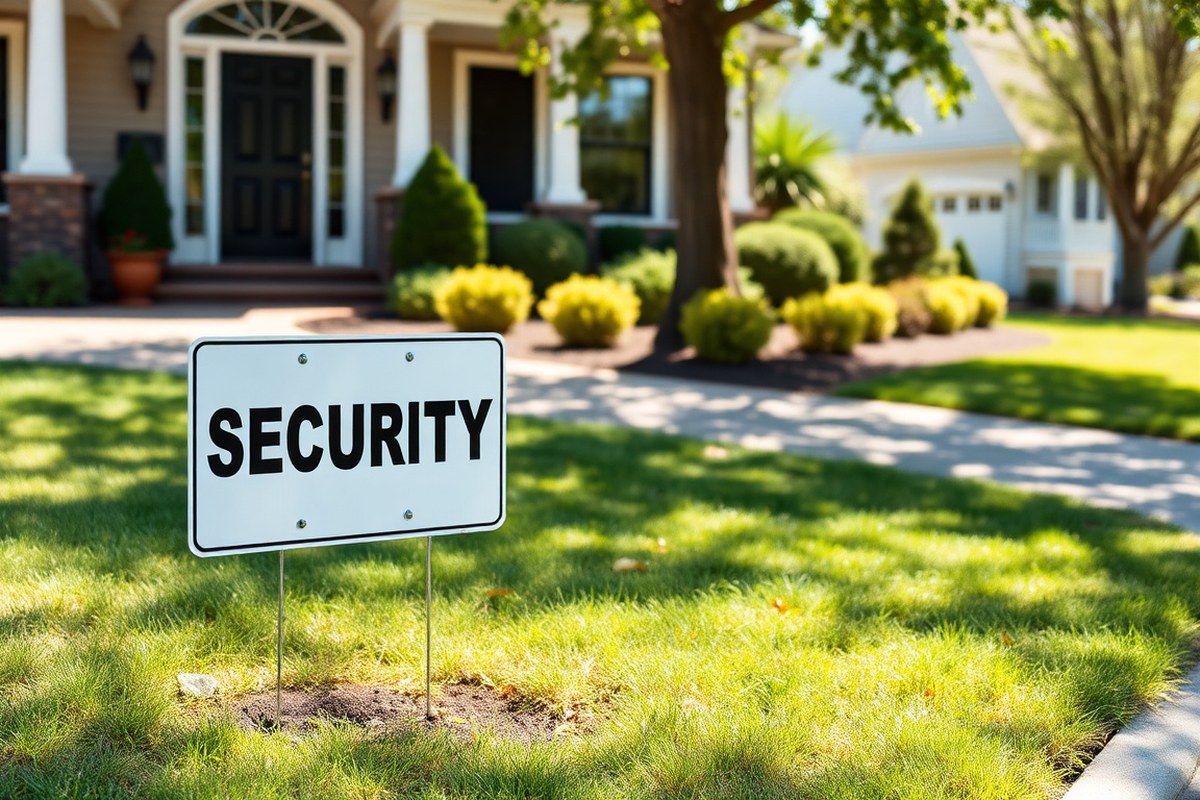
What is a security yard sign? It is a visible sign placed in your yard to alert potential intruders that your home has a security system. These signs work by warning burglars that your property is monitored, which can discourage break-in attempts. Placing the sign near the front entrance increases its impact by making the warning clear before anyone approaches.
Key Takeaways
- Place security yard signs close to your front door for 38% better burglary deterrence per a University of Texas at San Antonio study.
- Visible security signs can reduce break-ins by up to 60%, according to various crime prevention studies.
- Using signs from locally operated security companies can reduce burglaries by 18% more than national brands.
- Common security yard signs measure around 9×9 or 12×12 inches, which balance visibility and discretion.
- Replacing faded or damaged signs regularly keeps your deterrent message clear and effective.
- Fake security signs might deter some burglars but could encourage others to test your home’s defenses.
What Is a Security Yard Sign and How Does It Work?

A security yard sign is a small, visible marker placed in a home’s yard that signals the presence of a security system. Its main purpose is to warn potential intruders that the property is monitored and protected, helping to prevent break-ins before they happen. These signs typically feature logos or messages from security companies or generic alerts about alarm systems to inform anyone approaching the home that security measures are active.
The effectiveness of a security yard sign comes from its visibility. It should be placed in a prominent spot where anyone near the home, passersby, visitors, or potential burglars, can clearly see it. The sign acts as a psychological deterrent by suggesting the risk of immediate detection and response. This visible warning reduces the likelihood of intrusion because many burglars avoid homes that appear well secured. According to research, visible security measures like yard signs can decrease the chance of a break-in by up to 60%.
How does this work in practice? A security yard sign works by communicating a simple, clear message: the property owner has taken protective steps, which could include alarms, cameras, or monitoring services. The prospect of triggering an alarm and facing quick law enforcement or security response raises the intruder’s risk and lowers the reward, making less-protected homes easier targets. This makes the yard sign more than just a marker; it functions as part of the overall deterrent strategy.
For a sign to be effective, it needs to look credible. A clean, well-maintained sign, paired with visible security equipment such as cameras or motion sensor lights, creates a stronger impression that the home is actively protected. Dirt, fading, or damage can reduce a sign’s impact, causing potential intruders to question whether the security system is operational. Routine inspection and replacement of the sign help maintain its deterrent power.
Costs for security yard signs vary, but many reliable signs are affordable, often around $20 to $40. This makes them an easy addition to your security setup without a big investment. While a yard sign alone won’t stop all attempts, especially from determined criminals, it serves as a useful first layer of defense. The visible presence of a sign is a cost-effective way to send a strong warning and discourage criminal activity before it begins.
How Do Security Yard Signs Fit into Layered Home Security?
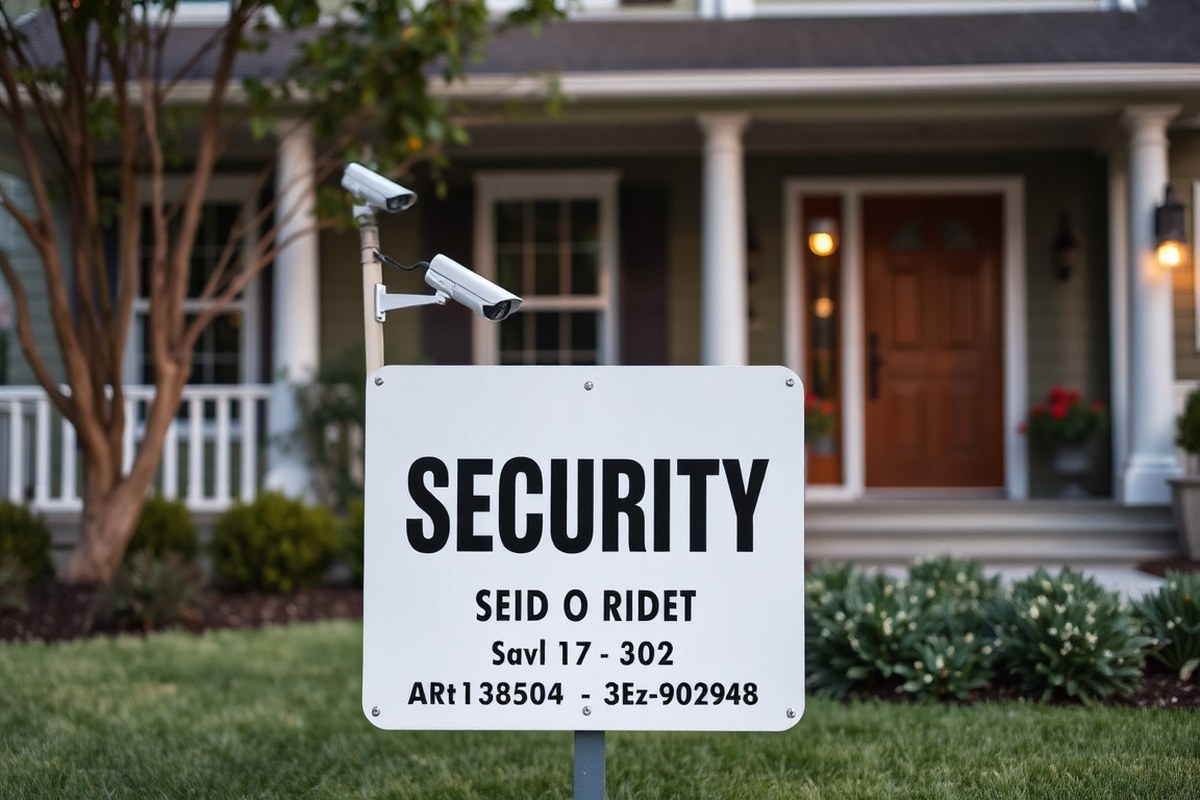
Security yard signs work best as part of a layered home security approach rather than standing alone. These signs act as the initial, visible warning that a property is protected, potentially deterring opportunistic burglars looking for easy targets. Alone, yard signs provide no physical barrier or active response, but their value lies in signaling that additional security systems, alarms, cameras, or even neighborhood watches, are present. This often reduces the likelihood of break-ins by encouraging criminals to move on to less risky homes.
Alarms and cameras perform the heavy lifting in home protection. Alarms can notify you and monitoring centers about an intrusion, while cameras record events, provide evidence, and offer remote monitoring. Yard signs complement these by broadcasting the presence of these systems before a criminal can attempt entry. They create doubt in the intruder’s mind by implying an active security setup, which can be enough to deter an attempted crime before it even begins.
Exact placement of the yard signs plays a key role in this layered effect. Signs should be positioned where they are clearly visible from the street or approach paths, usually near the front yard or entry points. This visibility reinforces the idea of surveillance and alertness. It costs only a few dollars for a durable, weather-resistant yard sign, making it a low-investment way to boost perceived home security even before any physical measures take effect.
For best results, combine yard signs with actual security equipment. Use matching brands for alarms and signs to prevent confusion and increase the credibility of your setup. Adding window decals, motion-activated lights, and a well-maintained yard also signals attention to security detail. This layered approach not only discourages criminals but also supports community safety by showing your participation in neighborhood watch or collective vigilance.
Burglars tend to avoid homes where the risk of detection is higher. Visible signs of security reduce the probability of your house being targeted since criminals often choose easier, less protected options nearby. A clean, well-positioned yard sign reflects ongoing care and maintenance, which burglars interpret as a sign of alertness and an effective security presence.
Make sure your security yard sign matches your actual security system’s brand to avoid confusing potential intruders and to strengthen the deterrent effect.
Where and How to Place Security Yard Signs for Best Visibility
Place security yard signs where they catch the attention of anyone approaching your home. The best spots are near primary entry points like the front yard or driveway, plus visible secondary paths such as side gates. Combining yard signs with window decals can boost visibility for intruders targeting windows. Position signs so they stay noticeable both day and night.
Front Areas and Driveway Placement
Place at least one security yard sign near your main entrance or driveway. Positioning the sign here alerts potential intruders early, indicating your home is protected. Research from the University of Texas at San Antonio shows that signs close to front doors reduce burglaries by 38% more than signs placed farther away. The sign should be clear from the street, not hidden by plants or objects, and set at about 4 to 5 feet tall for easy visibility.
A security sign near the driveway offers a clear warning to anyone entering your property. The ideal spot is where cars or visitors pause, like a gate post or near the mailbox. Avoid hiding signs behind low shrubs or flowers since that defeats their purpose.
Secondary Entrances and Pathways
Don’t overlook side gates, rear entrances, or any pathways leading to your home. Intruders often look for less obvious access points to avoid detection. Place additional signs near these areas to cover all vulnerable entries. Keep signs visible without obstructing walkways or access. A good rule of thumb is to use one sign per main entrance point.
- Place signs within 3 to 5 feet of gates or secondary doors.
- Use sturdy stakes or wall mounts to prevent signs from falling or being easily removed.
- Keep signage clear of vegetation that might grow over time and hide the sign.
- Use reflective surfaces or bright colors to maintain visibility.
- Large properties benefit from additional signs positioned along distant boundaries to extend security coverage.
Adding security signs to all possible entry points limits an intruder’s safe routes onto your property. It also increases the psychological deterrent by suggesting complete monitoring.
Window Decals and Secondary Signage
Window decals complement yard signs by reinforcing your security message at likely break-in spots such as ground-floor windows and sliding patio doors. Place the decals on or near window panes that are easily viewed from outside. This includes front-facing windows, garage windows, and any basement windows accessible from ground level.
Combining yard signs and decals creates layers of visible warnings. For a cleaner look with fewer yard signs, use decals on windows to increase visible security warnings. Make sure the decals are clean and intact; peeling or faded decals reduce effectiveness.
Visibility Considerations After Dark
Security signs lose much of their deterrent effect if they can’t be seen at night. Position signs where existing outdoor lighting, like porch or driveway lights, illuminates them well. Motion-activated lights near entrance points boost sign visibility and can startle potential intruders.
Reflective signs or those with glow-in-the-dark features offer extra visibility without power. Avoid placing signs in shadowed areas caused by trees, fences, or buildings. Regularly check nighttime visibility to ensure any landscape changes or seasonal foliage haven’t obscured your signs.
Weather and Landscaping Impact
Security signs spend all year outdoors, so choose durable materials that resist fading, cracking, and water damage. Signs made from weather-resistant plastic or metal last longer and stay readable. Position signs away from heavy landscaping that can grow over or damage the sign, such as fast-growing shrubs or dense flowers.
Trim plants near your signs regularly to keep them visible. Consider relocating signs if seasonal growth or landscaping projects reduce their exposure. The effort to keep signs clear of obstructions directly affects their ability to deter crime.
What Materials Are Home Security Yard Signs Made Of?
Security yard signs are typically made from materials designed to resist weather, maintain legibility, and last for months or even years outdoors. The most common materials include corrugated plastic, metal, and rigid plastic. Choosing the right material depends on your local climate, where you plan to place the sign, and how long you want it to last before replacement.
Corrugated plastic is the most popular due to its balance of cost, durability, and lightweight properties. This material resists rain, wind, and sunlight moderately well. It usually lasts 6 to 12 months outdoors before colors may fade or edges begin to wear. Reflective coatings or UV-protective finishes can extend this life by reducing fading.
Metal signs, often aluminum, offer superior longevity and sturdiness. They withstand strong winds and heavy rain better than plastic, lasting several years with minimal deterioration. Metal does not warp or crack like plastic and retains a professional look longer. However, metal signs typically cost two to three times more than corrugated plastic and can be heavier to mount.
Rigid plastic signs combine the lightness of corrugated plastic with better resistance to warping and cracking in cold or hot weather. Their smooth surface holds printed graphics well, reducing peeling and fading. These signs can last 1 to 2 years outdoors depending on sun exposure and maintenance.
| Material | Durability (Outdoor Life) | Weather Resistance | Maintenance | Typical Cost |
|---|---|---|---|---|
| Corrugated Plastic | 6, 12 months | Moderate (rain, wind, sun) | Periodic cleaning, check for fading/tearing | Low ($5, $15 per sign) |
| Metal (Aluminum) | Several years (2, 5+ years) | Excellent (wind, rain, sun, cold) | Clean surface and inspect for corrosion | High ($20, $50 per sign) |
| Rigid Plastic | 1, 2 years | Good (more resistant to warping and cracking) | Clean regularly, monitor for color fading | Medium ($15, $30 per sign) |
The material influences not only how long a security familiar sign lasts but also how visible and clear its warning messages remain. Fading graphics reduce deterrent effectiveness, so look for signs with UV-resistant printing. Cleaning dirt and debris off the surface helps keep signs legible.
In dry, mild climates, corrugated plastic signs may provide sufficient protection at a low cost. For areas with frequent storms or intense sun, metal signs offer better long-term value despite higher initial price. Rigid plastic provides a middle ground suitable for varied weather conditions and moderate budgets.
What Common Mistakes Reduce the Effectiveness of Security Yard Signs?
Common mistakes with security yard signs reduce their effectiveness by making them less visible or credible to potential intruders. Problems such as hiding signs, overlooking damage, or mixing old and new signage create confusion or signal weak security. Correct placement, regular upkeep, and clear messaging maintain their deterrent value and foster a sense of active protection.
Hiding Signs in Landscaping
Placing security yard signs behind bushes, trees, or tall grass often defeats their purpose. Hiding signs makes them difficult to spot from public areas like sidewalks or streets, so potential burglars may not see the warning before approaching your property.
Keep signs in open, visible spots near entry points and driveways. Trim back plants that might block sightlines. A sign clearly visible without obstruction increases the chance of deterring unwanted visitors before they get close to your home.
Ignoring Nighttime Visibility
Signs that are only visible during daylight lose impact once the sun sets. Burglars often operate under cover of darkness, so your security warning needs to be clear at night as well. An unlit, dark sign blends into the background.
Consider placing signs near porch or pathway lights to keep them illuminated. Alternatively, install small solar-powered lights focused on the signage. These measures maintain visibility 24/7 without adding electrical costs or complex wiring.
Leaving Damaged or Old Signs in Place
Faded, cracked, or dirty signs signal neglect, reducing the credibility of your security setup. Outdated logos or company names on worn signs further weaken the message you want to send.
Regularly inspect your signs and replace or clean them as needed, ideally every 2 to 3 years or sooner if you notice wear. Removing old signs after switching security providers avoids confusing or misleading messages.
- Check signs quarterly for damage or fading
- Replace signs every 2 to 3 years or immediately if damaged
- Remove signs no longer relevant, such as those from past security companies
- Clean signs with mild soap and water to maintain visibility
- Store extra signs for quick swaps after damage or system changes
Maintaining signs shows active attention to home security, which reinforces their warning effect.
Using Multiple Conflicting Signs
Having several signs from different security companies or systems can confuse rather than deter. Mixed messages may indicate outdated protection or lack of confidence in any one system.
Choose signage that reflects your current security setup and keep messaging consistent. Remove old or irrelevant signs promptly. Consistency supports the impression that your home is professionally monitored and well-protected.
Treating a Sign as the Only Security Measure
A yard sign alone rarely stops determined intruders. Assuming a sign is sufficient can leave gaps in security that burglars exploit. The sign works best as part of a layered approach that includes alarms, cameras, and secure locks.
Use signs to complement other physical security measures, not replace them. Combine clear, visible signage with secure doors, window locks, and monitored alarm systems. This multi-layered strategy lowers risk and improves overall protection.
Practical tip: Inspect your security yard signs every few months to ensure they stay visible, undamaged, and in sync with your other security measures.
Are Fake Security Yard Signs Effective and What Risks Do They Have?
Fake security yard signs can sometimes deter casual criminals who quickly decide to avoid properties that appear protected. Signs suggesting an alarm system or neighborhood watch can make a home look less vulnerable. A University of Chicago study found that signs mentioning a neighborhood watch were three times more effective at deterring crime than generic brand signs. This shows decoy signs may offer some value if the goal is to create the impression of security without the cost of a real system.
However, relying on fake signs carries notable risks. Experienced burglars often use smartphones to verify if the security company is legitimate and may recognize a dummy sign. Using signs from well-known companies you don’t actually use can backfire. Criminals might then prepare countermeasures aimed at the specific alarm system indicated, reducing your actual protection. Worse, displaying a fake sign may give you a false sense of security, leading to lax behavior in adopting other security measures.
The choice between fake and authentic security signs hinges on your overall home security approach. Fake signs cost less, usually $10 to $20 for a generic yard sign, and require little installation, providing a low-budget option to discourage opportunistic crimes. They work best when combined with other visible cues like security cameras, motion-sensor lights, or real alarm system decals. Without these, a fake sign alone may not stop determined burglars who do further investigation.
A practical way to decide is to consider your neighborhood and exposure level. In areas with moderate crime rates or where you already have a security system, authentic signs that reflect your actual provider strengthen credibility. For renters or homeowners who cannot install a full alarm system, a decoy sign that references a neighborhood watch or general security service may be better than no sign. Avoid fake signs if you have a real system; inconsistent signage can confuse responders in emergencies and send mixed signals to intruders.
Place any security yard sign where it can be clearly seen from the street, typically near the front entrance or sidewalk. Keep signs clean and in good condition, faded or damaged signs may betray a lack of upkeep and hurt deterrence. Rotate or update signs every few years to maintain a credible appearance.
In summary, fake security yard signs can serve as a simple deterrent to less experienced criminals but are limited by their credibility gap and the risk of misleading both intruders and homeowners. When deciding to use them, balance the savings against your overall security posture. Use fake signs as one layer alongside other real measures, avoid misrepresenting alarm companies you do not use, and monitor their effect on your peace of mind and neighborhood safety.
How Often Should You Replace or Update a Security Yard Sign?
Replace security yard signs every one to two years or sooner if you notice fading, damage, or outdated information. Signs exposed to sun, rain, and wind lose visibility and credibility over time, reducing their deterrent effect. Updating signs after changing security providers or system changes ensures accuracy and avoids signaling a fake sign to potential burglars.
Signs of Wear and Damage
Security signs placed outdoors face constant exposure to weather elements, which can cause fading, cracking, or warping. Colors and text may lose contrast after 12 to 24 months, especially if the sign is made of plastic or thin metal. Damaged signs with bent corners, broken stakes, or peeling stickers also look less professional and less convincing.
Verify the sign’s legibility by checking it during daytime and nighttime conditions. If the lettering is hard to read from 10 feet away or the graphic fades noticeably, it’s time for a replacement. Storms and strong winds may dislodge or break signs, so inspect your signs regularly for physical damage.
Changing Security Systems or Companies
Switching to a new security provider means replacing yard signs immediately. Signs with old company logos or slogans create confusion and can alert potential intruders to an unattended or inactive system. Companies typically update their logos or branding every few years, so outdated signs might suggest the home is not actively protected.
Always remove old signs as soon as your new system is installed. Using a sign that shows the previous provider may reduce your security presence. Order new yard signs directly from your current security company whenever possible to ensure the graphics and information are current and official.
Seasonal Maintenance Tips
Checking security signs seasonally helps maintain their visible deterrent effect. Harsh winter weather and summer sun both accelerate wear. Cleaning the sign reduces dirt and grime buildup, which can obscure important details like your security company’s name or surveillance warning.
Use a soft cloth with mild soap and water to clean the sign every three to six months. Avoid abrasive materials that scratch the surface. Secure signs firmly into the ground or mounting posts before winter storms or heavy winds to prevent damage or loss.
Visual Audits for Effectiveness
Regular visual audits keep your security yard signs functioning as active deterrents. A good audit reviews the sign’s condition, placement, and clarity. Signs should remain upright and in clear sight from the street without obstructions like overgrown plants or parked cars. Follow this maintenance checklist every six months to ensure signage effectiveness:
- Inspect the sign for fading or peeling graphics.
- Check for physical damage like cracks, bent stakes, or loose mounting.
- Confirm the sign is clearly visible from common approaches to your home.
- Remove any foliage or debris blocking the sign.
- Clean the sign with mild soap and water to restore vibrancy.
- Replace the sign if the logo or security provider’s information is outdated.
- Verify the sign is firmly anchored to withstand weather.
- Dispose of old or damaged signs properly to avoid confusion.
How to Integrate Security Yard Signs with Other Home Protection Measures
Security yard signs are most effective when they are part of a layered home security system that includes alarms, cameras, outdoor lighting, and consistent safety habits. Each layer serves a role: signs deter potential intruders by signaling protection, cameras and alarms detect and document suspicious activity, outdoor lighting delays access by increasing visibility, and daily habits maintain an unpredictable and secure environment. When combined strategically, these measures raise the effort and risk for burglars, significantly lowering the chances of a break-in. Follow this step-by-step plan to integrate security yard signs with other home protection measures effectively:
- Position one clear security yard sign at each main entry point and driveway. One well-placed sign at a meaningful approach delivers a stronger deterrent message than multiple scattered signs.
- Install visible security cameras near the signs and at vulnerable points around your home. Cameras should cover front and back doors, garages, and any side entrances. Visible cameras combined with signs increase psychological deterrence.
- Set up motion-activated outdoor lighting around your property. Motion lights near doors, pathways, and dark corners delay intruders by exposing them, complementing the warnings from your signs and cameras.
- Activate a monitored alarm system linked to your doors and windows. The alarm adds a detection and response layer that can alert you or a security company immediately if an intrusion occurs.
- Maintain routine safety habits daily and weekly. Lock doors and windows promptly, avoid sharing travel plans publicly, and keep bushes trimmed to reduce hiding spots. These actions reinforce the security message conveyed by your signs.
- Regularly check and update all security components. Inspect signs for damage or fading every 6 to 12 months and update camera firmware and light batteries as needed to ensure continued effectiveness.
- Inform trusted neighbors about your security setup. Encourage neighborhood watch participation and mutual vigilance to create an additional community-level layer of protection.
Place your yard signs where they are clearly visible from the street but protected enough to avoid vandalism or theft for long-lasting deterrence.
Step-by-Step Action Plan for Using Security Yard Signs
Follow these steps to maximize the deterrent effect of security yard signs around your home.
- Before installation: Choose durable signs made of weather-resistant materials like metal or heavy-duty plastic to ensure longevity.
- Day 1: Place signs clearly visible from all common entry points such as the front yard, driveway, and near back doors to create a strong first impression.
- Day 3: Integrate signs with existing security systems like cameras or alarms, so the warning matches actual protections.
- Week 1: Test visibility by observing your home from the street and adjust sign placement if any are obscured by plants or structures.
- Monthly: Inspect signs for damage or fading; replace or clean as needed to maintain clear, legible warnings.
- Every 6 months: Update signs or add additional ones if you have made changes to your home’s security setup.
- After any security upgrade: Add or reposition signs to reflect new measures, keeping your deterrent message consistent.
Frequently Asked Questions
Can a Security Yard Sign Alone Stop a Burglary?
A security yard sign alone won’t stop a burglary but acts as a deterrent by signaling a secured home. It’s most effective when combined with actual security systems to discourage intruders.
Do Security Yard Signs Need Official Certification?
Security yard signs do not require official certification. Their purpose is to provide a visible warning that security measures may be in use, regardless of formal approval.
Are Security Yard Signs Legal to Use Everywhere?
Using security yard signs is generally legal, but local laws or HOA rules may regulate their size or placement. Check your area before installing.
How Noticeable Should a Security Yard Sign Be at Night?
Security yard signs should be visible day and night, so adding reflective surfaces or lighting improves visibility in low light.
Can Security Yard Signs Be Customized with My Security Company’s Logo?
Many security yard signs can be customized with your specific security company’s logo for authenticity and added deterrence.
Do Security Yard Signs Affect Home Insurance Rates?
Security yard signs alone rarely change home insurance rates, but combined with active security systems, they may qualify for discounts.
Before You Go
Security yard signs serve as a visible, cost-effective way to discourage burglars by signaling that your home is protected. Placing them strategically and keeping them in good condition ensures they remain a useful part of your home’s security layers. Check your signs regularly and align their messaging with the actual security in place to maintain credibility and effectiveness.