How to Apply Spar Urethane: Simple Steps for a Smooth, Durable Finish
How to apply spar urethane involves using thin, even coats brushed on in a well-ventilated space between 65°F and 75°F with 40% to 60% humidity. Allow each coat to dry completely, sanding lightly with 220-grit sandpaper before adding the next for a smooth, durable finish. Start by preparing your wood surface with proper sanding and cleanliness to ensure adhesion.
Key Takeaways
- Apply spar urethane in thin coats for best adhesion and to avoid drips or bubbles.
- Use 220-grit sandpaper to lightly smooth each coat before applying the next.
- Maintain a controlled environment with 65°F to 75°F temperature and 40% to 60% humidity during application.
- Wait at least 24 hours before recoating oil-based spar urethane and 2 hours before recoating water-based.
- Thin water-based spar urethane with up to 10% water for improved flow and solvent-based with 10%-20% mineral spirits.
- Use a high-quality brush designed for oil or water-based finishes to get an even coat.
How to Apply Spar Urethane Step-by-Step
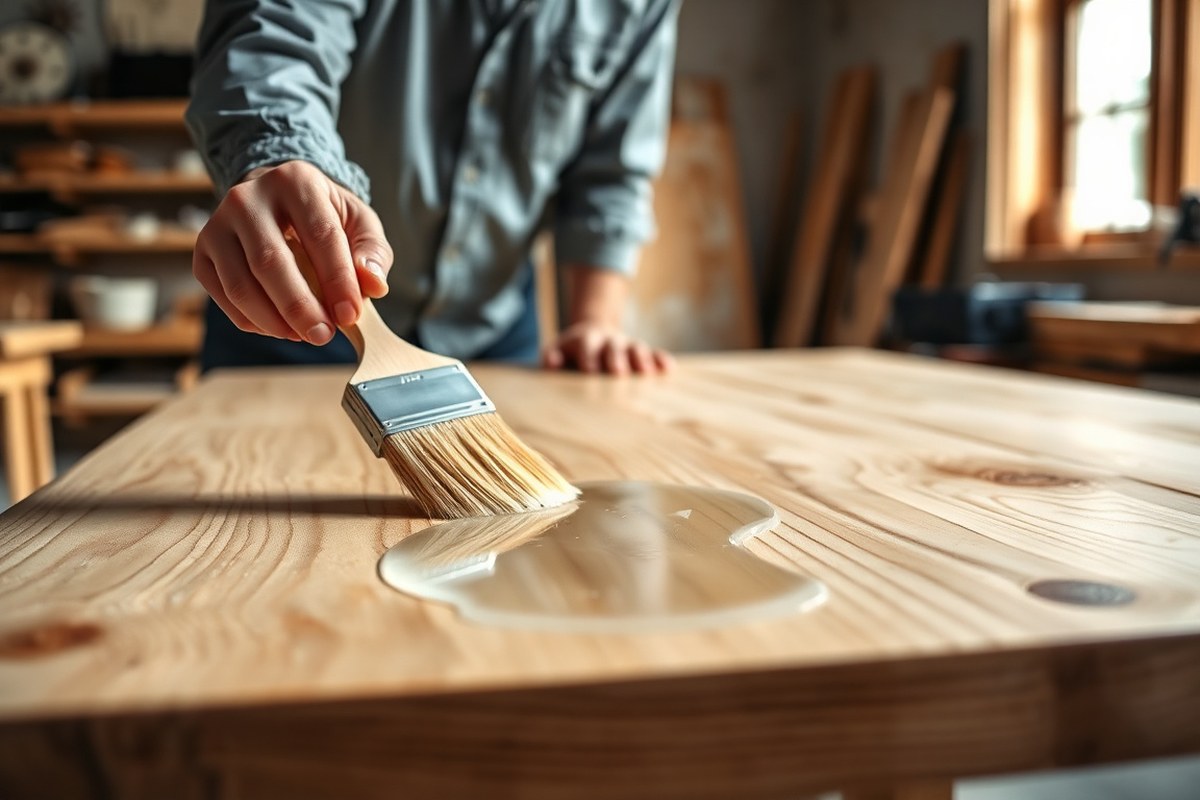
Applying spar urethane requires careful surface preparation, proper thinning, precise brushing of multiple thin coats, sufficient drying time, and light sanding between coats. Using the right tools and following correct timing helps achieve a durable, smooth finish that protects wood from moisture and sunlight.
Preparing the Wood Surface
Begin by cleaning the wood surface thoroughly using a mild detergent and water to remove grease, dirt, and any old finishes. Once dry, sand the wood with 220-grit sandpaper to smooth it and open the grain, promoting better adhesion. Use a tack cloth or vacuum to eliminate all dust, preventing an uneven finish. For porous or softwoods, apply a wood conditioner before spar urethane to seal the surface and reduce blotching for a more uniform finish.
Thinning Spar Urethane Correctly
Thinning spar urethane improves flow and reduces bubbles but differs by type. Water-based spar urethane can be thinned by adding up to 10% clean water by volume. Oil-based formulas require mineral spirits, paint thinner, or naptha at 10% to 20% of the volume. Avoid thinning more than recommended to prevent weakening the finish. Stir the product gently before thinning to maintain consistency and avoid air bubbles.
Applying and Drying Each Coat
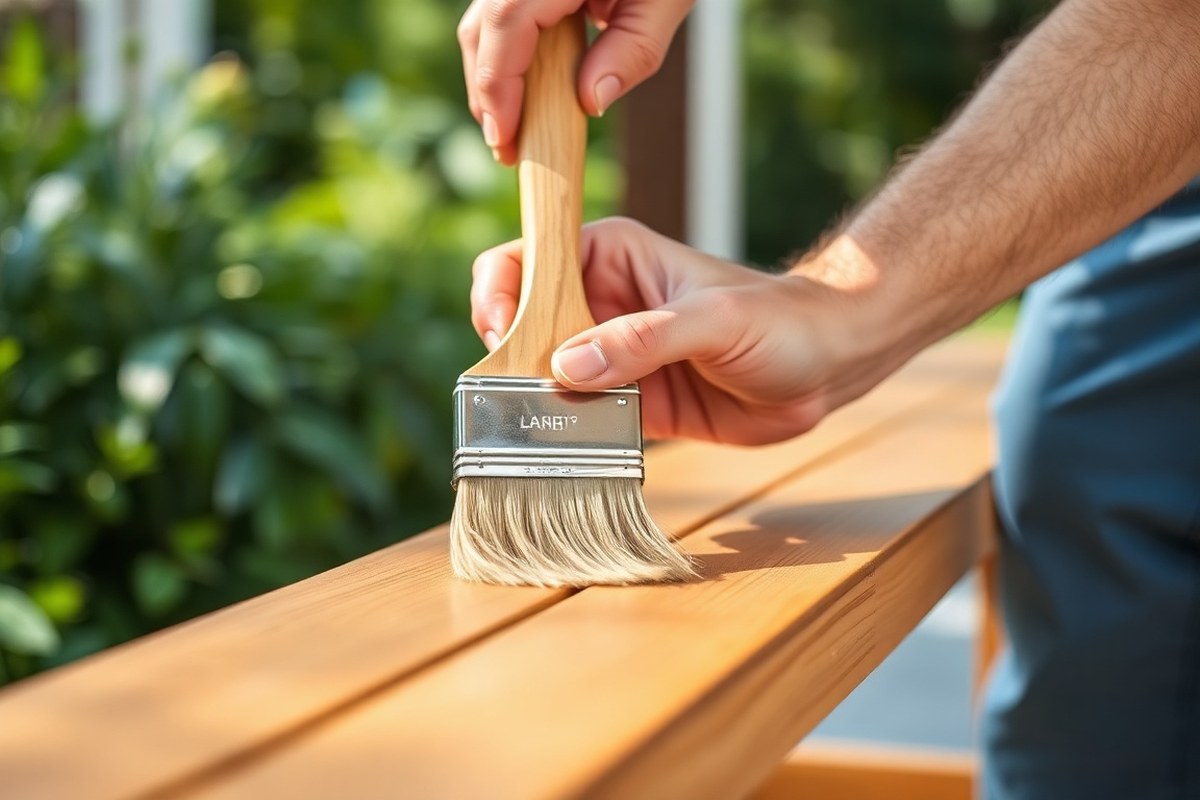
Choose a high-quality natural or synthetic bristle brush for oil-based spar urethane, and a synthetic brush for water-based types. Apply thin, even coats along the wood grain to minimize drips and bubbles. Let oil-based coats dry 6 to 8 hours before sanding, and allow 4 to 6 hours for water-based coats. For bare or outdoor wood, apply at least 3 coats with water-based and a minimum of 2 with oil-based, sometimes up to 4. Full curing takes about 24 hours before handling the surface.
- Stir the spar urethane gently without shaking the can.
- Thin the urethane according to its type if desired (up to 10% water for water-based, or 10-20% mineral spirits for oil-based).
- Dip your brush about halfway and apply a thin, even coat along the grain, avoiding puddles or heavy spots.
- Check for and gently pop any bubbles immediately after application.
- Allow the coat to dry for the recommended 4-8 hours depending on product type and humidity.
- Repeat application for 2-3 coats, extending to 4 for exterior wood.
Sanding and Preparing Between Coats
Wait until each coat is fully dry before sanding. Lightly sand the surface with 220-grit sandpaper to break the surface tension and remove any small dust nibs, bubbles, or drips. This creates a smooth base for the next coat to adhere properly. After sanding, wipe the surface with a lint-free cloth dampened in mineral spirits for oil-based or clean water for water-based spar urethane to remove all dust. Avoid aggressive sanding that can cut through the finish, especially on thin coats.
Choosing Between Oil-Based and Water-Based Spar Urethane
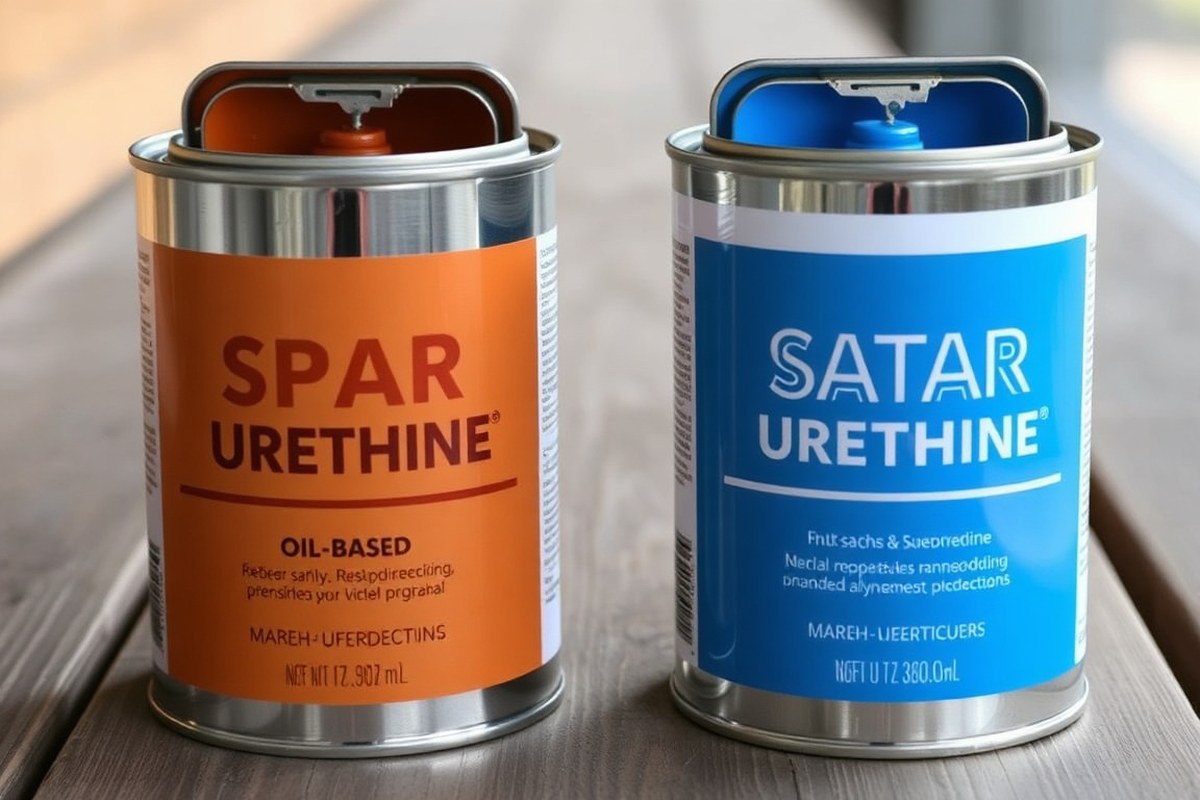
Choosing between oil-based and water-based spar urethane depends largely on your project’s location, desired durability, and how quickly you want the finish to dry. Oil-based versions last longer and handle outdoor conditions better but require more patience and proper ventilation. Water-based options dry faster with less odor, making them better for indoor use or projects with tight time frames.
Durability and Lifespan
Oil-based spar urethane stands out for its durability, offering protection that can last 10 to 15 years with proper application. This makes it ideal for outdoor furniture or exposed wood surfaces where moisture and weather take a toll. Water-based spar urethane does not last as long, generally maintaining its protective qualities for about 3 to 5 years depending on exposure and conditions.
On a project that requires lasting protection against the elements, oil-based urethane typically performs better. Water-based options tend to degrade faster, so they work best on indoor pieces or areas that don’t face harsh conditions.
Drying and Recoat Times
Water-based spar urethane dries significantly faster than oil-based, often within 2 to 4 hours. This allows you to apply multiple coats in a day, which can be a major advantage when on a schedule. Oil-based spar urethane requires longer drying times, around 6 to 8 hours before recoating, and can take up to 24 hours to fully cure.
The faster dry time of water-based urethane can streamline your workflow but also demands careful application to avoid dust and debris settling on the finish. Oil-based products give you more working time but require patience and more planning to wait between coats.
Application Ease and Cleanup
Water-based spar urethane is more user-friendly, especially for beginners. It has a low odor and cleans up easily with soap and water. This reduces exposure to harmful fumes and simplifies the post-application process. Oil-based spar urethane produces a strong odor and requires cleanup with mineral spirits or paint thinner, making ventilation essential.
Both types may benefit from thinning with mineral spirits to reduce brush marks and bubbles, especially oil-based, but water-based formulas are generally smoother to apply straight from the can. Consider your workspace’s ventilation and your tolerance for strong chemical smells when choosing your product.
Tip: Always apply spar urethane in a well-ventilated area and wear appropriate protection, especially with oil-based products, to avoid inhaling strong fumes.
Finish Appearance and Sheen
Water-based spar urethane dries clear and remains largely colorless, preserving the natural tones of your wood. This makes it a popular choice for light woods or projects where you want a neutral finish. Oil-based spar urethane imparts warm amber tones, which can deepen the wood’s color and add warmth but may cause yellowing over time, especially on light-colored surfaces.
Both finish types offer various sheen levels from satin to gloss, so you can select the look that fits your style. For painted surfaces, oil-based versions often provide smoother adhesion but may alter the paint color over extended periods due to yellowing.
| Feature | Oil-Based Spar Urethane | Water-Based Spar Urethane |
|---|---|---|
| Durability | Highly durable, 10-15 years outdoors | Less durable, 3-5 years depending on conditions |
| Drying Time | 6-8 hours before recoat | 2-4 hours before recoat |
| Odor | Strong odor, requires ventilation | Low odor |
| Cleanup | Mineral spirits required | Soap and water |
| Finish Sheen | Warm amber tones, potential yellowing | Clear, retains natural wood color |
| Ideal Use | Outdoor projects, painted surfaces | Indoor projects, limited ventilation areas |
| Recoat Recommendations | Wait 4 hours, 3 coats for exterior wood | Wait 2 hours, 4 coats for exterior wood |
Decide based on your specific needs: choose oil-based spar urethane for long-lasting outdoor protection or when a warm finish is desired. Opt for water-based if you want quicker results, less odor, and a clearer look, particularly indoors. Assess the project’s environment, your patience for drying, and cleanup preferences before selecting your product.
Preparing Your Workspace and Wood for Best Results
Setting up the right workspace environment and preparing your wood surface properly ensures spar urethane applies smoothly and cures to a durable, protective finish. Control temperature and humidity within ideal ranges, ventilate safely, clean the surface thoroughly, and condition porous wood to promote even adhesion and avoid common problems like blotching or poor drying.
Optimal Temperature and Humidity
Keep your workspace temperature in the 65°F to 75°F (18°C to 24°C) range to help spar urethane spread and cure effectively. Temperatures outside this range may lead to uneven drying, causing issues like bubbles, visible brush marks, or poor bonding. Also, maintain relative humidity between 40% and 60%. Excessive humidity can delay drying and make the finish appear cloudy, whereas very low humidity might cause the finish to dry too fast and create an uneven texture.
Monitoring a hygrometer and thermometer helps you maintain these conditions if you work indoors in a workshop or garage. Avoid applying spar urethane on very cold or damp days or in direct sunlight where temperature and moisture levels fluctuate.
Ventilation and Safety
Good airflow reduces fumes and helps spar urethane dry evenly. Position your workspace near open windows or doors, or use fans to keep air moving gently without stirring up dust. Ensure ventilation does not cause sudden temperature drops or strong winds that might blow contaminants onto wet finishes.
Spar urethane is flammable and emits strong vapors. Remove spark sources such as pilot lights or electrical tools that may produce sparks. Wearing a respirator or protective mask designed for organic vapors protects your lungs during application. Also, gloves and eye protection prevent skin contact with the chemicals.
Cleaning and Dust Removal
Start with a clean, dry wood surface free of dust, dirt, grease, and old finishes to give spar urethane the best chance to bond and cure. Use a mild detergent or mineral spirits to remove oils or wax. Remove any old layers of spar urethane or varnish by sanding or stripping before applying a new coat. Light sanding with 150- to 220-grit sandpaper scuffs the wood slightly to promote adhesion.
After sanding, use a tack cloth to pick up fine dust particles that a dry cloth cannot remove. Dust left on the surface can cause rough texture or bubbles in the finish. Preparing the surface properly might take some time but prevents peeling or uneven drying.
- Remove grease or wax with mineral spirits
- Strip old finishes if re-coating worn surfaces
- Sand lightly with 150-220 grit sandpaper for smoothness
- Wipe off dust with a tack cloth before application
- Allow wood to dry fully after any cleaning or stripping
Let the cleaned surface dry thoroughly before applying spar urethane to avoid trapping moisture beneath the finish.
Wood Conditioning Advice
Applying a pre-stain wood conditioner is especially useful on soft or porous woods like pine, maple, or birch, which tend to absorb finish unevenly. Conditioner helps the spar urethane penetrate consistently, reducing blotchy or streaky appearances. Follow the product instructions and apply it before sanding with fine-grit paper.
Use a thin, even coat of conditioner, wait about 15 minutes for it to penetrate, then wipe off excess. Allow it to dry fully before applying spar urethane. Conditioning is less necessary on already sealed or hardwood surfaces but improves results on many untreated woods.
Avoiding and Fixing Common Application Problems
Bubbles in spar urethane often appear when the finish is shaken vigorously or stirred too quickly, trapping air that shows up once applied. To prevent bubbles, gently stir the urethane with a stick rather than shaking the can. Applying thin coats helps reduce bubbles by allowing air to escape before the finish dries. Avoid brushing too aggressively or overworking the finish, as this can introduce air and cause bubbles.
Runs and sags happen when the urethane is applied too thickly or unevenly. Using a brush loaded with too much product often causes excess finish to pool and drip. Applying spar urethane in thin, even coats minimizes runs. It also helps to recoat after about 15 minutes, giving the previous layer time to level and tack up slightly. Holding the brush at a shallow angle allows a smoother spread without heavy buildup.
Uneven self-leveling occurs if the urethane is spread unevenly or if the surface temperature is too low or too high, affecting drying time. Applying the product quickly and consistently ensures an even film. Thin coats promote proper flow, and sanding lightly between coats smooths out imperfections that interfere with the finish’s leveling ability. The best results come at moderate temperatures, around 65° to 75°F, with low humidity.
Sticky or tacky finishes usually indicate incomplete drying or curing. This can happen when coats are too thick, the ambient temperature is too low, or drying times are shortened. Thinner coats dry faster and more thoroughly. Let the finish dry fully between coats, typically for several hours, or longer in cooler conditions. Tackiness can be fixed by gently sanding the surface and adding another thin layer of finish.
Thick or cloudy finishes happen because of dust, air bubbles, or applying the finish in cold or damp conditions. Cleaning the wood thoroughly before finishing helps avoid cloudiness. Using thin coats and letting each dry fully before applying the next also keeps the finish clear. Sanding and recoating the finish can clear up any cloudiness that does appear.
- Stir urethane gently to avoid air bubbles; never shake the can
- Apply spar urethane with a natural bristle or foam brush in thin, even coats
- Avoid overbrushing; use long, smooth strokes
- Allow 15 minutes between coats to prevent runs and allow leveling
- Sand lightly between coats to fix brush marks and improve adhesion
- Maintain workspace temperature near 65°, 75°F for best drying
- Ensure good ventilation but avoid dusty or humid environments
Following these techniques helps maintain a clear, smooth, and durable finish on outdoor wood surfaces, maximizing spar urethane’s protective properties. Taking the time to apply several thin, well-managed coats will ultimately cost more time but delivers far better results than rushing or piling on thick layers.
Sanding and Smoothing Spar Urethane Between Coats
Sanding between coats of spar urethane is essential to achieve a smooth, durable finish and ensure that each new coat adheres properly. It removes tiny bumps, dust particles, or bubbles that can form during drying. For sanding, use fine grit sandpaper, typically 220-grit, to avoid cutting through the finish. Sand lightly and evenly to prevent rough spots or bare patches. After sanding, clear away all dust before applying the next coat to maintain clarity and smoothness.
| Purpose | Recommended Sandpaper Grit |
|---|---|
| Between coats of spar urethane | 220 to 320 grit |
| Smoothing bubbles after drying | 320 to 400 grit |
| Initial surface sanding before first coat | 150 to 220 grit |
The sanding should be done after the previous coat is completely dry, which usually means waiting at least 4 to 6 hours or following the product’s stated drying times. Light pressure with circular or gentle back-and-forth strokes is best. Sand just enough to dull the surface sheen without cutting into the wood or removing too much urethane. After sanding, use a vacuum or tack cloth to remove all dust particles, preventing them from causing defects in the next coat.
- Confirm the previous coat is fully dry. Allow 4 to 6 hours or follow the manufacturer’s recommended drying time.
- Choose the correct sandpaper grit. Use 220-grit for general smoothing; increase to 320-grit for minor bubbles or imperfections.
- Sand the surface lightly. Use a circular or gentle back-and-forth motion without applying heavy pressure to avoid sanding through the finish.
- Inspect your work. Look for smoothness and remove any rough areas without over-sanding exposed wood.
- Clean the surface thoroughly. Use a vacuum or a tack cloth to remove all sanding dust from the surface and surrounding area.
- Apply the next thin coat evenly. This helps build a smooth, even finish over the first coats and improves durability.
Use a tack cloth or a damp, lint-free cloth after sanding to effectively pick up fine dust without leaving residue that can interfere with adhesion.
Applying Spar Urethane over Stains and Paints
You can apply spar urethane over stained or painted wood to add a durable, flexible protective finish. For stained surfaces, ensure the stain is fully dry, which typically takes 24 to 48 hours depending on the product and environmental conditions. This prevents adhesion issues and helps the spar urethane bond properly. If you are applying over paint, verify the paint is fully cured; latex and acrylic paints usually need at least seven days to cure, while oil-based paints may require longer.
Proper surface preparation is important for a good bond and professional appearance. Begin by cleaning the surface thoroughly to remove dust, dirt, oils, or wax. Use a mild detergent and water, then let it dry completely. Lightly sanding the stained or painted surface with fine-grit sandpaper (220 grit works well) helps the spar urethane adhere better and smooths out any imperfections. After sanding, wipe the surface with a tack cloth or a damp, lint-free cloth to remove all dust.
Applying spar urethane over stained wood can slightly deepen or improve the color because it adds a clear, glossy or satin layer. The final sheen depends on the product variant you choose. Over paint, spar urethane will add a clear protective coat but can alter the paint’s sheen, typically adding a subtle gloss, even over flat paints. Choose your spar urethane sheen based on whether you want a higher gloss or a more matte finish.
When finishing over thick or colored paints, extra caution is required. Thick paint layers can sometimes flex differently than the wood beneath, risking cracks or peeling under the spar urethane layer. Test a small area first to check compatibility and appearance. Avoid applying spar urethane over rubberized or very soft paints, as the finish may not adhere well. Using a water-based spar urethane can improve adhesion and reduce yellowing compared to oil-based products, especially on lighter paint colors.
Checklist for surface prep before applying spar urethane includes: confirm stain or paint is fully dry and cured, clean the surface to remove contaminants, lightly sand with 220 grit sandpaper, and remove sanding dust thoroughly. For application, use a high-quality synthetic brush or foam applicator, apply thin even coats in the direction of the wood grain, and allow 4 to 6 hours drying time between coats at around 70°F and 50% humidity. Applying 2 to 3 coats provides good protection and appearance, with a final coat for maximum durability.
Watching for problems like bubbling or peeling finish can indicate poor surface prep or incompatible products. Avoid applying spar urethane on large exterior surfaces with heavy wear since maintenance becomes difficult. For most indoor or moderate outdoor uses on stained or painted wood furniture, trim, or doors, spar urethane improve durability and keeps your finish looking fresh longer.
Maintaining and Reapplying Spar Urethane for Longevity
Spar urethane finishes require regular inspection and maintenance to remain effective against weather, moisture, and wear. Outdoors, expect to reapply spar urethane every one to two years, depending on exposure to sunlight and rain. Indoors, touch-ups may only be needed every three to five years, as surfaces face less harsh conditions. Signs you need to recoat include fading, cracking, peeling, or a rough texture where water no longer beads on the surface.
Begin the maintenance by closely inspecting the wood under good light. Use your hand to feel for any roughness and visually check for dull or compromised areas. If the finish feels intact and glossy, heavy sanding or recoating might not be necessary. When damage appears, clean the surface thoroughly using a mild detergent and water solution to remove dirt, oils, and mildew. Allow the wood to dry completely, which can take 24 to 48 hours in moderate climates.
After drying, lightly sand the surface with fine-grit sandpaper, around 220 grit. This smoothing step removes minor imperfections and creates a slightly rough texture for the new spar urethane to bond well. Be sure to remove sanding dust completely with a tack cloth or vacuum before applying fresh coats.
- Inspect spar urethane surfaces annually or biannually depending on exposure
- Look for dullness, cracking, or peeling as signs for recoating
- Clean with mild detergent and water; let dry for at least 24 hours
- Sand lightly with 220-grit sandpaper to promote adhesion
- Remove all dust thoroughly before recoating
- Apply 1-3 coats of spar urethane to rebuild protection
- Store leftover urethane in a sealed container in a cool, dry place
Applying one to three new coats of spar urethane will restore the finish’s protective qualities. Avoid heavy buildup by applying even, thin coats and allowing proper drying time between coats, generally 4 to 6 hours according to product instructions. Proper maintenance both prevents costly refinishing later and extends the life of your wood furniture or features significantly.
Safely store leftover spar urethane by sealing containers tightly to prevent air exposure. Keep them in a cool, dry environment away from direct sunlight and heat sources to maintain the product’s effectiveness for future use. Following this routine checklist will protect your wood while keeping it looking its best year after year.
Safety Precautions When Working with Spar Urethane
Protecting your health when working with spar urethane means using the right personal protective equipment and controlling your workspace environment. Always wear chemical-resistant gloves to avoid skin contact, safety glasses to protect your eyes from splashes, and a respirator rated for organic vapors. These steps are particularly important with oil-based spar urethane, which releases stronger fumes compared to water-based versions.
Fume control is key. Work in a well-ventilated area, such as outdoors or near open windows. Use fans to encourage airflow, directing fumes away from your breathing zone. Avoid enclosed spaces without ventilation. Proper ventilation not only reduces health risks but also helps the finish dry and cure efficiently. If you notice headaches, dizziness, or nausea during application, increase ventilation immediately or take a break.
In case spar urethane touches your skin, wash the area thoroughly with soap and cold water. For eye contact, rinse with clean water for at least 15 minutes and seek medical advice if irritation persists. Store and dispose of brushes, rags, and other applicators carefully. Oil-based spar urethane-soaked rags can spontaneously combust if left balled up. Always lay them flat outside on a non-flammable surface or soak them in water inside a metal container before disposal. Check your local waste regulations for proper disposal of solvents and coatings.
- Wear chemical-resistant gloves, safety glasses, and an organic vapor respirator
- Apply spar urethane outdoors or in a well-ventilated area with cross-breeze airflow
- Do not smoke or create sparks near oil-based spar urethane fumes
- Immediately wash skin that contacts the product with soap and cold water
- Flush eyes for 15 minutes if spar urethane splashes in them and seek medical care
- Lay used rags flat outdoors or soak in water before disposal to prevent combustion
- Follow local regulations for disposing of oil-based product containers and solvents
Never tightly bundle used rags soaked with spar urethane; spontaneous combustion is a real fire risk.
Special care is necessary with oil-based spar urethane. It has a stronger odor and more flammable solvents than water-based types. Keep it away from heat sources and open flames. Water-based spar urethane usually has fewer vapors, reducing the need for respirators but does not eliminate the need for gloves and eye protection. Invest in good-quality protective gear that covers your hands and eyes completely to prevent irritation or sensitization during long projects. Adequate ventilation and safe handling make your finishing work both more pleasant and safer.
Step-by-Step Action Plan for Applying Spar Urethane
Follow this plan to achieve a durable, smooth spar urethane finish on your wood project. Each step helps you check your progress for best results.
- Before you start: Prepare your workspace and wood by cleaning dust and sanding the surface smooth. Your wood should feel even and clean to the touch.
- Day 1: Apply the first thin coat of spar urethane with a good-quality brush or foam applicator. The finish should spread evenly without bubbles or streaks.
- After 4-6 hours: Lightly sand the dried first coat with fine-grit (220) sandpaper to smooth out any imperfections. Your surface should feel smooth but not bare wood.
- Day 2: Apply the second spar urethane coat thinly and evenly. Check for a clear, uniform gloss without drips or cloudiness.
- After 24 hours: Evaluate if the finish feels hard and smooth; if sanded again, remove all dust completely before the next coat.
- Days 3-5: Apply one or two additional coats, sanding lightly between each one. Stops when the surface meets your desired depth and durability.
- After 7 days: Maintain your finish by cleaning gently with a soft cloth and mild soap. Plan to recoat in 1-3 years depending on wear.
Frequently Asked Questions
Can I Apply Spar Urethane Outdoors During Humid Weather?
It’s best to apply spar urethane indoors when humidity is between 40% and 60%. Excess humidity can slow drying and affect the finish’s durability.
How Soon Can I Recoat Spar Urethane After the First Layer?
Usually, wait until the first coat is fully dry, about 4 to 6 hours, before lightly sanding and applying the next coat.
Is It Necessary to Dilute Spar Urethane Before Applying?
Diluting spar urethane with mineral spirits can help reduce bubbles and brush strokes for a smoother finish.
Can I Use Spray Equipment to Apply Spar Urethane?
Yes, spar urethane can be sprayed, but ensure proper ventilation and maintain thin, even coats to avoid runs.
Should I Apply Spar Urethane over Wood Filler?
Let the wood filler dry and sand it smooth before applying spar urethane to ensure good adhesion and a consistent finish.
Does Temperature Affect the Curing of Spar Urethane?
Yes, applying spar urethane between 65°F and 75°F allows proper drying and curing for best results.
Final Thoughts
Your spar urethane finish will protect and showcase your wood project when applied carefully and maintained properly. Start by prepping your wood and workspace thoroughly, then follow through with thin coats and sanding between each. Protect your finish with gentle cleaning and prompt recoating as needed to keep your wood looking great for years.