How Much Does a Wayfinding Sign Cost? Detailed Price Guide and Budget Tips
How much does a wayfinding sign cost? Prices typically range from $20 for simple directional signs to over $10,000 for large outdoor monuments. Indoor signs usually fall between $50 and $2,500 depending on size and complexity. Start by defining your sign type and location since these factors heavily influence cost.
Key Takeaways
- Simple arrow or directional signs cost between $20 and $300 each based on size and material.
- Standard indoor acrylic signs usually range from $50 to $150 per sign.
- Outdoor monument signs can cost anywhere from $2,000 up to $10,000 or more due to materials and construction.
- Digital or LED wayfinding signs generally start around $50 and increase with size and technology.
- Fabrication and installation can take 15 to 24 weeks from approved drawings to completion.
- Revisions to drawings can add 1 to 2 weeks of delay before fabrication starts.
Exact Wayfinding Sign Cost Ranges by Sign Type
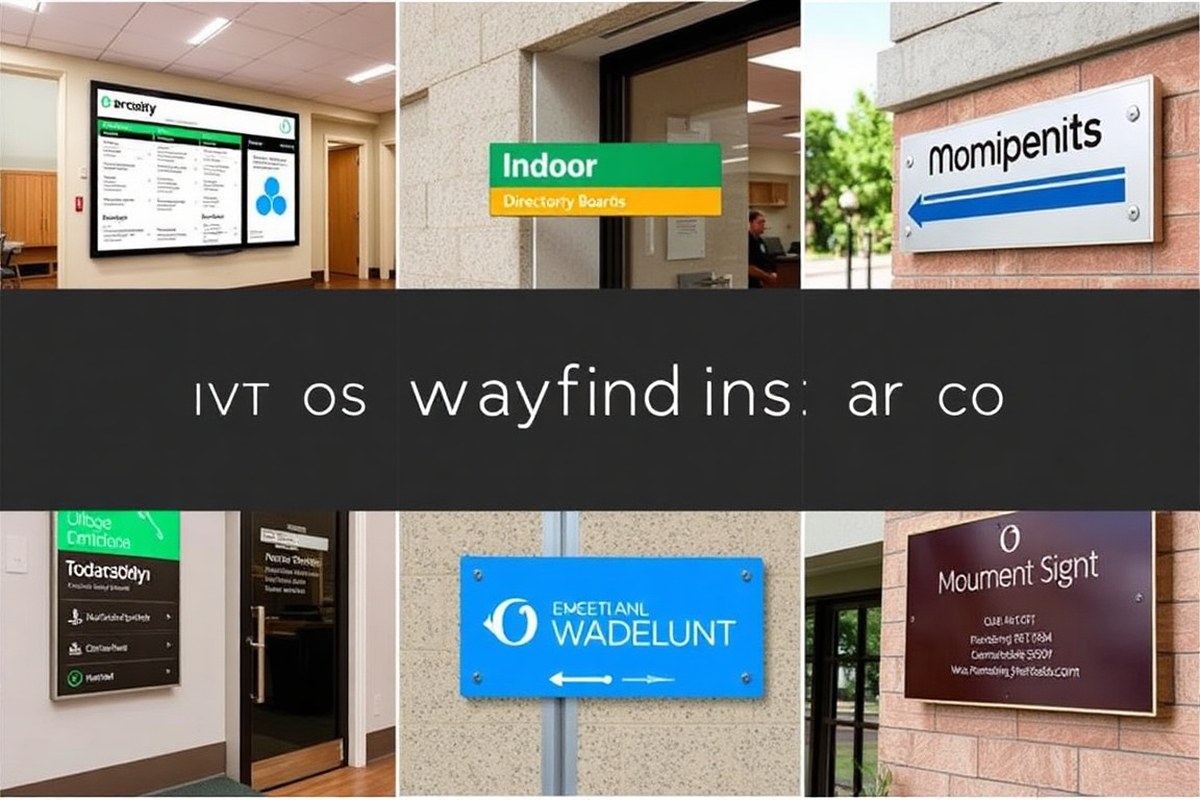
Wayfinding sign costs vary widely depending on the type, size, materials, and installation requirements. Smaller items like door plates cost far less per unit compared to large exterior monument or digital kiosk signs. Knowing the typical price ranges for each sign type helps you budget appropriately and select products that fit your facility’s needs and scale.
Door plates or room number signs typically run from $25 to $90 each. They are the most economical per unit and often required in large quantities throughout a building. Directional corridor signs range from $120 to $400 depending on size and mounting, wall or ceiling. Lobby or floor directory boards are bigger and more complex, costing $800 to $3,000, with options for changeable strips that allow easy updates.
Monument signs anchoring property entrances tend to cost between $10,000 and $25,000 or more. These feature durable materials and often require site preparation and electrical work. Digital or LED wayfinding kiosks are the highest-priced, typically exceeding $25,000 due to their technology, display, and installation complexity.
| Sign Type | Typical Cost Range | What Drives the Price |
|---|---|---|
| Door Plates / Room Number Signs | $25, $90 each | Quantity needed, simple materials |
| Directional Corridor Signs | $120, $400 each | Size, mounting style (wall or ceiling) |
| Lobby / Floor Directory Boards | $800, $3,000 each | Changeable strips, size, materials |
| Exterior Monument Signs | $10,000, $25,000+ | Materials, size, electrical, site prep |
| Digital / LED Wayfinding Kiosks | $25,000+ | Display technology, software, installation |
The quality and durability you require influence costs significantly. For interior facility wayfinding, door plates and corridor signs are essential for everyday navigation with modest budgets. Exterior monument signs serve as landmark identifiers and need strong construction to withstand weather. Digital kiosks offer interactive features and dynamic content but come with a higher upfront investment and ongoing maintenance costs.
Investing in the right mix depends on your facility type, visitor volume, and branding goals. Most healthcare campuses, for example, include directories and digital kiosks to guide patients effectively, while smaller office buildings typically rely on interior signs like door plates and directional signs. Balancing functionality, compliance (such as ADA features), and budget helps achieve wayfinding success without overspending on unnecessary options.
Key Factors Influencing Wayfinding Sign Pricing

Several key factors influence the cost of wayfinding signage in commercial facilities, with materials, size, design complexity, ADA compliance, and installation difficulty being the top variables. Materials matter because they determine durability and finish quality. Aluminum and stainless steel options, common for outdoor and industrial sites, typically cost between $25 and $100 or more per sign, depending on custom features. Acrylic and plastic signs used indoors tend to be less expensive but might not hold up well in harsher environments.
Sign size directly affects pricing since larger signs require more material and labor. For instance, smaller directional signs inside offices or hospitals often range from $150 to $2,500 based on dimensions. Large outdoor wayfinding pylons or monument signs start around $80 and can reach several hundred dollars per unit, especially when custom fabrication is involved.
Design complexity raises costs in several ways. Signs with intricate graphics, multiple colors, illumination, or electronic components demand more specialized production and skilled labor. Simple directional signs with arrows generally cost $20 to $300 each, while signs with LED lighting, digital features, or unique shapes push prices upward. Adding informational content that meets ADA guidelines often requires specific fonts, braille embossing, and contrasting colors, all increasing material and production costs. ADA compliance adds regulatory requirements to ensure accessibility, which might mean using costly tactile surfaces or installing signs at particular heights and locations.
Installation is another major price consideration. Signs that require mounting on uneven surfaces, high elevations, or in traffic-heavy areas need extra equipment and safety measures. These challenges can add hundreds or even thousands of dollars to the total project cost. Mechanical fastening, welding, or electrical wiring for illuminated signage also contributes to higher labor expenses. If your facility has strict operational hours, night or weekend installation might incur premium charges. Planning for adequate time and specialized contractors helps control this budget factor.
Choosing simpler designs and standard materials can reduce costs, but cutting corners on ADA compliance or installation quality risks costly reworks and legal issues.
When developing your signage project, balancing size, materials, and design complexity with installation realities shapes your budget. Assess site conditions closely and consult with experienced sign fabricators to verify costs for ADA compliance and mounting logistics. Investing in upfront planning prevents expensive surprises on-site. Prioritize clear, accessible signage that meets requirements without over-customizing elements that provide limited added value. This approach helps you control initial expenses while supporting long-term facility navigation and safety.
How Long Does Each Phase of a Wayfinding Project Take?
The timeline for a wayfinding signage project typically spans several months, from strategic planning to final installation. Expect 8 to 12 months for thorough planning and design, followed by 15 to 24 weeks for fabrication and installation. These phases depend on project size, complexity, and local regulations.
Planning and Behavioral Research Phase Duration
The planning and design phase focuses on strategy, architectural integration, and behavioral analysis to ensure signs effectively guide users. This step generally takes 8 to 12 months, reflecting the necessary detail and coordination among stakeholders. You and your wayfinding consultant may spend this time refining concepts, conducting site assessments, and iterating designs to align with user needs and regulatory requirements.
This phase is critical since it shapes the entire project. Inadequate research or rushed design can lead to confusing signage, resulting in costly revisions or ineffective wayfinding that frustrates visitors and staff alike.
Fabrication and Materials Lead Times
After design approval, the project drawings move to fabrication. Expect approximately 15 to 24 weeks from the time the fabricator receives final drawings until you have complete signs ready for installation. Fabrication lead times depend on materials, sign complexity, and production capacity.
Shop drawings usually take 1 to 2 weeks for your review. If revisions are required, add another 1 to 2 weeks. Confirming permits early is essential, as required approvals can add up to 3 months. Coordination among design, fabrication, and permitting teams helps avoid delays.
- Initial shop drawing review: 1, 2 weeks
- Possible revisions and re-review: 1, 2 weeks
- Fabrication lead time: 12, 20 weeks depending on complexity
- Permit acquisition if needed: up to 3 months
- Material selection impacts production speed
- Custom components may extend lead times
Choosing a single vendor for design through installation streamlines fabrication since all teams work from the same specifications, reducing rework and miscommunication that can extend these timelines.
Installation and Final Project Completion Timeline
Installation typically occurs in phases, especially for campus or multi-building signage programs. The physical installation generally takes from a few days to several weeks, depending on the number of signs and site complexity.
Coordinating installation schedules closely with fabrication completion helps prevent storing signs on site longer than necessary, avoiding damage or theft. Complex projects requiring mounting on historic buildings or compliance with zoning can add extra time during installation.
Ensuring all permits and inspections are complete before installation avoids costly shutdowns or rework. Properly sequencing work and maintaining clear communication between contractors speeds up final completion.
How Local Conditions and Regulations Affect Costs
Permitting fees often create a noticeable addition to your wayfinding sign project budget. Local government offices charge these fees to review sign applications and ensure compliance with zoning and safety standards. The amount varies significantly by location and sign type but typically ranges from a few hundred dollars to several thousand. In some municipalities, these fees combined with necessary structural inspections can increase project costs by 20% to 30%. You should factor permit expenses into your financial plan early and request local fee schedules from city or county planning departments to avoid unexpected charges.
Zoning regulations influence not only what kind of signs you can install but also the design and placement. These codes differ widely between neighborhoods and zones, dictating maximum dimensions, illumination options, and setback from property lines. Ignoring zoning at the planning stage risks delays caused by required redesigns or permit rejections, which increase both expenses and project duration. Consulting with local zoning officials or a signage expert familiar with your area’s regulations can help you design signs that meet these rules from the start.
Historic district reviews add a complex layer to signage projects within designated areas. Approval from historical or architectural commissions is required in addition to standard permits. This process often involves submitting detailed design proposals and waiting several weeks to months for decisions. The administrative fees and professional services needed to prepare suitable applications can also boost the budget. Planning sufficient time into your project timeline for these reviews mitigates the risk of costly last-minute changes or project halts.
Local labor rates affect both installation and ongoing maintenance costs. Urban locations or high-cost regions generally have higher wages, increasing contractor fees. Projects in specialty environments like hospitals or universities may also require union labor or certified installers, adding to expenses. Assess labor costs by obtaining multiple bids from experienced sign fabricators and installers familiar with your facility type. Choosing a contractor with proven knowledge of the local market helps balance costs with quality and compliance.
Climate considerations impact material choices and installation processes, influencing your project budget too. Signs exposed to harsh weather, hot summers exceeding 90°F, freezing winters below 32°F, high humidity, or frequent storms, require more durable materials like treated metals or impact-resistant plastics. These materials cost more upfront but reduce maintenance and replacement expenses over time. Installation in adverse weather regions might also need specialized equipment or scheduling during mild seasons, affecting labor time and costs. Before beginning your signage project, assemble a clear checklist to address these local conditions and regulations:
- Verify required permits and current fee schedules with the city or county office.
- Review zoning codes for size, illumination, and placement restrictions relevant to your site.
- Determine if your property lies within a historic district and investigate commission review requirements and timelines.
- Consult local contractors about labor rates and certifications needed for your facility type.
- Evaluate climate impacts to select materials and schedule installation accordingly.
- Include allowances for possible administrative fees and project timeline extensions due to reviews.
Taking these steps upfront helps establish a realistic budget and timeline, avoids costly surprises, and ensures your wayfinding signs meet community standards and perform well over their lifespan.
Cost Differences Between Indoor, Outdoor, and Digital Signs
Outdoor wayfinding signs typically cost more than indoor signs due to weather-resistant materials, larger sizes, and additional installation requirements. These signs need durable substrates like aluminum or heavy-duty plastics that withstand rain, sun, and temperature swings, which drives up the price. Installation also often requires specialized labor and permits, increasing expenses further.
Indoor wayfinding signs are generally smaller and use materials like acrylic or lighter metals. These signs cost less because they do not require weatherproofing, and installation is usually simpler and quicker. For example, a standard indoor acrylic sign ranges from $50 to $150 depending on size and customization.
Digital wayfinding kiosks and LED displays represent the highest upfront investment but add interactive features such as real-time updates and multi-language support. These signs cost thousands or more due to the technology, software, and power requirements. They can be worth the cost in high-traffic commercial settings where updated information and visitor engagement improve navigation efficiency.
| Sign Type | Material Example | Typical Price Range | Key Cost Factors |
|---|---|---|---|
| Indoor Acrylic Sign | Acrylic panel | $50 – $150 | Size, printing, simple installation |
| Outdoor 3D Road Guide Sign | Aluminum, weatherproof paint | $1.80 – $2.00 per centimeter | Durability, weather resistance, permits, installation |
| Custom LED Illuminated Indoor Sign | LED, acrylic or metal | $4.30 – $5.60 per inch | Lighting technology, electrical, customization |
| Outdoor Restroom or Room Number Plate | Outdoor-grade plastics | Starting at $20 per set | Weather resistance, mounting hardware |
| Digital Wayfinding Kiosk | LED display, integrated computer | $1,000 to $10,000+ | Technology, software, power, maintenance |
Pricing per unit varies greatly by size, materials, and sign complexity. For example, digital signs justify higher prices when visitor volume and navigation complexity require dynamic content updates. Outdoor signs offer longer lifespan and visibility but need higher initial investment and maintenance.
Be sure to confirm local regulations and electrical codes before purchasing digital or outdoor signs to avoid costly rework or fines.
Indoor signs often serve smaller areas like office suites or retail sections, keeping costs low. Outdoor signs cover larger zones and must support diverse conditions, so budget accordingly. Digital signage suits environments where changing information and interactive maps reduce visitor confusion and improve experience despite higher costs.
When to Hire a Wayfinding Consultant and What It Costs
Hiring a wayfinding consultant provides expert guidance that ensures your signage system is logical, effective, and budget-conscious. Consultants help define the project scope clearly, create a system that fits your facility’s needs, and prevent costly mistakes before purchasing materials. Their involvement is especially valuable for complex or large-scale projects where wayfinding needs are not straightforward.
Typical Consultant Fees and Pricing Models
Wayfinding consultants usually charge based on the project size and complexity. Fees range from about $5,000 for a small, straightforward project to $50,000 or more for large campuses or multi-building facilities. Some consultants offer fixed-price packages covering assessment, planning, and design recommendations, while others bill hourly, typically between $100 and $200 per hour. Early in the planning phase, a flat fee or a retainer can provide a clear budget baseline, allowing you to allocate funds more confidently for fabrication and installation.
Different pricing models fit different projects. Smaller businesses or owners with simpler needs might find hourly billing flexible and cost-effective. Large facilities or government projects, which require more complete planning and compliance, benefit from fixed pricing that covers thorough analysis, regulatory adherence, and system validation. Ask the consultant upfront how pricing aligns with each project phase to avoid unexpected costs later.
Situations When a Consultant Is Essential
Consultants are critical when your facility is a complex environment, such as a multi-building campus, hospital, or university with multiple users and routes. In these situations, a well-planned wayfinding system avoids confusion, reduces lost time, and improves visitor satisfaction. Consultants also navigate unique requirements in healthcare, civic buildings, or high-security areas where both regulations and user needs are complex.
Hiring a wayfinding consultant early is essential if your project involves compliance with government or public-sector regulations. Civic projects typically require specific procurement processes and ensure accessibility and safety standards are met, which consultants understand deeply. Also, if you anticipate a large-scale or phased rollout over months or years, consultants help manage timelines and coordinate signage updates consistently.
How Consultants Improve Budget Accuracy
Wayfinding consultants bring clarity and precision to your budget planning. By defining the signage scope early, they prevent underestimations that often happen when signage is considered late in a construction or renovation project. Consultants conduct thorough site assessments and create signage plans that match user flows and operational needs, reducing costly last-minute changes or signage overproduction.
Using their experience, consultants establish logical sign placement and system hierarchy before purchasing hardware. This planning reduces wasteful spending on signs that do not meet the facility’s needs or require frequent replacement. Clear cost projections provided by the consultant give your ownership or management team a detailed roadmap of expenses, helping avoid surprises and enabling better resource allocation. For public or government projects, this ensures compliance with budgeting rules and funding approvals.
Strategies to Manage and Reduce Wayfinding Sign Costs
Planning a cost-efficient signage system starts with clear objectives and a scalable design. Define the exact number of signs you need and their locations before requesting quotes. Overordering or last-minute additions often cause budget overruns. Establishing a modular system with standardized panels and interchangeable inserts cuts down custom fabrication costs, which can be significant if tenant turnover or facility changes occur frequently.
Avoiding expensive last-minute changes requires thorough upfront planning and stakeholder review. Confirm design approvals, placements, and messaging early to minimize revisions. Coordinate closely with architects, facility managers, and sign fabricators during the design phase to ensure compliance with local codes and facility aesthetics, preventing costly redesigns later on.
- Conduct a full site survey to identify exact sign placement and types needed.
- Choose modular sign systems with interchangeable inserts for easier updates.
- Use consistent materials and sizes to use bulk ordering discounts.
- Get multiple detailed quotes to compare pricing and avoid hidden fees.
- Allow extra time in your schedule for design approvals and fabrication.
- Review local signage regulations to avoid compliance violations and fines.
- Engage stakeholders early to align on messaging and placement preferences.
Standardizing sign panels is especially beneficial when dealing with multi-tenant properties or multiple buildings. For example, using a common frame that holds printed inserts allows you to update tenant names or wayfinding directions without full replacement. This investment may raise initial costs but reduces future expenses significantly. According to HomeAdvisor, custom business signs can range widely in cost, from around $500 to $200,000, so controlling customization helps keep costs manageable.
Investing time and resources in a well-planned wayfinding strategy pays off by reducing the need for frequent replacements and costly updates. Clear, consistent signage improves visitor experience and reduces confusion, which lowers indirect costs from lost productivity or increased customer frustration. Expect at least several weeks from design to installation, depending on sign complexity and fabrication. Factoring in time buffers helps avoid accelerated manufacturing fees.
Typical Payment Terms and Pricing Models in Wayfinding Projects
Wayfinding sign projects generally require an upfront deposit, followed by payments tied to project milestones. Pricing may come as separate charges for design and fabrication or as a combined total within a design-build contract. Choosing between these approaches depends on your project complexity, timeline needs, and budget control preferences.
Deposit and Milestone Payment Expectations
Most sign companies ask for a deposit of 30% to 50% before beginning work, which covers initial design and material procurement. This deposit helps secure resources and commits both parties to the project timeline. Subsequent payments usually correspond to key milestones such as design approval, fabrication start, and final installation. For larger projects like hospital campuses, milestone payments might be more frequent to align with multiple phases of production.
Timely payments at these stages keep the project on track and avoid delays. Some suppliers may hold final deliverables until full payment is received, so clear communication on payment schedules is critical. For commercial facility managers, structuring milestones in line with your internal project phases simplifies budgeting and cash flow management.
Separate Design and Fabrication Pricing Explained
Paying separately for design and fabrication means contracting design services first, then moving to production once designs are finalized and approved. This approach allows more control over design quality and lets you make adjustments without being locked into fabrication costs immediately. It works well for complex wayfinding systems requiring detailed messaging, custom graphics, or architectural integration.
On the downside, separate contracts can extend the project timeline due to handoffs between designers and fabricators, and can introduce hidden costs from miscommunication. You may incur additional fees if design changes occur after fabrication begins. In commercial environments with strict opening deadlines, this staggered approach requires careful coordination.
Advantages of Design-Build Contracts
Design-build pricing combines design and fabrication into a single contract with one vendor responsible for the entire sign production process. This integration often reduces timeline delays by eliminating handoffs between separate teams, which lowers the risk of miscommunication and cost overruns. Many sign companies recommend design-build for large, multi-type wayfinding projects in hospitals or campuses where architectural coherence is essential.
Choosing design-build shifts some design control in exchange for simplified project management and potentially lower overall expense due to streamlined workflows. This approach can accelerate project completion since designers and fabricators collaborate from the outset. However, it may limit your flexibility if you want to change design firms mid-project or separately approve each stage.
Tip: Clarify deposit and milestone expectations in writing before work begins to avoid disputes and keep your wayfinding project on schedule.
Your First 30 Days: A Quick-Start Plan for Managing Wayfinding Sign Costs
Use this plan to begin managing your wayfinding sign project budget and timeline effectively. Each step helps control costs and confirms your progress.
- Before you start: Define your signage goals and priorities clearly. Confirm these goals with key stakeholders to avoid scope changes that increase costs later.
- Week 1: Gather local regulations and site requirements for signage installation. Verify that your designs comply to prevent costly redesigns or fines.
- Week 2: Request detailed quotes from multiple vendors for different sign types and materials. Compare pricing structures and payment terms to find the best fit within your budget.
- Week 3: Decide whether to hire a wayfinding consultant based on project complexity and your team’s expertise. Look for someone with experience in your type of facility and check references.
- Week 4: Review sign design and fabrication timelines with suppliers. Confirm that production schedules align with your facility’s operational needs to avoid delays and extra costs.
- After 4 weeks: Plan for installation dates and coordinate with facility operations to minimize disruptions. Ensure all permits and approvals are secured before installation begins.
- Post-installation: Inspect all signs for quality and compliance with designs. Address any issues immediately with the supplier under warranty or contract terms.
Frequently Asked Questions
How Much Does a Basic Indoor Wayfinding Sign Cost?
A basic indoor wayfinding sign generally costs between $1 and $18 depending on materials and size. Lower prices usually cover simple acrylic or metal plates, while higher prices often include LED illumination or custom features.
What Is the Price Range for Outdoor Wayfinding Signs?
Outdoor wayfinding signs typically range from $12.99 to $98, influenced by size, durability, and illumination. Large steel billboard-style signs cost more due to material and installation needs, while smaller stainless steel or aluminum signs fall at the lower end.
How Do Digital Wayfinding Signs Affect Overall Cost?
Digital wayfinding signs usually cost $20 to $40 or more because of electronics and installation complexity. These signs often include LED displays or interactive touchscreens, leading to higher initial investment but easier content updates.
Does Ordering in Bulk Reduce Wayfinding Sign Costs?
Yes, ordering in bulk reduces cost per unit significantly, especially for smaller signs priced under $2. Manufacturers often offer minimum order quantities, so combining orders can lower expenses and streamline installation.
What Additional Expenses Should I Budget for Beyond Sign Production?
Expect installation, design consultation, permits, and possible maintenance expenses beyond production costs. These phases can last from days to weeks, with local regulations potentially increasing permit fees.
Are Illuminated Wayfinding Signs More Expensive to Maintain?
Illuminated signs generally have higher maintenance costs due to electrical components and bulb replacements. Budget for regular inspections and potential repairs to keep lighting effective and compliant with safety standards.
The Bottom Line
Wayfinding sign costs vary widely depending on type, materials, and project size, but understanding the key factors and managing your timeline carefully helps keep expenses within control. Start by defining clear goals and gathering accurate quotes early to avoid surprises. The next step is to evaluate consultant needs and vendor options to align your budget with your facility’s requirements. Taking these actions will put you on firm ground to plan and execute your wayfinding project successfully.