How Much Does a Wall Sign Cost? Complete Guide with Pricing Insights
How much does a wall sign cost? Wall signs typically range from $200 to $8,000 depending on size, materials, and installation needs. For most small to medium businesses, a professionally made and installed sign often falls between $4,000 and $8,000. Start by defining the sign type and size before requesting detailed quotes to understand your exact costs.
Key Takeaways
- Expect wall sign prices roughly between $10 to $300 per square foot, varying with complexity and materials.
- Installation costs average $181 to $804 nationwide, heavily influenced by wall type and site conditions.
- Material choice, such as illuminated channel letters versus vinyl decals, significantly alters the overall price.
- Site-specific factors like electrical access and wall material can increase installation expenses noticeably.
- Permits and local regulations may add to the budget, so check requirements early to avoid surprises.
- Design elements including lighting and size directly impact production cost and installation difficulty.
Typical Cost Range for Wall Signs and What to Expect

The average cost to buy and install a wall sign typically ranges from a few hundred to several thousand dollars, depending largely on size, material, and whether the sign is illuminated. Small, basic wall signs can start around $200 to $500, while medium-sized signs usually fall between $1,000 and $3,000. Large or illuminated wall signs often cost $3,000 to $20,000 or more, due to the added expense of electrical components and specialized installation.
Illuminated signs generally cost significantly more than non-illuminated ones because of the electrical wiring, lighting components, and often stricter permitting requirements. For example, a simple non-illuminated wall panel might cost $800 including installation, whereas a similar-sized illuminated channel letter sign could reach $5,000 or higher. Installation costs for wall signs alone usually run from $200 to $800, influenced primarily by the wall material and whether electrical work is required.
Below is a table showing typical cost ranges of common commercial wall sign types, including their installation costs and whether electrical and special equipment are needed. This can help you estimate what level of investment to expect for your project.
| Sign Type | Typical Cost Range (Sign + Installation) | Electrical Required? | Installation Cost Range |
|---|---|---|---|
| Vinyl Graphics / Window Decals | $200 to $3,000+ | No | $100 to $400 |
| Wall Sign / Panel (Non-illuminated) | $200 to $800 | Sometimes | $200 to $800 |
| Channel Letter Sign (Illuminated) | $3,000 to $20,000+ | Yes | $800 to $3,000+ |
| Monument Sign (Typically Larger) | $2,000 to $8,000+ | Often | Varies, often $800 or more |
For a practical example, consider a medium-sized illuminated channel letter wall sign costing $6,000 for the sign itself. Installation costs could add $1,200, including electrical hookup. The total project cost would be around $7,200. For a smaller non-illuminated wall panel priced at $400, installation might add $300, totaling $700. This illustrates why illuminated signs tend to cost more: installation is more complex and labor-intensive.
Understanding these cost ranges helps you set a realistic budget. Small businesses looking for simple branding or wayfinding signs usually spend less than $1,000, while storefronts requiring visibility at night should plan for higher costs to include illumination and electrical work. Expect the installation cost to roughly match or be slightly less than the sign’s price for most standard projects?
Key Factors That Drive Wall Sign Costs
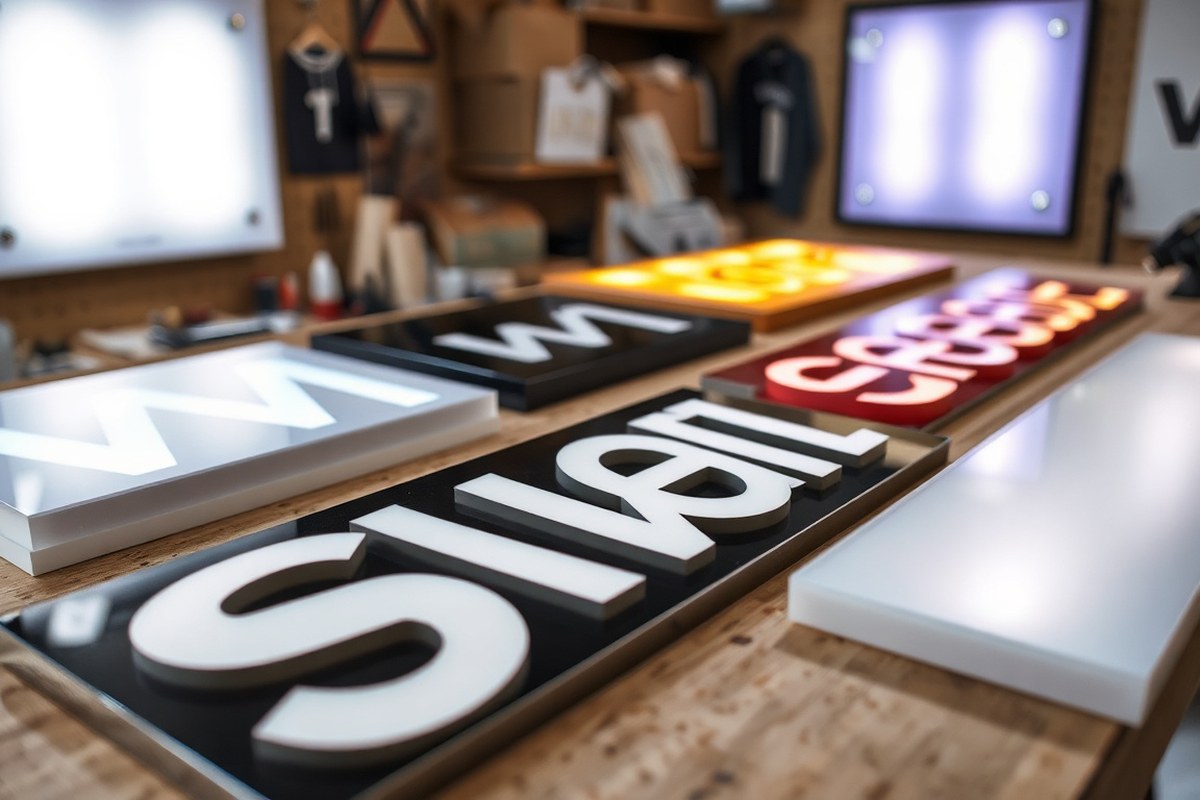
Wall sign costs vary widely because several key factors directly influence the price. Size is a primary driver; larger signs require more materials and longer fabrication times, so the price grows with scale. A small sign around 18 by 24 inches might cost a few hundred dollars, while larger storefront signs spanning several feet can run into the thousands. It’s important to measure the available wall space and decide on the appropriate size to balance visibility with budget.
The choice of materials also affects cost. Common substrates include acrylic, metal, and wood. Acrylic signs without lighting tend to cost less than those with backlighting, which adds complexity and need for electrical components. Metals like aluminum offer durability but may raise prices due to heavier fabrication demands. Wood signs fit certain aesthetic goals but require more maintenance, influencing long-term costs. Choosing materials only by initial price can lead to high upkeep or replacement expenses down the line.
Lighting pushes costs higher too. Illuminated signs use LEDs, neon, or LED neon-style tubing that requires wiring, power drivers, and sometimes custom fabrication. This adds not just material costs but also installation complexity. Electrical access on site is critical; a location lacking easy wiring access will increase labor time and possibly call for licensed electricians. The need for electrical permits and inspections can also add from $25 up to several hundred dollars, depending on your city regulations.
Installation complexity is another major consideration. Height affects equipment needs such as lifts or cranes. If the sign is mounted high on a building, the cost of renting machinery and the crew’s safety measures will add to your bill. Wall material and access conditions play a role too, for example, drilling into brick may cost more than mounting on wood siding. Installation quotes should list labor, equipment, any needed structural supports, and conditions clearly to avoid surprises.
Permits impact costs and schedules as well. Many municipalities require signage permits with associated fees ranging from $25 to $500. Planning and approval can delay the project if revisions are needed, and some landlords or business districts have strict sign codes. Without early permit review, quotes might exclude these charges, leading to unexpected expenses later. Include permit costs and time frames in your planning to keep the project on budget and on schedule.
Ensure your sign quote itemizes permits, electrical work, and installation details separately to avoid hidden costs and delays during the project.
Common Wall Sign Types, Materials, and Their Price Differences
Wall signs vary widely in type, material, and lighting options, each impacting cost differently. Popular choices include acrylic, metal, and wood signs, with prices changing based on material and whether the sign is illuminated. Understanding these differences helps you pick the right sign for your budget and business needs.
Acrylic and Metal Wall Signs
Acrylic signs are popular for their smooth finish and vibrant colors, typically costing between $12 and $30 per square foot for flat, non-illuminated panels. Acrylic offers good weather resistance and looks modern, making it ideal for storefronts or office walls. Metal signs, often aluminum-based, generally fall in the same moderate price range but provide greater durability and a professional appearance with less maintenance. Wood signs tend to be in a similar cost bracket as metal for standard sizes but may require more upkeep outdoors, which impacts their total cost of ownership. For example, an acrylic sign of 10 by 3 feet might cost about $360 upfront, whereas a comparable metal sign could be slightly higher depending on finish and thickness.
Choosing between acrylic and metal depends on your brand style and how long the sign must last under weather conditions. Acrylic can scratch more easily, and metal resists fading and warping better. Total costs should include installation and any wall preparation, which can add around $150 to $600 depending on complexity.
Illuminated vs Non-Illuminated Options
Non-illuminated wall signs are the most budget-friendly, especially flat acrylic or aluminum panels. Adding illumination, such as LED backlighting or front-lit channel letters, significantly raises the price. Lighting options typically add $200 to $1,000 or more to the base cost depending on size, complexity, and electrical work required. For example, a standard backlit acrylic sign may cost about $600 to $1,200 installed, versus $300 to $600 for a similar sign without lighting.
Illumination matters if your business operates at night or in low-light conditions, improving visibility and attracting attention. However, it introduces ongoing expenses like higher installation, electricity, and potential maintenance. Choose lighting only if the sign’s location and your business hours justify the expense. In some cases, a well-placed non-illuminated sign with strong contrast and reflective sheeting can provide sufficient visibility at lower cost.
Custom vs Standard Designs and Materials
Standard wall signs using common materials and sizes are more affordable and have predictable pricing. Custom signs, which might include unique shapes, premium metals, specialty finishes, or integrated lighting features like neon or exposed LEDs, drive costs higher. Prices for custom dimensional letters alone can range from $45 to $95 per letter installed. Customizing materials also impacts longevity and upkeep; for instance, exotic woods or stainless steel cost more upfront but offer different aesthetic and functional advantages.
When ordering, always compare quotes that specify material grade, finish, and exact illumination type to understand true costs. Also, factor in potential add-ons like old sign removal, wall repairs, or permits, which often appear as separate charges. Total ownership cost, including durability and maintenance, provides a clearer picture than sticker price alone. For many small businesses, a mid-range metal or acrylic sign in a standard size, non-illuminated or with simple LED lighting, offers the best balance of cost, style, and durability.
Installation Costs: What to Expect and Why They Vary
Professional wall sign installation usually costs between $500 and $2,000 or more, depending on the complexity of the project. Factors such as the height of the sign, wall material, electrical needs, and access to the installation site affect labor costs the most. These variables determine how many workers are needed, what kind of equipment will be used, and how long the job will take.
Estimating Labor Hours and Costs
Labor costs for wall sign installation generally depend on how difficult the setup is and how long it takes. A standard installation might take about two hours and involve minimal materials besides the sign and mounting hardware. More complex signs with illumination or electrical tie-ins may require several hours and specialized electricians, pushing labor costs higher. For example, electrical work can add between $500 and $2,000, especially if the sign is far from existing power. When the sign is heavier or mounted higher on the wall, expect to pay for more crew members and equipment like lifts, which adds to labor time and cost. Installation costs for large or illuminated signs can range from a few hundred dollars to over $15,000 in extreme cases involving engineered foundations or crane use.
Getting a detailed quote that separates the cost of the sign from installation is key to understanding where your budget goes. That quote should break down design proofing, labor, materials, permits, and any additional fees such as landlord approvals or site preparation. Installation access, like narrow spaces or busy roads, can increase labor hours since equipment setup becomes more complicated. Prices also vary based on whether the job requires permits, special inspections, or after-hours work, so confirming all costs upfront helps avoid surprises.
Installation Challenges by Wall Surface Type
The material of the wall plays a major role in installation difficulty and cost. Signs mounted on brick or concrete often require drilling using special tools and fasteners, which takes more time and skill compared to mounting on wood or metal surfaces. Softer materials like wood can allow simpler, faster installations but may need reinforcement to hold heavy signs securely. Some surfaces may need repair or preparation before mounting, increasing labor and materials expenses.
Height is another important factor. Signs installed above ground level typically require lift equipment such as scaffolding or cherry pickers, driving up labor time and safety requirements. A sign placed closer to the ground can often be installed with ladders alone, cutting costs significantly. When the wall is difficult to access, behind fences, on busy streets, or at awkward angles, installation crews need more time and sometimes special permits, which add to the final price.
When to Hire Professionals vs DIY
Professional installation is strongly recommended for most commercial wall signs, especially illuminated or large ones. Most manufacturers require trained installers to preserve product warranties and ensure safety. Professionals also handle electrical tie-ins, permitting, and secure mounting techniques that protect your investment in the long term.
DIY installation might be feasible for small, simple signs placed low on easy-to-access walls, especially if no electrical work or permits are needed. Basic hand tools, a level, and mounting hardware can suffice if the sign is lightweight and the wall material is soft. However, if you lack experience, you risk improper mounting, which can cause damage, safety hazards, or early failure that ends up costing more.
To decide, assess your sign’s size, weight, illumination, and mounting height. If the sign is larger than a few square feet, heavier than 20 pounds, or needs electrical connections, hire professionals. For very straightforward projects with minimal weight and no wiring, a DIY approach might save money but check local codes and warranty terms before proceeding.
Permits and Regulations That Affect Wall Sign Budgets
Most commercial wall signs require a permit before installation, especially permanent exterior signs and illuminated ones. Local governments usually require this permit to ensure the sign complies with zoning codes, safety standards, and electrical regulations. You’ll often need a sign permit review and, for illuminated signs, an electrical permit as well. These reviews add both cost and time to your project, so addressing permitting early is essential to avoid delays.
Permit fees vary by city and county but typically range from $50 to several hundred dollars. Some jurisdictions charge based on the sign’s size, type, or illumination. For example, a basic illuminated channel letter sign might incur a higher permit fee due to electrical inspection requirements. Note that some sign companies include permit application support in their quotes, while others list permit fees separately. In many cases, the business owner, property manager, or landlord handles the filing and payment of permits. Clarifying this early can prevent confusion and keep the project on budget.
Permitting directly affects your project timeline. Standard commercial wall sign projects usually take 2 to 6 weeks from order to completion, factoring in design, fabrication, permitting, and installation scheduling. Permit review alone can add days or weeks, depending on the local government’s workload and any required revisions. If the permit is delayed or rejected, expect additional costs for resubmissions, design changes, or electrical work adjustments. To keep your project on track, submit your permit application as soon as the design is finalized and coordinate closely with your sign fabricator.
Check your local rules for specific requirements and prepare a permit checklist: confirm if your sign needs a permit; find out who files it; estimate permit fees; calculate how review timelines affect your schedule; and budget for possible extras like electrical upgrades or wall repairs. Permitting is one of several factors that can impact your total cost beyond materials and installation. Ignoring or rushing this step can lead to fines, rework, or missed business hours.
Always ask your sign company upfront about permitting and whether they cover the application or if you need to handle it; this upfront clarity helps avoid hidden costs and project delays.
How Wall Sign Design Choices Influence Cost
Design complexity directly affects the cost of your wall sign. Signs with dimensional letters, intricate shapes, or multi-color designs require more labor and materials than simple, flat signs. Shops typically charge hourly rates between $65 and $125, so a complex design that takes additional hours to produce and assemble can add hundreds or even thousands of dollars to your final cost. Keep in mind that more detailed designs also take longer to fabricate, which could delay your project timeline.
Custom fonts can further raise costs because they may require special software setups or hand-cut elements to maintain accuracy. Standard fonts are easier and quicker to work with, which helps keep your cost down. When choosing colors, the finishing also matters. A single color paint or vinyl will cost less than multiple colors or premium finishes like metallic, reflective, or glow-in-the-dark options. Every additional color increases production time and materials needed, which your sign shop will factor into their bid.
Requesting a design mockup before committing to production is a smart step, especially for larger or more expensive signs. A mockup lets you see how your design looks on your wall, making it easier to catch mistakes or tweak colors and fonts early. This prevents costly changes during or after production and can save you money on rework. Many reputable sign shops hand you a digital or physical mockup for approval, often included in the design fee or costing an additional $100 to $300 depending on complexity.
To manage costs, start by clearly defining your design goals but remain open to simplifications. For example, limiting colors to two or three instead of five reduces material use and production time. Choose fonts that are easy to reproduce and readable from a distance. When choosing dimensional letters, opt for partial depth instead of full 3D to reduce labor hours. After receiving the first mockup, review it carefully for any tweaks, then approve it to avoid delays. Always ask your sign shop about how design changes will affect the timeline and cost before finalizing.
Colors and finishes not only impact cost but durability too, so balance your aesthetic objectives with budget. Vinyl wraps and paints vary in price by type and quality; premium reflective finishes might add $10 to $20 per square foot. Signs exposed to direct sunlight or harsh weather benefit from UV-resistant paints or laminates, even though they cost more upfront. Less durable finishes may fade and require earlier replacement, increasing long-term expenses.
Design decisions shape both price and the quality of your wall sign. Plan thoughtfully, request a detailed mockup, approve it before production, and seek advice from your sign fabricator about cost-effective design choices. This approach helps prevent surprises and ensures your sign represents your business professionally without unnecessary spending.
How to Read and Compare Wall Sign Quotes Accurately
Getting clear, itemized wall sign quotes lets you compare offers fairly and spot hidden expenses before you commit. The key is to understand what should be included, what might be extra, and why the same sign type can vary in price. Knowing this prevents unexpected costs and helps you choose a vendor that delivers the best value over time.
Essential Quote Components Explained
A good wall sign quote breaks down costs into sign fabrication, installation, permits, and sometimes maintenance. Sign fabrication covers materials and labor to build the actual sign. Installation often appears as a separate charge because it requires different skills and equipment. Permits and regulatory fees vary by city and can add several hundred or even thousands of dollars, especially in commercial zones.
Quotes should also specify the sign type, size, and mounting method since these impact both materials and labor. For example, channel letter signs may cost more than flat panels due to illuminated components. A detailed quote that separates these parts helps you see which options influence price most and where you might save money without cutting quality.
Transparent quotes include estimates for electrical work if your sign is lit, foundation work if mounting on uneven surfaces, and any customization fees. Some vendors list warranties and service intervals here too, linking cost to expected lifespan, which matters for long-term budgeting.
Common Hidden Fees to Watch For
Quotes that only show the sign price without installation or permits risk surprises. Installation might require lifts or cranes for high wall signs, adding fees. Permitting fees depend on your local government rules; some cities require engineering stamps or inspections that add cost and time. Be sure these are included or disclosed.
Electrical hook-ups for illuminated signs often carry separate charges from the basic sign and installation cost. Running conduit, upgrading breakers, or hiring licensed electricians can push your budget up by hundreds or more. Also, custom artwork or digital printing may not be in a standard quote but affect total price significantly.
Some companies quote cheaper signs to win business but save by using lower-quality materials that wear out faster. This increases lifetime costs when replacements are needed more often. Ask about maintenance plans or service agreements to spot if lower initial costs might mean ongoing expenses later.
Questions to Ask Your Sign Vendor
Start by asking vendors to provide itemized quotes based on the exact sign type, size, and installation location you want. Ask if permits are required locally and if those fees are included. Clarify who handles permit applications and any inspection follow-ups, so you avoid delays or extra hidden fees.
Inquire about what installation includes. Does it cover mounting, electrical, and cleanup after the job? Understand whether the price includes lifting equipment or scaffolding if your sign location is hard to reach. Discuss warranty terms and what upkeep your sign will need, so you can estimate service costs over its lifetime.
Confirm if customization or design work is charged separately and ask for examples of similar signs they have done. Request turnaround times for each phase: design, permitting, fabrication, and installation. This helps avoid agreeing to a cheap quote that takes much longer and disrupts your business.
How Wall Surface and Location Affect Installation and Cost
Mounting a wall sign on brick or concrete generally costs more than installing on smooth surfaces like drywall or metal panels. The rough texture and hardness of brick or concrete require specialized anchors and drilling equipment, which increase both labor time and material expenses. Expect installation labor on brick or concrete to be toward the higher end of the typical $100 to $800 range because mounting kits must ensure stability and weather resistance. Drilling carefully to avoid damage while securing heavy signs adds complexity and time.
Sign height has a direct impact on installation costs because taller placements require more safety equipment and labor effort. Signs mounted above 12 to 15 feet often need lifts or scaffolding, which add rental fees and extend installation time. For example, installing a sign at 20 feet high might increase labor costs by 25% or more compared to a ground-level placement due to equipment setup and stricter safety protocols. Installation professionals may charge extra for working at height or during off-hours to minimize disruption.
Certain wall materials present challenges that affect both the mounting method and cost. Smooth metal or glass surfaces often require adhesive mounting or special brackets, which can be more expensive and less durable in outdoor conditions. Conversely, uneven stone or stucco walls may need customized mounting plates or shimming to create a level installation plane. Poor wall condition, such as crumbling mortar or unstable substrates, means extra preparation work is necessary, which can increase the labor portion of the bill. Always assess the wall’s condition before ordering the sign to avoid unexpected charges.
Choosing between mounting directly on the wall versus using a raceway also impacts cost. Direct mounting adds 15 to 25% more to installation because each letter or element attaches individually, requiring precise work especially on uneven or dense surfaces. Raceways allow for faster installation but add bulk and may alter aesthetic preferences. Consider that halo-lit or reverse channel letters increase complexity further, as their metal backing and spacing for illumination require careful measurement and mounting hardware.
To decide on the right approach, evaluate the wall surface type, wall condition, and sign height early. If the wall is brick or concrete and the sign is large or improve, budget more for installation and allow extra time. For problematic surfaces like stucco or deteriorating walls, plan a site inspection so installers can recommend reinforcement methods. When height exceeds 15 feet, confirm what equipment the installer will need and how that affects overall pricing.
Always verify that your sign installer inspects the mounting surface in person to identify hidden challenges that might increase costs or require special equipment.
Estimating Total Project Cost with a Practical Formula
Estimating the total cost of a wall sign project requires including every major component such as design fees, permit costs, materials, installation charges, and a contingency to cover unexpected expenses. Using a practical formula simplifies budgeting and reduces the chance of surprises during the project. This approach gives you a clear financial picture and supports more accurate decision-making.
Begin by identifying each cost category involved. Design fees depend on the complexity and whether you hire a professional designer or use in-house resources. Permit fees vary by location, so check your local requirements early. Materials and fabrication usually take the largest share of your budget, influenced heavily by sign type, size, and lighting. Installation can vary widely based on wall surface, mounting methods, and accessibility. Finally, adding a contingency of 5 to 15 percent of the subtotal helps manage unforeseen costs like site issues or permit delays. Here is a step-by-step formula for estimating your total wall sign project cost:
- Calculate design fees: Get a quote from your designer or estimate hours × hourly rate. For example, 10 hours at $75/hour = $750.
- Check and add permit costs: Contact your local municipal office. Suppose the permit costs $300.
- Estimate material and fabrication costs: Determine your desired sign type and size. For instance, a 6 ft × 3 ft illuminated channel letter sign might cost $2,500 in materials and fabrication.
- Estimate installation fees: Usually $500 to $1,200 depending on wall complexity and mounting. Assume $800 for this example.
- Sum the subtotal: Add design ($750) + permits ($300) + materials/fabrication ($2,500) + installation ($800) = $4,350.
- Add contingency: Multiply the subtotal by 10% (a middle ground in 5, 15% recommended range) for unforeseen expenses: $4,350 × 0.10 = $435.
- Calculate total estimated cost: Subtotal $4,350 + contingency $435 = $4,785 total project cost.
This budgeting process works well for most small business projects. Larger or multi-location efforts may benefit from standardizing specifications and tracking each expense category carefully. Also, remember that complex site conditions or signs requiring special electrical access might increase installation costs. In those cases, adjust the installation estimate upward and consider a higher contingency within the recommended range.
Tips to Save Money Without Sacrificing Wall Sign Quality
Choosing the right materials can cut costs without lowering quality. Aluminum composite panels and PVC foam board are budget-friendly and durable for most wall signs. These materials resist weather and require less maintenance, helping you avoid replacement expenses down the line. Acrylic can give a polished look but tends to cost more and might be better reserved for accents or smaller signs.
Lighting options also impact your budget. Instead of expensive LED modules for full illumination, consider strategically placed spotlights or backlit features that use fewer lights but still improve visibility. Standard fluorescent or neon lighting might save upfront costs but may increase energy bills over time. Picking energy-efficient LED lighting could cost more initially but offers better long-term savings and brightness.
Permit planning is critical to avoid unexpected costs and delays. Local sign codes often restrict sign size, height, and placement, and missing these rules triggers re-submission fees or redesign costs. Submit your permit applications early and verify your sign meets all local regulations. Contact your city or county office for specific sign ordinances or consult your sign vendor who often has experience navigating permit requirements.
- Use aluminum composite or PVC for durable, low-cost signs
- Choose partial or accent LED lighting over full illumination to save energy and money
- Apply for permits well before installation to prevent delays and extra fees
- Ask vendors for recommendations based on your exact location and business type
- Consider spending more on quality lighting if your business is open at night for better visibility and return on investment
- Request a detailed quote to compare material and installation costs comprehensively
- Bundle sign production and installation with one vendor to reduce markup and improve coordination
Spending a bit more on lighting and materials that increase nighttime visibility can boost foot traffic, especially for businesses open after dark. This improved exposure often outweighs the higher initial cost. Just avoid overbuilding the sign beyond code or business needs to keep expenses practical. Working closely with your sign provider to understand materials and permit compliance ensures the final product meets quality standards without surprise costs.
Your Wall Sign Cost: A Quick-Start Action Plan
Use this step-by-step plan to get a clear picture of what your wall sign will cost and avoid surprises.
- Before you start: Measure the wall space and note any surface details. Success looks like accurate measurements you can share with sign vendors.
- Day 1: Research sign types and materials within your budget to narrow your options. You’ll know this worked when you have a shortlist of preferred styles and materials.
- Week 1: Request detailed quotes from at least three sign companies including installation, permits, and potential extras. Effective quotes clearly break down all costs.
- Week 2: Compare quotes side-by-side, focusing on materials, size, installation complexity, and warranty terms. You’ll have confidence if you can explain cost differences between vendors.
- Week 3: Check local permit requirements with your city or county building office to estimate approval timelines and fees. Confirm this step by obtaining any application forms or checklists.
- Week 4: Finalize your sign design based on budget and permit constraints. Success means design files and permit applications are ready.
- After permits are approved: Schedule installation with the chosen vendor and confirm all site access and preparation needs. You know you’re ready when installation details are clear to everyone involved.
Frequently Asked Questions
How Much Does Electrical Work Add to a Wall Sign Cost?
Electrical work can add several hundred to several thousand dollars depending on sign type and installation complexity, especially for backlit or channel letter signs that require power and wiring. Ask for separate electrical cost estimates when getting quotes.
Are Removal and Disposal Fees Included in Wall Sign Installation Costs?
Removal and disposal of old signs often cost extra and are not always included in installation quotes. Clarify with the installer to avoid unexpected fees and budget accordingly for potential wall repairs.
Can Wall Sign Costs Increase Due to After-Hours Installation?
Yes, after-hours or weekend installations usually incur additional labor costs. Scheduling installation during normal business hours can save money, but may require business downtime coordination.
Do Permits Always Add to the Cost of a Wall Sign?
Permit fees vary widely by location and sign type but often add a few hundred dollars or more. Check local regulations early to factor permit costs into your budget and timeline.
How Does the Wall Material Affect Installation Cost Specifically?
Harder or uneven surfaces like brick or concrete increase labor and equipment needs, raising installation costs compared to smooth surfaces like metal or drywall. Inspect wall material before ordering to anticipate costs.
What Is the Typical Lifespan of a Commercial Wall Sign?
Most commercial wall signs last 5 to 10 years depending on materials, exposure, and maintenance. Planning for eventual replacement can help manage long-term signage budgets.
Final Thoughts
You now have a reliable method to estimate wall sign costs and manage the process from start to finish. Getting detailed quotes and understanding installation and permit costs will save money and avoid delays. The next step is to contact local sign companies with your wall measurements and design ideas to get tailored pricing and move your project forward.