How Much Does a Sign Cost? A Complete Guide to Pricing and Budgeting
How much does a sign cost depends on several key factors like size, type, materials, and installation complexity. For a typical small-to-medium business, expect to spend between $4,000 and $8,000 for a complete, professionally installed commercial sign. Budget planning starts by identifying the sign type and size, which directly influence costs and installation requirements.
Key Takeaways
- Wall signs usually cost $200 to $800 to install, mainly influenced by the wall material beneath the sign.
- Storefront signs can range widely from $300 to $30,000 based on size, lighting, and landlord requirements.
- Sign prices come from four components: design, materials, fabrication, and installation.
- Installation labor often forms the largest cost, averaging $150 to $600 per sign depending on site conditions.
- Monument sign installation costs typically fall between $2,000 and $8,000 due to foundation and site work.
- Pylon and pole signs typically cost between $3,000 and $15,000 or more to install, making them the most expensive signs to set up.
How Much Does a Commercial Sign Cost on Average?

The average cost for a commercial sign typically ranges from a few hundred dollars to over $20,000 depending on the type and complexity. For small-to-medium businesses, a realistic budget falls between $4,000 and $8,000 for a fully designed, manufactured, and installed sign. This price includes materials, labor, permits, and other necessary expenses that together influence the final total.
| Sign Type | Typical Price Range | Pricing Basis |
|---|---|---|
| Cut Vinyl / Window Lettering | $12, $25 per sq ft | Square foot |
| Yard Signs (Coroplast) | $8, $25 each | Per piece / quantity |
| Vinyl Banners (13 oz scrim) | $6, $12 per sq ft | Square foot |
| Flat Panels (ACM, Acrylic, PVC) | $12, $30 per sq ft | Square foot |
| Window Perf / Frosted Vinyl | $18, $35 per sq ft installed | Square foot |
| Dimensional Letters (Lobby) | $45, $95 per letter installed | Per letter |
| ADA / Room ID Signs | $85, $200 each | Per sign |
| Channel Letter Signs | $3,000, $20,000+ | Complete sign |
The total cost of a commercial sign breaks down mainly into materials, labor, permits, and delivery or disposal. Materials, including the sign face, substrate, and mounting hardware, typically cost between $120 and $520 depending on the quality and size of metal or acrylic used. Labor is often the largest single expense, ranging from $100 to $600. This covers installation tasks like digging footings, anchoring, and electrical wiring if the sign is illuminated.
Permitting fees vary widely by location but usually fall between $25 and $500 to cover municipal reviews and inspections. Delivery and disposal fees are smaller components, usually $10 to $120, and include transporting the sign to the site and removal of any old signage. Some sign projects also include warranty costs, adding up to $150 for limited manufacturer coverage, plus a contingency budget for unexpected site issues, which can be $0 to $210.
For a small business aiming to control costs, focusing on simpler sign types like vinyl window graphics or flat panel signs can keep material costs lower while still providing effective branding. Installation labor will depend heavily on the sign’s complexity and mounting location. For example, higher placement or difficult access can drive labor costs toward the upper range due to the need for lifts or cranes.
Understanding these components helps in setting a budget that reflects the desired quality and visibility of the sign without overspending. Requesting detailed quotes that break down materials, labor, permits, and other fees provides better clarity and control over final expenses. Including a contingency allowance helps avoid surprises during installation that might otherwise inflate your costs.
What Major Factors Affect Sign Pricing?
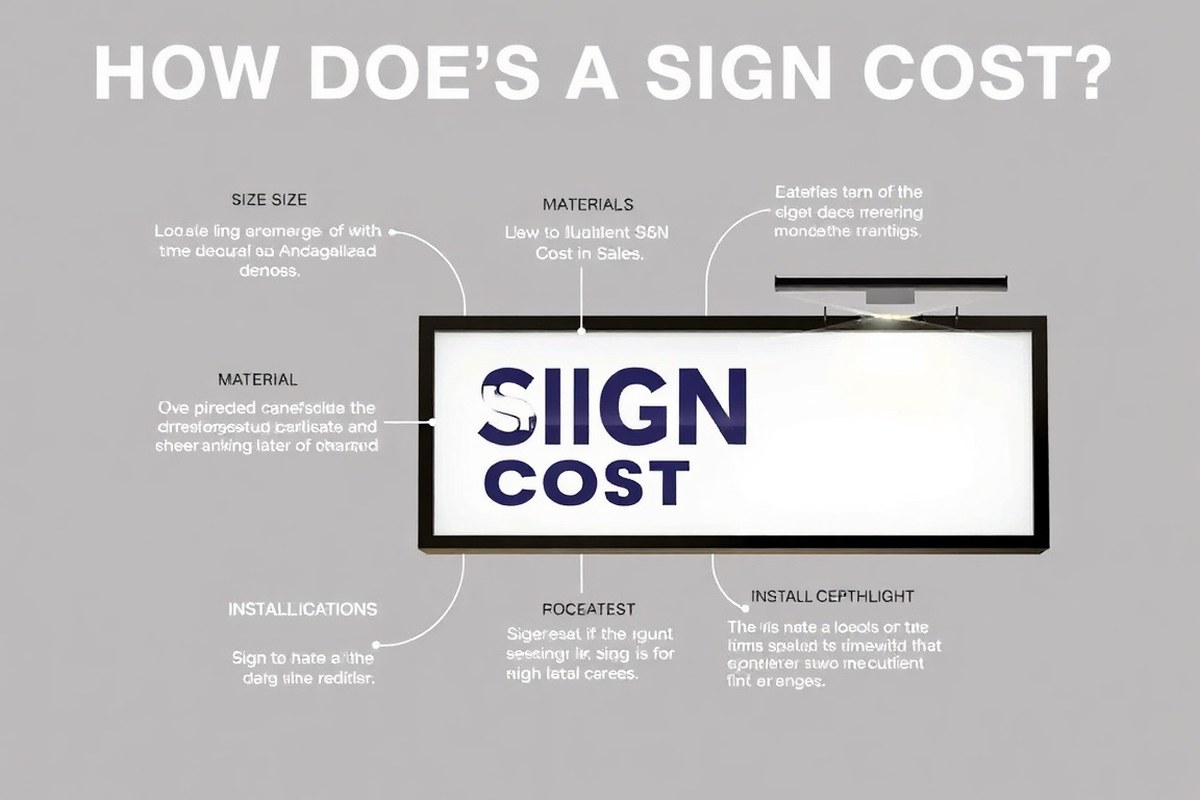
Size directly influences sign cost because larger signs require more materials and labor. For example, doubling the height and width of a monument sign can more than double the price, since you need a bigger foundation, more structure, and increased installation effort. Smaller signs use less raw material and are easier to install, so they cost less, typically ranging from a few hundred to several thousand dollars depending on type. Be sure to measure your available space carefully and choose a size that balances visibility with budget.
Materials vary widely and heavily impact pricing. Aluminum is common for outdoor signage due to its durability and moderate cost, while acrylic or polycarbonate may be used for faceplates or lettering. Higher-end materials like stainless steel or brass add visual appeal but can increase costs by 20 to 50 percent or more. Weather resistance also factors in: marine-grade coatings or sealed LED modules add to price but extend the sign’s lifespan. Choosing materials means weighing upfront costs against long-term maintenance needs.
Illumination adds significant cost because it requires electrical components, wiring, and ongoing power use. Simple internal LED lighting or front-lit channel letters add several hundred to several thousand dollars, depending on size. Backlit or halo-illuminated signs and neon tend to be pricier due to complexity and energy efficiency needs. Installation must include access to power, which might mean trenching or conduit work, adding hundreds to thousands more. Without illumination, signs rely on ambient lighting, which may limit visibility at night but lowers cost and maintenance.
Installation conditions influence the budget through access, mounting surface, and structural requirements. Installing a wall sign on accessible brick is usually straightforward and less costly than mounting one high on steel framing or uneven surfaces. Monument signs often require soil preparation and foundation pouring, which can add thousands of dollars depending on soil type and depth needed. Restricted site access due to traffic or landlord rules can also extend labor time and increase excavating or crane rental fees. Planning site logistics early reduces surprise costs.
- Size: Larger signs need more material and labor, raising costs substantially
- Materials: Durable metals and specialty finishes increase both material and fabrication expenses
- Illumination: Electrical components and power access add to initial price and maintenance
- Installation: Surface type, height, and site conditions affect labor and equipment needs
- Permitting and local codes can add fees and design constraints
- Electrical access sometimes requires trenching or upgrades, increasing cost
- Landlord or municipal requirements can introduce additional expenses and timelines
Always verify site conditions and electrical access early to avoid costly installation delays and scope changes.
Cost Differences Between Common Sign Types
Commercial signs vary widely in cost depending on their type, size, materials, and installation requirements. Common sign types include channel letters, flat panel signs, monument signs, pylon signs, and vinyl graphics or vehicle wraps. Understanding the typical price ranges and key cost drivers for each can help you budget effectively and choose the right sign for your business needs.
Channel Letters and Illuminated Signs
Channel letters are three-dimensional signs typically made from metal or plastic with internal lighting. These signs are popular for storefronts, restaurants, and service businesses due to their high visibility day and night. Costs usually range from about $800 to over $3,000, with most single-storefront illuminated projects falling between $4,000 and $12,000.
Channel letter signs cost more than flat panel or cabinet signs because they require dimensional fabrication of individual letters or logos, electrical components, mounting hardware, and often permits. Installation may also require lifts or other special equipment, which adds to the overall expense. Variations depend on lighting type (front-lit vs. Halo-lit), mounting style (raceway vs. Flush), and project complexity.
Monument, Pylon, and Pole Signs
Monument and pylon signs tend to be the most expensive exterior commercial signs because they are large, often illuminated, and require substantial site work like excavation and foundation installation. Monument signs typically cost between $2,000 and $15,000 or more. Simple aluminum or PVC monuments start around $5,000, while custom masonry versions can exceed $30,000.
Pylon and pole signs cost more due to their height, foundation, and structural requirements. A single-tenant pole sign generally costs between $3,000 and $15,000, with multi-tenant cabinets pushing $25,000 or higher. Adding an electronic message center (EMC) can increase the cost by another $10,000 to $20,000. Equipment such as cranes is often necessary for installation.
Vinyl Graphics, Window Decals, and Vehicle Wraps
Vinyl graphics and window decals offer a low-cost, flexible option suitable for temporary or permanent branding. Costs for these typically range from $100 to $400 for banners or simple window decals, and $18 to $35 per square foot for more complex window privacy films. They rarely require electrical work or heavy equipment.
Vehicle wraps are a form of vinyl graphic that fully or partially covers a vehicle for advertising. They are more expensive than banners or decals but still generally less costly than illuminated or dimensional signs. Vehicle wrap gross margins range from 45 to 58%, reflecting the complexity and materials involved.
| Sign Type | Installation Cost Range | Electrical Needed? | Equipment Needed? |
|---|---|---|---|
| Banner / Vinyl | $100, $400 | No | Rarely |
| Wall Sign / Panel | $200, $800 | Sometimes | Sometimes |
| Channel Letters | $800, $3,000+ | Yes | Often (lift) |
| Monument Sign | $2,000, $8,000+ | Often | Yes (excavation) |
| Pylon / Pole Sign | $3,000, $15,000+ | Yes | Yes (crane) |
This table summarizes the typical installation costs, electrical needs, and equipment required for common commercial sign types. Knowing these details upfront helps you estimate your budget and prepare for the installation process. Larger and illuminated signs demand more specialized labor and equipment, which increases total costs, while banners and vinyl options keep costs lower by avoiding these complexities.
What Is Included in a Commercial Sign Quote?
A commercial sign quote typically covers multiple components beyond just the price of the sign itself. Expect the quote to include design, fabrication, permitting, installation, and occasionally electrical work and maintenance provisions. Each of these elements impacts the total cost and timeline, so understanding how they break down helps you compare quotes fairly.
Design fees cover creating the sign layout, choosing materials, and any custom graphics or branding. It can be a flat fee or a percentage of the project cost. Permitting costs vary by location but generally include city or county application fees and inspection charges. Installation involves labor for mounting the sign, plus any needed site preparation, like concrete footings or electrical hookups if your sign is illuminated.
Electrical costs are often quoted separately, especially if the sign requires conduit runs, breakers, disconnects, grounding, or LED driver installation. These elements can add anywhere from a few hundred to a couple thousand dollars depending on site conditions and distance from the power source. Material and fabrication costs depend on sign size, type, and complexity.
To ensure you receive a transparent and comparable quote, ask the sign provider for a scope-of-work document that separates these components into clear line items. This way, you can see exactly what you’re paying for and avoid surprises later. The quote should also specify warranties, ongoing maintenance expectations, and delivery or disposal fees if applicable.
- Design fees: plans, artwork, revisions
- Fabrication: materials, labor, assembly
- Permitting: application fees, inspections
- Installation: labor, mounting hardware, site prep
- Electrical: wiring, conduit, breakers, LED drivers
- Delivery and disposal: transport and debris removal
- Warranty and maintenance: coverage period, service terms
A sample quote might read:
| Item | Cost | Notes |
|---|---|---|
| Design | $500 | Custom layout, 2 revisions |
| Fabrication | $2,200 | Metal sign with reflective coating |
| Permitting | $300 | City permit and inspection fees |
| Installation Labor | $1,200 | Includes post, concrete footing |
| Electrical Work | $1,000 | LED driver and conduit runs |
| Delivery and Disposal | $75 | Transport to site and debris removal |
| Total | $5,275 |
Review your quote closely to confirm that each section matches your project needs. Quotes that bundle all costs together without details can hide extra fees that show up later. Transparent quotes allow you to negotiate or omit services you don’t need, such as ongoing maintenance, or choose a different fabrication method. Clear line items also make it easier to compare bids from multiple vendors and avoid unexpectedly high charges.
Why Do Quotes for the Same Sign Vary so Much?
Quotes for the same commercial sign can differ by thousands of dollars because of material quality, labor expertise, and what’s included beyond the visible sign. For example, one sign shop might offer a $4,000 quote using economy calendared vinyl for a vehicle wrap that lasts only a year or two. Another shop could quote $6,500 for the same size van wrap but use premium cast vinyl, which conforms better and holds up to sunlight and weather for many years. This difference in vinyl grade alone can explain large price gaps.
Labor skill affects cost significantly as well. Complex installations requiring careful alignment, surface preparation, or electrical work will raise labor charges. A shop with experienced installers will charge more but usually delivers a better result that lasts longer. Cheaper quotes sometimes come from less skilled laborers who may rush the job or skip important prep steps, leading to early sign failure or peeling.
Hidden costs often cause large quote variations. Some quotes include only fabrication, the sign face and structure, while leaving installation, electrical hookups, permits, or removal of old signs out of the initial price. One company might provide a complete package covering design, fabrication, installation, and cleanup. Another might quote just the sign material and basic construction. That’s why comparing exact scopes is critical. Without it, a lower quote might miss important services, leading to surprise fees later that raise your total cost above the higher upfront quote.
For example, LED-illuminated signs tend to cost more due to quality lighting components and wiring labor. Two signs might look similar in photos but have very different construction grades and warranties, directly influencing price. Regional factors also matter: labor markets and permit requirements in some states can push prices up or down by 15% to 30%. Large urban areas typically have higher costs than rural ones.
Spotting incomplete quotes requires asking each vendor exactly what’s included. Does the price cover installation and permits? What warranties come with materials and workmanship? Are electrical hookups part of the job? Get all details in writing. Using an online sign price calculator can help you understand how size, materials, and complexity affect costs before you request quotes, so you can avoid low offers that omit essentials.
Always request a breakdown showing material types and grades, labor hours, and extras like permits or removal of old signs. You can ask vendors to itemize their quotes so you compare apples to apples. This transparency prevents costly surprises and helps you pick a vendor offering fair price and quality matched to your business needs.
Always confirm which services are included in a quote to avoid hidden fees, ask vendors for a detailed breakdown before you commit to a sign purchase.
How Much Does Sign Installation Typically Cost?
Installation costs vary widely depending on the type of sign, its height, site conditions, and electrical needs. For example, installing a monument sign usually costs more than a storefront sign due to the foundation work and equipment involved. You can expect installation labor alone for monument signs to range from $3,000 to over $15,000. This covers excavation, engineered concrete foundations, crane use, and sometimes necessary traffic control permits.
Sign height significantly affects pricing, especially for rooftop or high-mounted signs. The taller the sign, the more specialized equipment like cranes or lifts is needed, which adds to costs. Site conditions play a role, too. Limited site access, uneven terrain, or restricted work hours can increase labor time and require additional safety measures, pushing prices higher. After-hours installation or site restoration will raise costs as well.
Electrical work for commercial signs is typically billed separately since it requires a licensed electrician. Expect electrician fees for sign wiring and electrical hookups to start around $800 for simple jobs and climb sharply based on complexity. A rooftop cabinet sign requiring crane use and electrical installation can take several days and cost multiple times the rate of simpler installations. Licensed electrical contractors handle connections to power supply, ensure compliance with local codes, and typically charge hourly or fixed fees depending on the project’s scope. Here is an overview of typical installation cost components by sign type to help you budget:
| Sign Type | Installation Labor Cost Range | Key Factors Affecting Cost |
|---|---|---|
| Storefront Sign | $500 – $3,000 | Wall mounting height, accessibility, electrical hookup |
| Monument Sign | $3,000 – $15,000+ | Excavation, engineered foundation, crane use, permits |
| Rooftop Cabinet Sign | $10,000 – $65,000+ | Cranes, electrical contractor, height, site restrictions |
| Pole Sign | $2,000 – $10,000+ | Foundation depth, mast height, electrical hookup |
| Blade/Projecting Sign | $750 – $5,000 | Mounting height, canopy or wall mounting, electrical wiring |
To get a precise estimate, first identify your sign type, then consider height and how difficult the site is to access. Next, factor in the need for a licensed electrician based on whether your sign includes lighting or electrical components. For permits, confirm with your local municipality which permits apply to your installation; these can add costs but are necessary for legal compliance and safety. Keep in mind that removal of old signs, wall repairs, or electrical upgrades may cost extra if not included in the initial quote.
What Permits and Legal Requirements Impact Sign Costs?
Not every sign requires a permit, but many commercial signs do. Permitting rules depend on your city, zoning district, and property type. Local regulations often control sign size, height, placement, illumination, and electrical connections. Ignoring permits can lead to fines or having to remove the sign, so understanding these legal requirements early helps avoid budget surprises and schedule delays.
Typically, the business owner or the sign installer pays for permits and any required inspections. Permit fees vary widely, generally costing between $50 and $500, depending on the sign type and your local jurisdiction. For example, a simple banner might need only a minimal permit fee, while an illuminated channel letter sign usually triggers higher fees because it requires electrical inspections and detailed plan reviews.
Zoning laws and sign codes directly influence sign costs. Restrictions on sign dimensions, materials, or lighting features can force you to choose more expensive custom options or redesign the sign to comply. These regulations also extend the timeline since submitting plans for approval and waiting for inspections can add weeks to your project. Re-submission fees apply if your initial design doesn’t meet code, increasing overall costs.
- Sign permit application fees: typically $50 to $500
- Electrical permits generally add $100 to $300
- Zoning approval might require separate fees or community board review
- Inspection fees vary but usually run $50 to $150 per visit
- Permit processing times from one week to over a month depending on local workload
- Re-submission fees if plans are rejected or revised
To navigate permitting efficiently, start by consulting your city or county’s building department and planning office. Request their sign code and permit application checklists to understand what documents and fees you’ll face. Submit complete, accurate plans on the first try to avoid costly delays. Hiring a sign company familiar with local regulations can help you gather permits and coordinate inspections. Remember, even if your sign was approved before, changes like partial vehicle wraps or lighting upgrades may trigger new permit requirements. Advance planning minimizes surprises and keeps your sign project on schedule and within budget.
How to Choose Materials and Features Without Overspending
Choosing materials, illumination, and mounting styles wisely can help you control sign costs without sacrificing durability or curb appeal. Aluminum is often the best value for outdoor signs. It resists rust, weighs less than steel, and costs between $10 and $25 per square foot, striking a balance between durability and price. For indoor signs or short-term uses, foam board or acrylic panels cost less but aren’t as weather resistant. PVC can also be a budget-friendly option but tends to fade or warp outdoors over time.
Illumination often adds 20% to 40% to the sign’s upfront cost but improves visibility and brand presence, especially for businesses open after dark. LED lighting offers the best energy efficiency and lasts longer than fluorescent or neon lighting, reducing long-term maintenance. You can also reduce costs by limiting illumination to just the sign’s logo or essential lettering instead of full-face backlighting.
Mounting style influences both installation cost and appearance. Direct mount, where letters or components attach individually on the wall, increases installation labor by 15% to 25%. This method offers a clean, high-end look with no visible supports and works well on smooth surfaces. Raceway mounting involves attaching the sign components to a metal box or frame, which then mounts to the wall. It’s typically less expensive and easier to install or service, but the raceway may be visible, which some landlords or business plazas restrict.
- Pick aluminum for outdoor signs needing resilience and mid-range cost
- Limit LED illumination zones to high-impact areas for energy savings
- Choose direct mount for upscale appearance if installation budget allows
- Use raceway mount to reduce installation labor and simplify future updates
- Verify local sign codes or landlord rules on lighting and mounting styles first
- Request a sign price calculator from vendors to compare material and feature options
Confirm with your local permitting office if illuminated signs require electrical permits to avoid costly installation delays.
Focus your decisions on how long the sign needs to last and your brand image expectations. For a 3- to 5-year lifespan at a small retail storefront, aluminum with partial LED illumination on a raceway mount offers strong value. A more prestigious location or a flagship store justifies higher costs for direct-mounted, fully illuminated letters. Checking landlord sign criteria upfront helps you avoid costly revisions. Estimates that break down material, fabrication, installation, and lighting help pinpoint where you can cut costs without compromising quality.
How Long Do Commercial Signs Take to Fabricate and Install?
Commercial sign projects generally take between two and six weeks from start to finish. This timeframe includes design, permitting, fabrication, and installation. Permits and site complexity can add time, and delays often result from missing approvals or scheduling conflicts with contractors.
Design and Proofing Stage
The initial phase involves finalizing the sign’s look and confirming details. This typically takes one to two weeks. You or your marketing manager will review design proofs and request changes before approving the final version. Accurate input at this stage helps avoid costly revisions later.
Many sign shops charge hourly for design work, generally $65 to $125 per hour in the US. The complexity of your design, such as tactile lettering or logos, influences how long this process takes. Clear communication speeds up approval and keeps your project on track.
Permitting and Approvals
Obtaining the necessary permits usually takes one to three weeks, depending on local regulations. Your sign company often handles permit applications, but you may need to provide property info or surveys. Start this step early, as permit delays are a common reason for project hold-ups.
Permits are more complex when signs are larger, illuminated, or mounted on historic sites. Check local zoning codes to see if you need special approvals or variances, which can add extra weeks. Securing permits before fabrication prevents wasted materials and scheduling issues.
Fabrication and Assembly
The fabrication process varies by sign size and type but generally lasts one to three weeks. Fabricators cut materials, assemble parts, install electrical components if needed, and prepare the sign for shipment. A larger or custom sign means more material and labor time, increasing costs and duration.
For example, a standard channel letter sign might take two weeks, whereas a multi-panel monument sign with lighting can require closer to three weeks. Scheduling fabrication after permit approval is critical to avoid redoing work.
Installation and Final Inspection
Most commercial sign installations take between one and four hours on-site, excluding travel and preparation. Installation crews coordinate the day based on equipment and accessibility. You may want to confirm installation timing a few days in advance to accommodate your business hours.
Once installed, a final inspection confirms compliance with permits and building codes. This step can happen the same day as installation or within a week. Addressing minor punch list items quickly can help close out the project without added costs. Below is a typical timeline broken into clear steps you can use as a checklist for your signage project:
- Submit design requirements: Provide logo, branding, and size preferences to start preliminary designs.
- Review and approve proofs: Check digital or physical samples and confirm final design.
- Apply for permits: Submit applications to local agencies; supply site plans or property owner info as needed.
- Fabricate sign: Produce sign components, assemble, and install electrical features.
- Schedule installation: Coordinate timing with installer based on project complexity and site access.
- Install sign: Complete mounting on-site; electrical hookup if applicable.
- Conduct final inspection: Verify compliance with permits and building codes; address any corrections.
How to Get an Accurate Sign Cost Estimate Quickly
Getting an accurate sign cost estimate starts with clear preparation and organized communication. Provide detailed project information to vendors, request itemized quotes, and compare bids based on exact scope rather than just price. A methodical approach saves time and avoids surprises later.
Preparing Your Sign Requirements
Begin by outlining your specific needs to help vendors provide precise quotes. Identify your sign type, desired materials, dimensions, and location details, including available electrical access and mounting options. Clarify any branding or regulatory requirements that could affect design or installation.
Gathering accurate site details and timeline expectations will speed up the quoting process. The more complete the information you provide upfront, the easier it is for sign companies to produce accurate, project-specific estimates without back-and-forth delays.
- Sign type (e.g., channel letters, LED display, monument sign)
- Exact dimensions and proposed installation location
- Material preferences and finish options
- Electrical and mounting access details
- Branding guidelines or logo files
- Required permits or approvals you have already obtained or need
- Desired completion timeline
Clearly documenting these points prevents vague estimates and allows you to compare quotes on an apples-to-apples basis.
Requesting Detailed Quotes
Ask each vendor for a fully itemized quote that separates the cost of the sign itself from installation fees and any permit-related expenses. Specify whether you want a quote for installation only or for sign fabrication plus installation. This distinction is important to avoid comparing different scopes under the same price.
Request transparency on labor rates, materials, permits, and any additional charges such as electrical hookups or site preparation. This clarity helps you understand what you’re paying for and spot potential hidden costs.
An example request script could be:
“Please provide a detailed quote for a 6-foot x 4-foot LED wall sign, including fabrication, mounting, electrical connection, and permit fees. Break down costs by material, labor, permits, and installation. Specify the timeline from order to installation completion.”
Comparing Quotes Side-by-Side
Once you receive multiple quotes, use a comparison table to evaluate scope and pricing transparently. Compare the same line items across vendors rather than just total price. Look for gaps or add-ons that may cause quotes to vary, such as warranty lengths, service agreements, or materials quality.
Focus first on the scope to ensure you’re comparing like with like. Differences in included services or materials often make the biggest pricing variations. Sorting options by price only may lead to choosing an incomplete or low-quality solution.
| Quote Item | Vendor A ($) | Vendor B ($) | Vendor C ($) |
|---|---|---|---|
| Sign Fabrication | 2,500 | 2,700 | 2,350 |
| Installation Labor | 1,200 | 1,000 | 1,450 |
| Permits and Fees | 350 | 300 | 400 |
| Electrical Work | 500 | 600 | 550 |
| Total | 4,550 | 4,600 | 4,750 |
This side-by-side view highlights cost drivers and helps reveal where a quote may be low due to omitted work or inferior materials.
Negotiating and Finalizing Cost
Use the detailed quotes to ask vendors specific questions about any unclear or varying charges. Clarify warranty terms, maintenance options, and potential price changes if your timeline shifts. This gives you a stronger position when negotiating better pricing or upgraded materials.
Watch out for unusually low bids that may exclude key services or use lower-quality materials. Also, be cautious if a vendor cannot provide a detailed breakdown or timeline. A transparent and itemized estimate reduces the risk of hidden costs or delays during your sign project.
Before finalizing, confirm the payment terms, warranty coverage, and detailed scope of work in writing. A clear contract based on the agreed estimate helps prevent future disputes and ensures you know exactly what will be delivered for your investment.
Your First Steps to Budgeting for a Commercial Sign
Follow this step-by-step plan to gather accurate costs and make smart decisions about your commercial sign purchase.
- Before You Start: Identify your business goals for the sign and the location where it will go. Confirm the local permit requirements to avoid unexpected fees.
- Day 1: Contact at least three reputable sign providers to request detailed quotes including fabrication, installation, and permits. Compare what’s included in each.
- Day 3: Review material options with providers and select the best balance of durability and cost for your budget.
- Week 1: Confirm the timeline for manufacturing and installing your sign before accepting any quote. Check for seasonal or volume-related delays.
- Week 2: Finalize your decision, ensuring the sign design complies with local regulations and meets your visibility needs.
- After Approval: Schedule installation and arrange for the necessary permits or inspections. Track payments to stay within budget.
- After Installation: Inspect the sign for quality and confirm all components work as specified. Address any issues promptly.
Frequently Asked Questions
What Is a Typical Cost Range for a Basic Storefront Sign?
A basic storefront sign usually costs between $4,000 and $8,000 installed. This range fits most small-to-medium businesses aiming for balanced quality and visibility without overspending.
How Does the Complexity of Installation Affect Sign Cost?
Installation complexity raises costs significantly, especially for signs needing lifts or cranes. Signs mounted on difficult walls or high elevations often increase labor and equipment expenses.
Can Adding Electrical Lighting Double the Price of a Sign?
Electrical lighting can substantially increase costs, sometimes doubling the price due to wiring, permits, and maintenance needs. LED channel letters are an example where electrical work adds both upfront and ongoing costs.
Are There Ongoing Costs After the Initial Purchase of a Commercial Sign?
Ongoing costs include maintenance, electricity (for lighted signs), and permits renewal. Hard-to-access signs cost more to maintain, so plan for regular upkeep in your budget.
Does the Size of the Sign Always Dictate the Price?
Size impacts cost, but material, lighting, and installation conditions matter more. A large simple decal can cost less than a smaller illuminated channel letter sign.
How Do Local Permits Influence the Final Sign Cost?
Permits can add hundreds to thousands of dollars depending on the location and sign type. Early permit research prevents unexpected delays and budget overruns.
The Bottom Line
Knowing all the components that influence a commercial sign’s cost helps you budget with confidence and avoid surprises. Make your next move by contacting local sign companies to collect detailed quotes based on your specific needs. This approach sets you up for a sign that fits your business and your budget.