How Much Does a LED Sign Cost? A Complete Guide to Pricing Factors
How much does a LED sign cost? Prices typically range from a few hundred dollars for small signs to over $90,000 for large, high-definition digital displays. Most basic LED signs start around $500 to $2,500, with factors like size, resolution, and custom features driving the price higher. Start by defining your sign’s size and purpose to get a clearer cost estimate.
Key Takeaways
- Simple routed channel letters cost $50, $250 each, making a 10-letter sign $500, $2,500.
- Custom LED neon signs generally range from $200 to $1,500 or more.
- Small LED neon-style signs often cost between $250 and $750.
- LED signs start around $15,000 for basic models and can exceed $90,000 for large, high-definition versions.
- Add-ons like dimmers and animation effects usually add $50, $200 to your total cost.
- Energy costs for small LED signs can be as low as $10, $50 annually, much less than traditional neon signs.
How Much Does a Typical LED Sign Cost?
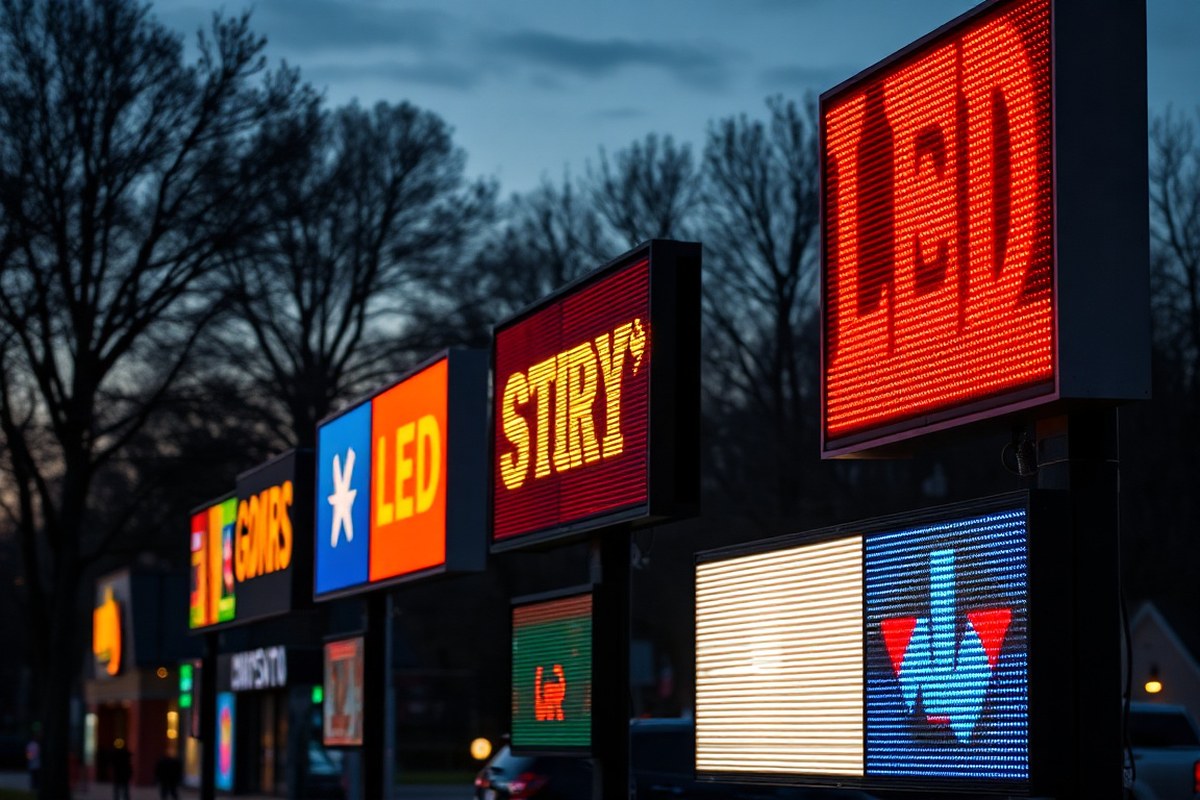
Typical LED sign costs range widely depending on size and style, from small indoor neon-style signs to large outdoor digital boards. Small LED neon signs often cost between $250 and $750, suitable for simple logos or decorative wall pieces. Custom LED neon signs for businesses usually range from $500 to $2,000 or more, reflecting size and complexity. LED channel letters, frequently used for storefront branding, typically cost about $50 to $250 per letter, which means a 10-letter store sign can run from $500 to $2,500 or higher based on font and materials.
Larger programmable LED message boards and full digital outdoor displays demand significantly bigger budgets. Small monochrome or simple full-color LED panels for windows or counters start around $200 but can go up to $1,200. Outdoor programmable message boards usually range from $2,000 to $12,000, with higher prices depending on board size and outdoor rating. Full outdoor LED digital displays generally start at $8,000 and can exceed $40,000, especially for high pixel density and improve weatherproofing.
| Sign Type | Low Price | Average Price | High Price | Example Use |
|---|---|---|---|---|
| Small LED neon-style sign | $250 | $500 | $750+ | Decor, small business logos |
| Custom business LED neon sign | $500 | $1,200 | $2,000+ | Restaurant names, retail branding |
| LED channel letters (per sign) | $1,000 | $2,500 | $6,000 | Storefront identity |
| Small LED panel signs | $200 | $500 | $1,200 | Windows, counters, interior displays |
| Programmable LED message boards (dot matrix) | $2,000 | $5,000 | $12,000+ | Outdoor signs, event messaging |
| Full digital LED sign displays (outdoor) | $8,000 | $20,000 | $40,000+ | High visibility commercial signs |
Neon-style LED signs often appear at a lower upfront cost than traditional glass neon because they use flexible LED lighting rather than expensive, fragile glass tubing. For example, an LED neon-style sign for a small retail space might cost a few hundred dollars, while a comparable custom glass neon sign may be well above that range due to material and labor intensity.
To choose the right LED sign size and style for your business, consider the balance between initial cost and desired impact. Smaller signs suit budget-conscious projects or indoor decor, while larger digital message boards justify substantial investment through greater visibility and dynamic content capability. Price also varies by features like color options, brightness, mounting needs, and durability, especially in outdoor environments.
Key Factors That Influence LED Sign Pricing

Size directly affects the price of an LED sign because larger displays require more LEDs, stronger structural support, and often more powerful power supplies. The cost typically climbs as the square footage or total pixel count increases. For example, a small indoor sign might cost a few hundred dollars, while a large outdoor billboard-sized display can range into tens of thousands.
Pixel pitch refers to the distance between individual LED pixels, measured in millimeters. A smaller pixel pitch means higher resolution with sharper images and better ability to display detailed content, but it also means more LEDs per square foot, raising costs. Signs with a pixel pitch of 2 to 4 mm tend to be pricier than those with 8 to 16 mm pitches. Choose a pixel pitch based on the typical viewing distance, closer views require finer resolution, which costs more.
Brightness is key for visibility, especially outdoors. LED signs with higher brightness levels, measured in nits, consume more energy and use more advanced components, increasing price. For outdoor displays, brightness between 5,000 and 8,000 nits is common but often comes with a $1,000 to $3,000 premium over less bright interior signs. Also, signs that can adjust brightness via dimmers or sensors may add $50 to $200 in cost.
Color depth impacts the range and vibrancy of colors shown on the sign. Full-color RGB LED signs cost more than single-color or limited palettes because of the complexity of LED modules and control systems required. Adding features like animation or remote content updating increases software and hardware costs as well.
Custom features such as unique shapes, special finishes, or integrated lighting effects generally raise the price because of extra design, manufacturing time, and materials. A standard rectangular LED cabinet sign is usually less expensive than a sign shaped to mimic a logo or combined with custom metalwork or acrylic. Expect custom fabrication to add at least 10% to 30% over basic models, depending on complexity.
- Sign type: LED cabinet, channel letters, or programmable display, with programmable types costing more.
- Pixel pitch: Smaller pitches increase resolution and price; match pitch to viewing distance.
- Brightness: Higher nits improve outdoor visibility but add to energy and component costs.
- Color depth: Full RGB is pricier; adds flexibility for design and animation.
- Custom shapes and finishes: Add production time and materials, increasing overall cost.
- Mounting method: Wall, pole, or custom mounting can influence price and labor.
- Software and control features: Remote programming and animation software add to initial cost.
Choosing too fine a pixel pitch for a sign meant to be seen from a distance wastes money without improving visibility or impact.
Knowing the exact combination of these factors helps you target the LED sign that fits your budget and marketing goals. Avoid paying extra for features that won’t improve your sign’s effectiveness, and focus on practical solutions sized, designed, and built to your specific site and audience needs.
Differences Between Indoor and Outdoor LED Signs
Indoor LED signs and outdoor LED signs vary significantly in design, durability, certifications, and cost due to their different environments and functional requirements. Outdoor signs must withstand weather, meet strict safety standards, and generally cost more because of additional materials and construction methods. Indoor signs often use lighter materials with fewer certifications and lower price ranges.
Construction and Materials Differences
Outdoor LED signs use weather-resistant materials like sealed aluminum cabinets with special coatings, tempered glass, and waterproof LED modules. These materials protect against rain, snow, sunlight, dust, and temperature extremes that range from -20°F to over 120°F. Indoor signs, by contrast, do not require strong weatherproofing. They often use lighter plastic or acrylic front covers and simpler LED arrays, which makes them less expensive and easier to install.
Outdoor signs need durable housings and waterproof seals certified to handle moisture and UV exposure. They may also include cooling or heating systems to maintain ideal operating temperatures. Indoor signs are designed for controlled environments, allowing thinner housings and fewer protective features, reducing both weight and cost.
Certification and Safety Standards
Outdoor LED signs must meet the UL 48 Standard for Electric Signs, which confirms electrical safety and weatherproofing compliance. This certification requires rigorous testing for moisture resistance, electrical insulation, and mechanical durability. Achieving UL 48 approval increases both manufacturing complexity and price.
Indoor LED signs usually do not require UL 48 certification, though they may meet other electrical standards depending on the location. Without the need for stringent weatherproofing and electrical safety tests related to outdoor hazards, their certification costs and design requirements remain lower.
Impact on Maintenance and Warranty
Outdoor LED signs typically have higher maintenance needs due to exposure to environmental elements. Dirt, moisture intrusion, lightning strikes, and temperature fluctuations can cause LED failures or cabinet damage. This risk is why outdoor signs often come with complete warranties, such as a 5-year standard at specialized sign manufacturers, covering repairs and minimizing unexpected expenses.
Indoor signs generally require minimal maintenance since they operate in stable conditions. They experience less wear and tear, reducing service calls and prolonging lifespan. Warranty terms for indoor LED signs may be shorter or less extensive, reflecting their lower risk profile and simpler construction. Here’s a detailed comparison of indoor versus outdoor LED sign features and costs based on typical commercial examples:
| Feature | Indoor LED Signs | Outdoor LED Signs |
|---|---|---|
| Materials | Plastic, acrylic covers, basic LED modules | Weatherproof aluminum cabinets, sealed tempered glass, waterproof LED modules |
| Construction | Lightweight, no weatherproof seals | Heavy-duty housing, waterproof and UV-resistant seals |
| Certification | No UL 48 required | UL 48 Standard for Electric Signs |
| Price Range | $50 to $1,000 for neon-style signs | $18,500 to $92,000 for large electronic boards |
| Maintenance | Minimal, low risk of damage | Regular upkeep needed, weather damage risk |
| Warranty | Shorter or basic coverage | Typically 5 years or more, covering weather damage |
The chart shows why outdoor LED signs cost more than indoor ones. Weatherproofing alone drives up material and manufacturing costs, while safety certifications and required warranties add to the overall price. Your choice depends on where you install the sign and how long you want it to last without major repairs.
Installation Costs and Time Requirements
Professional installation of an LED sign usually costs between $75 and $150 per hour for labor, with total time ranging from 4 to 8 hours for small signs and 2 to 5 days for large, complex outdoor displays. Installation costs vary significantly due to factors like location, permitting needs, electrical work, and structural modifications. Additional expenses may include permits, crane or lift rental, electrical upgrades, and removal of old signage.
Pre-Installation Site Assessment
Before installation begins, a thorough site evaluation is necessary to understand the conditions and requirements. This step helps identify obstacles like limited access, existing electrical supply, and structural suitability. Without a complete site assessment, unexpected complications can lead to added labor or equipment costs during installation.
During this phase, the installer checks local sign regulations and obtains necessary permits. Permit fees vary by municipality and could add several hundred to a few thousand dollars to the project. Coordinating permit approval early prevents delays during installation.
Site assessment also involves planning for mounting methods, whether wall, pole, or building fascia, and identifying any need for scaffolding or crane access, which increases costs. Confirming service access requirements and clearance for safe installation is critical for smooth execution.
Electrical and Structural Setup
Electrical work is central to LED sign installation, often requiring an electrician to connect power, install disconnects, and update electrical panels if needed. Hourly rates for licensed electricians typically range from $65 to $120, depending on region and complexity. Some signs need upgraded or additional wiring, which adds both time and cost.
Structural setup depends on the sign size and mounting surface. Small wall-mounted signs take less time, usually 4 to 8 hours, while large freestanding or pole-mounted signs may require foundation excavation, steel framework, or anchor bolts. These jobs can extend installation to multiple days and require coordination with structural engineers or contractors.
Coordination with local authorities might be required for inspections or if street closures are necessary during installation, which can increase labor hours and fees. Ensuring all electrical and structural steps follow local codes avoids potential fines or costly rework.
Final Inspection and Commissioning
After installation, the sign undergoes functional testing and commissioning to verify lighting, controls, and software operate correctly. This phase typically takes a few hours but is essential for confirming the sign meets performance and safety standards.
The installer or manufacturer may provide training on software operation and routine maintenance to ensure smooth long-term use. If issues arise during commissioning, additional labor hours could be required, affecting the final cost.
Obtaining a final inspection or approval from local authorities concludes the process. Some jurisdictions require a sign permit to remain valid only after a successful inspection, so scheduling this inspection soon after installation is necessary.
- Conduct a site survey to measure, check access, and identify electrical and structural needs.
- Secure permits and local approvals required for installation.
- Prepare any necessary structural supports or foundations.
- Coordinate electrical connection and panel upgrades with licensed electrician.
- Install and mount the LED sign using appropriate hardware and equipment.
- Test electrical systems, controls, and software for full functionality.
- Train staff on software use and maintenance procedures if included.
- Schedule and pass final local authority inspection to comply with regulations.
Ongoing Maintenance, Energy Use, and Warranty Costs
Routine maintenance for an LED sign typically costs between $200 and $600 annually. This includes cleaning the display to remove dust and debris, checking electrical connections, and replacing any defective LEDs or power supplies. Signs installed outdoors usually require more frequent inspections due to exposure to weather, which might increase maintenance costs. Neglecting upkeep can lead to decreased brightness, color distortion, or partial screen failure, resulting in higher repair expenses or earlier replacement.
Energy use varies significantly depending on the size, brightness settings, and hours of operation. A medium-sized outdoor LED sign measuring about 5 feet by 10 feet with a 16mm pixel pitch may consume roughly 1,500 to 3,000 watts per hour. At an average commercial electricity rate of $0.12 per kilowatt-hour, running this sign for 12 hours daily translates to approximately $65 to $130 per month or $780 to $1,560 annually. Smaller signs draw less power, while larger, full-color, high-brightness displays can double or triple these figures.
Warranties on LED signs commonly cover 3 to 5 years and can significantly reduce the total long-term costs. Many warranties protect against defective LEDs, power supplies, and control systems, often including free or discounted repairs during the coverage period. Extended warranties or service plans may add upfront costs but help avoid unexpected expenses later. Signs without solid warranty coverage may require full out-of-pocket repair or replacement, which can be costly given that LED modules alone can range from $100 to several hundred dollars depending on the panel size and resolution.
Efficient energy management reduces operating expenses. Many LED sign owners use dimming controls or schedule nighttime shutdowns to cut power consumption without sacrificing visibility during peak hours. Remote monitoring and cloud control services offer additional convenience but can increase maintenance fees. Prioritize signs with easily accessible modules and well-documented troubleshooting guides to simplify routine care.
Regularly clean and inspect your LED sign at least twice a year to prevent minor issues from turning into costly repairs.
Preparing to Request an Accurate LED Sign Quote
Getting an accurate LED sign quote requires clear details about your needs and site conditions. Providing vendors with specific information helps avoid vague estimates and surprises later. Prepare to describe your sign type, dimensions, features, location, and budget clearly to get reliable pricing.
Sign Type and Dimensions
Specify the exact type of LED sign you want, indoor, outdoor, fixed message, or programmable. Include the sign’s finished size in height, width, and depth because size directly affects the cost. For example, larger logos or signs with letter heights over 12 inches typically cost more due to increased material and LED module needs.
Don’t skip details about face material, backing type, and lighting components, such as whether the sign uses standard LEDs or premium modules with higher brightness or color options. Vendors need these to give quotes that reflect your vision and intended use.
Desired Features and Customizations
Describe any special features clearly, using your own words and technical terms if possible. Examples include animations, remote control dimmers, multiple color options, brightness sensors, or programmable message capabilities. Each adds to the base cost, sometimes pushing prices above $2,500 for premium models.
Explain the function and reason behind each customization so the vendor can suggest practical options. Be ready to provide your logo file or design proofs for accuracy. This helps vendors verify what materials and LED density are needed and avoid misquotes.
- Exact sign type (neon-style, digital display, etc.)
- Dimensions: height, width, depth
- Lighting features: colors, animations, dimmers
- Logo artwork or design files
- Face and backing materials
- Indoor or outdoor use designation
- Programmable or fixed message requirements
Clear communication about custom features reduces risks of hidden costs after fabrication begins.
Installation Site and Conditions
Describe your installation location in detail, including mounting surface type, power availability, and access for installation crews. Provide photos of the site and storefront if possible. Differences in wall materials, building height, and power sources affect installation complexity and price.
Include local sign regulations or landlord requirements you must follow. Clarify permit responsibilities, some vendors handle permitting; others exclude that from the quote. Mention any limitations like hours when installation can occur or restricted access to the site.
Budget and Timeline Considerations
Be upfront about your maximum budget and desired completion timeline. Vendors can tailor proposals or suggest compromises, like simpler designs or phased installations, to fit your constraints. Allow extra time for permit processing if applicable, which often takes several weeks.
Ask vendors for line-item estimates showing costs for fabrication, installation, permits, and potential extras like maintenance plans. This transparency helps you compare offers and avoid surprises from hidden fees or omitted tasks.
Comparing Custom LED Neon, Glass Neon, and Digital Displays
Choosing between custom LED neon, traditional glass neon, and digital LED displays depends largely on your budget, durability needs, and the type of visual impact you want. Glass neon signs usually cost more than LED neon signs due to their handcrafted nature and fragile materials. Typical glass neon prices range from $300 to $2,000 for smaller or simpler designs, whereas custom LED neon signs generally cost between $1,000 and $6,000 depending on size and finish. LED neon is more energy-efficient, using about 80% less power than glass neon, which can lower your operating costs.
Digital LED displays carry the highest price tag, especially for medium to large commercial message centers. Prices usually start around $10,000 and can quickly rise to $50,000 or more for displays with full-color programmable features. These signs offer dynamic messaging capabilities that neither glass nor LED neon can provide. However, the sharper the resolution, which depends on pixel pitch, the higher the cost per square foot.
| Sign Type | Typical Cost Range | Average Lifespan | Maintenance Requirements | Visual & Functional Features |
|---|---|---|---|---|
| Custom LED Neon | $1,000, $6,000 | ~50,000 hours | Low; energy-efficient, less fragile | Static shapes/colors; energy-saving LED tubing |
| Traditional Glass Neon | $300, $2,000 | 10-15 years | Higher; fragile tubes, higher power use | Warm glow, handcrafted look |
| Digital LED Display | $10,000, $50,000+ | 50,000+ hours | Medium; requires software updates and possible screen repairs | Full-color programmable, dynamic messaging |
Glass neon signs require skilled artisans to bend and fill glass tubes, which adds to their cost and fragility. They may need more maintenance due to breakage risk and higher energy use. LED neon alternatives simulate the look of glass neon but reduce power consumption and damage risk, making them suitable for businesses wanting a neon aesthetic on a budget or with longer operating hours.
Digital LED signs are worth the extra investment when you want to regularly change your message or display full-motion video. These are common for businesses needing frequent promotions or public announcements. The tradeoff is higher upfront costs and ongoing maintenance, including software management and occasional panel repairs. Larger digital signs offer improved visibility and engagement but demand a bigger budget and a plan for periodic technical upkeep.
Common Cost Pitfalls and How to Avoid Them
Hidden fees often catch buyers off guard in LED sign purchases. Common unexpected costs include permits, electrical upgrades, or delivery and setup charges that do not show up in the initial quote. To avoid these surprises, you should request a detailed breakdown of all costs before agreeing. Clear communication about what is included and excluded helps compare quotes fairly.
Incorrect sizing due to poor site assessment drives up long-term expenses. A sign too large for the installation area can require structural reinforcements, while one too small fails to attract attention, reducing return on investment. Conducting an accurate site evaluation, including measurements, site visibility, and electrical capacity, ensures you order the right size and configuration. Use a professional to verify these details and help select sign brightness and resolution suitable for ambient light and viewing distance.
Underestimating maintenance needs and costs causes trouble later. LED signs require regular cleaning, occasional firmware updates, and potential module replacements over time. Ignoring these factors when budgeting leads to unexpected repair bills. Plan for annual maintenance costs amounting to about 5-10% of the sign’s initial price, depending on the environment and usage intensity.
Always confirm whether the quote includes installation and permits; these can add up to 20% extra to the total project cost.
- Ask detailed questions on what the LED system includes, not just whether it is LED.
- Request a complete cost breakdown including permits, electrical work, and delivery.
- Hire a professional to perform a full site survey to determine appropriate size and placement.
- Consider lighting conditions and viewing distance when selecting LED brightness and pixel pitch.
- Budget for yearly maintenance equal to about 5-10% of the purchase price.
- Clarify warranty coverage and what costs could fall outside it.
Using professional advice early in the process significantly reduces costly errors. A licensed installer or sign engineer can identify hidden infrastructure upgrades needed or local zoning restrictions affecting your sign choice. They can also recommend solutions tailored to your business goals and environment. Spending a few hundred dollars on expert consultation can save thousands in redo costs or over-specification.
Quick-Start Action Plan for Budgeting Your LED Sign Purchase
Use this step-by-step plan to estimate costs accurately and avoid surprises when buying an LED sign.
- Before you start: Define your sign’s purpose and size needs. Confirm this by matching your goals against the traffic and visibility requirements at your location.
- Day 1: Collect at least three quotes from reputable LED sign providers, specifying indoor or outdoor use and any custom features. Check that each includes installation and warranty details.
- Week 1: Review installation requirements with an electrician or sign installer for your site. Confirm permit needs to avoid regulatory delays.
- Week 2: Compare maintenance and energy usage estimates from your quotes. Select the option with the best long-term value, not just the lowest upfront cost.
- Week 3: Confirm sign dimensions and brightness meet local regulations. Adjust design to avoid costly redesign or permit rejections.
- Week 4: Schedule installation and arrange for any needed electrical upgrades. Have your installer confirm timing and prepare your site.
- After installation: Test your sign’s operation and brightness. Ensure the warranty coverage starts and you know the maintenance schedule.
Frequently Asked Questions
What Is the Average Cost per Letter for Illuminated Channel Letters?
Illuminated channel letters typically cost between $50 and $250 per letter. The price varies depending on size, materials, and LED quality, so a 10-letter sign might range from $500 to $2,500 or more.
Can Installation Costs Significantly Change the Total Price of an LED Sign?
Yes, installation costs can add a significant amount, especially for large or outdoor signs. Complex mounting or electrical work may increase both the time and cost required.
How Does the Size of an LED Sign Affect Its Price?
Larger LED signs generally cost more due to increased materials and fabrication time. Size impacts not just initial price but also installation and maintenance expenses.
Does Energy Consumption Impact the Long-Term Cost of Owning an LED Sign?
Energy use affects operating costs. Although LED signs are energy-efficient, larger and brighter displays consume more power, raising monthly electricity bills over time.
Are Custom LED Neon-Style Signs More Expensive Than Standard LED Signs?
Custom LED neon-style signs usually cost between $250 and $750 or more, often reflecting unique designs or specific colors. Standard LED signs might cost less depending on complexity.
Will Adding a Protective Encasement, Like a Monument Style, Increase Sign Costs?
Yes, monument-style encasements or additional protective cases can raise the cost substantially due to extra materials and installation complexity.
Before You Go
LED sign costs vary widely based on size, type, installation, and maintenance needs, but thorough planning helps control expenses. Start by defining your sign’s purpose and getting detailed quotes. Focus on value as well as price to ensure your investment serves your business well over time.