Best Sealer for Outdoor Wood Signs: Ultimate Guide to Lasting Protection
The best sealer for outdoor wood signs is a water-repellent, UV-blocking, breathable product designed to maintain wood moisture content between 10-12%. Oil-based sealers last longer but require more drying time, while water-based options dry faster and allow moisture to escape safely. Choosing the right sealer ensures your sign stays protected from weather and mildew for several years with proper application.
Key Takeaways
- Use a sealer with silane/siloxane for up to 5 years of reliable water and UV protection.
- Apply oil-based sealers for deeper protection but allow 48 to 72 hours for full curing.
- Reapply sealers every 2-3 years if using tinted or semi-transparent options to maintain appearance.
- Prepare wood by ensuring moisture content is near 12% and clean before sealing for best adhesion.
- Choose breathable sealers to let trapped moisture escape, preventing wood damage from dampness.
- Inspect outdoor signs twice a year, wash gently, and reseal as needed to extend lifespan.
Top Sealers for Outdoor Wood Signs Compared
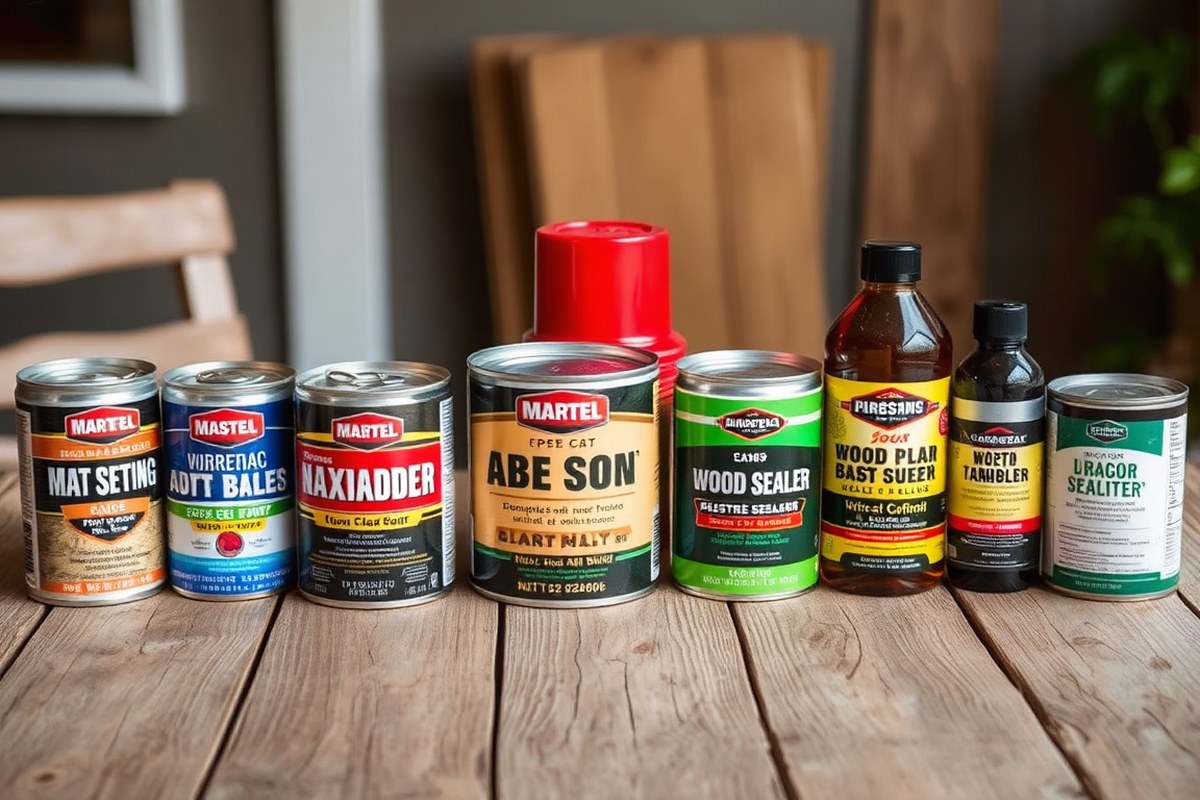
Oil-based sealers with solid or opaque pigmentation generally offer the best protection and longest durability for outdoor wood signs. Water-based sealers dry faster and tend to be clearer, but often require more frequent reapplication. Prices vary widely, so choosing depends on the balance between how long you want the sign protected, drying time, and budget.
Oil-Based vs Water-Based Sealers
Oil-based sealers penetrate wood and create a durable barrier that handles UV exposure well, ideal for signs exposed to direct sunlight. These sealers typically need fewer coats but take longer, often 24 to 48 hours, to dry fully, so plan your project around weather conditions. They also tend to fade slower because their pigments penetrate deeper.
Water-based sealers dry faster, usually within a few hours, are easier to clean up, and emit fewer odors. These clear or lightly tinted formulas often require multiple coats to achieve desired protection. While their UV resistance is generally lower than oil-based, many brands now include stabilizers to boost their lifespan to around 3 to 5 years.
Clear, Semi-Transparent, and Solid Sealers
Clear sealers show off the natural wood grain but offer the least UV protection, often needing reapplication every 1 to 3 years when used outdoors. Semi-transparent sealers add some pigment to protect against UV damage while still revealing wood grain patterns, striking a balance between aesthetics and durability.
Solid or opaque sealers provide the strongest UV shielding, effectively preventing wood from cracking and splintering under sun exposure. These sealers maintain color longer and protect wood for 4 to 5 years or more. However, they conceal the wood’s natural look and usually cost more per gallon.
Top 5 Sealers for Outdoor Wood Signs Overview
The table below compares some of the best sealers based on their type, transparency, protection features, application ease, durability, and price value. These products are highly rated for outdoor wood signs and offer a range of finishes and colors to suit different project needs.
| Product | Type | Transparency | Protection | Durability (Years) | Drying Time | Price Range (per gallon) |
|---|---|---|---|---|---|---|
| Seal-Once Marine Premium Wood Sealer | Water-based | Clear | Water, mold, decay, UV, abrasion | Up to 5 | 4-6 hours | $50-$70 |
| Rain Guard Natural Finish Wood Sealer | Water-based | Clear | Water, mold, decay, UV | 3-4 | 3-5 hours | $40-$60 |
| Ready Seal Exterior Stain and Sealer | Oil-based | Semi-transparent | Water, mold, decay, UV | 5+ | 10-24 hours | $35-$50 |
| Olympic WaterGuard Clear Wood Sealer | Water-based | Clear, transparent, semi-transparent | Water, mold, decay, UV | 3-4 | 2-4 hours | $25-$40 |
| SaverSystems #1 Deck Advanced Solid Color Wood Stain | Water-based | Solid | Water, mold, decay, UV | 4-5 | 4-6 hours | $50-$60 |
For longer lifespan and UV defense, solid stains and oil-based sealers like Ready Seal are often best. Water-based clear sealers like Seal-Once Marine or Rain Guard deliver good protection with shorter drying times but require more frequent reapplication. Consider your wood type, local climate, and desired aesthetics when choosing between these options. Budget typically ranges between $25 and $70 per gallon, influencing coverage area and number of coats.
How to Prepare Outdoor Wood Signs Before Sealing
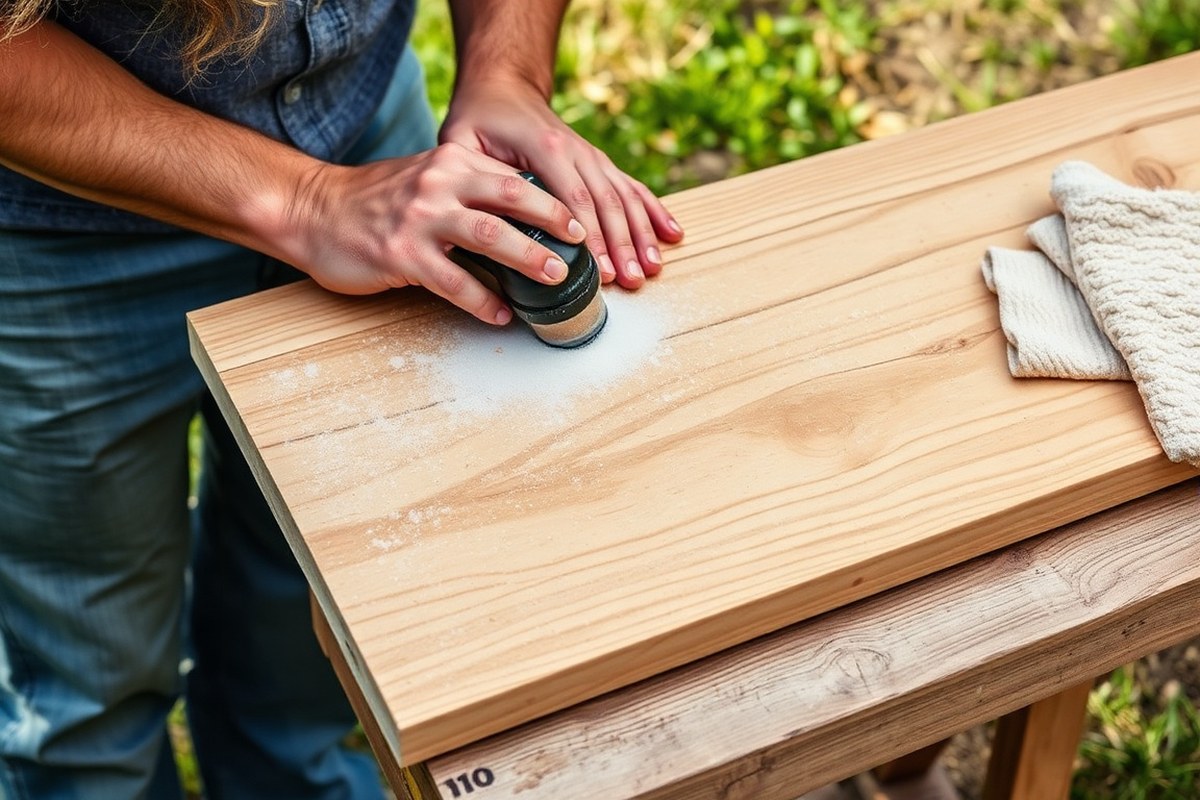
Proper preparation of your outdoor wood signs is key for a sealer to last and protect effectively. Starting with a clean, dry, and smooth surface helps the sealer bond evenly and prevents issues like peeling or blotchy finishes. Checking the moisture content and removing old finishes or dirt allows the sealer to penetrate and adhere properly, extending the life of your sign’s finish. Follow these steps to prepare your wood sign before sealing:
- Clean the surface. Use a brush or cloth with a wood cleaner or deck brightener to remove dirt, mildew, and grease. This step prevents poor adhesion caused by grime. Rinse thoroughly and allow the wood to dry for at least 24 hours in warm, dry weather.
- Check the moisture level. Use a moisture meter to ensure the wood’s moisture content is below 15%. Higher moisture can cause the sealer to peel or dry unevenly. Dry wood indoors by placing it in a well-ventilated area for several days.
- Sand rough or peeling areas. Sand down rough, splintered, or previously sealed surfaces with 120-150 grit sandpaper. This raises a little wood grain, improving sealer absorption and smoothing the surface. Always sand along the wood grain to avoid scratches.
- Remove old finishes if needed.When the old finish peels or feels chalky, use a chemical stripper or thoroughly sand it off. Leaving flaky coatings under new sealer causes uneven bonding and early failure.
- Wipe off sanding dust. Use a tack cloth or damp rag to thoroughly remove all dust and residue after sanding. Dust can cause blotchy appearances and prevent smooth sealing.
- Inspect for defects. Look for cracks or splits and fill with an appropriate wood filler. Allow it to dry fully and sand smooth to create a uniform surface before sealing.
- Allow the wood to acclimate. Place the sign in the location or similar environment for at least 24 hours to stabilize the wood temperature and humidity. This helps avoid warping or sealer cracking after application.
Do not seal wood that feels damp or has moisture over 15%, even if it looks dry on the surface; sealing wet wood leads to peeling and mildew growth.
Choosing the Right Sealer Type for Your Wood Sign
Choosing the right sealer for outdoor wood signs depends on the type of wood, finish, and the environment exposure. Oil-based sealers work well on raw wood, offering deep protection and amber tones, while water-based sealers provide clearer finishes better suited for painted or lightly stained signs. Spar urethanes focus on UV resistance and water repellency, ideal for exposed areas, whereas marine varnishes excel in moist coastal conditions. Eco-friendly sealers can be effective but often require more frequent application in harsh climates.
Oil-Based Sealers: Pros and Cons
Oil-based sealers like oil-based spar urethane penetrate raw wood deeply, improving the grain and providing a durable, water-resistant coating. They offer good UV protection but tend to amber over time, which can warm up the wood’s color. This makes them well-suited for natural or carved wood signs where that subtle color shift complements the aesthetic. Application usually involves brushing or wiping, and drying times can be longer, expect 6 to 8 hours before recoating.
These sealers hold up well in freeze-thaw climates and generally last 3 to 5 years before recoating is needed. However, oil-based options are less user-friendly in terms of cleanup, requiring mineral spirits or paint thinner. Oil-based sealers can also emit more VOCs (volatile organic compounds), which might concern users looking for greener alternatives.
Water-Based Sealers: Advantages and Uses
Water-based spar urethanes dry faster and clear without yellowing, making them popular for raw or lightly stained wood signs where maintaining original color is important. They offer very good UV resistance and moderate to high abrasion resistance, helping signs hold up in bright sun and wear conditions. Application is easier, use a brush or spray, and cleanup requires only soap and water.
For painted signs, water-based polycrylic or acrylic finishes perform best. These sealers protect the paint from peeling or fading but generally require more frequent maintenance, often every 1 to 2 years in high-UV or wet climates. Water-based sealers are less odorous and considered more eco-friendly, appealing to DIYers and small business owners prioritizing environmental impact.
Specialty Sealers: Marine and Eco-Friendly Options
Marine varnish is designed for wood subjected to high moisture and salt air, such as a sign in a coastal area. It forms a thick, glossy film that beads water and resists mildew but usually has a slight amber hue. Marine finishes tend to need maintenance every 1 to 2 years due to harsh conditions but offer superior protection against rain and spray.
Eco-friendly sealers focus on low-VOC formulas and natural oils. Penetrating oils like teak oil work well for dense woods with natural water resistance but often don’t form a protective film, requiring reapplication every 6 months to 2 years depending on climate. These options are less durable than spar urethane or marine varnish in high-exposure environments but are a good choice when minimizing chemical use is a priority.
Sealers for Painted vs Raw Wood Signs
Painted wood signs benefit most from water-based polycrylic or acrylic sealers, which protect the finish without clouding or yellowing. These sealers preserve color vibrancy and reduce peeling caused by moisture, but they wear faster than penetrating finishes. Recoating every 1 to 2 years is common, especially in sunny or wet conditions.
Raw wood signs tolerate both oil-based and water-based spar urethane well. Oil-based sealers add warmth and deepen the wood’s natural look, while water-based options keep colors more neutral. For carved or natural-finish signs, oil-based spar urethane delivers high abrasion resistance and longer-lasting protection, often 3 to 5 years. Water-based spar urethane is easier to apply and maintain, but expect shorter intervals between coats, especially in coastal or high-UV areas.
Best Application Methods for Outdoor Wood Sealers
Choosing the right application method depends on the size and detail of your outdoor wood sign, the type of sealer, and your available tools. Spraying works best for large or intricate signs when combined with back-brushing to avoid uneven coverage. Brushing offers control and is ideal for small to medium signs, while wiping applies thin, even coats perfect for detailed work or small projects. Three coats usually provide durable protection, with each coat requiring proper drying times to avoid runs or patchiness.
Brushing Sealers: Techniques and Tips
Brushing allows you to apply wood sealer precisely, making it suitable for signs with carved or textured surfaces. Use a high-quality, natural bristle brush for oil-based sealers and a synthetic bristle brush for water-based ones. Brushing forces the sealer into the wood grain, giving better adhesion and a smooth finish when done correctly.
Avoid overloading the brush to prevent drips and runs. Work in long, even strokes along the wood grain and maintain a wet edge to avoid lap marks. Clean your brush promptly after use to preserve its condition for the next coat.
- Stir the sealer gently but thoroughly before use to mix any settled solids.
- Dip the brush into the sealer, removing excess on the container edge.
- Apply the sealer in long strokes following the wood grain.
- Cover the entire surface without stopping, keeping a wet edge.
- Lightly back-brush areas where excess sealer pools or drips form.
- Let the first coat dry according to manufacturer instructions before re-coating.
Spray Application Best Practices
Spraying is the quickest method for evenly covering large or detailed signs, especially if the sealer is watery like Seal-Once. Use a HVLP (high-volume low-pressure) sprayer or an aerosol spray for small areas. Spraying creates a thin coat that penetrates the texture but requires back-brushing to ensure good adhesion and avoid patchiness.
Maintain a consistent distance of 6 to 12 inches from the surface and use overlapping passes. Apply light coats rather than one heavy coat to minimize runs and sags. Protect surrounding areas with drop cloths or masking tape to keep overspray contained.
- Shake or stir the sealer well and load it into the sprayer following the device instructions.
- Test the spray pattern on scrap wood to adjust pressure and flow rate.
- Spray the sign in steady, even strokes, overlapping about 50% of the previous pass.
- Back-brush immediately after spraying while the sealer is still wet to work it into the grain.
- Allow the coat to dry fully before applying the next one.
Wiping Sealers for Small or Detailed Signs
Wiping sealers is ideal for small signs or projects with intricate carved details that are hard to reach with a brush or sprayer. Use a lint-free cloth or foam applicator to spread a thin, uniform layer. This method offers good control and reduces the risk of runs or thick spots.
Apply the sealer by rubbing in the direction of the wood grain, ensuring the finish penetrates crevices. Use a fresh cloth for each coat or section to avoid lifting dried sealer. This method often suits water-based sealers that dry quickly.
- Pour a small amount of sealer onto a clean, lint-free cloth or foam pad.
- Rub the sealer into the wood following the grain, covering the entire surface evenly.
- Wipe off any excess sealer within 5 minutes to prevent tacky spots.
- Allow the first coat to dry fully before applying additional coats.
- Repeat as needed for full coverage, using a clean cloth each time.
Recommended Coats and Drying Times
For most outdoor wood signs, applying three thin coats ensures optimum durability. Water-based sealers dry to the touch within 1 to 3 hours, allowing multiple coats in one day. Oil-based sealers often require longer drying times, typically 24 hours to dry and up to 72 hours to fully cure.
Allow each coat to dry fully before recoating to avoid patchy coverage or peeling. The total cure time before full exposure to weather can be up to one week, depending on temperature and humidity. Good results show a smooth, even finish with no runs, sags, or missed spots.
Apply in temperatures above 50°F (10°C) with low humidity. Lower temperatures or high moisture can slow drying and compromise durability.
How Long Does Outdoor Wood Sealer Last and When to Reseal
Outdoor wood sealers typically last between one to three years on wood signs, depending on the sealer type and environmental conditions. Clear sealers with UV inhibitors usually maintain protection around 12 to 18 months, while solid or opaque sealers can extend that up to two or three years by fully covering the wood surface. Penetrating sealers that soak into the wood might need reapplication closer to the one-year mark, especially in harsh climates. Sealers with short cure times like Outdoor Mod Podge require a full 28 days before exposure to weather to avoid early breakdown.
You’ll know it’s time to reseal your wood sign when visible signs of failure appear. Look for fading or graying of the wood beneath the sealer, water no longer beading on the surface, peeling or flaking of the existing coating, or dark spots indicating mold or mildew growth. If you notice the wood turning brittle, warped, or checking (small cracks), that means the sealer is no longer protecting moisture content effectively. These changes usually show up after one to two seasons outdoors with basic sealers.
Maintenance schedules depend heavily on your local weather and exposure. In damp or rainy areas, resealing every 12 months is advisable to stop water damage, while in dry, sunny climates you might stretch that interval to 18-24 months. Signs placed under roof eaves or in partial shade also fare better and often need less frequent resealing. Regularly inspect your sign every six months to catch early wear or breakdown before wood decay begins.
Resealing your wood sign involves thorough cleaning first to remove dirt, mildew, or peeling old sealer. Use a soft brush, gentle cleanser, and allow full drying before applying a new coat. For best results, lightly sand the surface to improve adhesion, then follow the manufacturer’s instructions for application. Typical costs for resealing range from $15 to $30 per gallon, with one gallon generally covering 200 to 300 square feet, depending on wood type and sealer thickness.
Environmental impact is a factor in selecting and maintaining sealers. Look for low-VOC or water-based formulas if ecological safety is a priority in your project. Properly timed maintenance prevents wood damage that might demand costly repairs or sign replacement. Timely resealing extends the life of your handcrafted sign, preserving both its beauty and structural integrity.
Always wait for a dry, mild day with temperatures between 50°F and 80°F to reseal your outdoor wood sign, ensuring optimal sealer curing and adhesion.
UV, Water, and Mildew Protection Explained
Sealers provide essential protection against sun damage, moisture, and mildew to keep your outdoor wood signs looking good and lasting longer. To shield wood from harmful UV rays, many sealers include UV-absorbing ingredients that reduce fading and discoloration. These components block or absorb ultraviolet light before it penetrates the wood fibers, preserving the natural wood color and preventing surface breakdown. Some sealers have a slight tint to improve UV defense, but clear sealers still offer mild protection by forming a physical barrier. Without this defense, sunlight causes wood to bleach and weaken over time, leading to cracks and surface roughness.
Water protection is important for outdoor wood signs that face rain, dew, and humidity. Good wood sealers penetrate the wood, creating a waterproof or water-repellent layer. This layer prevents water from seeping deep into the wood, which stops swelling, warping, and rot. A true waterproof sealer often forms a hydrophobic barrier that repels water entirely, while water-repellent sealers reduce water absorption but may allow small amounts to enter. An effective sealer also needs to be breathable, meaning it allows trapped moisture from within the wood to escape. This breathability avoids problems like peeling or bubbling caused by trapped moisture under the finish. Applying a breathable sealer ensures that even if the wood isn’t completely dry, moisture won’t get trapped and cause damage.
Mildew and mold grow when wood stays moist for extended periods. Sealers protect against this by blocking moisture that supports fungal growth. In addition, many outdoor wood sealers contain mildewcides or fungicides that inhibit the development of mold and mildew on the wood surface. Applying these sealers correctly, covering all surfaces and edges, prevents mold from taking hold. Waterproofing helps keep wood dry enough to discourage these organisms from thriving. A sign exposed to rain but sealed properly won’t absorb moisture and will resist mildew, preserving both appearance and structural integrity.
Not all sealers are equal in moisture management. Some sealers, especially those forming a thick, non-porous film, may trap moisture inside the wood if applied over damp wood, accelerating rot instead of preventing it. Choosing a sealer labelled breathable and following the application instructions, such as applying on dry or slightly damp wood, ensures moisture can escape. Water-based, nonflammable sealers often offer this breathability and are user-friendly, safe, and effective. In practical terms, a breathable sealer lets moisture vapor exit while keeping liquid water out, balancing protection with wood health over time.
Applying a quality sealer with UV blockers, waterproofing, and mildew resistance is important for outdoor wood signs. Optimal results appear as smooth, dry surfaces free of cracks, fading, mold, or warping. Dollar-wise, these sealers range roughly from $15 to $30 per quart, enough to cover 100 to 200 square feet. A good sealer prevents expensive repairs or sign replacements due to weather damage. Avoid skipping this step or using indoor sealers that lack UV and moisture protection, they won’t stand up to outdoor exposure and will leave your signs vulnerable.
Common Sealing Mistakes and How to Avoid Them
Blotchy or peeling finishes usually come from applying sealer on wood that either isn’t dry enough or has surface contaminants. Wood outdoors can absorb moisture from humidity, causing the sealer to fail if it can’t adhere properly. Moisture trapped under the sealer leads to peeling or bubbles, so checking that the wood’s moisture content is around 12% or less before sealing is necessary. You can measure this with a moisture meter, which costs around $30 to $100 and saves wasted effort.
Sealing too soon after sanding or after rain leaves micro particles or dampness on the surface. These reduce the sealer’s grip and lead to an uneven finish. Wait at least 24 to 48 hours after sanding or rain, especially if the weather is humid (above 70% relative humidity), so the wood surface dries well. Sealing too late exposes the wood to environmental damage, increasing wear and reducing the time the sealer lasts.
Trapping moisture within the wood is another major cause of damage. Wood naturally expands and contracts between 6-20% moisture content outdoors, so sealing with heavy, non-breathable coatings can prevent normal wood movement. This restriction causes cracking or warping. Choose sealers labeled as “breathable” or “water-resistant” rather than completely waterproof, especially for signs installed in variable climates. Proper surface preparation combined with thin, even coats avoids build-up that traps moisture.
Short sealer lifespan often results from skipping surface cleaning during maintenance. Dirt, tree sap, or mildew buildup weakens the sealer’s protective layer. Cleaning your sign gently with mild soap and water every six months and lightly sanding rough patches before applying a maintenance coat extends the sealer’s life. Using sealers designed for your specific wood species also helps them last longer.
- Skip sealing wet or recently sanded wood: wait 1-2 days in dry weather.
- Check moisture with a meter to confirm below 12% before sealing.
- Apply thin, even coats; thick layers increase peeling risk.
- Choose breathable sealers for outdoor wood signs exposed to humidity swings.
- Clean signs at regular intervals to remove dirt and mildew before resealing.
- Avoid sealing in direct sunlight or temperatures above 85°F, which cause fast drying and uneven finishes.
Damage often follows from ignoring the wood’s natural behavior under outdoor conditions. Allow time for the wood to acclimate after cutting or sanding before applying a sealer. Use a fan or shade the work area if temperature or sunlight speeds drying too much. This prevents the sealer from curing unevenly or trapping moisture inside. Regular maintenance including cleaning and occasional light sanding refreshes the protective layer and delays wear from sun and rain.
Tools, Materials, and Conditions for Best Sealing Results
To seal outdoor wood signs effectively, gather a few key tools: a high-quality brush or foam applicator designed for smooth, even coats; clean lint-free cloths for wiping excess sealer; a drill with a moisture meter attachment or a handheld moisture meter to test the wood’s dryness; and clamps or weights to hold the sign flat during drying if needed. Using a proper brush rather than a rag helps apply sealers like Ready Seal evenly, avoiding streaks and buildup that can trap moisture.
Check the weather before you begin. The best temperature range for sealing is between 50°F and 90°F, where the sealer can cure without freezing or excessive heat that causes bubbling or cracking. Ideal humidity is below 70 percent; higher levels slow drying and may cause cloudiness or mildew growth underneath the sealer. Avoid sealing if rain is predicted within 24 hours, as moisture interrupts curing and reduces effectiveness. Testing wood moisture before sealing is important. Use your moisture meter to ensure the wood reads below 15 percent. Wood with higher moisture will lock in dampness, speeding rot and peeling of the finish.
A safe workspace matters. Sealers can emit fumes, some stronger in oil-based or solvent-based products. Use sealers outdoors or in well-ventilated areas, preferably with a light breeze but no direct wind that can blow dust into the wet finish. Wear nitrile gloves to protect your skin and safety goggles for splatter. Keep children and pets away during application and drying. For sensitive individuals, consider a mask rated for organic vapors.
Always test moisture content before sealing, sealing damp wood traps moisture, which promotes rot and reduces the life of your wood sign.
If working indoors, open windows and use fans to circulate fresh air. Do not seal in cold, damp garages or unheated sheds. Besides temperature and humidity, the wood surface must be clean and dry; wipe dust and dirt off before applying sealer. Clamps or placing your sign flat prevents warping during drying, especially if it’s thin or cut into intricate shapes.
Following the recommended tools and conditions costs little but improves results. For example, a gallon of ready-to-use sealer runs about $50, and investing $20 to $40 in a good brush and moisture meter pays off by avoiding premature peeling or damage. Taking time to check temperature, humidity, and wood moisture ensures the finish bonds well, lasts longer, and protects your sign through changing weather.
Step-by-Step Action Plan for Sealing Outdoor Wood Signs
Follow these steps to protect your wood signs effectively and extend their outdoor life.
- Before you start: Clean and sand the wood surface until smooth. You’ll know it’s ready when the surface feels even and free of dust or debris.
- Day 1: Apply the first coat of sealer evenly with a brush or sprayer. The wood should look wet but not runny after application.
- After 4-6 hours: Check the first coat for dryness and apply a second coat if dry to the touch and not sticky.
- Day 2: Allow the second coat to cure fully. Test by gently pressing fingernail, there should be no tackiness.
- Week 2: Inspect for any uneven coverage or rough spots. Lightly sand and spot-seal these areas as needed.
- Every 12 months: Examine your sign for signs of wear or peeling. Clean the surface and reapply sealer to keep protection strong.
- After heavy weather exposure: Check for water absorption or fading. Reseal promptly if you notice damage or loss of sheen.
Frequently Asked Questions
What Is the Most Durable Sealer for Outdoor Wood Signs?
A sealer like Seal-Once Marine offers up to 5 years of protection, resisting water, mold, and UV damage. Using a high-quality water-based silane/siloxane formula can extend your sign’s life significantly with proper application.
Can I Use the Same Sealer for Indoor and Outdoor Wood Signs?
Yes, multipurpose sealers protect both indoor and outdoor wood surfaces effectively. Choose one with UV protection for outdoor signs to prevent sun damage not needed indoors.
How Often Should I Reseal My Outdoor Wood Sign?
Reseal every 4 to 5 years or sooner if you see wear, especially in harsh climates. Prompt resealing helps maintain water and UV resistance to prevent wood decay or fading.
Will Sealing Change the Appearance of My Wood Sign?
Most quality sealers offer a natural, no-gloss finish that preserves the wood’s look. Some may slightly darken the wood, so test on scrap wood before full application.
Does Sealing Protect Wood from Mildew and Mold?
Yes, many outdoor sealers, like Seal-Once, contain ingredients that protect against mold and mildew. This is important for outdoor signs exposed to rain and humidity.
Can I Apply Outdoor Wood Sealer with a Spray or Do I Need a Brush?
Both methods work; spray application is faster, but brushing ensures even coverage in grooves and edges. Choose based on sign size and sealant instructions.
Wrapping Up
Choosing the right sealer and applying it carefully gives your outdoor wood signs the best chance to stay durable and attractive for years. Start with a proper surface prep and a trusted sealer, then maintain protection with regular checks. Your next step is to gather your tools and the sealer you’ve chosen, then prepare the wood surface before applying the first coat.