Are Reflective House Numbers Required? Comprehensive Rules and Visibility Tips
Are reflective house numbers required depends on your local building and fire codes, but many jurisdictions do require them for safety reasons. Reflective numbers improve visibility at night, helping first responders find your home quickly. Start by checking your area’s minimum size and contrast rules to ensure compliance and maximize nighttime readability.
Key Takeaways
- House numbers usually must be between 3 and 5 inches tall, with 4 inches often the baseline for fire safety codes.
- Reflective materials on house numbers improve visibility significantly in low-light conditions, aiding emergency response.
- Place numbers on your house or curb close to the driveway, within 3 feet, for best visibility from the street.
- Use high-contrast colors, such as black numbers on a white background, to increase legibility both day and night.
- Check your local building or fire code, or contact your municipal office to find specific house number regulations.
- Small, non-reflective numbers below the minimum required height can result in fines, sometimes exceeding $200.
Are Reflective House Numbers Required by Law?
Laws requiring house numbers vary by location, and reflective numbers are not universally mandated. Instead, requirements focus more broadly on the visibility, size, contrast, and placement of house numbers. Most U.S. Cities and counties require house numbers by law, ensuring they are plainly legible and visible from the street or roadway. The specifics often come from local building codes, fire codes, or adopted standards like the International Residential Code (IRC) Section R319.1, which states numbers must use Arabic numerals or letters and have minimum size and contrast. However, the requirement for reflectivity depends largely on the amount of street lighting and the home’s proximity to the roadway.
Many jurisdictions require reflective or illuminated house numbers only in darker, rural, or difficult-to-see locations where streetlights are sparse or absent. For example, Georgetown, Maine’s Visible House Numbering Program installs 5-inch reflective numbers for improved night visibility, aimed primarily at aiding first responders. Cities with more urbanized settings often require numbers with adequate contrast between digits and background but do not specifically require reflectivity if adequate street lighting is present. This distinction ensures emergency personnel can identify addresses quickly in all lighting conditions.
Reflective finishes become a legal requirement in areas with minimal street lighting or where properties are set back from the road. Codes may explicitly mandate illuminated or reflective numbers in certain locales. For example, jurisdictions that use fire codes as reference might require these for improve emergency access. Typical residential codes call for numbers between 3 and 5 inches in height, with clear contrast, white on black is a proven combination for legibility. A set of 4-inch reflective metal numbers, which run under $20 at hardware stores and install in about 15 minutes, usually satisfies most local requirements and recommendations.
Even when not legally required, reflective numbers are highly recommended because they improve nighttime and low-visibility recognition substantially. Some local rules, particularly in rural counties or subdivisions under homeowners’ associations (HOAs), may include language either encouraging or requiring reflective or illuminated house numbers. These recommendations can range from simple reflective adhesive digits costing as little as $1 each, to professionally mounted metal reflective numbers.
Many local codes align with the International Fire Code (IFC) or International Residential Code, which emphasize that address numbers must be visible, legible, and contrasted. Compliance typically means that if your jurisdiction has adopted the IFC, you need visible, contrasting numbers on your property, and reflective versions are often part of this standard in low-light conditions. Noncompliance can lead to fines, sometimes exceeding $200, according to reports from the International Association of Certified Home Inspectors (InterNACHI).
Though address visibility is a legal requirement almost everywhere, the mandate for reflective numbers depends on specific conditions like lighting and location. To meet these rules, check your local building and fire codes to see if reflective or illuminated numbers are mandatory or merely advised. Installing reflective numbers costs very little and can make a significant difference when emergency responders need to find your home quickly at night or during adverse weather.
What Size, Placement, and Contrast Standards Govern House Numbers?
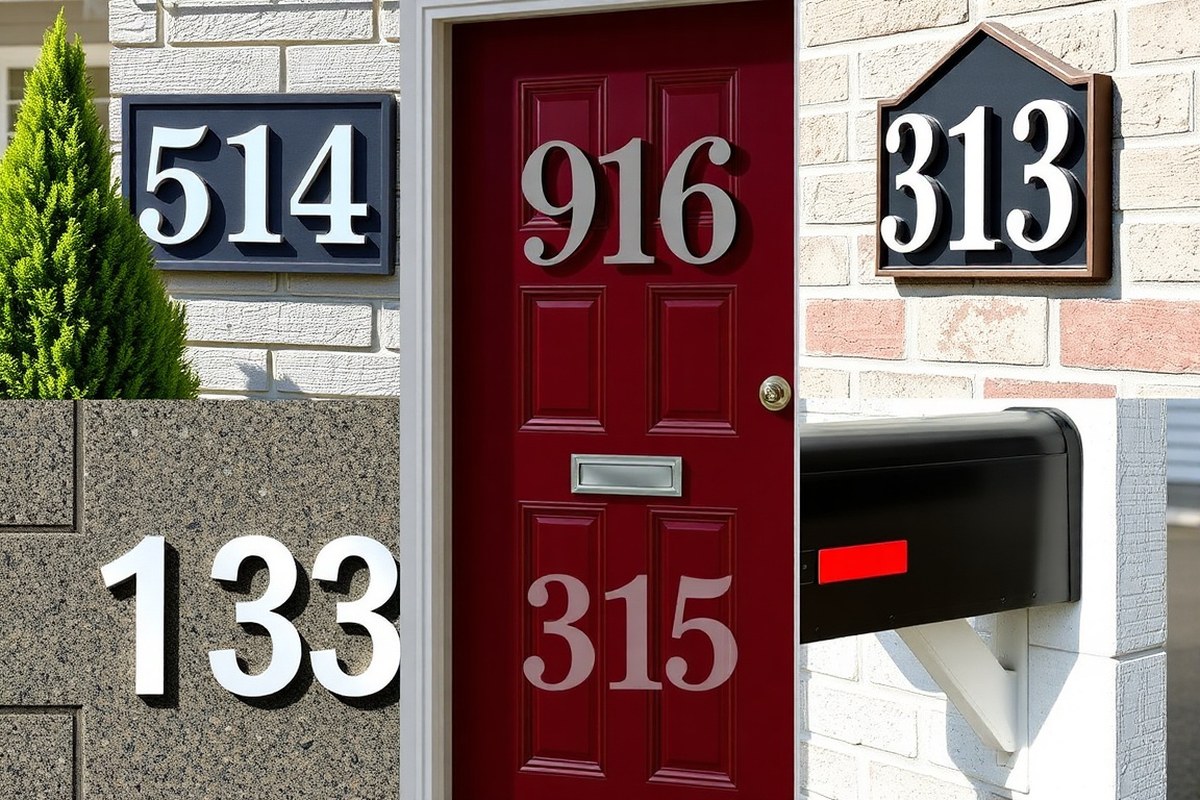
House numbers must be large enough, well-placed, and highly contrasting to meet safety codes and remain visible from the street. Generally, numbers need to be at least 4 inches tall with a stroke width of 0.5 inch, placed near entrances or driveways, and displayed in colors that sharply contrast the background. Following these standards helps emergency responders find your home quickly and aids everyday visitors.
Required Number Size and Stroke Width
Local building and fire codes require house numbers to measure at least 4 inches in height with a stroke width of no less than 0.5 inch. The International Building Code and National Fire Protection Association set these standards to make sure your address is easy to see from the street. Homes located far from the street or on big lots benefit from using numbers larger than 4 inches for better readability. Numbers smaller than 3 inches usually cannot be read clearly from a distance, which reduces their usefulness.
Stroke width matters as much as height, a narrow font is harder to read than a bold one of the same height. Look for fonts with clear, thick lines, and avoid overly decorative styles that reduce visibility.
Optimal Placement for Visibility
House numbers must be placed where they are clearly visible from all access points, especially the street and driveway. Code requirements often specify placement near the main entrance, on the front of the house facing the road, or on the mailbox within 3 feet of the driveway. Placing numbers too high under eaves or on the side of buildings facing away from the street can make them invisible to emergency responders or delivery services.
Mailboxes should have numbers at least 1 inch tall, in a position mail carriers can easily see without leaving their vehicle. For homes with long driveways, placing numbers both near the street and at the driveway entrance improves prompt identification.
Importance of Contrast and Color Choices
Color contrast between house numbers and their background is critical for daytime and nighttime readability. Dark-colored numbers on light backgrounds or light-colored numbers on dark backgrounds fulfill code requirements and make the address easy to spot. Reflective or illuminated numbers improve visibility after dark, especially in areas without street lighting. When selecting background and font colors, prioritize contrast first:
- Dark paint or siding with white, yellow, or bright reflective numbers
- Light-colored walls or mailboxes with black, navy, or dark reflective numbers
- Use matte finishes to reduce glare during the day
- Consider adding illumination or front lighting for night visibility
- Test visibility at dusk and night before final installation
Avoid colors with low contrast, such as light gray on white or dark blue on black, as they significantly reduce legibility.
Checklist for Compliant and Visible House Numbers
To ensure your house number meets visibility and safety standards, use this checklist before installation:
- Number height is at least 4 inches tall, or larger if your home is far from the street
- Stroke width of numbers is at least 0.5 inch for clarity
- Numbers placed near main entrance, clearly facing the street and driveway
- Mailbox numbers at least 1 inch tall, within 3 feet of the driveway
- Colors provide high contrast between numbers and background
- Consider reflective materials or illumination for nighttime visibility
- Numbers fixed securely to withstand weather and wear
Double-check that your house numbers are visible under streetlights and in your vehicle’s headlights to avoid last-minute adjustments.
Adapting Placement and Size to Different Situations
Homes set back more than 100 feet from the street may need 6-inch or larger numbers for visibility. Apartment buildings or complexes should place numbers near building entrances and at facility entry points. Rural areas may require reflective or illuminated numbers due to limited public lighting. Always check local codes as some municipalities add requirements for illumination or specific colors. Following these size, placement, and contrast standards not only helps meet legal requirements but also ensures your home is easy to find in emergencies and everyday deliveries.
How Reflective House Numbers Improve Nighttime Visibility and Safety
Reflective house numbers greatly improve nighttime visibility by bouncing light back to its source, such as a vehicle’s headlights. Unlike painted numbers, which can fade or become difficult to see in low-light conditions, reflective numbers show up clearly without requiring additional power or complex lighting setups. This makes them an efficient solution for improving readability in the dark. Emergency responders and delivery drivers benefit from this improved visibility because every second counts in urgent situations. Studies from Montgomery County, Maryland, indicate that unclear or invisible house numbers can delay emergency response times noticeably, potentially affecting outcomes in critical moments.
Reflectivity matters because it ensures numbers catch and reflect light automatically, unlike illuminated numbers that depend on electricity or bulbs that may fail. Reflective materials maintain visibility regardless of weather or power availability, which is critical during outages or storms when emergencies often occur. For homes located far from streetlights or down long driveways, reflective numbers provide an unmistakable signal that helps responders find the property quickly and avoid wasting time navigating obstacles or searching in darkness.
Common materials for reflective house numbers include high-grade plastic or metal with prismatic or glass bead reflectors embedded in the surface. These materials are often coated or treated to retain reflectivity over time and resist weather damage. Products vary widely in price: simple reflective number kits might cost between $10 and $30, while premium options with durable metals and weatherproof coatings can run $40 to $70 or more. Installation usually requires mounting the numbers on a contrasting background to maximize clarity, typically using screws or adhesive backing. Maintenance involves occasional cleaning to keep the reflective surface free of dirt, which can reduce effectiveness.
| Type | Visibility | Cost | Maintenance |
|---|---|---|---|
| Reflective Numbers | High at night with headlights, no external power needed | $10, $70 one-time purchase | Wipe clean periodically; replace if reflectivity fades |
| Illuminated Numbers | Very high and constant, visible from all directions | $50, $150 plus electricity costs | Check bulbs or LEDs; wiring repairs; energy use |
| Painted Numbers | Good in daylight; poor at night unless well-lit | Usually under $20 | Repaint as needed; may fade or chip |
Reflective numbers are especially useful for homeowners with poor street lighting, long or winding driveways, or residences set far back from the road. Unlike illuminated options, they do not depend on wires, batteries, or light fixtures that could go dark during power outages. Painted numbers may look appealing but rarely provide the necessary aid to responders at night or in bad weather. For best results, place reflective numbers on a solid, contrasting background mounted where passing headlights will hit them directly, such as near the front door, mailbox, or driveway entrance.
Ensuring your house numbers are reflective minimizes delays in emergency response and improves routine visits from delivery drivers and guests after dark. It’s a practical, cost-effective step that contributes significantly to safety and ease of access. Neglecting visibility, especially in low-light settings, risks wasted time, unnecessary confusion, and even missed deliveries or emergency assistance.
When and Where Reflective House Numbers Are Most Needed
Reflective house numbers provide the greatest benefit in areas where visibility is naturally limited. Rural locations, dark streets, or neighborhoods with long driveways and heavy landscaping often require more attention to address visibility. Emergency responders rely on quickly identifying house numbers, making reflective materials an important choice for homes set far back from the road or where numbers are partially obscured. When deciding if reflective numbers are strongly recommended or optional, consider these factors:
- Locate house numbers at least 30 feet from the street. A second set of numbers should appear near the curb or at the driveway entrance.
- Lighting conditions: Streets with poor or no lighting benefit greatly from reflective numbers for nighttime visibility.
- Obstructions: Landscaping, fences, or other buildings blocking view require larger, reflective numbers to stand out.
- Mailbox visibility: Hard to see mailboxes or those located away from the street should display reflective numbers on the mailbox itself.
- Property type: Multi-family units and commercial properties usually need 6- to 12-inch numbers for clear identification.
For a home situated in a rural area or a neighborhood with dim street lighting, 5-inch reflective numbers mounted near the front door or porch are a good baseline. Homes situated farther than 30 feet from the street or with obstructed views require a second set of reflective numbers near the driveway or curb. This ensures that both passersby and emergency services can locate the address without delay.
Reflective numbers on mailboxes are wise when the mailbox is the closest point to the street or when landscaping limits the view of the house. Numbers should be placed on the side of the mailbox facing the street or the primary delivery direction to maximize visibility. Some municipalities allow or encourage adding reflective paint directly on the curb if other options are impractical.
Tradeoffs include the cost of larger, reflective numbers and possible additional installations. Reflective signs usually cost between $10 and $50 depending on size and material. Installation requires mounting hardware and time, often 30 minutes to an hour for a homeowner with basic tools. Good results show clear visibility from the street in all lighting conditions. Problems occur when numbers contrast poorly with the background or are too small, or when positioning does not face the street.
How to Find and Interpret Your Local House Number Regulations
To find out if reflective house numbers are required and what specific rules apply, start by locating your city or county ordinances. These rules typically come from local fire, building, or planning departments and spell out the size, placement, and reflectivity needed for your house numbers.
Accessing City and County Websites
Your local government’s website is the primary source for house number regulations. Most cities or counties post their municipal codes, which include sections on address display or premises identification. These rules are often found under fire codes, building codes, or zoning regulations.
Begin by visiting your city or county official website and use the search function. Key terms to try include “house numbers,” “address display,” “premises identification,” or “emergency address.” Look specifically for documents related to fire safety or code enforcement, which often adopt standard fire codes like the International Fire Code (IFC) or National Fire Protection Association (NFPA) codes. Here’s a clear step-by-step approach to locate your local regulations online:
- Open your city or county official website.
- Use the search bar to enter keywords such as “house numbers” or “address display.”
- Navigate to relevant code sections, often under Fire Department, Building, or Planning subdivisions.
- Find ordinances or guidelines concerning address visibility, size, and reflectivity.
- Download PDF versions of the codes or use on-site web viewers to read the details.
- Note any referenced model codes (e.g., IFC 505.1, NFPA 1 Section 10.11).
- Document key requirements like minimum number height or reflectivity standards.
- Check for any local amendments or exceptions listed in the ordinance text.
Remember that mailbox numbers rarely replace numbers posted on the building itself, so always check for both requirements.
Decoding Size and Reflectivity Clauses
Local codes may specify precise measurements and materials for house numbers, including minimum character height, color contrast, and reflective qualities. “Reflectivity” often means numbers must stand out under headlights or street lighting, either by using reflective paint, materials with glass beads, or illumination.
For example, California’s fire codes require numbers between 4 and 6 inches tall with illumination or reflective qualities, while Los Angeles mandates 4-inch high characters per the 2020 Fire Code. Illinois codes might have smaller sizes, such as 2 inches, but still emphasize visibility. Reading these clauses involves interpreting terms like “minimum height,” “contrast with background,” and “visibility from the street.” Look for phrases such as “numbers shall be easily visible from the roadway,” “must contrast with surroundings,” or “reflective or illuminated numbers required.” If it references a model code like IFC 505.1 or NFPA 1 Section 10.11, reviewing those standards may provide clarity on reflectivity materials and measurement techniques.
Confirming Rules with Local Building or Fire Departments
Consulting directly with a local authority is often the fastest way to ensure you understand and comply fully with house number requirements. Fire departments, code enforcement offices, or building departments can clarify confusing code language or verify if any exemptions or special cases apply. Some jurisdictions waive reflectivity for properties in well-lit areas or have different standards for new construction versus existing homes.
Calling or visiting the local fire or building department and asking about “premises identification requirements for emergency access” can help you get definitive answers. Explain your property type and location to learn about any HOA overrides, allowed materials, or minimum standards. This is particularly useful if your area adopts amended versions of national codes or has unique local rules.
Prepare by writing down specific questions or code passages you found online, so staff can provide precise guidance. You might also request printed materials, brochures, or links to online resources relevant to your property.
Common Mistakes with House Number Visibility and How to Fix Them
One common mistake is placing house numbers where they are hard to see from the street. Numbers hidden behind bushes, tree limbs, or decorations often go unnoticed by emergency responders and delivery drivers. Another frequent error involves using numbers that are too small or lack contrast with the background, which makes them difficult to read, especially at night. Using light-colored numbers on a light background or dark numbers on a dark surface reduces visibility significantly.
Missing reflectivity also undermines visibility in the dark. Non-reflective paint or materials do not reflect headlights or porch lights, so your address might be invisible during low-light conditions. Homeowners sometimes overlook the need to regularly maintain their displayed numbers, allowing dirt, snow, or fading from sun exposure to further obscure them. This maintenance is essential given seasonal changes and weather effects.
- Trim trees and bushes to keep numbers unobstructed from all street angles, checking seasonally.
- Choose number sizes at least 4 inches tall for visibility from the street and driveway.
- Apply or purchase reflective house numbers with high-contrast colors, such as white on dark siding or black on light siding.
- Clear snow and debris regularly, especially after storms, to maintain visibility.
- Avoid placing numbers behind decorations or objects that may block the view at any time of year.
When correcting these issues, prioritize placing your numbers where the street or driveway line of sight is least interrupted. If your home’s landscaping blocks visibility, trimming back branches or repositioning the numbers onto a mailbox or a post closer to the street may be necessary. This can cost from $20 to $50 for new reflective numbers, plus minimal landscaping or clearance efforts. To keep the numbers visible year-round, inspect them every couple of months and after severe weather, making sure they remain clean and unobstructed.
The best results come from combining high-contrast, reflective numbers with thoughtful placement and routine upkeep. Failure to maintain clear visibility can cause slow emergency response times and fines for non-compliance in many communities. Regular checks and adjustments will ensure your house numbers meet visibility standards and support neighborhood safety.
How to Choose and Install Reflective House Numbers Effectively
Choose reflective house numbers made from durable, weather-resistant materials with colors that sharply contrast their background to ensure clear visibility. Size numbers between 4 and 6 inches tall to be easily read from the street, and install them on a clean, flat surface in a well-lit, unobstructed area. Follow a careful step-by-step process to mount the numbers securely for lasting durability and compliance.
Selecting the Right Reflective Material
Reflective house numbers typically come in vinyl decals, metal with reflective coatings, or plastic materials embedded with reflective beads. Outdoor vinyl decals are cost-effective and easy to apply but may need replacement every few years due to fading. Metal reflective numbers tend to be more durable, resisting weather and UV damage longer. Select a finish that won’t fade or blend into the mounting surface, and choose colors with high contrast, such as white numbers on a dark background or black on a light wall. Your neighborhood might have specific standards for mailboxes or address signs, so choose numbers that meet size, font, or color requirements before buying.
Prices vary widely: vinyl decals often cost between $10 and $25 for a full address set, while metal reflective numbers can run $5 to $15 per digit. Consider the expected lifespan and local climate when choosing materials.
Preparing the Mounting Surface
Preparation ensures good adhesion and long-lasting installation. Choose a flat, clean surface free of dirt, dust, peeling paint, or moisture to improve bonding strength. Smooth surfaces, like painted wood, metal, vinyl siding, or brick, work best.
For surfaces like brick or rough wood, clean thoroughly with a stiff brush and mild detergent, then rinse and let dry completely. Tape off the area with painter’s tape if you need a defined mounting zone or alignment guide. Mark positions lightly with a pencil or chalk to center and space numbers evenly, visible from the street.
Attaching Numbers Securely and Visibly
Follow these steps for reliable installation of reflective house numbers:
- Measure twice to verify the height and spacing fit local requirements or your visibility goal, typically 4 to 6 inches tall and spaced 1 to 2 inches apart.
- Clean the numbers’ backs with rubbing alcohol if adhesive; avoid touching sticky areas after cleaning.
- Peel adhesive backing if using decals, or gather screws, anchors, or nails if mounting metal or plastic numbers.
- Apply the numbers starting from one side, aligning with your markings, pressing firmly to remove air bubbles.
- For screw-mounted numbers, drill pilot holes matching the size of wall anchors if required, insert anchors, then screw numbers flush against the surface.
- Check straightness and level frequently during placement; fix alignment promptly before adhesive sets or screws tighten fully.
Avoid installing numbers in shaded or obstructed areas. Install them high enough to avoid vandalism but within easy reach for maintenance, typically 4 to 6 feet from the ground.
Post-Installation Maintenance Tips
Inspect house numbers periodically to ensure they remain firmly attached and visible. Clean vinyl decals gently with soap and water to remove dirt without damaging the surface. Replace any faded, peeling, or cracked numbers promptly to maintain visibility.
Re-secure loose screws or adhesive to prevent loss during storms or high winds. Numbers obscured by vegetation or new structures should be trimmed or moved to remain visible. Good upkeep extends the lifespan of reflective numbers, ensuring your address remains easy to find in emergencies.
When to Involve Professionals and How Penalties for Violations Work
Hiring a professional to verify compliance or install reflective house numbers is advisable if you are uncertain about local codes or lack experience with proper placement and visibility standards. Professionals like licensed contractors or code enforcement officers can assess distance from the street, height, size, and contrast to ensure numbers meet local regulations. This is especially important if your property is in a complex or older subdivision where address placement may have changed over time or if there are trees, fences, or other obstacles affecting visibility. Making the right call initially avoids costly rework or potential fines later.
Common penalties for failing to display compliant house numbers can vary widely depending on the jurisdiction. Typically, first-offense fines range from $100 to $500 per day as long as the violation continues, according to code enforcement agencies. Repeat violations often incur higher fines and sometimes additional legal consequences, such as liens or court orders requiring correction. Knowing your local enforcement timeline is important; many jurisdictions provide a written notice with a 7 to 30-day window to fix the issue before fines start accruing.
Inspection and enforcement generally follow a process beginning with a complaint or routine property inspection. Code inspectors will document the non-compliant house number, issue a notice detailing the exact deficiency, and specify a deadline for correction. You can often contest a penalty by responding in writing, providing proof of compliance, or requesting a reevaluation within the timeframe indicated by the enforcement office. Keeping records of purchase receipts, photos of the installed numbers, or professional assessment reports can support your case.
Decide to involve a professional if you want to avoid ambiguity about your number’s visibility or compliance. For example, if your home is more than 75 feet off the street or your property has unique positioning challenges, a specialist can measure and recommend optimal placement. DIY installation risks missing details such as height above ground (usually 4 to 6 feet) or angle relative to the road, which might result in failed inspections.
Failing to address a code violation promptly after notice can lead to daily fines adding up quickly, so take correction deadlines seriously to minimize penalties.
Step-by-Step Action Plan for Installing Reflective House Numbers
Follow these steps to ensure your house numbers comply with local rules and maximize nighttime visibility.
- Day 1: Check Local Regulations, Contact your city or county building department or visit their website to find specific requirements for size, placement, and reflectivity. Confirm your chosen numbers meet these rules to avoid penalties.
- Day 2: Select Reflective House Numbers, Choose numbers made with high-contrast reflective materials, ideally white or light-colored on a dark background, or vice versa. This ensures visibility in low-light conditions.
- Day 3: Measure Proper Placement, Measure from the ground to position the numbers at the standard height, usually between 4 and 6 feet, and place them on a well-lit, unobstructed area facing the street or driveway.
- Day 4: Prepare the Surface, Clean and smooth the mounting area to help numbers adhere properly. Make sure the surface contrasts with the numbers’ color for better visibility.
- Day 5: Install Your House Numbers, Use screws or weather-resistant adhesive for secure mounting. Confirm numbers are upright, clear of obstacles, and visible from the street at night using a flashlight or your car’s headlights.
- Week 2: Perform a Visibility Test, Check the numbers’ visibility during and after dark. Ask a neighbor or visitor if they can see the numbers easily from the road.
- Monthly: Maintain Visibility, Remove any plants or debris that may block the house numbers and clean the reflective surfaces periodically to keep them effective. Replace faded or damaged numbers promptly.
Frequently Asked Questions
Can Reflective House Numbers Help Reduce Emergency Response Times?
Yes, reflective house numbers improve visibility at night, helping first responders locate addresses faster during emergencies. This can be critical in rural or poorly lit areas where standard numbers are hard to see.
Are Reflective Numbers More Durable Than Regular House Numbers?
Reflective numbers often have weather-resistant coatings, making them more durable against fading and wear than standard paint or plastic numbers. This longevity ensures they remain visible over time without frequent replacement.
Do Reflective House Numbers Affect Home Resale Value?
Reflective house numbers can positively impact resale value by improving curb appeal and demonstrating compliance with local regulations. Clear addressing shows attention to safety and legal requirements, which buyers may appreciate.
Can Mailbox Numbers Be Reflective Instead of House-Mounted Numbers?
Reflective numbers on mailboxes may be acceptable in some areas, especially for homes set back from the street. However, local codes usually prioritize house-mounted numbers for better visibility from the road. Check local rules to be sure.
Are Illuminated House Numbers a Better Choice Than Reflective Ones?
Illuminated numbers provide constant visibility but require electrical wiring and maintenance. Reflective numbers offer a simpler, low-cost solution that works well in most situations, especially where lighting is limited.
Do All Neighborhoods Require Reflective House Numbers?
Not all neighborhoods require reflective numbers; requirements depend on local ordinances and lighting conditions. Rural or low-light areas are more likely to mandate them than well-lit urban neighborhoods.
The Bottom Line
Reflective house numbers might not be legally required everywhere, but installing them improves safety and helps emergency responders find your home faster. Start by checking your local rules and updating your numbers for maximum visibility. Be proactive in maintaining your address numbers to ensure they remain clear day and night.