What Is a Vehicle Sign? A Complete Guide to Types, Costs, and Regulations
What is a vehicle sign? It is a visual marker attached to or displayed on a vehicle to communicate important information, warnings, or instructions to drivers and pedestrians. These signs help improve road safety by signaling vehicle speed, usage, or special conditions. Properly recognizing and using vehicle signs can prevent accidents and ensure compliance with traffic regulations. Start by identifying the correct sign for your vehicle type and purpose, ensuring it meets legal height and visibility requirements for maximum effectiveness.
Key Takeaways
- Slow moving vehicle signs warn that a vehicle cannot exceed 25 mph and must be mounted 3 to 5 feet above the ground.
- Fluorescent orange triangle signs provide high visibility and are readable beyond 1,000 feet in direct sunlight during daytime.
- Rear-end collisions involving slow moving vehicles often occur during daylight, making bright vehicle signs essential for safety.
- Magnetic vehicle signs are the most affordable option, with costs ranging from $50 to $200 for a pair.
- Partial vehicle wraps cost between $1,000 and $3,000, offering a balance of coverage and price for fleet visibility.
- Mount vehicle signs with the base down and at proper height to comply with state regulations, such as California Vehicle Code 24615.
What Is a Vehicle Sign and Its Purpose
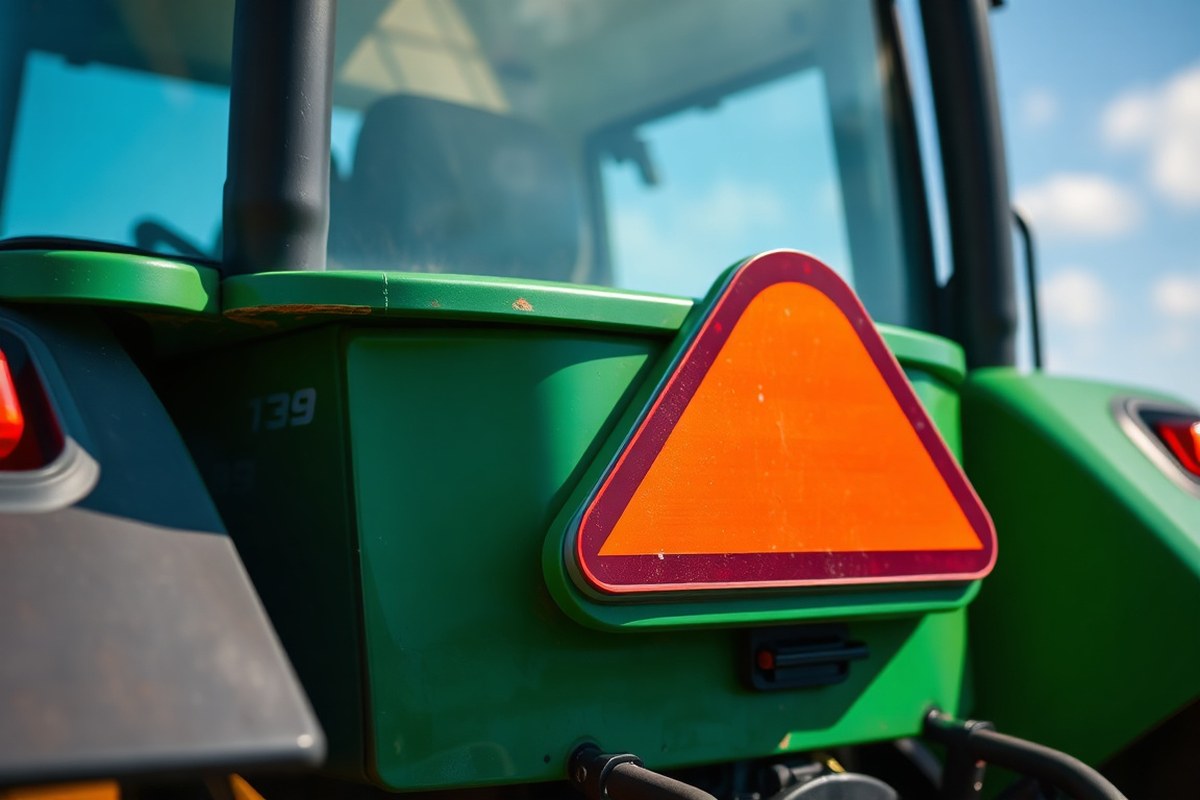
A vehicle sign is a visual warning or informational display placed on a motor vehicle to communicate important messages to drivers around it. These signs mainly alert others about the nature, speed, or function of the vehicle displaying them. For example, the slow moving vehicle (SMV) sign, a bright orange triangle with a red reflective border, is used on vehicles that travel at 25 mph or less, such as tractors, horse-drawn buggies, or road graders. This sign warns approaching drivers to reduce their speed before reaching the slower vehicle, helping prevent rear-end collisions.
Vehicle signs play a critical role in traffic safety by providing advance notice to drivers about road conditions or vehicle limitations. In the case of slow moving vehicle signs, research from Ohio State University Extension highlights that two out of three highway incidents involving such vehicles are rear-end collisions, with 90% happening during daylight. Proper and visible vehicle signage gives drivers the time and information needed to react safely, especially when speeds vary widely between vehicles on the same road.
These signs deliver concise messages through standardized shapes, colors, and placements that drivers can recognize quickly. For instance, the triangle pointed up signals a slow-moving vehicle ahead, alerting drivers to adjust their speed accordingly. Other vehicle signs might indicate oversized loads, hazardous materials, or emergency vehicles, each prompting specific driver behavior for safety. The effectiveness of these signs depends on factors like correct placement, appropriate height (typically between 2 and 10 feet from the road surface), and excellent condition, clean, undamaged, and not faded, so they remain easily readable and memorable.
Meeting regulatory standards is essential. In the United States, slow moving vehicle signs must comply with the ANSI/ASAE S276 specification, which dictates orientation, lateral positioning, and general height. For example, the sign should be mounted point up and perpendicular to travel, centered or left-centered on the vehicle’s rear. Some states have specific height requirements, such as California requiring the base of the triangle to be 3 to 5 feet above the ground. Following these standards ensures the sign is consistent and recognizable to all drivers, increasing its safety value.
The cost and effort to install a vehicle sign vary depending on factors like size, reflectivity, and mounting method. Slow moving vehicle signs are commonly available at farm supply stores and hardware stores, often costing between $10 and $30. Installation usually involves securely bolting the sign to the rear of the vehicle at the recommended height and position. Neglecting proper installation or allowing the sign to fade can render it ineffective, which is a serious safety risk at highway speeds.
In summary, vehicle signs warn surrounding traffic about hazards or operational limitations, reducing accidents by improving driver awareness of vehicles moving at different speeds. Ensuring you use a sign that meets specifications and maintaining its visibility is key to helping everyone on the road respond safely and appropriately.
Common Types of Vehicle Signs and Their Functions

Vehicle signs come in various types, each suited for different purposes and budgets. Vinyl decals, car magnets, slow moving vehicle emblems, and full or partial wraps offer unique benefits based on whether you prioritize permanence, cost, or ease of removal. Understanding their differences helps you choose the right type for your situation and ensures compliance with safety standards.
Vinyl Lettering and Decals
Vinyl lettering consists of individually cut letters, numbers, or simple logos with no background vinyl, so the design appears painted directly onto the vehicle surface. Decals, by contrast, are printed graphics on sheets of vinyl that usually include backgrounds and detailed images. Both options are durable and ideal for adding branding or identification to fleets and company vehicles.
The cost of vinyl lettering and decals ranges from about $150 to $700, depending on complexity and the amount of coverage. Installation can often be done professionally or DIY for simpler designs, but careful surface preparation is needed to avoid bubbles or peeling. Vinyl lettering is best when you want a subtle and professional look with long-lasting adhesion, and it holds up well for several years under normal weather conditions.
For smooth, clean results, install decals on a clean, dry surface with temperatures between 50°F and 90°F to ensure proper adhesion.
Car Magnets
Car magnets provide a flexible and affordable alternative to permanent signage. These are typically sold in pairs, cost $50 to $200, and stick magnetically to the metal parts of your vehicle. Magnets let you add or remove branding quickly, making them popular for personal vehicles used for business or temporary promotions.
Magnets are not as durable as vinyl and should be removed regularly, every few days, to prevent paint damage or warping from sun exposure. They are best suited for short-term use or when you frequently switch messages. Avoid using magnets on textured or painted surfaces that may interfere with magnetic adhesion.
Slow Moving Vehicle Signs
Slow moving vehicle (SMV) emblems are triangle-shaped, reflective red and orange signs designed to indicate vehicles that travel 25 mph or less, such as farm equipment or construction machinery. The sign does not have a background, allowing visibility against the vehicle’s surface. It helps warn other drivers to slow down and be prepared to stop or pass safely.
Installing the SMV emblem correctly is a legal requirement in many states, with specific mounting heights and locations. For example, California Vehicle Code 24615 mandates placing the emblem base between 3 and 5 feet above the ground, oriented base down. Understanding how to recognize these signs can prevent accidents, especially during peak farming seasons when slow vehicles are common on rural roads.
Never try to pass a slow moving vehicle displaying an SMV emblem until you can clearly see the road ahead; these vehicles may turn unexpectedly into fields or driveways.
Vehicle Wraps and Window Graphics
Vehicle wraps are large vinyl graphics that cover a significant portion of the vehicle’s paint, including full wraps that transform the entire exterior or partial wraps targeting specific panels. These offer the highest visual impact and durability but come at a higher cost, usually $2,500 to $6,000 for standard cars or vans. Installation requires professional help to ensure no air bubbles or misalignments.
Window decals or graphics are solid vinyl pieces applied directly to windows, often used alongside wraps to reinforce branding or messages. These allow light to enter while displaying graphics to outside viewers. Wraps and window graphics last several years with proper care and are ideal for businesses seeking long-term brand exposure on their fleet.
Legal Standards and State Regulations for Vehicle Signs
Legal standards for vehicle signs set specific criteria including speed thresholds, mounting height, and visibility distances to ensure safety and compliance. Most regulations require slow-moving vehicle (SMV) emblems on vehicles traveling 25 mph or less, with rear visibility spanning 500 feet. State laws build on these federal and ANSI/ASAE standards, adding variations in enforcement and sign placement rules.
Federal and ANSI/ASAE Standards
The main federal standards governing vehicle signs are ANSI/ASAE S276 and OSHA 1910.145. These rules define slow-moving vehicles as those traveling at 25 mph or slower, requiring a triangular orange and red emblem that can be seen from 500 feet back. This emblem signals drivers to slow down and be careful. Vehicles that can go faster than 25 mph but under 40 mph need to display a Speed Identification Symbol (ANSI/ASAE S584) alongside the SMV triangle. Each piece of farm equipment linked together must have its own SMV sign. The emblem should be mounted on the rear center of the vehicle, between 2 and 6 feet high, for the best visibility to drivers behind.
These standards promote uniformity across states, helping emergency responders and drivers recognize slow-moving vehicles instantly. The 500-foot rear visibility requirement ensures a safe braking distance at highway speeds.
State-Specific Requirements
Most states adhere to these federal guidelines but introduce variations based on local needs. For example, California and Virginia limit SMV designations to vehicles traveling 25 mph or slower, matching the federal standard. Minnesota allows vehicles traveling up to 35 mph to display SMV emblems, requiring 600 feet of rear visibility. New York sets the threshold under 40 mph while maintaining 500 feet visibility. These adjustments reflect terrain, traffic density, and the prevalence of slow vehicles in the region.
Mounting height and placement rules can differ as well. Some states require the emblem to be horizontally centered on the vehicle’s rear or slightly improve to avoid obstruction by load or attachments. Others specify retroreflective materials for both SMV emblems and Speed Identification Symbols to improve visibility at night. Checking your state’s vehicle code is important to meet specific layout and visibility regulations.
Compliance and Enforcement
Compliance involves more than just having a sign on the vehicle. The emblem must be properly maintained, free from dirt, damage, or discoloration that can reduce visibility. Enforcement typically rests with state or local transportation authorities and can include citations if the signs are missing, obscured, or improperly mounted. Costs for compliance are relatively low, often under $50 for a quality retrofit emblem and installation. However, failing to comply can lead to fines and increased liability in accidents.
The key checklist for compliance includes confirming your vehicle’s maximum speed, selecting the correct emblem type (standard SMV triangle or Speed Identification Symbol), mounting it centrally at the required height, and maintaining at least 500 feet visibility (or more by state requirement). Keeping these details current with changing state regulations minimizes operational disruptions and improve roadway safety for all drivers.
Materials, Durability, and Lifespan of Vehicle Signs
Vehicle signs typically use vinyl as the primary material due to its flexibility and weather resistance. Two common types of vinyl are cast and calendered, each differing in production, durability, and cost. Cast vinyl is made by casting liquid vinyl onto a casting sheet, which results in a thinner, more conformable film. This makes it ideal for complex vehicle surfaces because it stretches and recovers well. Calendered vinyl, produced by passing heated vinyl through rollers, is thicker and stiffer, better suited for flat or gently curved surfaces but less flexible overall.
The durability of these materials varies considerably. Cast vinyl signs are the premium choice, often lasting from seven to ten years outdoors without significant fading or cracking. Calendered vinyl offers a more budget-friendly option, with a typical lifespan of about three to six years. This shorter duration results from its tendency to shrink and crack under prolonged exposure to harsh weather conditions.
| Material | Production Method | Typical Lifespan | Best Use Case | Cost |
|---|---|---|---|---|
| Cast Vinyl | Casting liquid vinyl onto sheet | 7 to 10 years | Complex, curved vehicle surfaces | Higher |
| Calendered Vinyl | Rolling heated vinyl | 3 to 6 years | Flat or gently curved surfaces | Lower |
Several factors affect the durability of vehicle signs, including climate, exposure to sunlight, and cleaning methods. Signs exposed to intense UV rays or extreme temperature fluctuations may degrade faster. Regular washing with mild detergents helps maintain sign condition, but abrasive cleaning tools can damage the vinyl surface and reduce its life. Also, how well the vinyl adheres to the vehicle’s surface influences performance; proper surface preparation before application is essential to avoid peeling.
The thickness and rigidness of calendered vinyl make it less adaptable to contours, which can lead to premature wear in areas with sharp edges. Cast vinyl’s ability to conform reduces this risk, making it the preferred choice for full vehicle wraps or designs involving intricate curves. While casting costs more upfront, its extended lifespan often justifies the investment, especially for fleet vehicles or commercial trucks expected to operate for many years.
Best Practices for Installation and Placement of Vehicle Signs
Vehicle signs must be mounted where they are clearly visible without blocking the driver’s sightlines. Placement depends on vehicle type and sign purpose, with slow-moving vehicle signs often requiring specific height placement for safety. Use durable mounting methods to ensure signs stay secure in various driving conditions.
Ideal Locations on Different Vehicles
Signs on passenger vehicles are usually best placed on the rear or side passenger windows to avoid obstructing the driver’s view. Larger commercial trucks benefit from signage on the rear, often supplemented with reflective tape along the sides and back to boost nighttime visibility as mandated by the Department of Transportation.
Slow moving vehicle signs, such as those found on tractors or maintenance vehicles, are typically placed on trailers, rear panels, or the back of the vehicle to alert traffic behind them. Animal-drawn carts should display their signs at the rear and sometimes on both sides for added visibility due to their slower speeds.
Height and Orientation Requirements
Mount slow moving vehicle signs between 3 to 5 feet above the ground as a general rule. This height ensures they fall within the average driver’s line of sight without being too low to see over other vehicles or too high to miss when approached by cars and trucks. Make sure the sign is mounted flat and directly facing backward for maximum recognition.
Orientation is critical. Signs should not lean or be mounted at an angle that distorts the shape or reduces reflectivity. On large commercial vehicles, follow state or federal guidelines for reflective tape placement to ensure consistent visibility from all relevant angles.
Signs mounted too low on vehicles risk being hidden by tailpipes, bumpers, or mud flaps, reducing their effectiveness.
DIY vs. Professional Installation
For fleet managers or vehicle owners familiar with basic tools, installing adhesive-backed vinyl signs or magnetic signs on clean, smooth surfaces can be a quick DIY project. Clean the surface thoroughly and follow the sign manufacturer’s instructions for best adhesion.
Complex installations, such as those requiring drilling, mounting bolts, or applying reflective tape according to DOT regulations, usually call for professional installation. Professionals can ensure the sign is securely fastened and correctly aligned, avoiding safety risks or repeated maintenance.
- Choose a clean, dry surface to mount adhesive or magnetic signs
- Use appropriate mounting hardware for metal, plastic, or glass surfaces
- Orient signs flat and square relative to the vehicle’s rear or sides
- Ensure no obstruction of driver views or safety equipment
- Maintain recommended mounting height, especially for slow-moving vehicle signs
- Use reflective materials when required for nighttime visibility
- Consult state and federal guidelines to confirm legal compliance
Following these steps helps maintain both compliance and safety while keeping the vehicle’s exterior appearance neat.
Designing Vehicle Signs for Maximum Readability and Impact
Creating vehicle signs that grab attention quickly and deliver your message clearly depends mainly on font size, color contrast, and message simplicity. Since drivers and pedestrians only have a few seconds to view a moving vehicle, your sign needs to be instantly readable from a distance. For optimal font size, letters should be at least 4 inches tall when viewed from 30 feet, ensuring that the sign remains legible at typical driving distances. Larger fonts work better for text displayed on doors or sides, while 6 to 8 inches or more is advisable for the vehicle’s rear to account for viewing through multiple lanes or at stoplights.
Use bold, clean fonts that avoid thin or decorative styles, such as sans-serif typefaces, which stand out better against vehicle surfaces. The colors you choose should provide high contrast to the vehicle’s paint. White text on a dark-colored vehicle creates clear visibility, as does black text on a light vehicle colors. Bright colors like yellow or orange can also be effective but must be balanced carefully with background hues to prevent eye strain and maintain clarity. In conditions with limited lighting or weather-related visibility issues, strong contrast remains the best way to improve recognition.
Keep the message on your vehicle sign concise and memorable to improve retention. Limit text to essential information like your business name, a brief tagline, phone number, or website. Use short phrases or single words when possible, avoiding clutter. For example, instead of listing multiple services, highlight a hallmark phrase such as “Emergency Plumbing” or “24/7 Delivery.” This lets viewers process your message quickly while passing by.
Consider placing primary signage on vehicle doors and rear surfaces, as these areas get the most direct viewer attention. Hood and front placements usually don’t have as much impact while driving but can increase visibility when the vehicle is parked. Combining your vehicle sign with supplementary signs like pavement signs at job sites or coordinated signage at your physical location reinforces brand recognition and captures foot traffic, especially during stops or deliveries.
Costs for vehicle sign design vary widely. A simple design with partial vehicle wraps might start around $100 for setup, while full custom wraps range above $1,000, depending on size and complexity. Investing in professional design services ensures fonts and colors meet readability guidelines and that your message stays uncluttered.
A handy checklist for your vehicle sign design includes choosing clean, bold fonts sized at least 4 inches tall, applying high-contrast colors, white on dark or black on light backgrounds, limiting text to no more than 6 words or 3 lines, and positioning signs where they are most visible during motion and while parked. Avoid overloading the sign with graphics or small text, which can confuse or distract viewers. Following these design principles helps your signs stand out, making your vehicle a more effective mobile advertisement.
Costs and Factors Affecting Vehicle Sign Expenses
Vehicle sign costs vary widely based on type, size, and installation needs. Small decals often range from $50 to $300, depending on size and design complexity. Partial wraps, which cover parts of a vehicle, typically cost between $1,000 and $3,000. Full vehicle wraps can be significantly more expensive, often ranging from $2,500 to $5,000 or more. Thin and flexible vinyl wraps are the only option for full-coverage signs since they conform smoothly to complex curves, but this flexibility adds material expense.
Labor plays a large role in pricing, usually accounting for 40 to 50 percent of the total cost. Installing large graphics or full wraps requires professional skills to ensure correct alignment and adhesion, so professional installation for these is strongly recommended. In contrast, small decals and magnetic signs are simpler to handle and can often be installed by vehicle owners themselves, reducing overall expenses.
Design fees are typically separate from production and installation charges. Custom graphics and logos, especially those requiring multiple colors or special effects, can add several hundred dollars to the final bill. Some providers bundle design into their packages, but it’s important to clarify what’s included upfront.
Additional expenses might include removal fees if old signage must be taken off before applying new graphics. Removing existing decals or wraps tends to be labor-intensive and can cost several hundred dollars. This is important to factor in, especially when updating fleet graphics regularly to keep branding fresh and compliant with regulations.
Costs differ by vehicle size and surface complexity too. Larger vehicles like trucks or vans demand more material and labor, increasing costs. For a quick reference:
| Vehicle Sign Type | Typical Cost Range | Installation Notes |
|---|---|---|
| Small Decals | $50, $300 | DIY possible; low labor cost |
| Partial Wraps | $1,000, $3,000 | Professional installation recommended |
| Full Wraps | $2,500, $5,000+ | Professional installation required |
| Removal Fees (if needed) | $200, $500+ | Labor intensive |
Choosing professional installation for wraps and large graphics reduces risk of bubbles, peeling, and improper fit, improving the sign’s durability and visual impact. Without it, you may face higher maintenance costs or premature replacement.
Maintaining and Replacing Vehicle Signs Safely and Effectively
Inspect vehicle signs every 6 months to catch fading, peeling, or damage early. Most vehicle signs last about 2 to 3 years outdoors because fluorescent orange pigments degrade from UV exposure faster than retroreflective materials. Regular upkeep, like cleaning and protecting signs with a UV laminate, can extend their life and maintain visibility. Avoid waiting until the sign stops reflecting at night, since faded signs reduce your vehicle’s safety presence on the road.
Clean signs gently with a mild soap and water solution using a soft cloth or sponge. Harsh cleaners or abrasive materials can damage the surface, shortening the sign’s lifespan. Remove dirt and debris promptly to prevent scratches or buildup that reduces legibility. Inspect the mounting hardware for rust or loosening, tightening screws or replacing clips as needed to keep the sign secure and readable.
- Check for fading, cracks, tears, or peeling every 6 months
- Wash signs using mild soap and soft cloth monthly or as needed
- Apply UV-protective laminate yearly to guard against sun damage
- Tighten or replace mounting hardware during inspections
- Replace signs every 2 to 3 years or at first sign of major fading
- Remove old signs carefully to avoid paint damage
When it’s time to replace, remove vehicle signs carefully to protect paint and bodywork. Gently peel back corners, warming adhesive areas with a heat gun or hairdryer on a low setting to soften glue before pulling. Avoid prying tools that can scratch. Leftover adhesive can be removed with a commercial adhesive remover safe for automotive finishes. Install new signs on a clean, dry surface away from direct sunlight and extreme temperatures for best adhesion.
Always warm the adhesive with low heat before removal to prevent damage to paint and underlying materials.
Signs mounted on fresh paint may suffer damage if removed too soon. Allow at least 2 weeks for paint to cure fully before applying or replacing decals. Proper inspection, cleaning, and gentle handling keep your signs effective in communicating safety information clearly and legally.
Your First Steps: Setting Up and Maintaining Vehicle Signs
Follow this simple plan to select, install, and care for your vehicle signs effectively. Each step helps ensure your signs meet requirements and stay clear and visible.
- Before installation: Check local and state regulations for required vehicle signs and their specifications to ensure compliance. Confirm you know the exact legal requirements for your vehicle type.
- Day 1: Choose durable materials like high-grade vinyl or metal suited for outdoor conditions and vehicle exposure. Verify the material’s UV and weather resistance to extend longevity.
- Day 2, 3: Design your sign focusing on large, legible fonts and contrasting colors for maximum readability. Test the design by viewing it from typical driving distances to confirm visibility.
- Day 4: Clean the vehicle surface thoroughly before installing signs to promote strong adhesion. Check that the sign adheres evenly with no air bubbles or wrinkles.
- Week 1: Monitor the sign’s condition daily for the first week to catch early peeling, fading, or damage. Replace or repair signs showing issues promptly to maintain compliance.
- Monthly: Inspect signs monthly for buildup of dirt, scratches, or wear from weather and traffic. Clean gently using mild soap and water, and schedule replacements as needed based on condition.
- Annually: Review state laws for any changes in signage standards and update your vehicle signs accordingly to avoid fines or safety risks.
Frequently Asked Questions
What Does the Orange Triangle on the Back of a Vehicle Mean?
It indicates a slow moving vehicle traveling at 25 mph or less, signaling you to reduce speed when approaching. This sign helps prevent collisions by alerting faster drivers to slower traffic ahead.
How Can I Tell If a Vehicle Sign Is Compliant with Legal Standards?
Check if it meets the ANSI/ASAE S276 specification or your state’s specific codes. Compliance ensures visibility and correct placement, which improve safety and avoids fines.
Are Magnetic Vehicle Signs Durable Enough for Long-Term Use?
Magnetic signs work well for temporary use but may wear or lose adhesion over time. Using them on clean, flat steel surfaces extends their lifespan.
What Factors Affect the Visibility Distance Required for Slow Moving Vehicle Signs?
State regulations vary by speed limit and required rear visibility, usually 500 to 600 feet. Proper placement and reflective materials improve driver reaction time.
Could Vehicle Signs Interfere with Driver Visibility or Vehicle Operation?
Properly installed signs do not block windows or mirrors and shouldn’t affect vehicle controls. Follow installation guidelines to avoid safety hazards.
What Is the Most Cost-Effective Type of Vehicle Sign?
Magnetic signs are generally the most affordable option for temporary or promotional use. For long-term safety signs, durable reflective materials offer better value despite higher upfront costs.
The Bottom Line
Vehicle signs serve a clear purpose: to communicate essential information safely and effectively to other drivers and authorities. Taking action to meet legal standards, investing in quality materials, and maintaining your signs can prevent avoidable risks and costs. Start today by reviewing your current vehicle signs and ensuring they meet your area’s requirements to stay safe and compliant on the road.