LED Sign Ideas That Transform Spaces: Creative Uses and Practical Tips
LED sign ideas offer a striking solution to brighten spaces with energy efficiency and customization. These signs use low-energy LED technology to create vivid, long-lasting light displays that fit any décor or branding need. Start by choosing a sign style that matches your space and lighting goals to maximize both appeal and function.
Key Takeaways
- Choose LED neon signs for safer, more durable, and customizable lighting that uses up to 80% less energy than traditional neon.
- Position LED signs about 18 to 24 inches above headboards to avoid accidental bumps while adding ambient lighting in bedrooms.
- Adjust brightness to around 30% when using webcams to prevent underexposure while keeping the sign’s glow attractive.
- Expect LED neon signs to last between 40,000 and 100,000 hours, depending on technology and usage conditions.
- Outdoor LED signs should be weather-resistant and energy-efficient for sustainable, long-term performance.
- Order custom LED signs with a free design rendering and quote, usually delivered within 3 to 5 weeks.
What Are LED Signs and How They Work
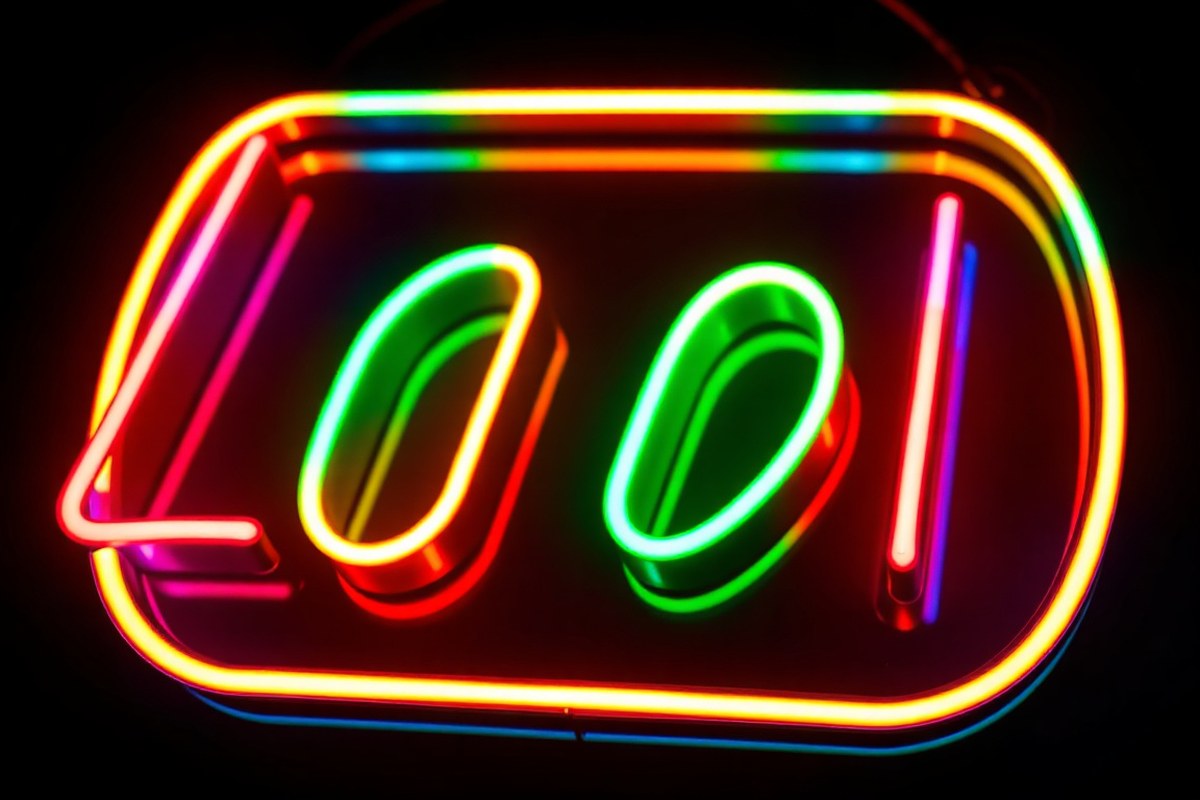
LED signs use light-emitting diodes (LEDs) housed in flexible plastic tubing to create bright, colorful shapes and letters. Unlike traditional neon signs that rely on electrified glass tubes filled with noble gases, LED signs generate light by passing electricity through tiny semiconductor chips. These chips emit light efficiently and evenly inside flexible silicone or PVC tubes that mimic the classic glow of neon without the fragility.
One major advantage of LED signs is their energy efficiency. They consume up to 75% less power than traditional neon glass signs, often using about 150 watts compared to the 400 to 610 watts typical of older neon and fluorescent options. That energy saving happens because LEDs convert most of their electricity into light rather than heat. These signs stay cool to the touch, improving safety for indoor use and reducing fire risk. In fact, LED signs operate on low voltage (12V DC), which adds to their safe profile for homes, businesses, and outdoor environments.
Durability also sets LED signs apart. They are made from resilient materials that can resist weather and physical impact. Traditional glass neon tubes are delicate, heavy, and prone to breaking, requiring costly repairs and careful handling. In contrast, LED neon flex signs weigh about ten times less and can endure exposure to the elements, making them suitable for outdoor use without damage. Their lifespan typically reaches 40,000 to 50,000 hours of continuous operation, translating to five or six years if used nonstop. Some advanced LED neon flex technologies claim lifespans exceeding 100,000 hours.
| Feature | Traditional Neon | LED Neon Flex |
|---|---|---|
| Material | Glass tubes filled with noble gases | Flexible PVC or silicone tubing with LEDs |
| Energy Use | 400, 610 watts | ~150 watts (up to 75% less) |
| Weight | Heavy and fragile | Lightweight, about 10× less |
| Lifespan | 10,000, 30,000 hours | 40,000, 50,000+ hours |
| Safety | High voltage, fragile glass | Low voltage, shatterproof, cool to touch |
| Use | Indoor/limited outdoor with care | Indoor and outdoor weather-resistant |
The way LED signs create light shapes and colors involves arranging rows of LEDs inside flexible tubing that diffuses and smooths the light for a neon-like glow. You can customize these signs with a variety of colors like warm white, red, blue, green, and even pastel pinks. Sizes range from small 12-inch accents to large signs over 10 feet wide. Power options include plug-in adapters compatible with US, EU, UK, and AU outlets, as well as battery-powered versions for portable use.
LED signs generate minimal heat and no noise, factors that extend their lifespan and make them user-friendly. You won’t need the expensive maintenance that glass neon demands, such as gas refilling or fragile tubing replacements. Their low voltage and shatterproof materials also make LED signs a safer choice for both homes and businesses, supporting indoor decoration as well as durable outdoor branding solutions.
Popular LED Sign Types and Their Best Uses
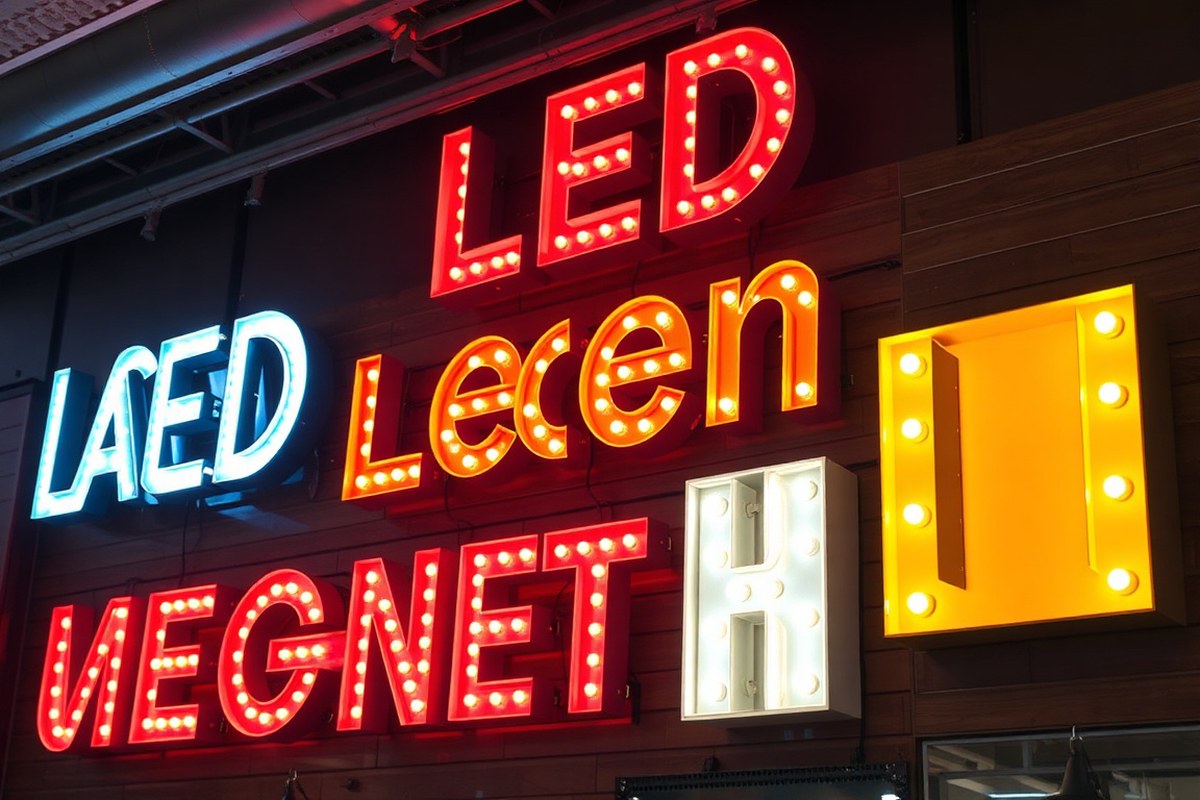
LED flex neon, channel letters, and light boxes each offer distinct design features and applications that fit various settings from home interiors to commercial storefronts. LED flex neon mimics traditional glass neon but uses flexible silicone tubing that houses LED strips. It’s lightweight, available in many colors, and great for indoor and outdoor use. Many choose flex neon for home decor or casual spaces because it creates a soft, colorful glow without heat or fragile glass. It suits wall mounting or even freestanding displays, though large installations may require professional mounting to ensure durability and alignment.
Channel letters are three-dimensional letters or logos illuminated from within, typically used in commercial signage. These letters are usually made from metal or plastic and come with front-lit or halo-lit options. Front-lit channel letters shine directly through the letter face, offering high brightness and visibility, which is essential for storefronts aiming to attract customers day and night. Mounting involves attaching letters individually to a building’s façade or on a raceway, allowing for easy maintenance or updates. Channel letters can vary widely in size, often from 1 to 3 feet tall, depending on local signage regulations and visibility requirements.
Light boxes consist of a rectangular or square frame with an illuminated face that displays a graphic, logo, or text. These signs use LED panels behind translucent acrylic or vinyl faces. Their sleek and minimalist design suits both business and home interiors, making them ideal for branding or decorative purposes. For outdoor use, weatherproof light boxes have sealed frames and durable materials rated for moisture resistance and temperature ranges from -22°F to 122°F. Installation can involve mounting directly to walls or suspending with brackets, with size options from small 12×18-inch versions for home art to large commercial displays.
| Sign Type | Design Features | Brightness | Best Use | Mounting & Size | Outdoor Suitability |
|---|---|---|---|---|---|
| LED Flex Neon | Flexible silicone tubing, multiple colors, soft glow | Medium | Home interiors, cozy spaces, light decor | Wall mount or freestanding; small to medium sizes (~1-4 ft) | Weather-resistant but needs sealed connections |
| Channel Letters | 3D letters/logos, metal/plastic, front or halo lit | High | Commercial storefronts, branding | Mounted individually or on raceway; sizes 1-3+ ft tall | Fully weatherproof, designed for outdoor use |
| Light Boxes | Illuminated panels behind acrylic/vinyl face | Medium to high | Business branding, home art, events | Wall mount or suspended; varies small to large | Sealed and waterproof versions for outdoors |
Choosing the right LED sign depends on your location and purpose. Bold channel letters excel for commercial signage due to their brightness and clear visibility from distance. For home interiors or casual spaces, LED flex neon offers a softer, artistic touch without heat or fragility. Light boxes balance graphic display with illumination, ideal for restaurants, retail interiors, and event signage where branding and style matter.
Size and mounting options should reflect the space and viewing distance. Larger signs need secure mounting systems; raceways for channel letters simplify installation but add depth, while flex neon can be bent and affixed directly to surfaces with clips. Outdoor signs require weatherproof certifications to withstand rain, pollen buildup, and temperature fluctuations. Regular cleaning of outdoor LEDs helps maintain brightness, as silicone tubing can collect dust that dims light output over time.
Ensure outdoor LED signs have fully sealed electrical components and use UV-resistant materials to prevent fading and moisture damage.
Creative LED Sign Ideas for Home Interiors
LED signs add a unique touch to your home interiors by serving as focal art pieces and mood lighting. They work well in living rooms, bedrooms, home bars, and offices when thoughtfully placed and styled. Proper size, brightness, and mounting will make sure the sign improve your space without causing glare or distraction.
Living Room LED Sign Features
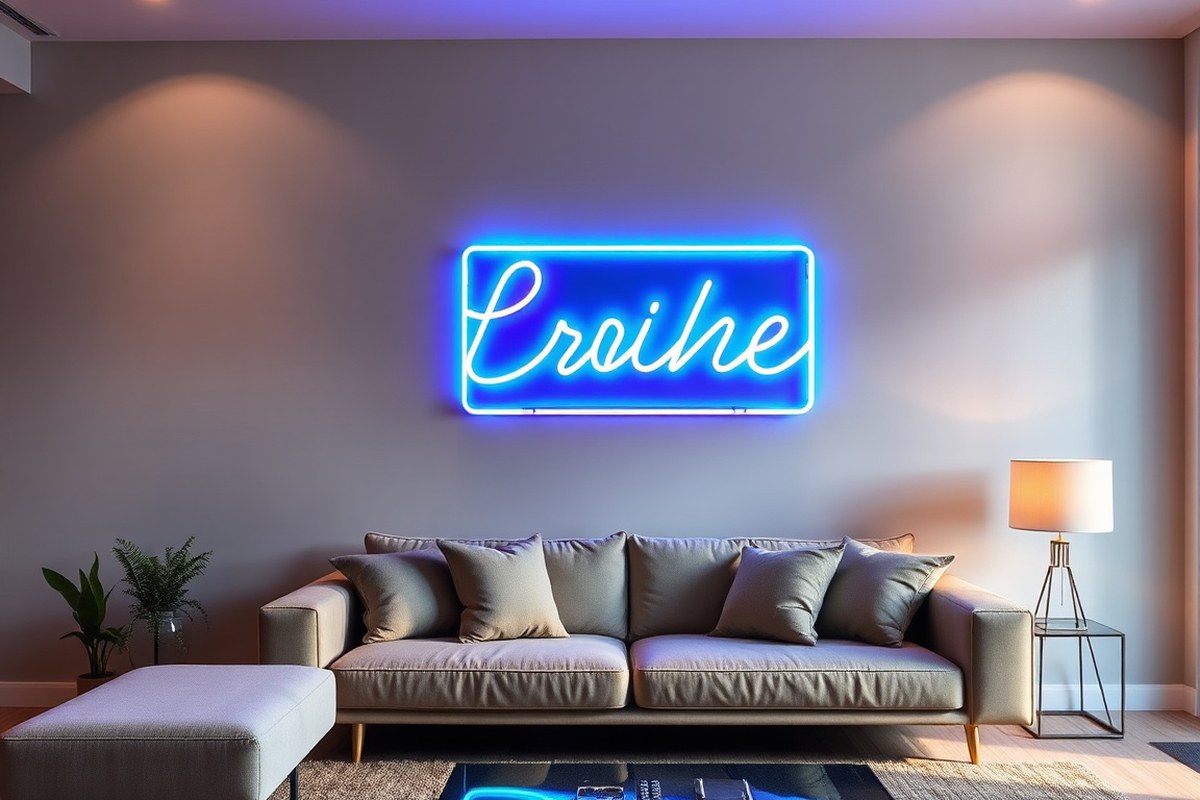
Focus on creating a clear visual anchor in the living room with a bold, medium-to-large LED sign. A sign with modern typography, abstract shapes, or inspirational quotes often suits the communal vibe without overpowering the décor. Locate the sign above the sofa, fireplace, or media console where it naturally draws the eye.
Choose moisture-resistant LED signs if your living room connects to the kitchen or has steam-producing appliances. This avoids premature wear caused by humidity. Opt for signs that plug into wall adapters rather than USB power for consistent illumination appropriate to the room’s size.
Bedroom Sign Placement and Settings
Bedrooms need a softer, more calming glow from LED signs. Mount them on walls away from the bed if brightness ranks higher, or above headboards for a gentle ambient effect. Setting the brightness to about 10-20% at night helps preserve your sleep cycles while adding cozy illumination.
Avoid signs with harsh or flickering lights, as they can disrupt sleep patterns. Consider pairing the sign’s power source with a smart plug to adjust brightness and turn off automatically at bedtime. A silicone-jacketed LED sign ensures durability and a warm light quality for a relaxing atmosphere.
Bar and Gaming Room Sign Ideas
Home bars and gaming rooms allow you to embrace bolder themes and brighter signs. Customizable LED signs with words like “Chill Zone,” “Game On,” or retro gaming icons such as arcade machines and 8-bit characters create an immersive environment. Brands and personalized gamertags also add a fun, personal touch.
Pair LED signs with your smart home lighting system in a gaming room for dynamic effects that change with gameplay or music. Use wall-mounted or shelf-displayed signs sized to balance with other décor and furniture. Prices for small desk or wall signs start around $150, which is affordable for most hobbyists.
- Game-related phrases or icons for a themed vibe
- Bar signs with vintage fonts or neon cocktail images
- Custom gamer tags or team logos
- Dynamic lighting sync with smart home devices
- Durable silicone jacket for long-term use
- Wall mounts or freestanding desk placements
Choose signs that complement your space size and layout while providing enough light to highlight your bar or game setup without overpowering it.
Home Office Motivation Signs
A LED sign in your home office should boost productivity and reflect your professionalism. Simple text like “Focus,” “Create,” or your company’s logo can motivate without distracting. Placement above or near your desk within easy view maintains a professional yet inspiring atmosphere.
Opt for neutral colors like white, soft blue, or gentle green which encourage calm and focus. Position the sign so it doesn’t cast glare on your computer screen or cause eye strain. Use low to moderate brightness indoors, powered by a wall adapter to ensure steady light.
Choosing Sizes and Brightness Indoors
For indoor LED signs, select sizes that fit the wall or space, small signs from 12 to 18 inches wide work well in bedrooms or offices. Medium signs 24 to 36 inches wide suit living rooms and bars. Avoid oversized signs in small rooms as they can overwhelm the space.
Brightness levels between 200 and 800 lumens are generally effective indoors. Keep brightness closer to 200-300 lumens in bedrooms and offices to reduce eye strain, and aim for 400-800 lumens in living rooms or entertainment areas for visual impact. Adjustable brightness settings add flexibility to adapt to different times of day.
Using LED Signs for Business Branding and Marketing
LED signs play a key role in establishing and promoting a business’s brand identity. Through thoughtful design, careful color and font choices, and smart placement, these signs boost storefront visibility and draw customers in. Selecting the right LED technology and design approach ensures your business sign effectively communicates your brand message and stands out in a competitive market.
Designing for Maximum Visibility
The best LED sign designs prioritize clear readability and bold visuals to draw attention from a distance. Shops, cafes, and restaurants benefit from simple, large text that can be seen from across the street. Use sans-serif fonts for easy reading and avoid complex graphics that clutter the sign’s message. A concise business name or slogan works best, ideally no longer than three to five words.
High contrast between the text and background improves legibility at night and in daylight. For example, bright white or neon colors on a dark backdrop make your sign pop. Handcrafted LED neon signs in the USA ensure precise lines and sharp edges, giving your storefront a polished look. CustomNeon.com offers tools to help tailor designs to your space, accommodating wall-mounted or window placement.
Brand Colors and LED Lighting
Matching your LED sign colors to your established brand palette reinforces brand recognition and professionalism. Choose LED colors that complement your logo and other branded materials such as menus, packaging, or uniforms. For example, if your brand uses royal blue and gold, consider LED blues paired with warm white or yellow lights for highlights.
Fonts should reflect your brand personality: script fonts for a cozy café or boutique, sans-serif fonts for modern offices or tech shops. Remember that LED neon signs can replicate a variety of font styles but struggle with very tight angles, so test custom fonts before finalizing. Consistent use of colors and fonts across your signage creates a unified brand impression.
Animated and Multi-Color Sign Options
Dynamic LED signs that use animation or multiple colors catch the eye more effectively than static signs. Businesses looking to promote daily specials, events, or new products can benefit from signs programmed with simple animations such as scrolling text or fading colors. Neon By Design and other vendors offer technology that supports these features.
Design your animation with smooth transitions and limit flashing to avoid distracting passersby or violating local sign ordinances. Multi-color LED designs allow different brand elements, like logos and taglines, to stand out distinctly. Use animation sparingly to maintain a professional appearance and ensure your message always remains clear.
Optimizing Sign Placement
Strategic sign placement is essential to maximizing your LED sign’s marketing potential. Position signs where foot and vehicle traffic are highest, such as near entrances, storefront windows, or above doorways. Height should be approximately between 6 to 10 feet so pedestrians can see the sign comfortably without obstruction.
- Use angled mounting to catch the line of sight of passing pedestrians and drivers
- Ensure signs aren’t blocked by awnings, trees, or other exterior features
- Place LED signs facing main roads or busy sidewalks for maximum exposure
- Consider additional smaller indoor LED signs to reinforce branding inside your space
- Comply with local zoning and signage rules to avoid fines
Lighting conditions play an important role in placement choices. Signs exposed to direct sunlight may need higher brightness settings, while shaded or indoor locations can use softer lighting to create inviting atmospheres.
Ensuring Durability in Commercial Settings
LED signs designed for business use must withstand outdoor elements and constant operation. Durable materials, weatherproof casings, and energy-efficient LEDs ensure long-lasting performance. US-made handcrafted LED neon signs meet high standards for quality and brightness while handling temperatures from freezing to over 120°F.
Regular maintenance includes cleaning the sign’s surface to prevent dirt buildup, checking electrical connections, and adjusting brightness seasonally. Although upfront costs for quality LED signs range from $300 to over $1,000 depending on size and customization, energy savings and durability reduce long-term expenses.
How to Customize and Order Your LED Sign
Customizing and ordering your LED sign involves submitting your design, selecting the right materials, colors, and dimensions, getting a quote, and understanding production and shipping timelines. Clear communication and knowing each step helps ensure your sign fits perfectly and arrives on time.
Design Submission and Approval
Start by preparing your design file or artwork, which could be a logo, text, or a sketch of your idea. Many custom LED sign companies, like MK Neon, offer free 1:1 design services to help refine your concept. You can submit your design through email or an online form, often accompanied by detailed specifications like size and preferred fonts.
Once submitted, the design team will review your artwork and discuss any adjustments needed for feasibility and optimal lighting effect. Approving a digital mock-up before production ensures the final product matches your expectations.
Material and Color Choices
Materials range from flexible neon rope lights to rigid LED tubes, impacting durability and appearance. Common color options include primary hues and pastels, allowing an exact match for business branding or home aesthetic. Size options often range from small desk signs to large wall-mounted pieces, giving you the control to fit your intended space.
Choosing higher-quality materials tends to increase cost but also the sign’s lifespan and safety. Ask for samples or photos of different finishes to visualize the colors and textures.
Production Timeline and Shipping
Production time usually depends on design complexity and size, typically requiring 2 to 3 weeks. Shipping can add 5 to 10 days depending on your location and the shipping method chosen. Some companies provide tracking and updates so you can monitor your order from factory to doorstep.
Planning ahead is important if your sign is for a special event or business launch. Rush orders may be available but often come at a higher price.
- Submit your design file or concept to the sign maker.
- Work with the design team to finalize the digital mock-up.
- Choose your materials, colors, and sign size.
- Request a detailed quote that includes all customization options.
- Approve the final design and place your order.
- Wait for production to complete, then track your shipment.
- Receive and inspect your sign upon delivery.
Warranty and Support Coverage
Most reputable LED sign manufacturers include a warranty that covers defects in materials and workmanship, typically lasting 6 months to 1 year. This protects you against premature failures or color issues. Always check the warranty terms for details on coverage and any necessary maintenance.
Look for companies that offer ongoing customer support, especially if you need help with installation or troubleshooting. Some provide repair services or replacements under warranty, which adds peace of mind.
Estimating Total Custom Sign Cost
Several factors influence the cost: sign size, material quality, color complexity, and any added features like remote brightness controls. Basic small signs may start around $150, while larger, intricate designs run higher.
Ask for a detailed quote early to avoid surprises. Some providers also offer trade or wholesale programs, which can lower the price if you qualify. Keep in mind that premium materials and expedited shipping drive up the total cost.
Plan your budget with a checklist covering sign size, color count, material type, mounting hardware, and shipping fees to avoid unexpected expenses.
Installing LED Signs Safely and Effectively
Installing LED signs properly ensures they look great and stay secure without risking damage or injury. Start by checking what mounting accessories your sign includes, like screws, anchors, and hanging chains. Most LED signs come with mounting kits tailored for straightforward installation, but you might need basic tools like a drill, level, screwdriver, and possibly industrial-grade suction cups for glass mounting.
The best height for mounting varies by location. For general wall installations, place the sign’s center at eye level, about 57 to 60 inches from the floor. Above a bed’s headboard, mount the sign 18 to 24 inches higher than your head when sitting up to avoid accidental contact. Above a bar or in busy spaces, secure signs directly into wall studs to prevent falls, especially since people often reach or lean near these areas.
Hanging signs on glass or ceilings requires special care. Signs that weigh less than 5 pounds can hang safely on window glass using heavy-duty suction cups. Using clear cables and hanging chains avoids the impossibility of mounting directly with wall standoffs on glass. Ceiling installations need to be fastened to structural elements, never just hung from ceiling tiles or grids alone.
Power management is important for both safety and function. Use a properly rated power supply that matches your LED sign’s requirements and keep cords away from wet areas and heavy foot traffic. Some LED signs include remote controls for dimming and color changes, ensure these controls have fresh batteries and keep the remote nearby but out of reach of children.
| Location | Recommended Mounting Height (Center of Sign) | Spacing from Wall (if ceiling or glass-mounted) |
|---|---|---|
| General Wall | 57 to 60 inches from floor | Mounted flush or 1, 2 inches depending on mounting method |
| Above Headboard | 18 to 24 inches above head height when sitting | Flush to wall |
| Above Bar / High Traffic | Mount securely into studs, 60+ inches | Flush or standoff for ventilation |
| Glass | Varies, often eye level | Use suction cups; no direct mounting |
| Ceiling | Depends on ceiling height | Secure to structural grid only |
Follow this installation checklist to keep the process safe and effective:
- Assess your installation surface: Locate studs in drywall for wall mounting or identify structural elements for ceiling hanging. Avoid drywall anchors alone for heavier signs.
- Gather tools and accessories: Have a drill, screwdriver, level, tape measure, mounting hardware, and industrial-grade suction cups if attaching to glass.
- Determine sign placement and height: Use the mounting height table above to measure and mark exact spots for holes or hanging points.
- Prepare power connections: Check that power outlets are nearby and cords will not cross walkways. Test all electrical components before mounting.
- Mount securely: Drill pilot holes if needed, then install anchors or hooks. Hang or fasten the LED sign carefully, ensuring it sits level and stable.
- Connect power and controls: Plug in or insert batteries; test remote control functions like dimming or color changes.
- Inspect installation: Check for loose fittings, cord strain, or unstable hanging points. Correct any issues immediately.
- Maintain safe usage: Keep the sign clean, avoid harsh impacts, and follow manufacturer instructions on brightness and operating times to prevent overheating.
Adhering to precise mounting heights and secure attachments avoids falls or damage while optimizing visibility and ambiance. Using recommended tools and accessories simplifies the process and keeps you safe. Proper power and remote control setup ensures full functionality without electrical risks.
Adjusting Brightness and Color Settings for Ambiance
Dimming your LED sign is essential for creating the right atmosphere, especially in bedrooms or during video calls where full brightness might cause uncomfortable glare. Most LED signs come with remote controls that allow you to adjust brightness easily. Using the remote, you can reduce the intensity to as low as 10-20% of maximum brightness, which softens the light without losing visibility. Look for signs with a feature that controls the glow rate or brightness level, so you can customize the effect precisely for your space.
Color temperature plays a big role in setting mood and function. Warm white tones near 2700K to 3000K create cozy and inviting environments ideal for bedrooms, living rooms, or event spaces where people relax or socialize. These temperatures are also kind to skin tones, important for settings like weddings or video calls where you want natural-looking complexions. Cooler temperatures around 4000K to 6000K promote alertness and focus, making them suitable for work areas, classrooms, or gaming stations where a sharper, more energized feeling is beneficial.
Remote controls are increasingly standard with modern LED signs, offering convenience and versatility in adjusting colors, brightness, and effects without needing direct access to the fixture or a wall switch. Some remotes provide preset modes, color cycling, or the ability to lock in a single hue or brightness level to maintain consistent ambiance. Check that the remote operates smoothly with line-of-sight to avoid delays or interference, and confirm battery replacement options to keep your adjustments easy over time.
To avoid glare and light pollution inside, aim your LED sign at a non-reflective surface and position it so it doesn’t shine directly into eyes or reflective screens. Using dimmers or selecting a lower brightness setting helps prevent harsh light spill, especially at night. Consider pairing your LED sign with bias lighting behind monitors or TVs to balance the light and reduce eye strain during video calls or gaming. Using diffusers or frosted acrylic backing on your sign can also soften the light output, reducing sharp edges and hot spots.
Many LED signs can display multiple colors or dynamic effects through RGB LEDs. This capability allows you to sync colors with your decor or create shifting moods by fading or cycling through selected hues. For example, pairing neon signs with coordinated LED light strips in matching colors can create immersive atmospheres, like outrun pink and cyan for gaming rooms. When programming these effects, use controls to set smooth transitions and verify that the color rendering index (CRI) supports accurate, vibrant color display without washing out your surroundings.
Maintaining and Troubleshooting LED Neon Signs
Cleaning an LED neon sign regularly with a dry microfiber cloth helps maintain its brightness and prevents dullness caused by airborne oils, especially in kitchens or dining areas. Avoid using water or cleaning chemicals, as moisture can seep into the circuitry and cause flickering or permanent damage. For tougher grime, gently blot the surface with a slightly damp cloth and immediately dry it. Regular dusting every two weeks is a practical frequency to keep the sign looking fresh without risking damage.
Common problems with LED neon signs include flickering lights, dimming, or complete outages. Flickering often points to moisture entering the power supply or loose wiring. Testing the sign during a light rain using a safe GFCI outlet can indicate moisture issues. Dimming over time could signal an aging power supply or LED degradation. Check connections and power cables first; replace any frayed or damaged parts. The power supply might need to be replaced if the sign still doesn’t respond after these troubleshooting steps. Signs of a failing power supply include inconsistent light output, burning smells, or the sign not powering on at all.
Deciding between repairing or replacing parts depends on the issue’s scope and cost. Minor issues like loose connections or damaged cables are often worth fixing, which may cost $10 to $50 depending on parts and tools. Repairs to internal circuitry or the LED strips themselves generally require professional help and might be cost-prohibitive. Power supplies, a common failure point, typically cost $30 to $100 to replace. Replacing the entire sign could be a better option for durability and performance when several LED sections fail or if the sign shows significant signs of aging.
Protect your LED neon sign by keeping it out of direct sunlight, moisture, and temperature extremes. Handle flexible LED strips gently to avoid bending or twisting, and use a power supply that matches your local voltage. Adding a dimmer switch between the power supply and sign lets you adjust brightness while reducing power load. Conduct yearly checks on wiring and connections to spot problems early and maintain reliability. With proper care, quality LED neon signs can last approximately 100,000 hours, minimizing replacement needs.
Test your LED sign’s power supply during a light rain using a GFCI outlet to safely detect moisture-related flickering before serious damage occurs.
Step-by-Step Action Plan for Your LED Sign
Follow these steps to get your LED sign up and running smoothly, whether for home or business use.
- Before You Start: Choose the right LED sign type and design that fits your space and purpose. Confirm this by visualizing the size and message in your setting.
- Day 1: Customize your sign through a reliable supplier, selecting colors, fonts, and brightness levels that match your branding or décor style. Ensure you receive a proof or mock-up before production.
- Week 1: Arrange for professional installation or follow safety guidelines for a DIY setup, making sure your sign is securely mounted and all electrical connections are safe.
- After Installation: Adjust the brightness and color settings to create the desired ambiance or visibility in your space. Test various settings until you find the optimal look.
- Week 2: Monitor the sign for any flickering or dimming, and consult troubleshooting tips if you notice issues. Confirm consistent performance over several days.
- Ongoing: Clean the sign regularly with a soft cloth and check connections periodically to maintain brightness and prolong lifespan. Schedule quarterly maintenance checks.
Frequently Asked Questions
What Are Some Unique LED Sign Ideas for Themed Parties?
Use LED neon signs shaped like game controllers, arcade machines, or 8-bit characters to match a gaming theme; these signs add vibrant, eye-catching decor that improve your party’s mood and invites fun.
Can LED Signs Be Used Outdoors in Extreme Weather?
Yes, but choose waterproof, weather-resistant LED signs designed for outdoor use; proper installation away from direct exposure to severe elements helps extend sign life.
How Does LED Sign Placement Affect Visibility?
Optimal placement considers eye level, lighting conditions, and foot traffic patterns to maximize visibility; placing signs where people naturally look increases effectiveness.
Are There Energy Savings with LED Signs Compared to Traditional Neon?
LED neon signs consume about 150 watts, significantly less than 400-610 watts used by traditional neon or fluorescent signs, saving energy and lowering electricity costs.
Can LED Signs Be Programmed for Dynamic Messaging?
Many modern LED signs support programmable features allowing you to change text, colors, and brightness to convey timely information or promotions that grab attention quickly.
What Materials Are Commonly Used for Customizing LED Neon Signs?
Flexible silicone tubing filled with LEDs and mounted on acrylic backings are common; these materials ensure durability, brightness, and ease of installation for custom designs.
The Bottom Line
LED signs offer flexible, energy-efficient solutions for personal and professional spaces, delivering clear messages and style. Start by picking a design that fits your environment, then move carefully through customization, installation, and setup. This focused approach helps you enjoy eye-catching LED signage that performs reliably and looks great.