Do Car Magnets Damage Paint? A Complete Guide to Safe Use and Protection
Do car magnets damage paint? Generally, they do not when used correctly. Most paint damage linked to magnets comes from grit or improper handling, not the magnet itself. Starting with clean, dry paint and a smooth magnet back helps keep your vehicle safe.
Key Takeaways
- Always clean the car surface and magnet before applying to avoid scratching from trapped dirt.
- Remove magnets regularly to check under the edges for moisture or dirt buildup that can cause damage.
- Store magnets flat indoors when not in use to prevent warping and loss of magnetic strength.
- Use magnets with a smooth rubber backing to minimize abrasive contact with the paint.
- Avoid placing magnets on repainted or wrapped areas to prevent peeling or lifting.
- Be cautious in hot climates where sun-baked magnets can trap heat and degrade paint finish.
Do Car Magnets Damage Vehicle Paint?

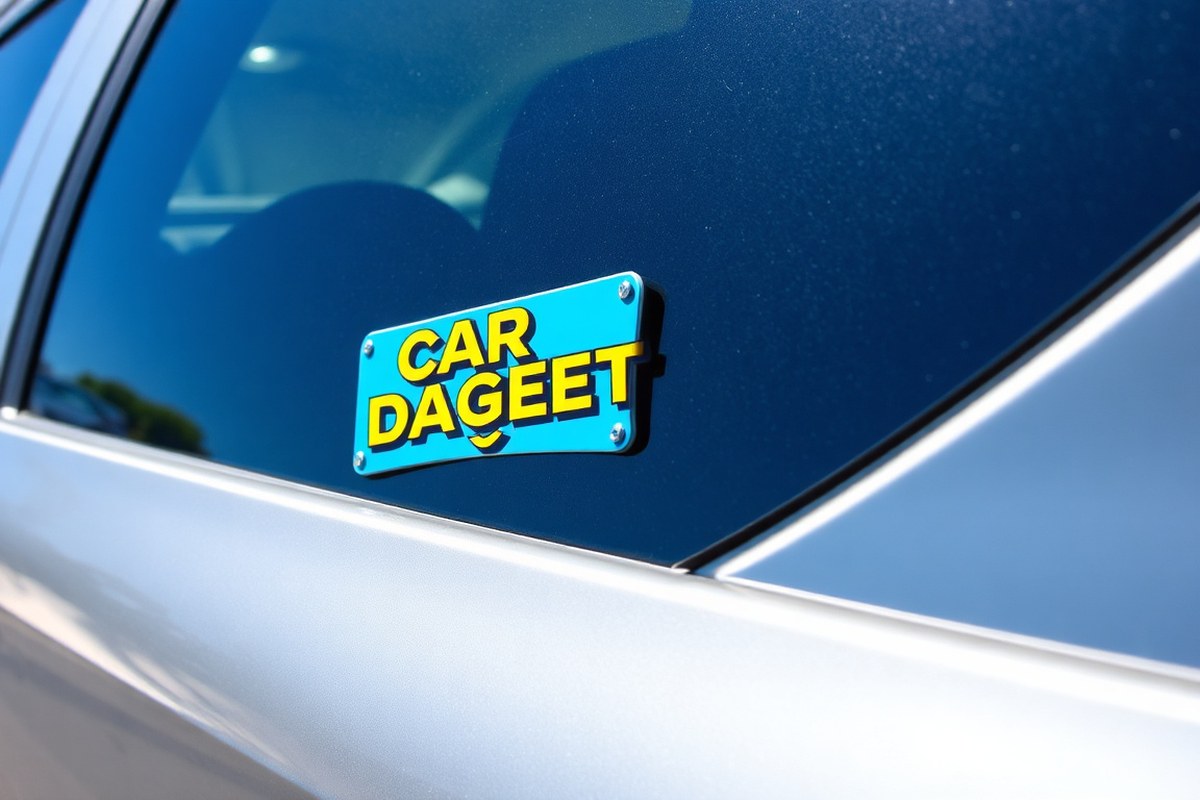
Car magnets generally do not damage your vehicle’s paint if you use them correctly. They rely on magnetic force to stick to the metal surface without the need for adhesives or fastening devices that could scratch or chip the paint. For most modern vehicles with factory paint, magnets are safe because the paint is tough enough to handle the gentle pressure and does not interact chemically with the magnet material. Damage becomes unlikely when magnets are kept clean and are repositioned or removed regularly to avoid trapping dirt or moisture.
Minor scratching can occur, but it’s usually due to dirt or debris caught between the magnet and paint, not the magnet itself. When dirt particles act as abrasives, they create tiny scratches as the magnet moves or vibrates while driving. To prevent this, you should wipe both the magnet’s surface and the car panel with a soft cloth before attaching the magnet. If your magnet isn’t strong enough and falls off while driving, the impact or dragging of the magnet can cause paint damage, so choosing a magnet with an appropriate magnetic strength is important to reduce this risk.
Leaving magnets in place for long periods, especially in wet or humid weather, can trap moisture underneath. This moisture can lead to the formation of rust on exposed metal or cause discoloration on certain paint finishes. Although modern paint jobs include protective clear coats and rust inhibitors, moisture trapped by magnets might undermine these protections over time. It’s recommended to remove or reposition magnets daily or every few days to allow the paint surface to dry and breathe. This practice helps avoid staining and rust-related damage.
Paint that is already compromised by chips, scratches, peeling, or bubbling is more vulnerable when magnets are applied. In such cases, magnets might worsen the existing damage or cause the weakened paint to flake off. Using magnets on repainted, custom-coated, or wrapped vehicles can also increase the risk of damage since these finishes might react differently or have weaker adhesion. Checking the condition of your paint and consulting your vehicle’s warranty terms regarding magnet use is advisable because paint damage from magnets is usually not covered under standard warranties.
Most users report that proper use of car magnets does not cause noticeable paint damage. This involves keeping surfaces clean from dirt and debris, selecting quality magnets with sufficient holding power, avoiding prolonged placement in one spot, and using caution on older or damaged paint. When these steps are followed, you can advertise or decorate your vehicle safely with magnets without harming the paint job. Problems tend to arise mainly from neglecting these precautions rather than an inherent flaw in the concept of using car magnets on painted surfaces.
How Do Car Magnets Attach and Interact with Paint?

Car magnets stick to vehicles through magnetic attraction between the magnet and the metal underneath the paint. The surface must contain ferrous metal, such as steel, for the magnet to hold firmly. Paint layers themselves do not have magnetic properties, so they don’t attract or repel the magnet. Instead, the magnet’s force passes through the paint, pulling against the metal substrate.
Paint thickness can slightly reduce a magnet’s grip. Typical automotive paint layers are thin, measured in mils (thousandths of an inch), usually between 2 to 5 mils thick for single coats but sometimes heavier with clear coats or texture. This paint creates a small physical gap between the magnet and metal. While small, this gap can weaken the magnetic field’s direct pull and thus reduce adhesion. The effect is generally minor; magnets still stick well on clean, smooth paint. However, thick or textured paint, like on some custom finishes, adds more distance and lessens the magnet’s grip noticeably.
Magnets do not stick to non-metal or plastic parts of vehicles. Components made of aluminum, plastic, or composites lack the ferrous content that magnets attract. For example, aluminum panels common on some modern cars or plastic bumpers won’t hold a magnet at all. This is important to know so you don’t mistakenly place magnets where they will fall off, which risks damage from scratching and potential loss of the sign or decoration.
Before applying a car magnet, always clean both the magnet’s surface and the car’s paint thoroughly to remove dirt and grit. This practice minimizes the risk of scratches and dull spots when the magnet adheres. Dirt trapped between the magnet and paint can act like abrasive particles. A clean, dry surface maximizes contact between magnet and metal through the paint layer, ensuring stronger adhesion without harm to the paint.
Extremes of temperature and humidity do not affect the magnetic attraction but can influence the paint’s condition underneath. Heat and moisture may soften paint or cause oxidation, especially if it is old, chipped, or poorly maintained. Magnets placed on such compromised paint can cause or reveal damage more easily because the protective layer is weaker. On new and properly maintained paint, the impact is minimal.
Always place magnets on smooth, clean metal panels, not plastic or aluminum parts, and remove them regularly to preserve your paint finish.
Common Causes of Paint Damage Linked to Car Magnets
Paint damage linked to car magnets usually comes from factors around the magnet, not the magnet itself. Dirt and small grit particles trapped under the magnet can scratch your paint when you move or remove the magnet. Over time, these tiny scratches accumulate and dull the paint finish.
Moisture is another common issue. If water gets trapped between the magnet and the vehicle’s surface, it can cause localized rust or paint bubbling, but only if the paint is already weakened or chipped. Moisture left in place for days or weeks, especially in humid or rainy conditions, increases this risk. Removing the magnet regularly to dry and check the surface helps avoid damage.
Sun exposure also plays a role. Leaving a car magnet in one place for weeks or months under direct sunlight can block UV rays on the covered paint area. The surrounding exposed paint will fade normally, while the covered area may stay closer to the original color. This creates uneven paint fading, which appears as a noticeable patch when you remove the magnet. Take these actions to reduce paint damage risks:
- Clean both the magnet and car surface thoroughly before applying to prevent trapping dirt or grit.
- Remove the magnet regularly to check for moisture and let the area dry.
- Avoid leaving magnets on your car for several weeks at a time, especially in harsh weather or hot sun.
- Store magnets indoors or in a dry place when not in use to prevent moisture buildup.
- Refrain from using harsh chemicals or abrasive cleaners on the magnet or paint surface.
- Inspect paint condition before applying magnets, especially on older vehicles or those with chipped paint.
Ignoring these steps, especially cleanliness and moisture control, tends to cause the most paint damage. A magnet alone won’t cause rust unless it traps water against compromised paint. Likewise, uneven fading from sun exposure requires prolonged blockage, not quick uses. Regular care and short-term magnet use minimize these risks and keep your paint in better shape.
Best Practices to Prevent Paint Damage When Using Car Magnets
Proper care when using car magnets involves cleaning both surfaces, inspecting the magnet condition, and careful attachment and removal. These steps help avoid scratches, abrasions, or paint stains caused by dirt, debris, or prolonged adhesion. Following a regular routine protects your vehicle’s paint and maximizes the magnet’s lifespan.
Cleaning the Car Surface Correctly
Begin with a clean, dry vehicle surface to reduce the risk of scratches from trapped dirt. Avoid harsh chemicals like gasoline or brake fluid that degrade the wax layer protecting your paint. Clean the area with mild soap and water or a cleaning product made for automotive paint before applying the magnet.
Dry the surface thoroughly with a microfiber cloth to prevent trapped moisture underneath the magnet. This preparation ensures the magnet adheres properly and prevents dirt or grit from abrading the clear coat.
Proper Magnet Inspection Before Application
Examine the back of the magnet closely to remove dust, dirt, or small debris. Clean the magnet with a soft cloth and mild soap, rinsing thoroughly, then dry completely before placing it on the car. Even tiny particles can cause scratches if pressed between the magnet and paint.
Check the magnet for any signs of rust or damage, which could hold moisture against the paint or cause uneven pressure. A clean, smooth magnet backside creates a stable, safe contact with the vehicle.
Safe Steps to Attach and Remove Magnets
Follow these steps to apply and remove your car magnet safely. Frequent repositioning every few days helps prevent marks or fading in one place and allows for routine cleaning of both surfaces.
- Wash and dry your hands to avoid transferring oils or dirt to the magnet or car surface.
- Remove dust or dirt from the magnet and car surface using a clean microfiber cloth.
- Place the magnet gently onto the vehicle surface without sliding it to avoid abrasion.
- Press firmly on the magnet’s edges and center to ensure the entire surface sticks evenly.
- Check that the magnet is secure but not applying uneven pressure or flexing in the wind.
- Remove the magnet by lifting one corner carefully; avoid scraping it across the paint.
- Clean both the magnet and the car surface after removal to prepare for the next use.
- Store the magnet flat in a dry, clean location to avoid warping or collecting dirt.
How Environmental Factors Affect Car Magnet Safety
High temperatures can soften automotive paint and adhesives, making the surface more vulnerable to damage from car magnets. When the metal magnet heats up in direct sunlight, it expands slightly and may grip unevenly, increasing pressure points that can leave marks or indentations. This effect grows in hot climates or during summer months when temperatures often exceed 90°F. You should remove magnets periodically to let the painted surface cool and breathe, especially if you park your car outside for hours under the sun.
Humidity also plays a significant role by trapping moisture between the magnet and the vehicle’s paint. This trapped moisture can stay for days if the magnet isn’t removed regularly, leading to water spots or, worse, accelerated rusting if the paint has tiny chips or scratches beneath. In areas with frequent rain or coastal climates with salty air, this risk rises considerably. Checking the paint underneath your magnet on a weekly basis helps catch any water buildup early and limits prolonged exposure.
Extreme weather conditions, such as freezing cold or intense UV exposure, affect both the paint and the magnets. Cold weather can cause the magnet to contract, possibly loosening its grip, while UV rays break down paint layers over time, making chips more common around the magnet edges. In climates with wide temperature swings between day and night, alternating expansion and contraction cycles add stress to both materials. Avoid leaving car magnets on for more than a week in these conditions and store magnets indoors when not in use to prolong their lifespan and protect your paint.
Leaving a magnet on a car in any climate without regular removal is risky. After about a week in hot or humid environments, the chances of paint blemishes and rust spots increase. In dry, mild climates, you might extend this period to two weeks, but consistent inspection is always safer. Cleaning the car and magnet surfaces before application reduces trapped dirt and moisture, making a cleaner seal and minimizing damage risks regardless of weather.
Regularly removing and inspecting car magnets, ideally every few days in hot or humid conditions, prevents moisture buildup and paint damage.
Choosing and Maintaining Magnets Suitable for Vehicle Paint
Choosing the right car magnet and caring for it properly helps keep your vehicle’s paint safe. Differences in magnet material, flexibility, and maintenance routines affect how gently a magnet interacts with your paint. The better your magnet’s quality and storage, the lower the risk of scratches, fading, or paint lifting.
Magnet Material Types and Paint Safety
Magnets come in various materials, each offering different strength levels and surface characteristics that influence paint safety. Flexible rubberized magnets are commonly used for vehicle signs because they conform to curved surfaces and spread magnetic force evenly. This reduces localized pressure points that could harm paint.
Hard magnets, such as ceramic or neodymium types, have much stronger magnetic force but usually lack flexibility. They tend to be heavier and less adaptable to vehicle contours, increasing the risk of paint dents or scratches if the magnet shifts or bumps during driving.
Rubber-coated or vinyl-faced magnets provide a smooth, nonabrasive surface that minimizes friction and prevents the magnet’s metal from contacting the paint directly. This coating is essential to protect the finish, especially on older or softer paint.
Impact of Magnet Flexibility and Thickness
Flexible magnets that are at least 0.06 inches (1.5 mm) thick strike a good balance between magnet strength and gentle attachment. Thinner magnets may not hold well or could deform unevenly, leading to edges that lift and scrape paint. Thicker magnets offer more durability and better coverage on uneven surfaces.
Flexibility allows the magnet to sit flush against the car’s metal panel, avoiding pressure spots that might cause paint damage. Rigid or brittle magnets might rock or shift, which puts stress on the paint, especially when the vehicle is in motion or parked on a slope.
Storage Tips to Preserve Magnet Condition
Proper storage keeps your magnet clean, flat, and ready for safe use. Dirt and grit trapped between the magnet and paint surface cause scratches. Always wipe the magnet’s contact side with a soft cloth before applying it to your vehicle.
Store magnets flat on a hard surface, away from moisture and extreme temperatures. Rolling or folding a magnet damages its structure and can create permanent bends or cracks, increasing the chance of paint damage. If you park your vehicle for several days, remove the magnet and store it flat to avoid paint discoloration or adhesive transfer.
| Magnet Feature | Recommended Specification | Effect on Paint |
|---|---|---|
| Material | Flexible rubber or vinyl-coated | Soft surface reduces abrasion and scratches |
| Thickness | At least 0.06 inches (1.5 mm) | Prevents bending and uneven pressure |
| Flexibility | High (conforms to curved panels) | Ensures even contact and reduces paint stress |
| Storage | Flat, clean, dry environment | Maintains magnet shape and cleanliness to avoid paint damage |
| Cleaning before use | Wipe with soft cloth | Removes dirt that can cause scratches |
| Removal duration | Remove if parked >2 days | Prevents paint discoloration and adhesive transfer |
Following these material and care guidelines extends your magnet’s lifespan and keeps your vehicle’s paint intact. Poor magnet quality or improper storage raises the chances of damage, which can lead to costly repairs or loss of vehicle value.
When Common Mistakes with Car Magnets Cause Paint Damage
Mistakes like dragging dirty car magnets or leaving them on too long can cause paint scratches, fading, or even rust spots. Recognizing these signs early helps prevent worsening damage, and addressing minor issues promptly can restore your vehicle’s appearance.
Identifying Paint Damage Symptoms Early
Paint damage from magnets often starts as dull spots where the magnet sits, caused by loss of clear coat shine or minor scratches. Dirt trapped between the magnet and paint roughens the surface, sometimes leaving visible abrasion marks. Over time, these areas can collect water spots or even rust if paint chips expose metal underneath.
You should regularly inspect the magnet’s placement spot, especially after removing magnets left on for days or weeks. Use a bright light and clean cloth to check for changes in gloss or light surface scratches. Catching these signs early allows you to address the problem before rust or stains develop, which require more extensive repairs.
Fixing Minor Scratches and Dull Spots
Small scratches and fading from car magnets usually don’t need professional paintwork but do require care to restore smoothness and shine. Avoid harsh abrasives that worsen damage or remove too much clear coat. Polishing compounds or clear coat restorers designed for automotive use work best to gently even out the surface. Follow these steps to fix minor paint damage from magnets:
- Clean the affected area thoroughly with automotive soap and water, removing all dirt and magnetic debris.
- Dry the surface with a soft microfiber cloth to avoid adding more scratches.
- Apply a small amount of a polish or clear coat restorer with a foam applicator pad following the product instructions.
- Buff the treated area gently in circular motions until the dull spot fades and the paint regains shine.
- Wipe off any excess polish using a clean microfiber cloth.
- Optionally, apply a high-quality automotive wax to protect the area and seal the clear coat.
Costs for polish and wax range from $10 to $30 per product. Doing this every few months helps maintain the finish, especially if you use magnets frequently. If scratches are deep or rust has started, consult an auto paint specialist.
Avoiding Repeated Damage with Proper Habits
Prevent paint damage by handling magnets carefully and cleaning both surfaces regularly. Dragging a magnet across paint grinds dirt particles into the surface, creating scratches. Removing and replacing magnets smoothly without sliding preserves the paint’s clear coat.
Clean the magnet and car surface before each use with mild detergent and water. Avoid leaving magnets stuck for long periods; reposition or remove them at least every 24 to 48 hours. Magnetic adhesives can trap moisture, accelerating paint deterioration if left too long. Gentle, regular cleaning and careful placement reduce the risk of water spots, staining, and paint fading, maintaining your vehicle’s appearance and resale value.
Special Cases: Magnets on Repainted, Wrapped, or Leased Cars
Leased vehicles often come with restrictions on modifications, including magnetic signs. Since you return the vehicle in good condition, any dents, scratches, or peeling paint linked to magnet use can lead to charges. Leasing contracts or company policies sometimes explicitly mention magnetic accessories, so reviewing these documents before applying magnets is important. When allowed, follow the same precautions as with repaint or wrapped cars, and document your car’s condition before and after using magnets with photos to support your case if disputes arise. Manufacturers usually do not impose direct restrictions on magnets since magnets don’t require permanent attachment and don’t alter the vehicle’s structure. However, they design factory paint and clear coats to specific standards, not accounting for magnets placed unevenly or left for long periods. This means paint damage due to magnets is possible if not monitored. Some aftermarket vehicle wraps have manufacturer warranties that void if magnets or adhesives cause damage. Confirm any relevant warranty terms before applying magnets to these surfaces. Make sure to clean the magnet and your vehicle’s surface thoroughly before attaching the magnet to prevent dirt and grit from causing scratches or damage.
Step-by-Step Action Plan for Using Car Magnets Without Damaging Paint
Follow these steps to protect your vehicle’s paint while using car magnets effectively for advertising or decoration.
- Before you apply: Clean and dry the vehicle surface thoroughly to remove dirt and debris that might scratch the paint. Check the magnet’s edges for damage or rust to prevent gouging.
- Day 1: Position the magnet carefully on a smooth, flat metal area, avoiding curves and edges where pressure can concentrate. Press gently to secure it and make sure it lies flat.
- Week 1: Remove and reposition the magnet daily to avoid prolonged moisture buildup underneath. Inspect the vehicle paint for any signs of discoloration or damage after each removal.
- Ongoing: Wipe both the magnet and the vehicle surface before reapplying to avoid trapping dust or grit. Store magnets in a dry place when not in use to prevent rust and adhesive breakdown.
- Monthly: Inspect the paint surface carefully for scratches or fading, especially if the vehicle is exposed to sun or moisture frequently. Replace any magnets showing wear or damage immediately.
- Before winter/storage: Remove all magnets and clean the surface thoroughly. Avoid leaving magnets on a wet or icy vehicle surface to prevent moisture-related paint damage.
Frequently Asked Questions
Can Car Magnets Void My Car’s Paint Warranty?
Most warranties don’t cover paint damage from magnets, so check your policy before use. It’s best to confirm with your dealer to avoid surprises.
How Long Can I Leave a Magnet on My Car Without Risking Damage?
Leaving a magnet on for short periods is safer; prolonged use might trap moisture and dirt, increasing the risk of paint issues. Removing it daily helps protect your paint.
Does Temperature Affect the Safety of Car Magnets on Paint?
Extreme heat or cold can impact magnet adhesion and cause condensation, which may lead to paint problems. Avoid placing magnets in harsh weather for long durations.
Can Dust or Dirt Trapped Under Magnets Scratch My Paint?
Yes, particles under the magnet can cause small scratches when moved. Clean your car and magnet surfaces before applying them.
Are Certain Paint Finishes More Vulnerable to Magnet Damage?
Soft or recently applied paint, such as freshly repainted areas, is more at risk. Wait for paint to fully cure before attaching magnets.
Are Car Magnets Safe on SUVs or Trucks with Textured Paint?
Textured paint may reduce magnet grip, causing magnets to fall off and potentially scratch paint on impact. Use magnets designed for textured surfaces.
Wrapping Up
Car magnets generally do not damage vehicle paint when used properly on smooth, undamaged surfaces. Taking care to clean surfaces, avoid edge placement, and prevent moisture buildup minimizes risk. Start by inspecting your magnets and your vehicle’s paint condition, then apply the magnet gently and monitor regularly. Protecting your vehicle’s finish keeps your advertising effective and your paint looking good for years.