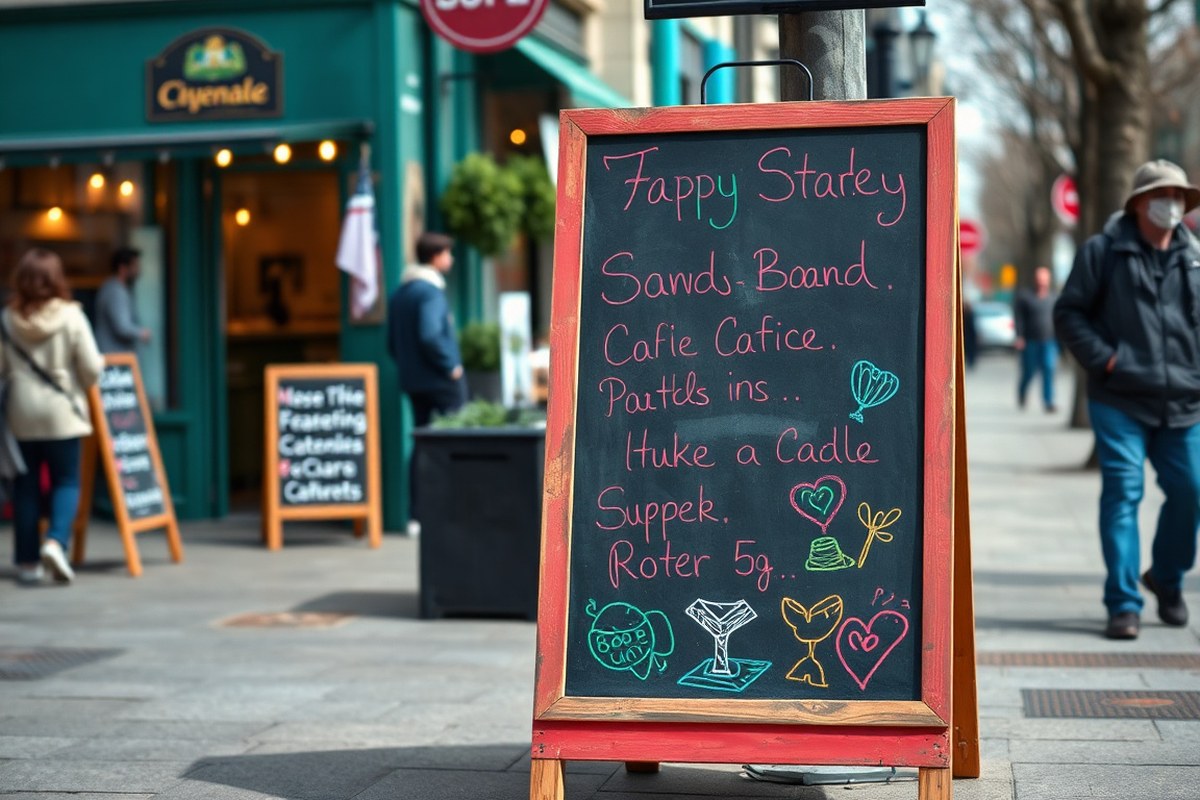
Funny Sandwich Board Ideas That Attract Customers with Creative Humor
Funny sandwich board ideas grab attention and boost foot traffic by using clever humor that connects with passersby. To work well, the humor should be relatable, simple, and aligned with your brand. Start by choosing a joke or pun that fits your business and keeps the message clear and approachable.
Key Takeaways
- Use puns and wordplay that relate directly to your menu or services for instant connection.
- Incorporate 3D foam or wooden letters to add visual interest and make your message stand out.
- Keep jokes short and easy to understand to avoid confusing or alienating customers.
- Match humor tone to your audience, friendly and lighthearted wins over edgy or controversial.
- Update boards seasonally or around events to keep content fresh and topical.
- Place sandwich boards where foot traffic is highest to maximize visibility and engagement.
Creative Funny Sandwich Board Ideas That Grab Attention

Funny sandwich board ideas work best when they quickly catch the eye and deliver a memorable punchline related to your business. Humor grabs attention by breaking the usual pattern people expect, increasing the chances they’ll stop, read, and even share your message. For example, a cafe might use “Espresso yourself before you wreck yourself” to appeal to coffee lovers with a quick joke. This type of message is short, relevant, and encourages a smile, making it more likely potential customers will remember your brand and come inside.
The key to effective funny sandwich boards is to keep messages brief while highlighting something unique about your business. Using simple puns, playful industry references, or clever rhymes can work well. Different businesses benefit from different humor styles: restaurants might tease about specials or ingredients, bars could joke about happy hour or cocktails, while retail stores might play on popular trends or products.
- Use puns related to your core offerings, like “Lettuce turnip the beet” for a salad bar or juice cafe.
- Showcase daily specials with a twist, such as “Nacho average taco Tuesday” for Mexican restaurants.
- Make pop culture references that fit your clientele, e.g., a movie-themed bar could say, “May the froth be with you.”
- Incorporate playful challenges like “Bet you can’t say no to our fries” for casual dining spots.
- Highlight value with humor: “Our coffee prices won’t espresso your wallet.”
- Use rhymes or wordplay to create rhythm and stickiness, important since readers scan quickly.
- Add simple, relevant images or art that align with the joke to improve impact.
Humor on sandwich boards is effective because it taps into positive emotions, making customers more receptive to your message. Frequent rotation of these funny messages can maintain interest and keep regular passersby engaged. Avoid overly complicated jokes that take too long to get or might confuse your audience. A well-timed chuckle at your sign can increase foot traffic and word-of-mouth buzz, especially when combined with great service and tasty offerings.
How to Use Humor Effectively Without Offending Customers

Using humor on sandwich boards can attract attention and create a memorable experience for customers, but it requires a careful balance to avoid offending anyone. Begin by choosing a tone that matches your business’s brand and audience, lighthearted jokes or puns work well for cafes, bars, and casual restaurants. Avoid language or topics that target sensitive subjects like race, religion, gender, or politics, as these can alienate or upset potential customers.
Test your messages with a small group of trusted staff or regular customers before displaying them publicly. Ask for honest feedback on whether the humor feels friendly and inclusive, or if it risks causing misunderstandings. This scouting phase can save you from costly backlash or a damaged reputation, especially in more diverse or formal settings. Simple wording tweaks or substituting offensive words with neutral ones often resolve potential issues easily.
Keep your jokes clear and easy to understand. Humor that relies on complicated references or wordplay might confuse rather than amuse passersby, reducing the sign’s impact. Use legible handwriting or clear fonts, and place your sandwich board in a well-lit, eye-level spot so your message is read as intended.
Monitor customer reactions after launching a new humorous message. If you receive negative feedback, respond promptly with respect and humility. Consider temporarily removing the sign or changing the message while you evaluate the concerns. Having a quick statement prepared can help maintain your business’s positive image, such as “We appreciate your feedback and aim to keep everyone smiling.”
The cost of testing and adjusting your humor on sandwich boards primarily involves time spent gathering input and redesigning signs if needed. Velcro-friendly boards with swappable messages can reduce both time and material costs by allowing quick updates without crafting a new sign each time. This flexibility makes it easier to experiment safely with different jokes and find what clicks with your customers.
Good results of well-handled humor include increased foot traffic, social media shares, and a fun atmosphere that encourages repeat visits. However, poorly executed humor can lead to lost customers and damage to your brand. Remember, a successful sandwich board joke makes people chuckle, feel welcomed, and want to engage with your business, not feel uncomfortable or excluded.
Always test your humor on a small group before displaying it publicly to avoid unintentional offense and protect your brand’s reputation.
Design Techniques for Eye-Catching and Memorable Boards
Designing a sandwich board that grabs attention and sticks in customers’ minds requires careful choices in fonts, colors, layout, and materials. Each element supports readability, highlights humor, and withstands outdoor conditions to keep your message clear and engaging.
Choosing Readable Fonts and Colors
Use fonts that are bold and simple to read from a distance. Sans-serif fonts like Arial, Helvetica, or Futura work well for clarity. Avoid complicated or overly decorative fonts that slow down quick reading. Keep font size large, generally at least 3 inches tall for main headlines, to catch the eye of passersby within 10 to 15 feet.
High contrast between the text and background color boosts visibility. Dark text on a light background or white text on a dark background works best. Bright colors like red, yellow, or neon green can emphasize key words or jokes but should not overwhelm the entire board.
Incorporating 3D and Tactile Elements
Add texture or three-dimensional features to create memorable and creative boards. Raised letters or small props attached to the board can draw customers’ eyes and invite interaction. Examples include attaching mini sandwich replicas, a small chalkboard for live updating specials, or strings of mini lights around the edges for evening visibility.
Using objects or materials related to your menu, for instance, a tiny cutting board or faux pickles, helps reinforce your message and adds a playful touch that fits the niche. Keep 3D items weatherproof or easy to remove if exposed to rain or wind.
Balancing Text and Visuals for Quick Understanding
Limit the total word count to 10 to 15 words. Busy boards cause slow reading and lose potential customers. Use short, punchy phrases or puns for humor paired with simple visuals like icons or photos of menu items. Placing a clear image of a new or featured item helps attract attention and makes your message obvious without reading.
Use a structured layout with a strong headline, a complementary visual, and a short call to action or funny tagline. Leave space around text and images so nothing feels cramped. People typically spend 2 to 3 seconds glancing at sandwich boards, so your design must communicate quickly.
- Headline font size: 3+ inches tall
- Subtext font size: 1.5 to 2 inches tall
- Use 1-2 colors for text, plus 1 background color
- Include 1 clear, related image or icon
- Keep total word count under 15 words
- Use bullet points or spacing to separate ideas
- Place humor close to images to reinforce it visually
Following a checklist like this helps maintain a balance that boosts readability and captures humor in a glance.
Selecting Durable Materials for Outdoor Use
Use weather-resistant boards made of materials like treated wood, plastic composites, or metal to withstand wind, rain, and sun exposure. High-quality chalkboards with sealant or waterproof dry-erase boards allow you to update your message without damage. Using waterproof ink or paint is essential to avoid fading and smudging.
Choose lightweight but stable boards that won’t tip over easily in wind but are portable enough to bring indoors overnight. Some sandwich boards feature rubber feet or weighted bases for extra stability. Monitor the board regularly to fix wear and tear quickly and maintain a fresh look that draws customers every day.
Seasonal and Event-Based Sandwich Board Humor Ideas
Using seasonal and event-based humor on your sandwich board helps your message feel timely and relatable. It connects with customers who are already thinking about holidays or local events. This relevance can encourage foot traffic and boost sales during key periods. For example, a cafe might promote hot chocolate specials during winter holidays with a playful joke about cold weather woes.
Updating your sandwich board according to seasons or events can keep your messaging fresh and aligned with customers’ interests. Ideally, change your board at least once a month, or more frequently if major local events or holidays occur. For instance, swapping messages every two weeks in December around Christmas and New Year’s captures holiday shoppers who respond to festive humor.
Here’s a table showing useful timing and messaging suggestions based on common seasons and special events. Tailoring messages to local traditions or community happenings increases their impact. Costs mainly involve your time or paying a designer for fresh layouts, plus any materials like chalk or markers if you write by hand.
| Season/Event | Message Timing | Example Message | Why It Works |
|---|---|---|---|
| Winter Holidays | Mid Nov to Dec 31 | “Warm up with our cocoa, elves approved!” | Matches cold weather and festive mood |
| Valentine’s Day | Feb 1 to 14 | “Love at first bite, Valentine’s specials inside” | Taps into romantic holiday interest |
| Local Sports Events | Event week or game day | “Fuel your team spirit, snacks for the big game!” | Engages fans with event excitement |
| Summer | June to August | “Beat the heat with our iced coffee deals!” | Fits seasonal customer needs |
| Halloween | Mid Oct to Oct 31 | “No tricks, just treats on tap!” | Use holiday fun and costumes |
Changing your messages according to this schedule keeps your communication timely and signals active engagement with customers’ interests. It requires monitoring local calendars and prepping new messages ahead of time. If updates happen too slowly, your board may feel outdated. Updating too often without meaningful content can confuse or annoy customers.
Interactive and Social Media Friendly Sandwich Board Options
Adding interactive and social media elements to your sandwich board can boost customer engagement and extend your reach online. These boards encourage visitors to snap photos and share their experiences, which helps promote your business. The key is to design boards that invite participation and make sharing easy and fun.
Inviting Customers to Take Photos
Place your sandwich board where it naturally attracts foot traffic, ensuring it’s easy for customers to stop and take a photo. Use witty or visually striking messages and images that make people want to capture a moment with your board. Consider adding props, such as a fun hat, frame, or themed decoration, that ties into your message or event.
Set up the board so customers can stand next to it or pose interactively, for example by holding a cutout speech bubble or standing in front of a clever background printed on the board. This setup encourages spontaneous photo opportunities and makes the experience shareable on social media.
Adding Hashtags and Handles
Include your business’s social media handles and a custom hashtag directly on the board to guide customers on where to tag their photos. Keep the text clear and large enough to read from a distance, typically around 2 to 3 inches tall, so it’s visible in pictures. Use a short, memorable hashtag related to your brand or current promotion. Display instructions that encourage customers to tag your location or use the hashtag, such as “Tag us @YourCafe and use #SipAndSmile for a chance to be featured!” This call-to-action helps you collect user-generated content and grow your online community.
Using QR Codes to Link Offers or Menus
Print a QR code on the sandwich board that links directly to your menu, a special offer, or an event registration page. QR codes are easy to scan with any smartphone camera, making it simple for customers to access additional information or exclusive discounts on the spot. Ensure the QR code is large enough to scan from 3 to 5 feet away, typically at least 1.5 inches square. Place it in a clean, uncluttered area of the board with clear instructions like “Scan for today’s special” or “Get 10% off your next drink by scanning here.” Using QR codes saves space on the board by avoiding long URLs, offering a smooth digital experience that can increase conversions and track campaign success.
Incorporating Chalk Space for Customer Messages or Drawings
Allocate a bright or contrasting chalkboard section for customers to write messages, answer a question, or draw something related to your brand. Change the prompt weekly or monthly to keep it fresh and encourage repeat engagement. This interactive section makes customers feel involved and can create a buzz as people look forward to seeing new content. Some businesses use prompts like “Draw your favorite menu item” or “Write a funny greeting for someone special.” Be ready to clean and update this section regularly to keep the board attractive and inviting.
- Host an A-frame sandwich board design contest to involve your local community
- Use recognizable themes (like Harry Potter references) to tap into popular culture
- Place boards near seating or waiting areas to increase engagement time
- Encourage customers to share their photos with an incentive, like monthly prize drawings
- Ensure board materials are weather-resistant if placed outdoors for extended periods
- Monitor social media to identify and thank customers who share your boards
- Rotate content to avoid message fatigue and keep your brand top of mind
Make sure interactive elements like chalk spaces or QR codes are well-maintained and clearly visible to avoid frustration or missed opportunities.
Choosing the Best Location and Placement for Your Sandwich Board
Choosing the best location for your sandwich board directly affects how many people see your message and how effective it will be. Pick a spot where foot traffic is naturally highest, like near entrance doors, on sidewalks outside busy streets, or close to public transit stops. The board should face oncoming pedestrians so they spot it early enough to read comfortably. Avoid placing it too close to other signs or obstacles that block the view.
For outdoor setups, check local regulations to confirm if sidewalk signage is allowed and what size or placement rules exist. A board that is 24 to 36 inches wide and about 42 inches tall usually stands out without being obstructive. When the sidewalk is narrow, place the board to keep about 4 feet of clearance for pedestrians to pass comfortably. Bright daylight can make chalk or marker writing hard to read, so adjust your board’s angle to minimize glare, or use bold, weatherproof lettering that stands out in sun and rain.
Indoor sandwich boards work well too, especially for events or shops. Placing the board near entrances, next to registers, or at key decision points like drink or dessert counters can boost impulse orders or attendance. Indoors, you don’t have to worry about weather, but consider lighting. Spot this board under a light or add a small clip-on LED to keep text legible and attractive. Since space inside is limited, opt for thinner designs or smaller boards, around 18 by 24 inches, that still catch the eye without crowding.
The exact placement depends on your location and business type. For a cafe in a busy downtown area, the best spot might be right outside a busy corner where different sidewalks meet. For a bar hosting a trivia night, an indoor board near the entrance or restrooms can serve as a reminder for the event start time. You might need permission from property managers to put boards inside malls or shared buildings.
Good placement often means testing and adjusting. Try different spots throughout the day and watch whether customers stop to read. Place the board near spots where people tend to slow down, such as crosswalks, seating areas, or lines, if it often gets overlooked. Poor placement results in low engagement and wasted effort regardless of how funny or creative your sign is.
Costs for sandwich boards vary widely but expect to pay $50 to $150 for a durable, weather-resistant option suitable for outdoor use. Indoor boards tend to be less expensive and lighter, often under $50. Also factor in materials for writing, such as chalk, chalk markers, or printed inserts that might need replacing regularly. Investing time to scout high-traffic spots and checking local rules can save money and increase your board’s impact dramatically.
Common Mistakes with Funny Sandwich Boards and How to Fix Them
Funny sandwich boards can attract customers, but common mistakes often reduce their impact or cause misunderstandings. One frequent error is using humor that is too obscure or inside-joke style, which leaves passersby confused instead of amused. Humor should be clear and relatable to your target audience to encourage engagement and visits.
Another mistake is relying on outdated or offensive jokes. Humor tastes change over time, and what seemed funny a few years ago might now offend or alienate customers. Regularly reviewing your messages helps avoid backlash. Adjust language and topics to remain welcoming and inclusive, especially when your board is visible to diverse groups of people.
Using too much text or complicated phrasing also reduces effectiveness. People usually glance at sandwich boards for 3 to 5 seconds while walking by. Keeping the message short and punchy ensures that the joke lands quickly and clearly, increasing the chances customers will come inside to learn more.
- Check for clarity and relevance of the joke on each board.
- Scan humor for potential offense or dated references monthly.
- Limit text to under 15 words for fast readability.
- Test jokes on coworkers or regular customers before use.
- Use bold, legible lettering and contrasting colors, especially outdoors.
- Update messages at least twice a month to maintain freshness.
- Include a call to action or simple offer to boost response rates.
To refresh your sandwich boards effectively, invest a few minutes every two to four weeks rewriting or redesigning content. This time frame balances effort and keeps humor timely without overwhelming your schedule. Use erasable markers or digital printing to minimize costs, which typically range from $5 to $20 per update depending on method and materials.
Good results look like increased foot traffic during board display times and positive customer feedback. Avoid boards that appear neglected or repetitive, as they can signal a lack of creativity or attention to detail. Different times of year or events may require changing themes or styles to match your business’s promotional calendar. For bars and restaurants, tying jokes to popular drinks or dishes adds relevance, while cafes can highlight seasonal treats.
Templates and Examples of Funny Sandwich Board Puns and Messages
Funny sandwich board messages work best when they connect directly with your audience and the vibe of your business. Using clear, relatable puns or playful phrases makes your sign memorable and can draw foot traffic. Crafting messages that fit your customers’ taste and expectations involves mixing humor with relevance.
Food-Related Pun Examples
Food puns are a staple because they relate directly to what you sell and naturally grab attention. Using clever wordplay on menu items or ingredients invites smiles and can spark curiosity about your offerings. Try these templates to inspire your own food-themed puns:
- “Lettuce romaine friends, try our fresh salads!”
- “You’re one in a melon, grab a smoothie today!”
- “Donut walk by without stopping for a treat.”
- “We like you a latte, coffee specials inside.”
- “Our steak is unbe-leaf-able, come taste it!”
- “Taco ‘bout a great deal, happy hour now on.”
- “Pie love you, slice up your day here.”
Pick a pun relevant to your menu, keeping it simple and understandable. A funny food phrase builds an inviting and friendly atmosphere.
Business-Type Specific Jokes
Tailoring jokes to your business type helps reinforce your brand personality and makes the humor more impactful. Bars, cafes, restaurants, and event spaces each have unique angles to work with. Consider customizing these examples:
- Bar: “Sip happens, cocktails served daily.”
- Cafe: “Espresso yourself, fresh brews inside.”
- Restaurant: “We’re kind of a big dill, try our pickles.”
- Event venue: “Parties here, it’s going to be lit!”
- Bakery: “Life is what you bake it, sweet treats await.”
Using industry-specific language or popular culture relevant to your customers connects the joke to their expectations and encourages them to engage with your business.
Audience-Friendly Tone Variations
Matching your humor to your audience’s taste and comfort level avoids offense and ensures your message resonates well. Younger crowds might prefer trendy or playful language, while family-friendly spots should keep jokes clean and lighthearted. Use this template to adjust tone:
- Select core message or pun that fits your product.
- Adjust wording to match formality: casual for young adults, straightforward for older or family crowds.
- Add local slang or references to increase relatability.
- Keep language simple and positive; avoid sarcasm or double meanings that could confuse or alienate.
For example, a bar near a college might use “Sip sip hooray! It’s happy hour,” while a restaurant targeting families could say “Come hungry, leave happy!” This approach balances humor with inclusivity.
Always test new jokes on a small group to check if they come across as intended and avoid alienating any customer segment.
Seasonal Pun Templates
Seasonal puns capitalize on holidays and weather changes, keeping your messaging fresh and timely. These can boost sales around specific dates or events. Try using these fill-in-the-blank templates tailored for seasons and holidays:
- “Our ________ will warm you right up this winter!” (soup, cider, chili)
- “Fall in love with our __________ specials!” (pumpkin spice lattes, apple pies)
- “Don’t be a turkey, come feast with us this Thanksgiving.”
- “Valentine’s day is sweet, just like our __________.” (desserts, cocktails)
- “Spring into flavor with fresh __________ available now!” (salads, smoothies)
- “Beat the heat with our cool __________ deals.” (iced coffees, cold brews)
- “Get spooky with our Halloween ______________!” (cocktail specials, bakery treats)
Update your board regularly to reflect upcoming holidays or weather changes. Timely humor makes your business feel current and engaging, encouraging repeat visits.
Your First 30 Days: A Quick-Start Plan
Begin using funny sandwich boards to draw attention and create customer engagement quickly and effectively.
- Before you start: Choose a theme or style of humor that fits your brand and audience. Test it with a small group to avoid offending anyone.
- Day 1: Design your first sandwich board message using clear, legible fonts and bright colors. Set it up near high foot traffic to measure initial engagement by footfall or comments.
- Week 1: Rotate messages every few days with seasonal or event-related humor to keep content fresh. Track social media mentions and in-person reactions.
- Week 2: Add an interactive element, like a question or call to action, encouraging customers to share photos of the board. Monitor shares and increased visits.
- Week 3: Experiment with location by moving the board to different spots around your venue to find the highest visibility and engagement.
- Week 4: Review what worked, evaluate which messages got laughs, shares, or brought people in. Use this data to plan your next series of boards.
- After 30 days: Adjust humor tone or design based on feedback and sales impact. Consider hiring a local artist or writer if you want more professional input.
Frequently Asked Questions
What Materials Work Best for Making Funny Sandwich Boards?
Foam board, wood, or cardboard are great for cutting 3D letters that add a bold, tactile effect to your sandwich board. Using dimensional letters can make your signs stand out and catch more attention from passersby.
How Can I Ensure My Sandwich Board Humor Appeals to a Local Audience?
Use local slang, events, or landmarks in your jokes to connect with your neighborhood. Tailoring humor to local culture makes your sign feel more personal and engaging.
What Size Should a Sandwich Board Be for Maximum Readability?
A sandwich board around 24 by 36 inches is common and fits well on sidewalks. This size allows enough space for visible letters without overwhelming pedestrians walking by.
Can I Reuse My Funny Sandwich Board for Different Events?
Yes, using erasable chalk or dry-erase markers lets you update your message for holidays or specials. Changing content seasonally keeps your board fresh and relevant.
How Often Should I Change the Message on My Sandwich Board?
Changing messages once a week keeps your content interesting and encourages repeat visits. Frequent updates signal an active and inviting business.
Is It Better to Focus on Puns or Straightforward Humor on Sandwich Boards?
Puns create clever, memorable messages, while straightforward humor ensures clarity. Combining both can attract a wider audience.
The Bottom Line
Funny sandwich boards can be a powerful way to grab attention and bring more customers through your door. Use humor that fits your audience and keep updating your messages to stay fresh and interesting. Start today by crafting one clever sign, then watch for customer reactions to learn what works best for your business.


