How Much Does an Aluminum Sign Cost? Detailed Pricing, Comparison & Tips
How much does an aluminum sign cost depends on size, quantity, and quality, but prices typically range from $150 to $600. A 24″ × 18″ sign usually costs around $95 for two or $375 for ten, single-sided and shipped free. Aluminum signs offer the best outdoor value with an average yearly cost of about $50 over a 10-year lifespan. Start by deciding on size and quantity to get accurate pricing that fits your budget.
Key Takeaways
- Order multiple signs together to reduce per-unit costs by 15, 25% through shared setup and material savings.
- Choose aluminum for permanent outdoor signs to get a low cost per year, typically around $50 annually over 10 years.
- Installation labor often costs between $150 and $600 per sign and can significantly increase total expenses.
- Select the right aluminum grade based on desired durability to avoid overpaying for unneeded premium materials.
- Request a design proof before production to ensure satisfaction and avoid costly reprints or design changes.
- Compare aluminum signs with other materials like coroplast to determine the best balance of cost and longevity.
How Much Does an Aluminum Sign Cost on Average?
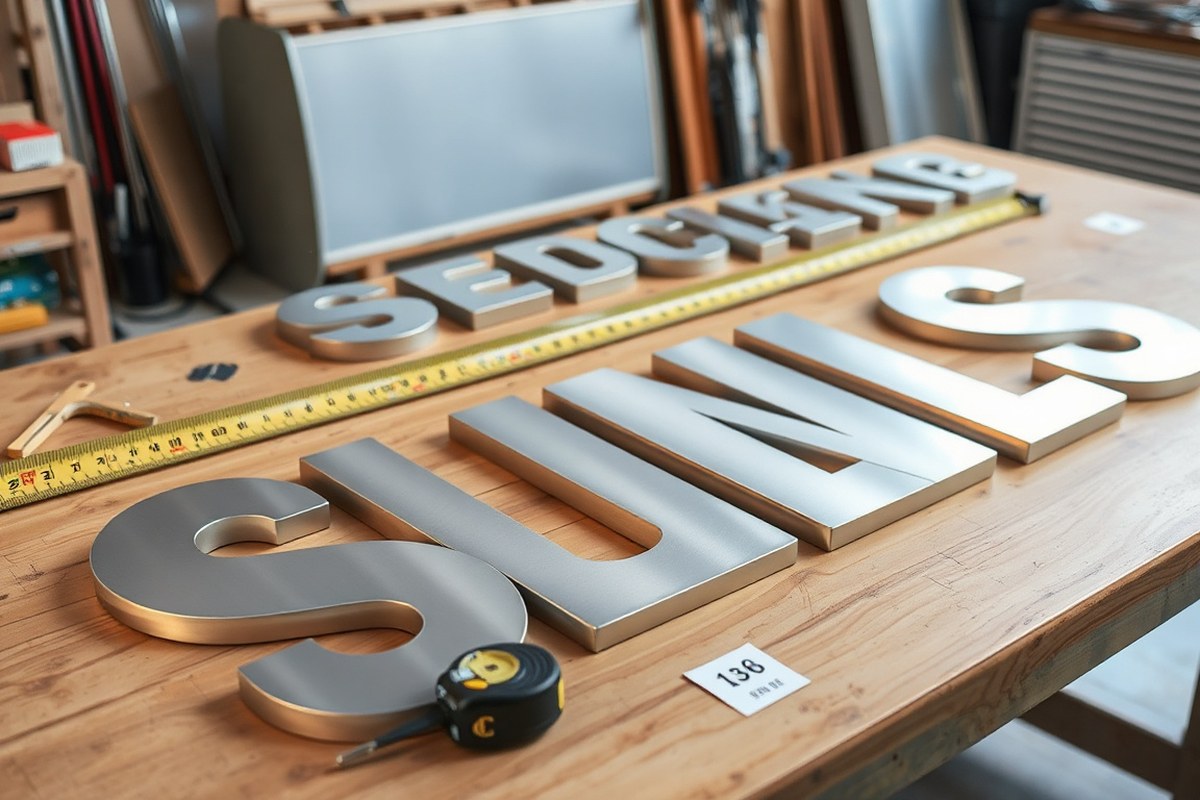
The average cost of a standard 18×24 inch aluminum sign ranges from about $95 for small orders up to $375 for ten signs, single-sided and shipped free. Base pricing includes the metal sign itself with reflective coating and simple shipping. Ordering multiple signs brings per-unit savings of 15, 25% through shared setup and materials.
Standard Sizes and Their Prices
Standard aluminum signs come in common dimensions like 18×24 inches and 24×36 inches. Using pre-cut stock for these sizes lowers the price per square foot compared to custom sizes that need specialty cutting. A basic 18×24 inch sign with reflective sheeting starts around $95 for two pieces, typically single-sided.
| Sign Size | Typical Price Range | Notes |
|---|---|---|
| 18″ x 24″ | $95, $375 | Single sided, 2 to 10 signs, free shipping included |
| 24″ x 36″ | $150, $600 | Single sided, reflective coating, outdoor use |
| Custom Sizes | $150+ | Prices vary due to special cutting and setup |
Base pricing usually covers the aluminum sign with reflective coating but excludes installation, permits, or hardware. This helps you compare costs across suppliers or quotes easily.
Bulk Order Discounts Explained
Ordering aluminum signs in larger quantities lowers the per-unit cost by 15, 25%. This happens because the setup fees and material cutting costs are spread across the whole order. For example, two 18×24 inch signs cost $95 total, five cost $200, and ten cost $375.
Buying more also means labor and shipping efficiencies if these signs are installed or delivered as a batch. That can save you more money on the overall project.
| Number of Signs | Total Cost | Average Cost Per Sign |
|---|---|---|
| 2 | $95 | $47.50 |
| 5 | $200 | $40 |
| 10 | $375 | $37.50 |
To calculate price per sign in bulk, divide the total price by the number of signs ordered. You can expect more savings with orders above ten signs but confirm exact discounts with your supplier.
Single-Sided vs Double-Sided Pricing
Single-sided aluminum signs are less expensive because they require only one printed face and less material handling. Double-sided signs cost more due to printing both sides and potentially more durable mounting solutions.
When both sides will be visible to customers or the public, such as at street intersections or entrances, double-sided signs are worth the higher price. Otherwise, single-sided signs provide good value for signage mounted flat against walls or fences.
| Sign Type | Price Impact | When to Use |
|---|---|---|
| Single-sided | Lower cost | Wall-mounted, fence signs, one-sided viewing |
| Double-sided | 15, 30% more | Freestanding posts, street corners, areas with traffic from both sides |
Choosing the right side configuration based on location and visibility will help keep your aluminum sign project on budget and effective.
What Factors Affect Aluminum Sign Prices?
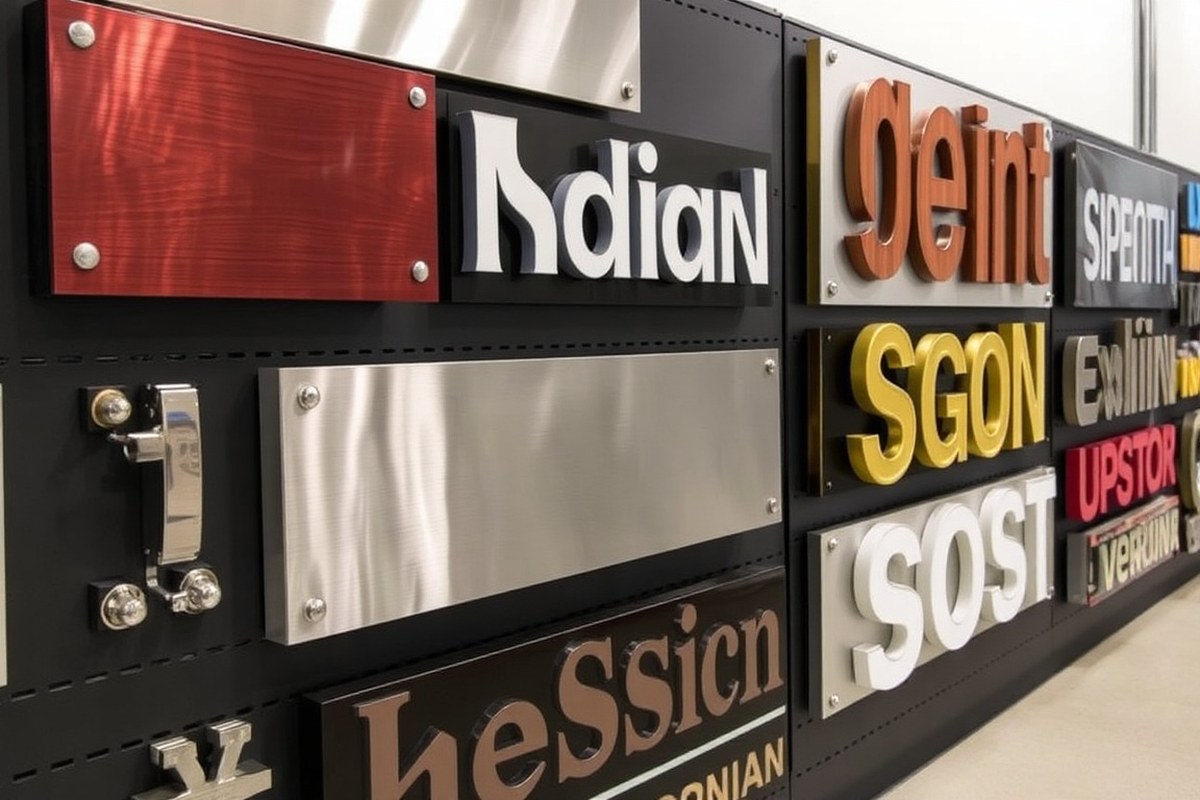
The cost of an aluminum sign depends primarily on its size and material grade, with size usually having a greater impact on price. Larger signs use more aluminum and require more printing, which raises the base cost. For example, a standard 18″ by 24″ metal street sign can cost between $80 and $300, while custom sizes will adjust the price proportionally. Material grade influences durability and price but switching from foam board to aluminum tends to increase costs by 3 to 5 times per square foot regardless of the sign’s dimensions.
Protective coatings also play a key role in pricing. They help your sign resist weather and UV damage, extending its lifespan. Four durability grades of coatings are common, with higher grades offering 10 or more years of vibrant, weather-proof display. While premium coatings add to the initial cost, they reduce replacement frequency and save money long term, especially for outdoor use. For indoor signs, an economy grade protects the print sufficiently and keeps costs lower.
Design complexity is another factor that can increase the price. Signs with multiple colors, intricate artwork, or special finishes like gloss or reflective coatings cost more to produce. Custom logos, detailed images, and text styles require extra time and resources for production. Basic designs with fewer colors and simpler layouts keep expenses down. Overly complex signs might look appealing but can push the price beyond your budget without significantly improving visibility.
You can balance cost versus durability by selecting an aluminum grade and coating that fits the sign’s intended use. For outdoor signs needed for several years, opt for standard or premium grades with a high-quality UV-resistant coating. For temporary or indoor signs, economy-grade aluminum without heavy coatings usually suffices. This way, you avoid overpaying for features you won’t use while ensuring the sign lasts as long as you need.
Choosing features carefully can help avoid overspending. Start with the size you actually need to communicate your message effectively. Avoid unnecessarily large formats if they don’t improve visibility. Pick material grade and coatings based on location and expected lifespan. Simplify artwork to essential elements and colors to reduce printing costs. Request proofs before production to ensure design accuracy without costly revisions later.
Choose the protective coating level based on your sign’s outdoor exposure, using premium coatings for indoor signs will only increase costs without added benefits.
How Does Installation Impact Total Aluminum Sign Costs?
Installation can add $500 to $2,000 to your aluminum sign project, depending on the mounting method, labor hours, and permit fees. Typical installation takes about 2 to 8 hours at rates from $60 to $120 per hour. Costs rise with complex mounting systems or if permits are required in your area.
Common Installation Methods and Costs
Flush-mounted aluminum signs with pre-drilled holes usually cost less to install because they require minimal hardware and labor. More complex mounting options like standoffs, pole mounts, hanging cables, or engineered wind-load supports add $50 to $300 to the installation price. These options improve aesthetics, durability, or stability but increase both material and labor requirements.
For example, a flush-mount sign may only need a few screws and about two hours of work. In contrast, a pole-mounted sign may require concrete footings, multiple anchors, and 4 to 6 hours of installation labor. Engineered solutions for wind resistance add extra design and labor steps, which increase costs further.
| Installation Factor | Approximate Additional Cost |
|---|---|
| Flush Mount with Pre-Drilled Holes | Minimal to $50 |
| Standoffs or Custom Brackets | $50, $150 |
| Pole Mounts with Footings | $150, $300 |
| Engineered Wind-Load Solutions | $200, $300+ |
Choosing the right mounting method depends on your sign’s location, exposure to weather, and visual impact. Flush mounts work well for smooth walls, while poles and standoffs suit freestanding or more decorative installations.
Labor Hours and Rates by Region
Labor typically ranges from 2 to 8 hours for aluminum sign installation, with rates varying between $60 and $120 per hour. This wide range reflects local labor markets and contractor availability. For instance, large metro areas or high-cost regions generally push labor rates toward the upper end.
Using the formula Labor_hours × hourly_rate helps estimate installation labor costs. A simple 2-hour flush-mount in a low-cost area charging $60/hour totals $120, while a complex 8-hour pole mount in a city with $120/hour labor reaches $960. This variability can change your total project cost significantly.
Regional factors also affect installation speed. Older properties or sites with difficult terrain may require more prep work, adding hours and raising labor expenses. Always ask your contractor to clarify hourly rates and expected installation hours upfront.
Permits and Other Fees to Factor In
Most aluminum signs do not require permits or only need minimal approval, which keeps fees low at $50 to $500. Permit requirements depend on your local municipality’s signage rules, especially for exterior or illuminated installations. Permits can take days to weeks for processing, plan for this timeline.
Skipping permits can lead to fines or mandatory removal, increasing your total cost. Some professional installers include permit handling in their quotes to simplify the process. For complex signs, budget for permit fees and possible inspections as part of the overall project.
| Fee Type | Typical Range | Description |
|---|---|---|
| Permit Fees | $50, $500 | Municipal sign installation approval |
| Installation Labor | $120, $960 | 2 to 8 hours at $60, $120/hour |
| Mounting Hardware | $0, $300+ | Depending on flush, standoff, pole, or custom |
| Shipping (Optional) | $50, $150 | Delivery to installation site |
In many cases, professional installation minimizes risk of damage and ensures the sign complies with local regulations. Hire installers with experience handling aluminum signs and familiarity with local codes to avoid costly errors or delays.
How to Choose the Right Aluminum Sign Type and Grade
Choosing the right aluminum sign grade depends on the intended use, lifespan required, and budget. Economy grade fits short-term indoor needs, standard and premium suits most outdoor signs, and ultra-premium delivers long-lasting durability for heavy-duty applications. Matching your project to the correct grade helps control costs without overpaying for unneeded durability or risking early wear.
Economy Grade Aluminum Signs
Economy grade aluminum signs offer a simple matte finish with minimal protective coating. They are best suited for indoor use or temporary signage where exposure to the elements is limited. These signs cost less but provide shorter lifespans since they don’t have UV-resistant or weatherproof treatments.
Use economy signs for event displays, indoor directions, or short-term promotions that last a few months. They provide clear visuals at a low cost, typically under $50, but should not be placed in direct sunlight or wet conditions to avoid fading and corrosion.
Standard and Premium Grades
Standard and premium aluminum signs feature glossy coatings with UV protection and improve weather resistance. These durable signs are ideal for permanent outdoor use such as business signage, parking signs, and real estate listings. They balance visibility with toughness.
Expect these grades to perform well outside for 5 to 8 years without significant fading or deterioration. Premium signs typically add thicker coatings or additional layers to increase lifespan and vibrancy. They help reduce replacement frequency, lowering costs over time.
Ultra-Premium Signs for Longevity
Ultra-premium aluminum signs use advanced coatings like reflective ceramic finishes to withstand heavy weather and harsh environments. They hold up for 8 to 12 years or more and often come with extended warranties. The metal’s inherent rust resistance adds to their longevity.
These signs suit high-visibility, regulatory, or safety applications requiring decade-long service without fade or damage. Investing upfront may cost more, but the cost per year falls to about $50 based on the long lifespan, making ultra-premium a smart choice for long-term outdoor signage. The following table compares these four aluminum sign grades to help clarify when each is the most cost-effective choice.
| Grade | Coating | Durability (Years) | Best Use | Estimated Cost Range |
|---|---|---|---|---|
| Economy | Matte, minimal coating | Up to 1 year indoors | Indoor, temporary signs | Under $50 |
| Standard | Glossy with UV resistance | 5 to 8 years outdoor | Most outdoor business signs | $50 to $150 |
| Premium | Improve UV and weatherproof | 7 to 10 years outdoor | Long-term outdoor signage | $100 to $200 |
| Ultra-Premium | Reflective ceramic coating | 8 to 12+ years outdoor | Heavy weather, high visibility | $150 to $300+ |
This table shows the tradeoffs between upfront cost and lifespan. Selecting economy signs for short-term use avoids overspending, but using economy outdoors can lead to fading or rust. Standard and premium grades hit a sweet spot for most business needs by offering durability and cost control.
Ultra-premium signs justify higher prices with decade-long durability and warranties. They suit environments where replacing signs is difficult or costly, such as urban streets with regulatory requirements or high-exposure locations. Consider your signage goals, budget, and expected service life when choosing the right grade. Decision Checklist for Aluminum Sign Grade:
- Estimate intended lifespan: less than 1 year, 5 to 8 years, or over 8 years?
- Determine exposure: indoor, occasional outdoor, or constant outdoor with heavy weather?
- Evaluate visibility needs: standard print or reflective/high gloss for night visibility?
- Weigh replacement cost and inconvenience vs. Upfront investment.
- Match sign grade to use case from economy to ultra-premium.
Following this checklist helps avoid paying too much for durability you don’t need or ending up with signs that fade or corrode prematurely. Your right-sized aluminum sign grade delivers the best value and professional appearance for your budget.
When and How to Source Aluminum Sign Quotes Efficiently
Getting accurate and comparable aluminum sign quotes depends on providing vendors with clear details upfront. Start by preparing a checklist of specifications and questions to help you gather meaningful estimates. This allows you to spot hidden costs and avoid surprises later. Comparing itemized quotes lets you see where costs vary, such as fabrication methods or finishing options.
When requesting quotes, vendors typically need information like the sign’s size, thickness, material grade, design complexity, color requirements, finishing (paint or coating), intended use environment (indoor or outdoor), and the quantity needed. Installation requirements or deadlines should also be mentioned. Supplying an exact or rough draft of the artwork or design helps, too. These details let suppliers calculate costs accurately without guessing.
To compare quotes fairly, ask each vendor for a detailed breakdown including materials, labor, shipping, setup fees, and any optional extras. Check if prices include permits or site preparation, which can be a hidden expense. Clarify warranty terms and turnaround times as well. This prevents comparing apples to oranges when reviewing proposals. Use the following steps to streamline your quote requests and evaluation:
- Gather your sign details. List sign dimensions, material preferences, thickness (commonly 0.040″ or 0.063″), colors, and any special features like reflective coatings.
- Draft a clear design description. Attach files or sketches of logos, text, and layout to avoid miscommunication.
- Create a quote request template. Include your contact info, project timeline, and quantity needed.
- Send the same inquiry to multiple vendors. Use email or their online quote forms for consistency.
- Request itemized quotes. Ask vendors to break down costs by material, printing, finishing, shipping, and installation.
- List questions to identify hidden charges. For example, inquire about setup fees, delivery costs, or additional charges for custom fabrication.
- Compare quotes side by side. Focus on total cost, quality of materials, turnaround time, and included services like installation or permits.
Here’s an example of a simple email template to request a quote:
Subject: Request for Quote, Aluminum Sign Hello [Vendor Name], I’m interested in purchasing aluminum signs and would like a detailed quote. The specifications are as follows: Size: 24” x 36” Material thickness: 0.063” aluminum Full-color digital print with UV coating for outdoor use Quantity: 5 Installation: No Required delivery date: [insert date] Please include an itemized breakdown of costs, setup fees, shipping, and turnaround time. Let me know if you need any additional information. Thank you, [Your Name] [Your Contact Info]
Always confirm that quotes include all foreseeable costs; overlooked fees can increase your total spend significantly during or after production.
How Does Aluminum Sign Cost Compare to Other Materials?
Aluminum signs cost more upfront than coroplast or foam board but last significantly longer, making them more cost-effective over time. Coroplast signs typically cost under $10 for a standard yard sign, ideal for short-term use like events or real estate sales lasting weeks or months. Foam board falls between coroplast and aluminum for price and durability. Acrylic and LED neon signs command higher prices due to their fabrication and illumination features.
Durability varies markedly across materials. Aluminum withstands weather and UV exposure for years without warping or fading, suited for permanent outdoor signage. Coroplast fades and tears within months outdoors, so it suits temporary applications. Foam board is indoor-only or short-term outdoor. Acrylic is weather-resistant, offering a polished, glass-like look for indoor or protected spaces. LED neon combines durability with strong visual impact but costs more upfront and in power.
| Material | Typical Cost (per sq ft) | Durability (Outdoor) | Best Use |
|---|---|---|---|
| Coroplast | $3 to $6 | 3 to 6 months | Temporary lawn signs, events |
| Foam Board | $5 to $8 | Indoor or short-term outdoor | Trade shows, indoor displays |
| Aluminum | $15 to $30 | 5+ years | Permanent outdoor signs, business IDs |
| Acrylic | $20 to $40 | 3 to 5 years | Indoor decor, polished office signs |
| LED Neon | $200+ (base sign), up to $2,000+ | 5+ years | Illuminated signs for impact, branding |
Choosing aluminum is wise when you need a sign that lasts several years outdoors without maintenance. Over time, replacing coroplast every few months adds to costs, making aluminum a better investment for permanent branding and regulatory signage. Foam board works when you want a professional indoor look for temporary setups. Acrylic suits high-end indoor signs needing a sleek finish but is less suitable outdoors due to weather. For eye-catching, illuminated signs, LED neon offers strong visibility but costs substantially more, starting around $200 for small signs and reaching above $2,000 for large, multi-color designs. Energy efficiency and durability make LED neon a good choice for businesses wanting long-term premium signage.
Use this approach to balance your budget and sign lifespan. For temporary promotions, select coroplast or foam board. For retail storefronts, aluminum offers the best durability to price ratio. Acrylic works well inside office buildings or lobbies, while LED neon delivers impact for nightlife or branding where lighting adds value. Consider material costs, expected lifespan, and location exposure before deciding.
Common Buyer Mistakes That Increase Aluminum Sign Costs
Choosing the wrong size for your aluminum sign is a common mistake that can quickly drive up costs. Larger signs require more material and higher shipping fees, pushing your budget beyond initial estimates. To avoid this, measure the display area precisely and pick the smallest size that maintains legibility and visibility. Oversizing your sign means paying for durability and space you don’t need, often increasing costs by 20% or more compared to an appropriately sized option.
Skipping the cost of mounting hardware and installation can also lead to unexpected expenses. Mounting methods vary widely in complexity and price, especially if professional installation is required. Installation alone may add 15-25% to your total cost, depending on location and rigging needs. Plan for these charges upfront by consulting with your sign vendor about compatible mounting options and whether you’ll need a licensed installer to comply with local codes.
Ignoring permits is another oversight with real financial consequences. Many jurisdictions require permits for outdoor signage, with fees ranging from $50 to several hundred dollars, plus extra time for approval. Failing to obtain permits can lead to fines or forced removal of your sign, erasing any investment you made. Check local regulations early, allow a few weeks for permit processing, and add permit fees to your project budget to avoid surprises.
- Match sign size to viewing distance and location to avoid overspending
- Include mounting and installation costs in initial budget estimates
- Confirm the need for and cost of permits with your city or county
- Choose sign thickness and coating based on expected exposure and lifespan
- Request detailed quotes that separate sign fabrication, shipping, installation, and permit fees
- Consider whether professional installation is required or if you can self-install to save costs
Paying for durability beyond what your environment demands means unnecessary added expense. For example, signs in protected indoor spaces don’t need the heavy-duty coatings or thicker gauges required outdoors. Discuss your usage scenario with your supplier to select the right grade of aluminum and protective finish. This prevents overpaying by ensuring materials match expected conditions, extending life without overbuilding.
Failing to factor in installation or permit requirements risks turning your project into a drawn-out, costly affair. Installation complexity can vary by sign weight, height, and placement and can require special equipment or contractors. Early conversations with installers or local authorities clarify these aspects and result in realistic budgeting that protects you from last-minute cost shocks or legal roadblocks.
Tips to Save Money When Buying Aluminum Signs
Ordering aluminum signs in bulk can significantly reduce the unit price. Many sign vendors offer discounts starting at quantities of 10 or more, with savings that can reach 20% to 30% compared to single sign orders. By consolidating your sign needs upfront, you also save on shipping costs, especially if the vendor offers free shipping over a minimum order value, such as $200 with Go Big Signs.
Choosing the right size prevents unnecessary expenses. Larger signs increase production materials and labor costs, so measuring the installation area accurately is important. Instead of defaulting to a large, standard size, select dimensions that fit your message clearly but economically. Temporary signs cost less, making them suitable for short-term campaigns without a heavy investment in larger or permanent signage.
DIY installation is often a cost-saving choice, especially for smaller or simpler signs. If your project involves light signs under 20 pounds, mounting with basic tools on flat surfaces, DIY can save you hundreds of dollars in labor fees. However, for heavier monuments or complex mounts, professional installation avoids damage risks and ensures compliance with local laws and safety standards.
Confirm mounting surface compatibility before choosing DIY installation to avoid expensive mistakes.
- Order 10 or more signs at once to qualify for bulk discounts and lower shipping costs.
- Measure your installation space precisely to order the smallest effective size.
- Choose temporary aluminum signs for short-term use to cut material costs.
- Install small, lightweight signs yourself if you have basic tools and skills.
- Compare vendor prices and look for free shipping offers; build your sign online to get exact quotes.
- Request quotations from multiple suppliers to negotiate better bulk or repeat customer deals.
- Plan your order timing to avoid rush fees by allowing at least two weeks before your deadline.
Comparing vendors online can uncover better pricing or added services like free design help or expedited shipping. Use their online design tools to get an instant price based on exact specifications, avoiding surprises. Timing your order also matters: Avoid last-minute requests, which often add urgent fees, and schedule orders during regular business days for smoother communication and better pricing use.
When negotiating, mention competitor prices or larger potential future orders to gain bargaining power. Some suppliers accept multiple smaller orders combined to unlock bulk pricing. Always clarify the total cost, including setup fees and shipping, to avoid hidden expenses sneaking into your budget.
Quick-Start Action Plan for Buying Aluminum Signs
Follow these steps to get the best aluminum sign for your needs without overspending. Each phase ensures your choices are cost-effective and suited to your goals.
- Before You Start: Define your sign purpose and location to determine size, grade, and durability needs. Confirming this upfront prevents costly redesigns later.
- Day 1: Collect quotes from at least three reputable sign suppliers. Compare pricing details, including materials, printing, and installation options, to find fair market rates.
- Day 3: Choose the aluminum grade and finish based on environmental exposure and budget. Picking a lower grade may save money but reduce lifespan in harsh conditions.
- Week 1: Decide if you’ll install the sign yourself or hire professionals. Weigh upfront installation costs against potential rework or damages for accurate budgeting.
- Week 2: Order your sign with clear specifications on size, type, and mounting hardware to avoid extra charges. Confirm lead times to align with your project schedule.
- Week 3: Upon receiving the sign, inspect it for defects or deviations. Address any issues immediately with the supplier to prevent additional costs later.
- After Installation: Regularly maintain your aluminum sign with cleaning and inspections to extend its life and avoid premature replacement expenses.
Frequently Asked Questions
What Is the Typical Cost Range for a Standard Aluminum Sign?
Standard aluminum signs usually cost between $150 and $600, depending on size and features. This price range offers a balance between durability and affordability, ideal for long-term outdoor use.
How Does the Size of an Aluminum Sign Affect Its Price?
Larger aluminum signs cost more overall but the price per square foot stays similar. For example, a 2×4 foot sign and a 3×5 foot sign have comparable per-square-foot costs.
Are Custom Designs on Aluminum Signs More Expensive?
Custom graphics and protective coatings increase aluminum sign costs, sometimes significantly. Adding ceramic artwork or special coatings raises the price but improves longevity and visual impact.
Why Do Aluminum Signs Have a Lower Cost-Per-Year Than Other Materials?
Aluminum signs can last 8, 12 years, making annual cost about $50, which is less than alternatives like acrylic or vinyl. Their durability translates into savings over time despite higher upfront cost.
How Much Does Installation Add to the Cost of Aluminum Signs?
Installation costs vary but typically add a few hundred dollars for posts and footing in suburban settings. Proper installation ensures the sign’s longevity and adherence to local codes.
Can Buying Multiple Aluminum Signs Lower the Price per Unit?
Yes, ordering signs in bulk reduces the price per sign significantly, such as $95 for two and $375 for ten standard 24×18 inch signs shipped free. Bulk buying is cost-effective for businesses.
Final Thoughts
Aluminum sign costs vary widely based on size, materials, and installation, but knowing these factors helps you set a realistic budget. Start by clearly defining your needs, then gather and compare multiple quotes before making a purchase. Taking these steps ensures you get an effective sign that fits your budget without compromising quality.


