Covid Sign Ideas: Effective Signs and Templates for Safer Spaces
Covid sign ideas help communicate important safety measures clearly and effectively to reduce virus spread. Effective signs combine clear messaging with strategic placement to boost visibility and compliance. Start with simple, direct reminders about mask-wearing, hand hygiene, and symptom screening for best results.
Key Takeaways
- Use straightforward language and visuals to highlight mask usage and hand washing requirements.
- Customize signs to fit specific locations like entrances, breakrooms, and event areas.
- Place signs at eye level near high-traffic spots like doors and hand sanitizer stations.
- Incorporate friendly, polite wording to encourage cooperation without sounding demanding.
- Combine printed signs with floor stickers and digital displays for layered messaging.
- Avoid overcrowding signs or using small fonts that reduce readability and impact.
What Are the Most Important COVID-19 Sign Ideas for Safety?
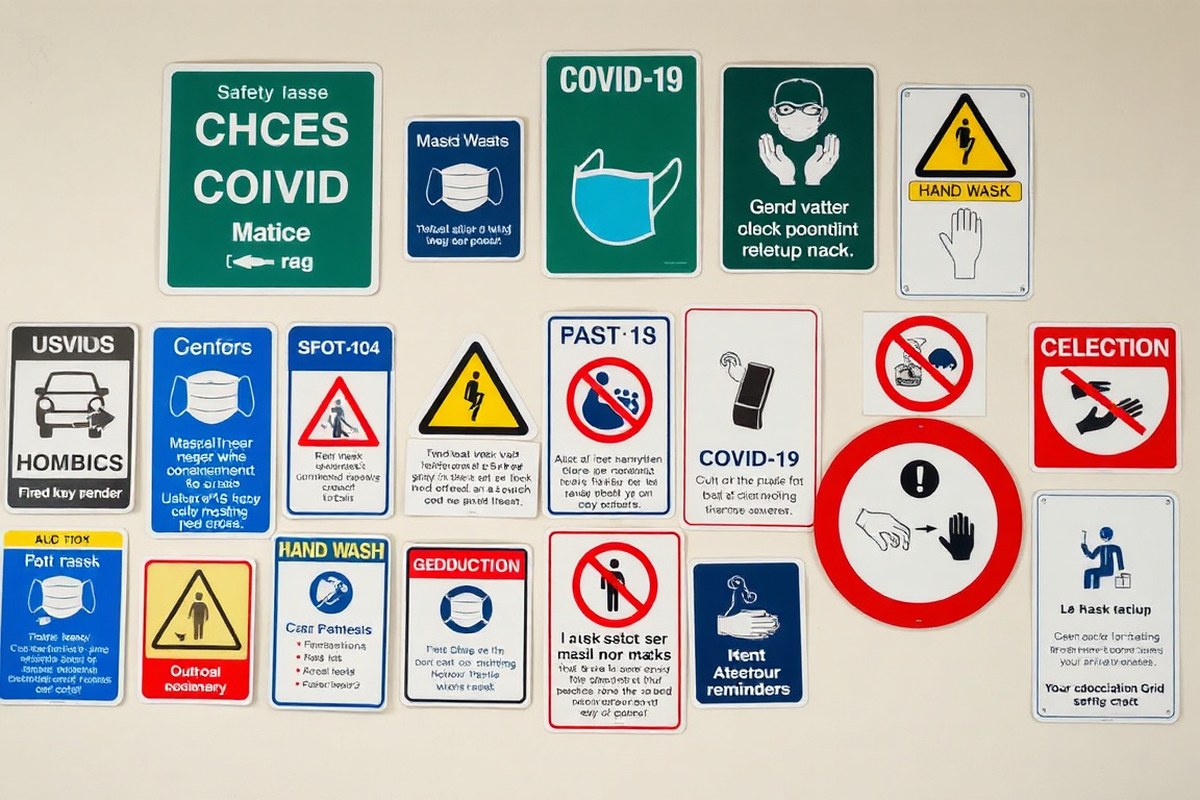
Essential COVID-19 signs clearly communicate the key safety rules people must follow to reduce virus spread. You should display signs that instruct hand hygiene, mask use, social distancing, and symptom awareness. These messages guide behavior in any public or private setting, helping keep everyone safer and more informed.
Signs reminding people to wash their hands before entering or leaving rooms are critical because handwashing is one of the simplest and most effective ways to stop infection. Posting notices such as “Employees Must Wash Hands Before Work” or “Please Wash Your Hands Before Leaving This Room” directly near sinks or entrances encourages compliance. These signs generally cost between $6.49 and $45.14 and should include clear wording and recognizable symbols so everyone understands the requirement fast. Signs indicating the location of hand sanitizer dispensers also help maintain hand hygiene when soap and water aren’t available.
Mask requirement signs communicate when and where masks must be worn. On these, you can simply state “Masks Required Beyond This Point” or “Face Masks Must Be Worn In This Area.” Make these signs noticeable at entrances and in common areas. Including brief reasons, like “To Protect Yourself and Others,” supports understanding without overwhelming the message. It’s best to keep these messages specific enough to avoid confusion but not so detailed that people overlook them.
Reminders to maintain physical distance reduce close contact and potential droplet spread. A sign saying “Keep Six Feet Apart” works well in queues, waiting rooms, or dining areas. Floor markers can support these signs to visually enforce spacing. Clearly stating exact distances like six feet or two meters helps prevent misinterpretation. If your space is smaller, adjust guidance accordingly but keep the instructions direct and visible.
Finally, signs addressing symptoms and staying home if sick help catch potential cases early. Messages such as “Do Not Enter If You Are Experiencing Fever, Cough, or Shortness of Breath” or “Stay Home If You Feel Sick” inform visitors and staff to self-screen and take precautions. Place these signs where people arrive, including parking lots or lobbies, so they can assess their eligibility to enter before entering shared spaces.
Balancing specific instructions with straightforward language prevents misunderstanding and increases adherence. Using brief, direct phrases that tell exactly what action is expected at every point where people interact with your facility provides clarity. Good signs use large, readable fonts and contrast, so they can be seen and understood without effort. Constantly visible safety signs reassure visitors and workers and reduce the chance that critical COVID-19 health measures will be ignored or missed.
Creative Mask and Hand Hygiene Signage That Encourages Compliance
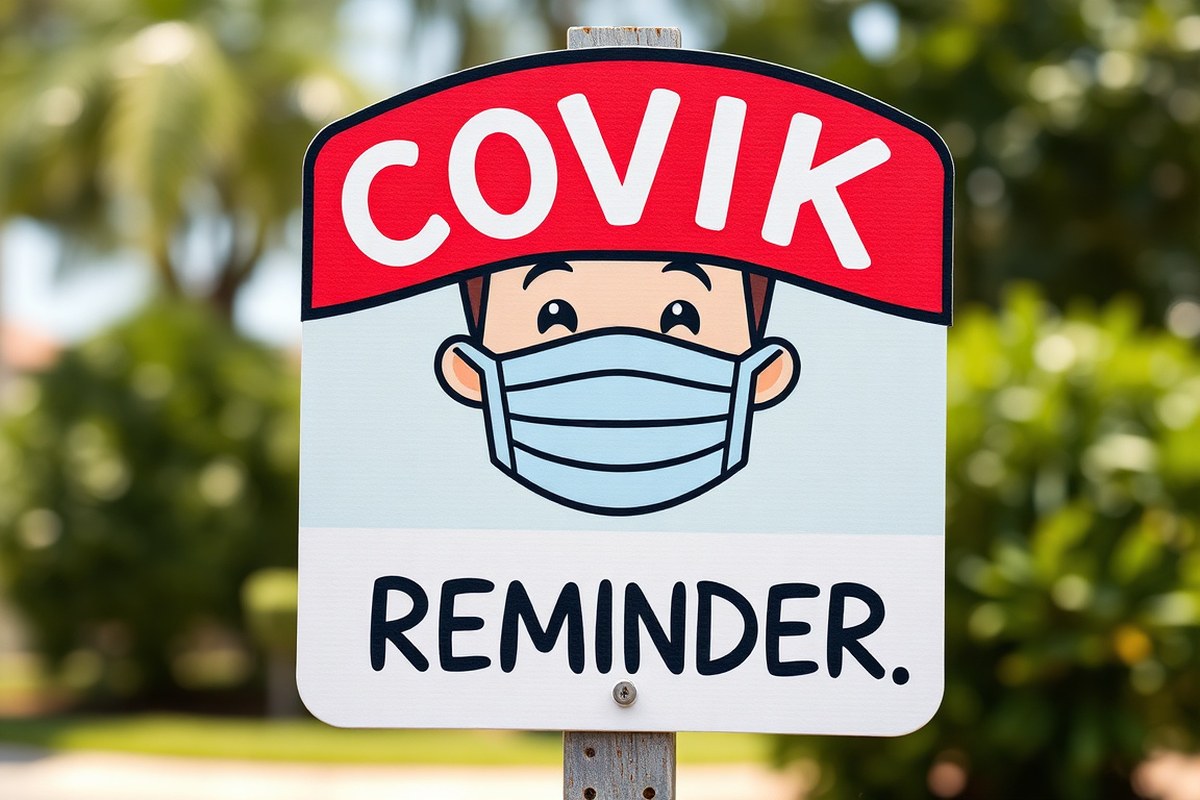
Creating mask and hand hygiene signs that encourage compliance starts with making them friendly and approachable rather than intimidating. Use clear, simple language paired with bright colors and easy-to-see icons. For mask signs, opt for positive messages like “Mask Up to Keep Everyone Safe” instead of strict commands. You can add welcoming visuals, like smiling faces wearing masks, to reduce anxiety and make the message feel more personal and inclusive.
Hand hygiene signs should be placed strategically in restrooms, kitchens, and near entrances to ensure they catch attention where they matter most. Increase visibility by using large fonts (at least 72 points for key phrases) and contrasting colors such as dark text on a light background. Including step-by-step diagrams for proper handwashing and friendly reminders like “20 Seconds to a Cleaner, Safer You” can reinforce behavior with clear instructions.
Humor and puns can improve compliance by making signs more memorable and less like rules to follow. For example, a sign saying “Don’t Be a Dirty Bird, Wash Your Hands” adds a light-hearted touch that encourages smiles and attention. However, make sure humor suits your audience; childcare centers may use playful animal themes, while professional venues might prefer subtle humor to match their tone. Consider these tips for customizing signs by situation:
- In childcare centers, use bright colors, cartoon characters wearing masks, and simple language kids can understand.
- For event venues, include your logo and event theme colors to integrate safety signs smooth into décor.
- In employee-only areas, use direct wording like “Employees Must Wash Hands Before Work” and keep signs at eye level near sinks.
- Bathrooms benefit from waterproof signs laminated to resist humidity and frequent cleaning.
- High-traffic entrances should have oversized banners or decals to ensure visibility from a distance.
- Kitchen staff areas require detailed handwashing steps to meet safety standards, using numbered lists and images.
Place mask signs at eye level near doors and hand hygiene signs next to soap dispensers for the greatest impact.Designing signs with clear calls-to-action, appropriate humor, and location-specific details costs as little as $6.50 for basic printed signs or up to $45 for durable banners, yet the payoff is higher compliance and fewer health risks. Signs that blend information and friendliness invite guests and staff to follow guidelines without feeling policed. Signs that are too stern or cluttered can cause people to ignore them, so keep layouts clean and messages concise to maintain effectiveness.
Custom COVID-19 Signs for Specific Locations and Events
Customizing COVID-19 signs ensures they address the specific needs and rules of different settings like childcare centers, weddings, offices, or retail venues. Tailored signage improves relevance and compliance by clearly communicating the expectations unique to each location or event type, reducing confusion and encouraging adherence to safety measures.
Childcare and School COVID Sign Templates
Signs for childcare centers and schools should focus heavily on health screening and symptom awareness. Use simple language and direct instructions, such as a symptom questionnaire at entry points reminding parents and guardians not to bring children if they show any COVID-19 symptoms. Examples of symptoms to list include fever, cough, or difficulty breathing.
Place posters on entrances and in common areas to remind everyone about handwashing and mask-wearing. Keep designs colorful and easy to read, using images when possible to engage children and caregivers alike. Including clear, polite reminders helps prevent the spread of infections while keeping a nurturing atmosphere.
Wedding and Event Sign Ideas
Signs for weddings and other special events should balance friendliness with clear safety guidelines. Welcome signs can set the tone by explaining that the event is “extra special and extra exclusive,” emphasizing limited guest lists and precaution measures taken. Consider placing sanitation stations with accompanying signs throughout the venue.
Floor stickers reminding guests to maintain social distancing, especially near common spaces like the dance floor, help keep the mood safe without dampening the celebration. Use clever wording to make social distancing and mask-wearing feel natural and easy to follow, which increases guest cooperation.
Displaying your precautions on invitations alongside visible signage at the event reinforces your commitment and reassures guests. Ensure signs and reminders are spaced where guests will naturally see them, such as entrances, dining areas, and walkways.
Business and Retail COVID Sign Adaptations
Business and retail environments require signs that clearly communicate current operating procedures like changed hours, closures, or curbside pickup options. Use short, direct messages at entry points to inform customers of any temporary changes. Include reminders of social distancing rules and mask requirements where applicable.
Friendly yet firm wording helps maintain a positive customer relationship while enforcing health guidelines. Signs that are too technical or vague can confuse customers and reduce compliance. Use bullet points or short lines to outline what customers should do, such as “Please wait 6 feet apart” or “Face masks required inside.” Adapting signage for your business also means updating it as conditions change, ensuring information remains current and relies on clear visuals or icons for quick understanding. Below is a table comparing key COVID-19 sign messages tailored to these different settings to help you decide what to prioritize for your specific location or event:
| Setting | Primary Message Focus | Recommended Location | Example Wording |
|---|---|---|---|
| Childcare / Schools | Symptom screening, hand hygiene, mask reminders | Entry doors, hallways, classrooms | “Please do not enter if showing any COVID-19 symptoms.” |
| Weddings / Special Events | Guest limits, social distancing, sanitation stations | Venue entrances, dance floors, dining areas | “Welcome to our exclusive event. Please maintain 6 feet distance.” |
| Business / Retail | Hours changes, mask rules, social distancing, curbside pickup | Storefront entries, checkout lines, parking areas | “Masks required. Please wait 6 feet apart in line.” |
Select sign types that fit your setting by comparing the key messages and where to install them. This decision rule helps balance cost with impact: prioritize high-traffic and entry points first, then add reminders in secondary locations like restrooms or staff areas. In childcare centers, it’s worth investing in clear visual signs to engage kids, while weddings benefit from elegant, themed signs that fit the atmosphere without compromising clarity.
Where and How to Place COVID-19 Signs for Maximum Impact
Placing COVID-19 signs where people naturally pause or make health decisions improves the chance they will follow guidelines. Strategic placement focuses on entrances, restrooms, high-traffic corridors, and common areas. Position signs at eye level, about 57 to 60 inches from the floor, so they catch attention without forcing a head tilt or being overlooked. For hand washing reminders, post signs inside and outside restrooms and near hand sanitizer stations, guiding users clearly to wash or sanitize hands frequently.
Signs about masks and symptom screening belong at entry points, alerting everyone before they enter a space. Place these signs prominently on doors or walls right where people wait or check in. You can combine symptom checklists with mask reminders for an easier decision. Larger venues should add repeat signs along hallways or near elevators to reinforce the message.
High-impact COVID-19 signage depends on clear visibility and placement at decision points. These include places where individuals decide whether to enter, touch a surface, or wash their hands. Using durable materials and weather-resistant laminates keeps signs legible for longer, reducing the need for frequent replacement. Temporary events might use free printable signs pinned or taped in place, costing just a few dollars for printouts.
Always keep your signage simple and consistent in colors and fonts to prevent confusion. Sign clutter can cause people to ignore important information, so prioritize the most critical messages in the most visible spots. Check signs routinely to replace any that become obscured or damaged.
- Place hand hygiene reminders inside and outside restrooms and near sanitizer stations
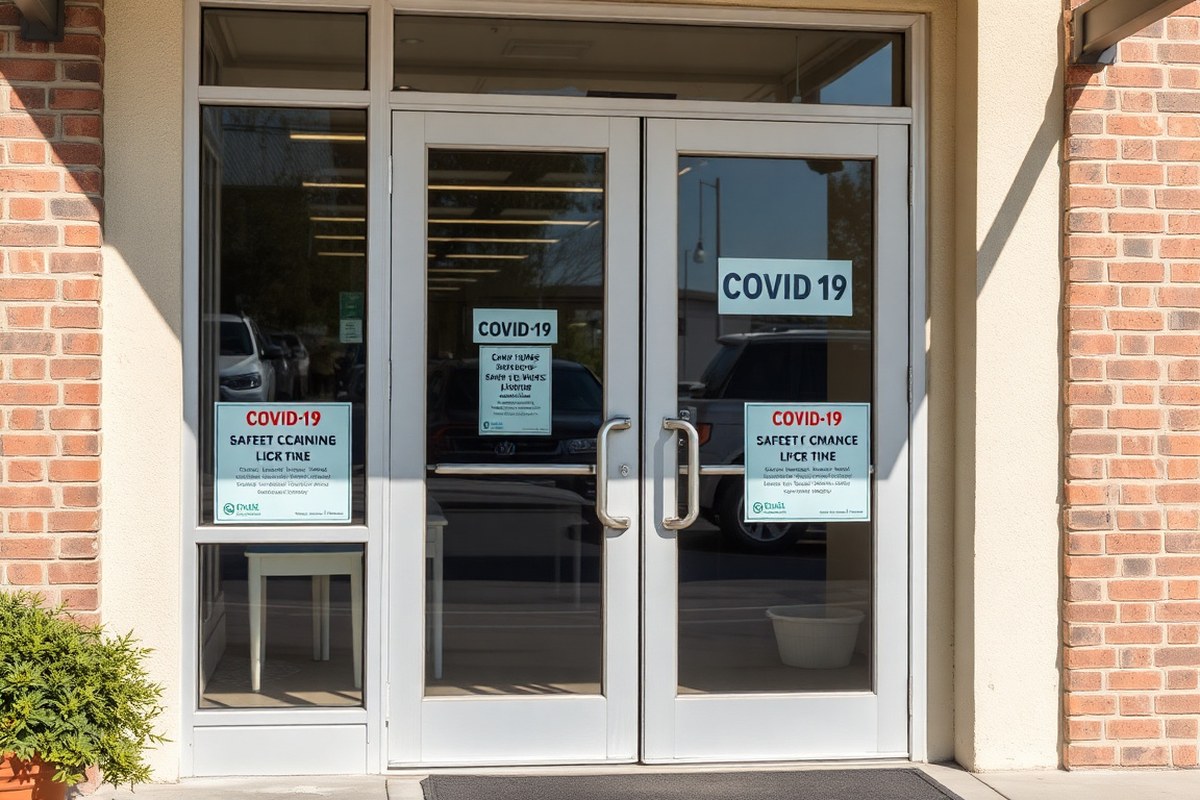
- Mount mask and symptom screening signs at all building entrances at eye level
- Use durable, weatherproof signage for outdoor or high-touch areas
- Repeat key messages in common areas like hallways, near elevators, and break rooms
- Keep signs clear, simple, and free from clutter for quick understanding
- Regularly inspect and replace damaged or missing signs
- Consider temporary signs for short events using printable options for low cost
Effective placement requires planning your space’s flow and touchpoints beforehand. Measuring 57 to 60 inches high ensures signs are seen by most adults comfortably. Use lighting to highlight signs if areas are dim. For multi-use venues, consider adjustable sign holders to reposition signs based on event type or crowd flow. Monitoring foot traffic patterns can guide where to add or consolidate messaging.
Free and Professional Printable COVID-19 Sign Templates Available
You can find many free and professional printable COVID-19 signs and symptom checklists online to communicate safety guidelines clearly. Free resources are great for quick use, while professionally printed signs offer durability and high visibility for busy or long-term settings. Knowing where to get reliable templates and the file types available helps you choose what fits your business or venue best.
Top Free Printable Sign Resources
Several websites offer free, ready-to-print COVID-19 signs focusing on masking, social distancing, symptom checks, and hygiene reminders. These templates often come as PDFs or image files, so you can print them on standard office or commercial printers. For example, some daycare providers can find 100% free daycare-specific printable signs tailored for children’s environments, including symptom checklist sheets that help streamline daily health screenings.
Free printable signs suit situations with limited budgets or temporary events needing quick deployment. You can download and print multiple copies without cost, but expect lighter paper stock and less weather resistance compared to professional signs. Using free signs works best if you can print them on thick paper or laminate them to extend their lifespan.
Benefits of Professional Sign Printing
Investing in professionally printed COVID-19 signs makes sense for busy businesses, event venues, or educational facilities with high foot traffic. Professional signs are usually printed on durable materials such as vinyl, plastic, or laminated cardstock, which resist wear from handling and environmental factors like sunlight or moisture.
Colors and fonts are vibrant and readable at longer distances, improving compliance with your safety rules. Prices vary but expect to pay roughly $5 to $15 per sign depending on size and material, with discounts on bulk orders. Professional printing also offers more options for custom sizes, finishes, and shapes, enabling signs that fit unique spaces or branding.
Tip: Order fewer professionally printed signs for key locations and use free printables for secondary spaces to manage costs without losing coverage.
Digital Formats and Customization Options
Most free and paid COVID-19 sign templates come in popular digital formats like PDF, JPEG, and PNG. PDFs are preferred for print because they keep elements sharp and scalable. JPEG and PNG files work well for digital displays, websites, or emails. Some platforms also provide editable files in software-friendly formats such as Microsoft Word, PowerPoint, or Canva templates, allowing you to customize text, logos, or colors before printing or sharing.
Customization is especially helpful for venues wanting to include specific instructions or language relevant to their operations. For digital signs, having high-resolution images that fit screen dimensions ensures clarity. Certain services offer access to digital daycare templates as part of packages that also include document management tools, speeding up paperwork and daily health documentation.
| Resource Type | Cost | File Formats | Best Use |
|---|---|---|---|
| Free Printable Templates | Free | PDF, JPEG, PNG | Temporary use, low-budget, small venues, daycares |
| Professional Printed Signs | $5, $15 per sign | Custom sizes, various materials | High traffic locations, long-term display |
| Digital Signage Templates | Varies, sometimes free with software | PDF, JPEG, PNG, Editable on Word/PowerPoint/Canva | Digital displays, emails, website posts |
| Custom Editable Templates (e.g., daycare) | Paid subscription or one-time fee | Word, PDF, other editable formats | Daycares, educational centers with documentation needs |
Choosing the right format and customization option can make your COVID-19 signage fit your environment better and simplify updates as guidelines change.
How to Combine COVID-19 Signs with Floor Stickers and Digital Displays
Combining COVID-19 signs with floor decals and digital displays reinforces safety messages effectively by using multiple visual cues. Floor decals guide physical distancing in real spaces, while digital signage offers dynamic updates and engaging reminders. This mix helps reach different audiences and adapts well as safety protocols change.
Selecting Appropriate Floor Decals
Floor decals work best to mark six-foot spacing in queues, waiting areas, or at entrances. Choose decals with non-slip materials designed for high foot traffic and easy cleaning. Colorful, simple graphics paired with clear text like “Stand Here” or “Keep 6 Feet Apart” help people quickly understand and comply.
Look for decals that withstand cleaning chemicals and outdoor weather if used at patios or open-air venues. Sizes around 10 to 12 inches square give enough visibility without overcrowding floors. Add a polite line below the main message, such as “Kindly practice social distancing,” to encourage cooperation.
Setting Up Digital Signage Displays
Digital screens complement static signs by showing rotating COVID-19 safety tips, policy updates, or reminders tailored to specific times or events. Use screens near entrances, lobbies, or high-traffic zones for optimal exposure. Screens support video and animation, which can increase attention and comprehension.
Decide on screen size based on viewing distance, small 15 to 22-inch monitors suit close-up spots, while 40-inch or larger TVs work in spacious areas. Schedule content updates monthly or as guidance changes. You can integrate temperature and mask-wearing reminders alongside hand hygiene and social distancing cues.
Maintaining and Updating Combined Signage
Consistent upkeep ensures your signage remains clear, relevant, and hygienic. Check floor decals weekly for damage or lifting edges that cause tripping hazards. Clean decals with disinfectants that won’t cause fading or surface damage. Swap out worn or torn decals promptly.
Digital signs need software updates and content reviews to stay current with changing health recommendations. Set calendar reminders to revise messaging every 2 to 4 weeks. Backup your digital files and maintain hardware by checking connections and brightness settings routinely. Coordinating both types of signage helps build trust and compliance among visitors by demonstrating your commitment to safety.
- Identify high-traffic areas where people gather or wait to install floor decals.
- Choose decals with anti-slip and durable materials suitable for indoor or outdoor use based on your venue type.
- Install digital displays at entrances and common areas with proper screen size for visibility.
- Create easy-to-read, rotating content for digital screens stressing updated safety protocols.
- Schedule regular maintenance checks for decals and screens to ensure readability and safety.
- Update digital content and replace worn decals at least every month or following new health guidance.
- Train staff to monitor signage condition and report any damage or needed updates immediately.
Common COVID-19 Signage Mistakes and How to Fix Them
Common mistakes in COVID-19 signage often reduce their effectiveness and can confuse or frustrate your audience. Signs that lack visibility, contain unclear messages, or display outdated information create barriers instead of promoting safety. Ensuring your signs are easy to read, straightforward, and current helps maintain compliance and protects everyone in your space.
Poor visibility usually happens when signs are too small, placed at awkward angles, or use colors that blend into the background. To fix this, use a minimum font size of 18 points for text and ensure high contrast between text and background, for example, black text on white or yellow on black. Position signs at eye level near entry points and frequent gathering areas. Choose weather-resistant materials for outdoor signs to keep them legible over time, which may cost between $20 and $50 for a durable, standard-size sign.
Confusing messaging stems from lengthy paragraphs, technical jargon, or mixing multiple instructions on one sign. Improve clarity by keeping text concise and focused on one topic per sign. Use simple language and bullet points to break down information. For instance, instead of “Practice respiratory etiquette and maintain social distancing,” write “Cover your cough” and “Keep 6 feet apart.” Add icons or images sparingly to support but not clutter the message.
Another significant error is outdated information, which can mislead people about current guidelines. Health recommendations may change as conditions evolve, so regularly review your signs monthly or whenever official updates arise. Remove or cover signs no longer relevant to prevent conflicting advice. Consider using digital displays or changeable sign holders to update messages quickly and reduce recurring printing costs.
- Use fonts no smaller than 18 points and ensure strong color contrast
- Place signs at eye level in high-traffic areas, near entrances and restrooms
- Limit messages to one main point with simple language and clear instructions
- Incorporate universally understood icons to support text without crowding
- Regularly review and update signs monthly or after new health guidance
- Use weatherproof materials outdoors for durability
- Employ digital or interchangeable signage for flexible updates
Improving readability and clarity lowers the chance of people ignoring or misunderstanding your signs, which directly affects how well safety measures are followed. When guidelines change, act quickly to replace or update signs to maintain trust and compliance. Allocating budget for durable materials and adaptable displays balances initial costs with long-term savings and better protection for your community.
Polite and Effective COVID-19 Welcome Signs to Set Expectations
Welcome signs play a key role in setting the tone for COVID-19 safety while maintaining a friendly atmosphere. Your goal is to inform visitors about mask-wearing, symptom screening, and social distancing requirements without sounding harsh or demanding. Using polite, clear language paired with a warm tone encourages compliance by showing respect and care for everyone’s health.
Start with a friendly greeting to make visitors feel appreciated. Then state your expectations clearly but kindly. For example, a sign could say: “Welcome! To keep everyone safe, please wear a mask covering your nose and mouth while inside. Please visit us another day if you’re feeling unwell or have symptoms like fever, cough, or shortness of breath.” This wording uses “please” and “kindly” to soften the message and avoids words like “must” or “required” that sound strict.
Adding a brief reason for the rules also helps visitors understand their importance. For example, “Wearing masks and staying home when sick helps protect you, other guests, and our staff.” This conveys a sense of shared responsibility, which encourages cooperation more effectively than commands do.
Keep the text short and easy to read with a large font size, typically at least 18 points for indoor signs. Use simple sentences and bullet points if you need to list multiple rules. A welcoming tone works best when paired with a clean, uncluttered design and a warm color palette like soft green or blue. Avoid red, which can feel alarming or negative.
Here’s another script example you can adapt: “Hello and welcome! Your health is our priority. Please wear a mask indoors and maintain at least 6 feet of distance from others. Please take care of yourself and stop by another time when you have any COVID-19 symptoms. Thank you for helping us keep this space safe and comfortable for everyone.” This version adds social distancing and balances firmness with friendliness.
Costs to produce these signs vary based on size and material but expect $10 to $50 for print-ready professional signs or less if you create your own using free templates. Durable, laminated signs last longer and avoid frequent reprinting as health guidelines evolve.
Good results mean visitors comply more readily, reducing conflicts and helping staff focus on business tasks instead of enforcement. Signs that sound too strict or use legal language tend to discourage or upset visitors, possibly leading to noncompliance or complaints. Testing your sign with a small group for feedback on tone and clarity before printing can help avoid this.
Adjust your wording depending on your audience. For example, daycare centers communicating to families might use softer phrases like, “We appreciate your help keeping our little ones safe. Please wear masks and watch for symptoms.” Event venues might emphasize shared responsibility and legal requirements more firmly but still politely.
Use positive language that focuses on community protection rather than personal blame to improve visitor cooperation and reduce confrontation.
Your First Week: A Quick-Start Plan for COVID-19 Signage
Start improving safety communication with clear, well-placed COVID-19 signs that encourage compliance and set expectations. Follow these steps to see immediate results.
- Day 1: Identify key locations where signs will have the most impact, such as entrances, restrooms, and high-traffic areas. Success looks like a clear map or list of these spots.
- Day 2: Choose or customize your COVID-19 signs to address mask use, hand hygiene, and physical distancing. Confirm selections include easy-to-understand language and visuals.
- Day 3: Print or prepare digital versions of your signs using free or professional templates. Ensure signage is high quality and legible from a distance.
- Day 4: Install signs at the identified locations, pairing them with floor stickers or digital displays when possible. Check visibility and accessibility from every angle.
- Day 5: Share a brief reminder with staff and visitors about the new signage and its purpose. Notice if you get positive feedback or improved compliance behavior.
- Day 6: Monitor traffic flow and watch for communication gaps or misunderstood messages near signage. Adjust or add signs where needed.
- Day 7: Evaluate the overall impact by observing behavior and gathering input from employees or visitors. Success means clearer compliance and fewer safety questions.
Frequently Asked Questions
What Are the Best COVID-19 Sign Ideas for Venues with High Traffic?
Use clear, large-font signs at entrances and key points reminding guests about mask use and hand hygiene. Place them where people naturally pause, like doorways and check-in areas, to maximize visibility and compliance.
How Can I Create COVID-19 Signs That Are Easy for Children to Understand?
Use simple language with bright colors and friendly images to engage children. Visual cues help reinforce rules without overwhelming them, making your safety messages more effective in child-focused settings.
What Materials Work Best for Durable Outdoor COVID-19 Signs?
Weather-resistant materials like laminated plastic or metal signs last longer outdoors. Ensure signs are UV-protected and waterproof to maintain visibility in sunlight and rain without frequent replacement.
How Can COVID-19 Signs Support Social Distancing in Small Spaces?
Use floor decals combined with wall signs to mark safe distances clearly. This visual guidance makes it easier for people to maintain six feet apart, especially in narrow hallways or crowded rooms.
What Wording Encourages Mask Compliance Without Sounding Bossy?
Use polite, friendly phrases like “Please wear a mask to keep everyone safe.” Positive, respectful language promotes cooperation better than commands or warnings.
Are Digital COVID-19 Signs More Effective Than Printed Ones?
Digital signs can update messages quickly but may cost more. Printed signs remain reliable and visible without tech issues, so choose based on your budget and needs.
Key Points to Remember
Effective COVID-19 signs help protect everyone by making safety guidelines clear and approachable. Start with signs that fit your specific locations and encourage positive behavior. Next, review your current signage and update it this week to keep your space safer and communication straightforward.