Family Name Sign Ideas: Complete Guide to Styles, Placement & DIY Tips
Family name sign ideas offer a simple way to personalize your home with style and function. Choose a sign size that fits your space, typically 12 to 18 inches wide for front doors, or larger if it’s for driveway visibility. Placing your sign at eye level around 57 to 60 inches from the floor creates maximum impact and easy reading for guests.
Key Takeaways
- Front door signs between 12 and 18 inches wide suit most entryways and provide a polished welcome.
- Use signs 24 inches or wider along driveways or farms for better road visibility.
- Hang signs about 57 to 60 inches from the floor for eye-level viewing indoors.
- Material choice affects durability, wood and metal work well outdoors, while acrylic fits indoor spaces.
- 3D layered signs add depth and a handcrafted look to your family name display.
- Personalize designs with family birth years, meaningful quotes, or custom colors to keep them unique.
Popular Types of Family Name Signs and What Fits Your Home

Family name signs come in several popular types that cater to different home styles and personal tastes. The most common formats include last name only, family name with an established date, full family name plus first names, and family mottos or values. Each format can visually express something unique: a sleek last name suits modern homes, while adding “Est.” followed by a year captures a sentimental milestone like a wedding or the purchase of a first home. Combining your family’s motto gives a warm, statement-piece feel, fitting well in living rooms or gallery walls.
Mixing styles, such as pairing modern fonts with rustic materials, is a practical way to combine classic and contemporary elements. For example, a wooden sign with a clean, sans-serif font can smooth blend rustic warmth with modern simplicity. This approach creates a balanced look for transitional homes that feature elements of both design styles.
Choosing between flat and 3D layered signs rests on the desired impact and setting. Flat signs generally have a smooth surface with printed or painted details and work well inside or on sheltered porches. Layered signs use multiple material levels that add depth, making them stand out more clearly outside, especially from a distance. These 3D designs usually require more time and cost, ranging from $50 to over $150 depending on size and complexity, but they offer a stylish visual hierarchy that suits entryways or outdoor walls. The table below summarizes popular materials used for family name signs, highlighting their key benefits, common uses, and potential drawbacks.
| Material | Best For | Key Benefit | Drawbacks |
|---|---|---|---|
| Wood | Cabins, rustic decor | Natural warmth and texture | Needs sealing to avoid weather damage; may warp outdoors |
| Metal | Outdoor entrances, farms | Weather-resistant and long-lasting | Can get hot or cold to touch; heavier and pricier |
| Aluminum | Wet, snowy, coastal climates | Rust-resistant, lightweight | Less tactile warmth; less traditional look |
| Acrylic | Modern homes, indoor display | Sleek, clean finish; easy to customize | Can scratch; less suited for harsh outdoor conditions |
| Layered (3D) | Entryways, outdoor visibility | Accentuates depth and design elements | Usually more expensive; installation complexity |
Selecting the right type and material depends on where you want to place the sign and the atmosphere you want to create. For outdoor entrances, metal or aluminum offers durability and weather resistance, while wooden signs suit rustic cabins or cozy indoor areas better. Acrylic signs with a modern font look great inside contemporary homes. Layered signs work well anywhere you want visitors to immediately notice your family name with striking depth and style.
Choosing the Right Size and Placement for Maximum Impact
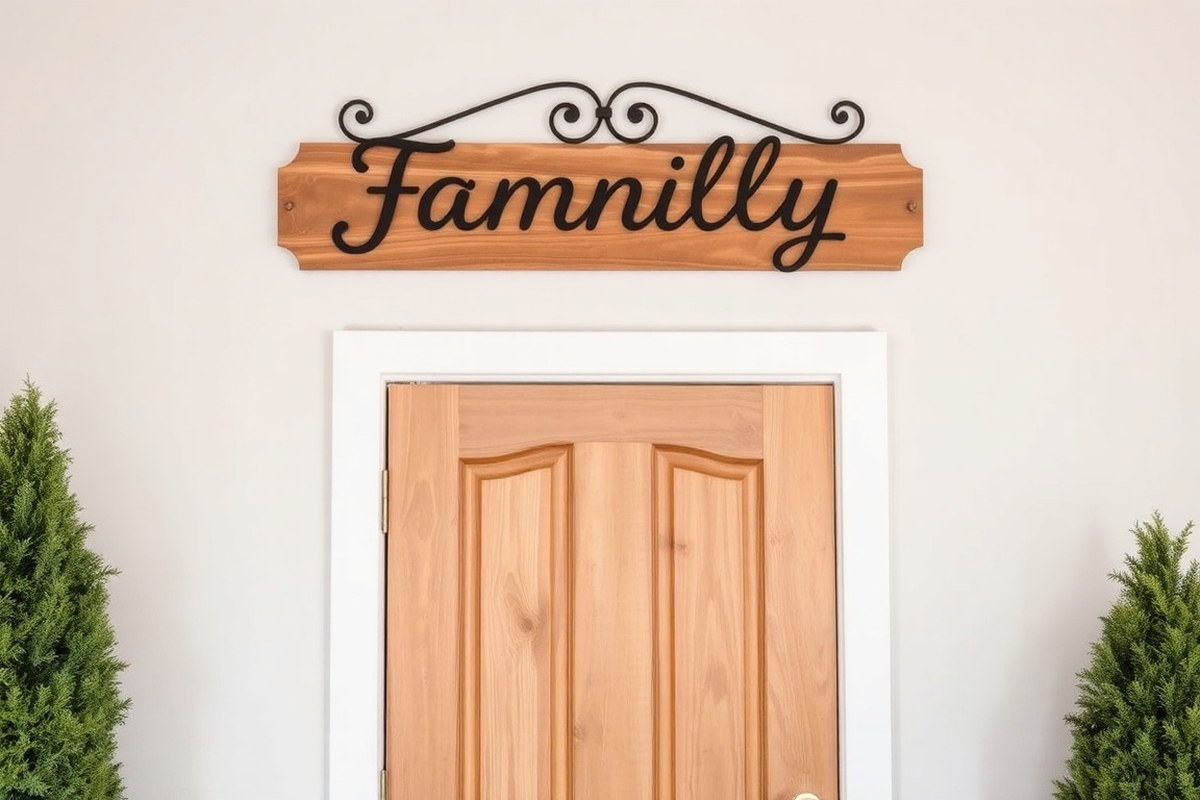
Choosing the right size and placement for your family name sign depends on the home’s style, the room, and the function you want it to serve. For example, signs at the driveway or farm entrances need to be larger, around 24 inches or more wide, to ensure visibility from the road. In contrast, signs for entryways or indoor spaces like living rooms or kitchens typically range between 12 and 30 inches wide, depending on the wall space and how prominent you want the sign to appear.
Positioning a sign where it naturally fits into daily life or guest pathways boosts its impact. Entrance signs welcome visitors and set a tone, so placing them near the front door or foyer works best. For indoor signs, consider the main gathering spots: above the sofa in the living room for a focal point, on the kitchen or dining wall where the family often congregates, or on a mantel or stair wall to use vertical space creatively. Below is a decision guide and sizing chart to help you match your family name sign to the perfect location:
| Location | Why It Works | Sizing Note |
|---|---|---|
| Entryway / Foyer | First thing guests see, sets the tone | 18, 24″ wide for impact |
| Above the Sofa / Living Room | Anchors the main gathering space | 24, 30″ for a focal point |
| Mantel or Stair Wall | Natural display ledge or vertical run | Leaner or mounted, 16, 24″ |
| Kitchen / Dining Wall | Where the family actually gathers | 14, 20″ works in tighter spots |
| Gallery Wall Anchor | Centers a cluster of family photos | Match scale to the largest frame |
For driveway or farm signs, opt for materials and sizes that stand out yet withstand weather conditions. Larger signs improve visibility for drivers, especially if the property is set back from the road. When hanging any family name sign, measure the space carefully before ordering. Hang the sign at eye level, about 60 to 65 inches from the floor indoors or 5 to 6 feet from the ground for outdoor signs, to maximize visibility and ease of reading.
The mounting hardware should suit the sign’s material and weight. Use weather-resistant screws or hooks for outdoor placement, and spot-check stability every year to prevent damage or fading. For indoor signs, secure with wall anchors if you’re mounting on drywall for extra support.
Tip: Avoid overcrowding your sign’s placement area; it should stand out on its own or complement nearby décor, not compete with it.
Material Options and Their Best Uses for Indoor and Outdoor Signs
Material choice depends on whether your family name sign will be inside or outside, as well as on your climate. Metals like aluminum and steel stand up best to outdoor elements because they resist rust, fading, and warping. They require less maintenance than wood and hold up well in wet, coastal areas. Wooden signs offer a warm, natural look inside your home or on covered porches but need more care outdoors to protect against weather damage.
To protect wooden signs placed outdoors, seal all surfaces with a quality outdoor wood sealant or marine varnish before hanging. Reseal the wood every 1-2 years, especially if you live in an area with heavy rain, snow, or strong sun. Maintaining the seal prevents moisture absorption and UV damage, which can cause warping, cracking, or fading. You can also place the wood sign under a covered entryway for added protection.
| Feature | Indoor Signs | Outdoor Signs |
|---|---|---|
| Best Materials | Acrylic, Wood, Engraved Wood | Aluminum, Steel, Powder-Coated Metal |
| Weather Exposure | None | Rain, Snow, UV, Temperature Swings |
| Finish Priority | Smooth, Decorative, Premium Look | Rust-Resistant and Fade-Resistant Coatings |
| Common Placement | Entryway Walls, Mantels, Hallways | Front Entrances, Driveways, Farm Gates |
| Maintenance Needs | Light Dusting and Occasional Cleaning | Periodic Sealing and Hardware Checks |
Wood signs with carved or routed lettering particularly suit rustic or farmhouse exteriors, blending well with timber or cabin styles. Their natural material complements indoor décor in traditional or transitional homes, adding warmth. Outdoor metal signs must have powder-coated or rust-resistant finishes to endure constant weather exposure. Prices for metal signs can be slightly higher due to coatings, but you save time on upkeep.
In wet or coastal climates, metal signs are your safest bet. Aluminum resists corrosion even from salty air. If you prefer wood’s look, choose hardwoods like cedar or redwood, which naturally resist rot, combined with strong sealants applied regularly. Avoid untreated wood outdoors in damp areas to prevent fast deterioration.
Maintaining metal signs outdoors requires occasional cleaning with mild soap and water but does not typically need resealing. Hardware such as screws and hooks should be checked yearly for rust and replaced as needed. For wood signs indoors, occasional dusting keeps them looking fresh without extra effort.
Design Elements to Personalize Your Family Name Sign
Design elements such as fonts, phrases, dates, and monograms add personality and style to your family name sign. Including meaningful touches like an established year or a family motto can transform a simple sign into a cherished expression of your home’s identity. Choosing the right decorative options helps your sign stand out while reflecting your family’s story and values.
Popular Fonts and How to Pair Them
Fonts play a key role in setting the tone for your family name sign. Script fonts like Great Vibes or Pacifico create an elegant, welcoming look, while serif fonts such as Times New Roman or Georgia convey tradition and stability. Sans-serif fonts like Helvetica or Futura offer a clean, modern appearance. Combining fonts can add visual interest: pair a bold serif font for the last name with a lighter script font for a family motto or established date. Avoid mixing more than two font styles to keep the design readable and cohesive. Choosing fonts that match your home’s architectural style ensures the sign complements rather than clashes with its surroundings.
Meaningful Phrases and Family Mottos
Adding a phrase or family motto provides personality and deeper meaning. Short, positive sayings such as “Home Is Where Love Grows,” “Together We Thrive,” or “Roots and Wings” resonate well on signs. Another option is to highlight family values with words like “Kindness,” “Faith,” or “Unity.” If your family has a specific location or heritage connection, including a place name or cultural phrase offers a unique touch. When selecting a motto, keep it concise enough to remain legible from a distance, generally under 25 characters. The chosen phrase should reflect something important to your family’s history or outlook, making the sign a true conversation piece.
Incorporating Dates and Numbers
Including an established date, such as the year your family moved into the home or the year the house was built, adds a historical layer to your sign. Place dates below or beside the family name in smaller font so they complement rather than overpower the main text. House numbers can be integrated into the design for practical use at the front door or on a porch. For visibility, use a simple sans-serif font for numbers and ensure they contrast clearly with the background. Placing numbers above or beside the family name in a balanced layout helps unify the elements. Avoid overcrowding by leaving adequate spacing between text and numerical details, which keeps the sign both attractive and easy to read.
Step-by-Step Guide to Creating a DIY Family Name Sign at Home
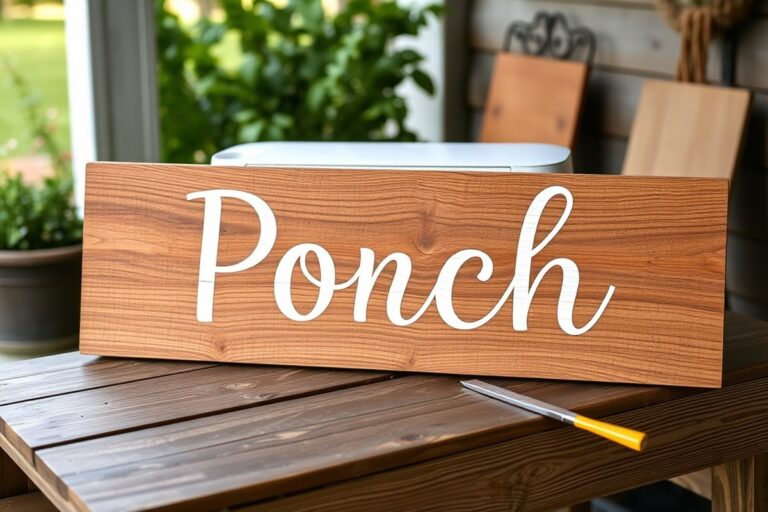
Creating a wooden family name sign at home without special cutting machines is both practical and rewarding. You can manually transfer your printed design onto wood, then paint and finish the sign with basic tools. The entire process typically takes a few hours to complete, including drying time between steps.
Preparing the Wood Surface
Start with a smooth, unfinished wooden board, such as pine or cedar, sized to your desired sign dimensions, commonly 12 inches by 24 inches. Sanding the surface is essential for a clean look and better paint adhesion. Use 120-grit sandpaper first, then finish with 220-grit for smoothness. Wipe off dust with a tack cloth or damp rag before moving to the next step.
Ensure the wood is dry and free of oils or dirt. If needed, lightly prime the surface with a clear or white wood primer to make colors pop. Let the primer dry for at least 2 hours in a well-ventilated room at temperatures above 50°F.
Transferring Your Design by Hand
To transfer your family name design without a stencil or cutting machine, print the design in reverse (mirror image) on regular paper with a laser printer or inkjet. This preparation is important for a clean transfer. Place the printed side down on the wood and use graphite transfer paper beneath it, or rub the back of the printed letters with a soft pencil heavily to coat them with graphite.
Carefully align the paper on the wood and tape it in place to prevent movement. Trace over the letters or design firmly with a pencil or blunt pen to transfer the graphite onto the wood. When you lift the paper, a faint outline of your design will appear, which you can now fill in with paint.
Painting and Finishing Touches
Use acrylic paint suitable for wood in your chosen colors. A small detail brush or fine-tip paint pen works well for lettering. Apply paint carefully within the transferred outlines. For sharper edges, thin painter’s tape can mask the perimeter of letters after the outline.
Allow the first paint layer to dry fully, usually about 30 minutes, before applying a second coat for richer color and coverage. Adding decorative flourishes around your family name improve the personal touch. Common accents include established years, floral elements, or simple line borders painted freehand.
Sealing and Hanging Your Sign
After painting, seal your sign with a clear, water-based polyurethane varnish to protect it from scratches and fading, especially if placed outside. Apply two coats with a synthetic brush, allowing at least 2 hours of drying time between coats. This transparent layer improve durability without altering the colors.
Attach hanging hardware based on where you want the sign displayed. For wall mounting, D-ring hooks with picture wire provide sturdy support. Either drill pilot holes for screws or use strong adhesive hooks suitable for your wall type. Signs up to 24 inches wide usually weigh less than 5 pounds, so standard picture hangers suffice.
- Sand the wooden board thoroughly with 120 and then 220-grit sandpaper.
- Wipe the wood clean and apply primer if desired; let dry completely.
- Print your family name design reversed and prepare transfer with graphite or pencil shading.
- Tape the paper design onto the board and trace firmly to transfer the image.
- Remove the paper and carefully paint within the transferred outlines.
- Apply a second paint coat after the first dries for full coverage.
- Seal with two coats of clear polyurethane varnish, allowing drying time.
- Attach hanging hardware suitable for your display location.
Avoid heavy scraping during transfer to prevent tearing the paper; instead, use firm, even pressure for a cleaner outline.
Ideas for Creative Placement Beyond the Entryway
Family name signs can add personality to many rooms beyond the entryway. Placing them in living rooms, kitchens, on porches, or as part of a gallery wall creates a welcoming atmosphere throughout your home. Different sizes suit different spaces and blending with existing décor helps maintain a cohesive look.
Living Room Locations and Size Suggestions
The living room offers a great opportunity to showcase a family name sign as a central design element. For example, a large sign measuring 24 to 30 inches wide works well above the sofa or on a main wall. This anchors the room visually and draws attention without overpowering other décor.
Choose materials and colors that complement your furniture and wall paint. If you have open shelving or a mantel, a medium sign (18 to 24 inches) can also lean on a shelf or sit on the mantel for a versatile look. Avoid signs that are too small here, since they can be lost in larger spaces.
Kitchen and Dining Area Placement Tips
Smaller family name signs around 12 to 16 inches make subtle yet charming accents in kitchens or dining rooms. Placing them on a kitchen wall, above a breakfast nook, or on open shelves near meal prep areas adds warmth without crowding space. Consider lightweight materials like wood or metal that resist kitchen humidity.
Coordinate colors with cabinets or backsplash tiles for harmony. Using the established date or a meaningful quote along with the surname can improve the personalized feel. These signs work well as part of a grouped arrangement or paired with framed prints of recipes and family photos.
Porch and Outdoor Spot Ideas
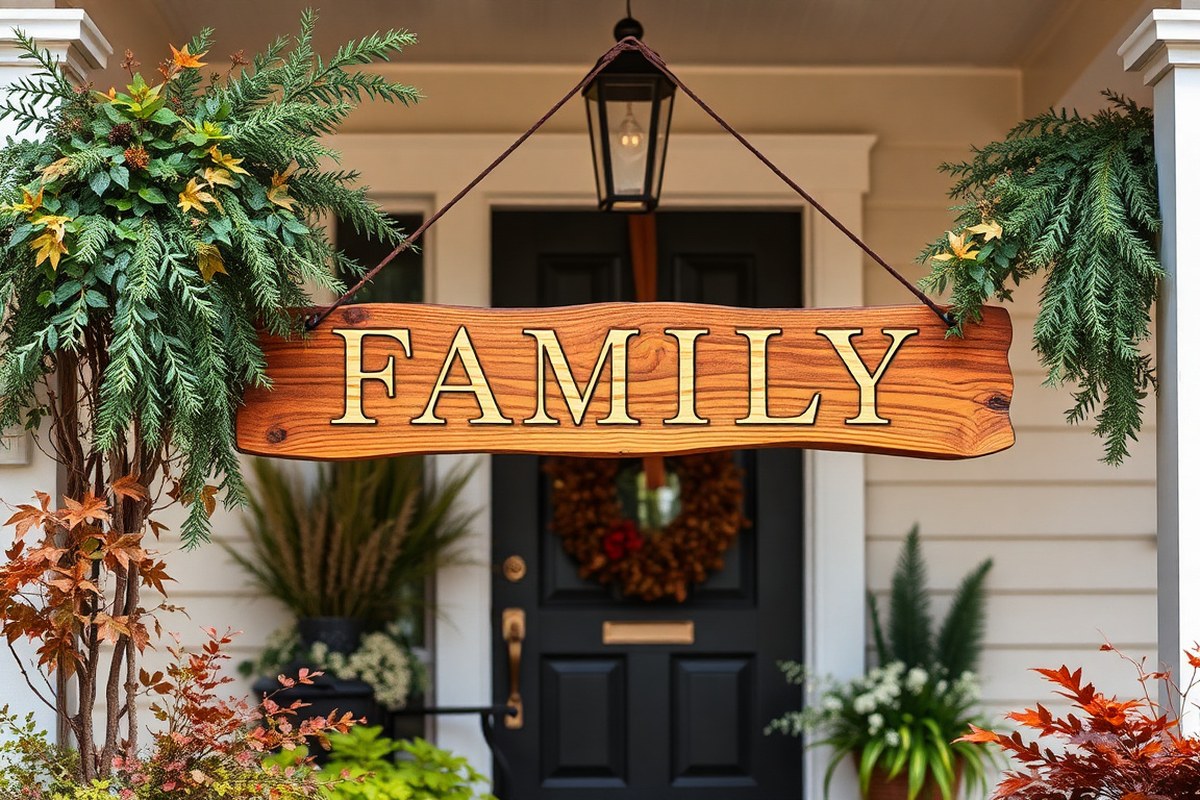
Porches or covered patios are natural places to display larger family name signs, especially 24 inches or wider. Mount the sign near seating areas, on porch walls, or above railings to greet visitors outside. Weather-resistant materials such as treated wood, metal with powder coating, or vinyl withstand the elements better in these locations.
Adding soft outdoor lighting can highlight the sign at night. Matching the sign design with other porch elements like planters, doormats, or lanterns ties the look together. Check mounting hardware to ensure it suits outdoor use and avoid placement exposed directly to sun or rain without protection.
Using Family Name Signs in Gallery Walls
Gallery walls combine photos, artwork, and signs for a layered look. Using a family name sign as an anchor piece can unify the grouping, especially if the sign is medium or large-sized (18 to 30 inches). Position it centrally or at the bottom of the gallery to balance other elements.
Match styles and frame colors to maintain consistency. For example, a metal sign with a matte finish pairs well with black or dark wood frames. Use smaller signs (12 to 16 inches) as subtle accents within a larger gallery rather than the main focus.
Placement Considerations and Decorating Tips
Some practical tips for placing family name signs beyond entryways include:
- Measure wall space carefully to select a sign size that fits proportionally
- Ensure the sign is hung at eye level, around 57 to 60 inches from the floor
- Balance the sign with surrounding decor to avoid overcrowding or empty spaces
- Use complementary colours and fonts that coordinate with your room’s style
- Mount signs securely with appropriate hardware, particularly outdoors
- Consider lighting placement to highlight the sign’s details and make it visible day or night
- Regularly check for wear or damage on outdoor signs, and perform maintenance as needed
Using these tips helps create a polished, inviting look that integrates your family name sign into various rooms. Thoughtful placement improve the home’s character without competing with other décor elements.
Seasonal and Interchangeable Family Name Sign Ideas
Creating a family name sign that changes with the seasons adds personality and keeps your home’s entrance fresh year-round. Start by designing a base sign with your family name in a neutral style and durable material, such as painted wood or weather-resistant metal. This foundation allows you to swap out seasonal accents without replacing the entire sign, saving time and money over several seasons.
Interchangeable elements come in many forms. Add detachable hooks, clips, or magnetic strips to the base sign to hold seasonal decorations securely. For example, you can attach small wreaths, floral sprays, or themed ornaments corresponding to holidays or weather changes. This modular approach lets you change décor as often as every month or for every major holiday. The decorations you choose should reflect the season and complement your home’s style. Here are some easy seasonal decoration ideas and interchangeable accents:
- Spring: pastel faux flowers, mini birdhouses, or butterfly magnets
- Summer: seashell garlands, bright ribbon bows, or small faux tropical leaves
- Fall: miniature pumpkins or gourds, autumn leaf decals, burlap ribbons
- Winter: pinecone clusters, snowflake hangers, red plaid fabric accents
- Holiday-specific: small ornaments, string lights, or themed figurines (e.g., Santas or hearts)
- Neutral accents: interchangeable backplates in wood or metal, allowing color changes
- Functional items: clip-on chalkboards or message cards for customization
To install, measure your base sign carefully: 12 to 24 inches wide usually works well for visibility and balance. Attach the mounting hardware so it can support added weight, especially for outdoor signs. Look for quality adhesive magnets rated for outdoor use that can withstand temperatures from 20°F to 90°F, or simple hook-and-loop strips rated for exterior weather. This setup typically costs between $10 and $25 for a complete set of hooks, magnets, and a few decorative pieces.
Good results appear when accents fit snugly, stay securely attached in wind and rain, and change easily without damage. Signs that use poorly sized magnets or clips might lose decorations after a hard wind or heavy rain. Avoid overly complex attachments that require tools every time you want to redecorate. Instead, choose light, durable pieces that are easily cleaned or stored during off seasons.
Common Design Mistakes and How to Fix Them for Timeless Appeal
Choosing or designing a family name sign requires more than picking a favorite font or material; it demands careful attention to detail. Common mistakes include cluttered designs, hard-to-read fonts, and ignoring the sign’s environment. These errors can make the sign look cheap or dated, reducing its lasting appeal and the pride it brings.
Balancing personalization with style means including meaningful details without overcrowding the sign. Overloading a sign with too many colors, decorative elements, or long phrases can overwhelm its primary purpose: to clearly display your family name. Keep the design simple to ensure it stands the test of time while still reflecting your personality.
- Choosing overly intricate fonts that lose readability from a distance; opt for clean, classic typography.
- Using too many colors or clashing tones; stick to two or three complementary shades.
- Including excessive text beyond the family name or year established; focus on essential info.
- Ignoring scale, buying signs too large or small for their intended placement reduces impact.
- Selecting materials unsuitable for the installation location, causing premature wear.
- Failing to proofread details before ordering to avoid costly mistakes and delays.
Fixing these problems involves simplifying the layout, limiting embellishments, and considering the viewing distance. Measure the space where the sign will hang and choose fonts sized between 2 to 4 inches tall for legibility. Before finalizing your order, request a proof or digital mockup from the vendor and review it carefully.
Personalization is best achieved through subtle details like a tasteful monogram, a modest established date, or an elegant border. These additions keep your sign meaningful without crowding. Remember to use weather-resistant paint or coatings, polyurethane or marine varnish prolongs outdoor signs’ lifespan, which typically ranges from 5 to 10 years depending on materials and maintenance.
Always get a printed or digital proof of your family name sign before production, and double-check every detail to avoid costly customization errors.
Step-by-Step Action Plan for Your Family Name Sign
Start creating a personal and meaningful family name sign today by following these clear steps. This plan helps you move from idea to finished piece efficiently.
- Day 1: Choose the sign’s intended location and measure the available space. Confirm the size complements your chosen spot without overcrowding it.
- Day 2: Decide on the material based on durability needs, wood for indoor warmth, metal for outdoor longevity. Check if the chosen material suits your climate or interior style.
- Day 3: Sketch a basic design incorporating your family name and any personal touches, like established dates or symbols. Ensure the layout is balanced and legible.
- Day 4: Gather your materials and tools if you’re making it yourself, or finalize your order if buying. Confirm all components match your design specifications.
- Day 5 to Day 7: Craft the sign or prepare delivery and installation. Check the sign’s finish for smooth edges and clear lettering to guarantee a professional look.
- Day 8: Install the sign in your chosen spot securely, using proper fixtures for the material and surface. Stand back and verify it’s visible and visually pleasing.
- Week 2 onwards: Consider seasonal accents or protective coatings if outdoors. Monitor the sign’s condition to maintain its appeal through changing weather.
Frequently Asked Questions
What Should I Put on a Family Name Sign Besides the Family Name?
You can add an established date, house number, or a meaningful phrase. These elements help personalize the sign and make it uniquely yours while showing important family details.
How Do I Choose a Font That Suits My Home’s Style for a Family Name Sign?
Pick fonts that match your home’s vibe: flowing scripts for cozy spaces, clean sans-serif for modern homes. The font should be easy to read and fit with your overall decor to keep the look polished.
Can Family Name Signs Be Repurposed as Gifts for Different Occasions?
Yes, they work well as housewarming, wedding, or anniversary gifts. Their personal touch suits many milestones, making them thoughtful and lasting presents for family and friends.
What Are Some Unique Spots to Display a Family Name Sign Besides the Front Door?
Consider the kitchen, living room, or even a home office. These spots keep the sign visible and add a warm, personalized touch inside your home where family gathers daily.
How Do I Maintain the Look of an Outdoor Family Name Sign Year-Round?
Use weather-resistant materials and apply sealants to protect paint and wood. Regular cleaning and touch-ups can keep the sign looking fresh even through harsh weather conditions.
What Design Elements Can Make a Family Name Sign Feel Timeless Rather Than Trendy?
Stick to classic fonts and neutral colors. Avoid overly ornate details that might date quickly, focusing on simple shapes and durable materials to ensure the sign remains stylish over time.
Wrapping Up
Your family name sign is a unique reflection of your household’s style and story. Starting with a clear location and size ensures your sign not only fits but also improve your space. Take the next step now by selecting your material and design, and bring your family’s identity to life with a sign that feels truly yours.