What Is Oracal 651 Vinyl? A Complete Guide with Practical Applications
What is Oracal 651? It’s a high-gloss, permanent adhesive vinyl made from 2.5 mil intermediate calendered PVC film. Known for its durability, it holds up outdoors for up to five years and works well with popular cutting machines like Cricut and Silhouette. Start by applying Oracal 651 on smooth, clean surfaces for the best adhesion and long-lasting results, especially in environments with humidity above 50%.
Key Takeaways
- Oracal 651 offers a glossy finish with 2.5 mil thickness, ideal for decals and signs.
- Its permanent solvent-based adhesive ensures strong bonding on smooth surfaces.
- Outdoor durability lasts about five years under normal weather conditions.
- Compatible with commercial and home vinyl cutters such as Cricut and Silhouette.
- Requires a minimum application temperature of 50°F for optimal adhesion.
- Humidity above 50% improves adhesive performance during installation.
What Is Oracal 651 Vinyl and Its Key Properties?
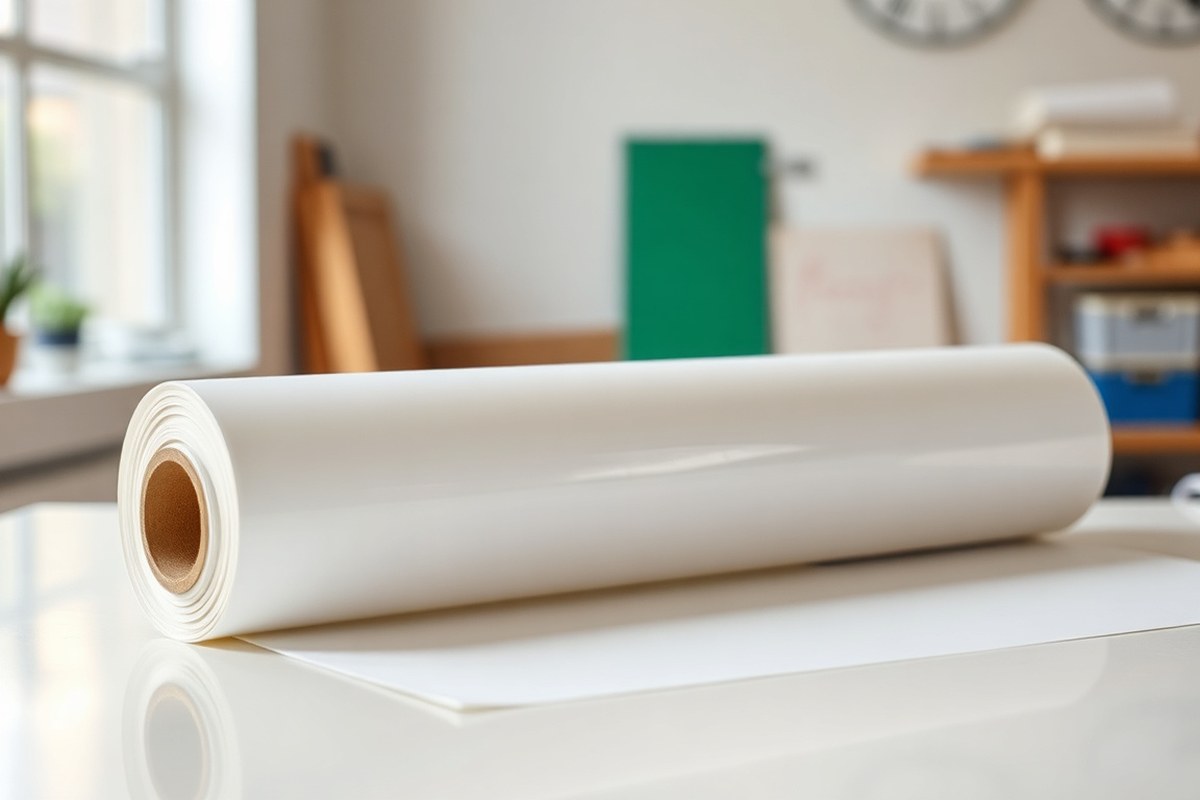
Oracal 651 vinyl is a popular intermediate calendered vinyl made from PVC that measures about 2.5 mils thick. The thickness and composition give it durability and flexibility, making it suitable for a wide range of craft and signage projects. Its calendered manufacturing process involves pressing the vinyl through rollers to create a consistent film with reliable strength and flexibility. This thickness is slightly thinner than some other models, like Oracal 631, which is 3 mils thick.
This vinyl features a permanent, solvent-based adhesive that bonds strongly to surfaces. The clear adhesive ensures color vibrancy remains unaffected while providing a solid hold. Because the adhesive is permanent, Oracal 651 is difficult to remove once applied, which is ideal for projects that need long-lasting adhesion on materials like glass, metal, or plastic. It is not a heat transfer vinyl and should not be confused with iron-on types used for textiles.
Oracal 651 has a glossy finish on all standard colors, which improve the vibrant look of decals and signs. This glossy surface also makes it easier to clean and maintain, as dirt and water bead off more readily than on matte finishes. There are matte variants within Oracal’s line such as the 641 series, but the 651 group is widely praised for its bright, shiny appearance that catches the eye in both indoor and outdoor settings.
Durability ratings for Oracal 651 typically list it as having an outdoor life span of around five to eight years, depending on conditions such as exposure to sunlight, weather, and surface texture. The vinyl can withstand temperatures from about -40°F to 176°F on certain substrates, including aluminum, without losing adhesion or flexibility. This makes it suitable for long-term outdoor use, though it is classified as an intermediate-term vinyl rather than a permanent cast vinyl, which can last longer but usually costs more.
In summary, Oracal 651 is a 2.5 mil thick, intermediate calendered PVC vinyl with a glossy finish and a permanent solvent-based adhesive. Its strength and finish make it a dependable choice for crafting and outdoor signage that requires durability and visual impact. Users should bear in mind the permanent nature of the adhesive when planning application and removal, as it is designed to stay put for years under typical outdoor conditions.
How Durable and Weather Resistant Is Oracal 651?
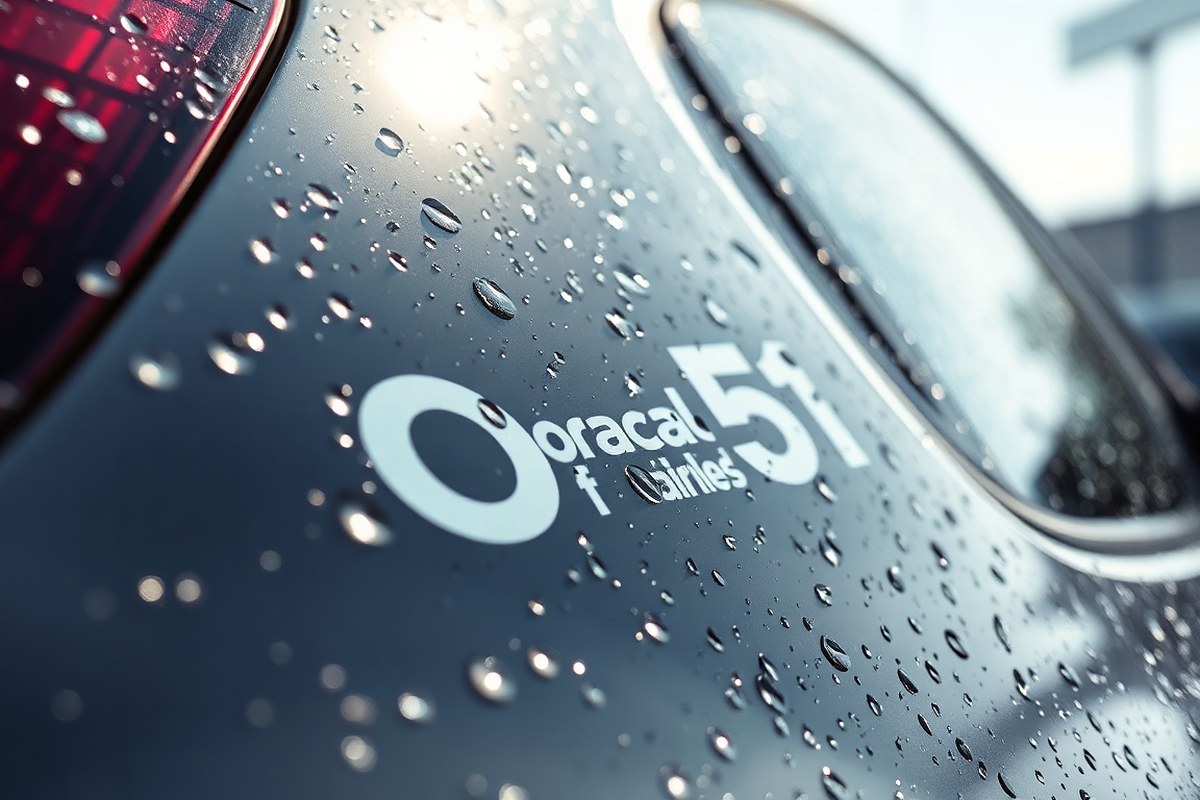
Oracal 651 vinyl is designed for long-lasting outdoor use, with a typical lifespan of up to six years when applied to exterior surfaces. This durability comes from its weather-resistant properties, including strong waterproofing and UV resistance. The permanent, glossy calendared PVC film can handle exposure to rain, sun, and temperature fluctuations from freezing cold to hot summer days without losing adhesion or color vibrancy. Indoor applications can last even longer, with minimal risk of wear or fading, as the material typically degrades more slowly away from direct sunlight and harsh weather conditions.
Its waterproof nature means Oracal 651 holds up well on items frequently washed, such as drinkware like tumblers and mugs. However, washing these items by hand rather than using dishwashers or high heat appliances will extend the vinyl’s life. The UV resistance protects the colors from fading under sunlight for multiple years. Still, constant intense exposure to sunlight and extreme temperatures may gradually reduce the vinyl’s glossy finish and adhesive strength over time. This makes it essential to prepare and apply the surface correctly for best results, especially on outdoor signage or vehicles.
To maximize durability, clean the surface thoroughly before applying Oracal 651, avoiding oils, dirt, and moisture. Application should happen in temperatures above 50°F to ensure proper adhesion. Applying pressure during installation and allowing full curing time will also improve the longevity of the bond. Vinyl layering works well with Oracal 651, but keep in mind that any layers need proper alignment to avoid premature peeling due to temperature expansion and contraction cycles outdoors.
Environmental factors such as prolonged UV exposure, moisture, and extreme cold or heat can all affect the lifespan of Oracal 651. Avoid placing vinyl decals on surfaces that routinely experience physical wear or constant friction since this reduces service life. Using a clear protective laminate over the vinyl can further improve resistance to scratches and fading but may add some cost and alter the finish.
Hand-washing items with Oracal 651 decals and avoiding heat exposure can significantly extend the vinyl’s look and adhesion.
Where and How Can You Use Oracal 651 Vinyl?
Oracal 651 vinyl is a popular choice for a wide range of crafting and signage projects because it adheres strongly to many smooth surfaces and offers durable, weather-resistant results. It is ideal for both indoor and outdoor use, making it suitable for vehicle graphics, glass decals, metal signage, and plastic containers. You can apply it directly without heat, which simplifies the process compared to heat transfer vinyl (HTV). However, it is not the best option for fabric or clothes because it lacks the flexibility and heat-activated bonding properties that HTV provides.
For textiles, a heat transfer vinyl like ThermoFlex Glossy HTV works better since Oracal 651 is not designed to withstand the stretching and washing typically involved with clothing. On the other hand, Oracal 651 works well on smooth, rigid surfaces and can even adhere to some textured surfaces like canvas, though the bond may not be as strong or long-lasting.
This vinyl is not recommended for drinkware items that require dishwasher resistance because it can peel or wear off with repeated washing. Projects involving water bottles, mugs, or tumblers used frequently with dishwashers should use specialty vinyl rated for dishwasher-safe performance.
- Vehicle windows and body panels for durable outdoor decals
- Glass windows, mirrors, and display cases for promotional or decorative decals
- Metal signs, toolboxes, or equipment labels that need long-term adhesion
- Plastic surfaces such as storage containers or outdoor furniture
- Home and commercial signage placed outdoors exposed to sun and rain
- Canvas surfaces for textured craft projects, noting the bond may weaken over time
Applying Oracal 651 involves first cleaning the surface thoroughly to remove dust, oils, and residues so the adhesive can bond properly. Then, cut your design with a vinyl cutter, weed excess vinyl, and use transfer tape to position the design on the target surface. Smooth out bubbles with a scraper or squeegee for a neat finish. Expect the vinyl to develop full adhesion strength in about 24 to 48 hours, depending on temperature and humidity. Avoid applying on cold or damp surfaces, ideally working at room temperature around 70°F (21°C) for the best results.
How Oracal 651 Differs from Oracal 631 and 751 Vinyl
Oracal 651, 631, and 751 vinyl differ mainly in adhesive type, finish, thickness, and durability, affecting their ideal applications. Oracal 651 uses permanent adhesive and is great for outdoor use, while 631 offers removable adhesive suited for indoor applications. Oracal 751 is a premium cast vinyl with superior durability and conformability, intended for demanding projects.
Oracal 651 Key Features
Oracal 651 is a 2 mil thick calendered vinyl with permanent solvent-based adhesive. The adhesive bonds strongly to a variety of surfaces, making it suitable for outdoor use where longevity is essential. It has a glossy finish and is designed to last up to six years outdoors without fading or peeling. The permanent adhesive means it is not meant for repositioning or indoor wall decals that require clean removal.
The strong adhesive on Oracal 651 can usually withstand exposure to sunlight, rain, and temperature changes from about -40°F to 180°F. Its thickness and durability make it a good choice for car decals, signs, and outdoor craft projects requiring a sturdy finish. However, removal may require heat and careful scraping to avoid residue or surface damage.
Oracal 631 Overview
Oracal 631 is a thinner vinyl, about 2 mil thick, but with a water-based removable adhesive. The adhesive allows it to peel cleanly off indoor surfaces like painted walls without damage, making it ideal for wall decals, indoor decor, and temporary signage. It has a matte finish that reduces glare and blends well indoors.
Unlike 651, Oracal 631 is not weatherproof and will degrade quickly outdoors. Its removable adhesive loses tack after a few years and is not designed to withstand moisture or extreme temperatures. Oracal 631 is often sold in 24-inch by 10-yard rolls, making it convenient for indoor craft projects or event displays that won’t last permanently.
Oracal 751 Premium Cast Highlights
Oracal 751 is a premium cast vinyl, generally thinner around 2 mil but with a high-quality solvent cast film base. This vinyl offers superior conformability and stretch, enabling it to fit curved or textured surfaces better than calendered options like 651 and 631. It also features a very strong permanent adhesive, suited for long-term outdoor use up to 8 years.
The cast process and adhesive formulation make 751 more resistant to fading, cracking, and shrinkage under harsh conditions. It’s ideal for vehicle wraps, marine decals, and industrial applications where flexibility and longevity are critical. The premium vinyl typically costs more, but the improved durability and finish justify the price for commercial or high-end projects. The table below summarizes these vinyl grades:
| Feature | Oracal 651 | Oracal 631 | Oracal 751 |
|---|---|---|---|
| Adhesive Type | Permanent solvent-based | Removable water-based | Permanent solvent-based |
| Finish | Glossy | Matte | Glossy/Semi-gloss |
| Thickness | 2 mil (calendered) | 2 mil (calendered) | 2 mil (cast) |
| Durability (Outdoor Life) | Up to 6 years | Indoor use only | Up to 8 years |
| Best Use Case | Outdoor signs, decals, car graphics | Indoor wall decals, temporary signage | Vehicle wraps, marine, industrial graphics |
Choosing between these depends on the project’s surface, location, and duration. Use Oracal 631 to avoid wall damage and for short-term indoor graphics. Pick 651 for reliable outdoor projects that don’t require frequent removal, and select 751 when working on complex surfaces or high-end long-lasting installations.
Cutting, Weeding, and Application Tips for Oracal 651 Vinyl
Oracal 651 vinyl cuts and weeds cleanly with the right blade and settings, making it user-friendly for hobbyists and professionals. Proper surface preparation and a controlled environment ensure smooth application, avoiding bubbles and lifting. Using basic tools like a weeding hook and a firm scraper can save time and improve results.
Preparing Surfaces for Application
Start by thoroughly cleaning the surface where you’ll apply Oracal 651. Dirt, oils, and dust prevent good adhesion and can cause bubbles or lifting later. Use rubbing alcohol and a clean cloth to wipe the area, then let it dry completely. Avoid applying over rough or uneven surfaces since Oracal 651 performs best on smooth, non-porous materials such as glass, metal, or plastic.
Temperature plays a role in adhesion; applying to a surface cooler than 50°F or hotter than 90°F can weaken the bond. Ideally, keep the surface temperature between 70°F and 80°F. Check for any residues left from cleaning agents and ensure the surface feels completely dry before moving to the application phase.
Cutting and Weeding Best Practices
Using a sharp blade set to the correct pressure on your cutter maximizes smooth cuts without cutting through the backing paper. Set cut depth to lightly score the vinyl but avoid damaging the liner. A fresh, high-quality blade lasts longer and reduces effort during cutting.
Weeding Oracal 651 vinyl is straightforward because of its solid, glossy finish. Use a dedicated weeding hook or a fine-tip tweezer for clean removal of excess vinyl. Start with the small details before removing larger areas, working slowly to prevent lifting parts of your design. For cutting and weeding, these steps are effective:
- Load vinyl face up in the cutter
- Adjust blade pressure to score vinyl without cutting liner
- Cut design and remove excess vinyl with a weeding hook
- Work under good lighting to spot small cut areas
- Keep hands steady and pull weeds slowly to avoid tears
- Test cut on a spare vinyl piece if unsure about settings
Application Environment Checklist
Make sure your workspace is free from dust, wind, and direct sunlight during application. Dust particles can get trapped under the vinyl, causing bumps or bubbles. Avoid applying vinyl outdoors on windy days, as air currents might introduce debris or cause mishandling during placement.
Humidity should be moderate; very high or very low humidity impacts adhesive tackiness and can affect vinyl flexibility. Aim to apply Oracal 651 indoors in conditions around 40% to 60% relative humidity for best results. Check that you have these items ready before beginning application:
- Clean, smooth surface prepared and dried
- Vinyl cut and weeded accurately
- Application tools such as a squeegee, a plastic scraper, or a credit card
- Masking or transfer tape to position the vinyl
- Temperature in the 70°F to 80°F range
- Low dust and no wind environment
Drying and Curing Instructions
Once applied, Oracal 651 vinyl needs time to bond firmly. Use a firm squeegee or a plastic applicator tool to press down the vinyl, working from the center outward to push air bubbles toward the edges. Avoid applying in direct sunlight during this step, as rapid drying on the edges can cause peeling later.
Allow the vinyl to cure undisturbed for at least 24 hours before exposing it to thorough washing or heavy use. Moderate temperatures during curing help the adhesive stabilize properly. You can gently warm the vinyl with a heat gun set to low if you notice minor lifting, but do not overheat as this can warp or deform the vinyl.
Press firmly with a plastic scraper or credit card in overlapping strokes to avoid trapped air; do not use metal tools that can scratch the surface.
Layering and Design Strategies Using Oracal 651
Oracal 651 vinyl can be layered, allowing you to create multi-color and intricate designs. Proper cleaning, alignment, and application techniques are essential to prevent lifting or peeling between layers. Managing the layering order and timing also plays a important role in ensuring strong adhesion and a smooth final look.
Adhesion Properties Between Layers
Oracal 651 has a strong permanent adhesive designed to bond well to many surfaces, including itself. When layering, each new vinyl layer adheres to the smooth surface of the previous vinyl layer, not directly to the original substrate. This bond is generally strong enough for most crafting and signage uses, but it depends on how clean, dry, and flat the first layer is. Dirt, moisture, or wrinkles weaken adhesion and can cause the top layers to peel or lift over time.
The gloss finish of Oracal 651 offers a non-porous surface for subsequent layers, improving bonding quality. Allow the first layer to settle for a few minutes after application to ensure the adhesive activates fully before moving on with the next layer. Applying layers too soon can trap air bubbles or prevent adequate contact, reducing adhesion.
Design Compatibility Tips
Designs intended for layering with Oracal 651 should consider color contrasts and overlapping shapes carefully. Use solid or slightly transparent colors with enough distinction to make the layered effect clear but avoid very thin or intricate shapes on lower layers, which might not provide a strong base for upper layers to grip. Simplified outlines and bold designs increase durability.
Aligning layers accurately is critical. Use registration marks or lightly drawn guidelines that can be removed after application to ensure precise placement. Avoid huge areas of overlapping vinyl, as thickness buildup can cause edges to lift and create uneven surfaces. Smaller, well-distributed layers produce more reliable adhesion and a neater finish.
Layering Order and Application Timing
Apply the base Oracal 651 vinyl layer first, positioning it carefully on a clean, dry surface. Wait at least 10 to 15 minutes to let the adhesive settle before adding the next layer. This timing helps avoid bubble formation and poor bonding. Use a squeegee to firmly press each vinyl layer, ensuring there are no wrinkles or trapped air pockets.
For multi-layer projects, build from the largest, simplest shape to the smallest, most detailed on top. Each layer should be handled with clean hands or gloves to prevent oils or dust from contaminating the adhesive surface. Avoid stacking more than 2 to 3 layers in one spot to prevent peeling or curling caused by too much thickness and limited flexibility.
Temperatures between 60°F and 80°F are ideal during application. Cold or hot conditions can affect the adhesive’s performance, making layers less likely to stick well. If you apply vinyl in lower temperatures, warming the surface gently or warming the vinyl slightly with a heat gun before layering can help improve adhesion.
How to Remove Oracal 651 Vinyl Without Surface Damage
Oracal 651 is a permanent vinyl designed to last outdoors, which means it is not meant to be easily removed. Attempting to peel it off, especially from delicate surfaces like drywall or freshly painted wood, can cause paint to lift or leave significant damage. Removal requires care to avoid ruining the underlying material.
Start by testing a small, inconspicuous area if possible. To remove Oracal 651 without surface damage, gently heat the vinyl using a hair dryer set to medium heat for about 20 to 30 seconds. The heat softens the adhesive, making the vinyl more pliable and easier to peel. Pull the vinyl slowly and at a low angle (close to the surface) to reduce stress on the paint or finish beneath.
Even with heat, Oracal 651 may leave a sticky residue. Petroleum jelly or commercial adhesive removers safe for painted surfaces can help clean this off. A citrus-based cleaner or isopropyl alcohol (rubbing alcohol) applied with a soft cloth often removes residue with minimal risk. Avoid harsh solvents like acetone or paint thinner, as they can dissolve paint or varnish.
- Test heat and cleaning methods on a small hidden spot first
- Use a hair dryer on medium heat for 20, 30 seconds before peeling
- Peel vinyl slowly at a 45-degree angle to avoid paint damage
- Remove sticky residue with citrus-based remover or rubbing alcohol
- Avoid acetone, paint thinner, and harsh chemicals on painted surfaces
- Use a plastic scraper if necessary, never metal tools
- Clean the area with mild soap and water after adhesive removal
For large decals on wood, metals, or glass, heat and slow peeling usually work well. On drywall and fresh paint, be prepared for some damage, as Oracal 651 adheres strongly. Removing vinyl from uneven or porous surfaces can require repeating the heating and residue removal multiple times. Allow solvents to sit briefly (1-2 minutes) before wiping to break down tacky spots.
Proper removal takes time and patience. Applying steady heat and gentle peeling helps prevent paint stripping. Sticky residue is common but manageable using the right solvents. Always clean the surface thoroughly afterward to prevent future adhesion problems or discoloration. If you must remove Oracal 651 frequently, consider a removable vinyl alternative to protect sensitive surfaces.
Common Problems and Troubleshooting with Oracal 651 Vinyl
Bubbling and peeling with Oracal 651 vinyl mainly occur due to trapped air under the vinyl or surface contamination. When you apply vinyl on a dusty, oily, or damp surface, the adhesive cannot bond properly, causing bubbles or lifting. Bubbles also form if you stretch the vinyl too much during application or if the surface temperature is below 50°F (10°C), making the adhesive less tacky. Using a window scraper or a credit card to smooth the vinyl right after application helps push out air pockets and ensures full contact with the surface.
Poor adhesion often shows as peeling edges or vinyl that lifts after a short time. This problem usually results from not cleaning the surface well or applying vinyl to incompatible materials like rough wood or textured paints. Room temperature and humidity affect adhesive strength; applying vinyl below 50°F, or when the humidity is very high or low, reduces the bond quality. Ensuring the surface is clean, dry, and smooth before application prevents this. You can fix mild lifting by carefully reheating the vinyl with a heat gun (around 120°F) and re-smoothing it to reactivate the adhesive. The following list offers essential tips to prevent and fix these common problems:
- Clean surfaces with isopropyl alcohol to remove oils and dirt before application.
- Apply vinyl at temperatures between 60°F and 80°F for optimal adhesion.
- Use a squeegee or credit card to firmly press vinyl, starting from the center outward.
- Avoid stretching the vinyl during application to reduce stress and potential peeling.
- Reheat and press lifted areas to restore adhesion if vinyl starts to peel.
- Avoid applying vinyl on textured, uneven, or porous surfaces not suitable for adhesive vinyl.
- Let vinyl cure for 24 to 48 hours before exposing to water or heavy wear for better long-term hold.
Environmental factors such as excessive heat, direct sunlight, or moisture can weaken the adhesive over time, causing the vinyl to lift or bubble. While Oracal 651 is weather-resistant, surfaces exposed to rapid temperature changes may experience adhesive failure. Applying vinyl indoors or in a stable environment reduces these risks. For outdoor signs, ensure full curing and consider surface priming if the substrate is unfamiliar or rough.
Always test a small vinyl piece on your surface before full application to check adhesion and adjust technique or preparation accordingly.
Step-by-Step Action Plan for Using Oracal 651 Vinyl
Follow this plan to get the best results from Oracal 651 for your craft or business projects.
- Before You Start: Clean the application surface thoroughly with isopropyl alcohol and let it dry completely to ensure strong adhesion.
- Cutting: Set your cutting machine blade to medium pressure and test cut a small piece to confirm clean edges and easy weeding.
- During Weeding: Use a hook tool or tweezers to carefully remove excess vinyl, checking that all cuts went through the backing without damaging the design.
- Application Day: Apply transfer tape evenly over the weeded vinyl, burnish firmly, then position and smooth onto the target surface using a squeegee to eliminate bubbles.
- After Application: Remove the transfer tape slowly at a 45-degree angle to avoid lifting the vinyl, inspecting the decal for full adhesion.
- Within 24 Hours: Avoid washing or exposing the vinyl to extreme weather to allow the adhesive to fully set for maximum durability.
- When Removing Vinyl: Use gentle heat like a hairdryer on low setting to soften the adhesive and peel slowly to prevent surface damage.
- If You Encounter Issues: Reassess your cutting depth and surface preparation; replace blades if cuts aren’t clean and retry application on a test material first.
Frequently Asked Questions
What Types of Surfaces Can Oracal 651 Vinyl Adhere to Best?
Oracal 651 vinyl sticks best to smooth, non-porous surfaces like glass, metal, and plastic. Textured or porous surfaces reduce adhesion quality and durability over time, so cleaning the surface thoroughly before application is key.
Can Oracal 651 Vinyl Be Used for Indoor Decoration Projects?
Yes, Oracal 651 works well for indoor decorations due to its high gloss and vibrant colors, providing durable, long-lasting visuals. Just avoid placing it on fabrics or rough surfaces for best results.
Does Oracal 651 Vinyl Require Special Tools for Cutting?
Standard vinyl cutters and blades designed for adhesive vinyl cut Oracal 651 easily, but blade sharpness affects precision and weedability. Using a quality cutting mat also helps protect your blade and vinyl.
What Causes Oracal 651 Vinyl to Peel Prematurely?
Peeling usually happens because of improper surface cleaning, application over textured or dusty surfaces, or using it on materials not suited for permanent vinyl. Pressing firmly with a squeegee and curing time improves bond strength.
Can Oracal 651 Vinyl Be Reused After Removal?
Oracal 651’s permanent adhesive does not allow the vinyl to be reused after removal, as the adhesive weakens and the film often stretches or tears during peeling. Use removable vinyl like Oracal 631 for reusable projects.
Is Oracal 651 Vinyl Safe for Use on Drinkware?
Yes, Oracal 651 is commonly used on drinkware like Starbucks cups and Yetis because it resists water and wear. However, hand washing is recommended to preserve the vinyl’s lifespan and appearance.
Before You Go
Oracal 651 vinyl offers a reliable, weather-resistant option for crafting durable decals and signage that last outdoors. The key is careful surface prep, proper cutting and application, and patience while the adhesive cures. Choose it when you need a strong, professional finish on materials like glass, metal, or plastic. Start by testing it on a small project to get comfortable with the process and see its performance firsthand.