What Is Cast Vinyl? Benefits, Types, and How to Choose the Right Film
What is cast vinyl? It’s a type of vinyl film made by pouring liquid vinyl into a mold, then curing it into a thin, flexible sheet about 2 mils thick. Cast vinyl offers superior durability and conformability, lasting 8 to 12 years outdoors with proper care. Its manufacturing process allows it to stretch over curves and textures without shrinking, making it ideal for vehicle wraps and long-lasting graphics.
Key Takeaways
- Cast vinyl is thinner and more dimensionally stable than calendered vinyl, around 2 mils thick versus 2.5 to 4 mils.
- Typical outdoor life for cast vinyl ranges from 8 to 12 years, depending on color and grade.
- Calendered vinyl lasts 3 to 6 years and suits flat or short-term projects.
- Most wrap failures result from installation issues, not the quality of cast vinyl film.
- Premium cast films like Oracal 951 offer up to 12 years of durability for vehicle graphics.
- For projects needing extreme conformability and longevity, cast vinyl is the best choice.
What Is Cast Vinyl and How Is It Made?
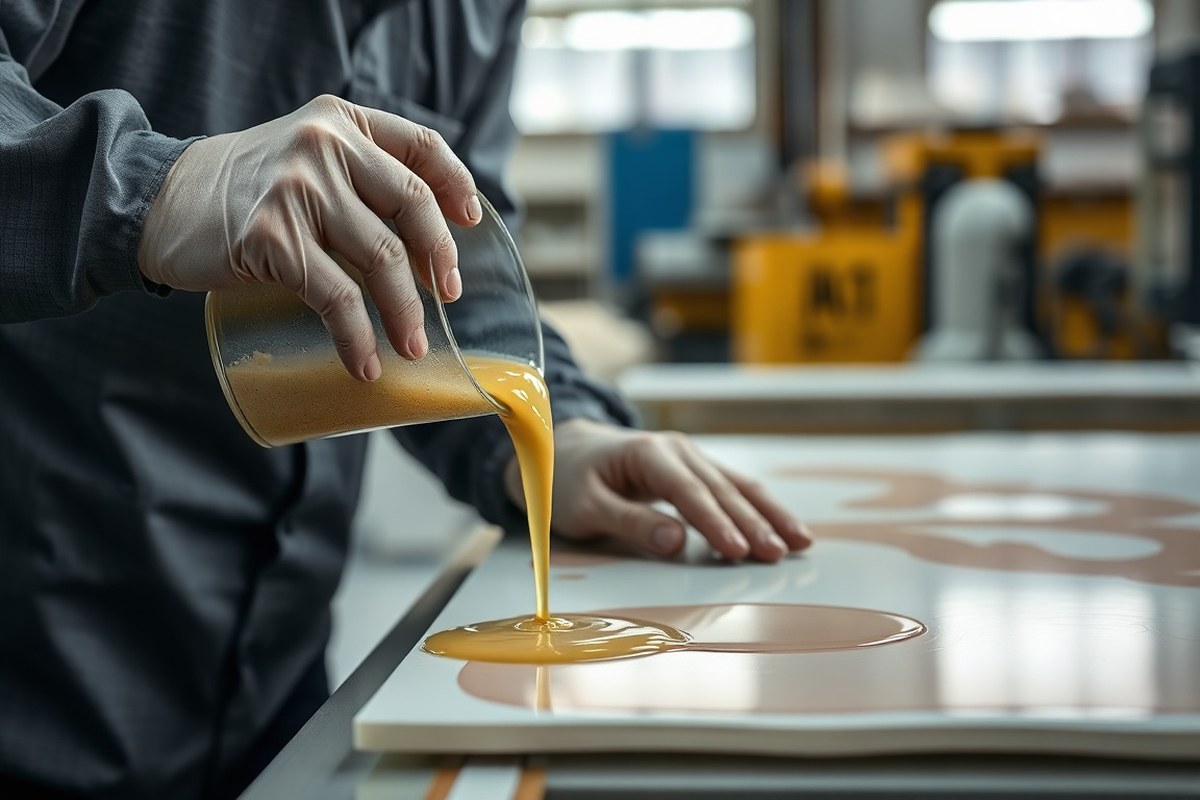
Cast vinyl is a type of vinyl film made by pouring a liquid vinyl mixture onto a flat surface and allowing it to cure into a thin, flexible sheet. This process starts with a liquefied resin known as organosol, a viscous liquid similar in consistency to thick paint but composed of polyvinyl chloride (PVC) suspended in a solvent. The liquid organosol is carefully poured onto a casting sheet, typically a smooth, non-stick surface that supports the formation of the vinyl film.
The casting sheet acts as a mold or template where the liquid vinyl spreads out evenly. Once poured, the vinyl is heated in an oven to cure the film. During this step, the solvent evaporates or bakes out, leaving behind a solid and uniform vinyl layer that is usually about 2 mils thick. This thickness offers a good balance between durability and flexibility, making the vinyl ideal for wrapping complex shapes such as vehicle contours, corners, and rivets.
This casting method sets cast vinyl apart from calendered vinyl, which is made by pressing heated vinyl slurry through rollers. The key difference is the tension-free nature of casting. Because the liquid vinyl dries naturally on the casting sheet without mechanical pressure, the finished film remains relaxed and stress-free. As a result, cast vinyl can stretch and conform without warping or shrinking, offering superior longevity and color retention.
The production of cast vinyl involves precise temperature control and timing. The liquid film cures at moderate temperatures until fully dried, often within minutes to hours depending on the exact formulation. Quality plasticizers added to the organosol keep the film soft and flexible over time, preventing brittleness that can lead to cracking on curved surfaces. This process yields a thin, lightweight, and dimensionally stable vinyl, often preferred for automotive wraps and demanding signage where durability and appearance matter.
Compared to calendered vinyl, cast vinyl costs more because the casting process uses more expensive raw materials and takes longer to cure. Also, the smaller batch sizes and slower production speeds involved in casting contribute to the higher price point. However, the resulting material performs better on complex shapes and lasts longer in outdoor conditions, offsetting these costs for professional and high-end applications.
Differences Between Cast and Calendered Vinyl
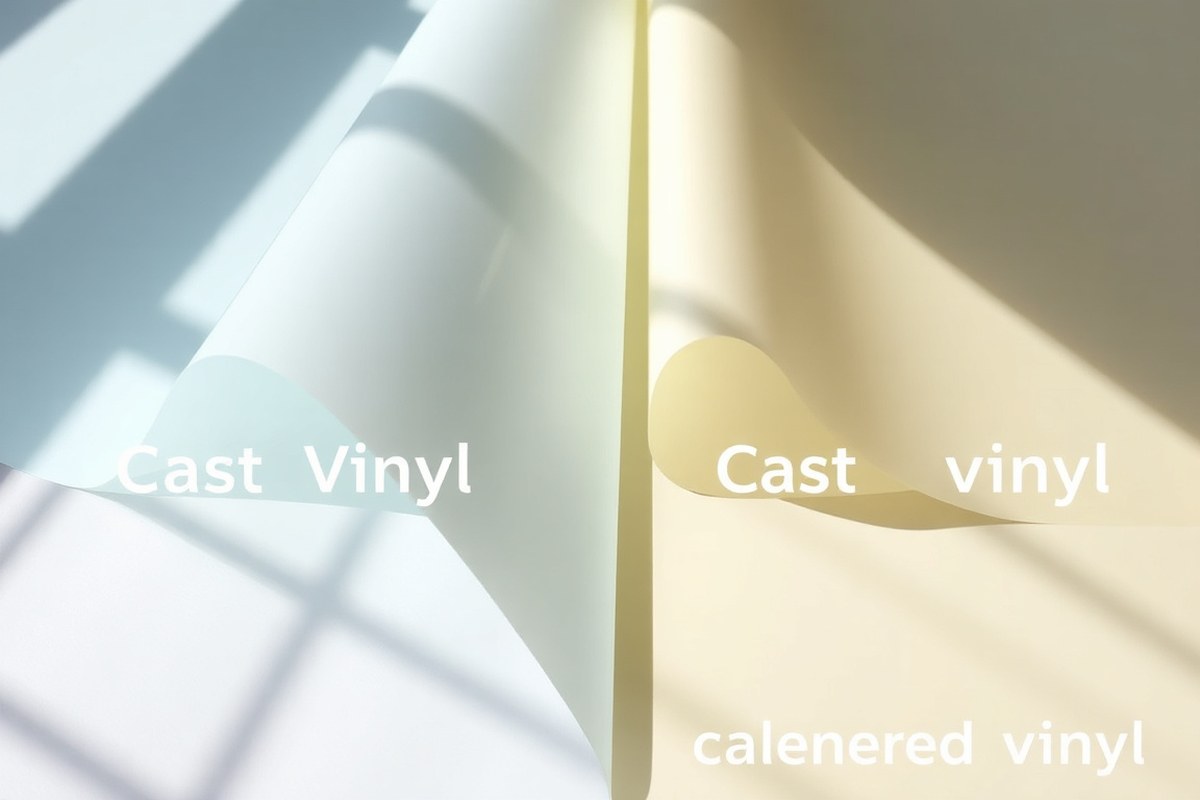
Choosing between cast and calendered vinyl comes down to matching their specific properties with your project needs. Cast vinyl is thinner, more flexible, and built to last significantly longer, often 8 to 10 years for black and white colors, while calendered vinyl is thicker, less conformable, and typically lasts 3 to 5 years. You’ll find cast vinyl best for complex curves, vehicle wraps, and outdoor projects demanding high durability. Calendered vinyl suits flatter surfaces and shorter-term or budget-conscious applications. Here’s a direct comparison to help you decide which vinyl fits your project:
| Characteristic | Cast Vinyl | Calendered Vinyl |
|---|---|---|
| Thickness | About 2 mils | Thicker than cast, varies but generally over 3 mils |
| Durability / Lifespan (Outdoor) | 8-10 years (black/white), less for colors/metallics | 3-5 years |
| Cost | Higher upfront cost | Lower upfront cost |
| Conformability | Excellent, ideal for complex curves and detailed wraps | Moderate, better suited for flat or slightly curved surfaces |
| Ideal Usage | Vehicle wraps, marine projects, long-term durable signage | Short-term signage, flat surfaces, budget projects |
You want cast vinyl when the surface has deep curves, or when your project requires a finish that holds up for many years under harsh conditions. This flexibility prevents wrinkling or lifting. If you’re working on a flat or gently curved sign, or on a budget, calendered vinyl offers a solid cost advantage with acceptable performance. Remember, a higher initial price for cast vinyl often means less replacement work and better results over the long term.
Tip: Avoid using calendered vinyl on highly curved surfaces or for projects exposed to harsh weather to prevent early failure and costly reapplication.
Consider your project’s expected lifespan, shape complexity, and budget when selecting vinyl. For wrapping a car with many contours or a boat exposed to sun and saltwater, choose cast vinyl. For promotional signs or panels where cost matters more and the surface is flat, calendered vinyl works well. Matching these factors ensures your investment performs without unexpected issues.
Key Benefits of Using Cast Vinyl
Cast vinyl is preferred for its exceptional durability and conformability, making it the top choice for vehicle wraps and other demanding outdoor applications. Its advanced manufacturing process and high-quality materials allow it to stretch and form tightly around complex curves, providing a smooth, professional finish superior to calendered vinyl. This ability to conform without cracking or lifting is essential for wrapping luxury or performance vehicles that feature intricate body shapes.
The durability of cast vinyl makes it well-suited for outdoor use, especially for vehicle wraps exposed to varying weather and UV rays. It generally outlasts other vinyl types with better resistance to fading, peeling, and brittleness over time. Investing in cast vinyl means your wrap can maintain its appearance for several years with minimal upkeep. Proper installation and the right overlaminate also contribute significantly to protecting the vinyl and the vehicle’s original paint surface.
- Superior conformability ensures the film adheres precisely on curved or textured surfaces without bubbles or wrinkles.
- Higher quality plasticizers improve flexibility and reduce shrinkage during and after installation.
- Excellent UV resistance preserves color vibrancy and prevents degradation in sunlight.
- Long-lasting durability withstands outdoor exposure for 5 to 10 years under typical conditions.
- The premium finish yields a smooth, glossy (or matte, with textured variants) look that improve vehicle aesthetics.
- Protects automotive paint from minor scratches and environmental contaminants.
- Maintains integrity in high-traffic or harsh environments with minimal maintenance required.
Choosing cast vinyl protects surfaces by acting as a durable shield against abrasion and chemical exposure while accommodating the vehicle’s natural flex and expansion. When applied correctly, it can prevent paint damage during minor impacts or scratches that might otherwise cause costly repairs. This protection is a key reason professionals recommend cast vinyl for full vehicle wraps and exterior graphics meant to last well beyond short-term promotional uses.
Cast vinyl comes at a higher price point than calendered vinyl due to the superior materials and the precise manufacturing process. However, the investment pays off in the form of extended lifespan, better appearance, and lower risk of damage during installation. It’s especially worthwhile for projects demanding a flawless finish, such as high-end vehicle wraps, where visual appeal and durability are important.
Types and Grades of Cast Vinyl Films Available
Cast vinyl films come in different grades and finishes that affect their durability, appearance, and cost. Knowing the differences helps you pick the right film for your project, whether it’s vehicle wraps, signage, or specialty surfaces. Popular brands offer options ranging from standard to ultra-premium cast vinyl, with lifespans from about five years up to twelve years outdoors.
Premium vs Standard Grades
The classification of cast vinyl generally falls into standard and premium grades based on quality, durability, and intended use. Premium cast vinyl, sometimes called high-performance film, is designed for demanding applications like vehicle wraps over curved, riveted, or corrugated surfaces. These films maintain their integrity and colour stability for 8 to 12 years outdoors, making them cost-effective for long-term projects.
Standard cast vinyl offers a shorter lifespan, typically lasting around 5 to 7 years, and suits less complex applications such as flat panels or temporary signage. Premium films tend to be pricier due to finer materials, improved adhesive technology, and better resistance to UV exposure and weathering. Opting for premium cast vinyl ensures superior conformability and a perfect finish, which is important when appearance and longevity cannot be compromised.
Common Finishes and Colors
Cast vinyl films are available in a wide range of finishes that improve their look and functionality. The most popular finishes include high gloss, matte, and satin, each offering different levels of shine and texture. Glossy finishes provide a smooth, polished appearance ideal for vehicles and promotional graphics, while matte and satin options offer subdued reflections for a sleek, professional look. Specialty textures like chrome and textured cast vinyl also exist for unique design effects.
These vinyl films are produced in small batches, which gives suppliers and installers access to a broader color palette compared to calendered vinyl. You’ll find thousands of color options, including solid shades, metallics, and even translucent films. Different types of adhesives are available as well, such as air egress for bubble-free installations, dot vinyl, and static cling, tailored to specific surface types and application methods.
Major Brand Examples
Trusted brands like Oracal and AirMark dominate the premium cast vinyl market. Oracal’s 751 is considered a high-quality cast vinyl with outdoors durability typically around 8 years. Their ultra-premium 951 series pushes that lifespan to 10 to 12 years under proper installation and maintenance conditions. These brands are widely recommended for vehicle wraps, architectural installations, and long-term commercial graphics.
AirMark, a leading supplier for Summa cutting equipment users, offers a strong line of cast vinyl films known for consistent performance and durability. Their cast vinyls balance cost and quality, averaging lifespans from five to twelve years. You can rely on these films for excellent color retention and conformability on challenging surfaces. Given their premium features, these films cost more than calendered vinyl, but their durability and finish quality justify the investment for professional wrap installers and sign makers.
Best Applications and Surfaces for Cast Vinyl
Cast vinyl performs best on surfaces with complex curves, rivets, and corrugations due to its thinness, about two millimeters, and lack of memory. This enables it to conform smoothly without shrinking or bubbling, unlike cheaper calendared vinyl. You’ll find cast vinyl widely used on vehicles where aerodynamics and styling involve many contours. It also excels on boats and watercraft, standing up to UV radiation, salt spray, and harsh marine conditions without degrading quickly.
Its flexibility makes cast vinyl an excellent choice for outdoor signage that requires a clean finish on irregular surfaces, such as architectural features or channel letters. It also works well on smaller or personal items with unusual shapes, like gaming controllers and computers, since it adheres smoothly and maintains longevity. Hard, smooth surfaces free of dust and oils provide the best results, but the material’s conformability lets you tackle uneven textures effectively.
- Vehicle wraps, including cars, trucks, and motorcycles
- Boat graphics and marine decals exposed to sunlight and water
- Outdoor signage on curved or textured architectural elements
- Promotional items with irregular surfaces, such as helmets or laptops
- Indoor applications requiring durability on rounded or uneven surfaces
- Custom decals on equipment with complex contours
Applying cast vinyl to curved and irregular surfaces works best when you gently stretch and conform the film in segments. Using a heat gun at moderate temperatures (generally around 180°F) softens the vinyl, allowing it to fit snugly over rivets or recesses. Take care to avoid overheating, which can cause the film to deform or lose adhesive strength. Start by positioning the vinyl loosely, then gradually work outward from the center, smoothing out wrinkles with a soft squeegee or your fingers.
Avoid stretching cast vinyl excessively without heat, as this can cause tearing or lifting during use.
Marine environments pose a tough challenge due to sun exposure, salt, and moisture. Cast vinyl’s chemical composition resists UV radiation and harsh weather, making it the preferred choice for boat wraps and watercraft decals. Its minimal shrinkage protects edges from lifting under fluctuating temperatures. For long-term results, use vinyl specifically rated for marine applications and follow proper cleaning and maintenance routines to prolong the film’s adhesive and color integrity.
Common Installation Tips and Mistakes with Cast Vinyl
Cast vinyl is generally easier to install on complex surfaces compared to calendared vinyl because it stretches and conforms better without shrinking or popping. Proper tools and careful technique are key to a smooth application. Avoiding common mistakes like trapping air bubbles or over-stretching helps maintain the vinyl’s durability and appearance.
Essential Tools for Installation
Using the right tools reduces frustration and improves results when applying cast vinyl. A quality squeegee with a soft edge helps press the vinyl onto the surface without scratching or tearing. A heat gun or propane torch allows you to soften the vinyl gently and help it conform around curves and rivets. Other helpful tools include a sharp utility knife for trimming excess material, a lint-free cloth or alcohol wipes to thoroughly clean the surface before application, and gloves to avoid fingerprints and smudges.
Handling Curves and Rivets
Cast vinyl’s flexibility makes it ideal for wrapping complex shapes like vehicle body curves and rivets. To wrap curves effectively, apply heat evenly to soften the vinyl and slowly stretch it around the contour, smoothing with a squeegee from the center outward. Avoid stretching the vinyl too much in one spot to prevent distortion or thinning.
When working around rivets and raised hardware, cut small relief slits in the vinyl around those areas to prevent puckering. Use heat to soften the vinyl near edges and carefully press it down with your fingers or a soft tool, ensuring it adheres closely without gaps.
Avoiding Wrinkles and Bubbles
Wrinkles and bubbles are the most common installation issues but can be avoided with patience and proper technique. Make sure the surface is perfectly clean and dry before starting. Position the vinyl carefully and use a squeegee to press out air bubbles while gradually removing the backing liner. Here is a step-by-step checklist for installing cast vinyl:
- Clean the surface with alcohol wipes and let dry completely.
- Measure and cut the vinyl slightly larger than the area to allow trimming.
- Position the vinyl and secure one edge temporarily with low-tack tape.
- Peel the backing liner slowly while applying the vinyl and smoothing it with a squeegee.
- Use a heat gun on medium settings to soften the vinyl on curves and rivets as needed.
- Cut relief slits near rivets or extreme curves to prevent puckering.
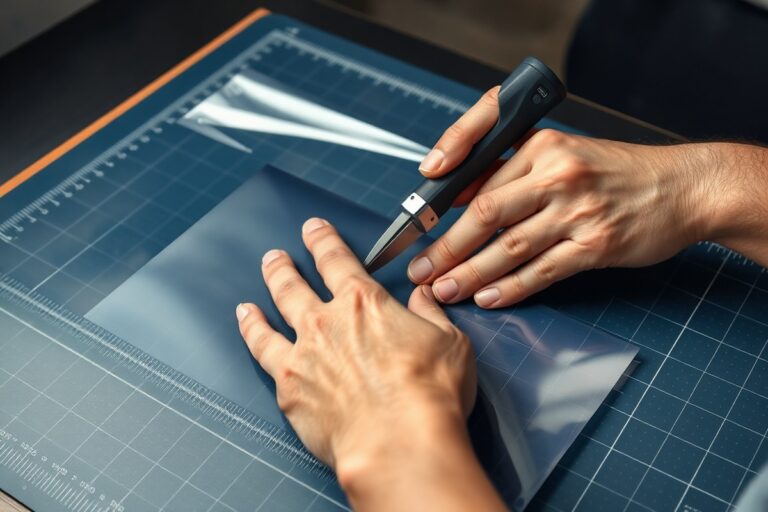
- Trim excess vinyl carefully with a utility knife after full application.
- Post-heat the entire surface for 1 to 3 minutes to activate the adhesive and set the vinyl.
Following these steps minimizes wrinkles and bubbles to deliver a clean, professional finish. Avoid rushing, applying too much heat, or skipping surface cleaning to maintain the vinyl’s long-term adhesion and appearance.
Maintaining and Cleaning Cast Vinyl Wraps for Longevity
Cast vinyl wraps require regular care to maintain their appearance and extend their lifespan. Proper cleaning every two weeks is recommended, especially in harsh environments. Dirt, road grime, and environmental contaminants like salt and pollutants can degrade the vinyl’s finish and adhesive over time.
Cleaning cast vinyl should be done with mild, non-abrasive solutions. Use a mixture of water with a few drops of liquid dish soap or a gentle car wash detergent. Avoid harsh chemicals, solvents, or abrasive scrubbing tools that could damage the film’s surface or the printed graphics. Always rinse thoroughly with clean water to remove soaps and residues. Dry the wrap with a soft, clean microfiber cloth to prevent water spots.
- Wash with mild soap and water every two weeks or more frequently in salty or polluted areas
- Use a soft sponge or microfiber cloth; avoid scrub brushes or abrasive pads
- Rinse completely to avoid soap residue that can dull finish
- Dry with a soft microfiber towel for a streak-free surface
- Protect from prolonged UV exposure by parking in shade or indoors when possible
- Rinse off saltwater thoroughly within 24 hours to prevent adhesive degradation
- Avoid high-pressure washers closer than 12 inches and keep spray angle greater than 45 degrees
Exposure to ultraviolet light is one of the main environmental factors that affect cast vinyl durability. UV rays can cause fading and weaken the adhesive over time. Using films with UV inhibitors helps but does not replace limiting sun exposure. Parking in shaded areas, garages, or covered lots adds significant longevity to the wrap. Saltwater exposure also accelerates wear by breaking down both vinyl and adhesive layers, so rinsing soon after exposure is very beneficial.
In colder climates, avoid washing wraps when temperatures are below 40°F (4°C), as water can freeze and crack the film. Warmer water around 90°F (32°C) helps soften dirt and makes cleaning easier. Cast vinyl is highly conformable and more resistant to shrinkage or cracking; however, neglecting basic maintenance can still shorten its effective lifespan. With proper cleaning and environmental precautions, cast vinyl wraps often last 7 to 10 years, helping protect the vehicle’s surface while maintaining a professional look.
How to Choose the Right Cast Vinyl for Your Project
Choose cast vinyl by considering how long your project needs to last, the shape of the surface, your budget, and the finish you want. Vehicle or marine graphics demand high-quality, flexible cast vinyl for durability and conformity. Balancing price and quality comes down to matching your project’s lifespan and appearance needs without overspending.
Assessing Project Requirements
Start by evaluating how long the vinyl must perform. Long-term vehicle wraps require premium cast vinyl that withstands weather, UV rays, and repeated washing for 5 to 7 years. Marine applications also need vinyl that resists saltwater corrosion and harsh sun exposure, typically high-grade cast with added protective layers. For flat or simple surfaces, a lower-grade cast film may suffice, but complex curves or irregular shapes call for a more flexible, conformable cast vinyl to avoid wrinkles or lifting.
The finish you want also affects choice. Gloss, matte, satin, and metallic finishes need different base vinyl films and coatings. A smooth high-gloss finish demands a vinyl with a fine casting sheet. Textured or specialty finishes might narrow your options but can add value if they match a project’s visual identity. Consider whether you’ll apply graphics on painted surfaces, plastic trims, or windows, as some premium cast vinyls have better adhesive formulas optimized for these materials.
Balancing Budget and Quality
Cast vinyl costs typically run from $3 to $7 per square foot, depending on grade and finish. Higher-end films offer better installation ease, longer durability, and warranties but might exceed your budget for short-term or low-visibility projects. Choose a mid-grade cast vinyl for jobs needing 2 to 3 years of performance or for smaller graphic elements rather than full wraps. This can reduce costs while still providing the key benefits of cast vinyl’s flexibility and smooth appearance.
Tight budgets might tempt you to use calendered vinyl for vehicle decals, but this material lacks the stretch and weather resistance of cast vinyl, risking early failure on curved surfaces. When cost matters, focus your premium vinyl dollars on areas prone to stress or weather exposure, while less visible or flat sections can use a basic film. Avoid compromising on the adhesive quality since poor adhesion will ruin the project regardless of vinyl type.
Final Selection Checklist
Review these steps before buying. Confirm the expected lifespan and durability requirements first. Match the vinyl grade and finish with those needs. Look for a film with proven weather, UV, and chemical resistance suited to vehicles or marine environments when needed. Check installation complexity: excessive curves and recesses benefit from thinner, more conformable cast vinyl. Ensure your supplier provides data sheets or warranty information so you can verify claims on longevity and finish quality.
Choose vinyl based on the surface material and whether it’s painted metal, plastic, or glass. Remember that some cast vinyls are better with post-application heat or overlaminates. Factor in drying/curing times the manufacturer recommends to avoid issues with adhesion or finish. Finally, if working on tight deadlines, prioritize products known for easy repositioning and bubble-free installation.
Always test a small vinyl sample on your project surface to check adhesion and conformity before committing to full sheets or rolls.
Step-by-Step Action Plan for Using Cast Vinyl
Follow these steps to select, prepare, and install cast vinyl correctly to ensure the best results and durability for your signage or vehicle graphics.
- Before you start: Research and select the appropriate cast vinyl grade based on your project’s surface and expected longevity. Confirm you have a vinyl designed for curves or contours if wrapping vehicles.
- Day 1: Clean the installation surface thoroughly with isopropyl alcohol or a suitable cleaner. A properly prepared surface prevents bubbles and promotes adhesion.
- Day 1: Use a squeegee and apply heat as needed to conform the cast vinyl smoothly over complex curves without stretching. Check for any wrinkles or air pockets to fix immediately.
- After 1 week: Inspect your installation for any edges lifting or peeling. Minor lifting can usually be pressed down again with heat and pressure.
- After 1 month: Begin routine maintenance by cleaning the vinyl gently with mild soap and water. Avoid abrasive materials and harsh solvents.
- Quarterly: Reassess the vinyl condition for fading or damage, especially if exposed to intense weather or chemicals. Plan replacement or touch-up if needed before visibility impacts your message.
Frequently Asked Questions
What Makes Cast Vinyl Better for Complex Vehicle Shapes Than Calendered Vinyl?
Cast vinyl is thinner and more flexible, allowing it to conform smoothly to curves without lifting or wrinkling, ideal for complex vehicle shapes like luxury cars or boats. This reduces installation errors and improves the overall finish quality.
How Long Can Cast Vinyl Wraps Typically Last on Outdoor Vehicle Applications?
Cast vinyl wraps usually last 8 to 10 years outdoors, especially in black and white films. This long lifespan results from their high durability against UV rays and weather conditions, making them cost-effective over time despite a higher initial price.
Can Cast Vinyl Be Used for Non-Vehicle Applications, Like Electronics or Home Surfaces?
Yes, cast vinyl is often used on devices such as computers, game controllers, refrigerators, and countertops for its smooth, durable finish. Its thinness and flexibility allow it to cover various surfaces without cracking or peeling.
Does Cast Vinyl Come in Colors That Change or Shift Like Metallic Finishes?
Cast vinyl offers a wider range of colors, including metallic options, though these tend to have shorter outdoor lifespans than solid colors. Use metallic cast vinyl mainly for decorative or short-term projects where durability is less critical.
Are There Any Specific Brands Recommended for High-Quality Cast Vinyl Films?
Avery Dennison SC 950 Vinyl Film is a popular choice known for reliability and quality within the cast vinyl market. Opting for established brands helps ensure consistent performance and ease of installation.
How Does the Thickness of Cast Vinyl Affect Its Performance Compared to Calendered Vinyl?
Cast vinyl is about 2 mils thick, thinner than calendered vinyl, which improve flexibility and conformability. Its thin profile assists in achieving a smooth wrap without sacrificing durability, making it ideal for complex surfaces.
Final Thoughts
Cast vinyl offers durability and flexibility that make it ideal for vehicle wraps and long-term signage, especially on curved surfaces. Take time to select the right product for your needs and prepare the surface carefully for a smooth installation. Start now by choosing a cast vinyl that matches your project’s environment, and ensure you have the right cleaning supplies to maintain your graphics’ appearance and lifespan.