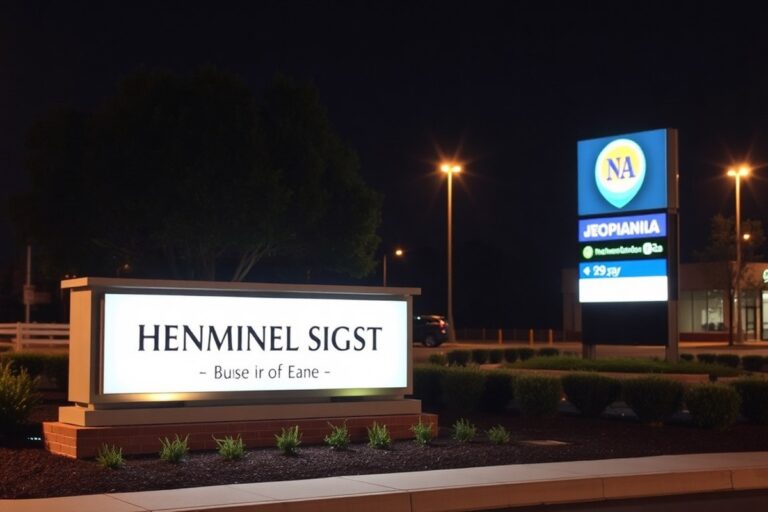
What Is a Monument Sign? Complete Guide to Types, Costs & Installation
What is a monument sign? It is a low-profile, freestanding sign typically no taller than 5 to 6 feet, designed to display your business name and branding visibly at ground level. Monument signs use durable, weather-resistant materials and complement surrounding architecture, making them effective for attracting attention and improving curb appeal. Start by considering your location and surroundings to choose a style and material that blends well while standing out to potential customers.
Key Takeaways
- Monument signs usually stand 5 to 6 feet tall, with custom options reaching up to 10 feet.
- Common materials include stone, brick, metal, high-density foam, and wood, each varying in cost and durability.
- Stone offers traditional elegance but comes at a higher price compared to materials like wood or foam.
- Monument signs are ideal for businesses in low-visibility areas or standalone buildings needing better identification.
- Lighting your monument sign boosts brand visibility beyond regular business hours.
- Project timelines for design and installation typically take 6 to 12 weeks to complete.
What Is a Monument Sign and How Does It Differ from Other Signs?
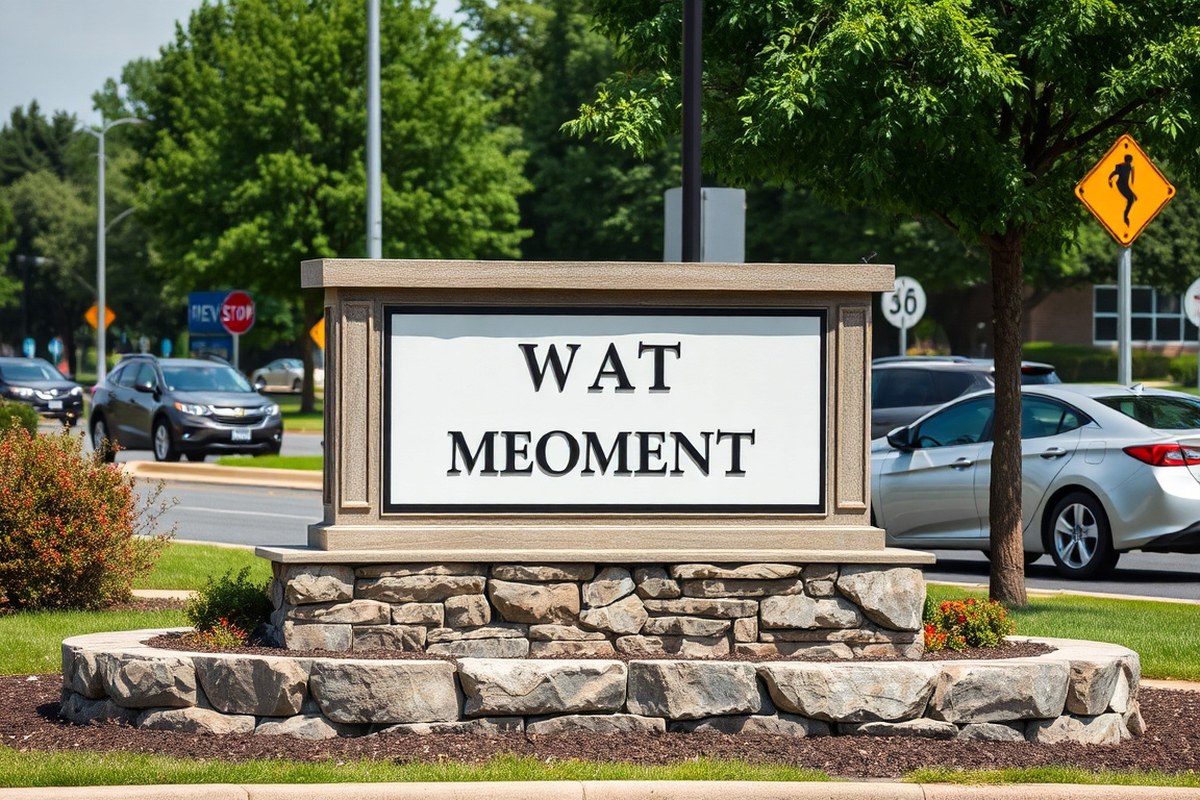
A monument sign is a type of freestanding sign that sits low to the ground, typically no taller than 5 to 6 feet, although some custom designs can reach up to 10 feet. It usually consists of a sign panel integrated directly onto or within a solid base made from materials such as stone, brick, or concrete. This design gives monument signs a sturdy, grounded appearance that complements the surrounding landscape or building architecture. They are often positioned at entrances, sidewalks, or parking lots to mark a business, office complex, or commercial property clearly and attractively.
The primary difference between a monument sign and other freestanding signs like pylon or totem signs lies in height and visibility purpose. Pylon signs stand tall on poles or columns and can reach heights well over 20 feet, designed to be visible from a distance, such as along highways. Monument signs maintain a lower profile to be readable at eye level, adding an aesthetic touch that blends with the site rather than dominates it. For example, a pylon sign would be ideal for a shopping center needing visibility from a busy road, while a monument sign suits a business park entrance or single building requiring a welcoming, professional look.
Monument signs come in several styles but share common features. They have a substantial base, often built to match the materials and style of the business’s exterior, supporting the display panel containing company names, logos, or tenant listings. Their height generally ranges from 3 to 6 feet tall with widths varying widely but usually designed to fill the base proportionally. Many business owners customize their monument signs with illumination, such as LED lighting, to improve visibility during evening hours without increasing height.
Choosing a monument sign over other options depends on your location and branding goals. Since these signs are closer to ground level, they are excellent where pedestrian traffic is high, or where you want to create a physical landmark at entrances. They also serve well in areas with height restrictions or local ordinances limiting sign size. Although monument signs typically cost between $5,000 and $15,000, depending on size and materials, they offer durable branding with a tailored appearance that smaller signs lack. Installation usually takes 6 to 12 weeks, factoring in custom design, permitting, and fabrication.
Understanding these characteristics helps ensure you select the right sign type. Monument signs offer a blend of visual appeal and functional branding that differs notably from the tall, pole-mounted presence of pylon signs. Their size and construction support a professional, permanent impression suitable for many commercial settings, making them a popular choice among business owners aiming to establish a clear, attractive identity at street level.
Common Types and Materials Used for Monument Signs
Monument signs come in several types, each designed to fit your business needs and location. Your choice of materials affects durability, style, and cost, so picking the right combination can make a big difference in your sign’s effectiveness and longevity.
Single-Tenant and Multi-Tenant Signs
Single-tenant monument signs showcase a single business or organization, focusing on clear brand identity and high visual impact. They allow for maximum customization to match the property’s style and are ideal for standalone businesses or facilities.
Multi-tenant signs serve multiple businesses within a single property, like office parks or shopping centers. These signs organize tenant names and logos, providing equal visibility but usually more restrictive design options to maintain consistency and legibility.
- Single-Tenant Signs: Pros include full design control and strong brand presence; cons include higher costs for custom builds.
- Multi-Tenant Signs: Pros include cost-sharing and efficient space use; cons are limited design flexibility and possible clutter if not well planned.
Illuminated vs Non-Illuminated Options
Illuminated monument signs use LED or backlighting to increase visibility during early morning, evening, and night hours. This feature can boost your brand’s presence in low-light conditions but adds to the upfront and ongoing cost through installation and electricity.
Non-illuminated signs rely on natural light, which cuts costs but limits visibility after dark. They are suitable for businesses with daylight hours or if local zoning restricts lighted signage.
- Illuminated Signs: Higher cost and energy use but increased visibility and professionalism.
- Non-Illuminated Signs: Lower cost with limited hours of effective visibility.
Material Choices and Benefits
The material you select for a monument sign impacts durability, aesthetic style, and overall cost. Stone and brick offer high durability and a traditional or versatile look but have higher upfront costs due to materials and labor. Metals like aluminum provide a modern, sleek appearance with medium to high cost and good durability. High-density foam materials are budget-friendlier and versatile but less durable. Wood offers a natural, rustic style but tends to have medium durability and maintenance needs. Here is a comparison of common monument sign materials to help you decide:
| Material | Durability | Aesthetic Qualities | Cost |
|---|---|---|---|
| Stone | High | Traditional, elegant | High |
| Brick | High | Versatile, matches architectural elements | Medium |
| Metal (Aluminum) | High | Modern, sleek | Medium/High |
| High-Density Foam (Acrylic/Lexan) | Medium | Versatile, cost-effective | Low/Medium |
| Wood | Medium | Natural, rustic | Medium |
Choose stone or brick if you want a long-lasting sign that blends with traditional or classic architecture, keeping in mind the higher investment. Metal works well for modern sites and offers the strength to withstand harsh weather. For tighter budgets or temporary signs, high-density foam provides good visual appeal without a major upfront cost. Wood best suits businesses looking for a natural or handcrafted look but may require more upkeep in humid or rainy climates.
Consider local weather conditions when picking materials; for example, wood needs more maintenance in humid areas, while metal resists corrosion better in coastal environments.
Who Should Consider Installing a Monument Sign?
Monument signs suit businesses and properties looking to boost visibility and create a strong first impression. They work especially well for establishments with physical locations that aren’t immediately obvious from the street, such as office parks, shopping centers, or medical complexes. If your business is tucked away behind other buildings, has a large parking lot, or sits on a busy road where passing motorists must make quick decisions, a monument sign can attract attention and help guide customers to your entrance.
Property managers overseeing multi-tenant developments or gated communities also benefit from monument signs to display the name and branding of the property clearly at the entrance. These signs often include directional information like suite numbers or arrows, reducing confusion and missed visits. The right monument sign extends your brand identity to the street level, reinforcing your professional image and increasing foot or vehicle traffic.
Consider a monument sign if your location experiences low foot traffic or is surrounded by several competitors where standing out is critical. Lighting your monument sign improve visibility during early mornings, evenings, and poor weather, which boosts effectiveness. However, if your business enjoys excellent street frontage or dense pedestrian traffic, alternative signage like building-mounted signs or window graphics may suffice without the expense and permitting needed for a monument sign.
To decide if a monument sign fits your needs, use a simple checklist: first, assess your site’s visibility from major roads and whether customers can find you easily. Next, evaluate your branding goals, do you want something substantial to represent your company and catch the eye? Lastly, consider your budget and local regulations, including permit requirements, which vary but usually involve submitting detailed plans and waiting several weeks for approval.
Site selection is critical for monument sign success. Place the sign near the main entry or driveway, where it can be seen by approaching traffic without obstructing sightlines or pedestrian pathways. The sign should complement your property’s architectural style and colors, avoiding overly tall or bulky designs that might clash. Keep in mind that installation usually takes weeks or months, depending on sign size, materials, and permit processing times, which can affect your decision timeline and cost.
In short, businesses and property managers benefit most from monument signs when their location lacks immediate visibility or needs a clear branded marker to attract and guide customers. Avoid monument signs if your site is naturally prominent or restricted by zoning, as maintaining simplicity might be both more economical and effective. Proper evaluation and placement ensure your monument sign not only looks professional but drives consistent engagement and customer visits.
How Much Do Monument Signs Cost and What Affects Pricing?
Monument signs typically cost between $3,000 and $15,000 depending on several important factors. Size drives the base price, with small signs starting near $3,000 and larger, more prominent signs costing upwards of $15,000 or more. Custom features such as design complexity and materials can raise prices considerably. Using premium materials like stone or wrought iron adds durability but increases the cost. Including lighting to make the sign visible at night generally adds between $1,000 and $3,000, depending on whether you choose internal LED lighting or external spotlights.
| Cost Factor | Impact on Price |
|---|---|
| Size | Small signs start near $3,000; larger signs can exceed $15,000 |
| Materials | Stone, brick, and metal increase durability and cost |
| Lighting | Internal LED or external lighting adds $1,000, $3,000 |
| Design Complexity | Higher complexity means higher custom design and fabrication fees |
| Number of Signs | Multiple signs typically lower cost per sign due to scale |
For example, a simple 4-foot wide monument sign made of metal with no lighting may cost around $3,500 to $5,000 installed. Adding internal LED lighting to the same sign would increase the price to about $5,000 to $7,000. Meanwhile, a larger 8-foot wide sign built from stone with external spotlighting and a detailed custom design might range from $12,000 to $18,000.
Choosing the right size is essential because a sign that’s too small won’t be easily readable from a distance, reducing its effectiveness. Larger signs improve visibility but will increase material and installation costs. Opting for durable materials such as stone or brick adds upfront cost but helps the sign withstand weather and requires less maintenance over time.
Integrating lighting improves visibility in low-light conditions and prolongs the sign’s effective advertising hours. LED internal lighting tends to be more expensive but offers even illumination and lower energy use compared to external spotlights. Make sure to consider your local electrical codes and utility costs when planning illuminated monument signs.
Step-by-Step Timeline for Monument Sign Design and Installation
The process of designing and installing a monument sign typically spans several weeks to a few months, depending on design complexity and local permitting requirements. Key stages include initial design, site preparation and permitting, followed by installation and final approval. Each phase needs careful coordination to ensure the sign is both eye-catching and compliant with local rules.
Initial Design and Approval
The first step involves a detailed meeting between you and the sign company’s design team to outline your vision and branding needs. A site survey is conducted to assess the installation location, including visibility from roads and pedestrian areas. Designers will create preliminary sketches or digital renderings that reflect your brand colors, logo, and architectural themes.
Approval at this stage may require you to review and request changes, ensuring the sign meets both aesthetic and business goals. Expect the design phase to take about 2 to 4 weeks, influenced by how quickly revisions are made and how complex the design is. The typical workflow for this stage includes:
- Identify your business branding elements and desired sign style.
- Conduct a site survey to analyze access, visibility, and restrictions.
- Create initial design concepts and review with you.
- Revise designs based on your feedback.
- Prepare final design for permitting documents.
Site Preparation and Permitting
Once design is finalized, the next step is preparing the site and securing permits. Site preparation includes clearing vegetation, leveling the ground, and ensuring stable foundation conditions for the sign’s weight. The timeline for this work varies but generally requires 1 to 2 weeks for moderate site work.
Permitting is mandatory in nearly all municipalities and often involves submitting detailed plans to local zoning boards or planning departments. You’ll need to provide documentation about sign dimensions, lighting, materials, and location. The permit approval timeframe might range from 2 to 8 weeks depending on local government workload and regulations. A checklist for permit requirements generally includes:
- Completed application forms from your local planning or building department
- Scaled design drawings and site plans
- Proof of property ownership or authorization
- Compliance statements for zoning and electrical codes
- Fees for application and inspections
Start the permitting process early to avoid delays; local approvals often take longer than fabrication or installation.
Installation and Final Inspection
After permits are secured and the site is prepped, installation can begin. The actual mounting of the monument sign typically takes 1 to 3 days, depending on the size and complexity of the structure. This phase includes placing the foundation, erecting the sign, wiring for lighting if applicable, and securing all components firmly.
A final inspection by the permitting authority usually follows installation to check compliance with approved plans and safety codes. Passing this inspection is required before the sign is officially operational. Any discrepancies must be corrected promptly to avoid fines or removal orders. Here’s a brief installation timeline for clarity:
- Prepare the site foundation and ensure underground utilities are marked.
- Transport sign components to the site.
- Assemble and secure the monument sign in its designated position.
- Connect electrical systems for lighting if included.
- Conduct a final inspection with the authorities.
- Perform any required adjustments or fixes.
How to Maintain and Repair Monument Signs for Longevity
Maintaining your monument sign regularly keeps it looking sharp and extends its lifespan. Start with routine inspections every 3 to 6 months to check for dirt buildup, cracks, peeling paint, or fading graphics. Clean the sign surface using a mild detergent and soft brush or cloth to avoid damage. Power washing is usually not recommended, as high pressure can erode materials or loosen adhesives.
For illuminated monument signs, schedule lighting inspections twice a year. Check for burnt-out bulbs or malfunctioning LED modules and replace them promptly. LED lighting is energy efficient and long-lasting, but connections can corrode over time. Ensure electrical components are dry and securely wired. An experienced sign technician should handle electrical repairs to avoid safety risks.
- Clean the sign surface gently with soapy water every 3 to 6 months
- Inspect structural elements like brick or stone bases for cracks or mortar damage
- Replace burnt-out bulbs or LED panels immediately to maintain visibility
- Apply weather-resistant sealant on stone or concrete parts yearly to prevent weathering
- Trim landscaping around the sign to avoid blocking visibility or causing scratches
- Check and repair any loose panels or fasteners within 30 days of discovery
- Protect top corners of brick with aluminum base caps to reduce weather-related wear
Common repairs include patching cracks in masonry, repainting faded areas, and replacing damaged sign faces. Brick or stone monument signs sometimes develop chipped or cracked sections that, if left unattended, worsen with freeze-thaw cycles. Small masonry repairs typically cost between $100 and $500, depending on the material and extent of damage. Repainting with UV-resistant paint helps restore vibrancy and protect against sun damage.
Structural issues like leaning or shifting bases require immediate attention. These can result from soil erosion or inadequate initial installation. Contact a professional sign installer or structural engineer for evaluation and reinforcement to avoid expensive replacements.
Troubleshooting lighting problems begins with checking the power source and ensuring no wiring is loose or corroded. For LED systems, verify if any individual modules have failed and replace them according to product specifications. Avoid DIY electrical repairs unless you hold proper qualifications and follow local electrical codes.
Following these maintenance steps helps your monument sign remain a strong branding asset, visible and attractive year-round. Investing $200 to $600 annually in upkeep can prevent costly repairs later and keep your sign effectively representing your business day and night.
Design Tips to Maximize Visibility and Brand Impact
Maximizing the impact of a monument sign starts with carefully planning its size, color, lighting, and placement. These elements affect how easily drivers and pedestrians can see and recognize your brand. Following clear design principles helps ensure your sign attracts attention and supports your business goals.
Choosing the Right Size and Placement
Selecting the correct size for your monument sign depends on your location and the distance from which it needs to be read. Signs that face busy roads should be larger, generally at least 4 to 6 feet tall and wide enough to display your message clearly. Small signs may not be visible from a distance of 100 feet or more, reducing their effectiveness for capturing passing traffic. Placement near street corners, entrances, or well-lit pedestrian paths increases the chances that potential customers will notice your sign.
Place your monument sign where it won’t be blocked by landscaping, parked vehicles, or street furniture. Confirm local setback and zoning requirements before finalizing location. A well-placed monument sign that clearly identifies your property or business can reduce confusion and encourage more visits.
Color and Contrast for Readability
High contrast between text and background is essential for fast readability. Dark text on a light background or light text on a dark background works best. For example, white lettering on a deep blue or black base offers excellent visibility even from a distance. Avoid colors that blend into the environment, like greens against foliage, which can make the sign harder to see.
Your color choices should also reflect your brand identity. Incorporate your company’s primary colors but maintain contrast to keep the sign legible. Fonts should be simple, bold, and at least 6 inches tall for letters if the sign is viewed from 100 feet. Script or decorative fonts can reduce legibility and increase reading time, especially for drivers.
Lighting Options for Day and Night
Lighting improves monument sign visibility in low light and nighttime conditions. External lighting using spotlights or floodlights can highlight the sign while maintaining consistent color and brightness. Internally lit signs or channel letters provide even illumination but often cost more upfront and require regular maintenance. LED lighting is energy-efficient and durable, making it a common choice for illuminated monument signs.
Decide to add digital displays if you want to share changing messages, promotions, or event information. Digital monument signs draw more attention and are highly versatile but might require more investment and local approval due to brightness and content restrictions. For static signs, timed lighting that turns on at dusk and off at dawn optimizes energy use without compromising visibility.
Navigating Permits, Zoning, and Local Regulations for Monument Signs
Complying with local zoning rules, building standards, and safety requirements is required before placing monument signs. These rules generally dictate the dimensions, lighting options, and exact location on a property. Most areas set a maximum height for monument signs, usually 6 to 8 feet, and require the sign to be positioned a specific distance away from roads or property boundaries. Nearby residential or historic zones may have limits on lighting brightness or times of use.
Start by researching the specific zoning ordinances for your location. Local planning or zoning offices usually publish rules governing signage online or provide them at their offices. This research helps you understand limits on dimensions, materials, lighting, and placement for monument signs, which differ by city, county, and state. The rules ensure the sign fits community standards and doesn’t create traffic hazards or visual clutter.
Obtaining the necessary permits involves submitting detailed applications to your local government. The permit application checklist generally includes a site plan showing proposed sign location relative to property lines, engineering or construction specifications, lighting details, and sometimes a certificate of insurance. Some areas require architectural drawings or proof that the sign meets electrical safety codes if it is illuminated. The approval process can take from two weeks to a few months depending on the local jurisdiction’s workload and complexity of your sign.
Before applying, verify if your site is in a special zoning district or historic area, as additional restrictions or design review boards might require changes to your design or materials. Business owners and property managers should engage early with city planners or local signage consultants who understand municipal code nuances. These experts can help avoid costly redesigns or application denials that delay installation.
Costs for permits vary widely but usually range from $50 to $400 per sign, depending on local fees and sign size. Noncompliance risks fines, mandated removal, or forced redesign, so following the exact permitting process is critical. Proper installation aligned with approved permits helps avoid inspections failures and ensures your monument sign lasts and delivers maximum visibility for your business.
Always double-check setback and height limits with your local zoning office before finalizing your design to prevent permit rejections and costly adjustments.
Your Monument Sign Quick-Start Action Plan
Follow these steps to get your monument sign project off the ground smoothly and ensure it meets your business goals.
- Week 1: Identify the primary purpose of your monument sign, brand visibility, directional, or informational, and pinpoint its ideal location on your property to match local zoning rules.
- Week 2: Research material options and sign types that fit your budget and business style, then request quotes from at least three reputable signage companies to compare costs and services.
- Week 3: Submit your permit applications with local authorities, providing all required design details and site plans to avoid delays; confirm approval before moving forward.
- Week 4: Finalize your sign design with the installer, ensuring it meets visibility guidelines, local regulations, and your branding standards; approve proofs before production.
- Week 5 to 7: Oversee the sign fabrication and installation, confirming your installer follows the agreed timeline, quality standards, and safety practices on site.
- After Installation: Perform a thorough inspection to verify structural integrity and visibility, then schedule regular cleaning and maintenance to extend your sign’s lifespan.
Frequently Asked Questions
What Are Common Maintenance Issues with Monument Signs?
Common maintenance issues include fading, cracking, and dirt buildup. Regular cleaning and occasional touch-ups help keep your sign looking sharp and legible.
Can Monument Signs Incorporate Lighting?
Yes, many monument signs use internal or external lighting to improve visibility at night. Choose energy-efficient LED lights for long-lasting illumination and lower costs.
How Does Weather Affect Monument Sign Durability?
Weather can cause wear through fading, moisture damage, or physical impacts. Materials like stone or metal resist weather better, so pick materials suited to your local climate.
Are Monument Signs Good for Multi-Tenant Buildings?
Monument signs can display multiple business names, making them suitable for multi-tenant sites. Design them with clear, legible lettering to ensure each tenant gets visibility.
Can Monument Signs Be Digital Screens?
Digital monument signs are available, allowing programmable messages. They cost more than traditional signs but offer versatile advertising options for your business.
How Much Space Does a Monument Sign Typically Require?
Monument signs usually need a flat, visible area about 6 to 10 feet wide and clear of obstructions for maximum impact. Check site conditions before planning installation.
Before You Go
Monument signs make a strong statement at your location by combining aesthetics and function to guide and attract customers. Taking the first step to define your sign’s purpose and location will set you on the right path. Contact a trusted local sign company today to start your permit process and bring your brand to the street.