How Much Does a Dibond Sign Cost? A Complete Pricing Breakdown
How much does a Dibond sign cost? On average, expect to pay between $700 and $1,500 for a fabricated 4×8 foot exterior sign, excluding installation. Dibond offers excellent durability and stability for the price, outperforming standard aluminum sheets in rigidity without a hefty cost increase. Start by selecting the sign size and thickness since they heavily influence the total price.
Key Takeaways
- Dibond signs typically last up to 15 years outdoors, offering long-term value compared to shorter-lived alternatives.
- Sign size and thickness are key factors; 3mm panels suit most exterior signs up to 4×8 feet, while 6mm adds stability for larger formats.
- Printing and protective coatings affect cost and durability; premium coatings can extend vibrancy and weather resistance beyond a decade.
- Custom shapes, drilling, and mounting options add to the base sign price and should be planned early in your budget.
- Installation and shipping fees may be separate; some suppliers offer free shipping on sizes up to 4×8 feet.
- Dibond panels provide better rigidity than .040 aluminum at similar prices, making them a smarter investment for sign stability.
How Much Does a Dibond Sign Cost on Average?

Expect to pay between $50 and $300 for most standard Dibond signs, depending primarily on the size and thickness of the panel. Smaller signs, around 8″ x 12″ or 12″ x 12″, typically start closer to $50. Larger sizes, especially those nearing 48″ x 96″, will push toward the higher end of the range due to increased material and printing costs. The 3mm thick Dibond panels are common for sizes under 36″ x 36″ and provide excellent flatness and rigidity, which suits most business signage needs.
Size directly impacts cost because larger sheets require more material and longer print time. For panels exceeding 36″ x 36″, a thicker 6mm Dibond panel is recommended for greater stability, which can slightly increase the unit price. The choice between 3mm and 6mm thickness matters mainly for bigger signs and harsher outdoor environments, but the print surface flatness remains similar for both thicknesses.
| Sign Size | Material Thickness | Typical Price Range | Common Use |
|---|---|---|---|
| 8″ x 12″ | 3mm | $50 – $70 | Small directional or informational signs |
| 12″ x 12″ | 3mm | $60 – $80 | Indoor or small outdoor signs |
| 18″ x 24″ | 3mm | $80 – $120 | Standard business signage |
| 36″ x 36″ | 3mm or 6mm | $120 – $180 | Medium to large storefront signs |
| 48″ x 96″ | 6mm | $200 – $300+ | Large outdoor signs and displays |
Prices often include a single-sided print on smooth Dibond with straight or rounded corners, but adding custom shapes, double-sided printing, or specialty finishes can increase costs. Delivery usually happens within 2 to 5 days, and some suppliers include free shipping for large sizes like 4′ x 8′. Custom options also expand with Dibond, allowing you to tailor signs to your branding needs without major price jumps.
What Factors Affect the Price of a Dibond Sign?

The price of a Dibond sign varies significantly based on factors like thickness, print method, finishing options, and design complexity. Thickness matters because standard options are 3mm and 6mm. A 6mm panel has a thicker plastic core, improving rigidity and durability, but its aluminum layers remain the same thickness as 3mm. Larger or thicker panels increase cost, especially when extra rigidity is necessary.
Printing method also influences cost. For signs 36 inches by 36 inches and larger, direct printing digitally applies graphics straight onto the Dibond surface. This produces vivid, detailed images with vibrant colors using 720×720 dpi resolution and UV-resistant inks. Applied graphics such as vinyl overlays or laminates might add materials and labor costs but can offer different finishes or designs. UV protective coatings come in four grades, extending the sign’s life and adding a weather-proof layer that can last over 10 years, but each grade adds to your price.
Design complexity affects price too. Intricate designs or custom shapes might require extra cutting time or design adjustments. Adding features like rounded corners can slightly increase costs. Simpler layouts cost less because they demand less setup and print time.
- Choose 3mm or 6mm thickness depending on durability and rigidity needs.
- Direct high-resolution digital printing offers vibrant, long-lasting graphics.
- Applied graphics like vinyl add costs but allow for different textures and finishes.
- Protective coatings vary in durability and price; higher grades increase lifespan.
- Custom shapes and rounded corners usually come with extra cutting charges.
- Large signs require more material and printing time, increasing the cost.
- Design complexity can raise art preparation and printing costs.
Specifying a thicker 6mm Dibond panel can double rigidity for less than double the cost but affects shipping weight and installation handling.Applying a clear UV protective laminate is standard for weather resistance and protects against sun and pollution, which slightly raises the price. Direct digital UV printing combined with this laminate is the best option for vibrancy and durability outdoors. Since the aluminum sheet thickness doesn’t change between the two panel types, upgrading thickness mainly impacts the core material and sign stiffness, not material weight drastically. This setup balances cost and quality for longer outdoor exposure, but if your sign demands extra protection or specific finishes like a brushed aluminum look, custom requests will affect pricing and turnaround times.
Comparing Dibond Signs and Solid Aluminum Costs
Dibond generally costs less than solid aluminum when considering both material price and installation expenses. This is mainly because Dibond is a composite material comprising two thin aluminum sheets with a lightweight polyethylene core, which reduces the overall weight. A 4×8-foot Dibond panel is significantly lighter than a solid aluminum sheet of comparable size, easing handling, reducing mounting hardware needed, and lowering labor costs during installation. For large signs, this weight difference makes Dibond more cost-effective.
On smaller signs, the weight difference between Dibond and solid aluminum is minimal. In those cases, solid aluminum may offer better durability and robustness, which can justify a slightly higher price. Large-format signs benefit most from Dibond’s lighter composition, as it compounds the savings on installation and material costs. For uses requiring complex shapes or intricate custom work, Dibond retains its versatility, making it easier to personalize without adding much to the base cost.
Weight also affects the project’s total cost. Although Dibond is thicker than a single .040 aluminum sheet, it remains lighter and easier to handle. This means less strain on mounting structures and lower shipping fees compared to solid aluminum, especially for large or multiple signs. In contrast, heavier solid aluminum signs may require sturdier supports and more installation time, increasing total project expenses.
| Attribute | Dibond | Solid Aluminum |
|---|---|---|
| Material Composition | Two 0.012″ aluminum sheets + polyethylene core | Single sheet aluminum |
| Weight (4×8 ft panel) | Significantly lighter | Heavier |
| Installation Ease | Lower hardware and labor costs | More strong mounting, higher labor |
| Durability | Highly durable, weather-resistant | Strong and long-lasting |
| Cost-effectiveness | Better for large or custom shapes | Suitable for smaller, heavy-duty needs |
| Recyclability | Recyclable | Recyclable |
Choosing between Dibond and solid aluminum signs depends on the size and application of your sign. For large-scale outdoor signage where weight impacts shipping and installation, Dibond offers clear savings without sacrificing durability. Smaller signs or those requiring extra robustness may justify the extra cost and weight of solid aluminum. Balancing these factors with your project’s budget and performance needs will help you pick the best material.
How Size and Thickness Determine Your Sign’s Cost
Panel thickness and size significantly influence the cost of a Dibond sign. Choosing between 3mm and 6mm thickness affects rigidity and pricing, while the dimensions determine fabrication, material, and shipping expenses. Selecting the right combination depends on your sign’s application, budget, and required durability.
Pricing Differences Between 3mm and 6mm Panels
3mm Dibond is the most common thickness used for exterior signs up to 4 by 8 feet, offering a smooth, professional finish at a moderate cost. Expect to pay between $18 and $35 per square foot for a fabricated and digitally printed 3mm panel. Switching to 6mm thickness increases rigidity and durability but also raises material and fabrication costs, sometimes by 30% or more, depending on the supplier.
Choosing 6mm thickness matters when the sign needs extra durability in harsher environments, such as high winds or frequent handling. For most standard outdoor signs up to 4 by 8 feet, 3mm offers a good balance of strength and cost efficiency. When you need thicker panels, confirm with your manufacturer how much they charge beyond the standard 3mm rate, as pricing can vary.
Standard Size Options and Cost Implications
Standard Dibond panels typically come in sizes up to 4 feet by 8 feet, which fits most signage needs. Sizes smaller than this generally follow a straightforward price per square foot model, making it easier to predict costs. Larger or custom dimensions may require cutting, which adds fabrication time and increases the price slightly.
Fabrication becomes more complex when the sign size approaches the maximum standard panel dimensions. Fabricators may charge extra for oversized cuts or custom shapes. Size also influences how much material is wasted during fabrication, signs with unusual proportions might generate more scraps, pushing prices higher.
Maximum Panel Sizes and Shipping Considerations
Dibond panels larger than 4 by 8 feet are uncommon and usually custom ordered; these can cost much more due to limited availability and special handling requirements. Shipping costs escalate quickly for oversized signs because carriers must use freight instead of standard parcel services. Freight shipping can add several hundred dollars to your total, especially if the sign is large and heavy.
When ordering large signs, check the maximum panel size your supplier stocks to avoid multiple-piece orders that require assembly on-site. Larger panels reduce installation time but may increase shipping and handling costs. Make sure to confirm with the supplier about packaging, shipping method, and costs before finalizing your order to budget appropriately.
How Printing and Finishing Choices Impact Price
Printing and finishing choices significantly influence the cost and longevity of a Dibond sign. Deciding between direct printing and vinyl graphics affects upfront expenses and weather resistance. Adding laminates or UV coatings improves durability but adds to the price. Specialty finishes increase visual appeal and protection but require careful cost-benefit evaluation.
Direct Printing vs Applied Vinyl Graphics
Direct printing involves applying UV-resistant inks straight onto the Dibond panel, creating sharp, vibrant images with excellent adhesion. This method often costs more initially, typically $50 to $100 extra per square foot compared to vinyl graphics, due to the advanced printers and UV inks used. The advantage is better durability and color retention since the ink penetrates the surface and resists fading under sunlight.
Vinyl graphics consist of printed or colored vinyl sheets cut and applied on top of the Dibond. They generally cost less upfront, about half the price of direct printing, making them a good choice for smaller budgets or temporary signage. However, vinyl overlays are more susceptible to peeling and fading if exposed to harsh weather for extended periods. For signs needing vivid, long-lasting backgrounds, using colored vinyl overlays with proven fade resistance is recommended.
Choosing vinyl for large, short-term promotions saves money but expect to replace the sign after 2 to 3 years outdoors.
Protective Coatings and Laminates Explained
Applying a laminate or UV coating adds another layer of protection over printed or vinyl surfaces. UV laminates help block harmful ultraviolet rays, preserving colors and extending the sign’s lifespan by several years. Laminates generally increase the cost by $20 to $40 per square foot, depending on thickness and quality. They also improve scratch resistance, making signs look newer longer in high-traffic areas.
Clear coats specifically designed for outdoor use improve resistance to moisture, dirt, and chemicals. These coatings are often sprayed or rolled on after printing or vinyl application and incur additional labor costs. While laminates add weight and a thin plastic film, their benefits in protecting your sign from fading and abrasion usually outweigh the expense, especially in sunny or harsh climates.
Cost-Benefit of Specialty Finishes
Specialty finishes like brushed textures, metallic sheens, or embossed effects add visual interest and tactile quality to a Dibond sign. These finishes typically add $50 or more per square foot due to the additional processing steps and materials required. They can improve your brand image by giving the sign a premium look, useful for storefronts, exhibitions, or high-end promotions.
However, these finishes sometimes trade off durability for aesthetics. For example, metallic surfaces might show scratches more readily or require extra care during installation. If long-term outdoor exposure is expected, consider applying protective clear coatings over specialty finishes to maintain their appearance. Use specialty finishes when impactful design is a priority and the sign will be maintained carefully.
Additional Costs: Mounting, Drilling, and Custom Shapes
Hole drilling on Dibond signs typically incurs a small additional fee, around 5% of the sign’s base price, though some providers offer this service free. You can also drill the holes yourself, but professional drilling ensures precise placement and clean edges that maintain the sign’s durability and appearance. Rounded corners do not usually add to the cost, even for corners sized 1/8″, 1/2″, or 1 inch. This is an aesthetic option that protects the edges and improves safety by eliminating sharp points on your sign.
Custom shapes beyond standard rectangles, circles, or ovals, like logos or irregular outlines, can be made from Dibond but usually require a custom quote. Large signs, especially those exceeding 36″ by 36″, offer more options for rounded corners and shapes, with full sheet sizes going up to 48″ by 96″ or even 60″ by 120″ for very large orders. More complex shapes may increase turnaround time and cost, so planning ahead and contacting your supplier for a quote is essential.
Mounting hardware costs vary depending on the method and materials chosen. Bare-bones options like screws and wall anchors are inexpensive and simple to install but may not suit all cosmetic or durability needs. Standoffs, split batten mounts, and shadow box mounting provide a professional, secure finish and improved visual appeal but cost more upfront and often require professional installation.
- Drilling holes: 5% of base price or free, depending on provider
- Rounded corners: usually no upcharge, sizes range from 1/8″ to 1″
- Custom shapes: require a custom quote; more complex shapes increase cost
- Standard mounting: screws and wall anchors, low cost and DIY-friendly
- Premium mounting: standoffs, split batten, shadow boxes, higher cost, professional install recommended
- Large sizes (over 36″ x 36″): more corner options and shape flexibility
For good results, ensure hole placement aligns with your mounting hardware to avoid cracking or distortion. Choose mounting styles based on where the sign will be displayed outdoors and how secure or visible the mounting needs to be. Rounded corners help resist chipping and weathering in outdoor conditions. Custom cutting should be specified clearly with your design files to avoid mistakes that slow turnaround or add extra charges.
Installation and Shipping: Hidden Costs to Budget For
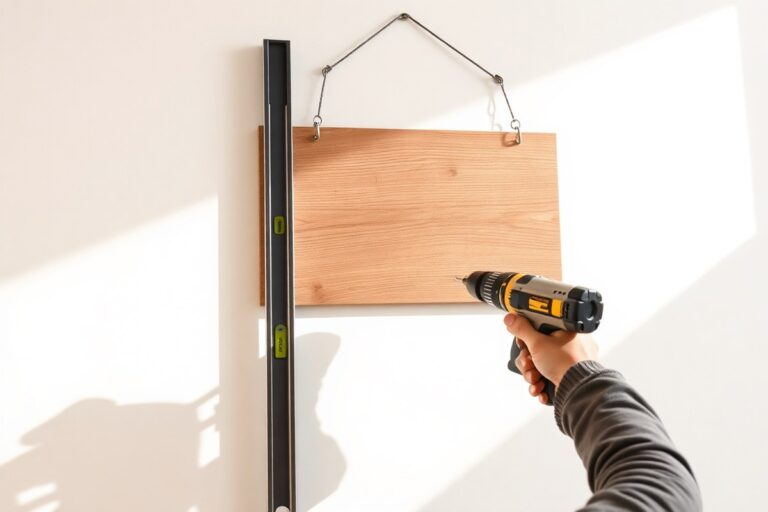
Professional installation of a Dibond sign generally adds between $100 and $300 to your overall budget, depending on the complexity and location of the sign. For outdoor signs placed high on walls or in tricky-to-reach spots, expect labor costs on the higher end due to the need for scaffolding or specialized equipment. Simple, ground-level installations using aluminum stand-offs or screws may cost closer to $100. This service ensures your sign is securely mounted, weather-resistant, and meets any local codes.
Shipping costs for Dibond signs depend heavily on the sign’s size, weight, and your location relative to the supplier. For small to medium signs up to 24 by 36 inches, shipping within the continental US typically ranges from $20 to $50 when using standard ground services. Larger signs or expedited shipping can push this price closer to $75 or more. To avoid surprises, ask your supplier for a detailed shipping estimate based on your order’s dimensions and delivery address before finalizing your purchase.
Mounting options like VHB (very high bond) tape offer a less expensive alternative to screws and stand-offs, potentially cutting installation costs. VHB tape is strong enough to hold smaller Dibond signs flat against smooth surfaces without drilling, which can be especially useful for indoor signs or temporary outdoor setups. This method reduces labor time and can be done yourself with proper surface preparation: clean the area thoroughly, apply the tape evenly along the sign’s edges, and press firmly for several seconds. However, VHB tape might not hold up in extreme weather or on rough surfaces, making mechanical mounting a safer choice for most outdoor signs.
When budgeting, consider that professional installers manage permits, check walls for mounting support, and use the right fasteners to prevent wind damage and vandalism. Attempting installation without this expertise risks improper placement, insecure mounting, or damage to your sign or property. For cost savings, explore combining shipping and installation services from the same company, as bundling can sometimes yield discounts. Always request a detailed breakdown of these fees upfront so your total investment matches your expectations and the quality you want.
How Long Will a Dibond Sign Last and Is It Worth the Cost?
Dibond signs typically last between 7 and 15 years outdoors depending on the durability grade you select. The higher initial cost of premium grades often leads to better value over time because these signs resist fading and damage longer, reducing replacement frequency. Choosing between economy and premium depends on how long you expect to use the sign and the environment it will face.
Average Outdoor Lifespan of Dibond Signs
Dibond signs exposed to outdoor elements generally last about 7 to 15 years. Economy-grade signs tend toward the shorter end of that range due to less strong protective coatings, which can lead to quicker fading or wear. Premium grades use stronger UV-curing inks and improve surface treatments, helping the sign resist sun damage and harsh weather for over a decade.
The lifespan is critical because replacing signs frequently adds labor and material costs. Consider the climate and location. Areas with high UV levels, moisture, or extreme temperatures will decrease sign life, making higher grades a better investment. Indoor Dibond signs rarely need more than economy grade since they avoid these outdoor challenges.
Durability Grades and Their Cost-Effectiveness
Custom Dibond signs come in durability grades ranging from economy to ultra-premium. Economy grades cost less up front but usually last only a few years outdoors before visible wear appears. Ultra-premium signs cost more initially but can extend life to 15 years or more, lowering the average annual cost of ownership.
Choosing a grade is a balance of upfront cost versus long-term replacement expense. Replacing a cheap sign every 2 to 3 years can add up faster than paying more once for an ultra-premium sign. In high-traffic or highly visible commercial settings, premium grades protect branding and reduce disruptions caused by frequent sign replacements.
Consider your sign’s expected outdoor exposure and replacement tolerance before selecting a grade; short-term savings often lead to higher total costs.
Choosing Economical vs Premium Signs Based on Use
Economy grade Dibond signs work well if you need a short-term promotional or event sign, or an indoor display not exposed to weather. They offer sufficient quality for lower prices but typically require replacement within a few years when used outdoors. This choice suits budget-conscious users needing temporary signage.
Premium signs are better when you want long-term outdoor advertising, such as storefront branding or directional signs in high-exposure areas. Their resistance to fading and damage means less frequent replacement, which saves money and maintains a professional appearance. Two-sided premium Dibond signs are useful for outdoor real estate or street-level advertising where visibility and durability matter.
Step-by-Step Action Plan for Ordering Your Dibond Sign
Follow these steps to get a Dibond sign that fits your budget and lasts.
- Before You Order: Measure the space where the sign will go and decide the exact dimensions. Confirm your size to avoid extra costs later.
- Day 1: Choose the thickness of the Dibond panel based on durability needs and budget. Check with your supplier how thicker panels affect price and longevity.
- Day 2: Select printing options, UV printing offers durability, but costs more. Ensure your choice matches your climate exposure and budget.
- Day 3: Determine if you need custom shapes or additional finishing like lamination. These add to the price but can protect and improve appearance.
- Week 1: Get quotes including mounting, drilling, and installation from at least three vendors. Confirm what’s included to spot hidden fees.
- Week 2: Arrange shipping and installation timing. Verify delivery costs and schedule a professional installer if needed.
- After Installation: Inspect your sign for quality and durability features. Test for stability and check print clarity to ensure it meets expectations.
Frequently Asked Questions
How Much Does a Dibond Sign Cost?
Dibond signs generally cost more than standard aluminum signs due to their composite structure, but prices vary by size and print options. They offer a durable, rigid surface suitable for outdoor use at a competitive price with added stability.
How Much Does a 4×8 Sign Cost?
A 4×8 Dibond sign typically costs more than smaller sizes because of the material and printing needed. Expect prices to rise with larger dimensions, but they often include free shipping for this size from some providers.
How Long Do Dibond Signs Last?
Dibond signs can last up to 15 years outdoors when properly maintained, which is longer than many other materials. Their composite design resists warping and fading in outdoor conditions.
How Much Does an Aluminum Sign Cost?
Aluminum signs tend to cost less than Dibond signs because they are thinner and less rigid. They offer good weather resistance but may not provide the same durability or flatness as Dibond.
How Much Does an Average Sign Cost?
The average sign cost varies widely based on size, material, and design, typically ranging from $50 to several hundred dollars. Dibond sits near the higher end due to its quality and longevity.
Can I Use Dibond Signs Indoors?
Yes, Dibond signs work well indoors and outdoors, offering a smooth, rigid surface that holds graphics clearly for signage inside buildings.
Before You Go
Dibond signs offer a balance of cost, durability, and appearance that suits many outdoor business needs. Setting your size, thickness, and finishing preferences early helps control price without sacrificing quality. Contact a reliable sign maker today to get a detailed quote tailored to your project’s requirements and budget range.