Boutique Sign Ideas That Work: 8 Creative Signs to Boost Your Shop
Boutique sign ideas that capture attention start with clear, concise messaging paired with eye-catching design. Using short phrases and large letters makes signs easier to read from a distance, turning products into engaging ideas. Prioritize weather-resistant materials for outdoor signs to ensure durability and visibility in all conditions.
Key Takeaways
- Use short, impactful phrases like “Just in this week” to quickly convey product themes or promotions.
- Choose signs with an IP rating of 5 or higher to protect storefront signs from dust and moisture damage.
- Swap small plaques for larger LED or neon open signs to significantly increase door glances and foot traffic.
- Pair product descriptions with prices, such as “Ethically Sourced Linen, $45,” to provide clear buying cues.
- Design window signage to grab attention within a 3-4 second glance to convert passersby into shoppers.
- Customize storefront signs with your logo and colors to boost brand identity and street visibility effectively.
1. Types of Boutique Signs and Their Uses

Boutique signs come in several main types, each designed to boost your visibility, communicate specific messages, and improve customer experience. Storefront signs create your primary identity by displaying your boutique’s name and logo clearly to street traffic. They signal professionalism and permanence, often made of durable materials that withstand sun, rain, and dust. Sidewalk signs, such as A-frames, sit outside your entrance, grabbing the attention of pedestrians with changing promotions or previews like “New fall arrivals just landed. Come say hi.” These encourage passersby to stop and come inside.
Open signs work as a simple invite, showing whether you’re ready for business. Their compatibility with LED or neon lighting makes them more eye-catching, though they don’t display much detailed information. Inside the boutique, chalkboard signs provide budget-friendly, adjustable messaging. They let you creatively share sales, product details, or fun quotes to engage shoppers dynamically. Unlike exterior signs, indoor chalkboards avoid weather risks, so they don’t need tough materials but should balance legibility and artistic charm.
Durability varies widely between outdoor and indoor signage. Outdoor storefront signs require sturdier materials, often costing $150 to over $1,000 and needing weatherproofing with an IP rating of 5 or higher to keep dust and moisture out. Sidewalk and open signs range from $50 to $300, balancing visibility and cost, while indoor chalkboards tend to be the most cost-effective and flexible but least durable against weather exposure.
| Sign Type | Typical Cost Range | Durability | Customization Potential | Best Use Cases |
|---|---|---|---|---|
| Storefront Signs | $150, $1,000+ | High (long-lasting if weatherproof) | High, fonts, colors, logos, lighting | Establish brand identity, visibility from street, permanent |
| Open Signs | $50, $300 | Medium to High (LED/neon lasts longer than plaques) | Moderate, color, size, font, lighting | Signal store hours, invite walk-ins |
| Sidewalk Signs (A-frame) | Varies, usually $50, $300 | Medium (weather-resistant boards) | High, changeable messages, chalk or printed | Stop foot traffic, promote new arrivals or sales |
| Chalkboard Signs (Indoor) | Low ($20, $100) | Low (not weatherproof) | High, easily change messages daily | Highlight promotions, guide shoppers, social engagement |
The choice between these signs depends on location and messaging needs. Storefront signs anchor your boutique’s brand identity by making you visible from afar and for years to come. Sidewalk signs excel at quickly changing short messages to catch immediate attention and can be repositioned depending on foot traffic patterns. Indoor signs like chalkboards are ideal for customers already inside; they guide, inform, and entertain without worrying about weather damage.
Good results come from matching your sign type to its function and environment. A well-crafted storefront sign on weatherproof materials will last at least several years, making the upfront investment worthwhile. Sidewalk signs should prioritize readability and ease of updating messages as seasons and sales rotate. Indoor chalkboard signs offer constant fresh impressions but require regular rewriting to stay relevant. Mixing these intelligently helps pull potential customers in, keep them engaged, and increase sales throughout your boutique.
2. Designing Storefront and Open Signs That Attract Customers

A well-designed storefront and a clearly visible open sign are essential for drawing customers to your boutique. These signs should not only catch the eye but also convey professionalism and the essence of your brand. Positioning and lighting work together to ensure your signs stand out and invite foot traffic effectively.
Material Options for Durability and Appearance
Choosing the right material for your boutique storefront sign affects both durability and the impression you make. Wood offers a classic, warm look and is great for boutique brands focusing on natural or artisanal products. Acrylic provides a smooth, modern finish that works well for contemporary and minimalist aesthetics. Metal signs project a sleek, sturdy appearance and perform well in harsher weather conditions.
Quality materials can range from $150 for small wood signs to $500 or more for customized metal or acrylic signs. Investing in durable materials helps avoid frequent replacements, lowering long-term costs. For your open sign, LED or neon versions combine durability with better visibility, supporting your storefront in both day and night conditions.
Lighting and Visibility Considerations
Lighting directly impacts how noticeable your storefront and open signs are during different times of day. LED lighting consumes less energy and lasts longer compared to traditional bulbs, making it cost-effective and reliable. Neon signs add a classic appeal and can increase doorway glances substantially; swapping a 9-inch plaque open sign for a 24-inch LED neon one boosted visibility significantly in observed cases.
Consider front-lit signs or edge-lit acrylic for storefronts that want a glowing effect without excessive brightness. Avoid overly harsh lighting that creates glare or shadows, which can deter potential customers from reading your sign clearly. A brightly lit, clearly legible open sign signals that your store is ready and welcoming, whatever the hour.
Ideal Placement Strategies for Maximum Foot Traffic
Placement is key to ensuring your boutique’s signs perform well. Your storefront sign should be positioned at eye level or slightly above, centered above the entrance if possible. This placement captures attention from both pedestrians and drivers. For narrow sidewalks, a hanging sign perpendicular to the storefront helps people see your store from farther away. The open sign must be visible from the street to convert passersby into visitors efficiently.
Placing signs too low can make them easy to miss, especially if there are parked cars or street furniture blocking the line of sight. Ensure your signs do not compete with each other or with window displays; instead, they should complement and reinforce your message.
- Storefront sign: centered above the door, 6 to 8 feet high for pedestrians
- Open sign: mounted inside front window or directly on the door facing outward
- Use perpendicular hanging signs if your boutique is on a busy street with foot traffic
- Avoid placing signs near clutter or distractions like busy billboards or other store signs
- Keep signs clean and free from obstructions like awnings or window decals
- Check sightlines from multiple angles and distance points to ensure visibility
Keep your open sign illuminated at all times your store is open to prevent missed opportunities, especially during late hours or bad weather.
3. Creating Impactful Window and Sidewalk Signs
Window and sidewalk signs can significantly increase foot traffic and sales by sparking curiosity and offering clear, compelling messages. Quick, eye-catching statements paired with attractive design elements stop passersby and invite them inside. Regular updates maintain interest and reflect current promotions, making your boutique a lively and tempting destination.
Choosing Messages That Capture Attention Quickly
With only about 3 to 4 seconds to catch a passerby’s eye, window signs must deliver short, impactful messages. Use phrases that hint at exclusivity or urgency, like “New Arrivals Today,” “Limited-Time Sale,” or “Just In: Handmade Accessories.” These create immediate intrigue and encourage people to pause and look closer. Avoid clutter or too many words; focus on one clear offer or highlight.
Sidewalk signs work best when they balance information and curiosity. Questions such as “Looking for a unique gift?” or statements like “Find Your Next Favorite Outfit Inside” draw people in. Including a brief call to action, such as “Step Inside for 20% Off,” directs customers toward entering the store. Vary the tone depending on your boutique’s personality, casual, elegant, playful, to resonate with your target audience.
Combining Window Display and Signage for Storytelling
Window signs are more effective when integrated with the overall display. A window featuring seasonal merchandise paired with a sign that says, “Fresh Spring Styles Waiting for You” strengthens the visual story and encourages shoppers to enter. Illustrations or decals related to your products add charm and signal the uniqueness of your offerings.
Adding hand-lettered or chalkboard message boards allows for flexible storytelling that can change daily or weekly. These can highlight promotions, new products, or events and create a friendly, welcoming atmosphere. Using consistent style and tone across window signage and sidewalk boards helps build brand identity and trust among potential customers.
Maintaining Sidewalk Signs and Rotating Offers
Keeping sidewalk signs fresh and readable matters greatly. Change content frequently, at least twice a week, to reflect current deals, new arrivals, or special events. This frequent updating signals an active, inviting store and use impulse buying impulses.
Maintenance also includes cleaning the sign surface, refreshing lettering, and ensuring good visibility regardless of weather or time of day. Durable materials and weatherproof chalk markers or paints can reduce wear and extend sign life. When a promotion ends, remove or replace the sign promptly to avoid confusing customers. Follow these steps to plan, update, and maintain your window and sidewalk signs effectively:
- Assess foot traffic timing: Note busy hours and plan sign visibility accordingly.
- Craft a concise, clear message: Focus on one key promotion or invitation per sign.
- Choose materials and tools: Use weather-resistant chalkboards, vinyl decals, or waterproof markers based on location and design needs.
- Design for readability: Use large fonts and contrasting colors visible from 15 to 30 feet away.
- Install signage securely: Ensure window decals or sidewalk signs are stable and safe in all weather conditions.
- Schedule updates: Rotate sidewalk sign messages at least twice weekly; refresh window signs monthly or when new collections launch.
- Train staff: Assign responsibility for daily cleaning and regular content changes.
- Track responses: Notice changes in foot traffic or sales after updates to refine messaging strategy.
4. Using Chalkboard and In-Store Signs to Guide Customers
Chalkboard and in-store signs help you guide customers and boost sales by sharing clear, on-brand messages throughout your boutique. These signs should make shopping easier and more enjoyable, showing where to find products, explaining policies, or highlighting offers. Used creatively, they keep your customers informed and encourage buying decisions right inside the store.
Creative Uses for Chalkboard Signs Inside Boutiques
Chalkboard signs offer great flexibility because you can change messages as often as daily, tailoring them to new arrivals, promotions, or events. Use them to feature a “Look of the Day” or “Staff Picks,” which draws attention to specific products and gives your display a fresh appeal. Another idea is a quote or fun fact related to your brand ethos, which can create a welcoming atmosphere and make customers spend more time browsing.
Place chalkboard signs near fitting rooms to encourage trying on accessories or shoes that complement the clothes. They also work well at the checkout counter for last-minute add-ons or membership program details. Since chalkboards can be sized to fit any space, you can position small signs on shelves or larger ones near entrances.
Designing Effective Directional and Policy Signs
Directional signs should have clear fonts, simple icons, and high contrast to be readable from several feet away. Use arrows and concise text like “New Arrivals This Way” or “Sale Items Ahead” to help customers navigate your layout naturally. Always match the font style and color scheme to your overall boutique branding to keep a cohesive look.
Policy signs like your return or gift-wrapping policy need to be brief yet thorough, placed where customers can easily see them, such as near checkout or fitting rooms. Write them in friendly, customer-focused language to avoid confusion. A good phrase could be: “We accept returns with receipt within 30 days for store credit.” Incorporate templates from sites like Creative Fabrica to standardize fonts and align signs visually.
Boosting Purchases with In-Store Signs
Signs that suggest pairing products can increase sales. For example, place a sign reading “Complete Your Outfit with These Accessories” near complementary items. Use shelf signs showing prices and benefits, such as “Handmade, eco-friendly materials.” This not only informs but builds product value.
Promote limited-time offers clearly with countdowns or phrases like “Only 3 Left in Stock!” A well-placed sign promoting loyalty programs or monthly events can motivate repeat visits. Good in-store signage encourages impulse buys by making options obvious and appealing without overwhelming the shopper.
Tips for Maintaining and Designing Effective Signs
Choose high-quality chalk markers that resist smudging and avoid dust buildup to keep chalkboard signs sharp and readable. Clean boards regularly with a damp cloth and allow them to dry before rewriting to prevent ghosting or faded text. For design, limit fonts to two styles and use large lettering, at least 1 inch tall, for visibility from 3 to 6 feet.
Keep messages short and punchy, generally under 15 words per sign, and use borders or color accents to make key points stand out. If you’re creating signs digitally before printing or transferring to the board, test readability on a screen from a distance, and ensure all graphics fit your boutique’s mood and colors. Revisit signage monthly to update promotions and remove outdated information.
5. Incorporating Custom and Neon Signs for Brand Personality
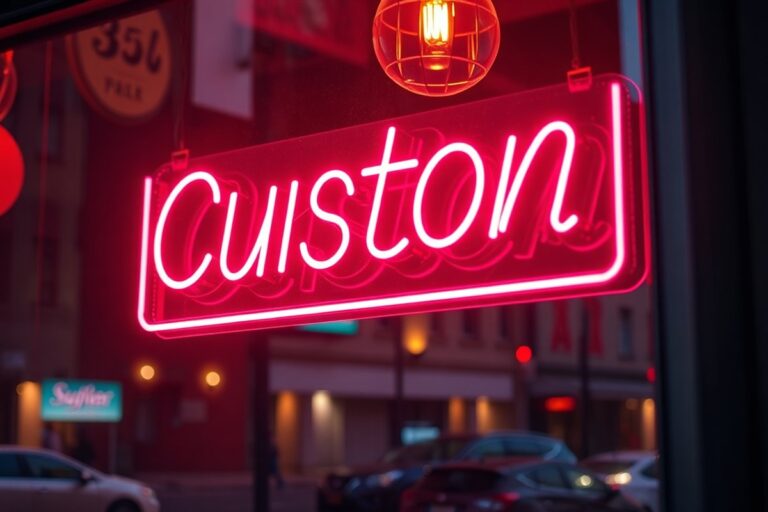
Custom and neon signs bring a unique and modern vibe to boutique spaces, helping your brand stand out visually while expressing personality. Neon signs emit a vibrant, colorful glow that instantly catches the eye, making them ideal for spotlighting your boutique’s name, slogans, or hashtags. Custom signs offer flexibility in materials and design, such as vinyl banners or fabric signs, allowing you to tailor messaging precisely to your target audience. These options help create an immersive shopping experience that connects shoppers emotionally to your brand.
Neon signs suit areas where you want immediate visual impact and atmosphere, like storefront windows or near the checkout counter. A popular choice is a glowing “SHOP” or your brand’s main phrase in hot pink or another bright color. These signs are often easy to install using mounting hardware designed for walls or glass, and many suppliers build them for quick setup. Neon lighting typically costs between $200 and $600 depending on size and complexity, but the investment pays off by drawing attention day and night. Custom vinyl or fabric signs, in contrast, cost less, usually $50 to $150, and work well for temporary promotions or rotating messages inside the boutique.
Choosing the right phrase or hashtag for your custom or neon sign requires focus on short, clear messages that fit your brand tone. Select words or hashtags your customers already use or that summarize your boutique’s theme, like “Vintage Finds,” “Sustainable Style,” or “#ShopLocal.” Limit the letter count to keep visibility strong; signs with 5 to 10 large letters are easiest to read from a distance. Phrases such as “Just In” or “Under $25” can also direct customer attention to specific product categories inside the store.
Place neon signs in spots where they complement natural flow, near entrances, beside dressing rooms, or behind the main counter. These locations maximize viewer engagement and can create signature Instagram moments. Custom signs go well above shelves or next to displays to support product storytelling without overwhelming the space. High-traffic pathways benefit from bold, lit signs, but areas for browsing or relaxing call for subtle signage to avoid visual clutter.
For boutique owners on a budget or testing new messaging, start with custom vinyl or fabric signs to evaluate customer response and style fit. Use neon signs as long-term investments in brand atmosphere and recognition. Mixing both types offers flexible branding, neon for consistent brand elements and custom signs for rotating promotions.
Keep messages on custom or neon signs concise and legible to ensure they attract attention rather than confuse shoppers with too much text.
6. Effective Sale and Price Sign Strategies That Convert Shoppers
Clear, concise sale and price signs help shoppers understand value quickly without searching for details. Use straightforward wording like “Save 20%,” “Limited Time Offer,” or “Just $35” to spotlight the deal. Avoid clutter and keep the message simple to drive immediate decisions. Since boutique shoppers prioritize uniqueness and quality over the lowest price, your signs should emphasize benefits instead of just discounts.
Pairing price signage with product storytelling boosts perceived value. Add a brief note about the item’s craftsmanship, material, or origin near the price. For example, a sign reading “Handcrafted silk scarf, Only $75” attaches a story that justifies the price and connects emotionally. This approach encourages shoppers to view the price as part of a curated experience rather than a simple expense.
Colors and fonts significantly affect readability and shopper response. Use high-contrast color combinations like black text on a white background or white text on jewel tones. Bright colors such as red or orange work well to grab attention for sale announcements. Choose clear, sans-serif fonts sized at least 24 points for legibility from a distance of 5 feet or more. Avoid script or overly decorative fonts that slow reading. Follow this checklist for creating effective sale and price signage:
- Use clear, action-oriented wording, e.g., “Save 15% Today” or “Only $45”
- Keep text minimal, no more than 5 words for main message
- Include a brief, compelling product story when possible
- Choose high-contrast color pairings for easy reading
- Use large, simple fonts (24 pt or higher) for visibility
- Place signs at eye level near the product or checkout
- Test signs in store lighting before finalizing
Preparing signs with these elements takes as little as 30 minutes using design software or professional printing services, typically costing $10 to $50 per sign depending on size and materials. Well-crafted signs result in quicker purchase decisions and can increase average sale amounts by making prices feel fair given the quality story told. Poor designs tend to confuse customers, cause hesitation, or reduce perceived value, leading to missed sales opportunities. Adjust wording, color, and placement based on your boutique’s style and typical shopper preferences for the best results.
7. Aligning Boutique Signage with Brand and Audience
Keeping your boutique signage consistent with your brand identity starts with developing a clear style kit. This means selecting a typeface, color palette, and materials that match the personality of your boutique, whether it’s rustic, chic, or modern. Every sign should visually express your boutique’s character, from the font style to the colors used and even the textures of the sign materials. For example, a boutique focused on handmade artisanal goods might choose warm, natural colors and wooden signs, while a trendy fashion shop could go with sleek fonts and metallic finishes. Consistency builds customer recognition and reinforces the vibe you want shoppers to experience.
Adjusting your signage style based on your target customer demographic involves a simple decision rule: observe the preferences and expectations of your primary audience and tailor the style accordingly without losing your core brand identity. Younger customers might respond better to playful, colorful, or modern signage that feels fresh and approachable, while an older, upscale clientele might prefer classic fonts and understated elegance. For instance, if your boutique caters mostly to millennial women interested in sustainable fashion, your signs could incorporate eco-friendly materials and a clean, minimal font. If your typical customer is more traditional, stronger serif fonts with neutral tones can convey timeless sophistication.
Each sign should incorporate essential branding elements such as your logo, boutique name, and your chosen color scheme. These components act like visual anchors that link all your signage back to your brand. Including the logo on storefront signs and sale signs helps reinforce brand awareness every time someone sees it. Your color palette should be consistent across all signage types to avoid visual confusion and to improve memorability. Materials also matter; picking similar textures or finishes creates a cohesive look whether the sign is in the window, on a sandwich board, or hanging indoors.
Ensuring that your signage style reflects your boutique’s personality requires effort and a bit of investment. Designing or purchasing a style kit, including custom fonts, color codes, and preferred materials, may cost anywhere from $100 to $500 depending on whether you hire a graphic designer. However, this upfront cost prevents mismatched signage later, which can confuse customers and weaken your brand presence. Good results show in increased foot traffic and better customer recall of your boutique’s name and style.
Common problems arise when boutiques use a mix of fonts, clashing colors, or inconsistent materials, making their signage appear unprofessional. Switching signage styles abruptly or ignoring customer preferences can lead to a disconnect between your brand and your audience. Always test new sign ideas in a small way first, such as updating one sign type, to see if it resonates with your customers before a full rollout.
8. Common Boutique Signage Mistakes and How to Fix Them
Poor boutique signage can turn away customers before they even step inside. One common mistake is cluttering signs with too much text or too many colors. This reduces readability and confuses your message. To fix this, limit text to no more than six words and use a simple color palette that fits your brand. A clean, clear sign catches eyes faster and makes a stronger impression.
Signs placed in the wrong locations also lose impact. For instance, placing a sale sign too high or too low can cause it to be missed. Position signs at or just above eye level where foot traffic naturally passes. For outdoor signs, make sure they’re visible from the street or parking lot to draw attention. Regularly walk your storefront to see what customers see and adjust signage placement accordingly.
Selecting materials that don’t suit your location leads to quick wear and an unprofessional look. For outdoor signs, weather-resistant materials like aluminum or acrylic cost more but last several years in sun and rain. Indoor signs can use paper or lighter plastics for budget-friendly options. Investing in durable materials prevents frequent replacements and maintains a polished appearance.
- Using too many fonts reduces brand cohesion; stick to one or two complementary fonts.
- Ignoring lighting makes signs hard to read in the evening; add spotlights or backlighting.
- Fonts that are too small or thin struggle to attract attention; choose thick fonts at least 2 inches tall for outdoor signs.
- Failing to update signs for sales or events causes confusion; remove old signs promptly once events end.
- Overusing trendy design elements risks quick obsolescence; aim for timeless styles with subtle trends.
- Not considering local signage laws leads to fines or forced removal; check municipal codes before installation.
Signs that fail to drive customer engagement often share warning signs like faded colors, illegible text, or visible damage. Such signs signal neglect and reduce trust in your boutique’s quality. Monitor your signs regularly and refresh or replace any that show wear or outdated information. Well-maintained signs communicate professionalism and invite shoppers inside.
Consistent evaluation and prompt updates to boutique signage protect your investment and ensure ongoing customer interest.
Your First 30 Days: A Quick-Start Plan for Boutique Sign Success
Follow this step-by-step plan to launch boutique signs that attract customers and reflect your brand. Track each step by customer response and sales changes.
- Before you start: Define your boutique’s brand style and target audience. Confirm that your signage ideas match this identity to ensure consistency.
- Day 1: Choose a main storefront sign that clearly displays your boutique’s name and style. Note increased foot traffic as a sign it works.
- Week 1: Add window and sidewalk signs showcasing current collections or promotions. Measure success by watching customer engagement and inquiries.
- Week 2: Install custom or neon signs inside to reinforce your boutique’s personality. Check if customers comment on the atmosphere or linger longer inside.
- Week 3: Introduce chalkboard signs with changing messages about sales or events. Evaluate effectiveness by tracking specific sale increases during these promotions.
- Week 4: Review all signage for readability, placement, and brand alignment. Adjust any signs customers find confusing or unattractive, based on feedback.
- After 1 month: Use sales data and customer feedback to fine-tune your signage strategy. Plan updates or seasonal sign changes accordingly.
Frequently Asked Questions
What Materials Work Best for Outdoor Boutique Signs?
Durable materials like metal, acrylic, and weather-resistant vinyl work best for outdoor boutique signs because they withstand weather and retain visual appeal. Choose something suited to your climate to keep signs looking fresh longer.
How Can Lighting Improve Boutique Sign Visibility?
Lighting boosts visibility by making signs readable at night and catching attention. Use options like LED backlighting, spotlights, or neon for a vibrant look that draws customers after dark.
What Size Should a Boutique Window Sign Be?
A boutique window sign should be large enough to read easily from the street, typically covering 30-50% of the window. This balance keeps visibility high without blocking too much natural light or displays inside.
How Often Should Boutique Signage Be Updated?
Update boutique signage every 1-3 years or when branding, promotions, or product lines change. Fresh signage keeps your image current and relevant to shoppers.
Can Boutique Signs Include QR Codes for Customer Engagement?
Yes, including QR codes on boutique signs can direct customers to sales, social media, or loyalty programs. Keep codes visible and test them to ensure quick scanning.
What Are Effective Fonts for Boutique Signs?
Clear, bold fonts in a style matching your brand attract readers quickly. Sans-serif fonts often improve legibility from a distance compared to script styles.
Key Points to Remember
Effective boutique signage combines clear messaging with a design that fits your brand and appeals to your ideal customers. Start refining your signs based on how shoppers respond today, and you’ll create a stronger in-store experience that drives sales. Try updating or adding one type of sign now and watch how it impacts your foot traffic and customer interest.