Are Neon Signs Hot? What You Need to Know About Heat and Safety
Are neon signs hot? Traditional neon signs do get hot, with glass tubes reaching up to 200 degrees Fahrenheit, enough to cause burns if touched. LED neon signs, however, run much cooler, typically staying just above room temperature, making them safer to handle. Prioritize your sign choice based on heat risk and use location to minimize hazards.
Key Takeaways
- Traditional neon signs can reach 200, 250°F, which can burn skin on contact.
- LED neon signs use low voltage power sources, typically 12V or 24V, and generate very little heat.
- Neon signs waste up to 90% of energy as heat, so expect some warmth.
- Glass tubes in neon signs carry high voltage (3,000-15,000 volts), requiring careful installation.
- LED neon signs typically offer fewer color options than traditional neon.
- Smart temperature sensors are becoming more common in neon signs from 2025 onward.
Do Neon Signs Get Hot to the Touch?
Neon signs, especially traditional glass tube versions, do get hot enough to burn skin if touched directly. The glass tubes can reach temperatures as high as 200 to 250 degrees Fahrenheit during normal operation. At these temperatures, touching the tubes can cause painful burns, so it is unsafe to handle them without protection or a cooling-off period.
While the glass surface of traditional neon signs will feel quite warm after hours of use, the heat level depends on the sign’s size, design, and ventilation around it. Smaller or well-ventilated signs might not feel as hot, but large or enclosed ones often reach temperatures that are well above normal body temperature. Because of this, it’s best to avoid touching the glass tubes directly once the sign has been on for more than 15 to 30 minutes.
In contrast, LED neon signs operate on a different principle and remain cool to the touch even after extended use. These lights barely exceed body temperature and are designed with safety and energy efficiency in mind. You can safely place your hand on an LED neon sign at any time without worrying about burns or discomfort.
Touching a traditional neon sign’s glass briefly, before it has fully heated, is generally not risky. However, prolonged contact, especially after the sign has been running for an hour or more, can cause burns. The surrounding wiring and components can carry high voltage, so touching parts other than the glass poses an electric shock hazard. Always assume caution around any electrical signage. Wearing gloves or letting the sign cool down before maintenance reduces risk.
To check if a neon sign is too hot to touch safely, you can carefully place your hand near (not on) the tubes to feel for heat buildup after 30 minutes of operation. If it feels uncomfortably hot, avoid direct contact and consider relocating or adjusting ventilation to reduce heat retention. Proper installation and good airflow help keep the glass from reaching extreme temperatures.
How Traditional Neon Signs Work and Why They Produce Heat
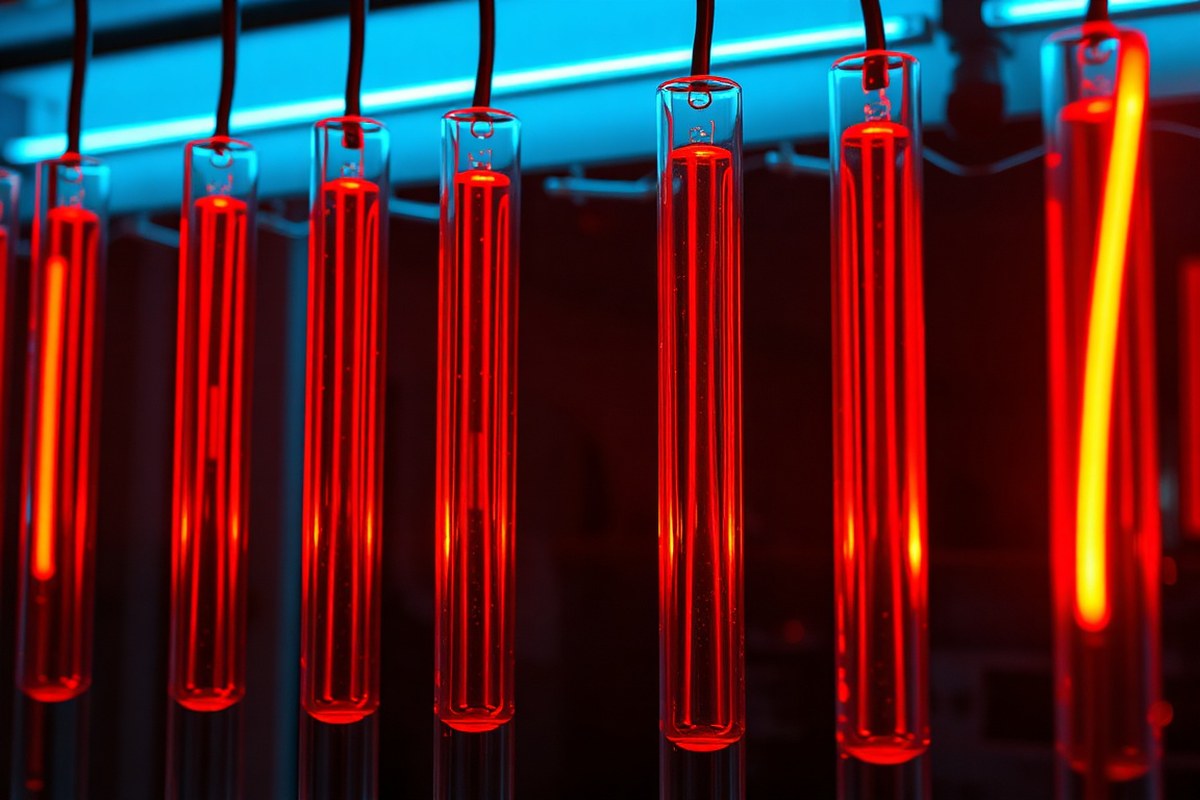
Neon signs glow because an electrical current excites gas inside sealed glass tubes, causing it to emit light without generating much heat in the tube itself. However, the transformer powering the sign and the electrical discharge process do produce some warmth. Understanding these elements explains why the tubes glow and get warm in specific ways.
Electrical Discharge Producing Neon Glow
Neon signs operate by passing a high-voltage electrical current through gas sealed inside glass tubes, commonly neon or argon mixed with a bit of mercury. This process is called an electrical discharge. Instead of heating a filament like incandescent bulbs, the electricity energizes the gas atoms, making them emit light at specific wavelengths, which creates the characteristic neon colors. Because the light results from excitation rather than heat, the glass tubes themselves usually stay relatively cool compared to other lighting types.
The gas inside the tube plays a critical role in what color the neon sign produces. Pure neon gas glows a bright red-orange, while argon gas or mixes with mercury produce different colors like blues and greens. Though some heat occurs as the atoms return to their ground state after excitation, this heat is minimal and spreads out evenly inside the glass tube rather than causing it to get hot on the surface.
Heat Generation from Electrical Transformers
The transformer connected to a neon sign converts low-voltage electricity (like from a standard outlet) up to the high voltage needed to jump the gap in the gas-filled tubes, often between 3,000 and 15,000 volts. These transformers generate the most heat associated with traditional neon signs. While the neon glass tubes stay cool, the transformer housing can become warm or hot to the touch during operation.
The transformer heat comes from electrical resistance and energy loss during voltage conversion. Proper sizing of the transformer to match the number and length of the tubes is essential to avoid excessive heat. Oversized or undersized transformers waste energy and raise the temperature unnecessarily. Transformers mounted in ventilated areas usually dissipate heat effectively, but if enclosed in tight spaces, the heat may build up and require extra cooling or maintenance.
Role of Gases Inside the Neon Tubes in Heat Production
The gases sealed inside traditional neon signage, neon, argon, and tiny amounts of mercury vapor, are responsible for producing light with limited heat. When voltage is applied, the gas becomes ionized and conducts electricity, which causes the atoms to emit photons (light). This ionization generates some heat but significantly less than incandescent or fluorescent bulbs, which rely more heavily on heating materials.
The small heat produced within the gas maintains the optimal operational temperature for the neon glow but won’t cause the tube’s surface to get hot enough to touch uncomfortably. The sealed condition of the glass tube helps contain the gas and thermal energy, ensuring that any heat generated stays inside and prevents rapid temperature fluctuations that could damage the tubes.
Electrical Efficiency and Heat Management in Neon Signs
Efficiency in neon signs stems from the voltage current balancing between the transformer and tube length, gas pressure, and type. Transformer power losses translate to heat, so ensuring proper installation minimizes risk and heat buildup. Neon tubes typically last 8 to 15 years with consistent operation, partly because their heat levels do not degrade the glass tubes as quickly as hot filaments do in bulbs.
Signs with correctly matched transformers and tubes operate at temperatures well below those of incandescent bulbs, which can run at several hundred degrees Fahrenheit. This lower operating temperature reduces fire risk and limits material expansion that might otherwise break the tubes. Still, transformers and wiring require periodic checks to prevent overheating and electrical faults that can cause unsafe heat levels.
Always ensure your neon sign transformer matches the specifications for your tubes to avoid excessive heat buildup and potential electrical hazards.
Comparing Heat and Safety Between Traditional and LED Neon Signs
LED neon signs generally stay cooler and safer compared to traditional glass neon signs. While glass neon tubes reach about 100° Fahrenheit during operation and require high voltage, LEDs operate at much lower voltages and produce minimal heat. This difference makes LED neon signs less likely to cause burns or fire hazards.
Operating Temperatures Compared
Traditional neon signs typically reach operating temperatures near 100° Fahrenheit. The glass tubes warm up due to electrical discharge through inert gases like neon or argon. This heat can be noticeable when you touch the sign after it runs for several hours.
LED neon signs, on the other hand, generate very little heat. Their design uses light-emitting diodes that emit cool light with minimal warmth, often remaining just slightly above ambient room temperature. The small amount of heat produced usually poses no risk of burns or overheating.
Voltage and Power Consumption Differences
Glass neon signs require high voltage to excite the gas inside the tubes, often ranging from 3,000 to 15,000 volts. This high voltage demand, combined with continuous operation, contributes to heat generation and higher electrical risks.
In contrast, LED neon signs use low voltages, commonly 12 volts, which significantly lowers energy consumption and heat output. Their power usage can be as low as 5 watts per hour or less, making them considerably more energy efficient. The low voltage also reduces fire and electric shock hazards.
Safety Risks and Maintenance Needs
Traditional neon signs carry risks such as burns from hot glass tubes, electric shocks from high voltage, and breakage hazards due to fragile glass tubes containing inert gases. Transformers must be placed carefully to avoid contact with flammable materials, and regular maintenance is needed to clean the tubes and check for electrical safety.
LED neon signs minimize these risks with their solid, shatter-resistant materials and low-voltage operation. They present almost no danger of burns or shocks and eliminate exposure to toxic gases. Maintenance mainly involves cleaning the exterior to maintain brightness, with rare repairs needed. The following table summarizes these key differences:
| Feature | Traditional Glass Neon | LED Neon |
|---|---|---|
| Operating Temperature | ~100° Fahrenheit | Slightly above ambient, generally cool |
| Voltage | 3,000 to 15,000 volts | ~12 volts |
| Power Consumption | ~5 watts per hour | Lower than 5 watts per hour |
| Heat Output Risk | Moderate, risk of burns | Minimal, no burn risk |
| Material Safety | Fragile glass, contains inert gases | Durable plastic or flexible materials, no gases |
| Fire Risk | Low if installed correctly; transformer heat caution | Negligible |
| Maintenance | Regular cleaning and electrical checks required | Rare, mostly cleaning of exterior |
Choosing LED neon signs means opting for a safer and cooler sign with less energy use. They are ideal for indoor environments or places where safety and low heat output matter most. Traditional neon signs still work well where their characteristic glow is preferred but require more careful handling and maintenance.
What Factors Affect How Hot a Neon Sign Gets?
The temperature of a neon sign during operation depends on several key factors. Size and length matter because longer tubes and bigger signs contain more gas and surface area, which leads to greater heat buildup. A large neon sign can reach temperatures between 100 and 150°F on its tubes, which feels warm but generally stays below burn risk levels. Smaller signs dissipate heat faster due to less volume and surface contact.
Where and how you mount the sign also affects its heat levels. Signs installed on poorly ventilated walls or enclosed spaces tend to retain heat, causing the temperature to rise above the normal range. Mounting a sign outdoors or in an open area allows better airflow, which helps cool the tubes more quickly. Using materials like metal frames for mounting can conduct heat away from the glass tubes, slightly reducing overall temperature.
Neon color impacts heat generation as well. Different gas mixtures and phosphor coatings that produce various colors also influence how much heat the tube generates. For example, reds and oranges, common neon colors using neon gas, generally produce less heat than blues or purples that use argon or mercury vapor. These cooler colors might run slightly warmer because the gases require higher voltages or emit more UV light, which increases heat inside the tube.
Continuous operation increases the temperature gradually. Running a neon sign 24/7 without breaks allows heat to build up since the tubes continuously emit light and heat. Signs that run for shorter intervals cool down between uses and tend to stay cooler overall. Installation locations with higher ambient temperatures will also raise the neon tube temperature because the sign starts off warmer.
- Sign size: Larger and longer tubes hold more gas, leading to higher heat.
- Mounting type: Open-air mounting promotes cooling; enclosed mounting traps heat.
- Ventilation: Good airflow removes heat faster; lack of ventilation increases temperature.
- Color choice: Neon (reds/oranges) typically run cooler than argon-based blues or purples.
- Usage length: Continuous operation raises tube temperature over time.
- Ambient temperature: Warmer environments increase sign heat levels.
Keeping these factors in mind helps manage neon sign temperatures effectively. Proper installation that ensures ventilation, limiting continuous operation, and choosing colors suited for your setting can reduce overheating risks. This also extends the life of your sign and helps maintain safer surface temperatures for touch. Many modern signs include built-in sensors to monitor heat, but correct physical setup remains essential for optimal heat dissipation.
Safety Concerns and Fire Risks Associated with Neon Sign Heat
Neon signs do produce some heat, but the risk of fire directly caused by an overheated neon sign is low when the sign is properly installed and maintained. Fires can occur if there is a short circuit or electrical fault, especially if wiring insulation is damaged or the sign is exposed to moisture. To reduce electrical fire risks, signs must be installed by licensed electricians and comply with local electrical codes. Grounding the sign and using circuit breakers or fuses help prevent overheating and sparks that could ignite nearby materials.
Burns from neon signs happen rarely because the glass tubes generally reach moderate temperatures, often between 100°F to 140°F (38°C to 60°C), which is warm to the touch but usually not enough to cause serious burns. However, prolonged contact or touching a sign that has poor ventilation or is enclosed can raise the risk of minor burns. Avoiding direct skin contact, especially for children, is a simple precaution. Signs should be mounted out of easy reach or protected by barriers if placed in public or workspace areas.
Broken glass is a more common safety concern. Neon signs use sealed glass tubes containing gases like neon or argon, and in vintage signs, mercury vapor may also be present. If a glass tube breaks, it can cause cuts and expose people to these gases, which can be toxic or irritant when inhaled. The tubes are fragile, so rough handling or impact increases the risk of breakage.
- Keep children and pets away from neon signs to prevent accidental breakage and injury
- Inspect signs regularly for cracks or damage to glass tubes
- Turn off and unplug signs before repairing or cleaning
- Use a professional to remove or dispose of broken or damaged neon signs safely
- Install signs securely to avoid falls or impacts that could shatter the glass
- Replace old neon signs, especially if they contain mercury or show signs of electrical wear
Broken glass combined with leaked gas can create a fire hazard if the gas ignites, though this is rare. Immediate cleanup and proper disposal minimize risks. Electrical shock hazards are mostly eliminated by the design of neon signs because the high-voltage wiring is insulated and enclosed, and the glass tubes are non-conductive. Yet, older signs from prior decades may pose mild shock risks if damaged or improperly serviced. Avoid touching broken or powered-on signs and consult an electrician for repairs.
Always unplug the neon sign before any maintenance, and do not attempt glass repairs yourself to avoid cuts, shocks, or gas exposure.
Smart Features and Maintenance to Control Neon Sign Heat
Many modern neon signs include smart safety features to detect and prevent overheating. These often involve thermal sensors that monitor temperature levels near the tubes and transformers. If the system detects temperatures rising above safe thresholds, it can automatically shut off power to prevent damage or fire risks. These sensors typically activate when temperatures reach around 140°F to 158°F (60°C to 70°C), a range where traditional neon components may begin to overheat.
Regular maintenance significantly reduces heat-related risks and extends the life of your neon sign. Experts recommend scheduling a professional inspection every 12 to 18 months, or sooner if you notice any unusual warmth or flickering. These inspections check for loose connections, damaged insulation, and dirt buildup, all of which can cause the sign to retain excess heat or malfunction.
Carrying out routine care yourself can also help manage heat safely. Cleaning the tubes with a soft, dry cloth removes dust that can trap heat. Checking your sign’s placement to ensure it stays in a dry, well-ventilated area prevents moisture damage and helps heat dissipate. Avoid covering or enclosing the sign, which limits airflow and causes temperature buildup.
- Install thermal cut-off switches or temperature sensors during sign setup
- Schedule professional inspections every 12 to 18 months
- Regularly clean tubes and electrical components from dust
- Keep signs in dry, ventilated locations away from water sources
- Check power supplies and wiring for damage or loose connections
- Use energy-efficient bulbs where compatible to reduce heat output
- Immediately shut off and unplug the sign if overheating is suspected
Following this routine helps you spot heat issues early. Signs of excessive heat include discoloration of glass, a burning smell, or unusually strong warmth when touching the sign casing or nearby surfaces. Ignoring these signs can lead to premature failure or create fire hazards. Smart monitoring combined with regular upkeep lets you enjoy neon visuals with greater peace of mind and reduced risk of temperature-related problems.
How to Recognize Overheating and When to Call a Professional
Identifying overheating in neon signs early helps prevent damage, fires, and costly repairs. Watch for specific heat and electrical warning signs, then decide quickly when to call a licensed professional. Avoid fixing electrical issues yourself to stay safe.
Common Signs of Overheating
One key indication that a neon sign is overheating is an unusually high surface temperature. A neon sign should feel warm but not hot to the touch; temperatures above 120°F (49°C) near the tubing or transformer suggest overheating. You might also notice discoloration around the sign, like yellowing or melting on the sign’s plastic or mounting materials. Persistent buzzing or humming noises can accompany excess heat due to strain on electrical components.
Another sign is flickering or dimming lights that happen along with heat. This usually means the sign’s power supply is struggling under load, raising internal temperatures. Regularly inspecting the sign every few months for these symptoms helps catch problems early, avoiding more significant failures that generate even greater heat.
Electrical Fault Indicators
Electrical faults often go hand-in-hand with overheating and can be identified by visible sparks or burning smells near the sign’s wiring or driver box. If the sign’s fireman switch trips frequently or circuit breakers blow, these are strong indicators of a fault in the electrical system powering the neon.
Loose or exposed wiring and damaged insulation increase the risk of overheating and fire. Also, any blackened or charred connectors should be treated as an emergency warning. Signs consuming over 100 watts need a fireman’s switch to quickly disconnect power during faults, which helps prevent dangerous heat buildup from uncontrolled electrical currents.
Professional Repair vs DIY Risks
Attempting to fix electrical or overheating problems yourself can cause electric shock, worsen damage, or void warranties. Neon signs use high voltages that require specialized training to handle safely. Licensed electricians or sign professionals can accurately diagnose heat sources, replace faulty transformers, and safely maintain wiring.
Professional repair costs vary depending on the problem but generally range from $100 to $300 for standard troubleshooting and component replacement. This price ensures repairs meet local electrical codes and manufacturer standards, which is critical to maintaining safe heat levels. Repairing neon signs yourself often leads to incomplete fixes that increase risks and might cause harsher overheating soon after.
Emergency Actions for Unsafe Signs
The moment you suspect your neon sign is dangerously hot or detect electrical faults, turn off the power immediately, either at the fireman’s switch if installed or at the main breaker. Do not touch the sign until it cools down. Contact your sign supplier or a licensed electrician for emergency service advice rather than attempting any hands-on repairs.
Keep a clear area around the sign and have a fire extinguisher rated for electrical fires nearby as a precaution. Signs should not be left operating if they produce heat levels that consistently exceed safe limits, as this raises the risk of fire. Professional intervention within 24 to 48 hours is advisable to avoid escalating damage or hazards.
Best Installation Practices to Minimize Neon Sign Heat Problems
Mount neon signs where air can circulate freely to avoid heat buildup. Choose walls with open space around the sign and avoid tight corners or enclosed boxes. Signs placed in well-ventilated areas rarely develop excessive heat because the warm air can dissipate quickly.
Proper ventilation means leaving at least 4 to 6 inches of clearance between the sign and nearby surfaces. This gap helps prevent heat trapped behind the sign, which could damage walls or create fire hazards. Avoid covering signs with curtains, posters, or plastic, as these materials can trap heat and increase risk.
Electrical setup also impacts heat. Use appropriate wiring rated for the sign’s power requirements and follow the manufacturer’s specifications for voltage and current. Overloading circuits or using improper transformers can cause components to overheat. Installing a dedicated circuit breaker for the neon sign helps monitor and isolate electrical issues before heat becomes a problem.
Environmental factors influence how much heat a neon sign produces. Avoid mounting signs in direct sunlight or near heat sources like heaters or ovens. High ambient temperatures force the sign to work harder to operate safely, raising temperature inside the tubes and wiring.
- Secure signs to sturdy surfaces with manufacturer-recommended hardware to prevent falls and damage.
- Maintain a 4 to 6 inch clearance around the sign for airflow.
- Do not cover the sign with flammable or heat-trapping materials.
- Use wiring and transformers specified by the manufacturer to avoid electrical overload.
- Install signs away from direct sunlight and heat-producing appliances.
- Check wiring and mounting at least twice a year for wear or looseness.
Never attempt to repair broken neon tubing yourself; wait at least 24 to 48 hours for any gases to dissipate before a professional evaluates the damage.
For indoor applications, consider LED neon alternatives with flexible silicone housings that emit much less heat, allowing installation in tighter spaces and reducing ventilation needs. Yet traditional neon signs need these practical installation steps to handle heat safely and avoid damage or fire risks.
Step-by-Step Action Plan to Manage Neon Sign Heat Safely
Follow these steps to ensure your neon sign stays cool and safe while shining bright in your space.
- Before installation: Choose LED neon signs if heat is a concern to reduce temperature risks; confirm the product specs state low heat output.
- Day 1 after installation: Check the sign’s surface temperature; it should be warm but not hot to the touch. Use a thermometer if unsure.
- Week 1: Inspect electrical connections and wiring for any signs of damage or discoloration that could cause overheating.
- Week 2: Set up an automatic timer or smart control to limit the daily runtime, preventing extended heat buildup.
- Month 1: Review ventilation around the sign; make sure air flows freely to dissipate heat effectively.
- Every 3 months: Clean the sign’s surface and check for any unusual heat spots or flickering lights, which may indicate electrical issues.
- Immediately if overheating signs appear: Turn off the sign and call a licensed electrical professional to inspect and repair it before use.
Frequently Asked Questions
Can Neon Signs Cause Burns If Touched?
Traditional neon signs can reach up to 200-250 degrees Fahrenheit, which may cause burns if touched. Always avoid direct contact with glass tubes to prevent injury.
Do LED Neon Signs Emit Any Heat?
LED neon signs produce minimal heat and are generally safe to touch. This makes them a better choice for indoor or crowded spaces.
What Makes Traditional Neon Signs Hotter Than LED Signs?
The glass tubes in traditional neon signs heat up due to the electrical gas inside. LED signs use cool-running electronics, resulting in much less heat.
Can the Location of a Neon Sign Affect How Hot It Gets?
Yes, placing a neon sign near heat sources or in poor-ventilated areas can increase its temperature. Proper installation helps keep signs cooler and safer.
Are Certain Colors of Neon Signs Hotter Than Others?
The color of the gas does not significantly affect heat output; all traditional neon signs warm similarly. Heat depends more on power and tube size.
How Long Does It Take a Neon Sign to Reach Its Working Temperature?
Neon signs generally reach their operating temperature within 15 to 30 minutes. Avoid touching during this time to prevent burns.
Final Thoughts
Neon signs do get warm, especially traditional ones, but with proper care, they remain safe for your home or business. Using LED neon reduces heat significantly and adds safety benefits. Start by checking your particular sign’s temperature today to ensure it’s operating properly and contacts a professional if you notice any excessive heat. Taking these steps helps keep your neon sign bright and your space secure.