Is Oracal 651 Waterproof? Clear Answers and Practical Tips
Is Oracal 651 waterproof? Yes, Oracal 651 vinyl is waterproof thanks to its solvent-based permanent adhesive and durable PVC film. It withstands water exposure well, making it suitable for outdoor use and items that require frequent washing. To ensure waterproof performance, apply it properly on clean, smooth surfaces.
Key Takeaways
- Oracal 651 is a permanent vinyl with a solvent-based adhesive that resists water effectively.
- Its 2.5 mil thickness offers durability rated up to six years outdoors.
- Use Oracal 651 on items washed regularly, like mugs and tumblers, to maintain adhesion.
- Proper surface preparation improves waterproof adhesion and prolongs vinyl lifespan.
- Oracal 651 differs from Oracal 631, which is thinner and not ideal for outdoor or wet conditions.
- Applying vinyl to a clean, dry, and smooth surface improve water resistance.
Is Oracal 651 Vinyl Fully Waterproof?
Oracal 651 vinyl is fully waterproof, which makes it a strong choice for projects exposed to water regularly. The waterproof quality stems largely from its clear, solvent-based permanent adhesive that bonds firmly to surfaces, preventing water from seeping underneath and breaking down the vinyl’s hold. Because of this permanent adhesive, Oracal 651 resists peeling or lifting even when cleaned frequently or exposed to moisture outdoors.
The vinyl itself is designed for outdoor durability. Its glossy finish combined with a tough, solvent-based adhesive means it will stay on items like mugs, tumblers, or car decals without losing tackiness when washed or rained on. Unlike water-based adhesives found in some other vinyl types, which can fail with repeated water exposure, Oracal 651’s solvent-based adhesive creates a lasting, waterproof seal.
To ensure you get the most waterproof results, prepare your surface carefully before application. Clean the item thoroughly to remove any dust, grease, or oils that might interfere with adhesion. Use rubbing alcohol or a compatible cleaner, then let the surface fully dry before applying your vinyl. This step helps the permanent adhesive make direct contact with the surface, which is key for water resistance.
You can use Oracal 651 on items regularly washed or exposed to wet conditions, such as kitchenware or outdoor gear. For example, decals on coffee mugs or drink tumblers that undergo frequent washing will remain intact if applied correctly. Make sure to smooth out the vinyl without bubbles or creases to avoid water getting underneath the edges, which could cause the material to lift prematurely.
Oracal 651 is available in sizes that fit home crafting machines like Cricut and Silhouette, letting you create waterproof decals for varied projects. Its permanent adhesive backing is designed for long-lasting application, with many colors rated to last at least six years outdoors. This makes Oracal 651 a cost-effective solution if you need durable, water-resistant vinyl for outdoor signs or personalized drinkware.
However, avoid using Oracal 651 on surfaces that cannot be cleaned well, such as rough or porous materials, as the adhesive may not stick effectively. Persistent exposure to extreme heat or harsh chemical cleaners could eventually degrade the vinyl or adhesive, though typical household washing or rain will not cause damage. Keeping these factors in mind will help you maintain the waterproof integrity of your vinyl projects.
Comparing Oracal 651 and 631: Water Resistance and Outdoor Durability
Oracal 651 and Oracal 631 are both popular vinyl choices but serve very different purposes when it comes to water resistance and outdoor use. Oracal 651 is a 2.5 mil thick high-gloss vinyl created for outdoor durability and can last up to 6 years outdoors, even when exposed to moisture. This makes it suitable for projects like outdoor signs, car or boat decals, and vinyl wall decor that might face varying weather conditions. Its strong adhesive holds up well on rough surfaces such as unfinished wood or painted walls.
On the other hand, Oracal 631 is thinner and designed more for indoor use. It typically lasts about 3 years indoors on vertical surfaces and has a less aggressive adhesive, which can struggle outdoors or on rough textures. This vinyl is easier to cut and weed and is a good choice for crafts, labels, and decorations inside your home or workspace. Since 631 isn’t waterproof enough for long-term outdoor exposure, it’s best used where moisture and weather aren’t factors.
The differences in thickness, adhesive strength, and durability translate directly to applications and lifespan. Knowing which vinyl fits your project needs helps ensure your work maintains its look and adhesion over time. Below is a table summarizing the key properties for easy reference:
| Property | Oracal 651 | Oracal 631 |
|---|---|---|
| Thickness | 2.5 mil (0.0025 inches) | Approximately 2 mil (varies by product) |
| Water Resistance | Highly water resistant, suitable for outdoor exposure | Limited water resistance, intended for indoor use |
| Outdoor Durability | Up to 6 years | Approximately 3 years indoors only |
| Adhesive Strength | Strong, bonds well to rough/unfinished surfaces | Mild to moderate, best on smooth indoor surfaces |
| Ideal Surfaces | Walls, windows, wood, cars, boats | Paper, glass, plastic, smooth walls indoors |
| Application Time (before repositioning) | Moderate; sticks quickly but allows some repositioning | Longer; allows easier repositioning during application |
You’ll find Oracal 651 works best on projects that must endure rain, cleaning, and sun exposure without peeling or fading quickly. Its thickness and adhesive quality give it a more permanent, weatherproof character. Use it on outdoor signs, vehicle graphics, and crafts exposed to moisture or harsh environments. Meanwhile, Oracal 631 suits indoor decorations, labels, or any application where moisture exposure is minimal and you want more flexibility during the application process.
Make sure to apply Oracal 651 on clean, dry, and smooth surfaces for best waterproof adhesion, especially outdoors.
How to Prepare Surfaces for Best Waterproof Adhesion with Oracal 651
Preparing surfaces properly ensures the Oracal 651 vinyl sticks firmly and maintains its waterproof qualities. Clean, dry, and contaminant-free surfaces allow the strong adhesive to bond effectively. Different materials require tailored cleaning methods to get the best results.
Cleaning Smooth Surfaces Thoroughly
Smooth surfaces such as glass, metal, or finished plastic need to be free of dust, grease, or any oily residue before applying Oracal 651. Residues block the adhesive from making full contact, which weakens the bond and reduces water resistance.
Use isopropyl alcohol (70% or higher) or a mild detergent solution for cleaning. Dampen a lint-free cloth with the alcohol or soapy water, then wipe the whole application area. Rinse with clean water if detergent is used, and dry with a separate clean cloth.
For best results, avoid cleaners that leave a film or wax, such as furniture polish or silicone sprays. Properly cleaned smooth surfaces give a tight seal that helps repel water and prevent peeling.
Preparing Rough or Textured Surfaces
Oracal 651 vinyl’s stronger adhesive performs better than many vinyl films on rough surfaces like unfinished wood or textured plastic. However, porous or uneven textures trap dirt, grease, and dust more easily, which can interfere with adhesion.
For these surfaces, start by wiping away loose debris with a dry brush or cloth. Then use a mild soap and water solution to wash the area, scrubbing gently to remove contaminants. Allow drying and inspect for any remaining dust or fibers from the cleaning cloth. Sometimes, you may need to sand very rough wood lightly with fine-grit sandpaper (around 220 grit) before cleaning, smoothing the surface enough to improve contact without damaging the vinyl’s ability to flex on curves or slight irregularities.
Avoiding Oils and Dust During Application
Oils from skin contact, dust settling, or airborne particles reduce the adhesive’s effectiveness. Avoid touching the sticky side of the vinyl during application, and handle it by the edges. Apply vinyl in an indoor or sheltered environment whenever possible.
Before starting, wipe your hands with an alcohol wipe or wash them thoroughly to remove natural oils. Use a clean, dust-free workspace and consider using a tack cloth on the cleaned surface immediately before application to remove any remaining fine dust. This helps create a strong, water-repellent bond.
- Wash and dry hands before handling vinyl
- Work in clean, low-dust areas
- Use alcohol or tack cloth on surfaces right before applying the vinyl
- Avoid touching the vinyl adhesive side
- Wear gloves if necessary to prevent oils
Failing to follow these steps may cause bubbles, lifting edges, or reduced waterproof function where water seeps under the vinyl.
Ensuring Surface Is Completely Dry
Moisture left on any surface compromises vinyl adhesion and its waterproof properties. Water trapped beneath the vinyl can cause bubbles and peeling, allowing water to get underneath later.
After cleaning, wait for the surface to air dry fully or pat dry thoroughly with a clean cloth. Using a hairdryer on a low, cool setting can speed drying on colder days. Check visually for any water droplets or damp feel before applying vinyl.
Applying Oracal 651 over a moist surface risks adhesive failure and shortens the life of the vinyl’s water resistance. Dryness supports a tight, lasting bond, especially outdoors or in humid locations.
Using Oracal 651 on Washable Items: Mugs, Tumblers, and More
Yes, Oracal 651 vinyl works well on mugs, tumblers, and other items that need to handle frequent washing, especially with proper application and care. It’s not inherently dishwasher or microwave safe, so special steps help protect the vinyl’s longevity when used on kitchenware you wash regularly.
Choosing the Right Oracal 651 Finish for Washable Items
Oracal 651 comes primarily in a high-gloss finish but also includes matte color options. The glossy finish tends to be more durable against scrubbing and water exposure, making it the preferred choice for drinkware and similar items. Matte vinyl may be more prone to showing wear over time when washed frequently.
Carefully pick a color that fits your project’s style as well as its function. Glossy colors offer some additional protection due to their slightly denser surface, which helps resist water absorption. Matte options offer different aesthetics but may need more gentle handling.
Proper Application and Curing Time Before Use
Ensuring the vinyl is correctly applied is a major factor in its water resistance on washable items. The surface must be clean, dry, and grease-free to promote the strongest bond. After application, allowing a curing period lets the adhesive fully set, improving durability. Follow these steps to apply Oracal 651 vinyl for washable mugs or tumblers:
- Clean the surface with isopropyl alcohol and let it dry completely.
- Cut the desired vinyl shape and weed away excess material.
- Use transfer tape to position the vinyl accurately on the item’s surface.
- Apply firm, even pressure to adhere the vinyl to the curved surface.
- Remove transfer tape carefully at an angle to avoid lifting edges.
- Leave the item untouched in a dry area for 24 to 48 hours to cure the adhesive properly.
Proper curing time, typically one to two days, ensures the vinyl resists peeling and water penetration better. Rushing to wash the item too soon can reduce the vinyl’s lifespan.
Hand Washing vs. Dishwasher Recommendations
Oracal 651 vinyl can survive washing but does best with hand washing. Dishwashers expose vinyl to higher heat, strong detergents, and abrasive cycles that can break down the adhesive and surface finish over time. This accelerates peeling and fading. To preserve your vinyl design:
- Hand wash with mild detergent and warm water.
- Use a soft sponge or cloth to avoid scratching the vinyl.
- Allow the item to air dry or pat dry gently with a towel.
Avoid soaking the vinyl-covered areas for long periods. This gentle care routine can extend the vinyl’s appearance and adhesion for months or even years, depending on use.
Avoiding Microwave Use to Prevent Damage
Microwaving vinyl-covered drinkware isn’t recommended. The heat can compromise the vinyl’s adhesive bond and cause bubbling, warping, or discoloration. Repeated microwave heating shortens the life of the vinyl and may cause it to peel.
Instead, remove the vinyl or avoid microwaving these items entirely to maintain the vinyl’s look and structural integrity. Using Oracal 651 on microwave-safe items is possible only if you don’t intend to use the microwave frequently with the vinyl applied.
Common Mistakes That Reduce Oracal 651’s Waterproof Effectiveness
Applying Oracal 651 vinyl incorrectly can lead to water damage and reduce its waterproof effectiveness. One common mistake is not cleaning the surface thoroughly before application. Dirt, grease, or moisture trapped under the vinyl causes poor adhesion, allowing water to seep in and lift the edges. To avoid this, clean surfaces with rubbing alcohol and ensure they are completely dry before applying the vinyl.
Another frequent error is applying the vinyl in high humidity or low temperatures. The ideal application temperature is between 50°F and 90°F. Outside this range, the adhesive may not bond properly, reducing waterproofing. Use a heat gun or hairdryer on low to gently warm the vinyl after application to improve adhesion, especially in cooler conditions.
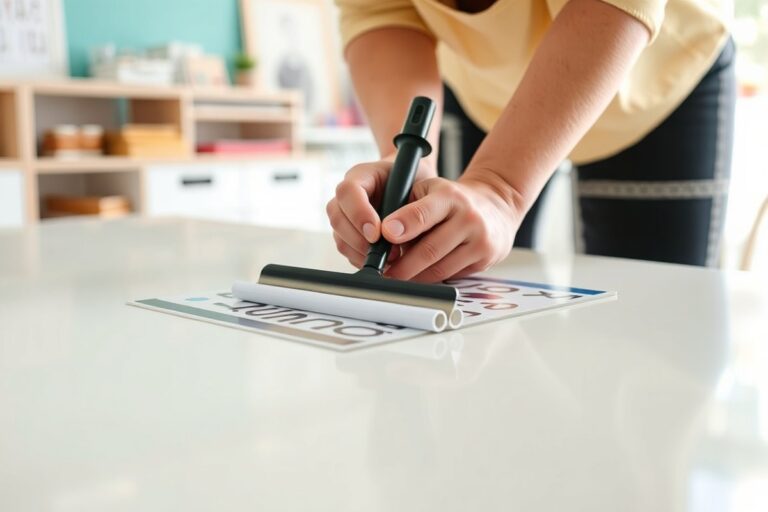
Failure to apply firm, even pressure when smoothing the vinyl can also lead to trapped air bubbles or gaps. Water can enter these areas and cause peeling or bubbling over time. Use a squeegee or hard card to press the vinyl from the center outward, removing all air pockets.
- Not cleaning and drying the surface before application
- Applying vinyl in unsuitable temperature or humidity conditions
- Insufficient pressure during installation leading to air bubbles
- Removing backing paper too quickly or unevenly
- Using vinyl on porous, rough, or textured surfaces without proper priming
- Failure to let the vinyl cure for 24 hours before exposure to water
- Exposing vinyl to harsh chemicals or abrasion shortly after application
Water damage from improper application might cause edges to peel or small bubbles to form, which can be identified visually or by feeling lifted areas. If you notice these issues soon after installation, carefully lift the affected area, clean the surface again, and reapply the vinyl using proper technique. For minor bubbles, a pinprick to release air and smoothing with a squeegee may repair the damage.
Let Oracal 651 cure for at least 24 hours before exposing it to water to ensure full adhesive strength and waterproof performance.
Trying to fix water damage after long-term exposure is more difficult. Persistent peeling often requires removing the vinyl completely and cleaning the surface thoroughly before applying a new piece. Proper application and curing prevent most water-related problems and extend the life of your project.
How Weather and Environment Affect Oracal 651’s Water Resistance
Oracal 651 holds up well against water, but its durability outdoors depends on weather conditions. This vinyl is designed to resist moisture, making it suitable for rainy environments. However, constant exposure to heavy rain or standing water over long periods can weaken the adhesive, causing edges to peel or lift. Using it in temperate climates with moderate rain and humidity usually ensures it lasts the intended 6 to 8 years without significant degradation.
Sunlight and temperature fluctuations also affect Oracal 651’s lifespan. Ultraviolet rays can cause colors to fade over time, especially in direct sunlight. Heat combined with sun exposure may soften the adhesive, raising the risk of vinyl edges curling or falling off prematurely. Cold weather slows adhesive curing but won’t generally damage the vinyl material itself. For best results in sunny or hot areas, consider applying Oracal 651 on shaded surfaces or using a UV-resistant clear laminate for extra protection, which typically adds $0.50 to $1.00 per square foot in cost.
Humidity plays a important role in maintaining vinyl adhesion. High and constant humidity can cause moisture to become trapped between the vinyl and the surface, leading to bubbling or loss of stickiness. Before application, ensure surfaces are completely dry; avoid installing vinyl when humidity is above 70% or during rain. If you live in a humid or rainy region, clean the vinyl gently using a damp cloth and mild detergent to prevent dirt buildup, which can degrade the material. Avoid harsh chemicals or abrasive scrubbing that might scratch or wear the vinyl layer.
Wind and airborne dust contribute to peeling by getting caught under the edges or loosening the adhesive bond. Sealing edges with a weatherproof clear coat can help reduce these issues. In windy environments, check your vinyl regularly and press down any lifting corners within the first few weeks after application. Early maintenance prevents larger peeling problems and extends the vinyl’s functional life.
For maximum water resistance, apply Oracal 651 vinyl on smooth, clean, and non-porous surfaces like glass or coated metals. Rough or porous materials like untreated wood or certain plastics may absorb moisture at the edges, hastening wear. Using an isopropyl alcohol wipe before applying the vinyl can remove oils and improve adhesive contact. Typical surface preparation costs are minimal, mostly time invested, but this step can mean the difference between a project that lasts years and one that starts failing within months.
Improving Waterproofing: Lamination and Additional Protective Measures
Lamination can significantly improve the water resistance of Oracal 651 vinyl by adding a protective barrier that prevents water, dirt, and UV rays from reaching the surface. This additional layer helps maintain the vinyl’s vibrancy and adhesion, especially in wet or outdoor environments. Besides lamination, you can also use sealants or clear coatings to boost durability on surfaces prone to moisture or abrasion.
Types of Laminates Compatible with Oracal 651
Oracal 651 works well with several types of laminates designed for outdoor and indoor use. Matte, gloss, and satin laminates all complement the vinyl’s finish options, including the popular matte colors. Thermal and cold laminates are both options, but the choice depends on your equipment and project needs. Look for laminates specifically rated for outdoor durability to match or exceed Oracal 651’s lifespan, extending its resistance to weather elements.
Common laminate materials include cast polypropylene and vinyl laminate films, which are flexible enough to conform to curved or intricate designs without cracking. These laminates add UV protection and can prevent color fading.
Application Process for Laminates
Applying laminate over Oracal 651 is straightforward but requires precision to avoid bubbles and wrinkles. Start by cleaning the vinyl surface with a lint-free cloth and isopropyl alcohol to ensure good adhesion. Align the laminate film carefully, and then use a squeegee or application tool to press the laminate down gradually from one edge to the other. To help with smooth application:
- Work in a dust-free environment to avoid particles under the laminate
- Use a heat gun or hairdryer at low heat on curved surfaces to increase flexibility
- Trim excess laminate film after application with a sharp craft knife
- Allow 24 hours for the adhesive to cure fully before exposing the project to water
For thermal laminates, feed the vinyl through the laminator following the machine’s temperature and speed settings, usually around 120, 140°F for Oracal 651.
Additional Sealants or Coatings to Use
Beyond lamination, you can apply clear sealants to improve waterproofing and surface durability. Spray-on clear acrylic sealants or polyurethane coatings work well on Oracal 651 applied to items exposed to frequent handling or washing. These coatings add scratch resistance and create a waterproof finish. Recommended steps include:
- Choose a sealant compatible with vinyl; avoid solvent-based products that might degrade adhesive
- Apply 2, 3 thin coats, allowing 15, 30 minutes drying time between each
- Use spray sealants outdoors or in well-ventilated areas for safety
Clear epoxy coatings offer excellent waterproofing for tumblers or mugs but require careful curing time and mixing. These options add weight and thickness, so consider their impact on flexible or delicate projects.
Limitations of Waterproof Enhancements
While lamination and sealants improve water resistance, they do not make the vinyl completely impervious to water over long periods. Prolonged exposure to standing water, harsh chemicals, or extreme outdoor conditions can degrade the protective layers and the adhesive backing. Heat and UV exposure also slowly break down lamination films and coatings.
Excessive lamination layers or thick coatings can cause the vinyl to become less flexible, potentially leading to cracking on curved or textured surfaces. Always test small samples to ensure compatibility and durability before full application.
Choosing Oracal 651 for Projects: When to Rely on Its Waterproof Strength
Oracal 651 is a high-quality vinyl known for its waterproof properties, making it a strong candidate for many craft and signage projects where moisture exposure is a factor. It works well on smooth, non-porous surfaces such as glass, metal, and plastic, where water resistance matters most. For example, car decals, window graphics, and outdoor signage are ideal uses because the vinyl and its permanent adhesive can handle rain, dew, and occasional washing without lifting or fading quickly.
Use Oracal 651 when your project expects regular exposure to water but not constant submersion. It can last outdoors for up to six years in moderate conditions, according to manufacturer guidelines, which means you can confidently rely on it for signage, personalized mugs, or decorative outdoor stickers. However, it’s best to apply Oracal 651 to clean, dry surfaces to maximize adhesion and waterproof performance. Avoid porous or textured surfaces that can trap moisture under the vinyl, causing peeling or premature failure.
Choosing Oracal 651 over other vinyl types depends on your project’s needs for durability, finish, and expected water contact. For indoor projects with minimal water exposure, or if you want easy removal, consider Oracal 631, which is less permanent and less water-resistant. If your project involves submersion, like waterproof labeling for marine equipment, Oracal 651 alone might not suffice, extra lamination or a specialized waterproof coating might be necessary.
To decide if Oracal 651 fits your project, consider the following rule: if your surface is smooth and non-porous and you expect occasional water contact (rain, spills, cleaning), Oracal 651 is a reliable, cost-effective choice. It comes in over 60 colors and finishes at prices generally between $2 and $4 per square foot, balancing quality and affordability. For high-touch or frequently washed items, adding a clear laminate layer can extend vinyl life and increase waterproof resilience without significant cost increases.
Results look good when the vinyl stays firmly bonded without bubbling, peeling, or fading after exposure to water. Problems often arise if the surface wasn’t cleaned properly or if the vinyl is applied in extreme cold or heat, which affects adhesive curing. Also, avoid using Oracal 651 on rough, flexible fabrics or untreated wood, where its waterproof benefits won’t be fully realized.
Always clean and dry your surface thoroughly before applying Oracal 651 to ensure the best waterproof adhesion and avoid lifting or peeling later on.
Step-by-Step Action Plan for Using Oracal 651 on Water-Exposed Projects
Follow this plan to ensure your Oracal 651 vinyl performs well in wet conditions and lasts outdoors.
- Before you start: Clean the surface thoroughly with isopropyl alcohol and let it dry completely. This ensures better vinyl adhesion and waterproofing.
- During application: Apply Oracal 651 slowly, smoothing out air bubbles with a squeegee. Check that edges are sealed well to prevent water from seeping underneath.
- Right after application: Allow the vinyl to cure for at least 24 hours in a dry environment before exposing it to any moisture. This improves waterproof performance.
- Within the first week: If the project will face frequent water exposure, apply a clear laminate or UV-resistant sealant over the vinyl. Test waterproofing by gently splashing water and observing no lifting.
- After 2 weeks: Inspect your project for any signs of peeling or edge lifting. If found, carefully re-adhere or replace problem areas to keep water out.
- Monthly maintenance: Wipe the surface with a soft cloth and mild soapy water. Avoid harsh chemicals or abrasive scrubbers that can degrade vinyl and reduce its water resistance.
- Season-specific check: Before harsh weather seasons, review outdoor projects and add extra protective coating if necessary to maintain durable waterproofing.
Frequently Asked Questions
Is Oracal 651 Waterproof for Outdoor Signs?
Yes, Oracal 651 is waterproof and rated for up to 6 years outdoors, making it ideal for outdoor signage that faces rain and weather exposure.
Can Oracal 651 Vinyl Withstand Dishwasher Cleaning?
Oracal 651 can handle items regularly cleaned with water, but hand washing is recommended to prolong decal life on dishes or mugs.
Does Oracal 651 Have a Permanent or Removable Adhesive?
It has a solvent-based permanent adhesive, ensuring strong, waterproof adhesion on a variety of surfaces.
Is Oracal 651 Suitable for Rough Surfaces Like Unfinished Wood?
Yes, Oracal 651 bonds well to rough surfaces, making it better than Oracal 631 for textured materials.
Can I Use Oracal 651 for Indoor Projects That Require Water Resistance?
Yes, Oracal 651 is water resistant indoors and works well where decals face moisture or spills.
How Thick Is Oracal 651 Vinyl Material?
The vinyl is 2.5 mil thick, providing durability and waterproof properties without being too thick for cutting machines.
Wrapping Up
Oracal 651 vinyl is water resistant but not fully waterproof without proper surface preparation and protective measures. You can extend its lifespan in wet or outdoor environments by cleaning well, curing properly, and adding lamination or sealants. Start by applying it on a clean, dry surface and assess its adhesion before relying on it for long-term water exposure.