Welcome Sign Sayings Ideas and Tips to Create Warm, Personalized Greetings
Welcome sign sayings are the simplest way to greet guests warmly and give your entryway a personal touch. Choose phrases that reflect your style and values to create an inviting atmosphere. Start by picking short, clear sayings that immediately set the tone for your home before visitors walk through the door.
Key Takeaways
- Use sayings that match your personality or family values to communicate warmth effectively.
- Classic sayings offer timeless appeal, while modern phrases can feel fresh and trendy.
- Humorous sayings lighten the mood but ensure they suit your usual hosting style.
- Inspirational quotes can motivate guests and create positive energy at the entry.
- Seasonal sayings add variety and keep your welcome sign relevant year-round.
- Pick fonts and materials that improve readability and complement your home’s exterior.
What Are the Best Welcome Sign Sayings to Greet Guests Warmly?
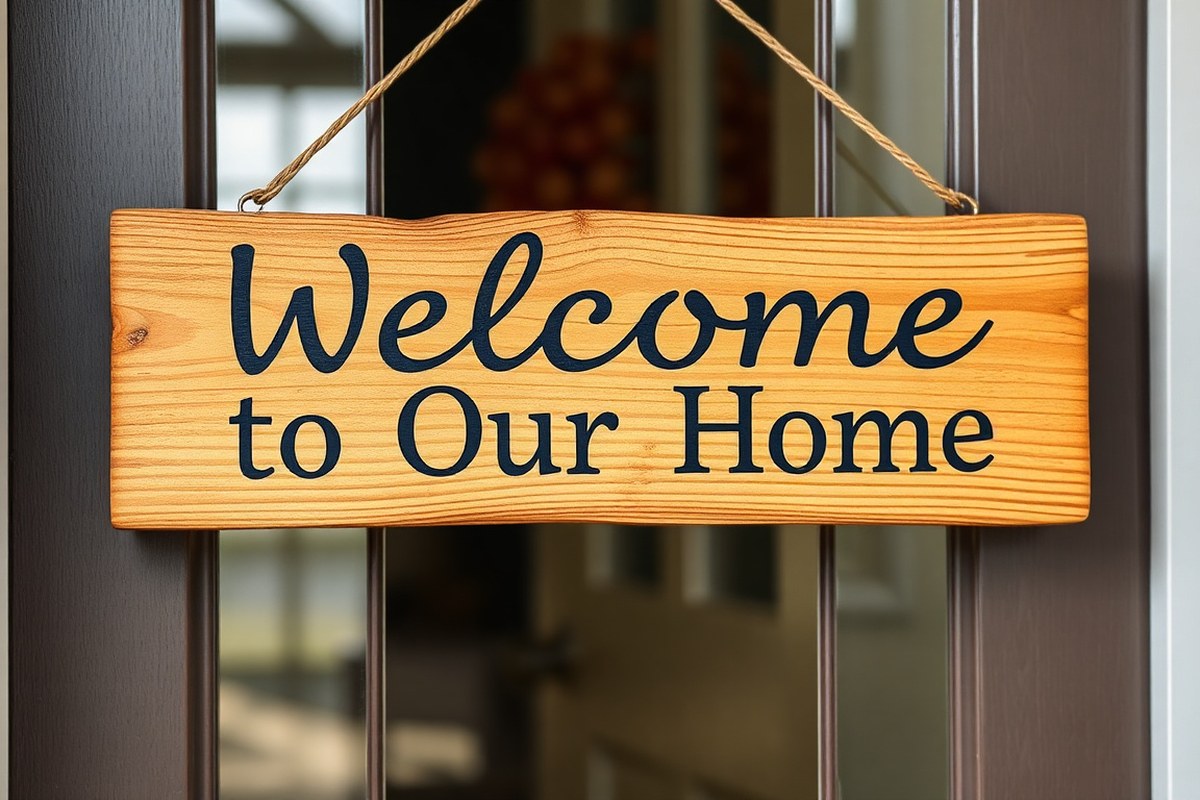
Choosing the right welcome sign saying sets the tone for your home or business by making guests feel genuinely invited. A phrase that strikes the right balance between warmth and personal style helps create an instant connection. Classic sayings like “Welcome to Our Home” convey hospitality clearly and suit most households, while personalized signs that include the family name or mission can add a unique touch that reflects your values.
Different phrases suit different environments. For a family home, phrases that stress belonging and kindness, such as “The [Your Last Name] Family – All Are Welcome”, foster a sense of community. A business might opt for a professional yet friendly tone with sayings like “Welcome to [Business Name], Serving With Care.” Casual homes and spaces with informal decor accommodate humor well, helping lighten the mood as guests arrive.
The tone you choose, classic, humorous, or inspirational, depends on the atmosphere you want to create. Classic tones provide timeless warmth, humorous ones offer a breathable moment of fun, and inspirational sayings motivate or uplift. Here’s a list mixing these styles to consider for your sign:
- Welcome to Our Home
- The [Last Name] Family, All Are Welcome!
- Welcome, We’re All Crazy Here!
- Believe You Can, and You’re Halfway There
- Bless This House and All Who Enter
- Come As Guests, Leave As Friends
- Good Vibes Only Beyond This Point
Use these sayings as they are or customize them to fit your personality better. Matching your phrase with your home’s architectural style and decor materials improve harmony: formal homes suit understated or religious phrases, while modern or beach cottages pair well with lighthearted or motivational messages. Replacing a sign or swapping panels seasonally can also keep your entryway inviting all year round without the cost of a new permanent sign.
Good results look like guests feeling genuinely seen and welcomed before stepping inside. The wrong choice might confuse visitors or clash with your home’s style, which can reduce the positive impact. To avoid this, test the phrase aloud and consider the first impression you want to create. A well-selected and crafted welcome sign saying adds a layer of friendly hospitality that lasts beyond the initial visit.
How Welcome Sign Sayings Reflect Personal Style and Family Values
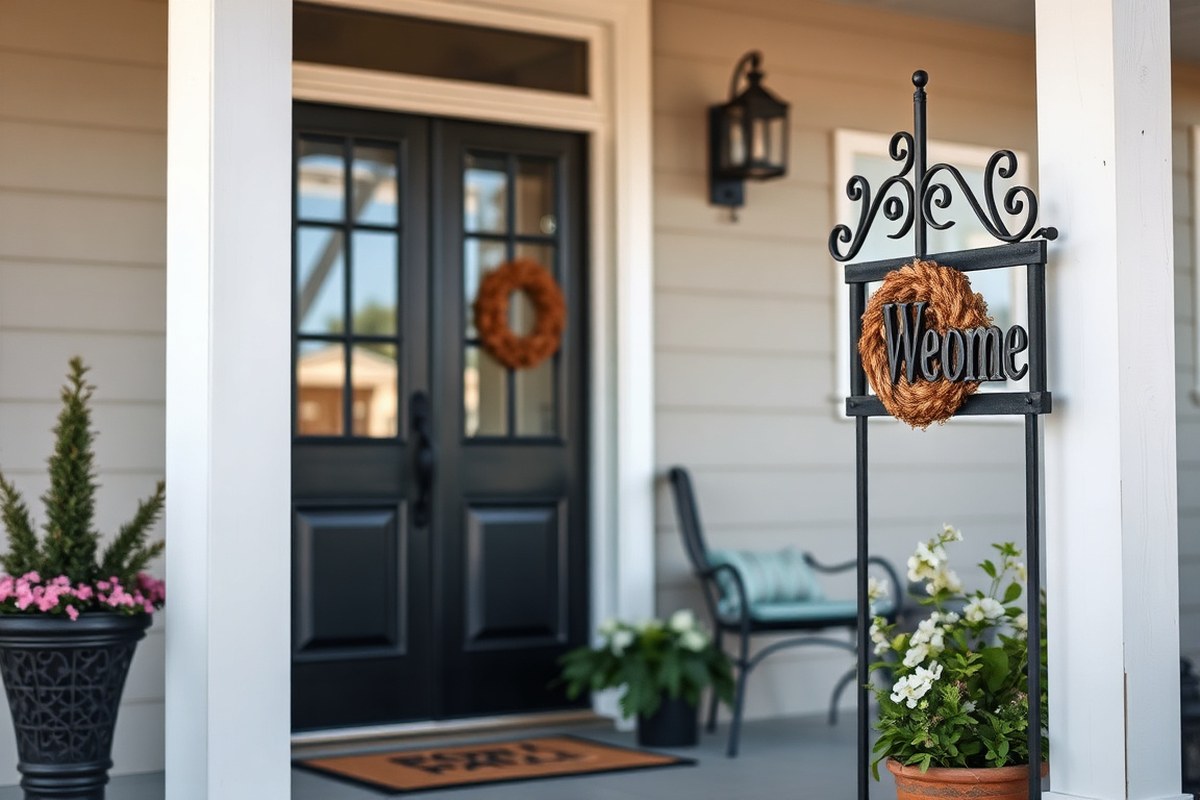
Welcome sign sayings offer a straightforward way to showcase your family’s personality and values right at the entryway. For example, a sign that reads “[Your Family Name]’s Place, All Are Welcome!” conveys a message of unity and hospitality, immediately setting a warm, inclusive tone. This kind of personalized wording reveals that your home is a shared space where everyone belongs, reinforcing family togetherness and openness. Choosing a phrase like this adds a unique identity that differentiates your home from others in the neighborhood.
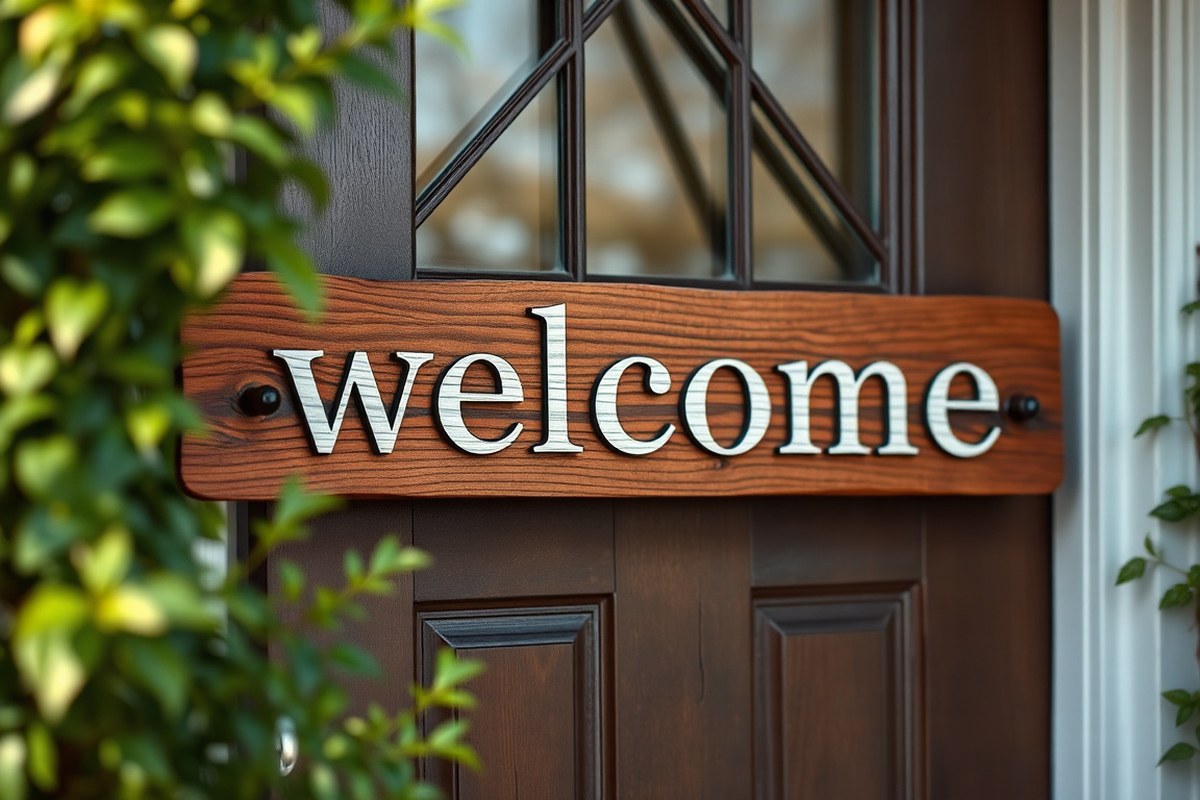
The message on your welcome sign should align with your home’s decorating style to create a cohesive first impression. Traditional homes benefit from classic sayings such as “Welcome to our home” or “Bless this house,” which evoke timeless warmth and respect for heritage. These phrases pair well with rustic wood signs or wrought iron frames, improving the classic ambiance. Conversely, modern or minimalist homes lend themselves to more conversational or relaxed sayings like “Stay awhile” or “Welcomeish,” often displayed on sleek metal or ceramic signs. These choices support contemporary values of casual comfort and humor, blending with clean lines and muted colors in your decor.
Cultural and traditional meanings can also be communicated through the wording on a welcome sign. Certain phrases carry historical or spiritual significance, such as “Bless this house,” which invokes a sense of protection and goodwill grounded in longstanding customs. Displaying a saying in a language that reflects your heritage or using symbols important to your culture can deepen that personal connection. These signs signal to guests that your home honors family traditions while educating visitors about your background.
Selecting the right message and its placement is key. The International Sign Association suggests letter heights of a minimum 1 inch for every 25 feet where people will read the sign, so guests can easily see it. Coordinating the sign’s colors with your door trim or hardware provides a balanced style and a clean, intentional look. Choosing sturdy materials such as wood for a country-style vibe or metal for a sleek, long-lasting finish keeps the sign looking good and sends a welcoming message that lasts.
When picking a phrase, consider how it reflects your family’s core values and personality traits. Do you want to highlight warmth and hospitality, a sense of humor, or cultural pride? A well-chosen message communicates your identity clearly without overwhelming other entryway design elements. Poorly chosen sayings, like overly generic or cluttered text, can confuse visitors or clash with your style. Taking time to customize language thoughtfully results in a welcome sign that truly feels like an extension of your home.
Choose a sign phrase that matches both your home’s style and the message you want to send, ensuring your welcome is both readable from a distance and visually harmonious with your entryway decor.
Classic vs. Modern Welcome Sign Sayings: Which Is Right for You?
Choosing between classic and modern welcome sign sayings depends on the look and feel you want for your entryway. Classic phrases create a warm, timeless atmosphere, while modern sayings offer a fresh, casual vibe that suits today’s design trends. Knowing the difference helps you pick a phrase that matches your home’s style and the mood you want to set for guests.
Timeless Classic Sayings Examples
Classic welcome sayings like “Welcome to our home” carry emotional weight and a sense of tradition. These phrases have stood the test of time because they immediately make visitors feel accepted and comfortable. Common classics such as “Home Sweet Home” and “Bless This House” often pair well with rustic or farmhouse-style signs, embracing warmth and familiarity.
Many homeowners favor classic sayings for their versatility. They fit most entryway styles and can be customized in elegant scripts or bold serif fonts. These phrases also work well if you want a formal or traditional tone that conveys respect and hospitality.
Popular Modern and Unique Sayings
Today’s home decorators often choose contemporary phrases that reflect casual, inviting, and minimalist aesthetics. Sayings like “Stay awhile,” “Come as you are,” or “Welcomeish” lean into conversational language that feels approachable. These expressions often show connection to nature or simplicity, fitting modern décor trends like Scandinavian or mid-century modern designs.
Creative sayings personalize your home by moving away from standard greetings. For example, “Enter as Strangers, Leave as Friends” offers a friendly tone while reinforcing community and warmth. These sayings usually appear on sleek materials such as aluminum or acrylic, emphasizing clean lines and a modern finish.
Tone and Style Differences Explained
The tone of your welcome sign needs to align with your home’s style and your personality. Formal sayings tend to use full phrases with proper grammar, creating an elegant and respectful ambiance. Informal or casual sayings are shorter, sometimes playful, and speak in today’s relaxed language. Both tones work well in different settings.
Select formal phrases if your entryway features traditional architecture or if you prefer a classic, polished look. Casual or creative sayings fit well in homes with modern or eclectic styles and those wanting to make guests smile or feel instantly at ease. Knowing your home’s vibe will guide your choice.
Below is a table comparing classic and modern sayings by tone, style, and typical design use. Match your choice here with the overall look of your front porch or entry hall for the best effect.
| Aspect | Classic Sayings | Modern Sayings |
|---|---|---|
| Example Phrases | “Welcome to our home,” “Home Sweet Home,” “Bless This House” | “Stay awhile,” “Come as you are,” “Welcomeish,” “Enter as Strangers, Leave as Friends” |
| Common Styles | Rustic, farmhouse, traditional | Minimalist, contemporary, eclectic |
| Typical Materials | Wood, wrought iron, painted canvas | Aluminum (e.g., ⅜” thick recycled), acrylic, metal finishes |
| Tone | Formal, warm, respectful | Casual, friendly, conversational |
| Font Choices | Serif, script, traditional fonts | Sans-serif, modern, clean lines |
Matching the tone and design of a welcome sign with your home’s architecture and your personality ensures a cohesive look. When paired with custom house numbers or matching entryway accessories, the right saying improve curb appeal and sets the mood before guests step inside.
How to Use Humor and Inspiration Effectively in Welcome Sign Sayings
Balancing humor and inspiration on welcome signs helps create an inviting atmosphere without confusing or offending guests. Humor works best when it’s light, inclusive, and easy to understand at a glance. Avoid jokes that rely on sarcasm, regional slang, or sensitive topics. A good laugh should put visitors at ease, not make them wonder if they’re welcome.
Inspirational sayings should be clear and uplifting, offering a warm message that resonates universally. These phrases set a positive tone, encouraging guests to feel comfortable and valued. Combining humor and inspiration carefully can leave a lasting impression and make your entryway feel truly welcoming.
Use humor selectively based on your audience and setting. For casual homes or family gatherings, witty sayings bring character and laughter. In formal or multi-generational households, stick with gentle, affirming messages. Integrating interchangeable panels or chalkboard inserts allows you to switch between funny and inspirational sayings for different occasions without changing the whole sign. This flexibility keeps your entryway dynamic and relevant year-round.
- Use simple, playful jokes like “Hope You Brought Wine” or “Sit Long, Talk Much, Laugh Often” that appeal broadly.
- Choose inspirational quotes such as “Home is Where Love Resides” or “May All Who Enter as Guests Leave as Friends.”
- Match humor style to who visits often, family-friendly, non-offensive, and familiar references work best.
- Limit humor to short sayings; long jokes risk confusing guests or cluttering the space.
- Rotate sayings seasonally or for special events with swappable inserts or magnetic overlays.
- Place signs where viewers can read them easily, avoiding overly small text or crowded fonts.
Effective use of humorous and inspirational sayings costs little beyond choosing or creating the right phrases and possibly investing in a sign with interchangeable features, which typically run from $20 to $50, depending on materials and size. The clear payoff comes in creating a home entryway that feels approachable and considerate. Signs that lean too heavily on obscure humor or complex inspiration risk alienating visitors or leaving them puzzled. Keeping sayings straightforward and positive ensures visitors feel welcomed and understood immediately. This approach works whether your style is casual, traditional, or modern, and helps your sign stand out as a friendly, memorable greeting.
Seasonal and Holiday Welcome Sign Sayings with Easy Customization Tips
Welcome sign sayings can be easily adapted for seasons and holidays by using interchangeable panels, attachments, or removable inserts. This approach lets you refresh your entryway look without replacing the whole sign. Adapting sayings helps maintain a warm, timely greeting that suits the occasion while saving time and money.
Popular Seasonal Sayings
Seasonal sayings often reflect the mood and colors of each time of year. In spring, phrases like “Hello Spring” or “Bloom Where You Are Planted” are common. Summer welcomes might include “Summer Sun and Fun” or “Welcome to Our Porch.” For fall, popular sayings are “Hello Fall,” “Give Thanks,” or “Pumpkin Spice & Everything Nice.” Winter and holidays bring greetings such as “Joy to the World,” “Winter Wonderland,” or “Merry and Bright.” Major holiday variants include: “Happy Halloween,” “Happy Thanksgiving,” “Merry Christmas,” and “Happy New Year.” These sayings can be shorter for easy swapping or longer with themed icons and fonts to reflect festivity.
Methods to Swap or Add Seasonal Elements
Changing your sign sayings can be done without full replacement by using swap panels, attachments, or removable inserts. One effective approach is a modular design, where the base sign stays year-round and seasonal message parts snap or slide in and out. Here is a step-by-step method to customize your welcome sign sayings seasonally:
- Design or purchase a base sign that has slots or grooves for inserts or panels.
- Create or buy multiple seasonal panels with different sayings, each fitting the same insert space.
- Store panels carefully in a cool, dry place when not in use to prevent warping or fading.
- Remove the current insert or panel by sliding or unclipping it from the base sign.
- Insert the new seasonal panel or message with gentle pressure until secure.
- Check that any attachments, such as hooks or magnets, align properly to hold panels stable.
- Clean the sign surface before reinserting to avoid dirt buildup.
- Change panels anytime, but avoid leaving inserts exposed to harsh weather for long periods without protection.
Ensure inserts are made of weather-resistant material if your sign is outdoors to avoid paint peeling or warping.
Materials That Support Customization
Materials that work well for seasonal welcome sign customization combine durability with ease of swapping. Wood signs with removable slats or panels offer a classic look but require sealing to resist moisture. Signs made from PVC, acrylic, or metal often include magnetic or clip-in options, making panel changes quick and clean.
Removable inserts should be lightweight but sturdy enough to prevent bending or cracking. Foam board or corrugated plastic panels work well for indoor signs. For outdoor use, consider powder-coated metals or laminated plywood with UV-resistant prints. Magnetic strips or Velcro fasteners on the back of inserts and the sign base provide easy attachment and removal without tools.
Choosing Materials, Fonts, and Placement to Maximize Impact
Choosing the right materials for your welcome sign depends largely on where you plan to display it. Outdoor signs need to withstand sun, rain, and temperature changes, so materials like treated wood, metal, or high-quality acrylic are best. These materials offer durability and weather resistance, with prices ranging from $20 for basic wood signs to $100 or more for premium metal or acrylic options. Indoor signs allow more flexibility and can include lighter woods, canvas, or even paper-based materials, which may last longer but won’t hold up outside.
Font size and style play a important role in readability and the overall look of your sign. Letters should be at least 2 to 4 inches tall to be readable from 10 to 15 feet away, making sure guests can easily spot your message before reaching the front door. Serif fonts suggest a traditional, welcoming feel, while clean sans-serif fonts support a modern, minimalist style. Avoid overly decorative or script fonts that can be hard to read quickly, especially at a distance.
Placement impacts both visibility and curb appeal. For maximum effect, position your welcome sign where guests naturally look first, such as near the main entrance, on a front porch wall, or mounted on a gate or fence. Make sure the sign is at eye level, about 60 to 66 inches from the ground, so it’s easy to see without straining. If you live in a sunny area, placing the sign where it’s shaded can help preserve its materials and prevent glare that reduces readability.
- Choose durable materials like treated wood or metal for outdoor signs, acrylic or canvas for indoor use
- Use letter heights between 2 and 4 inches for text visible from 10-15 feet away
- Select serif fonts for a traditional look, sans-serif for modern simplicity
- Place signs near entryways at eye level (60-66 inches) for best visibility
- Consider sun exposure to reduce fading and glare when placing outdoor signs
- Match sign scale to your entryway size, larger for wide porches, smaller for narrow spaces
Your welcome sign is a personal statement as well as a design element. Ensuring the materials, font, and placement suit both your home’s style and practical needs maintains curb appeal and durability. Avoid cheap or inappropriate materials that weather quickly or fonts too small or ornate to read easily. Well-chosen and well-placed welcome signs contribute positively to how guests and potential buyers perceive your home’s exterior.
Legal Do’s and Don’ts for Using Welcome Sign Sayings
Popular sayings on welcome signs are often not protected by copyright because short phrases and common expressions typically do not meet the threshold for copyright protection. Copyright protects original works of authorship fixed in a tangible medium, but simple phrases like “Welcome to Our Home” generally fall outside this scope. Trademark protection, however, can apply if a phrase is used as a brand identifier in commerce, meaning it serves as a source identifier for goods or services rather than just a greeting.
You need permission to use a phrase on your welcome sign if it is trademarked and used commercially or if the phrase is copyrighted and still within the protected time frame, meaning the work was created after 1923 and the copyright has not expired. For example, a popular branded slogan associated with a company may require a license to avoid legal issues if you plan to use it for advertising or commercial purposes. For personal use on your private property, the risk of infringement is generally low but still worth considering.
To verify if a saying is freely usable, start by searching the United States Patent and Trademark Office’s online database. Enter the phrase to see if it is a registered trademark related to signs or home decoration. Next, check whether the phrase originated before 1923 or if the author has released it into the public domain. Public domain phrases can be used without permission. If you are uncertain, consult with an intellectual property attorney to avoid potential infringement. Many websites specialize in public domain quotes, which can help you find legally safe sayings.
A practical decision rule to avoid legal issues is this: if you plan to use a phrase on a sign for personal, non-commercial purposes and it is a common expression like “Welcome to Our Home,” you likely don’t need permission. For phrases linked to businesses, product slogans, or unique branded sayings, always verify trademark status and seek permission if the sign promotes or sells a product or service.
Obtaining permission when needed typically involves contacting the trademark or copyright holder and requesting a license, which may require fees or specific usage terms. This process can take from a few days to several weeks. Using protected phrases without permission may result in cease-and-desist letters, legal claims, or financial penalties. Safe use looks like selecting phrases either in the public domain or confirmed to be free of intellectual property claims, ensuring your sign avoids costly legal troubles.
How Coordinating Welcome and Address Signs improve Entryway Curb Appeal
Coordinating your welcome sign with your address signage creates a polished and friendly entryway that makes a strong first impression. When these signs share complementary styles, materials, and colors, they present a unified look that improve your home’s curb appeal and can positively affect perceived property value.
Matching Styles and Materials
Choosing matching or complementary styles for your welcome sign and house numbers helps avoid visual clutter and creates a harmonious appearance. For example, a rustic wooden welcome sign pairs well with wrought iron or wooden-framed address numbers, while modern metal or acrylic signs suit sleek, minimalist house numbers. Maintaining consistent fonts and color schemes further ties the two elements together.
Materials should also align with your home’s exterior. Stone, metal, wood, or acrylic are popular choices, but mixing glossy metal with matte wood may look discordant unless balanced by other design elements. A painted finish on both signs or shared textures can create cohesion even if the materials differ. The goal is a balanced look that feels intentional rather than accidental.
Benefits for Home Value and Impressions
Combined signage improves curb appeal by making the entryway feel curated and welcoming. According to home staging professionals, a cohesive entry sets a positive tone for visitors and potential buyers. A custom, well-coordinated welcome sign accompanying clear, easy-to-read house numbers transforms functional elements into a personal statement, suggesting care and pride that can boost perceived value.
Clear house numbers can even improve safety and convenience, which indirectly supports a home’s market appeal. Properly lit, coordinated signs help guests and delivery drivers locate your home easily. This combination of aesthetics and function conveys a thoughtful presentation that reflects on the property as a whole.
Practical Tips for Placement and Lighting
Position your welcome sign and address numbers close enough to read together without overcrowding. Placing the welcome sign near the door or porch and the address numbers nearby but prominently on the façade creates a natural focal point. Both should be visible from the street for easy identification and warm greeting.
Lighting plays a key role in making these signs stand out, especially in the evening. Use soft, focused lighting such as low-voltage LED spotlights or sconces to highlight each sign without glare. Avoid harsh or mismatched lighting that can detract from the coordinated effect. Well-placed illumination also improves visibility and safety during low-light hours.
Always verify that lighting fixtures and sign materials are rated for outdoor use to avoid weather damage or electrical hazards.
Step-by-Step Action Plan for Choosing Your Welcome Sign Saying
Start creating a welcome sign that reflects your style and invites guests warmly. Follow this plan to pick or create the perfect saying and design for your entryway.
- Before you start: Assess your home’s exterior style and family values. Note a few key words or feelings you want your sign to convey to ensure it matches your home’s personality.
- Day 1: Choose between classic or modern sayings based on what fits your style. Select a phrase that feels natural and welcoming to you and your family.
- Day 2: Decide if you want humor or inspiration in your sign. Pick a tone that fits your household and makes guests feel at ease.
- Day 3: Select materials and fonts that stand up to weather and harmonize with your home’s exterior. Test readability from the street to confirm the font size and style work.
- Day 4: Pick the sign’s placement on your porch or near the front door for maximum visibility. Stand outside at different angles to check how easy it is to see.
- Week 1: Add seasonal or holiday sayings that you can swap in and out. Use easy customization options like chalkboards or interchangeable panels to update frequently.
- Week 2: Coordinate your welcome sign with your address sign colors and materials. Stand back and see if they visually complement each other and boost curb appeal.
- After 2 weeks: Gather feedback from family and a few guests about the warmth and clarity of your sign’s message. Make adjustments based on honest impressions to improve its impact.
Frequently Asked Questions
What Are Some Unique Materials Ideal for Welcome Signs?
Wood, metal, and acrylic are popular materials. Wood offers rustic charm; metal provides durability; acrylic allows for bright colors and modern designs suited to your home’s style.
How Can I Ensure My Welcome Sign Stays Weather-Resistant?
Choose sealed or treated materials and finishes. Adding a weatherproof sealant prolongs longevity against rain, sun, and temperature changes, especially for outdoor placement.
Can Welcome Sign Sayings Include Multilingual Greetings?
Yes, bilingual or multilingual sayings add a personal global touch. They can reflect your cultural heritage and make guests from different backgrounds feel genuinely invited.
What Font Styles Improve Readability on Welcome Signs?
Sans-serif and script fonts work well depending on style. Sans-serif offers clear readability from a distance; script adds elegant flair but should remain legible to all visitors.
How Large Should the Lettering Be on a Welcome Sign?
Lettering should be at least 2 to 4 inches tall. This size ensures guests can easily read the sign from the driveway or front path.
Are Illuminated Welcome Signs Practical for Entryways?
Yes, they improve visibility at night and add ambiance. Choose energy-efficient LED lighting to keep electricity costs low and improve curb appeal after dark.
Key Points to Remember
Your welcome sign saying serves as a simple but meaningful way to greet visitors and express your personality. Choose a message and style that truly reflect your family’s spirit and make your entry inviting. Start by picking one phrase that feels right, and let your sign become a friendly introduction to your home.