Farmhouse House Number Ideas to Boost Curb Appeal: Complete Guide
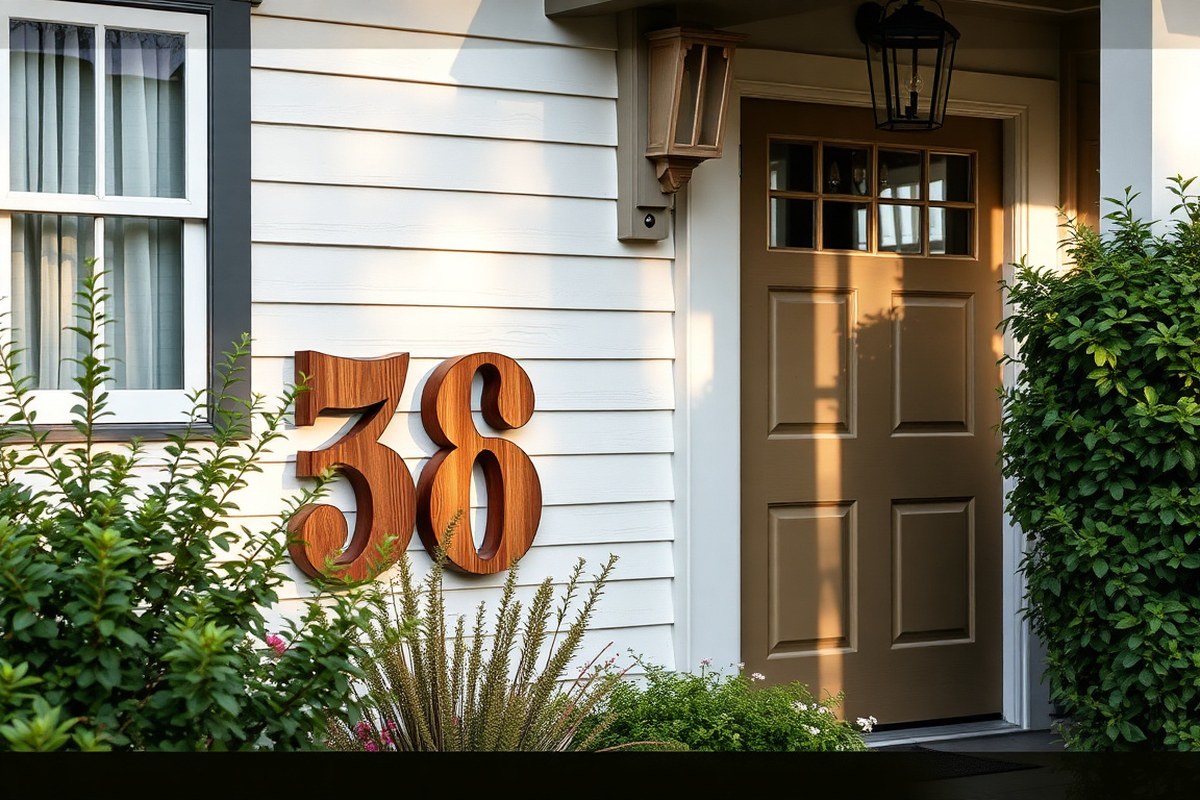
Farmhouse house number ideas can transform a plain exterior into a warm, inviting statement that complements your home’s rustic charm. Using the right materials, sizes, and placement makes your numbers both a functional guide and an aesthetic feature. Start by selecting durable materials that suit your farmhouse style and ensure visibility from the street.
Key Takeaways
- Choose house numbers that are 4-6 inches tall for standard homes and up to 12 inches for larger properties to ensure visibility.
- Metal, wood, and stone are ideal materials that provide durability and authentic farmhouse appeal.
- Place house numbers near the front door or mailbox for easy viewing from 30-50 feet away by visitors.
- Use contrasting colors for numbers and the background to boost readability in different lighting conditions.
- Incorporate lighting around the numbers to improve nighttime visibility and add charm to your farmhouse exterior.
- Consider DIY projects like shadow boxes or tea-stained wood to add personalized farmhouse character.
Farmhouse House Number Ideas That improve Style and Function
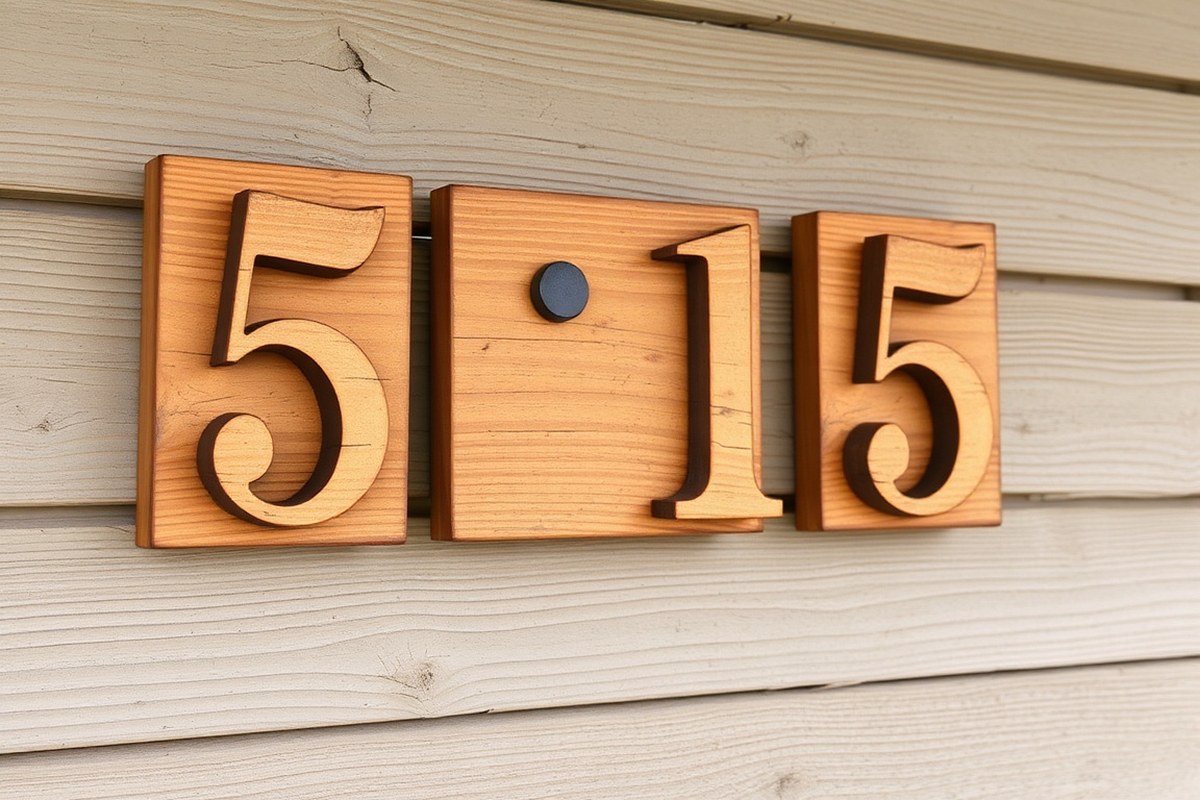
Farmhouse house numbers combine rustic charm with practical visibility, making them a great choice for homes with farmhouse or country design styles. Typical farmhouse numbers embrace natural materials like wood or metal with a weathered or matte finish. These materials add a cozy, lived-in quality that fits the farmhouse aesthetic while remaining functional. Wooden plank numbers with a distressed look provide texture and warmth, while metal numbers with a simple, vintage-inspired font offer durability and clear visibility from the street.
Blending style with function means choosing numbers that reflect your personal taste while standing out enough to catch the eye. Rustic wooden numbers bring a natural beauty and can be customized by staining or painting in faded neutrals or traditional whites. Metal options in black, bronze, or aged copper tones add a subtle industrial edge without straying from the farmhouse vibe. You can also combine materials, such as mounting metal numbers on reclaimed wood, to create a layered effect that improve curb appeal and provides contrast for better visibility.
Farmhouse house numbers are versatile enough to reflect a range of personal styles. A classic approach might use serif or script fonts that evoke the simplicity of rural life, while modern minimalism opts for clean lines and sans-serif numbers that still fit a farmhouse setting when paired with natural textures. Creative variations include mounting numbers on wooden boards with burnt edges or using oversized numbers to make a bold statement while maintaining the rustic look. This approach allows you to showcase personality, from elegant and timeless to playful and upbeat, without sacrificing clarity.
When installing farmhouse numbers, visibility matters as much as style. Choose number sizes between 4 and 6 inches tall, bigger if your home sits farther from the street, to ensure easy reading from the road. Contrast numbers against their backgrounds by selecting colors and finishes that stand out yet complement the farmhouse exterior, such as dark numbers on light wood or white numbers on weathered metal. Proper placement on your porch wall, mailbox post, or a wooden plaque improve accessibility and reinforces the inviting farmhouse vibe.
Expect costs to vary depending on materials and customization. Simple wooden house numbers typically run $10 to $30 per number, while metal numbers can range from $15 to $50 each, especially for those with custom finishes or unique shapes. DIY projects using reclaimed wood or scrap metal offer budget-friendly options that still deliver an authentic rustic appearance but require time and basic tools. A well-chosen farmhouse house number not only improves your home’s exterior charm but also contributes to better navigation, which is especially important for visitors or delivery services.
Choosing the Best Materials for Farmhouse House Numbers
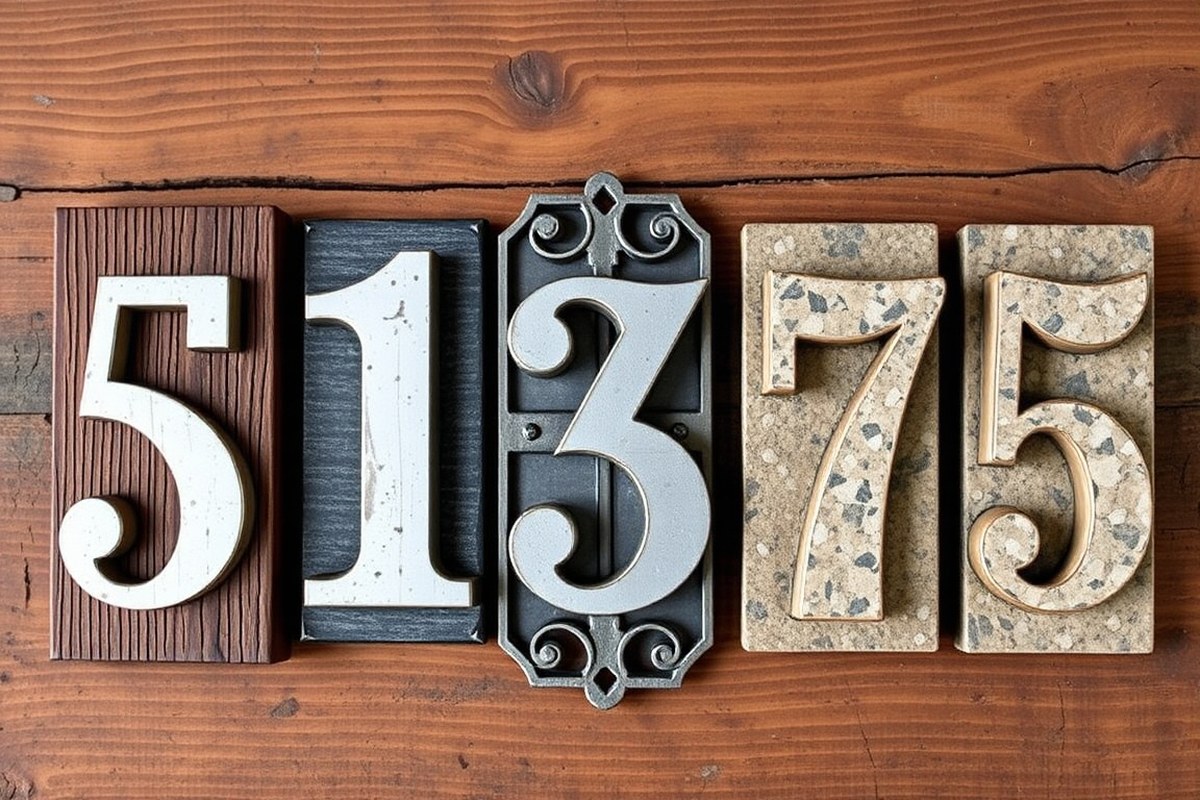
Metal materials like cast aluminum, stainless steel, and copper offer the best combination of durability and style for farmhouse house numbers. Their resistance to rust and corrosion keeps them looking fresh for years with minimal upkeep. Wood fits a farmhouse aesthetic well and offers a vintage, rustic feel, but it demands more maintenance including sealing or painting every few years to prevent weather damage. Mixed materials can add character but require consideration of each material’s lifespan and care routine.
| Material | Durability | Look | Maintenance | Weatherproofing Tips |
|---|---|---|---|---|
| Cast Aluminum | High; rust-resistant | Modern Rustic | Low; occasional wash | Powder coated finish helps repel moisture |
| Stainless Steel | High; corrosion-resistant | Clean, sleek modern | Low; wipe to remove dirt | Choose brushed finish for less visible fingerprints |
| Copper | Medium; develops patina | Warm, vintage charm | Medium; clear sealant recommended | Reapply sealant every 1-2 years to prevent green patina |
| Wood (Cedar or Pine) | Medium; can rot or warp | Rustic, farmhouse | High; frequent sealing or painting | Apply outdoor sealant annually; avoid ground contact |
| Mixed Materials | Varies by components | Unique, eclectic | Depends on materials combined | Seal wood parts; protect metal from rust |
Sealing wood with outdoor-grade polyurethane or marine varnish extends its life by blocking moisture and UV rays. Metals usually benefit from powder coating or rust-resistant finishes to prevent discoloration and peeling. Copper’s natural patina can either be a desired aged look or avoided by applying clear coats to maintain its original color. Consider eco-friendly choices by selecting sustainably sourced wood or recycled metals. These materials reduce environmental impact while supporting your farmhouse style.
Use rust-inhibiting primer before painting or sealing metal house numbers to ensure long-lasting protection against weather damage.
Optimal Size and Visibility Guidelines for House Numbers
Farmhouse house numbers should be at least 4 to 6 inches tall and use a bold, simple font to ensure easy reading from the street during both day and night. Numbers with clean lines and ample spacing improve legibility, while adding focused lighting improve visibility after dark. Following these size and style guidelines helps guests and emergency responders locate your home quickly.
Recommended Size for Clear Visibility
House numbers should measure between 4 and 6 inches in height for optimal daytime visibility. The exact size depends on how far your house is from the street; homes set back farther may benefit from numbers closer to 6 inches or larger. Numbers smaller than 4 inches often become hard to read from the road, while numbers larger than 6 inches may overwhelm the farmhouse aesthetic unless carefully integrated.
In towns with specific 911 signage rules, a minimum of 4-inch numbers is commonly required to ensure emergency personnel can spot addresses easily. Matching or exceeding these guidelines reduces confusion and delivery delays.
Choosing Bold Fonts for Maximum Readability
Font style influences how quickly you can recognize house numbers. It’s best to pick classic, sans-serif or simple serif fonts with thick strokes to create strong contrast and shadow effects. These fonts cast clear shadows when illuminated, improving nighttime legibility. Avoid intricate or script fonts, which may look decorative but reduce clarity at a distance. Bold fonts with uniform stroke width and minimal flourishes support quick identification, essential for drivers who have only a few seconds to spot your address.
Improving Nighttime Visibility with Lighting
Lighting plays a key role in keeping farmhouse numbers visible after sunset. Installing LED spotlights aimed directly at the numbers creates sharp shadows and contrast, making them easier to read. Solar-powered lights provide an energy-efficient option, especially in areas without outdoor electrical access.
Backlit or illuminated numbers are another choice, offering self-contained lighting that highlights each digit evenly. This approach adds modern flair but will cost more than external lighting options. Simple tips for night visibility:
- Position lights 3, 6 feet away to avoid glare and ensure even illumination
- Use warm white LED bulbs to complement the farmhouse style
- Keep lighting aimed downward to prevent light pollution
- Check lighting angles at dusk to confirm shadows improve number outlines
- Regularly clean light fixtures to maintain brightness
Checklist for Selecting and Installing Farmhouse Numbers
Use this step-by-step checklist to select and place your farmhouse house numbers for optimal size and visibility:
- Measure distance from your house to the nearest street or sidewalk.
- Choose numbers sized between 4 and 6 inches tall, larger if your home is set back.
- Pick a bold, simple font such as classic sans-serif or easy-to-read serif.
- Decide on lighting type: external spotlights, solar lights, or backlit numbers.
- Mount numbers where they face the main road and can catch light uniformly.
- Install lighting fixtures 3 to 6 feet away from the numbers, angled downward.
- Test visibility day and night from the street before finalizing installation.
Adjustments for Different Placement and Setting
Your farmhouse’s unique location can affect how big and bold your house numbers should be. For homes in rural areas with darker surroundings, larger numbers and stronger lighting improve visibility. In densely built neighborhoods, numbers graded toward the higher end of the size range ensure your home stands out.
For houses on corners or with multiple street views, consider duplicate numbers facing each road with consistent size and font to avoid confusion. Avoid placing numbers behind plants or other decorations that might obscure them, especially in low light.
Ideal Placement Locations for Farmhouse House Numbers
Place farmhouse house numbers where they are easily visible from the street, typically near the front door, on a mailbox, or on a post by the driveway. Mount them horizontally for clear legibility, but vertical placement can work on narrow spaces. Combining your numbers with mailboxes or gates boosts curb appeal and helps visitors find your home quickly.
Mounting Near Front Doors
Mount house numbers on the wall next to or above the front door for maximum visitor convenience. Choose a height between 50 and 65 inches from the ground so numbers line up well with an adult’s eye level. Make sure exterior lighting is available to keep numbers visible at night.
Use a level to install the numbers evenly, and space digits at least 3 inches apart for readability. Consider mounting numbers on a wooden or metal plaque if your siding texture is uneven. This adds a farmhouse charm and prevents numbers from looking crowded.
Displaying on Mailboxes and Posts
Mounting numbers on your mailbox or a post near the driveway is a common, functional choice. Numbers should face the street and be visible from at least 30 to 50 feet for drivers and delivery personnel. Keep the size between 4 and 6 inches tall for clear visibility.
Installing numbers on a post allows flexibility in height and placement. Place the post about 5 feet from the road edge and 3 to 4 feet tall so the numbers are easy to see over grass or snow. For extra style, use rustic wooden posts or metal stakes to match farmhouse aesthetics.
- Post placement: 3 to 4 feet tall, 5 feet from street edge
- Number size: 4, 6 inches tall for visibility
- Orientation: Horizontal numbers for easy reading
- Lighting: Solar-powered stake lights for night visibility
- Material: Weather-resistant wood or metal suited for outdoor use
- Contrast: Numbers in colors contrasting background for legibility
- Maintenance: Check periodically for wear or fading
Enclose or top the post with a small roof or cover to protect numbers and lighting elements. This reduces weather damage and helps maintain a neat appearance year-round.
Using Freestanding and Gate-Mounted Signs
Freestanding signs offer a decorative and functional alternative for displaying farmhouse numbers, especially in larger yards. Place signs near driveway entrances or garden gates where visitors first approach your property. Ensure the sign does not block sight lines or landscaping features.
For gate-mounted numbers, attach them horizontally on the gate frame or post at eye level. Use rust-resistant hardware and materials suited for outdoor exposure. Vertical number signs fit well on narrow gate posts or siding and provide a unique farmhouse look.
Make sure to secure the numbers tightly and avoid mounting them too high or too low, which can hinder readability or make them vulnerable to damage. Adding complementary elements like lanterns or small planters can complete the cozy farmstead vibe.
Creative DIY Farmhouse House Number Projects and Crafts
Crafting your own farmhouse house numbers allows you to tailor a distinctive look that complements your home’s exterior with personal charm. Using materials like reclaimed wood, metal, or ceramic tiles, you can create weather-resistant plaques that stand up to the elements while improving your curb appeal.
Preparing Materials (Wood, Metal, Paint)
Choose a base material based on the style and durability you want. Reclaimed wood offers warm, rustic tones but needs treatment to resist moisture. Metals like brushed nickel or matte black provide a sleek look and are naturally weather-resistant, while ceramic tiles add color and vintage vibes. Before assembling, lightly sand wood or metal surfaces for better paint or adhesive bonding, and select chalk paint or outdoor acrylic paint for hand-lettering numbers on your base.
Gather these basics from a hardware store: reclaimed wood or metal sheets, chalk or outdoor paint, sandpaper (150-220 grit), painter’s tape for clean edges, and outdoor-grade adhesive or screws. For numbers, use ready-made metal or wooden numerals or cut your own with a jigsaw or metal cutter.
Weatherproofing and Finishing Techniques
Protecting your project from sun, rain, snow, and temperature swings is important for longevity. After painting and decorating, apply two to three coats of clear exterior polyurethane or marine varnish, allowing each layer to dry fully between coats, typically 4 to 6 hours. This seals paint and material, preventing peeling or warping. For metal, use a rust-inhibiting primer before painting and finish with a clear coat to block moisture.
Use silicone caulk or outdoor sealant along edges and behind raised numbers or tiles to prevent water infiltration. For ceramic tile numbers, sealing grout lines with a waterproof sealer is recommended to keep moisture out. Weatherproof plaques typically last 5 to 10 years with proper maintenance.
Installation Basics for DIY Signs
Mount your farmhouse numbers securely on a flat, visible spot near your entrance. Decide between screws, adhesive, or hanging hardware depending on your surface, wood siding, brick, or stone. Screws provide the strongest hold but require pilot holes; heavy-duty outdoor adhesives are simpler for smooth surfaces but may weaken over time in extreme weather.
Follow local visibility guidelines; numbers should be at least 4 to 6 inches tall to be easily seen from the street. Use a level to ensure a straight placement and mark holes with a pencil before drilling or applying adhesive. Check the plaque’s weight; heavier pieces need anchors suitable for your wall type.
- Pick your base material suited to your farmhouse style and climate.
- Sand and clean the material surface thoroughly.
- Paint your base and numbers, using chalk paint or outdoor acrylic for clear visibility.
- Apply multiple coats of a clear exterior sealant, allowing full drying time.
- Seal edges and tile grout with waterproof caulk or sealant to prevent water damage.
- Mark and prepare the mounting location with a level and pencil.
- Attach house numbers securely using screws or outdoor adhesive tailored to your surface.
- Check visibility and adjust location or height if needed for easy street viewing.
Tip: Avoid using regular indoor paint or sealers; always select products labelled for exterior use to ensure your house numbers withstand weather changes without fading or peeling.
How to Integrate Farmhouse Numbers with Landscaping and Lighting
Integrating farmhouse house numbers with landscaping and lighting improve both style and visibility, making your home more welcoming and easier to find. Combining natural elements with light sources draws attention to the numbers during the day and night while complementing your farmhouse aesthetic. You can place house numbers amid low-maintenance plants like boxwoods, lavender, or ornamental grasses, which offer soft textures and a rustic feel without overwhelming the design. Keep plants trimmed so they don’t obscure the numbers and choose greenery that thrives in your local climate to avoid frequent replacements.
Lighting plays a critical role in ensuring your farmhouse numbers are visible after dusk. Solar-powered LED lights are a practical option because they are energy-efficient, cost between $20 and $50 per fixture, and don’t require wiring. Install these along walkways or directly above the numbers, angled to avoid harsh shadows or glare. Low-voltage landscape lighting can add warmth and sophistication; budgets usually range from $50 to $150 for a basic setup, including light fixtures and transformers. Motion-activated lights improve security and visibility simultaneously but should be set to avoid startling guests or neighbors.
Seasonal decor can add charm while maintaining number clarity. In the fall, use muted pumpkins, gourds, or autumn leaves placed near the numbers, ensuring these items don’t block the view. During winter or holidays, string understated fairy lights or arrange pine branches around the numbers for a festive touch without compromising legibility. Make sure lighting remains consistent around the numbers during all seasons to keep numbers easy to spot.
Consider the style of both your home and garden when integrating landscaping and lighting. For example, a Craftsman-inspired farmhouse pairs well with sturdy wooden posts or stone planters framing the numbers, flanked by native shrubs. Victorian-style homes benefit from mosaic or ornate metal numbers spotlighted by softer, warmer lighting to match their vintage elegance. Adapting plant choices and light intensity to the home’s architectural style reinforces the visual cohesion and charm.
A simple checklist helps ensure success: first, select plants that won’t outgrow or hide the numbers. Second, choose lighting that suits your budget but offers sufficient brightness and weather resistance, look for fixtures rated for outdoor use with an IP rating of at least 44. Third, keep seasonal decor minimal and strategically placed. Finally, test lighting angles at different times of day to adjust for glare or shadows. Regular maintenance includes trimming plants, cleaning lights, and changing bulbs or batteries annually.
Failing to maintain plants can lead to overgrowth that blocks numbers, defeating visibility efforts. Overly bright or poorly aimed lighting may cause glare, making numbers harder to read. Inconsistent care with seasonal decor might obstruct the numbers or distract from their purpose. With thoughtful combinations of greenery, lighting, and decor that reflect your farmhouse style, you can create a welcoming facade that stands out day and night.
Choosing Colors and Finishes for Farmhouse House Numbers
Choosing the right colors for farmhouse house numbers depends on your home’s exterior palette and the need for clear readability. Generally, high-contrast colors work best because you want your numbers to stand out from the siding or brick to make them easy to see from the street. For example, if your farmhouse has light-colored siding like white or cream, dark colors such as black, deep bronze, or navy blue offer strong contrast. On darker exteriors like charcoal or navy, lighter shades like white, cream, or weathered gray improve visibility. Avoid colors too close to your background tone, as they blend in and reduce curb appeal and function.
Finishes influence both style and durability. Matte finishes prevent glaring reflections that can obscure numbers in bright sunlight, which is common in open farmhouse settings. Glossy or polished finishes add shine for a modern touch but may cause readability issues on sunny days or with harsh outdoor lighting. For durability, powder-coated metal finishes are excellent because they resist rust, chipping, and fading over time, especially in climates with moisture or significant temperature swings. A powder-coating can last 10 to 20 years with minimal maintenance but may cost between $20 and $50 more upfront than standard paint finishes on metal numbers.
In rural or farm areas where dirt and dust accumulate, a smooth finish rather than a textured one helps keep numbers cleaner. Dark bronze or black metal with a smooth powder-coat finish withstands outdoor conditions well and complements rustic wooden, stone, or brick farmhouses. For coastal farmhouse exteriors, metal finishes with marine-grade coatings protect against salt air corrosion. Look for finishes labeled “marine-grade” or “outdoor-rated” to ensure longevity in salty, humid environments.
The color and finish also connect to your farmhouse’s architectural style. For traditional farmhouses, natural metal finishes like aged bronze or hammered copper align with rustic charm. In contrast, a matte black or wrought iron finish suits transitional or modern farmhouse looks. Choose colors and finishes that echo or complement other exterior elements like shutters, porch railings, or lighting fixtures. For example, matching black numbers to black lantern-style porch lights creates a unified appearance, improving curb appeal.
Applying these principles practically means first assessing your siding tone and primary exterior accents to define your color palette. Use a paint or metal color sample near the door in daylight to test contrast and readability before purchasing. Consider how much wear your numbers will face and select powder-coated or marine-rated finishes in harsher climates. Budget for higher-quality finishes if longevity and minimal upkeep matter, knowing that choosing durable finishes saves replacement costs and hassle over time.
Common Mistakes with Farmhouse House Numbers and How to Fix Them
One frequent mistake with farmhouse house numbers is placing them too high, too low, or on a cluttered background, which reduces visibility. Numbers should be positioned at eye level, usually between 5 and 6 feet from the ground, and framed by a plain surface like a painted wall or a smooth wooden board. This placement ensures that visitors and emergency responders can spot them easily from the street or sidewalk.
Improper sizing also hampers both function and style. House numbers that are too small, less than 4 inches tall, can blend into the home’s facade, especially from a distance. Ideally, numbers should range from 4 to 6 inches tall depending on your house’s setback from the road. Larger numbers, around 6 inches, work well if your home sits farther from the street. Proper sizing improves readability without dominating the farmhouse’s rustic charm.
Another common error involves poor lighting or color contrast. Light-colored numbers on a light background or dark numbers on dark surfaces reduce visibility during low light. Use contrasting colors that stand out; for example, black or dark bronze numbers on white or cream siding. At least 1 foot of clearance around numbers helps them avoid visual noise from trim, plants, or decorations.
Using non-durable materials for house numbers near planting beds or exposed walls can lead to deterioration and loss of appeal over time. Choosing weather-resistant options such as metal, treated wood, or durable plastics prevents fading and physical damage. These materials require minimal upkeep and maintain the farmhouse look even after several seasons.
Fixing these issues involves a straightforward checklist. First, measure your distance from the street to determine number height and size. Second, select a clear, uncluttered spot centered vertically and horizontally on your chosen mounting surface. Third, pick colors that contrast sharply with the background for visibility in both daylight and night. Fourth, run a simple test at dusk to confirm numbers remain readable.
For situations where your farmhouse exterior has a textured surface like brick or wood paneling, mount the numbers on a smooth backer board painted in a contrasting color. This approach eliminates background distractions and protects the numbers from weather wear. Attaching the board can cost $10 to $20 in supplies and takes about an hour. It’s a small investment that delivers cleaner aesthetics and durability.
In cases where electricity access is available, integrating soft, focused lighting above or below the numbers solves nighttime visibility issues. Low-voltage LED fixtures running about $15 to $30 are an energy-efficient choice for illuminating your farmhouse numbers. Installing them might require professional help to ensure safe wiring, especially outdoors.
Always check local regulations on visibility and size for house numbers, as some communities have specific requirements to improve emergency response effectiveness.
Matching Farmhouse House Numbers to Different Exterior Styles
Choosing house numbers that complement your farmhouse’s exterior materials helps create a polished and harmonious look. For wood-sided farmhouses, opt for numbers with a rustic or vintage style in metals like wrought iron or aged bronze. These materials weather naturally, matching the texture and warmth of wood. Select darker tones or matte finishes to avoid glare and maintain a natural feel. The cost for quality metal numbers ranges from $20 to $50, depending on size and craftsmanship. Installing them with rust-resistant screws ensures durability against weather.
Brick exteriors call for house numbers that contrast well to ensure visibility. Bold, simple styles in polished or brushed metal finishes like stainless steel or brass work well. These sleek materials create a sharp visual break against rough brick surfaces. Choose numbers at least 6 inches tall for clear readability from the street, especially if your brick has a darker hue. Numbers in light silver or gold tones can accentuate the warm or cool colors of bricks. Expect to pay $25 to $60 for well-made brick-compatible metal numbers. Avoid overly ornate fonts, which can get lost in brick texture.
Stucco surfaces benefit from numbers with a smooth, clean profile that does not trap dirt in intricate crevices. Materials like painted aluminum or polyresin with a matte or satin finish resist fading from sun exposure common on stucco walls. Styles inspired by Mediterranean or tropical themes often match the stucco’s smooth, earthy aesthetic. Light-colored numbers in shades of white, cream, or ocean blue work well to improve visibility without overpowering the wall. These materials typically cost between $15 and $40 for weather-resistant options. To avoid cracking stucco, use anchors designed for masonry when mounting numbers.
In areas with mixed exterior materials, mixing number styles can add character without clashing. For instance, a farmhouse with both brick and wood sections may feature wrought iron numbers on wood and brushed stainless steel on brick. Consistency in size and spacing keeps the display coherent, while varied finishes emphasize each material’s best features. Consider the sun’s direction and glare at different times of day to pick finishes that won’t reflect too intensely. Planning for regular maintenance may be necessary for finishes susceptible to tarnishing or fading depending on your climate.
Beyond materials, the color choice affects how well numbers stand out. Dark house numbers on light exteriors or vice versa maximize readability. The National Fire Protection Association recommends numbers at least 4 inches high with a 0.5-inch stroke for emergency visibility. Prioritize clarity over ornamentation in choosing your style. If your farmhouse has specific architectural influences like Mediterranean or tropical, lean into styles that echo those themes with colors and fonts that reinforce the overall look without overwhelming it.
Professional Installation Versus DIY Farmhouse Number Projects
Deciding between a DIY project and hiring a professional for installing farmhouse house numbers depends on your skills, project complexity, and budget. Simple installations, like mounting pre-made numbers or wooden signs, can often be handled by homeowners using basic tools such as a drill, level, measuring tape, and anchors. These projects usually cost between $10 and $50 for materials and supplies if you already own basic tools. This approach lets you add a personal touch and save on labor costs, which typically range from $50 to $150 for professionals.
Doing it yourself works well when your farmhouse number display is straightforward, attaching lightweight numbers on wood or siding without electrical components. Use a level to ensure numbers are straight and measure the height carefully, typically around 4 to 5 feet from the ground for best visibility. Mark drilling points with a pencil, drill pilot holes to avoid wood splitting, then secure the numbers using screws or anchors suitable for your exterior surface. Taking at least 30 to 60 minutes ensures accuracy and neat results. Problems arise if numbers are uneven, crooked, or installed on unsuitable materials that cause damage.
Professional installation becomes the better option if your project involves custom, heavy, or oversized signs, complicated mounting surfaces like brick or stone, or the addition of lighting features integrated with farmhouse numbers. Specialists have the equipment to safely drill into hard surfaces, install anchors that won’t damage siding, and handle wiring jobs that might be needed for illuminated numbers. Custom signs with 3D elements or specialized finishes may also require expert handling to avoid flaws or installation errors that reduce durability or aesthetic appeal.
Costs for professional installation depend on region, material weight, and complexity but expect to pay $75 to $200. Many installers offer a package with custom manufacturing plus installation, which saves you time compared to DIY but adds to the total spend. If you lack experience with power tools or tricky materials, hiring a professional reduces risk and ensures a polished, durable finish. Bear in mind that improper installation can lead to early wear, damage to the house exterior, or unsecured numbers that fall off in wind or storms.
A quick checklist to decide: Assess the weight and material of your farmhouse numbers, surface type, your tool access and skill level, and whether lighting will be involved. For lightweight, pre-made numbers on wood siding and solid walls, DIY is often manageable. Call in a pro if the numbers are heavy, signs intricate, mounting surfaces challenging, or electrical hookups needed. Evaluating time versus money helps too. DIY projects take one to two hours typically, while professionals finish faster but cost more. Weigh your comfort with tools and patience before choosing your route.
Your Step-by-Step Plan for Installing Farmhouse House Numbers
Use this plan to pick, create, and put up farmhouse house numbers that look great and are easy to see.
- Before You Start: Measure your entryway and note the style of your home’s exterior to choose appropriately sized and styled numbers. You’ll know it’s right when the numbers fit the space without crowding or looking lost.
- Day 1: Select the material that suits your climate and style, wood or metal work well for farmhouse designs. Confirm durability by checking for weather resistance on product labels.
- Day 2: Decide on a location with good visibility, like near your front door or mailbox, making sure it’s well lit either naturally or with outdoor lighting. Test readability at several angles.
- Day 3: Choose a color that contrasts with your house’s background for easy reading, white numbers on darker sidings or black on lighter surfaces. Stand several feet away to check visibility.
- Day 4: For DIY projects, gather tools and materials, then assemble or customize numbers following straightforward instructions. Confirm the numbers are sturdy and uniform before installation.
- Day 5: Install your numbers using appropriate hardware for the chosen surface, like screws for wood or masonry anchors for brick. The numbers should be flush and secure with no wobbling.
- After 1 Week: Check the numbers’ visibility during different times of the day and adjust lighting or placement if needed. Your goal is clear readability from the street at all times.
Frequently Asked Questions
What Are Some Unique Farmhouse House Number Ideas Beyond Basic Designs?
Use whimsical or beach-inspired designs to add personality. These styles bring rustic charm while giving a distinctive look that stands out on your farmhouse exterior.
Can Farmhouse House Numbers Be Designed to Improve Home Security?
Yes, they can. Large, well-lit numbers improve visibility for emergency responders, improving safety. Consider materials that reflect light or add subtle lighting nearby.
How Do Weather Conditions Affect Farmhouse House Number Materials?
Weather impacts durability; metal resists rain well, while wood may need sealing. Choose finishes that prevent rust or fading to maintain appearance over time.
Can You Use Mixed Materials for Farmhouse House Numbers?
Mixing wood and metal creates a rustic yet modern look. Combining textures adds depth and interest, offering a unique focal point on your home’s exterior.
What Style of Farmhouse House Numbers Suits a Modern Farmhouse?
Sleek metal or black powder-coated numbers complement modern farmhouse aesthetics. They blend rustic charm with clean, contemporary lines to match updated exteriors.
How Can House Numbers Blend with a Farmhouse Garden Theme?
Use natural materials like wood or stone and plant low shrubs nearby. These elements create harmony between your numbers and landscaping for a cohesive look.
Wrapping Up
Choosing and installing farmhouse house numbers with care boosts your home’s curb appeal and helps guests and delivery personnel find you easily. Start by picking the right size and material that fits your setting. Next, install them in a visible spot and maintain good lighting to keep your farmhouse style both beautiful and practical.