What Is Frosted Window Film? A Complete Guide to Privacy and Style
What is frosted window film? It’s a thin, adhesive layer that sticks to glass surfaces, transforming clear windows into translucent ones. This film diffuses light while blocking direct visibility, providing privacy without sacrificing natural light. Applying frosted film is a cost-effective way to improve both privacy and style instantly.
Key Takeaways
- Frosted window film blocks over 99% of harmful UV rays, protecting interiors from sun damage.
- Heavy frost films reduce visible light transmission to under 15% for maximum privacy.
- Quality films reflect 30, 80% of solar energy, helping manage indoor temperature.
- Privacy effectiveness is ≥95% when viewed from 4 inches away from the glass.
- Frosted films allow soft natural light in while preventing outside views day and night.
- Proper installation and maintenance can extend film life from 5 up to 10 years.
What Is Frosted Window Film and How Does It Work?
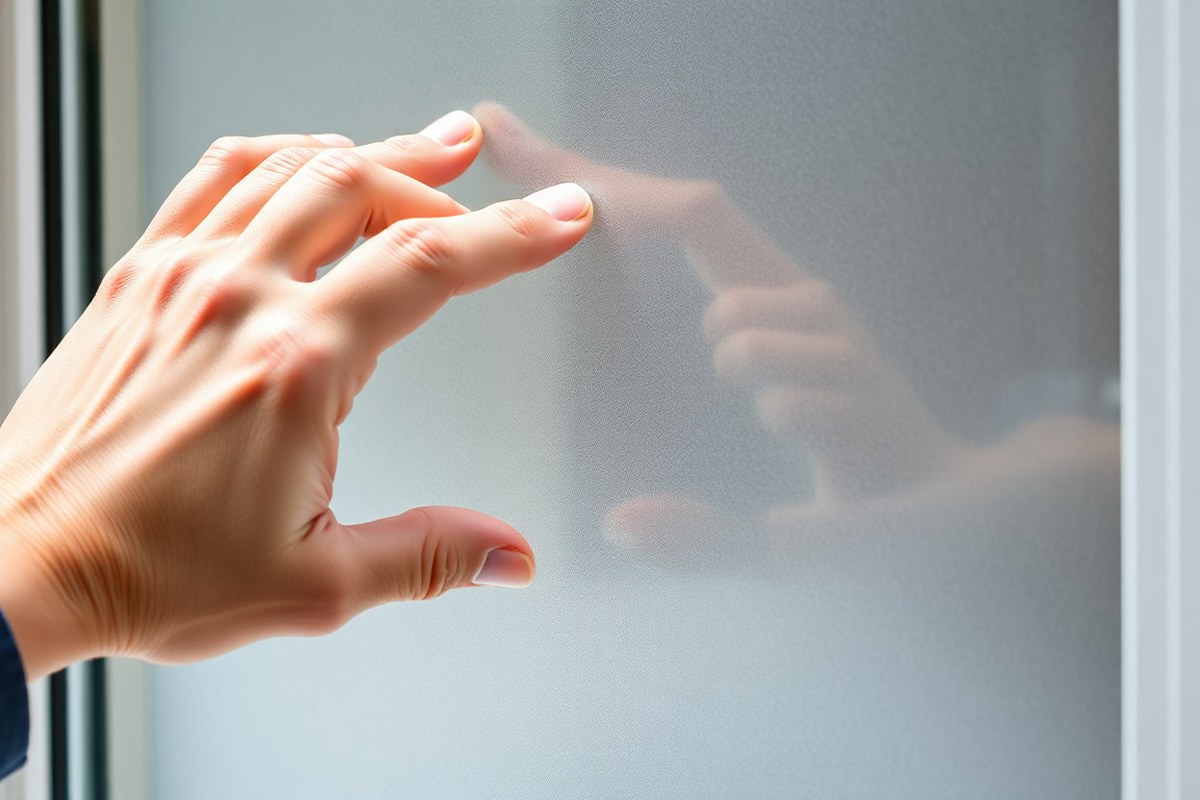
Frosted window film is a thin, self-adhesive vinyl or polyester layer applied directly to glass surfaces to transform clear windows into translucent panels. This film mimics the look of etched or sandblasted glass without the expense or permanence of actual glass modification. It creates a frosted appearance that blurs visibility from both sides, allowing for privacy while still permitting natural light to filter through.
The key to frosted window film’s privacy and light diffusion lies in how it interacts with light. Unlike clear glass, the film’s textured surface scatters incoming light rays, diffusing them as they pass through. This scattering effect softens the light, producing a gentle glow that illuminates the room without revealing clear images behind the window. Because of this scattering, the film blocks clear visibility and details, effectively protecting privacy whether it’s daytime or nighttime.
The amount of light passing through frosted window film is measured by Visible Light Transmission (VLT), which typically ranges between 40% to 80%, depending on the opacity level of the film you choose. A standard frosted film usually allows enough natural light to brighten a room comfortably but blocks prying eyes by maintaining at least 95% privacy at distances as close as four inches. This ensures your space stays bright without compromising on discretion. Some heavy frosted films can reflect over 70% of solar energy and block more than 99% of ultraviolet (UV) rays, protecting your interior from heat buildup and fading.
Applying frosted window film does not require replacing your glass. The adhesive backing sticks directly to existing windows and can be applied by a homeowner or professional to create the desired frosted effect. Because the film is removable without damaging the glass, it offers flexibility for renters or anyone who may want to update or remove it later. The installation requires a clean glass surface, a squeegee to smooth out the film, and careful trimming for optimal coverage.
High-quality frosted window films imitate factory-frosted glass with a uniform, etched look that adds an element of style. Unlike real etched glass, which involves abrasive or chemical treatments on the glass itself, the film delivers the same visual effect at a fraction of the cost, usually between $7 and $15 per square foot installed. Poor installation or using lower-grade films may result in bubbles, peeling, or uneven transparency, affecting both privacy and appearance. Choosing the right film thickness and opacity level for your space ensures the best balance between light diffusion and privacy protection.
Types of Frosted Window Film and Their Features
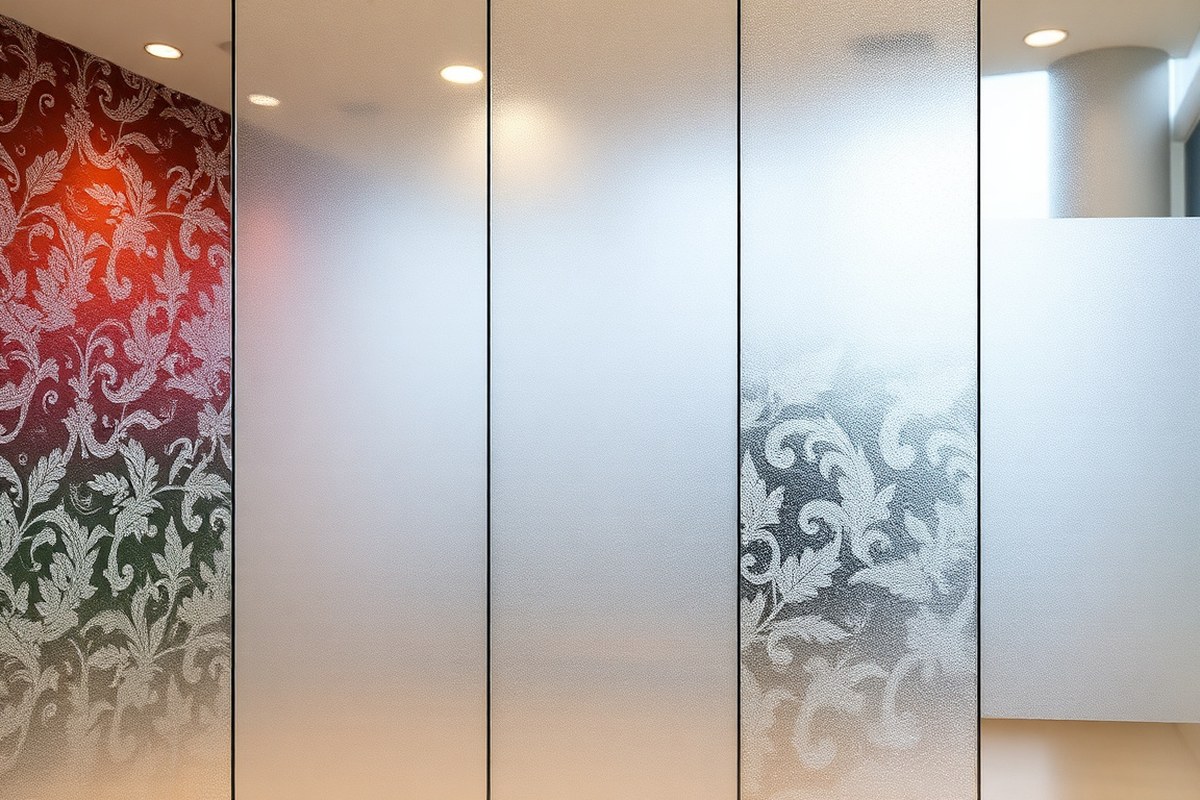
Frosted window film comes in several types that differ in appearance, application method, and decorative options. Choosing the right one depends on your privacy needs, window surface, and style preference. You can find standard frosted films, heavier versions for more privacy, static cling or adhesive backing options, plus decorative patterns and custom designs tailored to your space.
Standard and Heavy Frosted Films
Standard frosted films provide moderate to high privacy, letting through a medium amount of visible light. These work well in spaces like bathrooms or home offices where obscuring view is important but natural light is still desired. Heavy frosted films reduce visible light transmission even further, often letting less than 15% of light through, making them ideal for bedrooms or street-facing windows where privacy is a priority.
While heavy frost films significantly increase privacy after dark, they don’t fully eliminate visibility under bright interior lighting. This is why assessing privacy needs during both day and night will help you select the proper frost level. Standard options often allow more daylight and a softer look, balancing privacy and brightness.
Static Cling vs Adhesive Films
Static cling frosted films do not use glue. They hold to the glass surface through static electricity, making them easy to install, remove, and reposition without residue. This type suits renters, seasonal use, or temporary privacy needs. However, static cling films might not adhere well in humid or high-moisture areas, and edges can start peeling over time.
Adhesive frosted films feature a sticky back that permanently bonds to the glass. They offer better durability, edge retention, and are often recommended for rooms with higher humidity or locations requiring long-term installation. Professional installation is common for adhesive films, which can last 15 to 20 years when correctly applied and maintained. Keep in mind that removing these films later may require careful scraping and cleaning to avoid glass damage.
Avoid installing adhesive films on dirty or oily glass surfaces to prevent air bubbles and poor adhesion.
Decorative and Custom Design Films
Beyond simple frosted finishes, many films come with decorative patterns such as stripes, waves, floral motifs, or irregular textures. These add a stylish element to privacy while also serving as a design feature on windows, doors, or partition screens. Some decorative films alter light diffusion, casting colorful effects or subtle shadows indoors.
Custom options allow businesses or homeowners to incorporate logos, branding, or unique artistic designs by submitting artwork files for cutting and printing. This is popular in offices or retail environments seeking both privacy and visual identity. Custom frosted films usually cost more than off-the-shelf versions but give a tailored appearance that matches your décor or professional image.
Specialty Options: Reeded and Micro-Perforated
Reeded frosted films mimic the look of textured glass with vertical lines that distort visibility while still allowing light to pass. This type often suits bathroom windows or interior partitions where a decorative privacy solution is desired. Micro-perforated films also offer privacy but permit partial see-through from one side, useful for exterior-facing business windows that maintain interior views outward.
These specialty films provide alternatives when full frosting is too obstructive or when you want to add a subtle design element. They typically come in both static cling and adhesive varieties and vary in cost depending on material and pattern complexity.
How Opacity Levels Affect Privacy and Natural Light
Opacity levels in frosted window films directly influence how much privacy you gain, how visible silhouettes are, and the amount of natural light flowing through. Films with higher opacity block more visibility from the outside but also reduce the light entering the room. Lower opacity films allow more natural light but offer less privacy, making it easier to see shapes or movement behind the glass. Choosing the right opacity depends on where you plan to install the film and the balance you want between brightness and privacy.
For bathrooms or private offices where confidentiality is critical, frosted films with high opacity levels are ideal. These typically block 70% to 90% of visible light (Visual Light Transmission, or VLT), creating strong visual barriers while still letting soft, diffused light in. This level effectively obscures facial features and silhouettes during the day, but keep in mind privacy can change at night. When interior lights are on and it’s dark outside, lighter opacity films may make shadows or movements more visible. To maintain full nighttime privacy, combining high-opacity film with blinds or curtains is a practical approach.
| Feature | Frosted Window Film | Tinted Window Film | Reflective Window Film |
|---|---|---|---|
| Privacy Level | High | Medium | High (daytime) |
| Light Transmission | High | Medium | Medium |
| Heat Reduction | Low | Medium | High |
| Best Rooms | Bathrooms, Bedrooms | Living Rooms, South-Facing Rooms | Street-Facing Rooms, Offices |
| Decorative Options | Yes | Limited | Some |
| Pros | Maintains natural light, stylish | Reduces glare, UV protection | Daytime privacy, heat reduction |
| Cons | Less heat reduction | Can darken room, moderate privacy |
Deciding how much opacity to choose starts with understanding your priorities. In environments like bathrooms, high-opacity frosted films excel by providing strong privacy without sacrificing natural light. Offices facing busy streets benefit from reflective films during the day for privacy and heat control, but frosted films remain popular in interior meeting rooms to diffuse light and maintain confidentiality. At night, when indoor lights are on, frosted films alone may not fully conceal interiors. Using additional window treatments or advanced solutions like switchable smart films helps protect privacy around the clock.
Benefits of Frosted Window Film Beyond Privacy
Frosted window film offers more than just privacy by effectively blocking up to 99% of harmful ultraviolet (UV) rays. This high level of UV protection is important for preventing furniture, flooring, artwork, and other interior elements from fading or deteriorating due to prolonged sun exposure. Applying the film on the inside of your glass windows creates a barrier that filters out these damaging rays without sacrificing natural light, helping maintain the appearance and value of your home or business interiors over time.
Energy savings are another notable advantage of frosted window film. Many films are designed with heat-reflective properties that can reflect around 91% of infrared rays, which are primarily responsible for heat transfer through glass. This can noticeably reduce indoor temperatures, especially on south or west-facing windows that receive intense sunlight during warmer months. By lowering heat gain, frosted films help decrease reliance on air conditioning, which can lead to measurable savings on energy bills. Installation costs generally range from $5 to $15 per square foot, but the reduction in cooling expenses may offset this within a few years depending on your climate and window exposure.
Beyond functional benefits, frosted window film improve interior aesthetics with its matte, etched glass look that complements a variety of decor styles. Unlike bulky drapes or blinds, it offers a sleek, minimalistic way to soften bright sunlight and reduce glare. Some films provide a translucent effect that allows you to maintain a bright and open feel indoors while obscuring the view from outside. This balance is ideal for rooms like bathrooms, home offices, or storefronts where light is welcome but privacy is important. A well-chosen film can add a modern touch or a hint of elegance without the need for more permanent or expensive window treatments.
The vinyl-based composition of frosted films also plays a protective role by shielding your floors and furniture from sun damage. UV rays and intense sunlight can dry out and weaken materials, causing cracking, fading, or discoloration. Since the damage from UV exposure accumulates gradually, the film acts as a preventive layer that extends the lifespan of valuable interior features. For locations with significant sun exposure, this protection helps avoid costly replacements and preserves the look and feel of your space over many years.
The ease of installation and maintenance contributes to the appeal of frosted window film. Applied on the interior surface, the film is relatively simple to fit with basic tools and can be cut to size for any window dimension. After installation, cleaning requires only a soft cloth and mild soap solution, as harsh chemicals or abrasive materials could damage the film. Proper care ensures the film remains clear and effective for up to 10 years or more, providing ongoing benefits without frequent replacement.
Step-by-Step Installation Guide for Frosted Window Film
You can install frosted window film yourself by following careful steps for measuring, cutting, cleaning, applying, and allowing the film to cure without disturbance. This process usually takes 30 to 60 minutes per window. Paying attention to detail helps avoid wrinkles, bubbles, and misalignment, which are common installation errors.
Preparing Your Window Surface
Start by cleaning the window thoroughly to remove all dirt, dust, and grease. Use a mild, ammonia-free cleaner and a lint-free cloth to avoid leaving residues that can prevent the film from sticking properly. The window should be completely dry and at room temperature before applying the film.
Check for any damage to the glass, such as cracks or chips, since these can affect the film’s adhesion and longevity. If you have Low-E glass, be mindful that some films may affect thermal properties, so consulting the film manufacturer’s recommendations is wise.
Cutting and Measuring the Film
Measure the window’s width and height accurately using a tape measure. Add about 1/2 inch to each dimension to allow for trimming after application. Use a straight edge and a sharp utility knife or scissors to cut the film to the measured size on a clean, flat surface.
A precise cut minimizes the risk of overlaps, which cause patchy or cloudy spots. Avoid cutting the film too small to ensure full coverage of the glass.
Applying and Smoothing the Film
Spray a generous amount of application solution (usually a mix of water and a few drops of dish soap) onto both the window and the adhesive side of the film. Peel off the film’s liner carefully, avoiding touching the adhesive side to prevent fingerprints and dust.
Place the film onto the wet glass and use a squeegee, starting from the center and moving outward, to remove air bubbles and excess liquid. Work slowly to keep the film aligned and flat. It helps to have a second person assist for larger panes.
Use a fresh, clean squeegee and gentle pressure to avoid scratching the film surface.
- Measure your window and add trimming margins.
- Cut your film to size on a clean flat surface.
- Spray the window and film with application solution liberally.
- Peel the film liner off carefully to expose adhesive side.
- Apply the film to the window starting at the top edge.
- Squeegee from the center outwards to remove bubbles and liquid.
- Trim excess film with a sharp knife, leaving a small gap from the frame.
- Let the film set without disturbing it to begin curing.
Curing Time and Post-Installation Care
The film requires 3 to 7 days to cure before cleaning and up to 30 days for full adhesive strength depending on the product. Avoid cleaning or touching the film during this time to prevent peeling or haziness. Refrain from using ammonia-based cleaners which may damage the film surface.
Once cured, clean the film gently using mild soap and water with a soft cloth. Proper curing time ensures the adhesive bonds fully for durable, long-lasting performance without bubbling or peeling.
Maintaining and Cleaning Frosted Window Film for Longevity
Cleaning frosted window film correctly extends its life and keeps it looking its best. Use a soft, non-abrasive cloth or sponge with warm water and a mild liquid detergent. Avoid harsh chemicals like ammonia, bleach, or abrasive cleaners, as they can cause yellowing or peeling of the adhesive. Spray the cleaning solution onto the cloth, not directly on the film, to prevent damage from excess moisture getting under the film edges.
For routine maintenance, clean the film every 1 to 3 months, depending on your environment. Areas with frequent dust, smoke, or pollen might require more frequent cleaning. After cleaning, dry the film gently with a microfiber cloth to prevent streaks and water spots.
- Use mild soap or detergent diluted in warm water.
- Clean with a soft cloth or sponge, avoiding scrubbing.
- Do not use razor blades or sharp tools to scrape dirt.
- Avoid ammonia-based and abrasive cleaners.
- Spray cleaning liquid on the cloth, not directly onto the film.
- Dry with a microfiber cloth to prevent streaks.
- Inspect edges regularly for lifting or bubbling.
Preventing damage starts at installation but continues through your cleaning routine. Avoid applying cleaners at extreme temperatures, keep room temperature between 50°F and 90°F while cleaning. Peeling or bubbling often results from excess moisture trapped under the film or from aggressive cleaning. Check edges and corners monthly for lifting, especially if the window is exposed to frequent temperature changes. If bubbling appears, very gentle pressure using a squeegee wrapped in a soft cloth can sometimes smooth it out, but persistent issues indicate improper installation or aging film.
Yellowing typically happens over years due to UV exposure and poor-quality films. Choosing UV-protected frosted films can reduce this risk. To prolong the film’s life, avoid direct heat sources such as space heaters near the windows and do not place stickers or tape on the frosted surface. Keeping the glass clean before installation also helps, preventing dirt from compromising adhesive strength.
Choosing the Right Frosted Film for Your Glass and Use Case
Choosing the right frosted window film depends on the type of glass surface, its shape, and the specific use case like privacy needs and design goals. Different glass types and locations require certain film materials and installation methods to achieve durability and performance. Knowing these factors improves the final result and avoids damage or warranty issues.
Glass Types Compatible with Frosted Film
Flat, standard float glass is the easiest and most common surface for applying frosted window film, including residential windows, offices, and retail spaces. Films made from vinyl or polyester adhere consistently to these flat glass surfaces. Tempered and laminated glass also accept frosted film well, but films designed for these surfaces usually have stronger adhesives to maintain hold under temperature shifts and mechanical stress. Laminated glass, often used for safety and soundproofing, can support films that add privacy without compromising its integrity.
Insulated glass units (double or triple pane windows) require careful consideration because the film’s adhesive and treatment may cause heat buildup or stress the seal around the panes. This can lead to fogging or permanent damage, and applying frosted film could void the window’s warranty. For such installations, consult the window manufacturer or a professional before proceeding.
Special Cases: Curved and Textured Surfaces
Frosted window film is generally not suited for heavily curved or textured glass because standard films are rigid and designed for flat surfaces. Attempting to apply them over curves or textured finishes often causes bubbling, cracking, or poor adhesion. Some specialized conformable films, which are thinner and more flexible, can fit mild curves or slight textures but tend to be pricier and require expert installation. Vinyl films that stretch slightly can work for certain curved glass surfaces if the curve radius is gentle and consistent.
Textured glass, such as patterned or frosted glass panels already treated with acid etching or sandblasting, doesn’t need additional frosted film for privacy. Trying to apply film on these surfaces may create uneven appearances and is generally not recommended. Instead, consider films designed for aesthetic enhancement or branding that work on clear glass near the textured elements for contrast.
Using Frosted Film on Doors and Office Partitions
Residential entry doors with glass inserts and commercial glass office partitions are popular places for frosted film, providing privacy while maintaining light flow. Films used here should be durable enough to handle frequent contact, cleaning, and possible moisture exposure. Heavy frost films with matte finishes are suitable for medical or professional settings requiring strict privacy, as they obscure vision effectively without reflecting daylight like mirrored films. Transparent or lightly frosted films can soften visibility in conference rooms or waiting areas while creating a modern look.
For switchable privacy on office glass doors or partitions, combining frosted film with other technologies, such as smart films or adhesives compatible with illumination, can improve functionality. Decorative films with logos or patterns can support brand identity on entryways or retail frontages without blocking natural light. Applying frosted film to doors requires attention to edges and potential temperature changes that could affect adhesion, so choosing films recommended for door glass specifically is advised.
When to Call a Professional Installer
Professional installation is advisable when dealing with complex glass shapes like curved or large commercial panels, glass with textured finishes, or insulated and laminated glass where warranties and long-term performance are concerns. Installers have access to conformable films, specialized cutting tools, and installation methods that reduce bubbles and wrinkles. Improper DIY application on these surfaces often leads to premature peeling, discoloration, or trapped dirt.
Commercial projects, such as outfitting offices or storefronts, also benefit from professional assessment to select films that meet privacy, safety, and local building codes. Costs for professional installation typically range from $5 to $15 per square foot depending on complexity and film type, which is reasonable compared to possible damage repair or reinstallation due to errors. When using premade kits on flat, residential windows, many homeowners successfully complete their own installation following product instructions and by working in dust-free environments with firm squeegees.
Cost Factors and Comparing Frosted Film with Other Window Solutions
Frosted window film generally costs between $7 and $15 per square foot, depending on the brand, quality, and thickness. Installation can add to the price if you hire a professional, typically $3 to $6 more per square foot. This film is designed to stick directly to your existing glass, which makes it a lower-cost alternative to replacing windows entirely. Most frosted films come with a lifespan ranging from 5 to 10 years and often include warranties covering bubbling, peeling, or discoloration for 3 to 5 years. Proper installation and maintenance extend their useful life.
Comparing frosted film with tinted and reflective films helps you make informed choices based on your needs for privacy, light control, and energy efficiency. Frosted window film provides diffuse privacy by blurring outlines without significantly darkening the room, unlike tinted films, which darken and reduce glare but can decrease natural light more noticeably. Reflective films offer a mirror-like finish on the outside that blocks heat and reduces visibility from outdoors during daylight but tend to reduce indoor visibility at night. Combining these films in different areas or windows is practical based on your building’s orientation and room use. The following table summarizes cost, privacy level, light transmission, heat reduction, and typical warranty period for frosted, tinted, and reflective window films:
| Type | Cost per Sq Ft | Privacy | Light Transmission | Heat Reduction | Warranty |
|---|---|---|---|---|---|
| Frosted Film | $7 – $15 | High (blurs vision) | 70% – 90% | Low to Moderate (varies by brand) | 3 – 5 years |
| Tinted Film | $6 – $12 | Medium (darkens, obscures) | 40% – 70% | Moderate to High | 3 – 7 years |
| Reflective Film | $10 – $18 | Medium to High (mirror effect daytime) | 50% – 80% | High (blocks heat effectively) | 5 – 10 years |
Choosing frosted film can be more budget-friendly than replacing glass while improving privacy without drastically reducing natural light. Unlike tinted or reflective films, frosted film allows light diffusion, making it a preferred option for rooms where light is a priority. However, for owners focused on lowering cooling costs through higher heat rejection, reflective films may offer better energy efficiency despite higher upfront costs.
Always clean the glass thoroughly before applying any film; dirt or moisture trapped under the film can cause bubbling and reduce adhesion over time.
Deciding whether frosted film is a better investment than new glass depends on your priorities, including budget, permanence, and performance. Films can be replaced or removed more easily than windows, making them ideal for renters or temporary privacy needs. For long-term energy savings or architectural upgrades, new glass with built-in coatings may be worth considering despite the higher initial cost and installation process.
Step-by-Step Action Plan for Using Frosted Window Film
Get started with frosted window film by following these clear, timed steps to ensure privacy and style for your space.
- Before you start: Measure your windows carefully to buy the right amount of frosted film. Accurate measurements mean a perfect fit without waste.
- Day 1: Clean the window surface thoroughly with glass cleaner and a lint-free cloth. Smooth, dirt-free glass ensures the film sticks properly and lasts longer.
- Day 2: Cut the frosted film to the exact size of your window, leaving a small margin. This helps avoid gaps once applied.
- Day 3: Apply the film using a soapy water solution and a squeegee. The film should lay flat with no bubbles or wrinkles.
- After 1 week: Check the edges and smooth out any lifting film areas. This prevents peeling and maintains privacy.
- After 1 month: Inspect the film for scratches or stains. Clean gently with mild soap and a soft cloth to keep it clear and effective.
Frequently Asked Questions
Can Frosted Window Film Reduce UV Rays Effectively?
Yes, high-quality frosted window film can reduce UV rays by over 99%, protecting interiors from fading. This helps extend the life of furniture and flooring near windows.
Is Frosted Window Film Suitable for Exterior Application?
Frosted window film is usually designed for interior use but some heavy-duty films can be applied outside. Check manufacturer guidelines to ensure outdoor durability.
Can Frosted Window Film Be Custom Cut for Irregular Window Shapes?
Yes, frosted window film can be cut to fit nearly any window shape, including arches and circles. Precision cutting tools improve the fit and finish for custom designs.
Does Frosted Window Film Affect Window Insulation?
Frosted window film may offer slight insulation benefits by reducing heat transfer through glass. It isn’t a replacement for double glazing but can help improve energy efficiency.
Will Frosted Window Film Bubble After Installation?
Bubbles can appear if installation isn’t smooth or glass isn’t cleaned properly. Using a squeegee and proper technique minimizes bubbles for a flawless finish.
Is Frosted Window Film Safe for Windows in Commercial Buildings?
Yes, frosted window film is safe and meets commercial standards when installed correctly, often improving privacy without compromising fire safety codes.
Key Points to Remember
Frosted window film offers a straightforward way to boost privacy without sacrificing natural light. By selecting the right type and installing it carefully, you can protect your space while adding a stylish touch. Start with a small window to practice application, and watch how it changes your environment for the better.