What Is a Vinyl Banner Made of? Detailed Material Breakdown & Usage Guide
What is a vinyl banner made of? Vinyl banners mainly consist of a durable 13 oz polyvinyl chloride (PVC) material, offering a solid balance of strength, affordability, and print quality. This material is popular because it handles indoor and outdoor conditions well, typically lasting 1 to 2 years outside. Starting with 13 oz vinyl gives you a versatile option that works for most general-purpose signage needs.
Key Takeaways
- Choose 13 oz vinyl for most banners since it balances durability, cost, and print quality effectively.
- Opt for 18 oz vinyl if you need extra tear resistance and longer outdoor life up to 4 years.
- Mesh vinyl is best for windy outdoor locations as its perforations reduce wind stress on the banner.
- Select matte finishes on 13 oz vinyl for a glare-free appearance favored in 70% of commercial prints.
- Vinyl banner lifespans range from 1 to 5 years outdoors depending on material weight and exposure.
- Reinforce banner edges with hems and grommets to improve durability and ease of mounting.
What Materials Make Up a Vinyl Banner?

Vinyl banners are primarily made of a polyester scrim sandwiched between two layers of polyvinyl chloride (PVC), commonly referred to as vinyl. The polyester scrim acts as a woven mesh that gives the banner its structural strength and tear resistance. This reinforcement is essential because vinyl alone can be flexible but prone to stretching or tearing under stress. The scrim provides stability, ensuring the banner maintains its shape and withstands outdoor elements like wind and rain.
The vinyl layers on either side of the scrim serve as the banner’s printable surface and weather-resistant barrier. These PVC coatings protect the internal mesh from moisture, UV exposure, and dirt while allowing vibrant ink adhesion for sharp graphics. The typical industry standard for vinyl banner material is a 13-ounce weight per square yard, balancing durability and affordability. Heavier 18-ounce vinyl offers extra thickness and long-term resistance, especially for banners exposed to harsh weather for multiple years.
To make the vinyl flexible enough for rolling, shipping, and installation, manufacturers add plasticizers. These chemical additives soften the otherwise rigid PVC, preventing it from becoming brittle or cracking over time. The type and amount of plasticizer influence banner flexibility, weather resistance, and lifespan. High-quality banners use plasticizers that remain stable in sunlight and extreme temperatures, avoiding sticky surfaces or fading. However, certain plasticizers can migrate out of the vinyl in poor-quality materials, causing a tacky residue or loss of pliability within a year.
The exact construction process involves laminating the two vinyl layers around the polyester scrim under heat and pressure to bond them firmly. This lamination creates a composite material that can be cut, printed, and finished with hems or grommets for mounting. A 4-by-6-foot banner made from 13-ounce vinyl typically costs between $80 and $200, depending on print complexity and finishing. This material is expected to last one to two years outdoors before noticeable wear occurs due to sun and weather exposure.
Higher-weight 18-ounce vinyl banners cost roughly 40 to 50 percent more but provide up to four years of outdoor durability. When selecting materials, consider banner size, expected exposure, and budget. The polyester scrim inside ensures even large banners resist wind forces that can reach about 0.6 pounds per square foot at 20 mph, avoiding destructive tears. Plasticizers ensure the banner can be rolled without cracking and stay flexible through temperature changes, important for shipping and installation. Low-quality materials often lack UV-stable plasticizers, leading to early failure despite strong scrim reinforcement.
Knowing the composition of vinyl banners helps you pick the right combination of durability, flexibility, and cost-effectiveness for your project. The polyester scrim is the backbone providing tension and tear strength, the vinyl layers protect and enable print quality, and plasticizers keep the material workable and weather-resistant over time.
How Does Vinyl Weight Affect Banner Durability?

The weight of vinyl significantly influences a banner’s durability and suitability for different uses. Common vinyl weights include 13 oz, 16 oz, and 18 oz per square yard, each offering different strengths and typical applications. Heavier weights tend to resist tearing better and last longer outdoors, though they cost more and can be harder to handle.
Standard Vinyl Weights Explained
Vinyl banners most often come in three weights: 13 oz, 16 oz, and 18 oz per square yard. The 13 oz vinyl is the industry standard and works well for most indoor and outdoor signs, including permanent business signage. At 16 oz, vinyl is thicker and designed for heavy-duty outdoor use, offering improve resistance to wear and wind stress. The 18 oz vinyl is the thickest common option, around 38 percent thicker than 13 oz, making it exceptionally durable for long-term outdoor exposure and demanding environments. As thickness increases, so does the material’s ability to resist tearing and UV damage.
Durability and Expected Lifespan by Weight
The durability of vinyl banners is deeply connected to their weight. A 13 oz vinyl banner typically lasts 3 to 5 years outdoors in most climates, making it suitable for permanent signage with moderate weather exposure. The thicker 16 oz vinyl banner boosts resistance to tearing and extends typical outdoor lifespan beyond that of 13 oz, although exact numbers vary by conditions. The 18 oz vinyl is built for the toughest environments, offering 2 to 4 years of reliable performance even under strong UV exposure and high wind load. Thickness also strengthens the banner against physical damage, reducing ripping and helping maintain print quality longer.
| Vinyl Weight (oz/yd²) | Outdoor Lifespan | Typical Use Cases | Tearing Resistance |
|---|---|---|---|
| 13 oz | 3, 5 years | General-purpose banners, business fronts, indoor/outdoor signs | Moderate |
| 16 oz | 4, 6 years (varies with conditions) | Heavy-duty outdoor banners, high wind areas | High |
| 18 oz | 2, 4 years (despite weight, UV resistance may limit lifespan) | Long-term outdoor use, harsh weather environments | Very high |
Price Ranges and Cost-Effectiveness
Heavier vinyl weighs more and costs significantly more, typically about 40 to 50 percent higher for 18 oz compared to 13 oz. Business owners balancing budget and durability might find 13 oz vinyl the best value for routine outdoor signs lasting over three years. When longer lifespan and higher tear resistance are priorities, investing in 16 oz vinyl can prevent frequent replacements and lost downtime. The 18 oz vinyl is the most expensive and heavier to transport and install, which may not be practical unless specifically needed for extreme weather or structural demands. Choose based on the expected environment, installation frequency, and budget.
Heavier vinyl banners resist tearing better but are harder to handle; secure grommets properly to avoid stress points that can shorten lifespan.
What Is Mesh Vinyl and When Should It Be Used?
Mesh vinyl is a perforated vinyl material with thousands of tiny holes, usually about 35 to 45 per square inch. These small perforations allow air to flow through the material, significantly reducing wind resistance compared to solid vinyl banners. This means mesh vinyl banners act less like a sail in windy conditions, making them far less likely to tear or stress mounting hardware.
This wind resistance is critical when mounting large banners outdoors in high-wind environments, such as on fences, scaffolding, or building exteriors. The perforations lower wind load by roughly 30% to 50%, and some sources note reductions up to about 66%. This reduction helps prevent flapping, tearing, and loosening of attachment points that commonly occur with solid vinyl in similar conditions.
Choosing mesh over solid vinyl generally comes down to the banner’s size, location, and typical wind exposure. For example, a 13 oz solid vinyl banner hung on a windy exterior wall may start to flap and pull loose within weeks. Installing a mesh banner instead maintains durability and reduces wear over time. Besides wind, mesh banners handle rain and UV exposure similarly to solid vinyl, offering good outdoor durability when combined with proper finishing such as grommets or pole pockets for secure mounting.
To use mesh vinyl effectively, measure the anticipated wind exposure at the installation site. If conditions are regularly windy or if the banner is very large, typically over 4 feet wide, mesh is the better choice. Ensure the holes are consistent and the vinyl weight suits the outdoor environment, as heavier mesh materials often improve durability without sacrificing airflow. Install the banner using reinforced grommets along the edges or pole pockets for tension, which prevents sagging and further reduces wind stress.
Costs for mesh vinyl tend to be slightly higher than solid vinyl due to the manufacturing process, but the improve wind resistance can save money by extending the banner’s lifespan and lowering replacement frequency. Avoid using mesh indoor or where wind is minimal since the perforations affect image clarity and create a textured appearance. Instead, solid vinyl is preferable indoors or in protected outdoor spots with little to no wind.
Which Finishes and Coatings Improve Vinyl Banner Performance?
Vinyl banners commonly come with either a matte or gloss finish, each serving different aesthetic and functional needs. Gloss finishes provide vibrant, reflective surfaces that improve color brightness and make images pop, ideal for eye-catching outdoor displays. Matte finishes reduce glare and reflections, making banners easier to read from various angles under bright sunlight, which is useful for large-scale signs or those viewed up close.
Applying UV resistance coatings significantly extends a vinyl banner’s outdoor life by protecting printed colors from fading due to sun exposure. These coatings absorb or block ultraviolet rays, preventing the vinyl material and inks from degrading. Typically, UV coatings add to the production cost, but the investment pays off with longer-lasting banners that maintain their visual appeal for months or even years. For best results, opt for banners with factory-applied UV coatings if you expect extended outdoor use under direct sunlight.
Vinyl inherently offers waterproof qualities due to its PVC-coated polyester makeup. This waterproof characteristic keeps moisture out, allowing the banner to withstand rain, humidity, and splashes without warping or losing print quality. However, waterproofing can be compromised if the banner has untreated edges or weak seams. Proper finishing steps such as heat welding or double stitching around hems help maintain waterproof integrity, especially in heavy rain or damp conditions.
Choosing between matte or gloss finishes depends on your visibility needs and design preferences. For instance, a glossy banner at a busy street event can grab attention thanks to its shine, while a matte banner may be better at a trade show booth where lighting glare can disrupt readability. Combining your chosen finish with UV-resistant coatings is important for outdoor advertising to keep colors vivid and the material strong over time.
To ensure your vinyl banner performs well, specify UV coating during the order process. Lead times for UV-coated banners are similar to standard ones, and costs usually increase by about 20% to 40%, depending on banner size and manufacturer. Waterproofing mostly comes standard with vinyl, but double-check finishing techniques like heat-sealed hems to avoid water intrusion at the edges, which can lead to peeling or curling over time.
Failing to use UV coatings or proper finishing can lead to fading colors and physical wear within a few months outdoors, especially in sunny or wet environments. Investing in finishes that match your banner’s intended environment improves durability and appearance, helping your marketing investment deliver better results throughout its display period.
How Long Do Vinyl Banners Last Indoors and Outdoors?
Vinyl banners typically last between one and five years depending on material weight, exposure to environmental conditions, and maintenance. Outdoor banners made from 13 oz vinyl usually remain effective for about three years, while indoor use can extend the life to five years or more. Factors such as sun exposure, wind, and humidity accelerate wear and fading.
Average Lifespan Ranges by Weight and Use
Banners printed on 13 oz vinyl are common for both indoor and outdoor use. Outdoors, they typically last around three years under moderate weather, due to their balance of durability and flexibility. Lighter weights, like 9 oz vinyl, tend to last closer to one year outside and are more suited for short-term promotions or sheltered locations. Heavier vinyl, such as 15 oz material, offers more resistance to tearing and weather but adds cost and weight, with potential outdoor longevity exceeding three years.
Indoors, vinyl banners face fewer challenges from UV rays and moisture, which significantly slows degradation. With no direct sunlight or harsh weather, a standard 13 oz banner can last five years or longer. Indoor banners also maintain print vibrancy better, reducing the need for frequent replacement.
| Vinyl Weight | Expected Outdoor Lifespan | Expected Indoor Lifespan | Common Uses |
|---|---|---|---|
| 9 oz | Up to 1 year | 2 – 3 years | Short-term events, sheltered outdoor spaces |
| 13 oz | About 3 years | 5 years or more | General outdoor/indoor banners, moderate-term campaigns |
| 15 oz | 3+ years | 5+ years | Long-term outdoor use, heavy-duty conditions |
Environmental Factors Affecting Durability
Sunlight exposure is the primary factor reducing vinyl banner lifespan, causing color fading and material brittleness. UV rays break down PVC compounds over time, especially in southern or high-altitude locations with intense sun. Wind and rain accelerate wear by physically stressing and loosening banner edges, especially if mounting points aren’t secure. High humidity can contribute to mildew or mold growth if the banner stays damp without proper drying.
Extreme temperatures also affect vinyl performance. Prolonged heat may soften vinyl, causing sagging or wrinkles, while very cold climates can make vinyl brittle and prone to cracking. Dust, pollution, and airborne chemicals can degrade print quality and surface sheen, particularly around industrial areas or busy roads.
Maintenance Tips to Prolong Banner Life
Regular cleaning with mild soap and water removes dirt, grime, and pollutants that degrade vinyl and print quality. Avoid abrasive materials or strong chemicals that could damage the surface. Proper storage during off-use periods, ideally rolled loosely and kept in a dry, cool place, prevents creasing or cracking.
Ensure all grommets and mounting points stay secure to reduce stress from flapping in strong winds. Using banner sleeves or reinforcements on corners can prevent tear initiation. Outdoor banners benefit from fade-resistant inks and UV protective coatings at the printing stage, which slow color loss significantly. For long-term outdoor use, consider removing the banner or providing shade when not actively displayed to reduce continuous UV exposure.
Keep your banner dry and stored flat or rolled loosely when not in use to prevent permanent creases and maintain overall durability.
How Are Vinyl Banners Finished for Strength and Mounting?
Vinyl banners are finished with specific techniques to strengthen edges and provide secure mounting options. These include hemming to reinforce borders, adding grommets for hanging points, using pole pockets to conceal supports, and cutting wind slits to reduce stress from air flow. Each finishing detail extends the banner’s life and improves installation ease and durability.
Common Finishing Techniques
Hemming is the process of folding and sewing the edges of a vinyl banner to prevent fraying or tearing. This reinforced border stabilizes the material, especially around mounting points that bear tension. Typically, the banner edges are folded over about 1 to 2 inches and double-stitched with weather-resistant thread. This added layer increases strength at the edges, which is the most vulnerable part of the banner. Without proper hemming, repeated stress from wind or mounting can cause the vinyl to rip or unravel. Hemming is a cost-effective step that usually adds a few dollars per banner, but it significantly extends usability for both indoor and outdoor displays.
Installation Accessories for Mounting
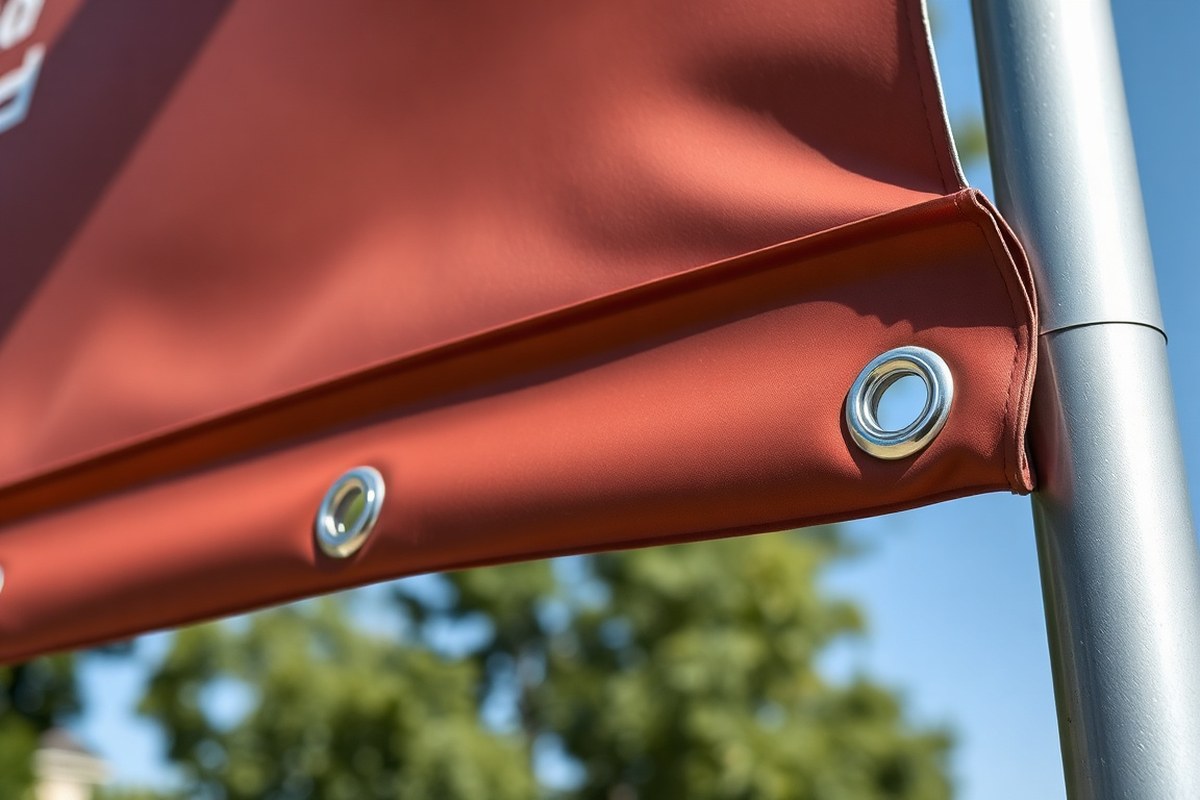
Grommets are metal rings inserted through the hemmed edges at regular intervals, commonly every 18 to 24 inches. These eyelets provide sturdy points for ropes, bungee cords, hooks, or zip ties to hang the banner. By distributing tension evenly along the edge, grommets prevent tearing or stretching around holes. They make installation quicker and safer on poles, fences, or walls. Pole pockets offer an alternative that hides mounting hardware by creating sewn-in sleeves along one or more edges of the banner. The poles slide through these pockets, giving a cleaner, more professional look without visible fasteners. This method reduces wear around holes but limits the banner’s flexibility in adjusting hanging positions. Costs for grommets or pole pockets vary by size and quantity but typically add $5 to $15 for standard banners.
Wind Management Features
Wind slits are vertical cuts made in mesh or solid vinyl banners to allow air to pass through, reducing wind resistance. These slits help prevent the banner from acting like a sail, decreasing stress at mounting points and lowering the risk of ripping during outdoor use. They are especially necessary for large banners or those hung in exposed areas with strong winds. Wind slits should be spaced evenly along the banner, usually one slit per every two to three feet of width, and carefully cut to avoid weakening the banner’s integrity. While adding wind slits may raise production costs slightly, the benefit of improved durability and safety in windy locations outweighs the expense. Without wind slits, banners risk rapid damage and failure in outdoor events or signage exposed to weather.
Are There Eco-Friendly Options for Vinyl Banners?
Eco-friendly vinyl banner options primarily include recycled vinyl blends and PVC-free or biodegradable materials. Recycled vinyl banners use post-industrial or post-consumer vinyl waste, incorporating it into the production process without sacrificing durability or print quality. These recycled blends perform just like traditional vinyl banners outdoors, making them a practical choice if you want to reduce environmental impact without changing your event or marketing setup. You can specify recycled content when ordering from suppliers who focus on sustainability, and prices typically align closely with standard 13 oz vinyl banners, keeping costs manageable.
Biodegradable vinyl banners, though less common, are made from materials designed to break down more quickly in landfill conditions, often using bio-based polymers instead of PVC. These options might cost more and sometimes have shorter lifespans compared to recycled or standard vinyl. Expect biodegradable banners to last less than the typical 1 to 3 years outdoors, making them better suited for short-term campaigns where environmental concerns are a priority. Keep in mind that biodegradable banners may not tolerate heavy weather exposure as well as recycled or traditional vinyl.
Polyester fabric banners offer another eco-friendly alternative, especially when recyclable and PVC-free options matter for indoor or low-impact outdoor use. Conventional polyester can be recycled, and some manufacturers now focus on recycled polyester materials. These banners are lighter and easier to transport, which reduces carbon footprint during shipping. They also provide vibrant print quality and can be reused several times, balancing sustainability with cost efficiency for repeat events or promotions.
When selecting eco-friendly banners, ask your print provider for detailed specifications about recycled content percentages and certifications for PVC-free or biodegradable materials. Look for options stating at least 30% post-consumer recycled vinyl for measurable environmental benefits. For tight budgets, recycled vinyl blends maintain cost-effectiveness while supporting sustainability goals without compromising the durability and appearance essential for branding impact.
Ordering eco-friendly banners involves comparing supplier options carefully. Some vendors offer tailored quotes that include sustainable materials and recycling programs, helping manage costs and waste disposal. Inform your vendor of your usage plans and environmental priorities so they can recommend materials best suited for your projects. Avoid biodegradable banners for long-term outdoor use, and choose recycled vinyl blends when performance must match traditional vinyl standards.
How to Choose the Right Vinyl Banner Material for Your Project
Choosing the right vinyl banner material depends on balancing your budget, the size of the banner, the environment where it will be displayed, and how long you need it to last. Start by considering where the banner will go. For windy spots like building facades, parking lots, or fences along busy roads, mesh vinyl is typically the best choice. Its tiny perforations reduce wind resistance, which protects both the banner and its mounting points. Although mesh is slightly more costly, it cuts down the risk of rips in these conditions.
Next, think about the vinyl weight to match your durability needs. A medium-weight scrim vinyl, often around 13 ounces per square yard, covers about 70% of commercial jobs according to the Specialty Graphics Imaging Association (SGIA) in 2025. This weight balances durability, vibrant print quality, and cost, making it a common default choice for both indoor and outdoor banners that face typical weather conditions and handling.
For higher durability, especially for large or frequently used banners, moving to a heavier vinyl like 15 to 18 ounces can add strength and resistance to tearing. However, this adds to both cost and weight, which might require stronger mounting hardware and more budget. If your project calls for vibrant colors but has moderate wind exposure, a solid vinyl with perforated mesh-like finishes or half-mesh hybrid options offer a visual quality advantage while improving airflow.
Cost and longevity also play a key role. Lighter vinyl options under 10 ounces are generally less expensive but suit mainly short-term or indoor projects where wind and sun stress are minimal. Expect these to last a few months outdoors. Mid-range and heavier options start with prices around $5 to $10 per square foot, scaling higher with size and finish. Higher-grade vinyls paired with quality grommets or hems improve lifespan, often lasting 1 to 3 years outdoors depending on climate and care. Budget constraints sometimes push you toward lighter vinyl, but that comes with more frequent replacements.
Before ordering, review five essential questions about your location, banner size, exposure to wind, desired lifespan, and color brightness needs. This approach simplifies your decision and matches the product to actual use without paying for unnecessary strength or risking early damage.
For windy outdoor installations, avoid solid vinyl unless temporary; mesh vinyl lowers damage risk and saves on replacement costs even if upfront price is higher.
Step-by-Step Action Plan for Choosing and Using Vinyl Banners
Follow these steps to select the right vinyl banner material and ensure it fits your durability, cost, and application needs.
- Before you start: Define your banner’s purpose and location, indoor or outdoor, to narrow material options. This helps determine the needed durability and weather resistance.
- Day 1: Choose the vinyl weight based on expected wear. Heavier vinyl (13 oz or more) works better outdoors for durability; lighter weights (9-10 oz) suit short-term indoor use.
- Day 2: Decide if mesh vinyl fits your project, especially for windy outdoor conditions, to reduce tearing and wind resistance.
- Day 3: Select finishes and coatings like UV or scratch-resistant laminates if you need extra protection to extend banner life in harsh environments.
- Day 4: Ensure your banner has proper finishing, such as reinforced hems and grommets, to prevent tearing and ease mounting.
- Week 1: Investigate eco-friendly vinyl badge options if sustainability is a priority; verify material certifications and disposal guidelines.
- After installation: Monitor banner condition periodically for fading or damage, and plan replacements accordingly to maintain a professional appearance.
Frequently Asked Questions
What Types of Vinyl Are Used in Banner Production?
Vinyl banners typically use 13 oz or 18 oz vinyl. The 13 oz is standard and versatile, while 18 oz offers heavier duty durability for extended outdoor use.
How Do Vinyl Banners Handle Different Weather Conditions?
Vinyl banners resist rain and sun well, but heavier 18 oz vinyl offers better wind and tear resistance compared to 13 oz. Choosing the right vinyl weight depends on exposure levels.
Are Vinyl Banners Waterproof or Weatherproof?
Vinyl banners are waterproof and weather-resistant due to their vinyl substrate, making them suitable for outdoor events and signage. However, prolonged exposure to extreme elements can affect longevity.
What Printing Methods Work Best on Vinyl Banners?
Digital solvent and UV printing methods are common for vinyl banners. These techniques provide vivid colors and strong adhesion directly onto the vinyl surface.
Is There a Difference in Texture Between Vinyl Banner Types?
Yes, 13 oz vinyl has a smooth matte finish popular for commercial print, while mesh vinyl features perforations for wind resistance and fabric banners have a softer feel.
Can Vinyl Banners Be Recycled or Reused?
Vinyl banners can sometimes be recycled, but the process depends on local facilities. Reusing banners for future events is common if they’re stored properly.
Wrapping Up
Understanding construction materials and finishes lets you pick a vinyl banner that balances cost and durability for your specific needs. Start by identifying where and how long your banner will be used, then select a material suited for those conditions. Taking this approach ensures your investment in banners effectively promotes your brand without unnecessary replacement costs.