Restaurant Chalkboard Sign Ideas That Attract Customers and Boost Sales
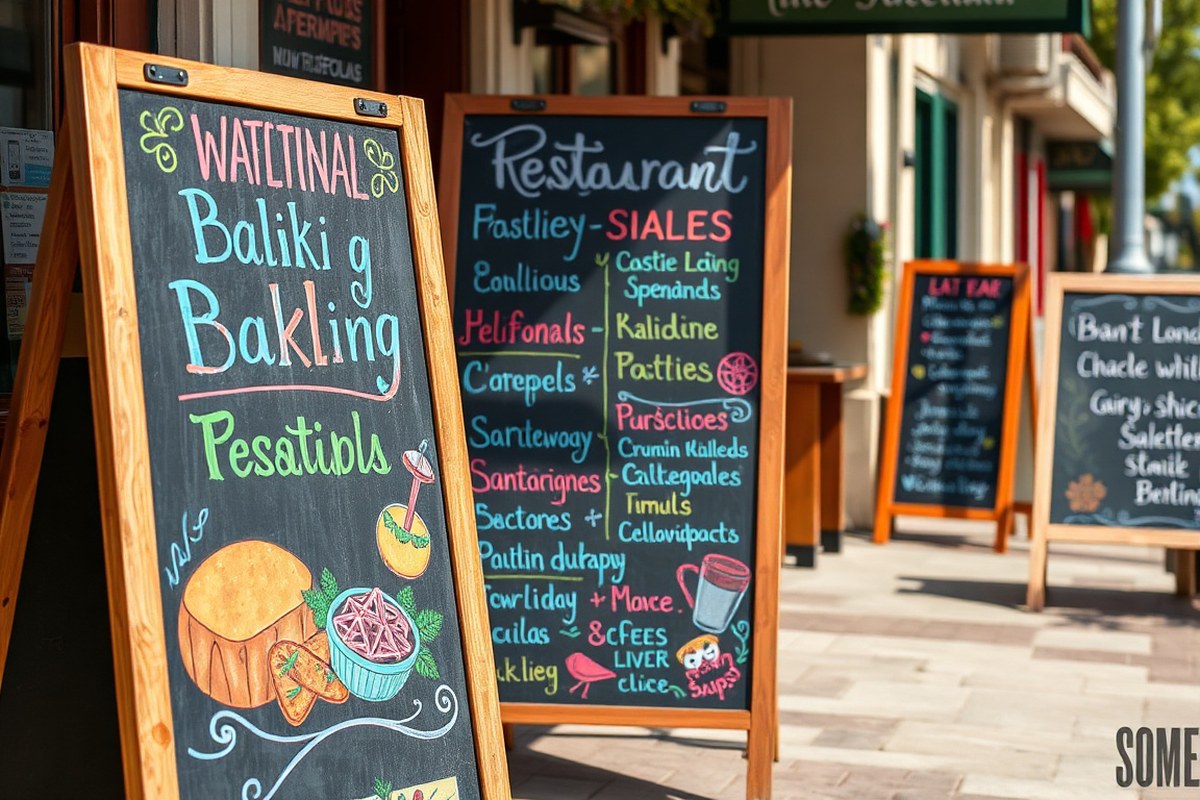
Restaurant chalkboard sign ideas help attract customers by making your messaging clear, creative, and engaging. Use eye-catching designs, concise text, and strategic placements near entrances or counters for maximum impact. Starting with a simple, bold headline can draw attention and invite customers to explore your menu or promotions.
Key Takeaways
- Highlight limited-time offers and promotions with clear, bold lettering to create a sense of urgency.
- Incorporate interactive elements like spinner signs to engage customers and add a playful touch.
- Include fun tip jar sayings to encourage tipping while reflecting your restaurant’s personality.
- Use durable materials like sealed wood or metal chalkboards for lasting signs in busy areas.
- Update chalkboard menus regularly to reflect seasonal dishes, specials, or dietary options.
- Feature social media handles or QR codes on chalkboards to boost online engagement.
Popular and Creative Restaurant Chalkboard Sign Ideas
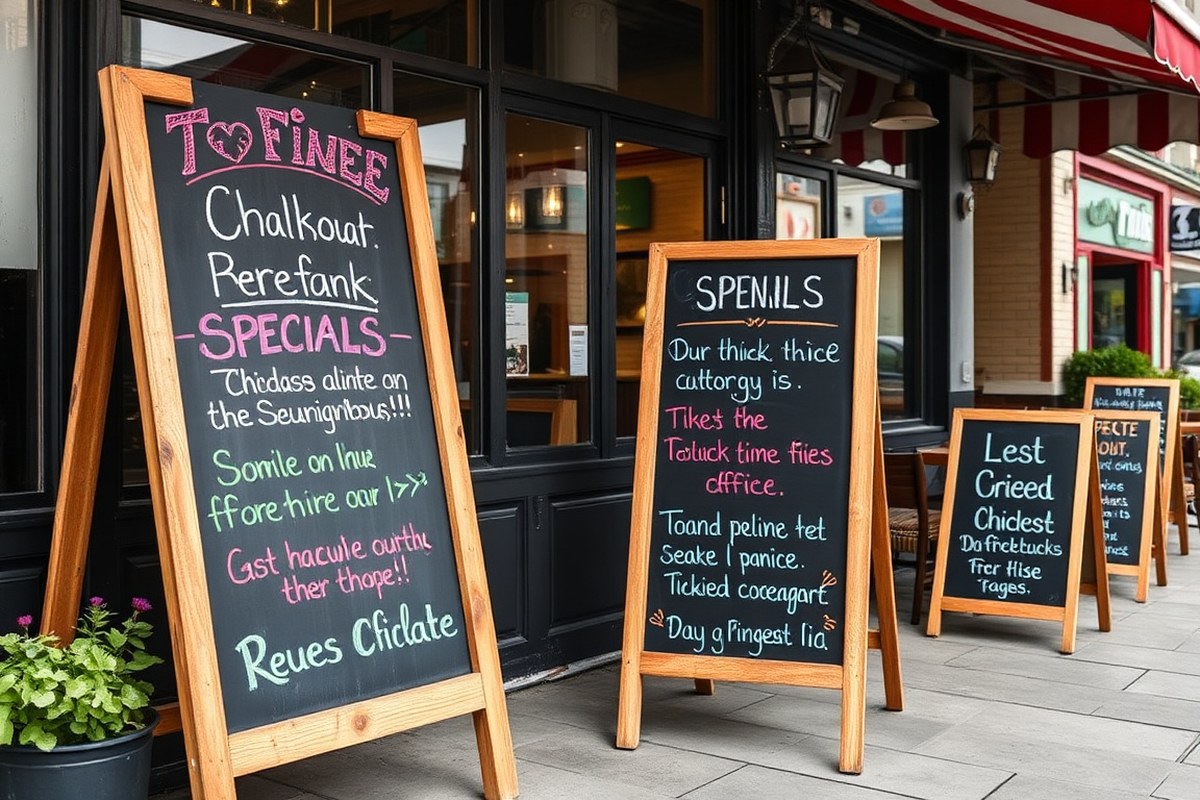
Using restaurant chalkboard signs effectively means creating messages that catch attention and invite interaction. Popular chalkboard ideas include highlighting daily specials, promoting discount days like “Taco Tuesday” or “Wine Wednesday,” and showcasing limited-time offers. These messages encourage customers to visit on specific days and come back regularly, boosting both foot traffic and sales.
Chalkboards improve customer experience by making information clear, approachable, and visually engaging. Simple food-related humor or clever puns tied to your cuisine can entertain guests while they wait, making the ambiance more memorable. Offering dietary notes such as gluten-free options directly on the chalkboard signals inclusivity and helps attract customers with specific dietary needs. Here are some creative ideas to make your chalkboard really stand out:
- Highlight daily specials with vibrant lettering and clear pricing.
- Advertise themed discount days to boost weekday traffic.
- Include fun trivia or short food-related jokes relevant to your menu.
- Promote add-on items or wine pairings alongside dishes.
- Use QR codes for digital menus or social media engagement.
- Feature customer favorite dishes or “chef’s picks” to guide new patrons.
- Display real-time wait times or seating availability during busy hours.
To implement these ideas, use bright chalk markers to improve readability and update signs frequently to keep content fresh and relevant. Limiting the text to concise, impactful phrases works best, as customers often only glance at these signs. Depending on your restaurant’s size and location, updates might take as little as 10 to 15 minutes daily and cost only a few dollars for quality chalk markers. Avoid overcrowding the board to prevent confusion and reduce the risk of customers ignoring the sign.
Effective chalkboard messages prompt customers to engage with your offerings and can create a friendly atmosphere that supports upselling. For example, writing “Try our locally sourced salmon, pairs perfectly with our Chardonnay!” invites dining choices aligned with your menu. In contrast, overly generic or cluttered boards risk blending into the background and may fail to hold customer interest, ultimately missing out on potential sales and improve dining experiences.
Designing Eye-Catching Chalkboard Menus and Promotions

Designing chalkboard menus and promotions to catch attention starts with clear, well-organized layouts, appealing fonts, and vibrant colors. Effective use of space and hierarchy helps customers quickly find key items and specials. Using a mix of sizes, shapes, and contrasting colors ensures your chalkboard stands out on busy streets and invites shoppers inside.
Choosing the Right Chalkboard Size and Shape
Selecting the appropriate size and shape for your chalkboard depends on your location and the message you want to deliver. Sidewalk chalkboards should be large enough for pedestrians to read from 3 to 6 feet away, typically around 24 by 36 inches or larger. Inside, smaller boards around 12 by 24 inches work well for daily specials or dessert menus.
Shape influences how the board fits your branding. A classic rectangle works well for structured menus, while oval or arched tops add a touch of personality that might attract more eyes. Consider your available wall or sidewalk space and foot traffic speed when choosing size and shape.
Using Fonts and Colors for Maximum Impact
Fonts and colors determine readability and emotional appeal. Use easy-to-read fonts like sans serif or simple script styles. Avoid overly decorative fonts that become difficult to decipher from a distance. Pair large headers with smaller descriptive text underneath for hierarchy.
High-contrast colors improve visibility. White or bright colors such as yellow, orange, or light blue against a black chalkboard background stand out most. Limit the palette to two or three colors to keep the sign from looking cluttered but add enough contrast to highlight important information like prices or headers.
Highlighting Specials and Limited-Time Offers
Placing specials and limited-time offers front and center increases customer interest. Use banners, borders, or icons to set promotions apart from the regular menu. Adding phrases like “Today’s Special,” “Seasonal Favorite,” or “Discount Offer Ends Tonight” creates urgency.
For best results, update these highlights regularly to maintain customer attention. Feature a daily chef’s choice or a rotating seasonal dish to use repeat visits. Pair these offers with attractive illustrations or simple icons that relate to the food or event. Follow these steps to structure your chalkboard menu and promotions effectively:
- Choose an appropriate chalkboard size and shape based on location and visibility needs.
- Sketch the layout with sections for menu items, prices, and promotional highlights.
- Select reader-friendly fonts with clear size differences for various text elements.
- Apply high-contrast chalk colors, limiting yourself to two or three complementary shades.
- Highlight specials with frames, symbols, or color changes to differentiate them.
- Add simple illustrations or decorative accents to draw attention without clutter.
- Position the chalkboard where foot traffic is highest and update regularly to reflect new offers.
Test your chalkboard’s readability by standing several feet away and asking someone unfamiliar with the menu to read it aloud.
Choosing Materials and Tools for Long-Lasting Chalkboard Signs
Choosing the right materials and tools for your restaurant chalkboard signs affects how clear, durable, and attractive your messages are. For semi-permanent or long-lasting displays, chalk markers offer sharper, cleaner lines that resist smudging and fading better than traditional chalk. They maintain a professional look, which is ideal for menus or promotions that don’t change daily. However, chalk markers can cost around $3 to $7 each and require non-porous surfaces to erase cleanly, so factor that into your budget and cleaning routine.
Traditional chalk works well when your signs demand frequent updates, like daily specials or changing tip jar messages. Chalk easily wipes away with a damp cloth, letting you update your sign multiple times a day without staining. It’s also inexpensive, typically under $1 per stick, but offers softer lines and is more prone to smudging, especially in humid or busy environments.
Many restaurants benefit from using a mix of both materials: chalk markers for the bold headline or border and traditional chalk for swiftly changing details. Investing in professional artists or sign painters skilled in chalkboard lettering can deliver eye-catching results that draw attention and help boost sales or tips.
Use chalkboard surfaces designed to match your selected tools. Non-porous boards work best for markers, while traditional slate or painted boards work well with regular chalk. Cleaning routines also differ: markers need alcohol-based cleaners, while chalk erases with water. Keep your supply area organized with erasers, cloths, and replacement chalk or marker tips within reach to maintain a polished look throughout service. The table below summarizes key differences to help you decide which materials fit your restaurant’s needs:
| Feature | Chalk Markers | Traditional Chalk |
|---|---|---|
| Line Sharpness | Sharp, precise | Soft, fuzzy edges |
| Durability | Long-lasting; resists smudge | Easy to smudge; short-term use |
| Surface Compatibility | Non-porous chalkboards only | Works on porous and non-porous boards |
| Ease of Erasing | Needs alcohol-based cleaner | Wipes off with damp cloth |
| Cost per Unit | $3 to $7 per marker | Less than $1 per stick |
| Update Frequency | Better for semi-permanent signs | Ideal for daily or hourly changes |
Using either tool well requires practice and care. In busy restaurants, marker ink can last several weeks before a full refresh, making them cost-effective for longer displays. Traditional chalk signs can need refreshing daily to avoid dull or messy looks. When choosing, keep your restaurant’s turnover rate for messaging in mind. Also check locally for suppliers or custom sign makers who can tailor your chalkboards professionally, improving the clarity and appeal of your marketing messages.
Fun and Effective Tip Jar Chalkboard Sayings That Encourage Tipping
Using humor and creative wording on tip jar chalkboard signs can significantly increase the amount customers tip. Effective signs catch a customer’s eye and get a quick smile, encouraging generosity without feeling pushy. A short, witty phrase works best because customers typically spend no more than two seconds reading the sign while waiting for change. Long messages rarely get read and don’t boost tips as effectively.
Start your tip jar sign with a playful or clever line that relates to your restaurant or the positive effect of tipping. Avoid crude humor since the sign represents your brand and will be seen by all customers, including new ones. Try to keep the message lighthearted but clear enough that customers understand it’s about tipping. Including a few dollars inside the jar upfront often increases contributions by showing social proof.
Pair the chalkboard message with digital tipping options if supported by your point-of-sale system. Many systems prompt customers to add a tip during payment, capturing cashless tips automatically. This dual approach, a fun sign plus easy digital tipping, works better than relying on cash tips or signage alone. The tip jar effectively becomes part of the customer’s overall payment experience. Use this proven script as a starting point to craft your own engaging chalkboard message for your tip jar:
“Tips: because pizza doesn’t make itself 🍕 Leave a little love here!”
This example combines humor related to your restaurant’s food, a clear call to action, and a friendly tone. Customize the phrase to fit your menu or theme. Keep the text large and legible, and use contrasting chalk colors to stand out. Here’s a checklist you can use to build tip jar chalkboard signs that encourage tipping:
- Keep the message short, three to eight words works well.
- Use light, friendly humor tied to your restaurant or staff.
- Place a few dollar bills in the jar to encourage tipping.
- Use bright chalk colors and easy-to-read fonts.
- Pair the sign with digital tipping prompts if your checkout allows.
- Avoid inside jokes or crude language that might alienate customers.
- Change the message regularly to keep it fresh and noticeable.
Signs using good humor and a straightforward message have proved to increase tip jar amounts by noticeable margins, according to restaurant marketing observations. On the other hand, signs that are too wordy, unprofessional, or hard to read may have little impact. Low lighting or cramped placement can also reduce visibility and effectiveness. A well-designed chalkboard sign takes about 15, 30 minutes to create and can be refreshed weekly or monthly at minimal cost. Consider this small investment against the extra dollars customers add to your tip jar after reading a clever message.
Updating and Maintaining Your Restaurant Chalkboard Signs
Update your restaurant chalkboard signs at least once a week or whenever you add new menu items, specials, or events. Frequent updates keep the display fresh and encourage customers to check back often. Proper cleaning and avoiding common pitfalls will help your chalkboards look inviting and professional.
Establishing a Regular Update Schedule
Set a consistent day, like Monday morning, to review and refresh your chalkboard signs. This habit builds anticipation and keeps content aligned with your current offerings and promotions. For bars or restaurants with fast-changing specials, consider updating every two to three days.
Maintain a flexible schedule based on your menu and events. For example, swap out seasonal items or event details promptly to reflect changes accurately. Changing artwork or quotes monthly can also engage repeat customers while preserving your brand’s look. To decide when to update, use this checklist:
- Check for new menu items, specials, or limited-time offers.
- Review upcoming events or holidays affecting your schedule.
- Assess chalkboard legibility and design freshness.
- Replace or tweak artwork and promotional messaging.
- Ensure any seasonal or dietary notes are current.
Proper Cleaning and Erasing Techniques
Clean your chalkboards gently to avoid ghosting marks and damage. Use a damp microfiber cloth or a chalkboard-specific cleaner. Avoid abrasive sponges or harsh chemicals that can roughen the surface.
For thorough cleaning, wipe the board with water and mild soap once a week before re-writing. Let it dry completely to maintain chalk adhesion. Erase chalk with a felt eraser after each service to keep the message readable and fresh.
Common Mistakes and How to Fix Them
Overwriting without cleaning first creates a blurry, hard-to-read sign. Always erase fully before updating text or art. Fading chalk or weak contrast also reduces the board’s visual impact, replace chalk or use brighter chalk markers for clarity.
Neglecting to follow your brand’s style can confuse customers and weaken your message. Stick to your standard fonts, colors, and tone. Avoid cluttering the board with too much information; keep messages clear and concise.
Update your chalkboards only after thoroughly cleaning to avoid ghosting and maintain readability.
Seasonal, Event-Based, and Dietary Chalkboard Sign Ideas
Customizing your restaurant chalkboard signs to feature seasonal menus, special events, and dietary options helps you draw in diverse customer groups and keep your offerings fresh and appealing. Clear, attractive chalkboard messaging can highlight limited-time dishes, accommodate dietary restrictions, and celebrate local or holiday themes, encouraging repeat visits and wider patronage.
Promoting Holiday and Seasonal Specials
Use chalkboards to showcase seasonal ingredients and holiday-themed specials that create excitement and urgency. Highlight dishes featuring produce in season, such as squash or cranberries in fall, or fresh herbs and berries in summer. Add clear notes about daily or weekly specials to entice customers with variety and freshness.
To effectively promote these specials, update your chalkboards regularly to match the season or upcoming holidays. Frame your messages with seasonal graphics like snowflakes, pumpkins, or blossoms. Prices do not need to be complicated; include simple prompts such as “Fall Harvest Salad, $9” or “Winter Warm-Up Soup Special!” to draw the eye.
Featuring Dietary-Specific Menu Items
Clearly highlighting dietary options such as vegan, gluten-free, or allergy-friendly choices on your chalkboards can attract health-conscious diners and those with food sensitivities. Use simple symbols or color coding to make these options stand out, like a leaf for vegan or GF for gluten-free. This transparency helps customers make quick, informed decisions while reflecting your commitment to inclusivity.
When listing these options, mention key allergen-free traits to emphasize safety. For example, note “Nut-Free Vegan Chili” or “Gluten-Free Grilled Chicken Salad.” Train staff to understand these designations to provide better customer service. You can also promote your farm-to-table philosophy by naming local farms supplying antibiotic- or hormone-free produce or meats featured in special dishes.
- List “Vegan,” “Gluten-Free,” and “Dairy-Free” with matching icons
- Note “Contains Nuts” or “Shellfish-Free” for allergen awareness
- Highlight local farms or sustainable sources by name
- Promote allergy-friendly substitutes like gluten-free bread
- Separate daily dietary specials for different meal times
- Use contrasting chalk colors for dietary and price info
- Include a brief phrase like “Perfect for Food Allergies” or “Heart-Healthy Choice”
Keep your chalkboards updated frequently, especially when new dietary items arrive or seasonal ingredients shift. This approach attracts diners seeking healthier or specialized meals and improve your restaurant’s appeal.
Designing for Special Events and Celebrations
Special events like live music nights, charity fundraisers, or holiday gatherings offer excellent chances to customize chalkboards and improve your restaurant’s atmosphere. Use smaller table chalkboards or sidewalk signs to announce these events with inviting messages or personalized notes.
For celebrations, dedicate a chalkboard to feature themed menu items, cocktails, or party platters. For example, create a “Game Day Snack Board” or “Halloween Party Drink Menu.” Use bright colored chalk to grab attention and include times or booking details to build anticipation and boost attendance. Framing your chalkboards or using themed stencils can make the messages more polished and festive without much cost.
Incorporating Interactive and Social Media Friendly Chalkboards
Making your chalkboard signs interactive and social media-friendly can boost customer engagement and expand your online reach. Adding interactive elements invites guests to participate physically, while QR codes connect them instantly to digital content, such as menus or social profiles. Displaying your social media handles on the chalkboard encourages visitors to follow and share their experiences, increasing your restaurant’s visibility.
Interactive chalkboards can include spinner signs, these are boards with a plastic spinner that rotates 360 degrees, letting customers choose specials, trivia answers, or dining preferences in a fun way. This direct interaction can create memorable moments, encouraging repeat visits. QR codes printed on stickers or professionally printed cards can be attached to chalkboards close to tables or the entrance. These codes link to your digital menu, ordering platform, or social media pages, allowing customers to access information without the need for paper menus. To create an effective interactive and digital-friendly chalkboard, follow these steps:
- Choose the location for your sign where it’s easily visible and accessible to customers, such as near the entrance or at order counters.
- Design the chalkboard content with clear instructions on how to interact. For example, add “Spin to pick your favorite appetizer” if you use a spinner sign, or “Scan the QR code for our latest menu.” Keep text easy to read with contrasting chalk colors.
- Acquire or create interactive elements like a spinner attachment or printed QR code stickers. Spinners can cost around $15 to $30 depending on size and materials, while QR code stickers can be printed from $0.20 to $1 per sticker through printing services.
- Generate a QR code using free or paid online generators linked to your digital menu or social media page. Test the code by scanning it with a phone to confirm it directs to the right place before applying.
- Attach the QR code securely near the text or interactive element on the chalkboard, making sure it’s at eye level and well-lit for easy scanning.
- Include your social media handles on the chalkboard in a simple format like “Follow us @YourRestaurant.” Keep this section updated if your handles change or if you add new platforms.
- Train your staff to mention the interactive chalkboard and social media links to guests, encouraging participation and online engagement.
Costs can vary depending on the materials used; simple chalkboard paint and chalk cost around $10 to $20, while interactive add-ons can increase your initial investment. Successful results include more social media followers, increased online reviews, and customers spending more time at your establishment engaging with your brand. Problems can arise if QR codes are damaged or placed in poorly lit areas, so regular maintenance and clear placement are necessary. Adjust your approach based on customer response and technology trends.
Tailoring Chalkboard Signs to Different Restaurant Types and Locations
Bars, cafes, and casual dining restaurants each benefit from different chalkboard sign approaches tailored to their clientele and atmosphere. Bars often do well with chalkboards that highlight daily specials, happy hour deals, or unique cocktails. Using dark backgrounds with bold, bright colors draws attention and fits the lively vibe. Cafes should focus on warmth and clarity, simple, clean designs that showcase locally sourced coffee blends or baked goods often resonate. Casual dining spots can balance these styles, mixing menu highlights with promotions like “kids eat free” or featured dishes. Matching the tone and style of your chalkboard design to your restaurant type keeps the sign relevant and appealing.
Outdoor sidewalk signs, sometimes called sandwich boards, should be large enough to catch the eye but not so big they block foot traffic. A common size range is 24 to 30 inches wide and 36 to 42 inches tall. The best placement is on the sidewalk near your entrance where passersby can easily pause to read. Make sure your lettering is legible from about 10 feet away, using fonts at least 1.5 inches tall for clear visibility. Position your sign to face oncoming foot traffic, and avoid putting it in direct sunlight which can cause glare and make chalk harder to read.
| Restaurant Type | Chalkboard Focus | Design Tips | Common Size for Sidewalk Signs |
|---|---|---|---|
| Bar | Drink specials, happy hour | Bold colors, lively fonts, dark background | 24″ – 30″ wide x 36″ – 42″ tall |
| Cafe | Locally sourced menu items, coffee blends | Simple, clean, warm colors, easy-to-read fonts | 24″ – 30″ wide x 36″ – 42″ tall |
| Casual Dining | Menu highlights, promotions | Balanced style, mix of clear fonts and bright accents | 24″ – 30″ wide x 36″ – 42″ tall |
Weather conditions will affect both the durability and readability of your chalkboard signs. Signs placed outdoors should be sealed with a waterproof spray to protect against rain or morning dew. Using waterproof chalk markers instead of traditional chalk can improve longevity, especially in humid or wet climates. During hot weather, UV-resistant coatings help prevent fading from sun exposure. Bring your chalkboards indoors overnight or during storms to reduce damage. Regularly refreshing your chalkboard’s content maintains vibrancy and keeps customers engaged.
Tip: Keep your chalkboard signs positioned where they won’t be swept away by wind or knocked over, using weighted bases if needed.
Adapting your chalkboard signage takes into account how your target customers interact with your restaurant’s environment. For example, bar patrons respond well to energetic designs and quick-to-read deals, while cafe visitors value clear, inviting descriptions of local ingredients. Sidewalk signs are a great way to engage random passersby but require careful sizing and placement to avoid obstructing walkways. Proper maintenance protects your investment, increasing the return on the time and resources spent crafting your chalkboard messages.
Your First 30 Days: A Quick-Start Plan for Chalkboard Success
Start using chalkboard signs to draw attention and boost sales with this step-by-step plan. Track your progress by checking customer engagement and sales changes after each phase.
- Day 1: Choose a durable chalkboard and quality markers suited for your environment. Clear, vibrant materials will last longer and look professional, which you’ll see as clearer signs and fewer touch-ups.
- Day 3: Design your first chalkboard sign featuring a popular menu item or daily special using bold headings and simple graphics. Notice increased customer interest or questions about the special.
- Week 1: Introduce a tip jar chalkboard with a catchy, friendly saying. Measure success by any increase in tip jar contributions.
- Week 2: Update your chalkboard to highlight a seasonal dish or event, making sure the sign is easy to read from a distance. Watch for more customers ordering the featured item or attending the event.
- Week 3: Add an interactive element like a customer poll or social media hashtag on the chalkboard. Track social media mentions or customer interaction.
- Week 4: Tailor a chalkboard specifically for your restaurant’s style and location, such as casual versus fine dining themes. Monitor general customer feedback and sales trends for customized offerings.
Frequently Asked Questions
What Are Some Quick Ways to Update Chalkboard Signs Without Redrawing Everything?
Use magnetic letters or attach printed inserts to save time while keeping the sign fresh. This lets you switch messages daily with minimal effort.
Can Chalkboard Signs Affect Customer Perception of Food Quality?
Yes, neat and creative chalkboard signs can boost perceived freshness and quality. Clean handwriting and eye-catching design encourage positive impressions.
How Can I Prevent Chalk Dust from Causing a Mess?
Use chalk markers or liquid chalk for less dust and a smoother application. Wiping with a damp cloth instead of dry will reduce airborne chalk particles.
Are There Digital Tools to Help Design Chalkboard Signs?
Yes, apps and software provide templates and fonts for chalkboard designs. They help visualize layouts before drawing to ensure clear, attractive signs.
What Are Budget-Friendly Alternatives to Traditional Chalkboards?
Consider painted walls or chalkboard decals that mimic chalkboards at lower cost. These options offer flexibility for creative sign placement in your restaurant.
How Often Should Chalkboard Signs Be Cleaned to Maintain Appeal?
Wipe chalkboards daily to remove residue and avoid ghosting. Regular cleaning keeps messages sharp and the sign inviting.
Before You Go
Effective restaurant chalkboard signs attract more customers and boost sales by clearly showcasing your offerings and personality. Start with one clear, well-designed sign today and build from there based on what draws attention and fits your brand. Updating signs regularly keeps your message fresh and your customers coming back.